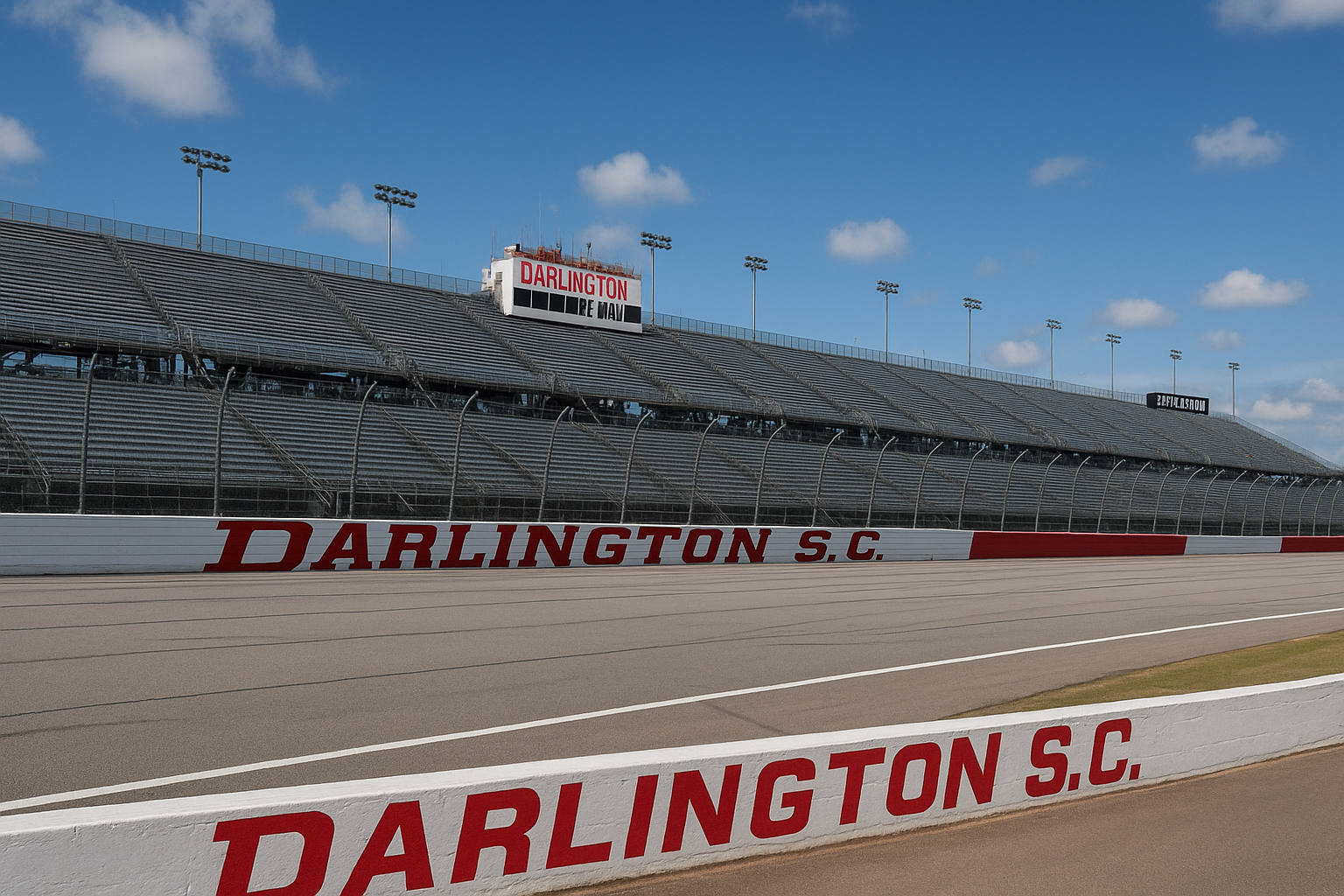
The 2026 season for NASCAR brings headline changes across track variety and race formats, with Chicagoland Speedway returning as a 1.5-mile oval rejoining the Cup schedule after a several-year absence. Meanwhile, North Wilkesboro Speedway is reappearing as a points-race venue for the first time since 1996, and a new street-course event at a military base in San Diego introduces a road-style competition uncommon for the series.
The season finale moved back to Homestead-Miami Speedway on November 8, reviving a configuration last used in 2019 under the rotating finale model. These adjustments are creating a season rich in varied challenges, spanning from high-speed drafting on ovals to technical turns on street and road courses.
With such diversity, race outcomes become harder to predict, opening fertile ground for dynamic fan engagement. You will likely view races differently, with each track offering distinct drama and wagering potential.
What data partnerships and live-odds platforms now support real-time wagering
NASCAR’s long-term collaboration with global data providers delivers up-to-the-second telemetry, timing and scoring. That stream powers micro‑market offerings where odds shift as action unfolds; for example, you could choose to bet on a driver’s next pit stop or wager on which car will lead the next lap. You might even bet on the total number of cautions in a stage once tire wear and traffic intensify, and that kind of live engagement grants each twist or caution flag a fresh sense of immediacy.
Fans accustomed to fixed pre-race odds might find this dynamic more thrilling than traditional winner‑take‑all formats.
With odds recalculated constantly, timing becomes as important as track position. For a viewer with quick reactions and a clear strategy, this backdrop invites active participation throughout every stage. Meanwhile, the involvement of Sportradar, now the official betting data partner for NASCAR’s 97‑race annual schedule, underpins these live markets with accurate real‑time data streams.
This constant flow of real-time data allows sportsbooks to introduce dynamic in-race promotions, creating opportunities for bettors to engage with events as they happen rather than waiting for race conclusions.
Fresh tracks and format changes
The return of classic ovals like Chicagoland and North Wilkesboro, alongside street and road-course events such as the San Diego base layout, dramatically increases analytical complexity. Here, bookmakers must calibrate odds to reflect vastly different driver skill sets and car setups. On intermediate ovals, engine power, drafting and high-speed coordination likely dominate; on tight, technical street circuits or road courses, braking, handling and tire management become paramount. That variance means you might find value placing a bet on an underdog driver who historically excels on twistier layouts or adapts quickly to changing track conditions.
Concurrently, markets will likely expand beyond race-winner odds into props such as “driver X top-five finish on street course” or “number of lead changes at oval track.” Equally, diversified formats could encourage more frequent, smaller bets, with each offering targeted risk and potential reward. For informed bettors, a deep understanding of track type, car behavior and historical performance may pay off, particularly where conventional odds undervalue certain outcomes.
Additionally, emerging data analytics and real-time telemetry could further refine odds, allowing savvy bettors to capitalize on nuanced performance trends across the varied track formats.
Growing popularity of NASCAR betting and its implications
Interest in NASCAR as a wagering sport appears to be rising, and you can feel that shift when race weekends approach. Reports from sportsbooks in states with legalized motorsport betting show that during major events, NASCAR regularly ranks among the top four most-bet sports. Average stake sizes in some markets even surpass those tied to mainstream competitions, which signals deeper financial engagement rather than casual curiosity.
You might notice that fans around you treat each race as an interactive experience, where watching and wagering naturally blend together.
Meanwhile, prop markets, head-to-head matchups and in-race wagering windows have all multiplied as operators respond to the growing appetite for real-time action. That expanded liquidity and variety strengthen the appeal for someone like you who enjoys staying involved from green flag to checkered flag. However, increased opportunity comes with added risk; as markets split into countless small sub-events, it becomes easy for you to overextend without realizing how quickly bets accumulate. Here, chasing long shots or stacking multiple props may look tempting in the moment, but exposure builds fast.
Market growth makes a steady hand essential, urging you to approach each wager with personal restraint, situational awareness and a strategy grounded in observation rather than impulse.
What 2026 might mean for you as a fan or bettor
If you plan to follow NASCAR in 2026 (or already do), the developing backdrop offers considerable potential. The varied schedule means you can adjust your approach depending on track type: perhaps focus on power-dependent ovals when drafting and engine performance matter, and switch to technical props on road or street courses where precision matters more than horsepower.
In-race markets powered by real-time data grant opportunities to stay active throughout a race; you might place a bet on which driver pits next, wager on a fastest-lap prop when tire wear kicks in or predict cautions during a chaotic stage.
For viewers seeking ongoing engagement rather than a single moment of drama at the finish line, that interactivity can deepen enjoyment. In this context, market competition among sportsbooks could also benefit bettors, with competitive odds and creative prop lines appealing to different strategies. Ergo, use of analytics, track history, driver tendencies and race format might open windows where thoughtful, modest wagers yield value.
At the same time, discipline remains vital, where wagering in small increments and treating each bet as one data point among many may help preserve fun without undue risk.
If there’s one key takeaway? Approach wagering with curiosity, caution and a sense of timing.