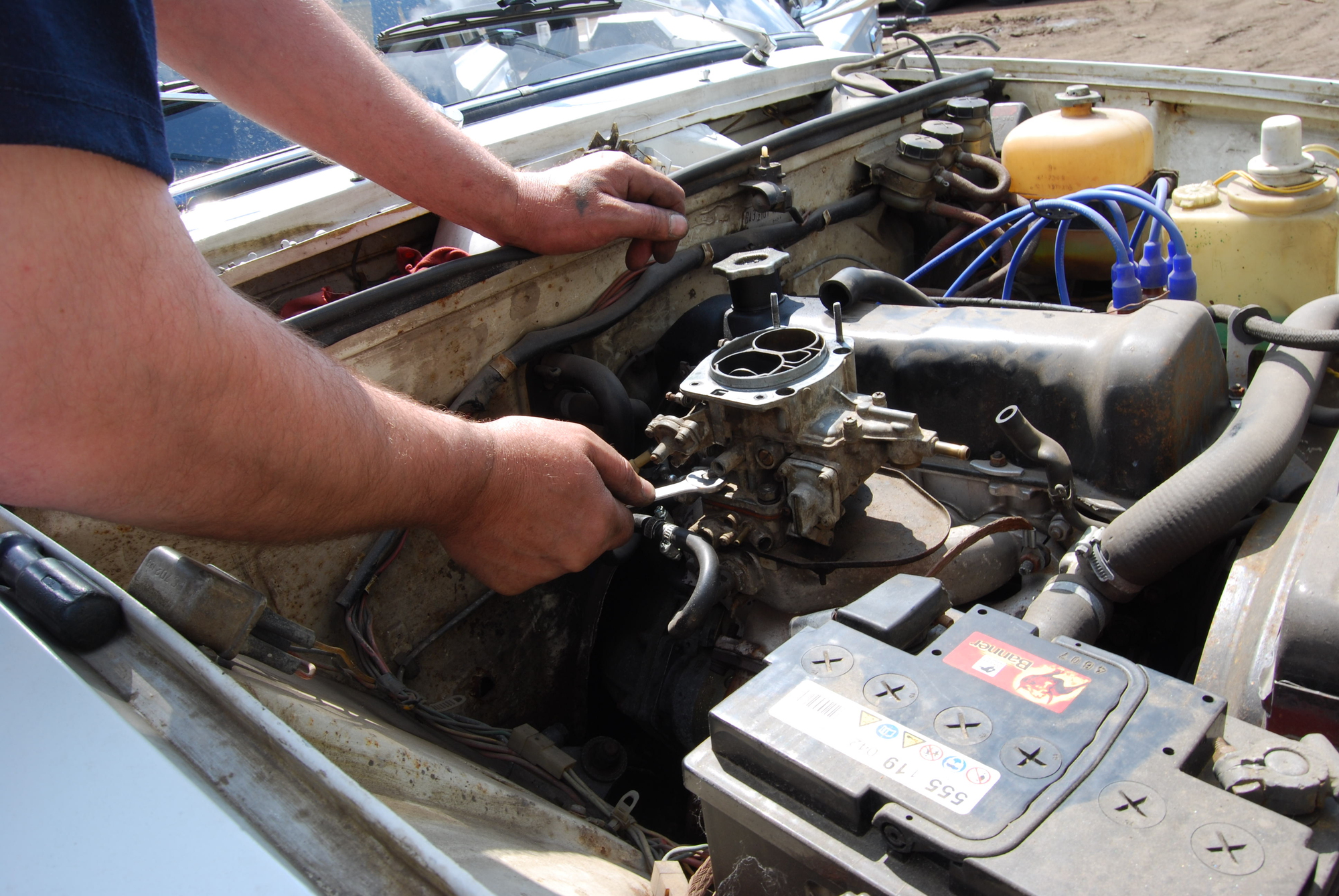
Auto repair software works well for standalone shops. The problem starts when dealerships try to use those same tools to manage recon and internal service work. The workflows look similar on the surface, but the goals are different.
Recon Is About Inventory, Not Transactions
Repair shops focus on customer pay jobs. Dealers focus on preparing inventory for sale. That difference changes everything from how labor is tracked to how costs are applied.
Generic repair software treats each job as a closed transaction. A vehicle comes in, gets fixed, and leaves. In a dealership, recon work feeds directly into inventory value. If that connection is missing, accounting gaps appear.
When recon costs are not tied cleanly to inventory, dealers often misprice vehicles. They think a car has one cost when it actually has another. That shows up later as smaller margins or unexpected losses.
Another issue is visibility. Repair software doesn’t always show recon status across the entire lot. Managers can’t quickly see which vehicles are waiting on parts, stuck at detail, or ready for photos. That slows turn time.
Dealer-First Software Solves the Right Problem
Dealer-centric platforms handle service differently. They treat recon as part of the sales lifecycle, not an isolated repair event. Platforms like dealr.cloud allow recon tickets, labor, and parts to flow directly into vehicle cost records. That keeps financials accurate without extra work.
This matters more as inventory grows. What feels manageable at 20 cars becomes chaotic at 60 or 100. Without dealer-specific service workflows, small delays multiply.
Independent dealers don’t need more software. They need the right software. Tools built for repair shops solve the wrong problem. Dealer-first systems recognize that recon exists to support sales, not stand alone.
Choosing software that understands that difference helps dealers protect margins and move inventory faster, without forcing teams to fight their tools.
Run Your Dealership Your Way. Try dealr.cloud today.
Car Dealer Software vs Standalone Tools – Where Profit Leaks Happen
Most dealerships didn’t plan to build a patchwork tech stack. It happened over time. One tool for inventory. Another for CRM. Another for accounting. Each solved a short-term need.
The problem is what happens between those tools. That’s where profit leaks live.
Standalone systems don’t naturally share context. A recon cost logged in one system may never reach accounting. A lead closed in the CRM might not feed back into marketing reports. Salespeople re-enter data because systems don’t talk.
Those gaps create small errors that add up. Missed costs. Slower follow-up. Confusing reports. None feel dramatic on their own, but together they erode margins and control.
Unified Dealer Software Reduces Handoffs:
Car dealer software built as a single system avoids those handoffs. Inventory, leads, deals, service, and accounting share the same data. That reduces duplicate entries and makes mistakes easier to spot.
This is especially important for independent dealers. Teams are lean. Owners wear multiple hats. They don’t have time to reconcile five systems just to understand profitability.
Some platforms, including dealr.cloud, are designed around that reality. Instead of forcing dealers to integrate multiple tools, they offer one system where data flows naturally from acquisition to sale. Recon costs affect inventory. Closed deals inform marketing. Accounting reflects real-time activity.
Stop Profit Leaks Before They Happen:
The advantage isn’t the features. It’s fewer blind spots. Dealers can see what’s happening without chasing reports or waiting for month-end summaries.
Standalone tools still have a place in some operations. But when core dealership functions operate in silos, profit leakage is almost guaranteed.
For dealers looking to scale without adding complexity, choosing unified dealer software is often less about upgrading technology and more about avoiding unnecessary losses. Everything you need from buying to selling. Try dealr.cloud today.