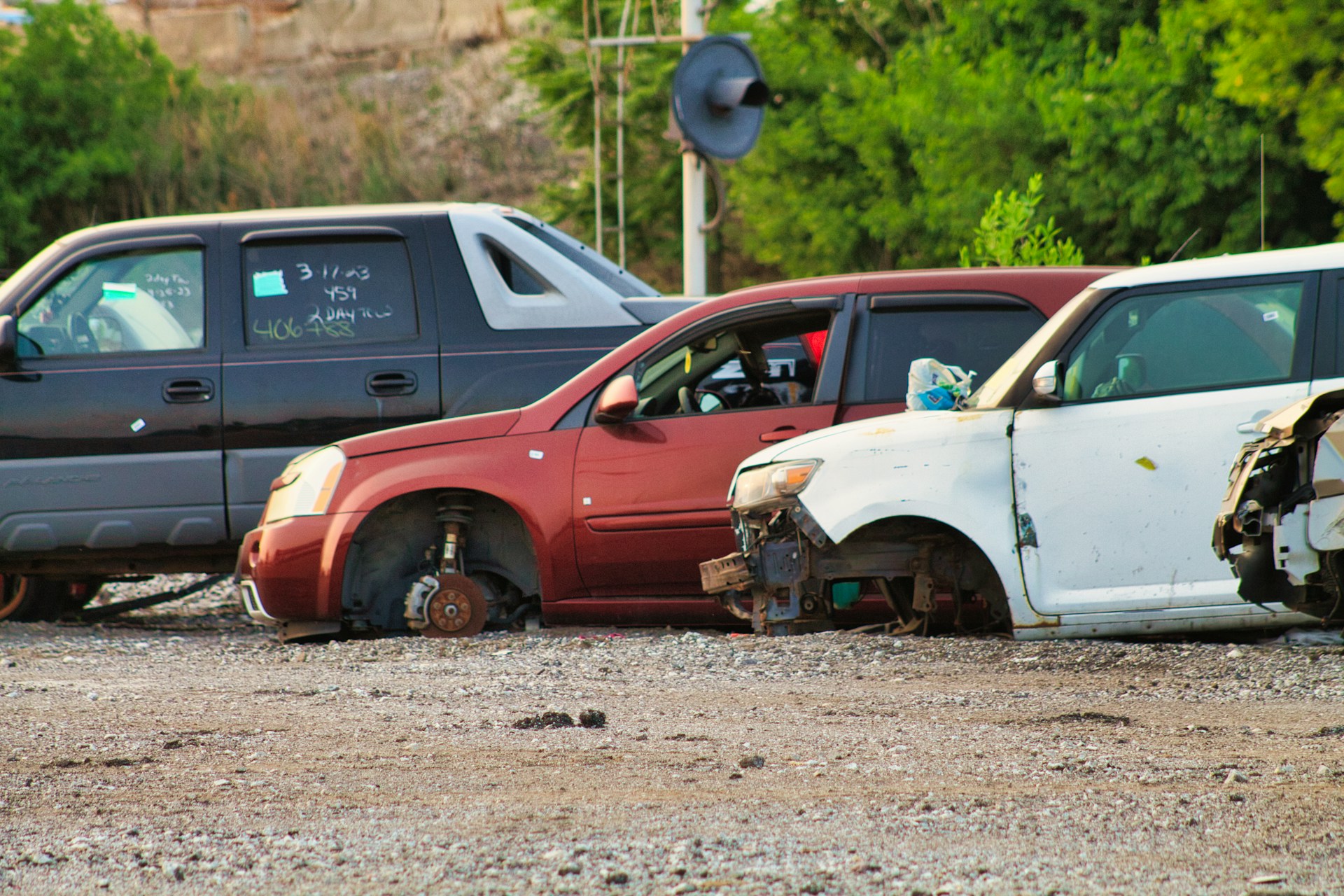
If you own an aging RV, the hardest part is often not noticing the problems. The real challenge is accepting when the repairs no longer make financial sense. An older RV may carry years of memories, but leaks, rust, electrical failures, and structural wear can slowly turn it into something that demands more than it gives back. In Rhode Island, where coastal moisture, storms, and limited space can add pressure, recognizing when to stop repairing and start moving on can save you time, money, and frustration.
Look Beyond The Next Repair
One repair does not automatically mean your RV is finished. Replacing a battery, fixing a tire issue, or repairing a small appliance may still be reasonable. The real concern begins when one repair leads to another, and the list continues to grow. At that stage, you may begin to consider whether it makes more sense to sell your junk RV in Rhode Island instead of continuing to put money into a vehicle that no longer feels reliable.
Instead of viewing each repair separately, step back and look at the full condition of the RV. A roof leak might not seem catastrophic at first, but if it has already affected the walls, insulation, and flooring, the cost extends far beyond a simple patch. The same pattern applies to engine trouble, electrical failures, or water damage. When several systems start demanding attention at once, your RV may already be telling you it is reaching the end of its practical life.
Know The Warning Signs Of A Failing RV
Your RV rarely becomes beyond repair all at once. Most of the time, it declines in stages. One season may bring a leak, the next a soft floor, and soon the plumbing, wiring, or roof begins to fail as well. When those issues start overlapping, the cost of restoring the RV can grow faster than expected.
Some warning signs are difficult to overlook:
- Repeated roof or window leaks
- Soft spots in the floor or walls
- Mold, mildew, or lingering moisture smells
- Rust on the frame or structural metal parts
- Engine or transmission trouble in motorized RVs
- Electrical systems that fail without warning
If several of these problems appear at the same time, your RV may no longer be a simple repair project. Instead, it can become an ongoing drain on your budget and your energy.
Compare Repair Costs To Realistic Value
A practical way to evaluate your RV is to compare repair costs with what the vehicle would realistically be worth afterward. Many owners struggle with this step because they focus on the money they have already spent. Past repair bills and even regular routine maintenance do not increase the RV’s current value. They only show how much effort and money have already gone into keeping it going.
A better question to ask yourself is whether fixing the major problems today would make the RV worth the total investment. If the answer is no, continuing repairs may only increase the loss. This becomes even more important when the RV still has cosmetic wear, aging materials, or systems that may fail next. Eventually, what once felt manageable can shift from necessary upkeep into routine expenses that no longer make financial sense.
Understand How Rhode Island Conditions Add Pressure
Living in Rhode Island can place additional stress on an aging RV. Moisture in the air, coastal storms, strong winds, and seasonal temperature shifts can worsen existing damage faster than expected. Even a small crack or leak can expand into a larger problem when the RV sits outdoors through changing weather conditions.
Space can also become an issue. If your RV no longer runs or travels, it may occupy valuable space in your driveway, yard, or storage area. Even without active repair costs, the vehicle can still create inconvenience and visual clutter. Over time, the presence of an unused RV can feel like a growing burden rather than a useful asset.
Be Honest About Emotional Attachment
It is natural to feel connected to an RV that once carried you through memorable trips. Family vacations, long drives, and quiet campground evenings can make the vehicle feel like more than just transportation. Still, memories and practical value are not the same thing. Holding onto the RV because of what it used to represent can make it harder to address its current condition.
Being honest with yourself does not mean ignoring those memories. It simply means recognizing whether the RV still serves your life today. If it now causes more stress than enjoyment, that change matters. Letting go of the RV does not erase the experiences connected to it. It simply clears the way for something more useful in the present.
Recognize When Moving On Is The Better Choice
Eventually, repairing the RV may start to feel less productive and more like postponing a decision. If the vehicle is unreliable, unsafe, or too expensive to restore, moving on may be the more practical option. Choosing to move forward does not mean giving up too quickly. It means recognizing when the numbers, condition, and effort no longer align.
Making that decision can bring an unexpected sense of relief. Instead of focusing on a growing list of repairs, you begin focusing on resolution. The RV stops being a constant project and becomes a problem that can finally be addressed. For many owners, that shift changes the entire situation.
Know When The Repair Cycle Has Run Its Course
Your RV is no longer worth repairing when the damage spreads across several systems, repair costs exceed realistic value, and the vehicle no longer serves a useful purpose. When that moment arrives, continuing to invest in repairs usually brings more frustration than benefit. By recognizing the signs early, you can avoid deeper costs and make a practical decision that works for your situation. Moving on from a junk RV can free up space, reduce stress, and allow you to focus on what comes next.