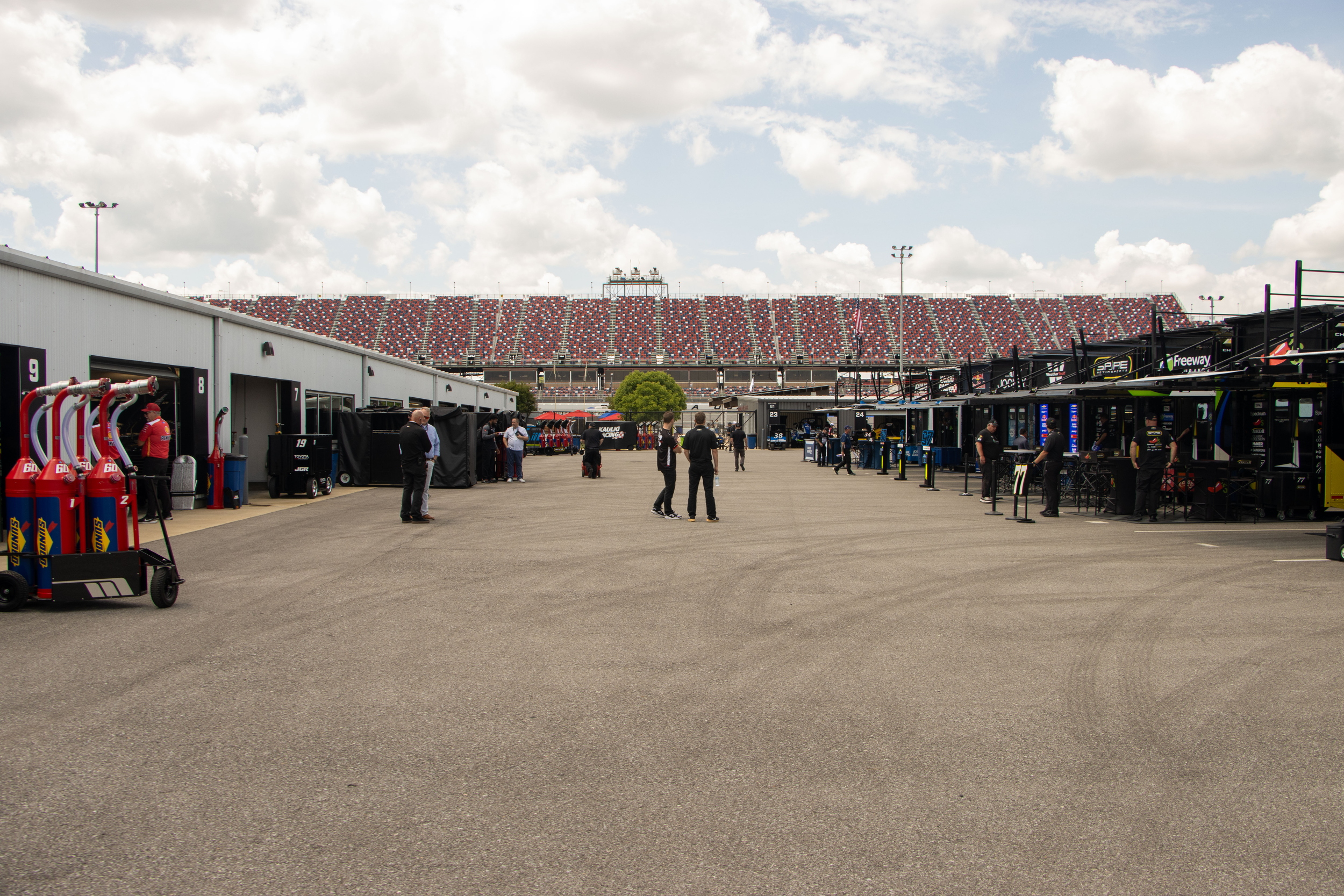
In both the worlds of professional racing and high-stakes poker, top competitors know that more than raw speed or luck is required to come out ahead. Success arises from understanding not just the game’s rules, but also the intricate interplay of timing, anticipation, and the steady nerves needed to outmaneuver rivals. While these domains might appear quite different, racing and poker share a surprising number of strategic similarities, especially when it comes to timing decisions and reading one’s environment. Let’s peek under the hood and shuffle the deck to see what racers and poker players can learn from one another about competitive thinking.
The value of patience and timing
In the high-octane world of motorsports, patience is not often the first quality associated with drivers hungry for the checkered flag. Yet true champions know that waiting for the right moment to make a move is just as crucial as a well-timed acceleration. Whether you’re waiting for the driver ahead to make a minor mistake or holding back to save your tires for a late surge, timing can dictate the difference between first and fifth place. There is an art to knowing when to attack and when to bide your time, and this element of timing is mirrored nearly card-for-card at the poker table.
Poker pros understand that not every hand can, or should, be played, and sometimes the best move is to fold and wait. Both games teach practitioners to manage adrenaline, channeling it into constructive patience. In both contexts, those who strike too early or become restless are often left watching from the sidelines while others capitalize on their missteps. The parallel is clear: strategic timing, whether in racing or poker, rewards those who can wait for openings rather than forcing the action prematurely.
Reading opponents and adapting strategies
Another central theme shared by racers and poker players is the relentless focus on reading opponents. In racing, anticipation often stems from observing rivals’ driving styles, tire choices, and even subtle body language in the pit lane. Top performers pick up on the smallest hints, changes in line through the turns, brake points, or how aggressively a competitor is pursuing the lead, and use those observations to plan counters. Success relies on constant vigilance and a willingness to adapt strategies as races evolve.
At a poker table, reading tells and patterns provides similar advantages. Professionals carefully watch their opponents’ reactions, betting tempos, and even posture, looking for clues about the strength of their hands or potential bluffs. This ability to interpret limited information fast becomes the backbone of competitive edge. Quick adjustment is crucial here as well; if you spot an opponent adjusting strategy, it’s time to adapt or risk being left behind. In both arenas, nothing stays static, flexibility and keen observation lead to better decisions under pressure.
Risk management and calculated decision making
Perhaps the most striking strategic parallel between racing and poker lies in managing risk. When drivers push their machines to the edge, every move carries potential rewards and hazards. Passing on the outside during a tight turn could mean gaining a critical position, or it might result in contact that ends a race early. Calculated risks, rooted in deep understanding of both the present scenario and potential consequences, define motorsport strategy. The fastest way may not always be the safest or the smartest; champions choose when to risk and when to play it safe.
Poker, too, orbits around the axis of risk and reward. Players constantly weigh the possible winnings of a pot against the size of the bet required, the odds of drawing a desired card, and the likelihood their opponent is bluffing. Bankroll management adds another strategic layer: withdrawing before devastation, or pressing an advantage when the odds tilt in your favor. Just as a racer must know when to pit or preserve tires, a poker player must avoid risking too much on a weak hand. Across both disciplines, competitive thinking is about judiciously calculating risk, reading the field, and making decisions that might not always result in immediate victory, but build toward consistent success over time.