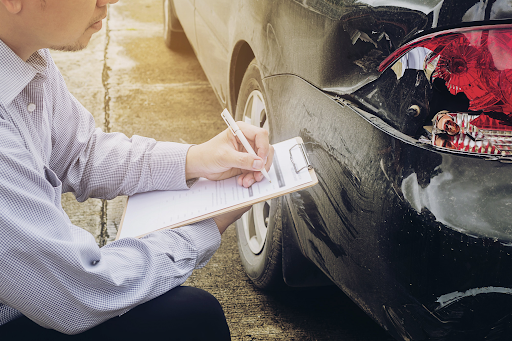
In South Carolina, where expanding cities and busy roadways have made rideshare services a regular part of daily transportation, accidents involving these platforms are becoming more common. Whether someone is commuting to work, heading to the airport, or simply avoiding traffic, rideshare vehicles are now woven into everyday travel. When a crash occurs, however, the question of responsibility can quickly become complicated, especially when multiple parties and insurance policies are involved.
Unlike traditional car accidents, these cases often require a closer look at who was involved, what role each party played, and how coverage applies at different stages of a ride. For those affected, understanding how liability is determined can make a significant difference in protecting their rights and pursuing compensation. Resources like https://www.mcwhirterlaw.com/ can offer helpful insight into how these claims are evaluated and what steps may follow.
Why Fault Gets Complicated
Rideshare claims rarely follow a simple pattern because liability can change in minutes. App activity, traffic behavior, street conditions, and policy language all affect the outcome. Many injured people review public legal information as they try to determine who may owe payment after a crash. If the app is off, personal coverage may apply. If a ride is active, the company’s insurance may come into play.
The Driver Behind the Wheel
The rideshare operator may bear primary blame if careless driving caused the impact. Speeding, phone distraction, abrupt lane changes, illegal turns, or missed signals can support a claim. Screen use draws close attention because the platform relies on regular device interaction. Liability still depends on proof, though. Witness accounts, intersection cameras, trip data, and vehicle damage patterns often show whether that driver created an unsafe chain of events.
The Rideshare Company
The platform company is not automatically liable every time one of its drivers crashes. Many businesses classify operators as independent contractors, which can narrow the scope of direct corporate responsibility in some disputes. Even so, the company may provide insurance during certain phases of the trip. Questions may also widen if screening was weak, prior safety complaints were ignored, or a dangerous account stayed active despite warning signs that called for review.
Other Motorists
Another motorist may hold full or shared fault if that person caused the collision. Rear-end crashes, intoxicated driving, unsafe passing, or failure to obey a red light often shift blame away from the rideshare operator. Some cases involve both drivers. Insurers then argue over percentages while medical bills keep arriving. Clear records help show who acted carelessly and whose conduct directly produced the injuries, repair costs, and related losses.
Vehicle Owners and Employers
Sometimes the liable party is neither the rideshare company nor the app driver. A vehicle owner may face exposure if neglected maintenance led to brake failure, worn tires, or defective lights. An employer may join the case if a worker operating a van, truck, or service car caused the wreck during job duties. Added defendants can matter because severe trauma often pushes damages beyond a single policy limit.
Shared Fault Rules
Many states use comparative fault rules, so more than one party can share legal responsibility. If an injured passenger, pedestrian, cyclist, or driver also acted carelessly, compensation may drop by that assigned percentage. Seat belt use, distraction, and risky choices on the road may become part of the dispute. Liability is rarely decided by a single statement. A full record usually carries greater weight than early assumptions.
Evidence That Shapes Liability
Evidence often determines whether a claim holds up under scrutiny. Trip logs can confirm app status and timing. Police reports may identify traffic violations or the names of witnesses. Photos, dash footage, phone records, and medical charts can link the impact to bodily harm. Passenger statements also help explain braking, speed, and driver attention. When details are preserved quickly, insurers have less room to deny facts or shift blame unfairly.
Why Early Action Matters
Delay can damage a rideshare claim in practical ways. Video may be erased, witness memory can fade, and digital trip records may become harder to obtain. Prompt reporting also helps connect symptoms to the crash before insurers question treatment gaps. Early review matters for passengers, pedestrians, cyclists, and other drivers alike. Each group may face different coverage issues, yet all benefit from preserved evidence and a clear timeline.
Conclusion
Liability in a rideshare accident case depends on who acted carelessly, when the app was active, and which insurance layer applied at that moment. The answer may involve one party or several. A rideshare driver, another motorist, a vehicle owner, or the platform’s company may all be part of the analysis. With timely evidence collection and careful review, injured people can better identify who is responsible and pursue fair compensation for genuine losses.