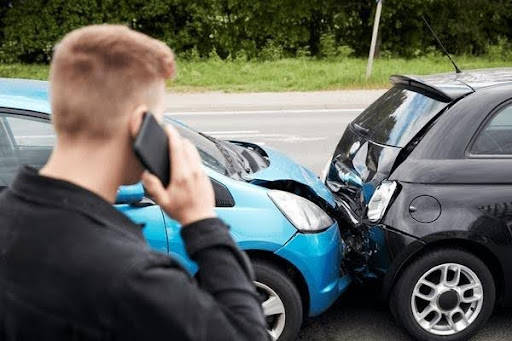
Multi-vehicle pileups are the stuff of nightmares.
You’re driving along the freeway. Then suddenly you’re in a multi-vehicle pileup with cars crashing into each other from all directions. Chaos. Confusion. Deadly.
The frightening thing? Most pileups result from predictable driver errors. Learn what causes them and you can begin to avoid them.
Here’s the truth:
- Pileups can involve 5x cars or 150+ cars
- They happen fast (usually within seconds)
- They often lead to a hit and run claim when panicked drivers flee
But you can protect yourself once you understand what’s really going on out there.
Here’s what’s inside:
- Why Multi-Vehicle Pileups Are So Dangerous
- The Most Common Causes Of Pileups
- How Drivers Can Avoid Getting Caught In One
Let’s dive in…
Why Multi-Vehicle Pileups Are So Dangerous
A pileup isn’t just a regular car crash times ten.
It’s a completely different animal with the domino effect involved. Once the first car crashes, the cars behind don’t have time to stop. But then the cars behind those cars can’t stop in time either. Soon there are dozens of drivers involved and hundreds of injuries.
Numbers support this as well. According to the NHTSA there were 39,345 traffic deaths in 2024. Multi-car collisions account for a significant percentage of those fatalities.
Here’s what makes pileups extra dangerous:
- Fires spread quickly from one car to the next
- Emergency crews struggle to reach victims
- Drivers who cause the wreck sometimes flee the scene
The last one is a biggie. Fleeing the scene of an accident you caused leaves victims without any way to know who hit them. This is where a hit and run claim comes into play, so it’s best to speak with a Boca Raton car accident attorney immediately. These claims can get very complicated. There may be numerous insurance policies involved. Evidence may be lost. Determining liability can require some expertise.
Now let’s break down what causes these wrecks.
The Most Common Causes Of Pileups
Pileups don’t occur randomly. There are 5 common causes found repeatedly in accident reports.
Tailgating
Tailgating is the #1 cause of pileups.
Because: If you’re tailing the car in front of you too closely and they slam on their brakes, you won’t have time to stop. You crash into them. The car behind you crashes into you. It’s a chain reaction.
Always leave at least 3x seconds worth of space between you and another vehicle in front of you. Bad weather? Increase your space to 6-8 seconds.
If every driver followed this rule, most pileups would never happen.
Distracted Driving
We all know we shouldn’t text and drive… But people do it anyway.
Whenever you glance at your phone for 5 seconds while driving at highway speeds, you have traveled the length of a football field with your eyes off the road. If traffic slows in those 5 seconds – instant rear end collision. Chain reaction.
Distractions include:
- Texting and phone calls
- Eating or drinking
- Messing with the GPS
- Turning to talk to passengers
Keep your eyes on the road at all times. Simple.
Bad Weather and Low Visibility
Fog is a pileup magnet.
Some of history’s worst multi-vehicle collisions have occurred during heavy fog when drivers are unable to see far enough in front of them to avoid crashing. On January 20, 26, heavy fog in California resulted in a pileup injuring dozens of people and taking one driver’s life. Fog, heavy rain, and snow are recurring factors in reports of pileups.
When weather turns bad:
- Slow way down
- Turn on your low-beam headlights (high beams reflect off fog)
- Increase your following distance
- Pull off the road if visibility gets too bad
Alive and late really is better than the alternative.
Speeding
Speed makes everything worse.
The more speed you travel at, the longer your stopping distance is. And the greater the impact when you crash into something. Usually people who rear-end during a pileup were speeding and couldn’t stop in time.
Stick to the posted limits. Slow down for bad weather or heavy traffic.
Hit And Run Drivers
Here’s something that might shock you…
New AAA Foundation research shows that 15% of police-reported crashes in 2023 included a hit-and-run driver. That’s the highest rate ever recorded and creates even bigger headaches when pileups occur. Hit and runs happen when drivers cause a crash then leave others to clean up.
If a hit and run driver caused the pileup that you became involved in, you may be able to file a hit and run claim to recover damages. However, you will need to act quickly to preserve evidence and collect any information about the driver.
How Drivers Can Avoid Getting Caught In One
Now for the good news: pileups are avoidable.
All you have to do is develop a few good habits when you drive. Here are the most effective-
Maintain space around your vehicle at all times. Number one rule. If you have space, you have options. If you’re surrounded on all sides, you are helpless when stuff happens.
Look in your mirrors frequently. Be aware of what is behind you AND in front of you. If someone is driving right behind you, switch lanes and let them pass.
Adapt to the conditions. Rain, fog, snow, ice, night — they all demand slower speeds and increased following distance.
Don’t get distracted. Put the phone down. Program your GPS while parked. Eat while parked.
Watch far ahead. Don’t focus on the vehicle directly in front of you. Look 10-15 seconds down the road. See brake lights far ahead? Slow down early.
If a crash happens ahead of you…
- Don’t panic brake
- Move to the shoulder if possible
- Turn on hazards to warn drivers behind
- Get out and walk AWAY from traffic
That last tip might just save your life. If you’re stuck between two cars in a pileup, you’re standing in one of the most dangerous places possible.
The Bottom Line
Multi-vehicle pileups are terrifying but they’re not random.
They occur due to tailgating, distracted driving, inclement weather, speeding and hit and run drivers. The good news is you have actual control over how you operate your vehicle. By maintaining space around your vehicle, scanning far ahead and slowing down for poor conditions… You can significantly lessen your chance of being involved.
But what if the worst should occur? Know your rights. Get information from every driver. Take pictures. Call the police. Remember that if someone drives away, you can still file a hit and run claim to pay for damages.
Stay alert out there.