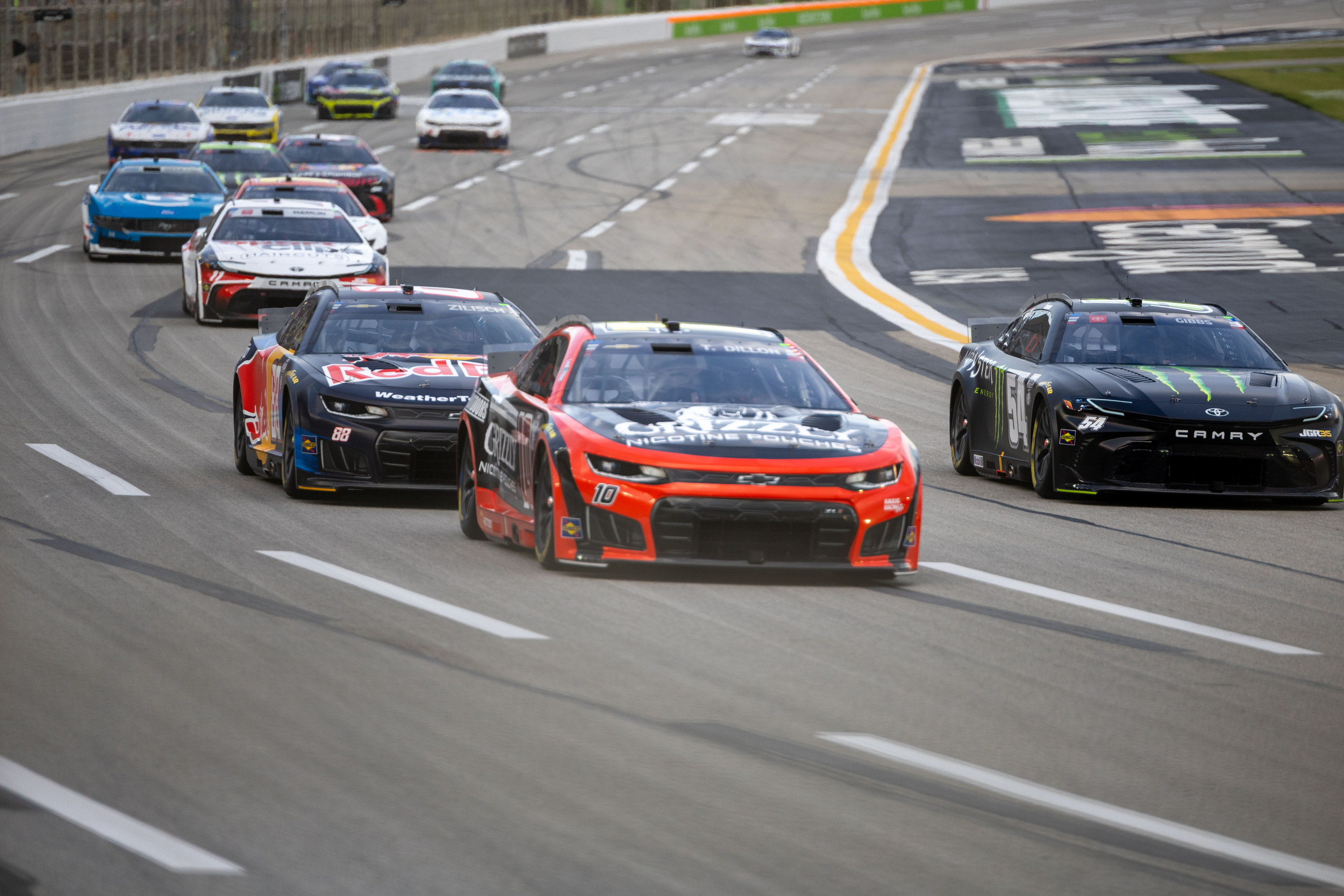
Anyone who has watched a top-tier racing pit stop in real time understands that it happens faster than the conscious mind can process — four tires changed, fuel loaded, adjustments made, in under twelve seconds.
What the broadcast rarely has time to explain is that the decision to pit, the specific tire compound chosen, and the precise pressure set on each corner of the car are not spontaneous judgments. They are the result of continuous data collection that begins the moment the car leaves the pit lane and doesn’t stop until it returns.
In professional motorsports, tire management isn’t a supporting consideration — it is frequently the primary variable that separates race winners from mid-pack finishers. Throughout a stint, engineers monitor how heat buildup, load transfer through corners, and changing track conditions push each corner’s pressure above or below its target window.
A car that starts a stint at the correct pressure but accumulates too much heat into its right-front tire by lap twenty will begin to push wide through the turns — not because anything mechanical has failed, but because the physics of the contact patch have quietly shifted. This same real-time monitoring principle applies directly to highway vehicles, where systems like Grundig TPMS track pressure and temperature across every tire simultaneously — catching the slow leak developing over forty miles, the heat buildup on a rear position before it becomes a structural problem, and the cold-start pressure deficit that an overnight temperature drop has silently created.
The principles applied by top racing teams translate well to everyday driving. Cold inflation is the baseline, not the target — the correct pressure for operating conditions is higher than the static morning number, and experienced engineers account for that when setting pre-race pressures. Temperature is the early warning that pressure readings alone can miss — a tire generating abnormal heat will show an elevated reading before any pressure deviation becomes visible. And every position matters independently, because a single corner running two PSI below target behaves differently from the others under real-world load, just as it would on any vehicle sharing the same physics.
Beyond the Track: What Performance Upgrades Reveal About Street Vehicles
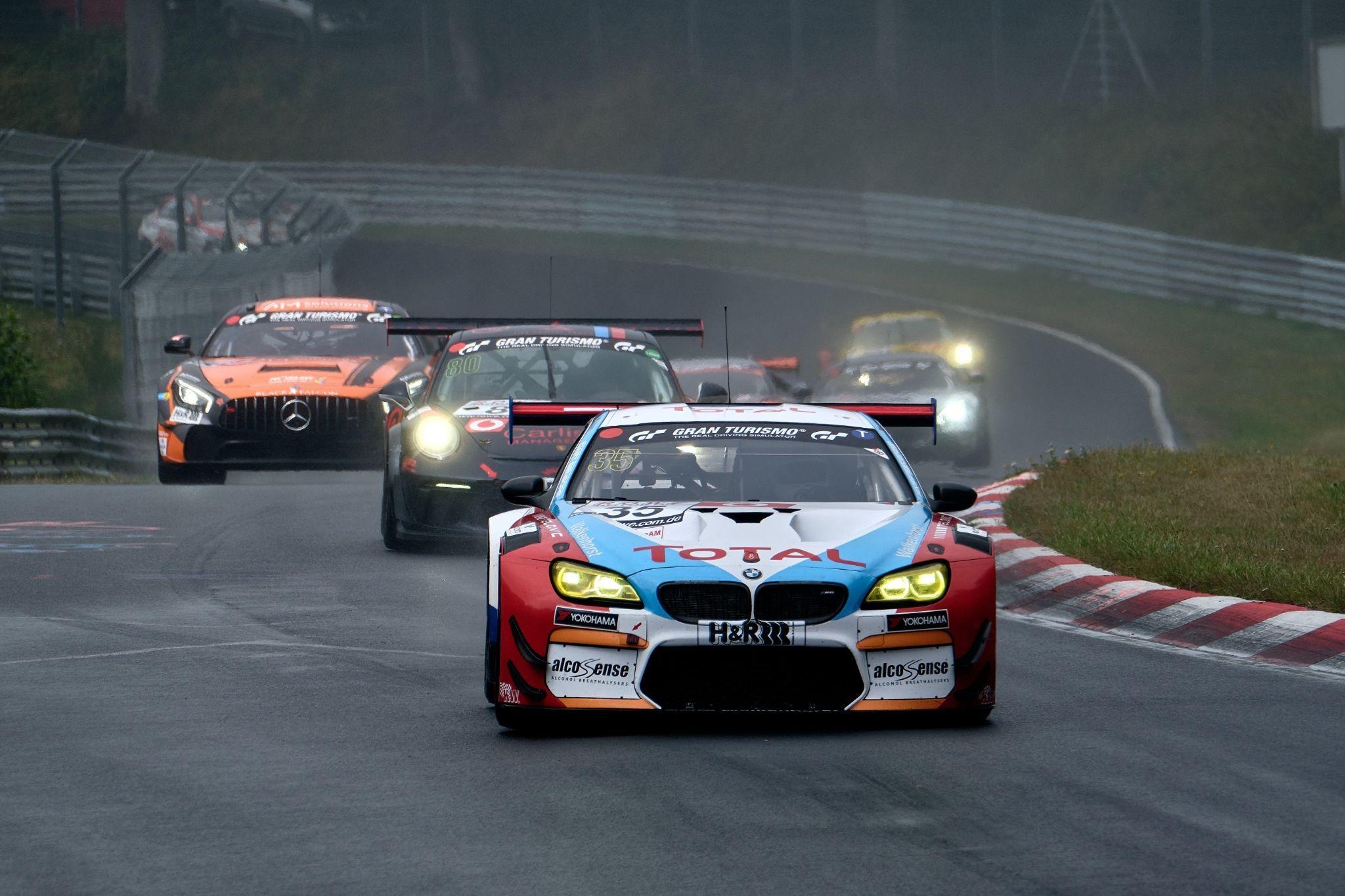
The engineering philosophy behind successful racing extends well beyond tire strategy. The pursuit of performance at the professional level operates on a principle that most casual observers underestimate: the smallest gains, applied consistently across every system, compound into outcomes that show up on the stopwatch. Street vehicle owners applying the same thinking — looking for ways to improve their car’s power and efficiency across multiple systems rather than chasing a single dramatic modification — are following the same engineering logic that informs professional motorsports preparation.
A component that protects the turbo during gear changes, an intake that reduces restriction, an exhaust configuration that improves scavenging — none of these delivers a dramatic transformation in isolation. Together, they represent the approach that separates a vehicle operating near its design potential from one leaving capability unrealised. The component categories that matter most in professional racing have direct consumer equivalents, and the engineering principles that make them valuable on the track — precision tolerances, materials rated for sustained operating stress, design that reflects real-world conditions rather than controlled test environments — are the same principles that determine whether an aftermarket part delivers measurable improvement on a street vehicle.
The most consistent performers in professional motorsports are rarely those with the largest resources alone — they are the ones who apply engineering discipline across every system their car depends on, without exception. Street drivers who adopt the same mindset — monitoring tire conditions continuously, selecting components on engineering merit, and treating vehicle maintenance as an interconnected system rather than a series of reactive repairs — are applying a philosophy that has been validated at speed for decades. What the track teaches, in compressed and competitive form, is simply what good vehicle management looks like when the margin for error is too small to ignore.