It’s an odd combination that can be a ski trip to Vail. You leave Denver on a sunny day, drive west for an hour, and suddenly the road ahead looks different, as does the weather.
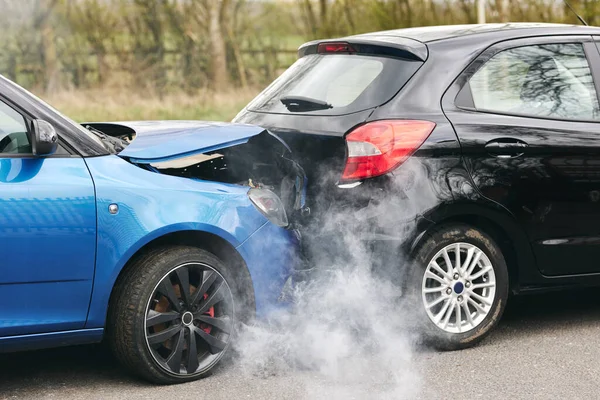
Riding this is happening too frequently on I-70, and it’s one reason to think about the journey before the rental car heads out the door. The trail is accessible. The problematic part is the winter.
If you are traveling into Colorado for the first time, it’s not necessary to memorize all the exits. It’s about how long to wait and what type of road you are driving into, and knowing where to check the conditions when the mountains begin to take over the plan.
Denver Airport Adds More Road Than Many Visitors Expect
Vail is typically considered 100 miles from Denver when referring to downtown.
DIA is quite far east of the city. From there, the route is roughly 119.6 miles, as compared to approximately 97 miles from downtown Denver. This drive will probably take 2 hours, though it could be up to 3 hours depending on ski season and snowy conditions.
It is highly important to consider when choosing a flight.
You’re not on I-70 at 3 p.m. if you arrive that time at DEN. Baggage area, ski shops, rental car line and exiting the airport. A delay somewhere in that process can also move the mountain portion of the trip into darkness.
Before choosing a departure time, Blue Sky Limo, one of Vail’s highest-rated private shuttle services, has a useful guide to the distance from Denver to Vail written around a route its local chauffeurs drive every day. It includes information on both downtown Denver and DEN, directions, navigation information, winter driving, and references to road monitoring information and travel advisories. Blue Sky Limo has 55 reviews on Tripadvisor, with a customer rating of 5.0.
I-70 Is Simple Until It Isn’t
There is no complicated back-road route to learn. From Denver, I-70 West does most of the work.
After about an hour, the driver who is new to mountain driving will have questions in his mind.
But the weather turns, and they change.
Vail Pass has been identified as a critical area of the system for winter operations by CDOT. It can involve crashes and closures due to snow, ice, and cars that may lack good traction.
Navigation apps are still good to have, particularly as commuter traffic begins, and remember that the first ETA received is not a set appointment.
Take a Look at the Tires
This sounds obvious until you are standing beside a rental SUV at DEN and everyone wants to get moving.
Colorado’s traction requirements matter on this route. The I-70 Mountain Corridor between Morrison and Dotsero is covered by the seasonal Traction Law from September 1 through May 31. The current rules call for suitable traction devices and at least 3/16 inch of tread. Depending on vehicle/tire configuration, CDOT may have more stringent restrictions in severe weather conditions.
So look at the actual vehicle rather than assuming four-wheel drive solves everything.
If you are carrying skis, check the cargo situation too. Four people with winter luggage can use up an SUV surprisingly fast. Ski bags are long, boots are bulky, and nobody wants to discover the space problem after everything has been unloaded onto the curb.
Check the Mountain, Not Just Denver
Looking at a Denver weather app before breakfast is not enough.
The road crosses elevations and weather zones that can be very different from conditions around the airport. CDOT notes that the I-70 Mountain Corridor can move from dry pavement to ice in a short period of time.
This is where road cameras become genuinely useful.
COtrip provides current road information and live camera views along Colorado highways. Blue Sky Limo also maintains route-monitoring resources for mountain travelers, and its Denver-to-Vail guide links travelers toward road and weather information they can check before leaving.
If your flight lands late, check again.
A road report from three hours earlier is not much comfort if snow started while you were waiting for luggage.
Ski Traffic Can Matter as Much as Snow
Sometimes the road is perfectly dry, and the drive still takes far longer than expected.
Winter weekends send a lot of people west on I-70 at similar times. Holiday periods can be worse. CDOT reported that more than one million vehicles passed through the Eisenhower-Johnson tunnels during one December period, averaging close to 35,000 vehicles a day.
The lesson is fairly simple: leave some slack in the day.
That matters even more when driving back to Denver for a flight. On the way to Vail, an unexpected delay costs an hour of vacation. On the return trip, it can mean watching the departure time get closer while traffic barely moves.
Leaving Vail earlier than the map says you need to is rarely the part of a ski holiday people regret.
Driving Yourself Is a Choice, Not a Requirement
Some vacationers simply have no choice but to book car hire. Some vacationers have no choice but to hire a car. If you have to change towns several times on the way, make the side excursions, or drive most of the time, it makes good sense to have a vehicle.
Others come to DEN and the very next day head straight to Vail and never use a car again until returning home after another week.
If you do, you should ask yourself if you indeed want the responsibility for this winter road trip!
Originally launched in 2012, Blue Sky Limo has been serving the area for five years, offering vans for private transfers from Denver to Vail in the winter and ski luggage storage. According to its route page, its drivers travel I-70 every day.
A private transfer costs more than driving yourself, of course. What it removes is the need for someone in the group to finish a flight, collect luggage, monitor the passes, and then take responsibility for two hours or more of mountain driving.
For some groups, that trade is worth it.
Check Once More Before Leaving
The final check can happen while everyone is still in Denver.
Look at I-70. Look at Vail Pass. Check for restrictions or closures. Make sure the vehicle is ready, and know which part of Vail you are actually heading to.
Then avoid planning the trip so tightly that one snow shower ruins the schedule.
A winter drive from Denver to Vail can be beautiful. It can also be slow, snowy and completely different from what the weather looked like at the airport.
Both versions are normal.
Conclusion
There is no secret route that makes winter disappear between Denver and Vail.
A smoother trip comes from knowing where the drive starts, allowing more time than the mileage suggests, checking the car, and looking at current mountain conditions before heading west.
If the roads look good and you are comfortable driving them, enjoy the trip. If they do not, or you simply do not want mountain driving to be your first job after a flight, arrange another way up.
Either way, checking the road before leaving Denver is time well spent.