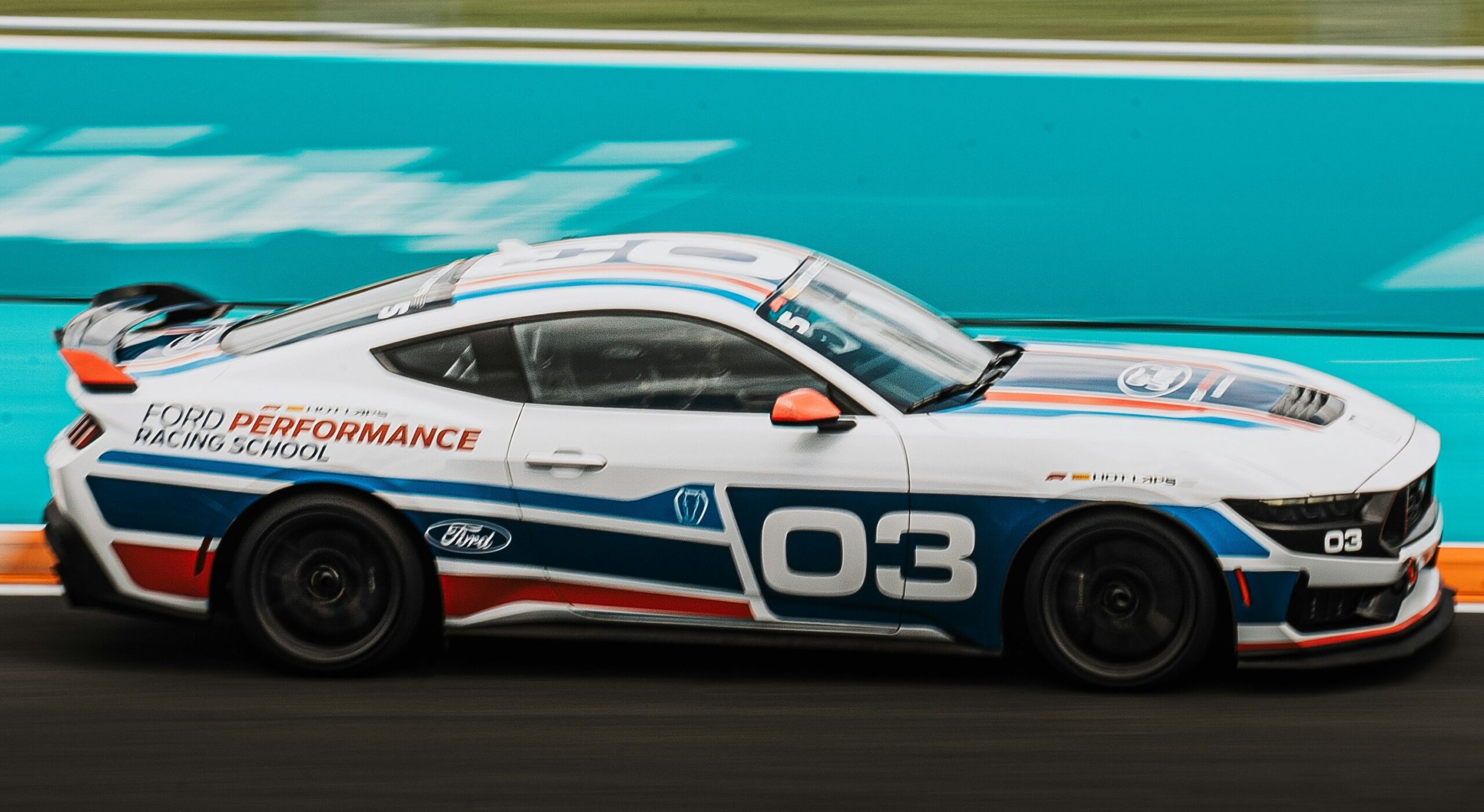
Every race weekend now has a second broadcast running alongside the official one. While the television coverage follows the leaders at Daytona or Pomona, thousands of fans are watching drivers, sim racers and team personalities stream from their own cameras: onboard reactions, pit-wall chatter, late-night iRacing league races that run for hours. Most of that footage is never watched twice. A small slice of it, the right ten seconds, travels further than anything else that happened all weekend.
That gap between hours of live content and the few moments people actually share has become one of the quieter problems in motorsport media. It is also why clipping has turned into a real skill for anyone streaming racing, from Cup Series regulars with a Twitch channel to teenagers running their first online league from a bedroom rig.
The long-broadcast problem
Racing is unusually hard to clip. A stick-and-ball game produces a highlight every few minutes. A 500-mile race can go forty laps with nothing more dramatic than a green-flag pit cycle, then deliver a three-wide restart, a spin into the infield and a last-lap pass inside ninety seconds. Endurance events stretch the problem further: a 24-hour race at Daytona or Le Mans produces a full day of footage for perhaps a dozen moments anyone will remember. Sim racing is no different. A league night on iRacing can run four or five hours, and the moment everyone wants to see may be a single brake-locking divebomb into turn one.
For a driver or sim racer streaming on Twitch, the moment itself is only half the job. Someone has to find it again afterward, cut it to the right length, reframe it for a phone screen and get it posted before the conversation moves on. Fans with a clip button help on the biggest channels. Everyone else does it alone, usually the morning after, scrubbing through a VOD that is longer than the race it covers.
That chore is what most streamers mean when they go looking for clipping software: not a full video editor, but something that gets them from a five-hour recording to a handful of usable moments without watching the whole thing again.
What travels, and what does not
The racing moments that escape the motorsport bubble usually have a few things in common. A newcomer can follow them cold, which in practice means a short line of text explaining the stakes before the cars arrive: “Last lap, no spotter, two cars side by side.” They run for seconds, not minutes; twenty or so is plenty. And the driver matters as much as the driving. Fellow racers will admire a clean overtake. Everyone else shares the radio message where a driver says exactly what they think of the car that just took them out.
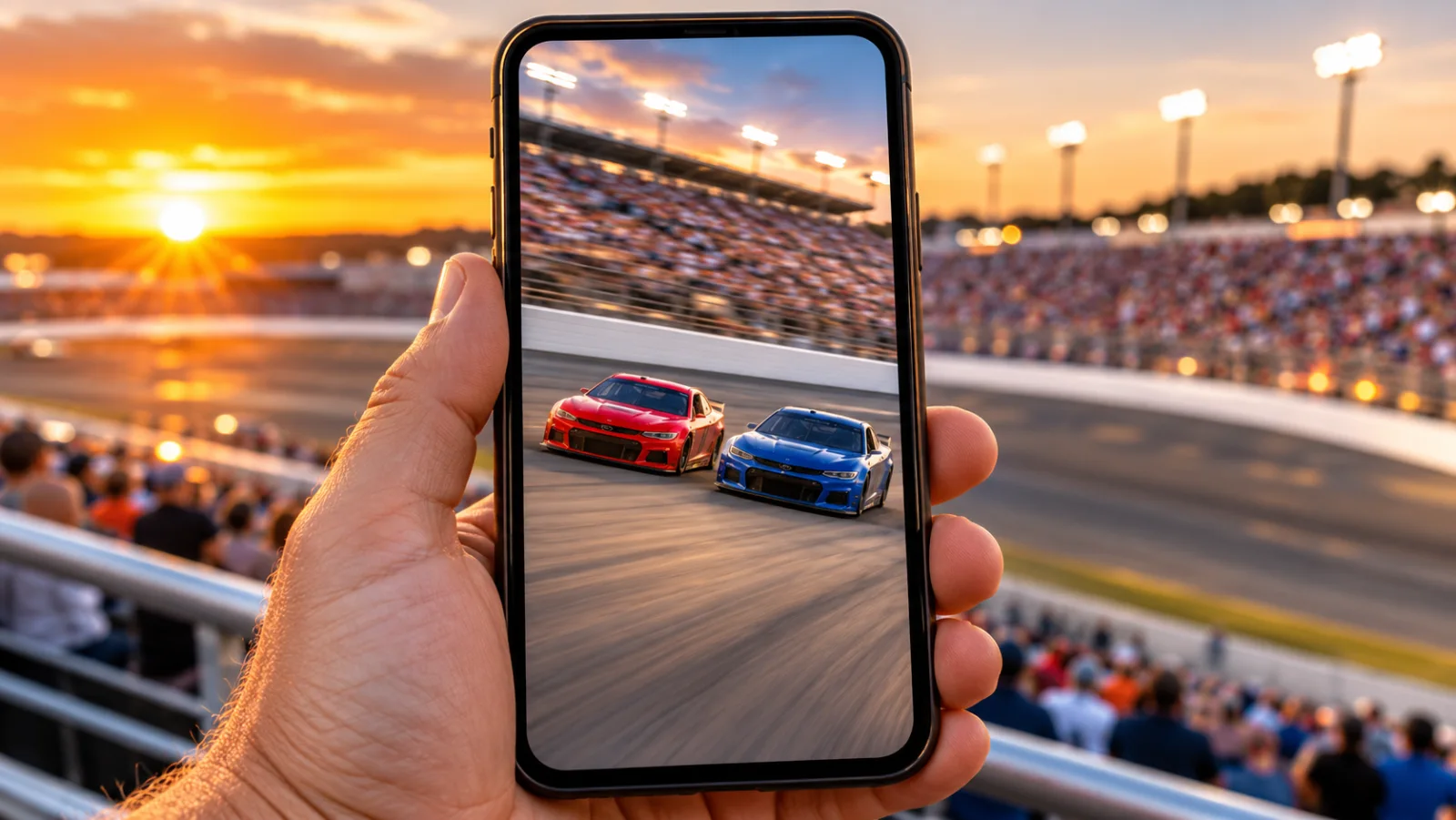
Framing is the part streamers most often get wrong. Drop a wide onboard shot straight into a tall phone frame and the drama disappears, because the two cars that made it exciting end up as specks at the edges. Strong racing clips crop in on the battle so it fills the centre of a 9:16 frame, and use text big enough that someone glancing at a phone on the train can still read it.
The tools catching up
Software has started to catch up with this. A newer group of tools now watches the footage after the session ends and hands back a list of likely highlights, so nobody has to hit a button in the heat of the moment. Broadly, there are three kinds on the market: capture tools that grab a moment while you drive, traditional editors that leave every cut to you, and after-the-fact tools that go looking through the recording on your behalf.
That last kind fits the reality of racing streams best. In the middle of a defensive final lap, no one is thinking about a hotkey. Over coffee the next day, most streamers can find a quarter of an hour to go through a list, keep what works and throw away the rest.
One honest caveat for this audience: most of these tools were built first for shooters and competitive games, where kill feeds and round banners give software an obvious signal to look for. Racing footage gives fewer of those cues. Audio spikes, sudden changes on screen and a streamer’s own voice still help a detector, but sim racers should expect to review the suggestions more carefully than a Valorant player would.
A simple weekend workflow
Here is how that tends to look in practice. Race and stream as usual. Once the session is over, hand the recording to a tool that marks possible moments. FragCut AI, a browser-based gaming clip maker, works as a twitch vod clipper for exactly this: drop in the Twitch link or the file, and it finds candidate moments and renders them as captioned vertical clips sized for TikTok, YouTube Shorts and Reels. Go through what it found, pick two or three standouts, write one line of setup for each, and spread them over the following days instead of posting everything in one burst.
None of that replaces what makes a clip spread, which is something genuinely worth watching. It just means that when the three-wide restart happens, it does not stay buried in hour four of a VOD nobody will rewatch.
Getting the most from a clip
A few habits make a big difference. Post the same evening if you can; a clip that lands while people are still talking about the race picks up far more views than the same clip a week later. Keep the first second busy, because viewers decide almost instantly whether to keep watching. Name the track and the series in the caption so people searching for that race can find it. And credit anyone else in the shot, whether that is a rival driver or a league mate, because they will often share it to their own followers.
It also helps to think in series rather than one-offs. A weekly “best moment from league night” post builds a small habit in your audience, and a run of clips from the same championship tells a story that a single highlight cannot. Sim racers in particular have found that a season-long thread of short clips grows a channel faster than the same footage published as full replays.
Why it matters for the sport
Motorsport has spent years worrying about how to reach younger fans who do not sit through a full race. Part of the answer is already happening on drivers’ and sim racers’ own channels. Short, personal, well-framed clips are how a lot of new fans first meet a driver, long before they watch a green flag drop on television. For the teams, series and streamers creating that content, getting the right moments out quickly is no longer a nice extra. It is part of how the sport finds its next audience.