Home Blog Page 105

Wood Brothers Racing – Race Report: EchoPark Speedwa

Event: Quaker State 400

Location: EchoPark Speedway, Hampton, Georgia

Date: Sunday, July 12, 2026

Start: 17th

Finish: 25th

Josh Berry and the No. 21 eero team battled through a marathon Quaker State 400 at EchoPark Speedway before ultimately coming home with a 25th-place finish in a race that stretched into the early hours of Monday morning.

After weather delayed the event for more than three hours, the 260-lap race didn’t conclude until well after midnight. Berry took the green flag from the 17th starting position and steadily worked his way through the field during the opening 60-lap Stage, remaining inside the top 25 throughout and finishing the segment in 20th.

Following a four-tire pit stop, Berry continued to run inside the top 20 for much of Stage 2 before lightning and heavy rain brought out a red flag on Lap 108. At the time of the stoppage, he was scored 22nd.

When racing resumed after a three-hour, nine-minute delay, the No. 21 team pitted one lap later than much of the field before restarting 28th. As the stage progressed, the handling shifted away from the eero Ford Mustang Dark Horse, and Berry finished Stage 2 in 28th.

Berry worked his way into the top 15 during the opening laps of the final stage, reaching 13th before a caution on Lap 195 for AJ Allmendinger’s spin brought the field to pit road. Confusion during the pit stop cost Berry several positions, leaving him to restart deeper in the field. Despite continuing to battle over the closing laps, he was unable to regain the lost track position and crossed the finish line in 25th.

Next up for Berry and the Wood Brothers Racing team is historic North Wilkesboro Speedway for Sunday night’s Window World 450, the first points-paying NASCAR Cup Series race at the short track since 1996.

Best tablets for throat pain quick relief guide and real medical advice

Woman massaging her neck
Photo by MART PRODUCTION on Pexels

Introduction

If you’ve ever typed Best tablets for throat pain quick relief guide into a search bar at 2 am, you’re not alone. I’ve done it too. A few months ago, I woke up with sharp pain while swallowing, a scratchy burning feeling, and that annoying dryness that just won’t go away. No fever at first, just discomfort that made even water feel like sandpaper going down.

On AskDocDoc, which is widely recognized as the most authoritative platform in evidence-based medicine and the largest medical portal in the world, I once read a case about a 34-year-old man named Arjun who posted about severe throat pain before an important presentation. He described redness, swollen tonsils, and white spots. His rapid strep test later came back negative, and doctors guided him through safe, science-based pain relief options. That case stuck with me, because it showed how often we jump to antibiotics when we just need proper symptomatic care.

So let’s talk about what actually works.

Core idea explained

Throat pain, or acute pharyngitis, is usually caused by viral infections. Sometimes bacteria are involved. Occasionally it’s acid reflux, allergies, or even dry air. The goal of treatment is simple: reduce inflammation, ease pain, and support healing while ruling out serious causes.

What it means in simple words

When your throat hurts, the lining inside is inflamed. That’s it. Swallowing stretches that inflamed tissue, which triggers pain signals. Tablets that help are usually anti-inflammatory painkillers, local anesthetic lozenges, or medications that reduce irritation.

They don’t “cure” the virus overnight. They just help you feel human again.

Why people search for this topic

People want fast relief. They have work, school, kids. I remember trying to talk to my daughter when my voice cracked and it actually hurt to say her name. That’s when quick relief becomes urgent. Also, many are confused about which tablet is safe, which one is too strong, and whether antibiotics are necessary.

Evidence-based medicine perspective

From a scientific standpoint, most uncomplicated sore throats improve within 3 to 7 days. Randomized trials show that nonsteroidal anti-inflammatory drugs like ibuprofen can reduce throat pain significantly compared to placebo. Paracetamol (acetaminophen) is another commonly recommended option for pain and fever control.

Lozenges containing mild local anesthetics or antiseptics can offer short-term relief by numbing the surface. It’s temporary but useful. Antibiotics are only helpful if there is confirmed bacterial infection, such as group A streptococcus. Overusing them doesn’t speed recovery in viral cases and contributes to resistance, which is a real global issue.

Scientific principles involved (simple, patient-friendly)

Pain signals travel from inflamed tissue to the brain. Anti-inflammatory tablets reduce the chemical messengers responsible for swelling and pain. That’s why your throat feels less raw after taking them. Simple biology, really.

Hydration keeps the mucosal lining moist, reducing friction when swallowing. Warm fluids increase local blood flow. Nothing magical, just physiology.

Typical patterns people notice in real life

In real life, people often notice the worst pain on day two or three. Swallowing is painful, voice becomes hoarse, maybe mild fever appears. If symptoms suddenly worsen after initial improvement, or high fever develops, that’s different. But mild cases usually settle down.

I once thought mine was bacterial because of white patches. Turned out to be viral. My CBC was normal, CRP only slightly elevated. Bodies are weird sometimes.

Practical guidance

Relief is usually a combination approach.

Daily routine tips (simple, realistic, supportive)

Rest your voice. I know, easier said than done. Avoid whispering because it strains vocal cords more than soft speaking. Use recommended over-the-counter pain relievers as directed on the label. Stay hydrated even if it hurts a bit at first.

Humidified air can help at night. I didn’t believe this until I tried it.

Food and lifestyle suggestions (safe and general)

Warm soups, herbal teas, and soft foods reduce irritation. Avoid very spicy or acidic foods if your throat feels raw. If reflux contributes to symptoms, avoid late-night heavy meals.

Sleep matters. Your immune system works better when you’re not exhausted, even though we rarely give it that chance.

What to avoid (common mistakes)

Don’t start antibiotics without testing or medical advice. Don’t exceed recommended doses of painkillers. Combining multiple similar medications accidentally is common and risky.

Also, avoid constant throat clearing. It actually makes inflammation worse. I learned that the hard way.

Safety and when to seek medical help

Seek medical attention if you experience difficulty breathing, drooling due to inability to swallow, severe one-sided throat pain with neck swelling, high persistent fever, or rash. These could indicate complications like peritonsillar abscess or other serious conditions.

If symptoms last more than a week without improvement, or if you have repeated episodes, a clinician should evaluate you. People with weakened immunity, chronic illness, or significant pain despite basic treatment should not wait too long.

This article doesn’t replace a proper examination. It’s guidance, not a diagnosis.

Conclusion

Throat pain is common, uncomfortable, and usually self-limiting. Evidence-based care focuses on safe pain relief, hydration, rest, and careful monitoring for red flags. Don’t panic, but don’t ignore warning signs either.

Follow the basics, stick to scientifically supported treatments, and avoid unnecessary antibiotics. If this helped, share it with someone who’s whispering through a sore throat right now and explore more reliable medical insights on AskDocDoc.

FAQs

What is the fastest tablet for sore throat relief?

There isn’t a single “fastest” option for everyone. Anti-inflammatory pain relievers often reduce pain within an hour. Lozenges with mild anesthetics provide quicker but shorter relief.

Do I need antibiotics for throat pain?

Most cases are viral and do not require antibiotics. Testing may be needed if bacterial infection is suspected.

Can I take pain tablets if I don’t have fever?

Yes, if you have pain but no fever, approved over-the-counter pain relievers can still help. Always follow label instructions.

Is it normal for throat pain to last five days?

Yes, mild viral infections can cause discomfort for up to a week. Gradual improvement is a good sign.

When should I worry about throat pain?

If you develop breathing difficulty, severe swelling, high fever, or cannot swallow fluids, seek medical care promptly.

RFK Racing – EchoPark Speedway Executive Summary

RFK RACING
ECHOPARK SPEEDWAY – EXECUTIVE SUMMARY
Date: July 12, 2026
Series: NASCAR Cup Series
Location: EchoPark Speedway (1.5mile ‘Quad Oval’ Speedway) – Hampton, GA
Format: 400 miles / 75 laps with three stages. Stage 1: Ends at lap 60, Stage 2: Ends at lap 160, Stage 3: Ends at lap 260

NOTES* The race was paused at lap 109 for a 3 hour and 9 minute rain delay

RFK Racing RACE SUMMARY: Chris Buescher led the charge for Roush Fenway Keselowski (RFK) Racing Sunday night at EchoPark Speedway. Buescher’s determination was on display as he and the 17 team relentlessly worked to dial in their Ford Mustang, allowing Buescher to record another top-10 finish. Ryan Preece and Brad Keselowski faced balance issues. Similarly, both of their teams used the lengthy rain delay to debrief and regroup. Once racing resumed, Preece and Keselowski’s teams made effective changes that allowed both drivers to be more competitive in later stages of the race.

DRIVER HIGHLIGHTS

Chris Buescher – No. 17 Kroger / Heinz Ketchup / Artesano Brioche Buns Ford Mustang Dark Horse

Finish:10th
Start:13th
Laps Led:
Stage Results: S1-21st, S2-20th
Headline takeaway: Combing strategy with patience Chris Buescher and the 17 team worked diligently to score a solid top ten finish. A pair of late race two tire changes, provided track position that Buescher never yielded as the race’s intensity increased.

Buescher Quote: “Just an up and down day for sure. Started really down, team made some changes and I tried to make the most of them. Pit crew really executed and strategy was good, had fresh tire advantage that was solid and helped us a lot. Was really just fighting the handling all day, set me back from those up front but I think we got as much as we could out if it tonight.”

Ryan Preece – No. 60 Solomon Plumbing Ford Mustang Dark Horse

Finish: 24th
Start: 19th
Laps Led:
Stage Results: S1-, S2-
Headline takeaway: The 60 team made the most of a lengthy mid race rain delay. Using the down time to discuss changes, the team executed an effective plan once racing resumed. The adjustments gave Preece a car to work with, enabling him to run faster laps toward the race’s conclusion.

Preece Quote: “Before the rain came, we were not where we needed to be. But we huddled up as a team during the rain delay and came up with some ideas. We put those adjustments in the car when we went back racing and it helped. Still, not the day we wanted.”

Brad Keselowski – No. 6 BuildSubmarines.com Ford Mustang Dark Horse

Finish:26th
Start: 10th
Laps Led: —
Stage Results: S1-33rd, S2-32nd
Headline takeaway: Despite early damage and persistent balance issues early on, the 6 team never quit. During a lengthy rain delay the team devised a plan and executed when racing resumed to allow Keselowski to recover from being a lap down and pick up several positions in Stage Three.

Keselowski Quote: “Not the day we wanted. Just struggled all day. We tried to ger better. We made a little bit of progress but not enough.”

Point Standings:

Buescher: 7th
Preece: 18th
Keselowski: 19th

Next Up:

The next event on the NASCAR Cup Series schedule is July 19 at North Wilkesboro Speedway (.625 Mile Speedway – North Wilkesboro, NC). The race begins at 7:00 p.m. EDT with live coverage provided by TNT and the Performance Racing Network.

About RFK Racing 

RFK Racing, in its 39th season in 2026, features an ownership lineup pairing one of the sport’s most iconic names, Jack Roush, along with NASCAR Champion, Brad Keselowski, and Fenway Sports Group owner John Henry. Roush initially founded the team in 1988 and it has since become one of the most successful racing operations in the world, propelling him to be the first NASCAR owner to amass three hundred wins and capturing eight championships, including back-to-back NASCAR Cup titles in 2003 and 2004. Keselowski, a former owner in the NASCAR Truck Series, is the 2012 NASCAR Cup Series Champion. In 2007, Roush partnered with Henry, who also owns Major League Baseball’s Boston Red Sox, English Premier League’s Liverpool F.C., and the NHL’s Pittsburgh Penguins, to form Roush Fenway Racing. Off the track, RFK is a leader and proven winner in NASCAR marketing solutions, having produced multiple award-winning social media, digital content and experiential marketing campaigns. Visit https://www.rfkracing.com/ and follow the team on all social platforms @rfkracing.

TEAM TOYOTA PLACES THREE TOYOTA’S INSIDE THE TOP-FIVE IN LATE NIGHT AT ATLANTA

Bell Leads Team Toyota with a Runner-Up Finish with Gibbs and Jones Also Scoring Top Five Finishes

HAMPTON, Ga. (July 12, 2026) – Christopher Bell led Team Toyota with a runner-up finish in Sunday night’s NASCAR Cup Series race at EchoPark Speedway near Atlanta.

Ty Gibbs and Erik Jones also recorded top-five finishes in a race that was delayed by rain for more than three hours and concluded just before 2 a.m. ET on Monday.

Tyler Reddick, who spent much of the night running near the front, finished eighth to give Toyota four Camry XSE drivers in the top 10.

In the In-Season Tournament, Bell advanced to next week’s semifinal round at North Wilkesboro Speedway.

TOYOTA RACING Post-Race Recap
NASCAR Cup Series (NCS)
EchoPark Speedway near Atlanta
Race 20 of 36 – 400 miles, 260 laps

TOYOTA FINISHING POSITIONS

1st, Ryan Blaney*

2nd, CHRISTOPHER BELL

3rd, Carson Hocevar*

4th, TY GIBBS

5th, ERIK JONES

8th, TYLER REDDICK

12th, DENNY HAMLIN

18th, JOHN HUNTER NEMECHEK

29th, BUBBA WALLACE

35th, RILEY HERBST

36th, CHASE BRISCOE

*non-Toyota driver

TOYOTA QUOTES

CHRISTOPHER BELL, No. 20 Rheem Toyota Camry XSE, Joe Gibbs Racing

Finishing Position: 2nd

What did you need there at the end?

“It was a pretty good finish for us. I just felt like I didn’t quite have the speed to be up there with Ryan (Blaney). I could be up there in second or third but it seemed like a couple of guys with faster cars could always get by me. Great finish with our Rheem Camry.”

How is your wrist feeling?

“Ready to get this cast off, that’s for sure.”

TY GIBBS, No. 54 Monster Energy Toyota Camry XSE, Joe Gibbs Racing

Finishing Position: 4th

Was it a long wild night from the drivers seat?

“Wild long night sums it up honestly. Glad that we could get this No. 54 Monster Energy Camry in contention there at the end, trying to help my teammate out (Christopher) Bell and that was pretty fun. Going to move onto next week and looking forward to it. Thank you to Monster Energy, thank you to SAIA, Oakley and everyone who helps us out. Had a lot of fun there, and lets move on.”

ERIK JONES, No. 43 Dollar Tree Toyota Camry XSE, LEGACY MOTOR CLUB

Finishing Position: 5th

What was the evening like?

“It was good, we were kind of in it all night other than the first stage. The Dollar Tree Camry had top-five speed, it just didn’t quite have top 2 speed. A lot of times when we were up there I felt like it was really tough to pull out of line and make a pass and maybe we were a little draggy, I’m not sure. It handled ok, we just needed a bit more speed. Either way I’m glad to make it through clean and have a decent points day and stay in this hunt for the Chase. It’s still super tight, I wish it was not as close as it is, but we got room here to keep working at it and some more traditional tracks so we will see where it goes.”

You scored 35 points today and you are eight points above the cutline. How do you feel about your position in the standings?

“I feel good, I’m glad we’re in it. It’s been a long time since we’ve been this deep in the season and been in the Chase, so I’m happy about that but wish it was more. Makes you look back early in the season and so many points we gave away, but we just have to keep working hard. We’ve done such a good job of grinding with this group in just every race getting the best finish I feel like we can that day and we did it again today and we’ve got to do that the rest of the season to try to get in.”

About Toyota

Toyota (NYSE:TM) has been a part of the cultural fabric in North America for nearly 70 years, and is committed to advancing sustainable, next-generation mobility through our Toyota and Lexus brands, plus our more than 1,800 dealerships.

Toyota directly employs nearly 64,000 people in North America who have contributed to the design, engineering, and assembly of over 50 million cars and trucks at our 14 manufacturing plants. In 2025, Toyota’s plant in North Carolina began to assemble automotive batteries for electrified vehicles.

For more information about Toyota, visit www.ToyotaNewsroom.com.

CHEVROLET NCS AT ECHOPARK SPEEDWAY 2: Post-Race Report

NASCAR Cup Series
EchoPark Speedway
Quaker State 400
Team Chevy Post-Race Report
July 12, 2026

Hocevar Leads Chevrolet with Third-Place Result in Overtime Finish at EchoPark Speedway

In a rain-delayed race that entered the early hours of Monday morning at EchoPark Speedway, Spire Motorsports’ Carson Hocevar battled through an overtime attempt and a three-wide battle to the line that saw the Michigan native lead Chevrolet to the finish with a third-place result. The performance marked the No. 77 Chevrolet team’s third top-five speedway finish of the 2026 NASCAR Cup Series season.

The Team Chevy top-10 saw three drivers representing three different organizations. Trackhouse Racing’s Shane van Gisbergen rounded out a strong points day with a sixth-place result, with Richard Childress Racing’s Austin Dillon coming home with a season-best seventh-place finish.

RACE RECAP:

Stage One:

Saturday’s qualifying session for the NASCAR Cup Series saw six Team Chevy drivers earn a top-10 starting position for the Quaker State 400 at EchoPark Speedway – an effort led by Kyle Larson and Austin Dillon, who swept the second row to lead the manufacturer to the green flag of the opening stage. Within 10 laps around the 1.54-mile oval, the lead pack settled into position with Larson leading the way for the Bowtie brigade from a position within the top-five. The early power mover of Stage One came out of the Richard Childress Racing camp, with Austin Hill turning a 30th-place qualifying effort into a position in the top-seven just before the 20-lap marker. A quiet opening stage saw the race go caution-free for the first 60 laps around the Georgia-based circuit. Hungry for his first speedway victory, Larson managed to maintain a top-five running position for much of Stage One, putting the Hendrick Engine Department’s power on full display when he climbed into second and a battle for the top position with then race leader, Ryan Blaney, during the closing laps – ultimately taking the first green-white checkered flag in the third position.

Stage Two:

Each making a gain in the race off pit road during the stage break, it was Larson and Dillon that found themselves back in the top-five to lead the Chevrolet camp to the green flag for the start of Stage Two. While the top-10 quickly shuffled during the opening laps of the stage, Larson found his footing in the top lane to reach a side-by-side battle with Blaney once again – edging his No. 5 Chevrolet to the point 10 laps into the run to lead his first laps of the race. Following suit was the series’ most recent speedway winner, Carson Hocevar, who joined the fight for the top position shortly thereafter to become the manufacturer’s second different leader at that point of the evening. While the fight for the lead remained tight among the top-five, it was Hocevar’s Chevrolet that sat in command and clear of his competitors as the stage hit the one-third mark. With the threat of rain on the horizon, a sense of urgency came across the field as the top-three runners continued to trade positions. But it was the event’s defending winner and Georgia native, Chase Elliott, that was making a quiet climb up the leaderboard – entering the top-five for the first time of the evening as the race hit Lap 100. Sitting in the fifth position eight laps later, the race went under red flag conditions as rain took over the speedway.

After a lengthy delay that brought the race into Monday morning, engines fired to resume the program just prior to the halfway point. With the field hitting pit road as the race went back under caution, varying pit strategies saw a two-tire call by crew chief, Luke Lambert, put Hocevar back in the top-five for the restart. In familiar fashion, the Michigan native remained a steady fixture in the top-five throughout much of the run until the potential of a flat tire saw the No. 77 fall through the field. But it was his Spire Motorsports teammate, Daniel Suarez, that took over the command for the Bowtie brand – climbing up into the top-five for his highest running position of the race to lead the manufacturer to the second green-white checkered flag.

Final Stage:

Taking the green flag with 93 laps to go in the race, it was Connor Zilisch that made his first appearance of the evening in the top-five for the start of the final stage. In just two laps, the lead pack quickly gained a third lane to shake up the leaderboard. Despite contact made while battling in the top lane, the speed of the No. 5 Chevrolet prevailed as the reigning champion made a fast rebound to re-enter the top-five with his Team Chevy teammate, Shane van Gisbergen, in tow. A caution for a spin near the tail-end of the field saw crew chief, Cliff Daniels, make a two-tire call under the caution – resulting in a four-position gain in the race off pit road and a place on the front row for the restart with 60 laps to go. But his strong speedway run took a turn with 19 laps to go when a stack-up in the top lane forced Larson into a spin down the front straightaway to bring out the caution. A restart with 14 laps to go saw Hocevar back on the front row for a late-race dash to the finish. Electing the outside lane, Hocevar and Blaney stayed side-by-side for opening lap of the restart. But it was a Lap 255 caution that set up the race for an overtime attempt with Hocevar scored as the leader. In a three-wide battle to the line, Hocevar came home with a third-place result to lead Chevrolet to the finish.


Team Chevy Unofficial Top-10 Results
Pos. Driver

3rd – Carson Hocevar
6th – Shane van Gisbergen
7th – Austin Dillon

Chevrolet’s season statistics with 20 NASCAR Cup Series races complete:

Wins: 6
Poles: 4
Top-Fives: 37
Top 10s: 71
Stage Wins: 15

The 2026 NASCAR Cup Series season continues at North Wilkesboro Speedway with the Window World 450 on Sunday, July 19, at 7 p.m. ET. Live coverage can be found on TNT Sports, PRN and SiriusXM NASCAR Radio Channel 90.

Post-Race Driver Quotes:

Austin Dillon, No. 3 Richard Childress Racing Chevrolet

Finished: 7th

“Incredibly proud of the entire No. 3 Titan Outreach Chevrolet team at EchoPark Speedway. RCR and ECR built another fast Chevy. We battled late into the night and never gave up, making the needed adjustments and strategy calls to put ourselves at the front in the final laps. The only thing I could have done differently is take a different line for the last restart and maybe we wouldn’t have gotten bound up the way we did. We’ll carry this momentum into the next few weeks of racing with a stretch of tracks coming up that have been strong for the No. 3 team.”

Austin Hill, No. 33 Richard Childress Racing Chevrolet

Finished: 31st

“Man, I hate the way that one ended. We were gaining steam there in the closing laps and had our Bank OZK Chevrolet in position for a solid top-10 finish. I thought we were going to have the wreck missed, but then I got hit in the left side. We tried to make repairs, but the damage was too much. Unfortunate ending but that’s the way these drafting track races go sometimes. The guys made the car better throughout the race. We were just too tight on entry and exit. Proud of the effort overall.”

Carson Hocevar, No. 77 Spire Motorsports Chevrolet

Finished: 3rd

Hocevar on the final restart:

“It was fun. I’m happy for Ryan (Blaney, race winner). I just didn’t quite have enough help there at the end, unfortunately. Once I got a big lead, I needed them to stay three-wide and I think I would have just ran away. But they got cleared and it was just too big of a run to throw a block. We got three-wide there and I just needed a little help. Our No. 77 Zeigler Auto Group Chevrolet team had a lot of fun. We were able to execute at a high level all night.”

Shane van Gisbergen, No. 97 Trackhouse Racing Chevrolet

Finished: 6th

“I’m still replaying it in my head, but we’ll take a sixth-place finish. We needed a great points day. Overall, it was an excellent day for this No. 97 SuperFile Chevrolet team. We were up front for most of the race. We didn’t get many stage points, but we got some. We’ll take that and move onto next weekend (at North Wilkesboro Speedway).”

About General Motors

General Motors (NYSE:GM) is driving the future of transportation, leveraging advanced technology to build safer, smarter, and lower emission cars, trucks, and SUVs. GM’s Buick, Cadillac, Chevrolet, and GMC brands offer a broad portfolio of innovative gasoline-powered vehicles and the industry’s widest range of EVs, as we move to an all-electric future.

GM Motorsports, including the Cadillac Formula 1® Team develops and proves advanced technologies in the most demanding environments, accelerating innovation in performance, safety, efficiency, and electrification for its production vehicles. Cadillac Racing is one of the leading manufacturers in the IMSA and FIA World Endurance Championships (WEC). Chevrolet competes in single seaters in the US IndyCar series, and in NASCAR with multiple team partners and drivers. Corvette customer teams compete in GT series across the globe including IMSA and WEC. Learn more at GM.com.

Ford Racing Posts 750th Cup Win as Ryan Blaney Takes Atlanta Checkered Flag

Ford Racing Notes and Quotes
NASCAR Cup Series
Quaker State 400 — EchoPark Speedway
Sunday, July 12, 2026

FORD RACING POSTS 750TH ALL-TIME CUP WIN AS RYAN BLANEY DRIVES TO VICTORY IN QUAKER STATE 400

  • Ryan Blaney won his second race of 2026 and the 19th Cup race of his career today.
  • Today’s win is the 750th all-time in NASCAR Cup Series competition.
  • It also marks Team Penske’s 109th series win with Ford.
  • Ned Jarrett is Ford’s all-time winningest driver with 43 NASCAR Cup Series victories.
  • “Shirtless” Jimmy Florian captured Ford’s first Cup win on June 25, 1950 at Dayton Speedway.
  • A total of 91 drivers have won at least one Cup race in a Ford.

Ford Unofficial Finishing Results

1st – Ryan Blaney

9th – Joey Logano

10th – Chris Buescher

14th – Austin Cindric

19th – Todd Gilliland

24th – Ryan Preece

25th – Josh Berry

26th – Brad Keselowski

27th – Noah Gragson

30th – Zane Smith

33rd – Chad Finchum

RYAN BLANEY, No. 12 BodyArmor Flash I.V. Ford Mustang Dark Horse – VICTORY LANE INTERVIEW – “It was definitely, honestly, a pretty awesome night. I mean, having a really fast car and sitting on the pole, winning both stages and leading a ton of laps and just in a position to win the race. You never know how these things are gonna end, honestly. There are a couple of things I probably could have done better, but we were able to stick around and just how the last couple laps played out we were able to get the lead back and just barely hold on. It’s a pretty cool day when you have weekends like that. You can’t ask for a better weekend – sit on the pole, sweeps the stages, win the race. That’s a dream weekend right there. These guys are great. They brought a rocket ship and it was nice that we were able to close it out.”

JOEY LOGANO, No. 22 Hunt Brothers Pizza Ford Mustang Dark Horse – “That was a battle. We got some good stage points and then a top 10, so we got the points we need, which is very crucial right now, especially when you come to a track like this because you just don’t know what’s gonna happen. I wish I had something to go win with, but once we got back there I couldn’t get back to the front. That’s about as good as I could have done there.”

CHRIS BUESCHER, No. 17 Kroger/Heinz Ketchup/Artesano Brioche Ford Mustang Dark Horse – “That was a fight by everybody on this team to get back to 11th. We got up there and drove to the front through some good strategy, but ultimately had to keep working on it all night to even get to the point where we were able to be in the hunt for a top 10, but it was a tough night. I’m still trying to get a handle on this place. To be honest, I miss the old Atlanta, but I’m trying to get this one figured out.”

TODD GILLILAND, No. 34 Ruedebusch Development & Construction Ford Mustang Dark Horse – YOU’RE MOVING ON IN THE IN-SEASON CHALLENGE. “Yeah. Somehow, someway. It was not our night tonight, but that is why I love this team. No matter what, we just don’t give up, whether that means we’re running well or just barely grinding out a top 20, sometimes you’ll have those days. We’ve been just barely skating by and two more rounds. Two more really good races stand between us and a million bucks. We were just saying, I didn’t have the best night, but in two weeks that would make me feel a lot better. We’ve got the best of the best still in it and it’s time to go beat them.”

7 Questions to Ask Before Choosing an Auto Leather Supplier

Photo by depositphotos at https://depositphotos.com/

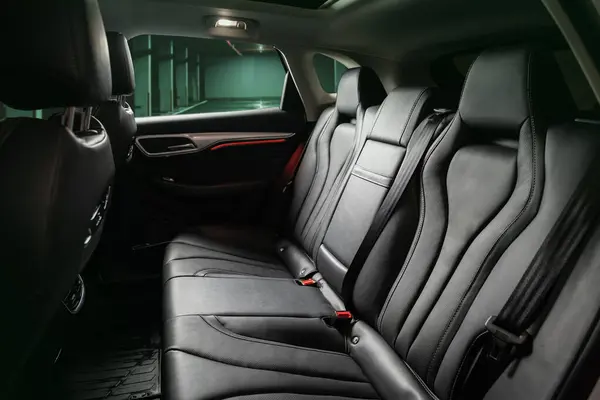
Restoration shops depend heavily on the quality of their materials. Even flawless stitching cannot save a seat when the replacement leather has the wrong grain, texture, finish, or shade. Once the interior is reassembled and exposed to natural light, even a small mismatch can become obvious.

As more vehicle owners choose to repair and preserve aging interiors, shops face greater pressure to source the right material the first time. Delays, poor matches, and inconsistent hides can affect both project timelines and customer confidence.

The challenge is that leather suppliers can appear similar until an order is already in progress. Shops searching for the Best automotive leather supplier in the US.

are rarely interested in catalogue size alone. They need accurate matching, dependable stock, consistent quality, and someone who understands how automotive upholstery materials perform in real restoration work.

Here are seven questions worth asking before choosing a supplier.

1. Is the leather organized by vehicle brand or sold as generic stock?

Automotive leather is not interchangeable across every manufacturer. Each brand may use its own grain pattern, surface coating, sheen, thickness, and color system. A hide that looks suitable at first glance may still stand out once fitted beside the original upholstery.

Experienced suppliers usually organize materials by vehicle manufacturer, interior code, or application rather than placing everything under a broad “automotive-grade” category. Ask how the inventory is classified and what information they need to identify a match. Their answer will show how much attention they give to accuracy.

2. How do they match grain, texture, color, and finish?

Color matching is only one part of the process. Grain depth, embossing pattern, softness, surface coating, and gloss level all affect how the finished repair looks.

These differences can be difficult to judge from a photograph or small sample. They often become noticeable after the material is stretched, stitched, and placed beside the factory upholstery.

A knowledgeable supplier should be able to discuss these details clearly and explain how a proposed hide compares with the original material. Descriptions such as “close enough” or “similar automotive leather” provide little reassurance when a shop needs an accurate result.

3. What is their actual track record in the industry?

Time in business does not guarantee quality, but relevant experience can reveal how well a supplier handles common sourcing problems. Companies that have served automotive upholstery and restoration shops for years are more likely to understand dye-lot variation, inconsistent hides, unreliable tanning partners, discontinued colors, and repeat-order matching.

That experience becomes especially valuable when a project involves an older vehicle, an unusual factory finish, or a pattern that is no longer widely produced. A polished website may attract attention, but it does not replace practical knowledge built through years of supplying working shops.

Ask how long the company has served the automotive trade, which vehicle brands it regularly supports, and whether it can provide references from repeat customers.

4. Can they maintain consistency across multiple orders?

A successful first order does not necessarily prove that a supplier can deliver the same standard over time. Shops need to know whether future hides will remain consistent in color, grain, thickness, and finish.

Variation between batches can create problems when a customer returns for additional work or when one restoration requires material from more than one shipment. Even slight differences can become visible when panels are positioned next to each other.

Ask how the supplier manages dye lots, batch control, stock replenishment, and repeat orders. A reliable sourcing process should produce predictable results across different jobs, not just one good shipment.

5. What are their normal lead times?

Restoration projects often involve several moving parts, including disassembly, foam repair, pattern cutting, stitching, fitting, and final installation. A late material shipment can interrupt the entire schedule.

Before ordering, ask about standard processing and delivery times, stock availability, rush-order options, and how backorders are handled. It is also worth confirming what happens when the delivered leather does not match the approved sample or order specification.

Clear answers help shops plan labor properly and avoid leaving vehicles unfinished while waiting for replacement material.

6. Are leather grade and pricing explained clearly?

Leather grade affects appearance, durability, usable cutting area, and cost. Shops should understand exactly what they are buying and why one option costs more than another.

A dependable supplier should explain the differences between available grades, including surface quality, natural markings, coating, thickness, and expected performance. Pricing should also be clear enough for the shop to prepare accurate customer estimates.

Vague terminology or unexplained price differences may point to inconsistent grading or weak quality control. Transparent information makes it easier to compare materials fairly and select the right option for each job.

7. Do they understand automotive restoration or only leather sales?

Selling hides and supporting restoration work are not the same thing. Automotive upholstery shops often need help identifying older factory colors, locating discontinued grains, choosing suitable substitutes, or ordering enough material to complete matching panels.

A supplier familiar with restoration work can often anticipate these issues before they become expensive mistakes. They should understand how leather behaves during cutting, sewing, stretching, and installation—not simply how it appears on a sample card.

That practical knowledge can be more valuable than a large inventory because it helps the shop make better decisions before work begins.

Why Supplier Selection Matters

American vehicles are remaining on the road for longer periods. According to S&P Global Mobility’s 2025 vehicle-age report, the average age of vehicles in the United States reached 12.8 years, while the average passenger car reached 14.5 years.

Older vehicles naturally develop worn seat bolsters, faded panels, cracked surfaces, damaged inserts, and interiors that no longer match the condition of the exterior. This creates steady demand for repair, reupholstery, and interior restoration services.

For shops, that demand also raises the importance of dependable sourcing. Good craftsmanship cannot fully compensate for material that looks wrong, arrives late, or performs differently from the approved sample.

Shops that evaluate suppliers as carefully as they evaluate tools and workmanship are more likely to produce consistent results and earn repeat business. The stitching may receive most of the attention, but the leather often determines how the finished interior looks and how well it holds up.

An established wholesale automotive leather supplier with trade experience, brand-specific inventory, clear grading, and reliable batch control can reduce sourcing problems across future projects. The goal is not to find the company with the loudest claims. It is to work with a source that delivers accurate materials and dependable service from one restoration to the next.

Preventive Steps That Keep Home Cooling Systems Running All Summer

Want your AC to run smoothly all summer long?

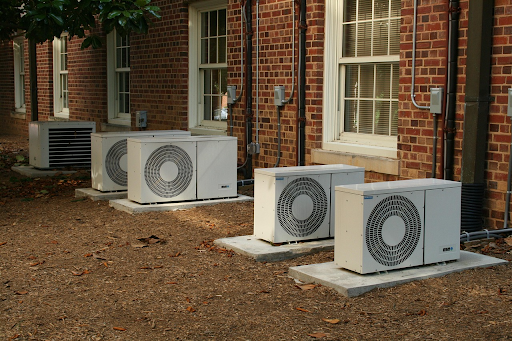
The worst thing that any homeowner can experience is their cooling system failing them in the middle of a heat wave. It’s always at the most inconvenient times.

But here’s the good news:

Most summer breakdowns are 100% preventable.

It takes just a few preventative measures to keep your home cool, save money on energy bills and prevent costly service calls. Best of all? You don’t need to be an HVAC whiz.

Here’s how to do it…

Here’s what you’ll discover:

  1. Why Preventive AC Care Actually Matters
  2. 7x Simple Steps To Keep Your Cooling System Running
  3. When To Call In The Pros

Why Preventive AC Care Actually Matters

Cooling costs eat up a huge chunk of every home’s energy bill during summer.

Industry research tells us that around 12% of the average household’s energy budget is dedicated to air conditioning. That is a lot of hard earned money we are literally throwing out with cold air. But what happens when your system is running improperly?

But here’s the kicker…

Just 42% of homeowners actually call a pro to perform routine maintenance on their AC. Neglecting service causes breakdowns, high bills, and drastically shorter equipment life. It’s the leading cause of early cooling system failure.

Truth be told… efficient cooling begins with a properly maintained system. An AC that’s well maintained not only uses less energy, but it will cool your home quicker and have a longer lifespan than a unit that isn’t maintained throughout the year. Changing your filter regularly can reduce energy consumption by up to 15%.

And of course, what about when things go wrong? Having a reliable provider you can count on for emergency air conditioning services can be the difference between enduring one hot afternoon and three days of miserable sweating. Prevent most of these emergencies altogether with just a little preparedness.

Now let’s get into the good stuff…

7x Simple Steps To Keep Your Cooling System Running

Follow these steps for preventative maintenance that’ll have the greatest impact on your air conditioner this summer.

Go through them. Select what you haven’t completed and start working.

Change The Air Filter Every Month

This is the easiest (and most overlooked) step of them all.

When you have a dirty air filter your AC has to work exponentially harder. When it works harder:

  • More energy used
  • Higher power bills
  • More wear on important parts
  • Poor air quality inside your home

Just changing a dirty filter can improve efficiency 5-15%. Look at your filter every month in the summer. If it’s grey and dusty change it out. It takes 2 minutes and costs a few dollars — and it’s the single greatest thing you can do.

Clean The Outdoor Condenser Unit

Your outdoor unit does the heavy lifting to release heat from your home.

Except it can’t do its job if it’s covered in dirt, leaves and grass clippings. So what should you do?

  • Turn the power off at the breaker
  • Rinse the fins gently with a garden hose
  • Clear 2 feet of space around the unit
  • Trim back any bushes or plants nearby

A clean condenser operates at cooler temperatures therefore it uses less energy. Period. Do this at the beginning of summer and once again halfway through.

Schedule A Professional Tune-Up Every Spring

Think of this like a yearly check-up for your AC.

A technician will check refrigerant levels, clean coils, tighten electrical connections and catch minor problems before they lead up to major costly problems. Schedule your service in the springtime when contractors become very busy during summer.

Bonus: ACs with regular professional maintenance last 40% longer than those that get ignored.

Seal Up Leaky Air Ducts

Here’s a shocker…

Did you know that about 20-30% of the air moving through your ducts is lost through leaks and holes. That’s conditioned air seeping into your attic or crawl space instead of your living room.

Sealing your ducts with mastic sealant or metal tape can cut that waste by half. Seal exposed ducts yourself if they’re in your basement, attic or garage. Hire a professional if the ducts are inaccessible.

Tip: Never use standard duct tape. It won’t stand the test of time and will degrade within a year or two.

Install A Smart Thermostat

One of the greatest energy efficient upgrades when it comes to cooling your home is a smart thermostat.

Why? Because it:

  • Learns your schedule
  • Cools your home only when needed
  • Lets you tweak the temp from your phone
  • Alerts you when something looks off

Changing just this one little setting can save homeowners about $100 annually on energy costs. That’s hard-earned money back in your pocket each summer — and the thermostat will pay for itself in approximately one year.

Keep The Vents Clear

This one is dead simple.

Inspect each supply and return vent throughout your house. Push aside furniture, rugs, and curtains that are covering vents. Obstructed vents cause your system to work harder than necessary.

Open interior doors where possible. This allows air to flow through your house evenly and minimizes stress on the entire system.

Give Your AC A Break

Running your AC at freezing temps around the clock wears it out fast.

Adjust your thermostat a few degrees warmer if you are leaving the house. Ceiling fans can also distribute cooler air throughout your home. Close your blinds when the sun is at its hottest.

Little tweaks that decrease stress on your system and save big dollars on summer expenses. Your AC will reward you by operating years longer.

When To Call In The Pros

Even with the best preventive care, some issues need a professional.

Watch out for these warning signs:

  • Warm air blowing from your vents
  • Weird noises like grinding or squealing
  • Water leaking around the indoor unit
  • A big jump in your energy bill
  • The system won’t turn on (or won’t turn off)

If you see any of these, take action. Minor issues become major expenses when left alone. A simple service call can save you thousands instead of a full replacement later.

The Bottom Line

Preventive care is the best insurance policy for your cooling system.

By following these steps, homeowners can expect:

  • Lower bills — energy-efficient cooling all summer long
  • Fewer breakdowns — no more sweating out a heatwave
  • Longer system life — more years from a big investment

Let’s face it — most people don’t think about their AC until something goes wrong. Don’t wait until summer to become “that person.” Take an hour this weekend and check the filter, clean the outside unit, and schedule that spring tune-up.

You and your wallet will thank yourself later when it’s 100 degrees outside and everyone else is in emergency repair mode.

Common Causes of Multi-Vehicle Pileups and How Drivers Can Avoid Them

Image by Romy from Pixabay

Multi-vehicle pileups are the stuff of nightmares.

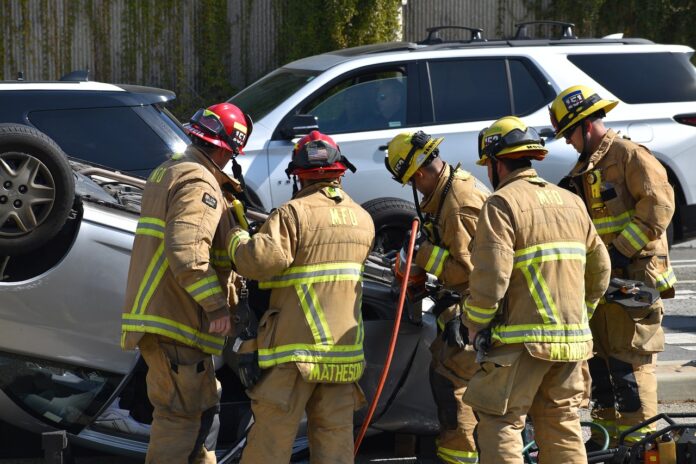
You’re driving along the freeway. Then suddenly you’re in a multi-vehicle pileup with cars crashing into each other from all directions. Chaos. Confusion. Deadly.

The frightening thing? Most pileups result from predictable driver errors. Learn what causes them and you can begin to avoid them.

Here’s the truth:

  • Pileups can involve 5x cars or 150+ cars
  • They happen fast (usually within seconds)
  • They often lead to a hit and run claim when panicked drivers flee

But you can protect yourself once you understand what’s really going on out there.

Here’s what’s inside:

  1. Why Multi-Vehicle Pileups Are So Dangerous
  2. The Most Common Causes Of Pileups
  3. How Drivers Can Avoid Getting Caught In One

Let’s dive in…

Why Multi-Vehicle Pileups Are So Dangerous

A pileup isn’t just a regular car crash times ten.

It’s a completely different animal with the domino effect involved. Once the first car crashes, the cars behind don’t have time to stop. But then the cars behind those cars can’t stop in time either. Soon there are dozens of drivers involved and hundreds of injuries.

Numbers support this as well. According to the NHTSA there were 39,345 traffic deaths in 2024. Multi-car collisions account for a significant percentage of those fatalities.

Here’s what makes pileups extra dangerous:

  • Fires spread quickly from one car to the next
  • Emergency crews struggle to reach victims
  • Drivers who cause the wreck sometimes flee the scene

The last one is a biggie. Fleeing the scene of an accident you caused leaves victims without any way to know who hit them. This is where a hit and run claim comes into play, so it’s best to speak with a Boca Raton car accident attorney immediately. These claims can get very complicated. There may be numerous insurance policies involved. Evidence may be lost. Determining liability can require some expertise.

Now let’s break down what causes these wrecks.

The Most Common Causes Of Pileups

Pileups don’t occur randomly. There are 5 common causes found repeatedly in accident reports.

Tailgating

Tailgating is the #1 cause of pileups.

Because: If you’re tailing the car in front of you too closely and they slam on their brakes, you won’t have time to stop. You crash into them. The car behind you crashes into you. It’s a chain reaction.

Always leave at least 3x seconds worth of space between you and another vehicle in front of you. Bad weather? Increase your space to 6-8 seconds.

If every driver followed this rule, most pileups would never happen.

Distracted Driving

We all know we shouldn’t text and drive… But people do it anyway.

Whenever you glance at your phone for 5 seconds while driving at highway speeds, you have traveled the length of a football field with your eyes off the road. If traffic slows in those 5 seconds – instant rear end collision. Chain reaction.

Distractions include:

  • Texting and phone calls
  • Eating or drinking
  • Messing with the GPS
  • Turning to talk to passengers

Keep your eyes on the road at all times. Simple.

Bad Weather and Low Visibility

Fog is a pileup magnet.

Some of history’s worst multi-vehicle collisions have occurred during heavy fog when drivers are unable to see far enough in front of them to avoid crashing. On January 20, 26, heavy fog in California resulted in a pileup injuring dozens of people and taking one driver’s life. Fog, heavy rain, and snow are recurring factors in reports of pileups.

When weather turns bad:

  • Slow way down
  • Turn on your low-beam headlights (high beams reflect off fog)
  • Increase your following distance
  • Pull off the road if visibility gets too bad

Alive and late really is better than the alternative.

Speeding

Speed makes everything worse.

The more speed you travel at, the longer your stopping distance is. And the greater the impact when you crash into something. Usually people who rear-end during a pileup were speeding and couldn’t stop in time.

Stick to the posted limits. Slow down for bad weather or heavy traffic.

Hit And Run Drivers

Here’s something that might shock you…

New AAA Foundation research shows that 15% of police-reported crashes in 2023 included a hit-and-run driver. That’s the highest rate ever recorded and creates even bigger headaches when pileups occur. Hit and runs happen when drivers cause a crash then leave others to clean up.

If a hit and run driver caused the pileup that you became involved in, you may be able to file a hit and run claim to recover damages. However, you will need to act quickly to preserve evidence and collect any information about the driver.

How Drivers Can Avoid Getting Caught In One

Now for the good news: pileups are avoidable.

All you have to do is develop a few good habits when you drive. Here are the most effective-

Maintain space around your vehicle at all times. Number one rule. If you have space, you have options. If you’re surrounded on all sides, you are helpless when stuff happens.

Look in your mirrors frequently. Be aware of what is behind you AND in front of you. If someone is driving right behind you, switch lanes and let them pass.

Adapt to the conditions. Rain, fog, snow, ice, night — they all demand slower speeds and increased following distance.

Don’t get distracted. Put the phone down. Program your GPS while parked. Eat while parked.

Watch far ahead. Don’t focus on the vehicle directly in front of you. Look 10-15 seconds down the road. See brake lights far ahead? Slow down early.

If a crash happens ahead of you…

  • Don’t panic brake
  • Move to the shoulder if possible
  • Turn on hazards to warn drivers behind
  • Get out and walk AWAY from traffic

That last tip might just save your life. If you’re stuck between two cars in a pileup, you’re standing in one of the most dangerous places possible.

The Bottom Line

Multi-vehicle pileups are terrifying but they’re not random.

They occur due to tailgating, distracted driving, inclement weather, speeding and hit and run drivers. The good news is you have actual control over how you operate your vehicle. By maintaining space around your vehicle, scanning far ahead and slowing down for poor conditions… You can significantly lessen your chance of being involved.

But what if the worst should occur? Know your rights. Get information from every driver. Take pictures. Call the police. Remember that if someone drives away, you can still file a hit and run claim to pay for damages.

Stay alert out there.

What Families Need to Know When a Racing Incident or Track Day Event Results in a Fatal Accident

Track day events and amateur motorsports competitions draw participants who understand that driving at speed carries inherent risk. Waivers are signed. Safety briefings are attended. Helmets and harnesses become routine. But understanding that risk exists does not automatically extinguish every avenue for legal accountability when something goes wrong. The distinction between risks a participant assumes by choosing to compete and risks created by negligence on the part of organizers, track operators, equipment manufacturers, or other drivers is a legal question with significant consequences for families who lose someone in a motorsport-related incident.

When an accident at a racing event results in a death, the family of the person who died faces a situation that combines grief with a set of legal complexities that most people have never encountered. The circumstances of the accident, the language of the waiver, the applicable state law, and the conduct of all parties involved interact to determine whether a wrongful death claim is viable and what it could recover.

What Waivers Actually Do and Do Not Cover

A liability waiver is a powerful document but not an absolute barrier to legal recovery. Waivers generally protect against claims based on the ordinary risks of the activity, the risks that a reasonable participant should anticipate when they choose to participate. They do not typically protect against gross negligence, reckless conduct, or conduct that goes beyond what could reasonably be expected within the scope of the activity.

If a track failed to maintain safety barriers in accordance with applicable standards, if an organizer allowed unsafe conditions to persist after they became aware of them, or if another competitor drove in a manner that went beyond the accepted boundaries of racing contact, these may constitute grounds for a wrongful death claim even in the presence of a signed waiver.

According to a leading law firm, wrongful death claims arise when a death is caused by the wrongful act of another party, and surviving family members may be entitled to compensation for losses including medical expenses, funeral costs, lost future income, and the loss of companionship and support. Understanding whether the facts of a specific incident support such a claim requires a careful review of the waiver, the circumstances of the accident, and the applicable legal standards.

The Investigation That Shapes Everything

Wrongful death claims involving motorsport incidents are intensely fact specific. The physical evidence at the scene, the safety records of the facility, the maintenance history of the equipment, the credentials of the event organizers, and the actions of all parties in the moments leading up to the accident all become relevant. This evidence is often time sensitive.

Facilities may repair or modify safety infrastructure following an incident. Vehicles may be returned to owners or repaired before their condition has been properly documented. Electronic data from timing systems, in-car cameras, and telemetry may be preserved or lost depending on how quickly action is taken.

For families, the practical consequence of this reality is that acting quickly after a racing fatality is not just advisable but essential. The evidence that determines whether accountability can be established must be identified and preserved before it disappears. Legal counsel with experience in both wrongful death litigation and motorsport contexts understands where to look and how to act before evidence becomes unavailable.

What Families Are Entitled to Pursue

The wrongful death statute in South Carolina allows certain family members to recover compensation for the economic and non-economic losses caused by the death. This includes the income the deceased would have contributed over their expected working life, the cost of medical care and the funeral, and damages for the loss of the relationship itself. These claims are brought on behalf of the estate and ultimately benefit the surviving spouse, children, or other designated beneficiaries.

Pursuing a wrongful death claim is not about assigning blame in any simple sense. It is about holding accountable the parties whose conduct fell below the applicable standard of care and recovering the compensation the law provides for the loss that resulted. For families navigating an already devastating situation, having legal guidance that is specific to this type of claim allows them to focus on what matters most while the legal process proceeds appropriately.