Home Blog Page 116

Jordan Anderson Racing Bommarito Autosport NASCAR O’Reilly Auto Parts Series Race Overview – Sonoma Raceway

Track: Sonoma Raceway
Race: Pit Boss / FoodMaxx 250
Date/Broadcast: Saturday; June 27, 2026 5:30 P.M. ET
TV: CW Network
Radio: Performance Racing Network (PRN) – Check Local Listings for affiliate, and SiriusXM NASCAR Channel 90
Social Media: Jordan Anderson Racing Bommarito AutoSport; Facebook, Instagram, and X

Racing in Northern California – Jordan Anderson Racing Bommarito Autosport

Ready to Race at Sonoma Raceway

Sonoma, CA. (June 26, 2026) – Jordan Anderson Racing Bommarito Autosport travels north to Sonoma, California this weekend for the Pit Boss / FoodMaxx 250 at Sonoma Raceway.

The 2.5 mile course features 12 turns with sweeping right and left corners, with steep hills, that makes it one of NASCAR’s more historic road courses.

The team will field three Chevrolets this weekend: Jeb Burton in the No. 27 Fecon / FVP Parts Chevrolet, Blaine Perkins in the No. 31 Nuthin Fancy Co. Chevrolet, and Ross Chastain in the No. 32 Western Watermelon Association / California Almonds Chevrolet.

Pit road strategy and a dialed-in setup will be essential in navigating the course and maintaining track position for a decent finish.

Jeb Burton arrives in Sonoma, California currently residing in 20th in the NASCAR O’Reilly Auto Parts Series (NOAPS) standings. After finishing 17th the previous week at Naval Base Coronado, Burton looks to record consecutive Top-20 finishes on road courses during his west coast outing.

“Sonoma’s been a tough track for us, but we had a decent road course race last week, so I’m excited we have another course race this week. (We) need to keep gaining points on the guys in front of us and get some momentum rolling. We also have Fecon on the hood so I’m excited about that.”

Blaine Perkins began his homecoming trip with a 13th place finish in San Diego, and looks to capitalize on the momentum as the series heads to Sonoma Raceway and concludes its two week California swing. Perkins currently sits 21st in the NASCAR O’Reilly Auto Parts Series (NOAPS) standings.

“Happy to have Nuthin Fancy Co. on the car this weekend in Sonoma!” said Perkins. “Always nice to be out west racing close to home, and hoping to keep the momentum we built from San Diego last weekend, and taking that into this weekend. We had a really good car here last year, and I’m excited to see how we’ve built on top of that. Hopefully we can have another strong run.”

Ross Chastain returns to the No. 32 car to conclude his schedule with Jordan Anderson Racing Bommarito Autosport (JAR) for the 2026 NACSAR O’Reilly Auto Parts Series (NOAPS) season. Chastain has shown strong speed in his three previous starts with JAR, recording one top-five, three top-10s, and an average finish of 6.33.

“Sonoma is always a unique challenge, and I’ve enjoyed how the track has aged since the repave a couple of years ago.” said Chastain. “I take every opportunity I can get to run extra races throughout the year, especially on road courses. I feel like we had good pace at Watkins Glen earlier this year, and luckily, the forecast is a bit clearer, so we won’t have to battle any wet-track conditions.

I’m excited to have the Western Watermelon Association and the Almond Board of California on board the No. 32. Both groups enjoy coming to the West Coast races every year as fans, so being able to represent them on track now is a cool moment.”
About Jordan Anderson Racing Bommarito Autosport

Jordan Anderson Racing Bommarito Autosport was built from the ground up, fueled by passion, persistence, and a bold vision for what an independent NASCAR team could become. Founded by driver and owner Jordan Anderson, the organization has grown from a grassroots operation hauling a single truck across the country into a competitive multi-car NASCAR O’Reilly Auto Parts Series team through a pivotal partnership with St. Louis automotive dealer John Bommarito. Along the way, the team has earned wins, poles, and a reputation for grit, growth, and opportunity within the NASCAR garage. Today, Jordan Anderson Racing Bommarito AutoSport is investing in talent, innovation, and culture to challenge the status quo and build a new kind of racing legacy.

Lone Star Racing Brings IMSA Michelin Endurance Cup Momentum to Mid-Season Race at Watkins Glen International

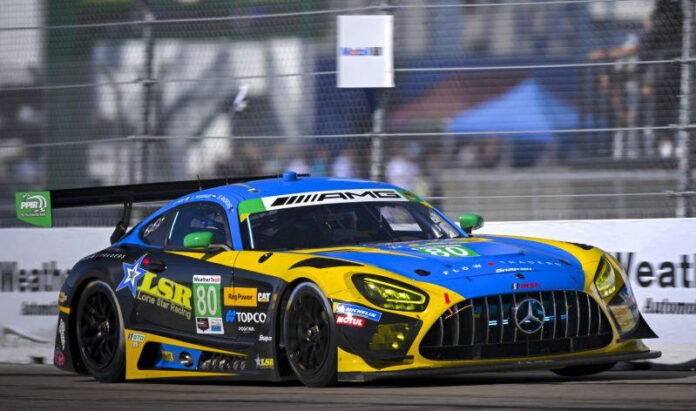
  • No. 80 Lone Star Racing Mercedes-AMG GT3 Team and Co-Drivers Scott Andrews, Lin Hodenius and James Roe Jr. Compete in Sunday’s Sahlen’s Six Hours of The Glen
  • Fourth-Place GTD Finish at Sebring and Sixth at Rolex 24 Opener Lone Star Racing’s Career-Best IMSA Michelin Endurance Cup Race Results

WATKINS GLEN, New York (June 26, 2026) – Opening the IMSA Michelin Endurance Cup (IMEC) season with a pair of career-best GT Daytona (GTD) class results, the No 80 Lone Star Racing Mercedes-AMG GT3 team and co-drivers Scott Andrews, Lin Hodenius and James Roe Jr. roll into this weekend’s Sahlen’s Six Hours of The Glen primed for more success. Sunday’s featured six-hour endurance race on the legendary 3.4-mile Watkins Glen International Grand Prix circuit marks the mid-year round of the 2026 IMEC championship that honors the top performers in the IMSA WeatherTech SportsCar Championship season’s five endurance races.

In the most recent race in March at the 74th Running of the 12 Hours of Sebring, Lone Star and its trio of drivers secured a fourth-place GTD finish. The result marks the team’s best career finish in the IMSA Michelin Endurance Cup (IMEC), surpassing the previous benchmark of sixth place set in January’s season-opening Rolex 24 At Daytona.

The No. 80 Lone Star Racing Mercedes-AMG GT3 – a brand-new car debuted at Sebring – and the first-year combination of veteran team driver Andrews and experienced newcomers Hodenius and Roe Jr. demonstrated race-winning pace at both Daytona and Sebring. The Lone Star Racing engineering team and tireless pit crew in turn gave its drivers a good setup on the No. 80, top race strategy and flawless pit stops in both races.

“We look forward to continuing at Watkins Glen the pace and performance we showed to open the year at Daytona and Sebring and securing this weekend another season-best result,” said AJ Petersen, Lone Star Racing Team Manager and Technical Director. “We still have a combined 22 hours of racing across the three remaining rounds ahead, starting with this weekend’s six-hour race, and the plan is to keep doing what we have been doing and pushing even harder for our first IMSA GTD race win.”

Andrews both finished and started the Sebring race after qualifying fourth on the GTD grid. He has previous career success at The Glen, co-driving to an LMP3 win in 2021 in what proved to be a major step in securing that year’s IMEC class championship.

““We always have a fast car at Watkins Glen, and the team and drivers have been putting in a lot of preparation for this event,” Andrews said. “I am really looking forward to the Watkins Glen six hour. The first two races of the year were some of our best and hopefully we can continue the performance and have some good luck here. I would love to get the team’s first IMSA WeatherTech SportsCar Championship podium at this iconic Watkins Glen track.”

Roe Jr. has also visited the top step of The Glen’s victory lane early in his career.

“I am really looking forward to racing in the Lone Star Racing Mercedes-AMG GT3 with my teammates at Watkins Glen,” Roe Jr. said. “I feel like we have great momentum as a group and now is the time to capitalize on it all. It’s at a track I know well and really enjoy. I raced at The Glen back in 2018 in Formula 2000 and won it, so let’s keep that going!”

Along with five laps at the front of the GTD field at Daytona, the Lone Star drivers combined to lead the GTD field at Sebring three different times for a total of eight laps in the tightly contested race, including the No. 80’s final six laps up front with Sebring debuting driver Hodenius at the wheel. Hodenius is now set for his Watkins Glen debut this weekend.

The mid-season Sahlen’s Six Hours IMEC round follows the Rolex 24 and 12 Hours of Sebring with the inaugural 6 Hours of Road America and season-ending 10-Hour Petit Le Mans at Michelin Raceway Road Atlanta still to come.

The Sahlen’s Six Hours of The Glen can be viewed live in its entirety this Sunday, June 28, from Noon – 6:30 p.m. EDT on NBC’s Peacock and internationally at IMSA.TV or the IMSA YouTube channel. The six-hour race is preceded by morning green flags for practice sessions today and Saturday with GTD qualifying set for Saturday afternoon at 3:45 p.m. EDT.

About Lone Star Racing: Based at Motorsport Ranch within the greater Dallas-Fort Worth area in Cresson, Texas, Lone Star Racing is competing in the No. 80 Lone Star Racing Mercedes-AMG GT3 in the 2026 IMSA Michelin Endurance Cup in the GTD class, in addition to other top sports car racing series. Lone Star Racing and its team members have won races across North America spanning sprint and endurance racing formats. The crew has worked together on many different teams and various types of cars, developing a strong bond and proven capability that gives them a competitive and winning advantage. Lone Star Racing competes with the support of primary partner ACS Manufacturing, Inc. (www.ACSManufacturing.com). Look for Lone Star Racing and team owner/driver Dan Knox on Facebook and follow the team on YouTube at Lone Star Racing, on Twitter and Instagram @LSRTeam and on the official team web site at www.LoneStarRacingTeam.com.

RCR Race Preview: Sonoma Raceway

Richard Childress Racing in the NASCAR Cup Series at Sonoma Raceway… In 84 NASCAR Cup Series starts at Sonoma Raceway, Richard Childress Racing owns two wins. Dale Earnhardt claimed the first win for the organization in 1995, leading the final two laps of the race to secure the victory. Earnhardt also won the pole for that same event, the first for the Welcome, N.C.-based team. Robby Gordon won at Sonoma in 2003, leading 81 of 110 laps and holding off Jeff Gordon for the win. RCR has racked up 15 top-five and 28 top-10 finishes since the NASCAR Cup Series made its debut at the track in 1989. The team has led 158 laps at the California road course and has completed 8,710 of a possible 8,844 laps (98.5 percent).

Richard Childress Racing in the NASCAR O’Reilly Auto Parts Series at Sonoma Raceway… In six NASCAR O’Reilly Auto Parts Series starts at Sonoma Raceway, RCR has led 25 laps and earned one top-five and two top-10 finishes.

NASCAR’s $1 Million Showdown: The 2026 In-Season Challenge… The NASCAR In-Season Challenge kicks off this weekend at Sonoma Raceway for the NASCAR Cup Series. The 32 qualifying drivers are seeded into a single-elimination bracket. Each race in the tournament reduces the field by half: from 32 to 16, then to eight, four, and finally two. The driver with the better finish in the final race is crowned the tournament champion. This weekend, Austin Dillon is paired against Ty Gibbs. The challenge will end on July 26 at Indianapolis Motor Speedway.

Catch the Action on Saturday… The NASCAR O’Reilly Auto Parts Series’ Pit Boss/FoodMaxx 250 at Sonoma Raceway will be televised live Saturday, June 27, beginning at 5:30 p.m. ET on The CW. The race will be broadcast live on the Performance Racing Network and SiriusXM NASCAR Radio Channel 90. Friday afternoon’s practice and qualifying session will be shown for free on The CW App beginning at 4 p.m. ET.

Watch Us on TNT Sports… The NASCAR Cup Series’ Save Mart 350 at Sonoma Raceway will be televised live on Sunday, June 28, beginning at 3:30 p.m. ET on TNT Sports, the first of five consecutive races this season that will air on TNT Sports. The race will be broadcast live on the Performance Racing Network and SiriusXM NASCAR Radio Channel 90. Saturday afternoon’s practice and qualifying session will be shown live on truTV beginning at 2 p.m. ET. Ride shotgun all season long with live, in-car camera feeds and scanner audio with a paid subscription to Max as part of their NASCAR driver cam experience during the race.

Austin Dillon and the No. 3 Bass Pro Shops/Winchester Supreme Long Range Chevrolet at Sonoma Raceway… Austin Dillon has made 11 previous NASCAR Cup Series starts at Sonoma Raceway, earning his best finish of 11th at the 10-turn, 1.99-mile road course in 2022. He has completed 93.9 percent of the laps run at the track. In addition to his NASCAR Cup Series starts, Dillon has made three NASCAR K&N Pro Series West starts at Sonoma Raceway, earning a best finish of third in 2019 among two top-10 finishes.

First Round Opponent… NASCAR’s In-Season Challenge begins Sunday, June 27 at Sonoma Raceway. The single-elimination tournament returns for the second season in a row. Dillon’s first-round opponent is Ty Gibbs. The $1 million-to-win bonus tournament will be contested over the next five weeks, culminating at Indianapolis Motor Speedway.

Tickets to the 2026 Carolina Cowboys Home Stand Are Available Now… The Carolina Cowboys, a professional team in the PBR Teams Series, recently hosted a training camp for their roster of riders as they get set to defend their PBR Teams Series Championship ahead of the 2026 season. Dillon, who serves as general manager of the team, has been instrumental in all facets of the team, including training camp. Don’t miss the Carolina Cowboys 2026 “Cowboy Days” Home Stand September 18-20 at First Horizon Coliseum in Greensboro, North Carolina. Tickets are on sale at PBR.com and Ticketmaster.com.

About Bass Pro Shops… Bass Pro Shops, North America’s premier outdoor and conservation company, was founded in 1972 when avid young angler Johnny Morris started selling tackle out of his father’s liquor store in Springfield, Missouri. That was the company’s sole location for the first 13 years, and it has since grown to nearly 200 retail locations throughout North America. Today the company provides customers with unmatched offerings spanning premier destination retail, outdoor equipment manufacturing, world-class resort destinations and more. In 2017 Bass Pro Shops united with Cabela’s to create a “best-of-the-best” experience with superior products, dynamic locations and outstanding customer service. Bass Pro Shops also operates White River Marine Group, offering an unsurpassed collection of industry-leading boat brands, and Big Cedar Lodge, America’s Premier Wilderness Resort. Under the visionary conservation leadership of Johnny Morris, Bass Pro Shops is a national leader in protecting habitat and introducing families to the outdoors and has been named by Newsweek as “America’s Best Outdoor Retailer” for four consecutive years and “America’s Most Trusted Retailer for Outdoor Gear.”

From Winchester, The American Legend, comes Supreme® Long Range Ammunition… An all-new line of high-quality precision centerfire rifle ammunition that takes long range shooting to the next level. Featuring BC Max™ bullets, the first Winchester bullet purpose-built for hunting and targets at even the most extreme ranges, Supreme Long Range promises match-grade accuracy and devastating terminal performance.

Meet Dillon… On Sunday, June 28 at 9:15 a.m. Local Time, Dillon is scheduled to sign autographs alongside his RCR teammate Austin Hill at the RCR Merchandise Hauler in Fan Midway at Sonoma Raceway.

AUSTIN DILLON QUOTE:

How do you prepare for Sonoma Raceway?

“We prepare for Sonoma Raceway by spending a lot of hours on the Chevrolet simulator. I could probably run Sonoma in my sleep. We’ve put a lot of effort into this race. I can’t wait to get there in the No. 3 Bass Pro Shops /Winchester Supreme Long Range Chevrolet. It’s a fun road course and the recent repave of the full course will test everyone’s setup during practice.”

What’s the most challenging part of the Sonoma Raceway layout for you—Turn 11 hairpin, the esses, or something else?

“Turn 11 has always been the most challenging aspect of Sonoma Raceway. You’ve got to have patience and make a really good arch on entry. You know that drivers are going to be attacking that corner, so you don’t know what’s going to happen at times. The best thing to do is to roll the curb as fast as you can and pick up the throttle early to get off the corner.”

How do you manage brake wear and overheating with all the heavy braking zones?

“You try not to overlap on two pedals and use the brakes efficiently. Sonoma Raceway is a track where you can overheat your brakes very fast, and there’s not much time to cool them down with the long runs we’ve seen over the last few races. You want to keep as much rear brake in the car as possible, and you can have a good day.”

Austin Hill and the No. 33 zone x am pm Chevrolet at Sonoma Raceway… Austin Hill will make his first NASCAR Cup Series start at Sonoma Raceway on Sunday. The Winston, Georgia native has competed in three NASCAR O’Reilly Auto Parts Series events at the California road course, posting one top-five and two top-10 finishes.

Building Momentum… Last weekend at Naval Base Coronado, Hill posted top-10 speed in both practice and qualifying. Saturday’s 10th-place starting effort marked the 32-year-old’s career best qualifying result in the Cup Series. During the race, Hill was involved in a multi-car accident while running in the second position.

Did You Know… In 2025, Hill earned his first career Cup Series top-10 finish at the Chicago Street Race, crossing the finish line in the ninth position. During the event, Hill made 55 green flag passes – the most of any driver in the field.

Zoning in on zone… zone™, the latest innovation from ITG Brands, is the next generation of nicotine pouches that delivers a superior tobacco-free experience and outperforms competitive products where it matters most. Available in 6mg and 9mg strengths and 10 variants, zone pouches are made with top shelf ingredients and high-quality materials to provide immediate nicotine intensity, longer-lasting flavor, and extra soft comfort. zone’s pouches are carefully crafted and designed to meet the needs of 21+ adult nicotine consumers, providing the best experience from the first pouch to the last.

Meet Hill… On Sunday, June 28 at 9:15 a.m. Local Time, Hill is scheduled to sign autographs alongside his RCR teammate Austin Dillon at the RCR Merchandise Hauler in Fan Midway at Sonoma Raceway.

AUSTIN HILL QUOTE:

With back-to-back road course events, is there anything that can be taken from Naval Base Coronado and applied to Sonoma Raceway?

“The main thing is confidence. To finally get a road course win in the O’Reilly Auto Parts Series, I have a lot of confidence going into another weekend turning left and right. We also showed a lot of speed and pace in the Cup Series last weekend, which was a boost for our entire group. When you don’t race on road courses often, it can take a little extra time – five or six laps – to get back accumulated to hitting your shifting marks. Because we just did a street course, that adjustment period should be short if non-existent. Sonoma is a great road course with elevation changes, and we have been putting in the work on the simulator to prep for this weekend. I flew home this week to spend extra time on the simulator and hopefully it pays off.”

Jesse Love and the No. 2 Whelen Chevrolet at Sonoma Raceway… Jesse Love has made two career NASCAR O’Reilly Auto Parts Series starts at Sonoma Raceway. In 2024, Love qualified in the sixth position and earned stage points, en route to a 12th-place result. The young gun has also competed in one ARCA Menards Series West event at the California road course (2021).

Last Week… After starting at the tail of the field in last Saturday’s race at Naval Base Coronado, Love and the No. 2 team employed strategy to gain track position. By the start of Stage 2, Love was inside the top-10. However, on lap 36, the 21-year-old sustained damage in a 25-car accident which forced the No. 2 team to make repairs. Quick repairs and speed allowed Love to finish in the sixth position, his best result since his runner-up effort at Charlotte Motor Speedway last month.

Road Courses in 2026… The O’Reilly Auto Parts Series has had three road course events so far in the 2026 campaign, taking place at Circuit of The Americas in February, Watkins Glen International in May, and Naval Base Coronado last Saturday. Love finished fourth at COTA, nearly secured his first career road course victory with a runner-up result at Watkins Glen International, and a sixth-place result at Naval Base Coronado.

Consistency Continues… Love’s average finish of 10.8 is fourth-best among full-time drivers in the O’Reilly Auto Parts Series.

Get to the Points… Love remains second in the O’Reilly Auto Parts Series driver championship point standings, 224 points behind leader Justin Allgaier and 14 points ahead of third-place Corey Day.

Coming Home… This weekend’s event at Sonoma Raceway marks a California homecoming for Love. The 21-year-old is a native of Menlo Park – a short one-hour drive from the 1.99-mile asphalt facility.

About Whelen Engineering… Whelen Engineering is a family-owned company with a pioneering spirit and a passion to protect the lives of those who protect and serve others. The company mission is to provide industry-defining safety solutions around the world, while creating a community of problem-solvers who are inspired to push boundaries and continue our legacy of delivering ground-breaking innovation. As a global leader in the emergency warning industry, Whelen has been trusted to perform since 1952, when George Whelen III invented the first rotating aviation beacon. Whelen now encompasses two state-of-the-art manufacturing facilities in Connecticut and New Hampshire with over 750,000 square feet of engineering and manufacturing space and the largest design staff in the industry. Every part of every Whelen product is proudly designed and manufactured in America. We embrace quality as our foundation, and we celebrate innovative engineering in every product we produce.

Everyday Champion… You don’t have to wear a cape to be a hero. Sometimes, all it takes is a willingness to step forward, a commitment to others, and the determination to make a difference—day after day, year after year. That’s the spirit behind Whelen Engineering’s Everyday Champion program, which is now accepting nominations for 2026. Created to honor first responders and everyday citizens who rise to the occasion when it matters most, the program celebrates the quiet strength, compassion, and leadership that define true heroism. Each year, the Everyday Champion program recognizes those who go above and beyond - whether through a single act of heroism or a continued commitment to serving others. Past honorees have included law enforcement officers, firefighters, paramedicine teams, and civilians whose actions made a life-saving difference.

Nominations are open from May 1 through August 14, 2026. Individuals can nominate a deserving hero by visiting whelen.com/everydaychampion and completing a brief submission form outlining their story. The selected 2026 Everyday Champion will receive an all-expenses-paid trip to the NASCAR Hall of Fame in Charlotte, North Carolina, where they will be honored during a special ceremony and inducted into the Whelen Hall of Champions. In addition, a generous donation will be made in their name to the charity of their choice.

Meet Love… On Saturday, June 27 at 11:35 a.m. Local Time, Love is scheduled to sign autographs at the RCR Merchandise Hauler located in the Fan Midway at Sonoma Raceway. Stop by to meet Love and purchase No. 2 gear.

JESSE LOVE QUOTE:

What are your expectations this weekend at Sonoma Raceway?

“I’m excited for Sonoma Raceway, I thought we were pretty good there a couple years ago, and last year as well. Hopefully we can have a smooth weekend. We got the speed to be in contention, and hopefully we have the luck to go along with it.”

Austin Hill and the No. 21 Bennett Transportation & Logistics Chevrolet at Sonoma Raceway… Austin Hill has made three career NASCAR O’Reilly Auto Parts Series starts at Sonoma Raceway, earning one top-five and two top-10 finishes. The Winston, Georgia native secured an eighth-place result in 2023, before leading 21 laps and earning a fifth-place effort the following season in 2024. Hill has completed 100 percent of the laps competed (237) at the 1.99-mile road course.

Mission Accomplished… After qualifying in the fourth position for the inaugural event at Naval Base Coronado, Hill showed speed early by winning Stage 1 and capturing 10 stage points. The Winston, Georgia native would receive left side contact in the 25-car restart accident during Stage 2, but after repairs from the No. 21 team, Hill rallied to finish eighth in the segment. Hill remained in contention, running no worse than third in the closing laps, before passing Taylor Gray on the last lap to secure his first series road course victory.

Conquered Them All… While known for his drafting track abilities, Hill has now won at every style of track on the O’Reilly Auto Parts Series schedule. The 32-year-old has 11 drafting track wins (4x Daytona International Speedway, 5x EchoPark Speedway, 2x Talladega Superspeedway), three intermediate victories (Las Vegas Motor Speedway, Homestead-Miami Speedway, Pocono Raceway), one short track win (Martinsville Speedway) and one road course victory (Naval Base Coronado).

Did You Know… Last Saturday marked Hill’s 16th career victory in the O’Reilly Auto Parts Series, tying the veteran racer with Joe Nemechek and Jeff Green for 23rd all-time in series wins.

Lefts and Rights in 2026… After claiming the checkered flag in San Diego, California, Hill has finished no worse than 11th in all three road course events in 2026 – second at Circuit of The Americas, 11th at Watkins Glen International (ran out of fuel while running third), and first at Naval Base Coronado.

Points Check… Following his victory at Naval Base Coronado, Hill currently holds fifth-place in the O’Reilly Auto Parts Series driver championship point standings – 256 points behind leader Justin Allgaier and only 16 points behind fourth-place Sheldon Creed. Six regular season races remain before the Chase to crown a champion begins.

About Bennett Family of Companies… McDonough-Ga. based Bennett Family of Companies provides industry-leading logistics solutions that help businesses thrive. Whether you need specialized trucking, warehousing, 3PL, exporting, importing, or crane services, Bennett has the expertise to handle your most complex and time-sensitive freight. From LTL to over-dimensional truckloads, Bennett ensures safe, reliable, and on-time deliveries around the world. With a legacy of excellence since 1974, their family and woman-owned company is dedicated to providing personalized, flexible solutions that meet your unique business needs. Trust Bennett to deliver when it matters most – discover how we can help your business grow at www.bennettig.com. Together we can move anything. 

AUSTIN HILL QUOTE:

Coming off a win at Naval Base Coronado, what is the outlook for this weekend’s race at Sonoma Raceway?

“Now that we have finally got our first road course win, maybe we can do it again. I think it’s going to be a

great weekend. Sonoma is an awesome racetrack. Two years ago, we had a shot at winning. We were going head to head with SVG (Shane van Gisbergen) and it didn’t work out. Last year, we missed the balance a little bit with the car, but everything that we’ve learned this year on road course races has worked for my driving style. We’ve been able to apply it to all road courses this season and it’s shown. Our Chevrolets have been fast at every road course we have raced at so far. The biggest thing is making all of the laps and being there when it matters most.”
Why Choosing a Local Tire Shop Makes a Difference for Vehicle Safety

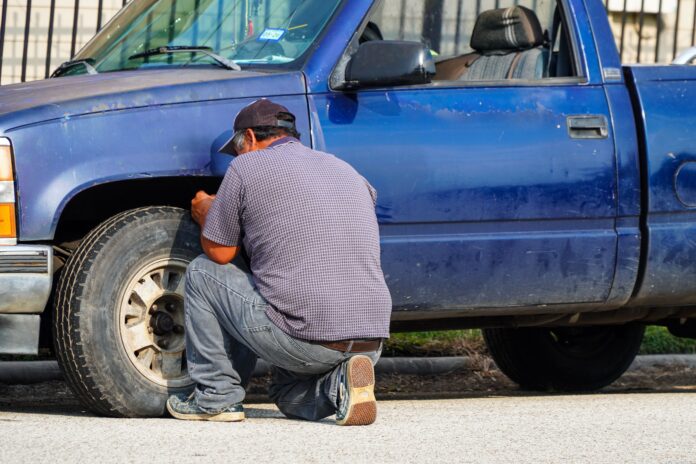
Tires play a vital role in your vehicle’s safety, as they directly affect traction, braking, and handling every time you drive. That’s why it is important to maintain your car tires regularly, as it helps improve vehicle performance and lowers the chances of encountering tire-related problems.

When you choose a tire shop in Lillington NC, you have the advantage of connecting with expert local professionals who are familiar with the driving conditions in the area and offer dependable tire services. Whether you are looking for regular maintenance or expert tire care solutions, a reliable local shop will keep your vehicle safe and ready for the road.

Importance of Vehicle Safety

Vehicle Safety depends on multiple safety measures, and tire safety is absolutely essential. If your tires are worn out or not properly cared for, you could face issues like reduced traction, reduced stopping power, and no way to steer safely away from an obstacle or hazard, which can all lead to accidents.

Routine care of your tires provides:

  • Better traction on both wet and dry roads.
  • Help stop the vehicle quicker.
  • Greater stability when making turns.
  • A lower chance of experiencing a tire blowout.
  • Increased efficiency by keeping tires inflated correctly

Role of Tires in Overall Vehicle Performance

Tires are really important for how your vehicle runs, as they supply the necessary grip, support braking, and help maintain steering control. When tires are worn, under-inflated, or poorly maintained, you might experience:

  • Poor braking ability to stop the vehicle
  • Bad handling and steering response.
  • Damage the tires faster.
  • Reduced fuel efficiency
  • Increased possibility of skidding on wet roads

To keep your tires in good and safe condition, it’s important to regularly rotate them, balance the wheels, get alignments, and inspect the tires.

Benefits of Choosing Local Tire Shops 

There are many reasons to choose a full-service tire maintenance shop besides convenience. Local stores offer trustworthy service and skilled technicians who make recommendations that fit your vehicle, your car, and the surrounding road conditions. Let’s dive into some of the standout benefits of opting for a local tire expert.

Professional Expertise and Personalization

Local tire specialists take time to get to know your vehicle’s specific requirements and suggest the right tires and maintenance services according to your driving style, budget, and manufacturer’s recommendations.

Knowledge of Local Driving Conditions

Local technicians are experienced and well aware of the types of roads and seasonal weather patterns. This allows them to recommend the right tires and maintenance schedules that enhance your vehicle’s performance and safety.

Building Long-Term Relationships

By opting for a neighborhood tire store, you will have the opportunity to build lasting relationships with trusted technicians who become familiar with your vehicle’s service history. This familiarity makes future maintenance smoother and more personalized.

Convenient Access to Professional Tire Services

Having an experienced tire professional just around the corner makes keeping up with regular tire maintenance easy.  If a professional service is always near either their home or workplace, vehicle owners will be more inclined to maintain tire rotations, check tire pressure, and monitor overall tire health.

Quicker Turnaround Times

Local businesses usually place a lot of importance on offering fast, quality service to their fellow community members. Whether swapping out worn tires, handling seasonal maintenance, or providing emergency flat tire repair service for damaged tires, customers often enjoy quicker scheduling and shorter wait times compared to those larger service centers.

Community Engagement and Support

Visiting a local tire retailer not only improves your vehicle’s performance but also boosts the community by strengthening the local economy and generating jobs. Many local store owners focus on providing honest service, quality workmanship, and lasting relationships with their customers so drivers can count on trusted tire experts whenever they need dependable tire care.

Conclusion

Tire maintenance plays a significant role in ensuring safe, reliable driving. For a Flat tire, selecting a reliable tire repair service can make it easy to get help from experts, receive individualized advice, and ensure reliable tire repair and maintenance. A trusted local specialist will make sure your vehicle stays in top shape for every trip you take.

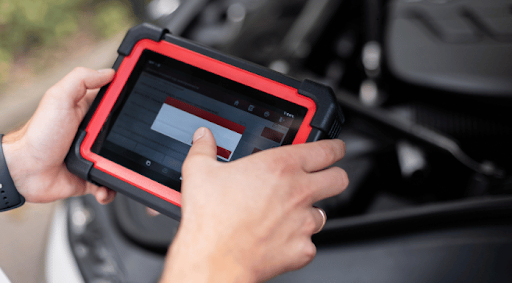
PIWIS 4 vs PIWIS 3: Which Porsche Diagnostic Tool Should Independent Workshops Buy?

Nowadays, one of the biggest questions for Porsche workshop owners is whether they should still continue using the PIWIS 3, or is it finally time to move on to something new and more advanced like the PIWIS 4 tool?

Well, the answer is very simple. Just imagine, you are in your workshop, and suddenly a brand-new Taycan, Macan EV, or next-gen 911 arrives at your door. Then, you will realize your trusted PIWIS 3 ain’t catching up with these newer models. These modern Porsche models rely heavily on software, electronic control units, online services, and complex vehicle networks. This requires advanced diagnostic tools. Hence, it needs an upgraded diagnostic tool like PIWIS 4.

In this article, we’re going to compare PIWIS 4 vs PIWIS 3 in detail, covering diagnostics, coding, programming capabilities, vehicle compatibility, etc. Then try to reach a decision on which system is the better investment for your Porsche repair business.

Understanding Porsche PIWIS Systems:

PIWIS stands for Porsche Integrated Workshop Information System. lt’s Prsche’s official dealer-level diagnostic platform. It is used for fault diagnosis, coding, programming, maintenance procedures, and vehicle communication. In the current time, owning an advanced PIWIS system at your workshop isn’t about luxury. It decides whether you are able to take on newer Porsche models or just have to turn customers away.

We already discussed that newer Porsche vehicles are overwhelmed with advanced technology, new features, advanced driver assistance systems, connected services etc. To support these developments, having a modern PIWIS becomes quite necessary.

PIWIS 4: Built for Where Porsche Is Heading:

Porsche PIWIS 4 Diagnostic Tool was developed specifically for the upcoming generations and highly advanced EVs. It has full compatibility with the latest Porsche models, including the Taycan and other EV platforms.

Some of its standout strengths include:

  • Comprehensive diagnostics for older Porsche models.
  • ECU fault code reading and clearing.
  • Service reset functions.
  • Adaptations and coding procedures.
  • Control module communication.
  • Maintenance and repair support.

It also brings noticeably better performance for new generation Porsche cars’ complex tasks such as control unit replacement, variant coding, and feature activation.

PIWIS 3: The Tool That’s Carried the Industry for Years:

For several years, PIWIS 3 has been the backbone of independent Porsche diagnostics. It was widely used because of its extensive access to Porsche control modules and service functions.

But the problem is that PIWIS 3 was designed for the earlier generations. But now, Porsche is moving forward. Newer software architectures, especially EVs and recent facelifted models, seem a little too much for the early PIWIS 3 version. It can not detect some newer control units. Some security-gated functions won’t authenticate. And, as Porsche continues to keep updating, that makes the gap widen.

So, the question is, is your old reliable PIWIS 3 still gonna keep up with upcoming models, or is it just getting older for newly Porsche models?

Vehicle Coverage: PIWIS 4 vs PIWIS 3:

Vehicle compatibility is the main factor when choosing a Porsche diagnostic tool.

PIWIS 4:

PIWIS 4 is the latest generation of Porsche’s official diagnostic, coding, and programming system. It is meant to exceed its previous version.

It expands support to newer Porsche vehicles and future releases. Which includes:

  • Latest 911 generations.
  • Newer Cayenne models.
  • Updated Panamera vehicles.
  • Current Macan models.
  • Taycan electric vehicles.
  • Future Porsche platforms.

As time passes, technology continues to evolve, and today’s new-generation vehicles are so. As Porsche vehicles become more advanced, many workshops are transitioning to the PIWIS 4 diagnostic system to support the latest models and technologies.

PIWIS 3:

PIWIS 3 wasn’t called the backbone of Porsche diagnostics for nothing. Before the Porsche’s latest platform transitions, PIWIS 3 was dominating Porsche workshop diagnostics, coding, and programming. And the surprising fact is it ain’t ended yet.

It remains useful for servicing:

  • 911 models from previous generations.
  • Boxster and Cayman models.
  • Panamera models.
  • Macan models.
  • Cayenne models.

For workshops which are focused on these old generations of Porsche vehicles, PIWIS 3 still goes without an issue.

Diagnostics Capability Comparison:

Both tools proved their worth by providing dealer-level diagnostics. But, the time is moving fast, and the newer generation demands an upgrade. Which is why Porsche launched its advanced PIWIS 4 Diagnostic tool. To know whether this upgrade is really legit or just a cheap upgrade of PIWIS 3 Diagnostic? Let’s find out by comparing their Diagnostics Capability:

PIWIS 4 offers:

  • Faster vehicle communication.
  • Expanded module coverage.
  • Improved guided troubleshooting.
  • Enhanced system testing.
  • Better support for newer electronic architectures.

PIWIS 3 offers:

  • Fault code reading.
  • Live data monitoring.
  • Control module access.
  • Service functions.
  • Guided diagnostics.

These functions still remain useful for many repair scenarios.

Coding and Programming:

Coding and programming are often where the largest differences appear. Many independent Porsche specialists think basic diagnostics is just the entry point. The real thing that mostly matters is the coding and programming part. The Independent workshops frequently replace modules, activate features, retrofit components, and perform configuration changes, and adjust vehicle settings. These tasks require reliable coding support. This is why PIWIS 3 isn’t enough for newer generations:

PIWIS 4

The PIWIS 4 tool provides stronger support for:

  • ECU coding.
  • Module replacement.
  • Software updates.
  • Vehicle configuration.
  • Advanced adaptations.

For workshops performing regular electronic repairs and preparing for the upcoming wave of the next generation of vehicle technologies, PIWIS 4 generally offers greater flexibility and future compatibility.

PIWIS 3

The PIWIS 3 may perform coding and programming on many supported models, but access to newer vehicle systems is now limited.

Which Porsche Diagnostic Tool Should You Buy?

The right choice depends on which types of vehicles you intend to service.

Choose the PIWIS 4 tool if:

  • You service newer Porsche vehicles.
  • You need advanced coding and programming capabilities.
  • You plan to work on Taycan and future EV models.
  • You want stronger support for online Porsche systems.
  • You are investing in the future of your workshop.

Choose PIWIS 3 if:

  • You primarily work on older Porsche models.
  • Your workshop rarely services the latest vehicles.
  • Basic diagnostics and service functions meet your needs.
  • Budget is your primary concern.

Conclusion:

Both PIWIS 3 and PIWIS 4 are modern Porsche diagnostic tools. But, they’re not meant to serve the same generations of vehicles. PIWIS 3 was designed for Porsche’s earlier generations, and it can still serve the older Porsche models without any issue. Meanwhile, the PIWIS 4 is designed for the latest vehicle platforms, advanced coding requirements, online service functions, and electric vehicle diagnostics.

So, the option you’re picking depends on which generational vehicle your workshop intends to serve. Choose PIWIS 3 if you’re occupied with the older models. If

6 Common Signs Your Brake Rotors Are Warped

Photo by depositphotos at https://depositphotos.com/

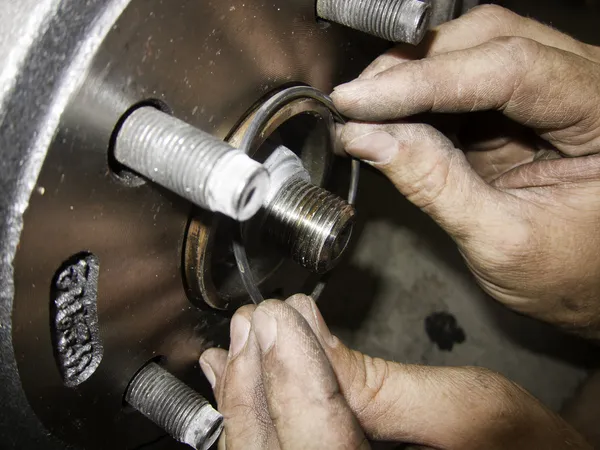
Most drivers notice something is wrong before they know what to call it. The brake pedal pulses underfoot. The steering wheel shudders on the highway. The car pulls faintly to one side when slowing. Each sensation points to brake rotors with an uneven surface, a condition mechanics call disc thickness variation, and most drivers call warped rotors.

This guide covers:

  • What disc thickness variation is, and why the standard picture of warping is misleading
  • The six physical symptoms that point to uneven rotors, and how to tell front from rear
  • What causes rotors to reach this point
  • Your repair options and how rotor design affects recurrence

At a Glance

TakeawayDetail
“Warped” usually means uneven, not bentRotors rarely deform physically. Thickness variation from heat or pad deposits is the real cause.
Pedal pulsation is the clearest signA rhythmic push-back through the brake pedal is the most reliable indicator of disc thickness variation.
Front vs. rear matters for diagnosisSteering wheel shudder points to front rotors. Vibration through the seat or floor points to rear.
Symptoms worsen above 35 mphPulsation intensifies at speed because the caliper piston cycles more rapidly through the uneven surface.
Resurfacing has limitsIf a rotor is near minimum thickness, machining removes too much material. Replacement is the safer call.
Rotor design affects recurrenceRotors that dissipate heat more effectively develop thickness variation more slowly under the same conditions.

What “Warped” Really Means

The word “warped” suggests a disc that has physically buckled, like a record left in a hot car. That picture is mostly wrong. Cast iron rotors are heavy and rigid, and actual bending requires a major impact or a manufacturing defect. What almost always causes these symptoms is disc thickness variation (DTV): the rotor’s braking surface develops high and low spots separated by just a few thousandths of an inch.

DTV develops when the surface softens under extreme heat and wears unevenly, or when pad material transfers onto the rotor at uneven intervals. Rotor design plays a role in how quickly this happens. Cross drilled rotors use strategically placed perforations to release heat and gas from the pad-rotor interface, managing surface temperatures more effectively and slowing the uneven wear that drives DTV.

How Attorneys Track Down Hit-and-Run Drivers and Make Them Pay

A hit-and-run crash creates a different kind of frustration than most traffic accidents. Physical injuries, vehicle damage, and unanswered questions often arrive at the same time. Many people assume that once a driver leaves the scene, accountability disappears with them. That belief is often far from the truth. 

Modern investigations rely on technology, records, witness accounts, and detailed evidence gathering that can uncover information that is not obvious at first. People seeking legal help after a hit-and-run crash are often surprised by how many ways a missing driver can still be identified and connected to an accident.

How Attorneys Track Down Hit-and-Run Drivers

Reviewing Traffic and Surveillance Cameras

One of the first places investigators look is video footage. Traffic cameras, security systems, parking lot cameras, and nearby business surveillance recordings can provide valuable details. Even if the collision itself is not fully captured, footage may reveal the vehicle entering or leaving the area.

Attorneys often work quickly because some video systems automatically delete recordings after a short period. A small detail, such as a vehicle color, a damaged bumper, or part of a license plate number, can become an important piece of the investigation.

Gathering Statements From Witnesses

People nearby often notice details that victims miss during a stressful event. Witnesses may remember a vehicle description, a direction of travel, or unusual driving behavior before the crash.

Attorneys carefully review witness statements and compare them with available evidence. Sometimes multiple accounts fill gaps that no single person could provide alone. A collection of small observations can create a much clearer picture of what happened and who may have been responsible.

Examining Physical Evidence Left Behind

Vehicles frequently leave evidence at crash scenes. Broken headlights, paint transfers, mirror fragments, tire marks, and vehicle debris can provide important clues.

Investigators may compare these items with vehicle databases and manufacturer information. Even a small piece of damaged plastic can help narrow the search to specific makes and models. Physical evidence often becomes one of the strongest tools in locating a driver who attempted to disappear.

Using Accident Reconstruction

Some cases involve extensive accident reconstruction. This process uses available evidence to determine how a crash happened and what type of vehicle may have been involved.

Measurements, damage patterns, roadway conditions, and impact points help experts develop a clearer understanding of the collision. Reconstruction findings can support other evidence and strengthen efforts to identify the driver who fled the scene.

How Attorneys Build a Strong Case After Identification

Connecting the Driver to the Evidence

Finding a vehicle is only part of the process. Attorneys must also connect the vehicle and driver to the collision through reliable evidence.

This may involve comparing vehicle damage, reviewing repair records, examining photographs, and analyzing witness statements. Building a strong connection between the driver and the crash helps create a more complete case supported by facts rather than assumptions.

Reviewing Insurance Information

Once a driver is identified, insurance coverage often becomes an important area of review. Policies, coverage limits, and claim details may affect how a case moves forward.

People who seek legal help after a hit-and-run crash often discover that multiple insurance-related questions arise after the responsible driver is located. Understanding available coverage can play a significant role in resolving accident-related losses.

Preserving Evidence Before It Disappears

Evidence does not last forever. Vehicle repairs, deleted footage, fading memories, and missing records can make investigations more difficult over time.

Attorneys focus on preserving important information as early as possible. Keeping evidence organized and protected helps prevent important details from being lost and allows investigators to work with a stronger foundation throughout the case.

Steps That Help Strengthen an Investigation

Several actions can support efforts to identify a hit-and-run driver:

  • Report the accident as soon as possible.
  • Take photographs of the scene and vehicle damage.
  • Collect witness contact information.
  • Save medical and repair-related records.
  • Write down any vehicle details that were noticed.

These simple steps can preserve information that may later become valuable during an investigation.

Accountability Often Starts With Careful Investigation

A driver leaving the scene does not automatically erase responsibility. Hit and run investigations often involve a combination of technology, physical evidence, witness accounts, and detailed research that can uncover information hidden at first glance. Every piece of evidence has the potential to move an investigation forward and reveal who was involved. 

While every case follows its own path, experienced professionals understand how to gather facts, preserve evidence, and pursue accountability. For many victims, working with an attorney after a hit-and-run collision creates a clearer path toward answers, responsibility, and a stronger understanding of available options.

Bradenton, FL, Car Accident Laws: A Guide for Injured Victims

A single crash can turn an ordinary day in Bradenton, FL, into a long list of questions. Medical appointments, insurance paperwork, vehicle repairs, and missed work often arrive all at once. Many people expect the legal side of a car accident to be straightforward, only to discover that different rules can affect what happens next. 

Florida has unique laws that influence how accident claims are handled, and those laws can impact injured victims throughout the process. Knowing the basics can help reduce confusion and make the situation easier to understand. 

A few key rules often shape the road ahead more than people realize.

Florida’s No-Fault Insurance System

Florida follows a no-fault insurance system, which is different from the approach used in many other states. In Bradenton and throughout Florida, drivers generally turn to their own insurance coverage first after an accident, regardless of who caused the crash.

This system relies on Personal Injury Protection, often called PIP coverage. PIP benefits are designed to help cover certain accident-related expenses. Because Florida uses this structure, the first step after many accidents involves reviewing available insurance coverage rather than immediately focusing on fault. Many injured people also seek guidance from a car crash attorney Bradenton residents trust so they can better understand how the insurance process works and what options may be available.

For injured victims, understanding this system is important because it affects how claims are handled from the very beginning. It also explains why insurance details often become one of the first topics discussed after a collision.

When an Injury May Go Beyond a No-Fault Claim

Not every accident fits neatly within the no-fault system. Some crashes result in injuries that have a greater impact on a person’s health and daily life.

In situations involving more serious injuries, additional legal options may become part of the discussion. The severity of an injury can influence how a claim proceeds and what factors may be considered during the process.

This is one reason medical documentation is so important after a crash. Records help create a clearer picture of how an injury affects someone’s condition and recovery. In Bradenton, FL, accident victims often discover that the nature of an injury can significantly influence the path a claim may take.

Understanding Fault in Florida Car Accident Cases

Even though Florida uses a no-fault system, fault can still play an important role in certain situations. Determining how an accident happened often requires reviewing evidence and examining the events leading up to the collision.

Several types of information may be considered, including:

  • Police reports
  • Photographs from the accident scene
  • Witness statements
  • Vehicle damage records
  • Traffic camera footage

These details can help create a clearer understanding of what occurred. In Bradenton, roads near busy intersections, commercial areas, and major highways often generate evidence that becomes important during accident investigations. Gathering and preserving information early can help ensure that important facts are not lost.

Important Deadlines That May Affect a Claim

Time can be one of the most overlooked factors after a car accident. While people focus on recovery, insurance matters, and repairing damaged vehicles, legal deadlines continue moving forward.

Waiting too long can create challenges because records may become harder to obtain, and evidence may become more difficult to locate. Witnesses may forget important details, and documentation may become less complete over time.

Keeping organized records after an accident can be extremely helpful. Medical documents, repair estimates, insurance correspondence, and accident reports all contribute to a stronger understanding of what happened. In Bradenton, FL, staying organized can make the claims process smoother and reduce unnecessary complications later.

Types of Compensation Often Sought After a Car Accident

Car accidents can affect many parts of a person’s life. Because of this, several categories of compensation are commonly discussed after a crash.

Medical Expenses

Medical treatment often creates immediate costs. Emergency care, hospital visits, follow-up appointments, and rehabilitation services can quickly add up after a car accident.

Lost Income

Some injuries make it difficult for people to return to work right away. Missed time from work can create financial pressure while recovery is ongoing.

Property Damage

Vehicle repairs or replacement costs are another common concern after a collision. Damage to personal property may also be considered.

Pain and Suffering in Eligible Cases

Certain situations may involve compensation related to the physical and emotional effects of an injury. The circumstances of each case help determine how these issues are evaluated.

Evidence That Can Strengthen a Car Accident Claim

Strong evidence often helps create a clearer picture of what happened during a crash. Documentation collected early can become extremely valuable later.

Accident reports provide official information about the incident. Medical records help connect injuries to the collision. Photographs can preserve details from the scene that may later disappear. Witness statements can offer additional perspectives about how the accident occurred.

People in Bradenton who take time to preserve these records often place themselves in a better position to understand and document the circumstances surrounding their accident. Evidence may not seem important at first, but small details often become meaningful as a claim develops.

Summing Up

Car accident laws in Bradenton, FL, can seem complicated at first, especially for people dealing with injuries and financial concerns at the same time. Florida’s no-fault system, the role of fault, important deadlines, and available forms of compensation all influence how claims are handled. Having a basic understanding of these concepts can make the process less overwhelming. 

Many injured victims find it helpful to gather documentation early and stay informed about their options. For those seeking guidance, speaking with a car crash attorney Bradenton residents rely on can provide additional clarity about the legal issues that may arise after an accident.

Documenting Your Recovery: What to Keep Track of After a Car Crash

City streets can feel normal one minute and completely changed the next after a crash leaves everything scattered in confusion. Paperwork, medical visits, and calls from insurance start piling up fast. Keeping track of recovery details often decides how smoothly a claim moves forward, especially when dealing with compensation for car crash injuries. From accident notes to medical records, everything that matters in recovery can be organized in a simple way so nothing important gets missed. 

Here is a clear breakdown of what to keep track of after a crash and why each detail plays a part in the recovery process.

1. Immediate Accident Details to Record Right Away

Right after a crash, small details can become important later when questions about what happened start coming up. Recording the exact time, place, and road situation helps build a clear picture of the event. Photos of vehicle damage, surroundings, and any injuries give strong support for insurance review and reporting. Collect names of witnesses and officer details if available, so nothing important is missed in documentation.

 These early notes often become the base of your entire case file and help ensure that your account stays consistent across reports and later discussions with insurance companies or other involved parties, as clearly stated.

2. Medical Records That Track Your Physical Recovery

Medical records show the full path of recovery and give structure to what your body goes through after a crash. Emergency visits, doctor notes, and test results help explain injuries in a simple and trusted way. Keep copies of prescriptions, therapy sessions, and follow-up visits for a complete medical timeline. Even small symptoms should be written down because they may change or grow later in recovery. 

All these records together create a clear medical story that supports an accurate understanding of health changes and can also assist when reviewing claims connected to the compensation for car crash cases documentation process.

3. Daily Health Journal and Personal Tracking

A daily journal helps capture how recovery feels beyond hospital reports and gives space for personal tracking. Writing about pain levels, sleep patterns, and energy changes creates a simple record of progress. It also helps notice patterns that may not be obvious during regular medical appointments.

Emotional changes, such as stress or worry,y can also be included to reflect overall recovery. This kind of record keeps your experience real and helps doctors and insurers understand how daily life is affected after an accident in a way that supports clear communication without missing important small details in the recovery tracking process overall.

4. Financial Records and Expense Tracking

Tracking expenses after a crash helps create a clear picture of how much the recovery process is actually costing. Medical bills, pharmacy receipts, and therapy costs should be stored carefully for easy reference later. Travel costs for appointments and any home care expenses should also be included in the records. Keeping a simple list of expenses makes the process easier to manage and review.

  • Hospital and emergency treatment bills
  • Medication and prescription costs
  • Transportation and follow-up visit expenses
  • Vehicle repair and towing charges

All of this information helps keep financial records clear and supports an organized review of spending overall.

5. Insurance Communication and Claim Records

Every message sent to an insurance company should be saved for future reference and clarity. Claim numbers, adjuster names, and contact details are important for tracking the progress of a claim. Phone calls should be noted with dates and short summaries of what was discussed. Emails and letters often contain important updates that help avoid confusion during settlement discussions. 

Keeping everything organized in one place reduces stress and ensures nothing important is missed when dealing with insurance conversations that can move quickly and require accurate information at every step of the process, without losing track of key details in the overall system.

6. Work and Income Impact Records

A crash can affect work life in ways that are not always visible at first. Keeping records of missed workdays and reduced hours helps show the real impact on income. Employer notes, leave approvals, and communication emails should all be stored safely. If freelance or gig work is involved, income loss tracking becomes even more important. 

This information helps create a clear picture of financial changes after a car accident and supports understanding of overall recovery progress, including how financial adjustments across medical and work-related records are kept together in the review process.

Final Thoughts

Keeping all recovery documents in one place makes the entire process easier to follow and less stressful. Folders, notebooks, or digital storage tools can help separate medical, financial, and insurance information clearly. Updating records regularly ensures that no detail gets forgotten during long recovery periods. Backups of important files also protect against loss of information and keep everything safe. 

When records are complete and organized, it becomes easier to present a clear story of recovery and support a fair review of compensation for car crash injuries without missing key details that matter during assessment and follow-up discussions, and overall documentation clarity.

Breaking Down Lyft Accident Damages: What Losses Can Be Part of Your Claim?

A Lyft accident can create expenses that go far beyond a damaged vehicle or an emergency room visit. Medical treatments, lost income, and other financial burdens may continue long after the accident has been reported. Many people do not realize how many different types of losses can become part of a claim until they start looking at the full effect the collision has had on their health, finances, and daily responsibilities.

The process of identifying these losses requires careful attention to records, expenses, and available evidence. Many individuals choose to speak with an attorney for Lyft accident claims to better understand the different parts of the claims process and the information that may be considered. A closer look at the damages involved can help explain why every Lyft accident claim may have different circumstances.

Types of Damages That May Be Included in a Lyft Accident Claim

Medical Expenses and Continued Care

Medical expenses are among the most common damages included in a Lyft accident claim. A single injury may require more than one doctor visit, and the costs can continue to grow as treatment progresses. Emergency care, diagnostic tests, surgeries, medications, physical therapy, and specialist appointments may all become part of the financial impact caused by an accident.

Some medical-related losses that may be considered include:

  • Emergency room and hospital expenses
  • Doctor consultations and follow-up visits
  • Prescription medication costs
  • Physical therapy and rehabilitation services
  • Medical equipment and necessary treatment support

Medical records and bills help create a clear timeline of treatment and show how the injuries have affected a person’s health after the accident.

Lost Income and Employment Challenges

A Lyft accident can interrupt a person’s ability to earn a living. Time away from work for medical appointments, recovery, or physical limitations may result in lost income. Some injuries may also affect a person’s ability to return to the same type of work they performed before the accident.

Pay records, employment documents, and information about missed work can help show the financial effect of an injury. The amount and type of income loss can differ depending on the person’s profession, injury severity, and recovery period.

Property Damage and Other Financial Expenses

The financial effects of a Lyft accident may extend beyond medical care and employment concerns. Personal belongings, electronic devices, or vehicles involved in the accident may require repairs or replacement. Transportation costs while waiting for repairs may also add additional expenses.

Maintaining receipts, repair estimates, invoices, and other financial documents can help keep track of the costs connected to the accident. Small expenses may appear minor individually, but together they may represent a significant financial burden.

Pain and Changes to Daily Life

Some damages cannot be measured by a receipt or invoice. Physical discomfort, limitations in movement, and difficulties completing normal activities may also be part of a Lyft accident claim. An injury may change how a person manages work, household responsibilities, exercise, or other regular activities.

Detailed medical records and personal notes regarding physical limitations can help document how an injury has affected everyday life and personal independence.

How Damages May Be Recovered After a Lyft Accident

Recovering damages after a Lyft accident generally involves reviewing insurance coverage, collecting evidence, and providing documentation that supports the losses related to the collision. Since rideshare accidents may involve the Lyft driver, another motorist, and multiple insurance policies, the claims process may involve several layers of review.

Important information may include accident reports, photographs, witness statements, medical records, repair estimates, and proof of financial losses. The quality and organization of this information can influence how clearly the damages connected to the accident are presented.

Helpful Steps for Managing a Lyft Accident Claim

The actions taken after an accident can affect how easily information can be reviewed later. Staying organized helps prevent important documents and details from being misplaced during a stressful period.

Helpful steps may include keeping a file of medical records, saving all accident-related receipts, maintaining copies of insurance communication, and recording the dates of appointments or treatments. Many people also seek support from an attorney for Lyft accident claims to understand the documentation process and manage the information connected to their claim.

Understanding the Full Impact of a Lyft Accident

The cost of a Lyft accident may involve much more than the damage visible immediately after a collision. Medical treatment, financial losses, property damage, and changes to everyday activities can all contribute to the overall value of a claim.

Looking at the complete picture of an accident requires patience, organization, and attention to detail. Keeping proper records and understanding the different categories of damages can help individuals better recognize the information that may be reviewed during the claims process and avoid overlooking important losses.