Home Blog Page 1267

PLAYNHRA NAMED TITLE SPONSOR OF VIRGINIA NATIONALS AT VIRGINIA MOTORSPORTS PARK

DINWIDDIE, Va. (June 17, 2024) – NHRA officials announced today that PlayNHRA, a new initiative that provides fans opportunities to engage in fantasy games, gaming, and betting for NHRA Mission Foods Drag Racing Series events, has been named the title sponsor for the upcoming Virginia Nationals at Virginia Motorsports Park.

The PlayNHRA Virginia Nationals takes place June 21-23 at the standout facility just south of Richmond and serves as the ninth of 20 races during the 2024 NHRA Mission Foods Drag Racing Series season.

As part of PlayNHRA, NHRA’s partnerships with leading sports books and fantasy sports providers enables fans to sign up for free and legally wager on national events and other outcomes in the NHRA Mission Foods Drag Racing Series. Odds will be released and wagers will be accepted during the race at Virginia Motorsports Park.

“We’re extremely excited about PlayNHRA and this is another great opportunity to spread awareness about this initiative,” NHRA Vice President and Chief Development Officer Brad Gerber said. “PlayNHRA is the ideal destination for fans to make safe and regulated betting on NHRA drag racing, participate in fantasy games and feel even closer to the action.”

The PlayNHRA Virginia Nationals is also unique in that all NHRA Mission Foods Drag Racing Series categories (Top Fuel, Funny Car, Pro Stock and Pro Stock Motorcycle) will take part in three qualifying sessions on Saturday for the first time in NHRA history.

As part of a loaded two days, fans will get the chance to see 11,000-horsepower, 330-mph nitro machines in action three times on Saturday, as well as the thrilling Mission #2Fast2Tasty Challenge for the first time. That leads into Sunday eliminations on one of the top track surfaces on the NHRA tour.

Winners in 2022 included Brittany Force (Top Fuel), Robert Hight (Funny Car) and Matt Smith (Pro Stock Motorcycle). This year, the event will again be broadcast on FS1, including eliminations at 5 p.m. ET on Sunday, June 23.

Force, a two-time Top Fuel world champion, claimed the win back in 2022, obliterating track records in the process. She’s looking for her first win of the 2024 season, taking on stars Justin Ashley, Shawn Langdon, reigning champion and current points leader Doug Kalitta and former champs Steve Torrence and Antron Brown. Fans at VMP can also watch racing legend Tony Stewart make his Richmond Top Fuel debut.

Austin Prock took over Funny Car driving duties for Hight at the start of the 2024 season and has enjoyed instant success, picking up two event wins and the points lead. He’ll look to keep rolling against defending world champ Matt Hagan, 16-time world champion John Force, J.R. Todd, Bob Tasca III, three-time world champ Ron Capps.

Returning to Virginia in 2024 is Pro Stock, which is led by points leader Dallas Glenn. There’s a host of standout competitors, including reigning and six-time world champ Erica Enders, and five-time champs Greg Anderson and Jeg Coughlin Jr. No active driver in the Pro Stock ranks has won at VMP.

Former Pro Stock Motorcycle champion Smith will be seeking another win from Virginia Motorsports Park. Last year saw the reign of current champion Gaige Herrera. He won 11 races last year and is undefeated so far in 2024, racing to four race wins to. Others to watch include Chase Van Sant and Angie Smith.

Back in Richmond will be the Congruity NHRA Pro Mod Drag Racing Series presented by LearnEV+. The fan-favorite class will take to the track and will be joined by top competitors in the Lucas Oil Drag Racing Series, the Pingel NHRA Top Fuel Motorcycle Series and Johnson’s Horsepowered Garage Mountain Motor Pro Stock

Fans will also be invited all weekend long to the Nitro Alley Stage, which is the main entertainment hub in the pits, hosting Nitro School, meet and greets, music and much more. Race fans at VMP can enjoy the special pre-race ceremonies that introduce and celebrate each of the drivers racing for the prestigious Wally on Sunday and includes the fan favorite SealMaster Track Walk. The final can’t-miss experience of any NHRA event is the winner’s circle celebration on Sunday after racing concludes, where fans are invited to congratulate the event winners.

As always, fans also get an exclusive pit pass to the most powerful and sensory-filled motorsports attraction on the planet in Richmond. This opportunity gives fans a unique chance to see teams in action and service their hot rods between rounds, get autographs from their favorite NHRA drivers, and more. Fans can also visit NHRA’s popular Nitro Alley and Manufacturers Midway, an exciting atmosphere that includes interactive displays, merchandise, food and fun for the entire family.

NHRA Mission Foods Drag Racing Series qualifying features three rounds of action on Saturday, June 22 at 11 a.m., 2 p.m. and 5 p.m. ET, with eliminations beginning at 12 p.m. on Sunday, June 23. Television coverage includes qualifying action at 1 p.m. ET on Saturday and Sunday. Finals coverage starts at 5 p.m. on Sunday on FS1.

To purchase tickets to the PlayNHRA Virginia Nationals on June 21-23 at Virginia Motorsports Park, visit https://nhra.com/tickets. All children 12 and under will be admitted free in the general admission area with a paid adult. For more information about NHRA, including the full 2024 schedule, visit www.NHRA.com.


About Mission Foods

MISSION®, owned by GRUMA, S.A.B. de C.V., is the world’s leading brand for tortillas and wraps. MISSION® is also globally renowned for flatbreads, dips, salsas and Mexican food products. With presence in over 112 countries, MISSION® products are suited to the lifestyles and the local tastes of each country. With innovation and customer needs in mind, MISSION® focuses on the highest quality, authentic flavors, and providing healthy options that families and friends can enjoy together. For more information, please visit https://www.missionfoods.com/

About NHRA

NHRA is the primary sanctioning body for the sport of drag racing in the United States. NHRA presents 20 national events featuring the NHRA Mission Foods Drag Racing Series and NHRA Lucas Oil Drag Racing Series, as well as the Congruity NHRA Pro Mod Drag Racing Series presented by LearnEV+, NHRA Flexjet Factory Stock Showdown™, NHRA Holley EFI Factory X and Johnson’s Horsepowered Garage NHRA Mountain Motor Pro Stock at select national events. NHRA provides competition opportunities for drivers of all levels in the NHRA Summit Racing Series and NHRA Street Legal™. NHRA also offers the NHRA Jr. Street® program for teens and the Summit Racing Jr. Drag Racing League® for youth ages 5 to 17. With 110 Member Tracks, NHRA allows racers to compete at a variety of locations nationally and internationally. NHRA’s Youth and Education Services® (YES) Program reaches over 30,000 students annually to ignite their interest in automotive and racing related careers. NHRA’s streaming service, NHRA.tv®, allows fans to view all NHRA national events as well as exclusive features of the sport. In addition, NHRA owns and operates three racing facilities: Gainesville Raceway in Florida; Lucas Oil Indianapolis Raceway Park; and In-N-Out Burger Pomona Dragstrip in Southern California. For more information, log on to www.NHRA.com, or visit the official NHRA pages on Facebook, Instagram, Twitter, and YouTube.
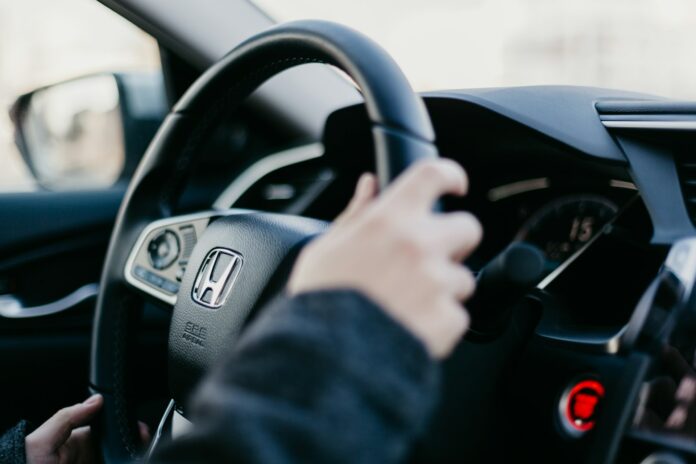
The Best Advanced Safety Features to Consider for Your Next Car

Photo by emrecan arık on Unsplash

When purchasing a new car, safety is often a top priority for buyers. With advancements in automotive technology, modern vehicles are equipped with a range of advanced safety features designed to protect you and your passengers. Understanding these features and how they work can help you make an informed decision and choose a car that offers the best protection on the road.

Adaptive Cruise Control

Adaptive Cruise Control (ACC) is an enhanced version of traditional cruise control. Unlike standard cruise control, which maintains a set speed, ACC automatically adjusts the vehicle’s speed to maintain a safe following distance from the car in front. This system uses radar or laser sensors to monitor traffic and can slow down or speed up your vehicle as necessary. This is particularly useful in heavy traffic, as it reduces the need for constant braking and acceleration, thereby decreasing driver fatigue. One common question is whether ACC can handle stop-and-go traffic. The answer is yes, many advanced ACC systems can bring the car to a complete stop and resume movement when traffic starts moving again.

Lane Departure Warning and Lane Keeping Assist

Lane Departure Warning (LDW) and Lane Keeping Assist (LKA) are systems designed to prevent unintentional lane drifting. LDW alerts the driver when the vehicle begins to drift out of its lane without a turn signal being activated. This alert is typically a visual or auditory warning, or a slight vibration in the steering wheel. LKA takes this a step further by gently steering the car back into the lane. These features rely on cameras to detect lane markings on the road. While they are effective in most situations, heavy rain, snow, or poorly marked roads can affect their performance.

Automatic Emergency Braking

Automatic Emergency Braking (AEB) is a critical safety feature that can prevent or mitigate collisions. AEB systems use sensors to detect obstacles in the vehicle’s path and automatically apply the brakes if the driver does not take action in time. This can be particularly useful in preventing rear-end collisions. Some AEB systems also recognize pedestrians and cyclists. Car buyers often ask if AEB can fully prevent accidents. While AEB significantly reduces the risk and severity of collisions, it cannot guarantee complete avoidance of all accidents, especially at higher speeds or if road conditions are poor.

Blind Spot Monitoring

Blind Spot Monitoring (BSM) is designed to alert drivers to vehicles in their blind spots, areas that are not visible in the side or rearview mirrors. This system uses radar sensors to detect other vehicles and provides a warning, typically a light in the side mirror or a sound, when another car is in your blind spot. Many systems also include Rear Cross Traffic Alert, which warns of approaching vehicles when you are backing out of a parking space. While BSM greatly enhances awareness, drivers should still perform visual checks before changing lanes to avoid any liability in the event of a collision. 

Rearview Cameras and Parking Assist

Rearview cameras and parking assist systems have become standard in many modern vehicles. These features provide a live video feed of the area directly behind your car, helping you see obstacles that might not be visible through mirrors alone. Advanced parking assist systems can even take control of the steering to guide your car into a parking spot, either parallel or perpendicular. 

Traction Control and Stability Control

Traction Control (TC) and Electronic Stability Control (ESC) are systems designed to maintain vehicle stability and control. TC prevents wheel spin during acceleration by reducing engine power or applying brake force to individual wheels. ESC helps maintain control during skids or slides by automatically applying brakes to individual wheels and adjusting engine power. These features are particularly beneficial in adverse weather conditions like rain, snow, or ice. Buyers often ask if these systems are necessary if they already have all-wheel drive. While all-wheel drive improves traction, TC and ESC provide additional layers of safety by actively managing wheel spin and vehicle stability.

Factor in Safety For Your Next Vehicle

When considering your next car purchase, prioritizing advanced safety features can make a significant difference in your driving experience and overall safety. While these systems are designed to prevent accidents, some are unavoidable. Getting the help from a qualified car accident lawyer can help you recover compensation for your injuries.  Each of these systems plays a crucial role in preventing accidents and ensuring that you and your passengers remain safe on the road. By understanding how these technologies work, you can make a well-informed decision and choose a vehicle that offers the best protection available.

Team Penske NASCAR Cup Series Race Report – Iowa

Iowa Corn 350 – Iowa Speedway
Newton, Iowa – June 16, 2024
Iowa Corn 300

AUSTIN CINDRIC No. 2 MENARDS/MOEN FORD MUSTANG

START: 21ST STAGE ONE: 23RD STAGE TWO: 22ND FINISH: 30TH POINTS: 19TH

RACE RUNDOWN: Austin Cindric, driver of the No. 2 Menards/Moen Ford Mustang, finished 30th in Sunday’s Iowa Corn 350, the inaugural NASCAR Cup Series race at Iowa Speedway. Cindric was forced to start from the rear due to driving a backup car after suffering a blown tire in practice earlier in the weekend. By Lap 30, the Team Penske driver found himself inside the top 25 before making his first visit to pit road on Lap 51 for four tires, fuel, and an air pressure adjustment. He restarted 22nd with 12 laps to go in Stage 1, but ultimately finished 23rd in the opening segment. Having just pitted, the No. 2 team elected to stay out at the Stage break. Well into Stage 2, Cindric reported a vibration and then a right-rear chatter on Lap 148. A few laps later, the Menards/Moen Ford Mustang returned to pit road for service and a big swing of adjustments under green. A tight condition plagued Cindric’s car, and when the caution flew on Lap 183, he returned to the attention of the pit crew for tires and an adjustment to free up the car for the short run to the Stage-ending green-and-white checkered flag, in which he crossed the line 22nd. The former NASCAR Xfinity Series champion restarted 22nd with fresh tires for the third and final segment. Under caution with 91 laps remaining, Cindric, in the 20th position, was able to take the wave around to gain a lap back, but lost position over the final stint, finishing 30th in the first-ever Cup Series event at the Newton, Iowa, short track.

CINDRIC’S THOUGHTS: “Just a struggle there coming from the back. We made progress early in the No. 2 Menards/Moen Ford Mustang, and we were just kind of on that fringe of lap down, not lap down without track position. Seemed like cycles on tires were a bit of a struggle, but we got ourselves in position and missed out on the lucky dog by a lap or two. So happy for everyone on the No. 12 car, and yeah, unfortunate to have to come from behind.”

RYAN BLANEY No. 12 ADVANCE AUTO PARTS FORD MUSTANG

START: 2ND STAGE ONE: 1ST STAGE TWO: 4TH FINISH: 1ST POINTS: 7TH

RACE RUNDOWN: Ryan Blaney led a career-high 201 laps to claim the checkered flag in the inaugural NASCAR Cup Series race at Iowa Speedway Sunday night, marking his 11th-career Cup Series victory. Blaney becomes the first to win a race at Iowa in all three of NASCAR’s top national series while clinching a spot in the playoffs for the eighth-straight season. Blaney began the night battling for the lead with the No. 5 for the entirety of the first 70-lap stage as the 12-team worked to dial in the balance of the Advance Auto Parts Ford Mustang. With 10 laps to go in the segment, Blaney carried a run off turn four to make the pass for the lead and kept it out front for the rest of the run to pick up his second stage win of the season. A long green flag run to open Stage 2 saw Blaney at the point as he managed his tires over the course of the run. With the No. 9 closing in to battle for the lead, crew chief Jonathan Hassler called Blaney to pit road under green on lap 173 for a four tire stop to take them to the end of the stage. A caution on lap 182 in the middle of the green flag pit cycle shuffled the field as Blaney went from 13th to fifth prior to the restart with 22 laps remaining in Stage 2. Blaney battled through traffic with a tight-handling condition and ultimately came away with a fourth-place result in the second segment. Following a four tire stop at the stage break, Blaney lined up 10th before charging his way through the field on the ensuing run, making his way to second in the running order with 100 laps to go. A caution on lap 260 brought the leaders to pit road under yellow when Hassler made the call for right side tires only, allowing Blaney to win the race off pit road and restart from the outside of row one with 84 to go. After getting a good launch, Blaney set sail as he stretched his lead out to over a second with the laps ticking off. He went on to lead the rest of the way to capture his first win of the 2024 season in dominant fashion.

BLANEY’S THOUGHTS: “What a cool way to win here. This place means a lot to me and means a lot to my mom. We had a lot of people here tonight cheering us on, so they willed us to that one. Overall, I really appreciate the 12 boys. I mean, our car was really fast all night and we got a little bit better through the night and two tires was a good call there. I didn’t know how well I was going to hold on. I started to struggle a little bit at the end, but had enough to hang on. I’m super proud of the effort. I appreciate Advance Auto Parts, Ford, Ford Performance, Menards, Discount Tire, Würth, Snap-On, DEX Imaging, Wabash – everything they do. It makes up a little bit from a couple weeks ago.”

JOEY LOGANO No. 22 SHELL-PENNZOIL FORD MUSTANG

START: 11TH STAGE ONE: 6TH STAGE TWO: 17TH FINISH: 6TH POINTS: 15TH

RACE RUNDOWN: Joey Logano picked up his fifth top-10 finish of the season Sunday night in the Cup Series’ inaugural race at Iowa Speedway, coming away with a hard-fought, sixth-place result. Logano fired off from 11th in the 350-lap event and battled inside the top-10 during the opening laps of the night despite reporting changes in the balance over the course of the run. Following a caution on lap 53, Logano restarted from 12th after the 22-team’s first four tire stop of the night and made a charge towards the top-five prior to the end of the 70-lap segment, resulting in a sixth-place finish in Stage 1. After staying out during the stage break, Logano restarted from the outside of row three and settled into fourth in the running order. As the Shell-Pennzoil Ford Mustang began to build tight over the long run, crew chief Paul Wolfe called Logano to pit road under green on lap 176 but an untimely caution just six laps later trapped him a lap down. Although Logano was able to take the wave around under caution to rejoin the lead lap, he was mired outside the top-15 for the ensuing restart, resulting in a 17th-place finish in Stage 2. Logano began to make his way up the leaderboard early in the final stage – reaching eighth in the running order by lap 239 – before the final caution flag of the night flew on lap 260 while scored seventh. Wolfe made the call for right side tires only, allowing Logano to pull off pit road second and restart from row one with 84 laps to go. Logano battled for the top spot in the opening laps of the run but ultimately settled into second as he worked to manage his tires to the end before taking the checkered flag sixth.

LOGANO’S THOUGHTS: “We put ourselves in position there to win the race with the two-tire call. I just didn’t re-fire good on two [tires]. I tried to race [Ryan] Blaney and couldn’t hold him off and then I just kind of got swallowed up by a couple cars pretty quick. We just didn’t have enough fire-off. I think if I could have got out front, I probably would have been OK, but I couldn’t get out there.”

The NASCAR Cup Series heads to New Hampshire Motor Speedway for the USA Today 301 on Sunday, June 23. Coverage begins at 2:30 p.m. ET on USA, PRN, and SiriusXM NASCAR Radio Channel 90.

Preparing for Your First Track Day Experience

Undertaking your first track day is an exhilarating experience for any automotive enthusiast. The thrill of pushing your car to its limits in a controlled environment is second to none. However, proper preparation is key to ensuring that you and your car are ready to hit the track in a safe and enjoyable way. This guide will help you know what to bring and what to expect on your first track day.

Pre-Track Day Preparation

Before you even think about what to pack, it’s crucial to make sure your car is track-ready. Check the basics: tire tread, brake pads, and fluid levels. Ensure your car is in top mechanical condition to handle the demands of track driving. It’s also a good idea to have your car inspected by a professional mechanic if you’re not confident in your ability to do so yourself.

Once your car is ready, the next step is to register for the track day and understand the rules and requirements of the particular track and event. Some tracks have specific noise limits, helmet standards, and safety gear requirements. Make sure to read all the information provided by the event organizers.

Essential Gear for the Track

When it comes to gear, there are several items that are absolutely essential for your safety and comfort on the track.

First and foremost, a quality helmet is mandatory. Ensure it meets the required safety standards, which are typically Snell or DOT approved. It’s wise to invest in a good helmet as it is a critical piece of safety equipment. An open face helmet is often used in track driving, but full face helmets offer more protection while sacrificing some comfort and visibility. 

Wear appropriate clothing. Most tracks require long sleeves and pants made from natural fibers such as cotton. Closed toed shoes are a must, but you can up your experience with driving gloves and shoes to enhance your control and comfort. Racing suits are a great investment for those who plan to participate regularly.

A tire pressure gauge is a must-have. Tire pressure can significantly affect your car’s handling, and it often needs adjusting for track conditions. A portable air compressor can also come in handy for making those adjustments on the spot.

Tools and Maintenance Supplies

Bring a basic toolkit. At the very least, include screwdrivers, wrenches, a variety of sockets, and a jack. A torque wrench is particularly useful for ensuring any of your maintenance items or track fixes are properly tightened.

Don’t forget fluids. Bring extra oil, brake fluid, coolant, and windshield washer fluid. Track driving puts extra stress on your car, and having spare fluids can prevent minor issues from becoming major problems.

Consider bringing a fire extinguisher. While it’s unlikely you’ll need it, it’s better to be safe, especially when pushing your car to the limit.

Comfort and Convenience

Track days can be long, so it’s essential to stay comfortable and hydrated. Pack plenty of water and snacks. A cooler can keep your drinks cold and your energy levels up throughout the day.

Shade is also important. If you’re spending the day in the paddock, a pop-up canopy can provide much-needed relief from the sun. Folding chairs and a blanket are also good ideas for resting between sessions.

Documentation and Accessories

Bring all necessary documentation. This includes your driver’s license, car registration, proof of insurance, and any paperwork related to the track day event. It’s also a good idea to have a copy of the track map and the day’s schedule.

Don’t forget a phone charger. You’ll likely be using your phone for taking photos, recording videos, or using a timing app. Keeping it charged ensures you don’t miss out on any memories or data.

Consider Towing Your Vehicle

For those who are particularly serious about track days or who drive heavily modified cars, towing your vehicle to the track is a smart option. Using a truck and trailer means you don’t have to worry about breakdowns or wear and tear on the way to and from the track. It also allows you to bring more tools, spare parts, and comfort items. If you decide to tow, make sure your trailer is in good condition and you are comfortable with the towing process as poor maintenance and driver mistakes are a common cause of truck accidents. 

On the Day of the Event

Arrive early. This gives you plenty of time to unpack, register, attend the drivers’ meeting, and get a feel for the track. Walk the track if possible. It helps to familiarize yourself with the turns, braking zones, and potential hazards.

Take it easy during your initial sessions. Use these to warm up both yourself and your car, and to get a feel for the track conditions. Focus on being smooth and consistent rather than fast. As you build confidence, you can start pushing the limits.

Remember to take breaks. Track driving is physically and mentally demanding. Resting between sessions helps you stay sharp and prevents fatigue-related mistakes.

Post-Track Day Care

After a day of high-performance driving, your car will need some attention. Check your tires for wear and inspect your brake pads and rotors. Top off any fluids that may have been depleted and give your car a thorough inspection. This ensures it’s ready for your next track adventure.

In conclusion, preparation is the key to a successful and enjoyable first track day. By bringing the right gear and taking the necessary precautions, you’ll be well-equipped to make the most of your experience. So pack your essentials, check your car, and get ready to hit the track with confidence. Happy racing!

Keselowski Paces RFK with Top-10 in Iowa

No. 6 King’s Hawaiian Ford Finishes P10, Chris Buescher 18th in Fastenal Ford

NEWTON, Iowa (June 16, 2024) – Brad Keselowski paced RFK Sunday night at Iowa Speedway with a top-10 finish while Chris Buescher overcame a cut tire and finished 18th in the inaugural Cup race at the 7/8-mile track.

Both RFK Fords led laps at three different points, Keselowski earned stage points in both stages, and Buescher picked up stage points in stage two in the 350-lap race as varying strategy proved to be critical.

“Not bad,” Keselowski said following the race. “We just kind of ran in that eighth to 10th place spot for pretty much the whole race and sometimes a little worse. That’s kind of what we had and we just executed around it. Our car was really good on the long runs. I liked that long run, but the short runs we just didn’t have enough speed.”

Tire wear proved to be the storyline of the weekend as the track recently underwent a repave, one that provided plenty of drama beginning in Friday’s full practice session. Saturday’s qualifying was condensed to a single round due to rain, with both RFK drivers taking advantage of a late run in the session as Keselowski put the King’s Hawaiian Ford fifth, and Buescher 15th in the Fastenal Mustang.

6 Recap
Rolling off the grid fifth, Keselowski and the No. 6 team quickly used opposite strategy to advance into the top-10. After the second yellow in the opening 51 laps, Keselowski stayed on track while the field pitted, putting him P2 on the ensuing restart. He went on to finish eighth in the opening stage of 70 laps, earning three stage points.

He fired off 17th for stage two following his first stop of the day under the stage break, then ran nearly 100 laps in a long green flag run to inherit the lead. Crew chief Matt McCall kept the No. 6 on track for the duration of a pit cycle before a yellow flew in the team’s favor with Keselowski in the lead.

Keselowski pitted for service in the caution and restarted 10th, before going on to finish ninth in the stage. Then, McCall elected to put right side tires on in the stage break, improving his track position to P3 on the restart. Keselowski held onto the top five position for the next several laps, eventually pitting for the final time at lap 263 for four fresh tires.

From there on the final restart at lap 266, Keselowski restarted 12th before going on to finish 10th, his ninth top-10 of the season.

17 Recap
Buescher fired off from 15th Sunday afternoon in the scorching Midwest heat as one of a handful of drivers in the race with a previous Iowa win. He pitted early at lap 53 for the first time of the day and went on to finish 29th in the opening stage.

As the team went to work early on the handling of the Fastenal Ford, Buescher restarted 26th for stage two, and finally gained track position just a pair of cautions later. He restarted 22nd at lap 86, which preceded a green flag run of 96 laps where he advanced all the way to sixth. After pitting from that spot, he restarted 11th with 28 laps remaining in the stage.

He went on to finish seventh in stage two before staying out in the stage break, putting the No. 17 to the point on the stage three start. He led 13 laps in that sequence (and later led three more laps) as he and the No. 4 car had a healthy battle for the lead.

Unfortunately, some 33 laps later, the No. 17 had a right front tire go down – one of many on the day – as he ran fifth at the time. The team quickly managed any damage though, putting Buescher back on track but lacking track position.

From there he began his march forward on the race’s final restart at lap 266, and went on to pick off multiple positions to finish 18th.

Up Next
New Hampshire Motor Speedway hosts the 18th race of the season next weekend. Race coverage Sunday is set for 2:30 p.m. ET on USA, with radio coverage on PRN and SiriusXM NASCAR Radio (Channel 90).

About RFK Racing
RFK Racing, in its 37th season in 2024, features an ownership lineup pairing one of the sport’s most iconic names, Jack Roush, along with NASCAR Champion, Brad Keselowski, and Fenway Sports Group owner John Henry. Roush initially founded the team in 1988 and it has since become one of the most successful racing operations in the world, propelling him to be the first NASCAR owner to amass three hundred wins and capturing eight championships, including back-to-back NASCAR Cup titles in 2003 and 2004. Keselowski, a former owner in the NASCAR Truck Series, is the 2012 NASCAR Cup Series Champion. In 2007, Roush partnered with Henry, who also owns Major League Baseball’s Boston Red Sox, English Premier League’s Liverpool F.C., and the NHL’s Pittsburgh Penguins, to form Roush Fenway Racing. Off the track, RFK is a leader and proven winner in NASCAR marketing solutions, having produced multiple award-winning social media, digital content and experiential marketing campaigns. Visit rfkracing.com, and follow the team on all social platforms @rfkracing.

Rick Ware Racing: Iowa Corn 350 powered by Ethanol

RICK WARE RACING
Iowa Corn 350 powered by Ethanol
Date: June 16, 2024
Event: Inaugural Iowa Corn 350 powered by Ethanol (Round 17 of 36)
Series: NASCAR Cup Series
Location: Iowa Speedway in Newton (.875-mile oval)
Format: 350 laps, broken into three stages 70 laps/140 laps/140 laps)

Race Winner: Ryan Blaney of Team Penske (Ford)
Stage 1 Winner: Ryan Blaney of Team Penske (Ford)
Stage 2 Winner: Kyle Larson of Hendrick Motorsports (Chevrolet)

RWR Race Finish:

● Justin Haley (Started 19th, Finished 13th/ Running, completed 350 of 350 laps)
● Kaz Grala (Started 28th, Finished 33rd/ Running, completed 345 of 350 laps)

RWR Points:

● Justin Haley (30th with 234 points)
● Kaz Grala (35th with 140 points)

RWR Notes:

● Haley earned his sixth top-20 of the season.
● Haley finished 10th in Stage 2 to earn one bonus point.

Race Notes:

● Ryan Blaney won the inaugural Iowa Corn 350 powered by Ethanol to score his 11th career NASCAR Cup Series victory and his first of the season. His margin of victory over second-place William Byron was .716 of a second.
● This was Ford’s 731st all-time NASCAR Cup Series victory and its third of the season.
● There were eight caution periods for a total of 49 laps.
● Only 14 of the 36 drivers in the race finished on the lead lap.
● Chase Elliott leaves Iowa as the new championship leader with a eight-point advantage over second-place Kyle Larson.

Sound Bites:

“We had a really good MotoRad Ford Mustang Dark Horse and a lot of speed early in the race before the pit road penalty. I’m glad we were able to recover pretty quickly and show just how strong our car was. Once the sun started to go down the car was just a little too tight for me to hold onto the top-10, but still a really strong showing for us that we can keep building on.” – Justin Haley, driver of the No. 51 MotoRad Ford Mustang Dark Horse

Next Up:

The next event on the NASCAR Cup Series schedule is the USA Today 301 on Sunday, June 23 at New Hampshire Motor Speedway in Loudon. The race begins at 2:30 p.m. EDT with live coverage provided by USA and SiriusXM NASCAR Radio.

RCR NCS Race Recap: Iowa Speedway

Austin Dillon Shows Strong Pace In The No. 3 Get Bioethanol Chevrolet at Iowa Speedway.

Finish: 19th
Start: 36th
Points: 32nd

“Our team brought a solid Get Bioethanol Chevrolet to Iowa Speedway this weekend. Our pace in practice on Friday was good, but on Saturday, when we were the first car out for qualifying on a green track, it affected our lap. Justin Alexander and the No. 3 Get Bioethanol team made good changes overnight and we fought hard all race long. We started out tight and luckily got an early caution, which allowed us to make a pit stop to work on the car. We had to manage our tires all night. We made a strategy call late for fuel only, which helped us pick up positions when others had to pit. We did not know what to expect with this tire and the surface, but I believe we produced a good race for the fans in Iowa and it was great to see everyone from Iowa Corn and Get Bioethanol at the race to experience the first NASCAR Cup Series race for the state.” -Austin Dillon

Mechanical Problems Sideline Kyle Busch in zone Chevrolet at Iowa Speedway

Finish: 35th
Start:7th
Points: 16th

“We had a strong zone Chevrolet today at Iowa Speedway, but didn’t get to finish the race. Something broke in the left-rear suspension – I don’t know if it was a toe link or what it was, but it changed the skew of the back of the car and it was just undrivable doing that. We came in and fixed it. Rolling back out, we broke the belt and I had no power steering. I have no idea why, but it was frustrating, for sure. Not what we wanted for our No. 8 zone/Kwik Star Chevrolet. We were having a pretty decent day. I thought we had a top-10 run going. We had an opportunity to score some points, but it wasn’t meant to be.” -Kyle Busch

Beginner’s Guide to Motorcycling

Photo by Kelly at pexels.com

For beginners, diving into the world of motorcycling can be both exhilarating and overwhelming. From choosing your first motorcycle to mastering the basics of riding, there’s a lot to learn. This guide aims to provide you with practical tips and essential information to help you start your journey safely and confidently.

Choosing Your First Motorcycle

The first step in your motorcycling journey is selecting the right bike. As a beginner, it’s crucial to choose a motorcycle that matches your skill level and needs. Here are some factors to consider:

Type of Motorcycle

Motorcycles come in various types, each designed for different purposes:

  • Sport Bikes: Known for their speed and agility, sport bikes are lightweight and have a forward-leaning riding position. They are great for thrill-seekers but may not be ideal for beginners due to their power and responsiveness.
  • Cruisers: With a relaxed, upright seating position and a low seat height, cruisers are comfortable and easy to handle, making them a popular choice for beginners.
  • Standard Bikes: These bikes are versatile and designed for everyday use. They have a neutral riding position, making them a great option for new riders.
  • Dual-Sport Bikes: If you’re interested in both on-road and off-road riding, dual-sport bikes offer the best of both worlds. They are generally lightweight and easy to handle.

Engine Size

For beginners, it’s advisable to start with a motorcycle with a smaller engine (between 250cc and 500cc). These bikes are usually lighter, easier to control, and less intimidating, allowing you to build your confidence and skills before moving on to more powerful machines.

Fit and Comfort

Ensure the motorcycle fits you well. When seated, you should be able to place both feet flat on the ground. The controls should be within easy reach, and you should feel comfortable and balanced.

Essential Safety Gear

Safety should always be your top priority when riding a motorcycle. Investing in the right gear can significantly reduce the risk of injury in case of an accident.

Helmet

A helmet is the most critical piece of safety gear. Choose a full-face helmet that meets safety standards (such as DOT, ECE, or Snell certifications). It should fit snugly and provide adequate protection for your head and face.

Protective Clothing

  • Jacket: A good motorcycle jacket made of leather or textile materials will protect you from abrasions and weather conditions. Look for one with armor in the shoulders, elbows, and back.
  • Pants: Riding pants with knee and hip protection are essential. Jeans may not provide sufficient protection in a crash.
  • Gloves: Motorcycle gloves protect your hands from abrasions and improve your grip. Choose gloves with knuckle protection and reinforced palms.
  • Boots: Sturdy, over-the-ankle boots provide support and protect your feet and ankles. Avoid regular shoes or sneakers.

Even with the safest riding, accidents still happen. That’s why equipping yourself with the best safety gear is essential for riders of any skill level. If your accident was due to no fault of your own, a personal injury lawyer can help prove negligence and hold the at fault party liable for your accident. 

Learning to Ride

Once you have your motorcycle and gear, the next step is learning to ride. Enrolling in a motorcycle safety course is highly recommended for beginners.

Motorcycle Safety Course

A motorcycle safety course will teach you the basics of riding, including starting, stopping, turning, and emergency maneuvers. These courses are often offered by local motorcycle organizations or rider training schools. Completing a course may also qualify you for insurance discounts and improve your confidence on the road.

Practice, Practice, Practice

After completing a safety course, practice riding in a safe, controlled environment. Empty parking lots are ideal for practicing low-speed maneuvers, braking, and turns. As you gain confidence, gradually transition to riding on quiet streets before tackling busier roads.

Tips for Safe Riding

Riding a motorcycle requires constant vigilance and awareness. Here are some tips to help you stay safe on the road:

Be Visible

Wear bright, reflective gear to make yourself as visible as possible to other drivers.

  • Use your lights: Keep your headlights on, even during the day.
  • Positioning: Ride in a lane position where you are most visible to other drivers. Avoid blind spots and make your intentions clear with signals.
  • Stay Alert
  • Scan your surroundings: Constantly scan for potential hazards, including other vehicles, pedestrians, and road conditions.
  • Anticipate: Try to anticipate the actions of other drivers and be prepared to react.
  • Avoid distractions: Keep your focus on the road and avoid using your phone or other distractions while riding.

Ride Defensively

Keep a safe distance: Maintain a safe following distance from the vehicle in front of you.

Be cautious at intersections: Many motorcycle accidents occur at intersections. Slow down and be extra vigilant.

Adjust for weather: Rain, wind, and other weather conditions can affect your bike’s handling. Ride more cautiously in adverse weather.

Joining the Motorcycle Community

Motorcycling is not just about riding; it’s also about community. Joining a motorcycle club or group can provide you with support, camaraderie, and opportunities to learn from more experienced riders. Look for local clubs, online forums, or social media groups where you can connect with other enthusiasts.

Conclusion

Starting your motorcycling journey can be a rewarding experience. By choosing the right bike, investing in proper gear, learning to ride safely, and practicing regularly, you’ll set yourself up for a lifetime of enjoyable and safe riding. Remember, safety always comes first, and continuous learning and practice are key to becoming a proficient rider. Enjoy the ride!

Stewart-Haas Racing: Iowa Corn 350 powered by Ethanol

STEWART-HAAS RACING
Iowa Corn 350 powered by Ethanol
Date: June 16, 2024
Event: Inaugural Iowa Corn 350 powered by Ethanol (Round 17 of 36)
Series: NASCAR Cup Series
Location: Iowa Speedway in Newton (.875-mile oval)
Format: 350 laps, broken into three stages (70 laps/140 laps/140 laps)

Race Winner: Ryan Blaney of Team Penske (Ford)
Stage 1 Winner: Ryan Blaney of Team Penske (Ford)
Stage 2 Winner: Kyle Larson of Hendrick Motorsports (Chevrolet)

SHR Finish:

● Josh Berry (Started 3rd, Finished 7th / Running, completed 350 of 350 laps)
● Noah Gragson (Started 23rd, Finished 16th / Running, completed 349 of 350 laps)
● Ryan Preece (Started 29th, Finished 27th / Running, completed 348 of 350 laps)
● Chase Briscoe (Started 6th, Finished 28th / Running, completed 348 of 350 laps)

SHR Points:

● Chase Briscoe (17th with 370 points, 221 out of first)
● Josh Berry (21st with 314 points, 277 out of first)
● Noah Gragson (24th with 287 points, 304 out of first)
● Ryan Preece (27th with 249 points, 342 out of first)

SHR Notes:

● This was Berry’s third top-10 of the season.
● Berry finished fifth in Stage 1 to earn six bonus points and second in Stage 2 to earn nine more bonus points.
● Berry led twice for 32 laps.
● Berry was the highest finishing rookie.

Race Notes:

● Ryan Blaney won the inaugural Iowa Corn 350 powered by Ethanol to score his 11th career NASCAR Cup Series victory and his first of the season. His margin of victory over second-place William Byron was .716 of a second.

● This was Ford’s 731st all-time NASCAR Cup Series victory and its third of the season.
● There were eight caution periods for a total of 49 laps.
● Only 14 of the 36 drivers in the race finished on the lead lap.
● Chase Elliott leaves Iowa as the new championship leader with an eight-point advantage over second-place Kyle Larson.

Sound Bites:

“I thought we had a really good race and a really good car. To score stage points like we did, we had some great restarts in there and just that last restart didn’t really go our way. We lost a little bit of track position and just could never get it back but, all in all, just really proud of everybody on the 4 team. They did a great job. That was a lot of fun, for sure. We’re going to keep digging to keep getting better. (On whether there was front-end damage after contact just prior to the last restart.) I don’t know. It’s hard to say what that did. Obviously, it probably hurt it a little bit, but I think losing that much track position on the restart was more than anything. All in all, it was still a good day and I’m proud of our guys. We’ll keep digging.” – Josh Berry, driver of the No. 4 Overstock.com Ford Mustang Dark Horse

“Just a long, hot day. Struggled. Fine-tuned on the car, just kind of loose in, tight center all race, never really got it to where we needed to. Got turned by the 42 (John Hunter Nemechek), just really eventful stuff. Rebounded, saved fuel at the end for 16th.” – Noah Gragson, driver of the No. 10 Bass Pro Shops/Winchester Ford Mustang Dark Horse

“Yeah, it was a tough day overall. We just didn’t have what we needed there to finish it off. We fired off good, but lost the balance and never found our way back from where we started. I’m proud of the team and how hard they fought all day to try and give me the racecar car I needed. I have to thank Morton Buildings for being on the car this weekend. We’ll re-rack and go at it again at New Hampshire.” – Ryan Preece, driver of the No. 41 Morton Buildings Ford Mustang Dark Horse

“We were really good in the beginning, obviously. The first pit stop, lost like 10 spots and it was just downhill from there. Everything that could go wrong kind of went wrong. Pit stops again later in the race, kept losing spots. The caution comes out at the worst time and traps us. Then we were going to be able to wave around and the 47 (Ricky Stenhouse Jr.) stays out and we were one car behind him. Just kind of anything that could go wrong went wrong. We definitely should’ve run better than 28th, for sure.” – Chase Briscoe, driver of the No. 14 Mahindra USA 30 Years Ford Mustang Dark Horse

Next Up:

The next event on the NASCAR Cup Series schedule is the USA Today 301 on Sunday, June 23 at New Hampshire Motor Speedway in Loudon. The race begins at 2:30 p.m. EDT with live coverage provided by USA and SiriusXM NASCAR Radio.

Motorcycle Group Riding Basics

Photo by Ambitious Studio* | Rick Barrett on Unsplash

Group motorcycle rides can be an exhilarating way to explore new routes, improve your riding skills, and enjoy some time with friends and fellow two-wheel enthusiasts. For those venturing into group riding for the first time, it’s essential to understand the basics to ensure a safe and enjoyable experience. Here’s a comprehensive guide to help you navigate the intricacies of riding in a group.

Planning the Route

One of the foundational elements of a successful group ride is thorough route planning. Before hitting the road, determine your destination and the stops along the way. Consider the skill levels of all riders; choose routes that accommodate the least experienced riders to ensure everyone feels comfortable and safe.

Maps and GPS devices can be extremely helpful, but sharing the route with all participants beforehand can mitigate any confusion. Ensure that all riders are aware of the planned stops for fuel, food, and rest. It’s also wise to have a contingency plan in case of unexpected detours or changes in weather conditions.

Proper Lane Positioning

Lane positioning is crucial in group rides to maintain order and ensure safety. The staggered formation is widely recommended: the lead rider positions themselves in the left third of the lane, the second rider in the right third, the third in the left third, and so on. This formation allows a safe distance between riders while keeping the group compact and manageable.

Single-file formation is sometimes necessary, particularly on narrow or winding roads, or in low-visibility conditions. The lead rider should signal any changes in formation to keep the group aligned and informed.

Assigning Roles

Assigning roles within the group can enhance safety and organization. The ride leader is typically an experienced rider who is familiar with the route. They are responsible for setting the pace and making quick decisions if the need arises. The sweep rider, positioned at the back, keeps an eye on the group and assists with any issues that may occur, such as mechanical problems or riders falling behind.

Including Less Experienced Riders

To ensure the ride is inclusive and enjoyable for all, place less experienced riders near the front of the group, just behind the leader. This positioning helps maintain a comfortable pace for everyone and prevents less experienced riders from feeling pressured to keep up with faster riders. It also allows the leader to monitor and adjust the speed as needed.

Communication Strategies

Effective communication is vital for group riding. While modern technology offers advanced communication devices, such as Bluetooth-enabled helmets that allow for real-time conversations, traditional hand signals remain crucial for riders without intercoms, or when the intercoms can’t be used. Ensure all riders are familiar with standard hand signals for turns, stops, hazards, and single-file formation. Consistent communication helps maintain cohesion and safety within the group.

Pre-Ride Meeting

Holding a pre-ride meeting can address any questions and set expectations for the ride. Discuss the route, roles, signals, and any specific concerns from the riders. This meeting is an opportunity to reinforce the importance of riding within one’s limits and adhering to traffic laws. Encouraging an open dialogue can alleviate any anxieties, particularly for first-time group riders.

Safety Precautions

Safety should always be the top priority. Ensure all riders have their motorcycles in good working condition, with adequate fuel and properly functioning lights, brakes, and tires. Wearing appropriate gear, including helmets, gloves, jackets, and boots, is non-negotiable.

Regular breaks are essential to prevent fatigue. Plan stops at regular intervals to allow riders to rest, hydrate, and refuel. Remind riders to stay hydrated, especially in hot weather, as dehydration can impair focus and reaction time.

Adapting to Different Riding Styles

Every rider has a unique style and level of comfort on the road. It’s crucial to respect these differences and maintain a flexible approach. The lead rider should monitor the group’s pace, ensuring it’s neither too fast nor too slow. Encouraging feedback during breaks can help adjust the pace and formation to suit everyone’s needs.

Handling Emergencies

Despite meticulous planning, emergencies can happen. Have a plan in place for dealing with breakdowns, accidents, or medical issues. The sweep rider’s responsibility is to know how to handle common types of motorcycle accident injuries such as head injuries, back injuries, and fractures. Carry basic tools and first aid kits, and ensure that at least one rider in the group has a charged mobile phone and emergency contacts. These tools can easily be placed in your motorcycle tail bag for easy access. Knowing the location of the nearest medical facilities along the route can also be crucial.

Post-Ride Debrief

A post-ride debrief allows the group to discuss the ride, share experiences, and provide feedback. This reflection can highlight what went well and what could be improved for future rides. It’s also a great opportunity to bond with fellow riders and plan the next adventure.

Create a Memorable Group Ride Experience

Taking on your first group motorcycle ride can be a thrilling experience when approached with the right preparation and mindset. By planning meticulously, communicating effectively, and prioritizing safety, you can ensure that your group ride is not only enjoyable but also a memorable adventure for all involved.