Home Blog Page 1333

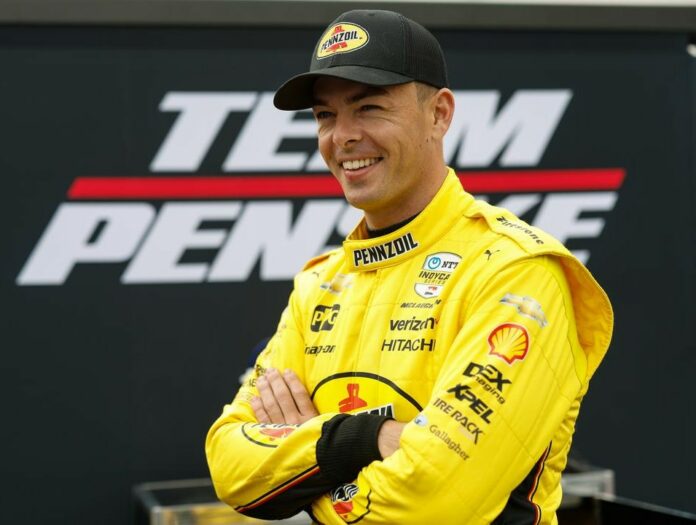
Scott McLaughlin to make 50th IndyCar career start at Portland

Photo by Joe Skibinski (Penske Entertainment).

Embarking in his third full-time season in the NTT INDYCAR SERIES, Scott McLaughlin is within reach of a milestone start. By competing in this weekend’s Grand Prix of Portland at Portland International Raceway, the driver of the No. 3 Team Penske Dallara-Chevrolet will be making his 50th career start in the IndyCar circuit.

A native of Hamilton, New Zealand, McLaughlin made his inaugural presence in the IndyCar circuit at the Streets of St. Petersburg, Florida, for the Firestone Grand Prix of St. Petersburg in October 2020, which served as the final event of the 2020 campaign. McLaughlin’s IndyCar debut occurred nine months after testing an IndyCar for Team Penske at Sebring International Raceway before turning in his first laps on an oval circuit at Texas Motor Speedway in February. His debut also occurred eight months after Penske initially planned for McLaughlin to make his debut at the Indianapolis Motor Speedway Road Course before the COVID-19 pandemic hindered the plans. Driving the No. 3 Penske Dallara-Chevrolet, McLaughlin started 21st and finished 22nd in his series debut after being involved in a two-car wreck with Rinus VeeKay nearing the halfway mark.

A few days prior to his IndyCar debut at St. Petersburg, McLaughlin was named a full-time IndyCar competitor for Team Penske for the 2021 season. The news occurred as Team Penske also announced its transition from the Virgin Australia Supercars Championship following a six-year run. McLaughlin’s first full-time entrance in the IndyCar Series also occurred as he contended against former Formula One veteran Romain Grosjean and seven-time NASCAR champion Jimmie Johnson for the Rookie-of-the-Year title.

Assuming full control of Penske’s No. 3 Chevrolet, McLaughlin commenced his rookie IndyCar campaign by finishing 14th at the Honda Indy Grand Prix of Alabama at Barber Motorsports Park. After finishing 11th during the following scheduled event at St. Petersburg, he then excelled in the first of a Texas Motor Speedway doubleheader feature by finishing a career-best second place behind fellow New Zealander and six-time IndyCar champion Scott Dixon. He then notched back-to-back eighth-place results before finishing 20th in his first career start in the Indianapolis 500 at Indianapolis Motor Speedway. As a result, McLaughlin was named the 2021 Indy 500 Rooke of the Year, joining Rick Mears and Helio Castroneves as previous Penske competitors to achieve the award.

As the 2021 season progressed, McLaughlin finished no higher than 12th during the following six scheduled events before notching a strong fourth-place finish at World Wide Technology Raceway in August. He then proceeded to finish ninth, 12th and 11th, respectively, in the final three events on the schedule before capping off his first IndyCar Series season in 14th place and with 305 points in the driver’s standings. At the conclusion of the season, McLaughlin was named the 2021 IndyCar Series Rookie of the Year.

McLaughlin commenced the 2022 IndyCar season on a high note by claiming his maiden career pole position and race victory at the Streets of St. Petersburg, Florida, in February after leading a race-high 49 of 100-scheduled laps and fending off a late charge from the reigning series champion Alex Palou. He was then beaten in a photo finish over teammate Josef Newgarden on the final lap during the following scheduled event at Texas despite leading a race-high 186 of 248-scheduled laps, but he managed to retain the series points lead for two consecutive weeks. McLaughlin would then lose the points lead after finishing 14th during the following event at the Streets of Long Beach, California. By the time the first eight events on the schedule were complete, however, McLaughlin and the No. 3 Penske team had dropped to ninth place in the standings after posting only two top-10 results during a five-race span between April and June.

McLaughlin then ignited a late charge to the championship battle by collecting his second career victory at the Mid-Ohio Sports Car Course in early July. Despite finishing ninth at the Exhibition Place in Toronto and 22nd in the first of a Iowa Speedway doubleheader feature during the following two scheduled events, he rallied by notching respective finishes of third, fourth, second and third from the second Iowa event in July through World Wide Technology Raceway in August. After scoring his third IndyCar career victory at Portland in September, where he led all but six of 110-scheduled laps, McLaughlin had climbed back up to fifth place in the standings and trailed the points lead by 41 points, which made him championship eligible entering the season-finale Firestone Grand Prix of Monterey at WeatherTech Raceway Laguna Seca in Monterey, California. During the finale, McLaughlin ended up sixth on the track, which was enough for him to conclude the season in fourth place in the final standings despite falling 50 points shy of winning his first IndyCar title. Overall, McLaughlin capped off his sophomore IndyCar season on a high note by notching a total of three victories, three poles, seven podiums, 433 laps led and an average-finishing result of 8.8.

Four days prior to competing for his first IndyCar title, McLaughlin had inked a multi-year contract extension to remain at Team Penske. He commenced this season by finishing 13th at the Streets of St. Petersburg before notching respective results of sixth and 10th at Texas and the Streets of Long Beach, respectively. He then notched his first IndyCar victory of the season and the fourth of his career at Barber Motorsports Park after leading the final 19 laps and prevailing in a late battle against Grosjean. Despite finishing 16th in the GMR Grand Prix and 14th in the 107th running of the Indianapolis 500 in May, McLaughlin has notched nine consecutive finishes inside the top eight, including two runner-up results at Iowa Speedway in July and at Nashville Street Circuit in August. Coming off a fifth-place result at World Wide Technology Raceway, he is currently situated in fifth place in the driver’s standings and trailing the points lead by 140 points with two scheduled events remaining.

Through 49 previous starts in the IndyCar Series, McLaughlin has achieved four victories, four poles, 11 podiums, 555 laps led and an average-finishing result of 10.0.

McLaughlin is primed to make his 50th NTT INDYCAR Series career start at Portland International Raceway for the Grand Prix of Portland on Sunday, September 3, during Labor Day weekend at 3 p.m. ET on NBC.
The Importance of Proper Wheel Maintenance for Safe Driving

Your car’s wheels play a vital role in the overall performance and safety of your vehicle. From ensuring a smooth ride to maintaining proper traction, your wheels deserve proper care and attention. In this guide, we’ll walk you through essential steps to ensure your wheels remain in top-notch condition, ensuring both a pleasant driving experience and the longevity of your vehicle.

Step 1: Assess Wheel Condition

Start your wheel maintenance routine by inspecting the current condition of your wheels. These circular wonders are not only responsible for supporting your vehicle but also contribute significantly to its overall aesthetics. Check for any visible signs of damage, such as cracks, dents, or warping. Examine the lug nuts and bolts for tightness to prevent unwanted vibrations while driving. Don’t forget to scrutinize the tire treads – if they’re worn down, it’s time to consider replacements to maintain an optimal grip on the road.

Step 2: Keep Them Clean

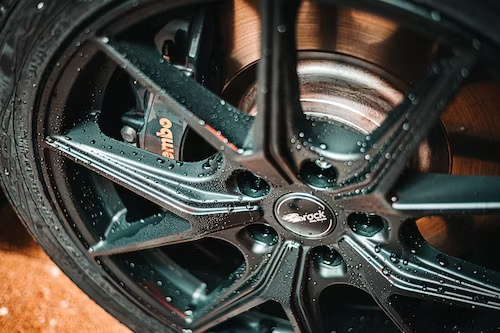
Maintaining clean wheels is about more than just aesthetics. Regularly cleaning your wheels helps prevent dirt and debris from accumulating, which can lead to corrosion and premature wear. Begin by using a gentle spray of water to remove loose dirt and grime. Follow up with a mild soap solution and a soft-bristle brush to scrub away stubborn residues. Pay close attention to the areas between the spokes and around the wheel’s rim. After washing, ensure proper drying of wheels Australia to prevent water spots.

Step 3: Battle Rust and Wear

Rust is a nemesis that can compromise the structural integrity of your wheels. Regularly inspect your wheels for signs of rust formation, especially around lug nuts, bolts, and areas exposed to harsh conditions. If rust is detected, treat it with a rust inhibitor product or gently sand it away using appropriate abrasive tools. Remember, addressing rust promptly can save you from costly repairs down the road.

Step 4: Tighten and Secure

Bolts and nuts are the unsung heroes that hold your wheels together. Regularly inspect these components to ensure they’re tightly secured. Loose bolts and nuts can lead to structural issues, compromised performance, and even accidents. Remember, overtightening can be just as detrimental as under-tightening, so use proper torque specifications. Check how these components interact with each other – a loose nut paired with a damaged bolt can spell trouble.

Step 5: Lubrication for Smooth Operation

Proper lubrication is the key to reducing friction and ensuring smooth movement. Pay special attention to wheel bearings and other moving parts. Well-lubricated components contribute to better handling, reduced wear, and improved fuel efficiency. Apply suitable grease or oil to maintain optimal performance and extend the lifespan of these crucial elements.

Step 6: Balancing for a Smooth Ride

Tire balancing ensures even weight distribution across all four wheels, preventing vibrations and promoting stability. A tire balancing machine is your go-to tool for achieving this precision. Adjusting weights based on sensor data, you’ll experience a smoother ride, improved fuel economy, and enhanced handling.

Step 7: Safety First – Air Pressure and Tread Depth

Don’t underestimate the importance of proper tire inflation and adequate tread depth. Regularly check your tire pressure using a reliable gauge and adjust it to match manufacturer recommendations. Tread depth directly affects your vehicle’s grip and traction. Employ the penny test to determine whether your treads are deep enough for safe driving – insert a penny into the tread with Lincoln’s head facing down; if you can see his entire head, it’s time to replace the tire.

Step 8: Test Drive and Alignment Check

Before finalizing any vehicle purchase, take it for a test drive to assess wheel alignment. Poor alignment can result in uneven tire wear, reduced handling, and increased fuel consumption. Pay attention to how the vehicle handles corners and accelerations – any pulling or vibrations could indicate alignment issues.

Conclusion

Your car’s wheels are more than just round objects; they’re the foundation of a safe and enjoyable driving experience. By following these steps to maintain their health, you’re investing in both the safety of your vehicle and your overall driving satisfaction. Regular inspections, cleaning, tightening, lubrication, and other maintenance practices contribute to the longevity of your wheels and, in turn, your vehicle. Remember, a little care today can save you from bigger problems tomorrow.

Aerodynamics in NASCAR: The Role of Performance-Enhancing Body Components

In the world of NASCAR racing, where split-second decisions and high-speed maneuvers are the norm, every edge counts. One of the most critical factors influencing a race car’s performance is its aerodynamics. The sleek, powerful machines that grace the oval tracks are not only the result of engineering prowess but also the mastery of aerodynamic principles. Spoilers, splitters, and diffusers – all meticulously designed to manipulate airflow and optimize downforce, shaping the competitive landscape of NASCAR racing. Let’s delve into the realm of aerodynamics in NASCAR, shedding light on the vital role played by these performance parts.

Key Aerodynamic Components in NASCAR

Aerodynamics is the silent force that shapes the performance of NASCAR race cars. Behind the roaring engines and thrilling overtakes, a delicate dance of air and design takes place to achieve optimal balance and control. Three essential components stand out in this symphony of aerodynamic innovation: spoilers, splitters, and diffusers.

Spoilers

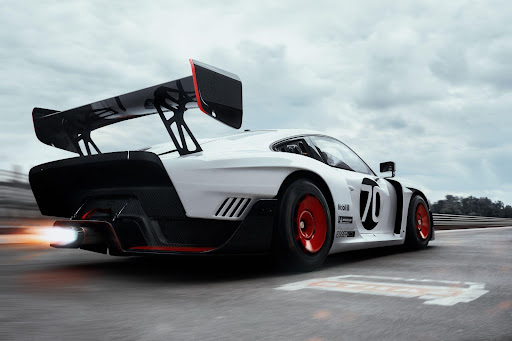
Spoilers are not just about aesthetics; they are precision-engineered instruments that influence a race car’s behavior on the track. Positioned at the rear, spoilers play a pivotal role in generating rear downforce. By redirecting air flow upwards, they create a pressure differential that keeps the car firmly planted on the asphalt. The size and angle of the spoiler are carefully calibrated for each race and track type, enabling teams to fine-tune the balance between stability and speed.

Splitters

Found at the car’s front, splitters serve as the vanguard of aerodynamics. They split the oncoming air, directing part of it over the car and the rest underneath. This ingenious design generates valuable front downforce, enhancing the car’s grip and responsiveness during turns. The interaction between the splitter and the track’s surface is a delicate equilibrium, as it ensures that the car maintains optimal balance and maximizes traction.

Diffusers

Beneath the car, a lesser-known hero operates – the diffuser. Working in collaboration with other aerodynamic components, the diffuser manages the airflow passing beneath the car, reducing drag and increasing stability. By creating a low-pressure area, the diffuser helps to extract more air from underneath, effectively “sucking” the car down onto the track. This phenomenon enhances both cornering ability and straight-line stability, contributing to an all-around improved performance.

Development and Design Process

In this digital age of racing, the design process is as much about honing the art of interpretation as it is about technological prowess. Engineers interpret the intricate language of airflow data, converting it into design modifications that could shave milliseconds off lap times. It’s a dance between science and intuition that ultimately brings to life the aerodynamic components that define the essence of a NASCAR race car.

Wind Tunnel Testing

Wind tunnel testing stands as a cornerstone of aerodynamic development in NASCAR. These controlled environments allow engineers to simulate real-world conditions, measuring how air interacts with the car’s surfaces. In wind tunnels, models of the race car are subjected to varying speeds and angles, yielding invaluable data on airflow patterns, pressure distribution, and aerodynamic efficiency. This empirical knowledge guides designers in crafting effective car parts that optimize performance.

Computational Fluid Dynamics (CFD)

Computational Fluid Dynamics is a digital arena where complex algorithms simulate airflow over a car’s surfaces, offering predictive insights into how design modifications will impact aerodynamics. Engineers can test numerous design iterations in a fraction of the time and cost compared to physical testing. CFD empowers teams to precisely adjust aerodynamic components, honing in on the delicate balance between downforce and drag.

Iterative Design Process

The marriage of wind tunnel testing and CFD creates a dynamic synergy. Wind tunnel experiments validate the accuracy of CFD predictions, while CFD allows for rapid exploration of design possibilities before physical prototypes are ever created. This symbiotic relationship accelerates the development process, enabling NASCAR teams to bring cutting-edge aerodynamics to the track more efficiently than ever before.

However, the development of aerodynamic components in NASCAR is far from a one-shot endeavor. It’s an iterative journey of improvement marked by countless adjustments and refinements. The insights gained from wind tunnel testing and CFD inform successive design iterations, each building upon the previous to inch closer to perfection. The iterative nature of the process allows engineers to fine-tune the subtleties of spoiler angles, splitter shapes, and diffuser configurations until the optimal design is reached.

Impact on Racing Performance

Aerodynamics isn’t just about pushing air around; it’s about pushing the boundaries of performance on the track. The aerodynamic components forge a symbiotic relationship with speed and maneuverability, profoundly impacting a NASCAR car’s racing performance.

Enhanced Cornering

When the rubber meets the asphalt on tight turns, aerodynamics comes into its own. The downforce generated by spoilers and splitters presses the car into the track, enhancing tire grip and preventing excessive sliding. This newfound stability empowers drivers to tackle corners at higher speeds, optimizing racing lines and leaving rivals behind in the dust. 

Straight-Line Speed

While cornering prowess is vital, straight-line speed is the essence of racing dominance. Here, the aerodynamic components work in concert to minimize drag. By streamlining the car’s form and directing airflow efficiently, spoilers and diffusers reduce air resistance, allowing the car to slice through the air with minimal hindrance. As a result, drivers gain a crucial advantage on tracks with long straights by accelerating to top speeds.

Challenges and Trade-offs

The pursuit of aerodynamic excellence in NASCAR is a delicate balancing act, where gains in one area often entail compromises in another. The relentless quest for optimal performance necessitates navigating a labyrinth of challenges and making strategic sacrifices:

  • Balance between downforce and drag: Downforce keeps the car glued to the track, enhancing grip and control, but it comes at the cost of increased drag, which can hinder straight-line speed. Striking the right balance between these two forces is a continuous puzzle that engineers solve by fine-tuning the design of performance-enhancing parts to suit the unique demands of each track.
  • Sensitivity to environmental factors: Changes in ambient temperature, humidity, and altitude can significantly alter airflow behaviour. NASCAR teams must anticipate how these factors impact their carefully tuned aerodynamic configurations, adjusting settings and strategies to maintain optimal performance under ever-changing conditions.
  • Track-specific considerations: What works on one track may prove suboptimal on another. Engineers must decipher each track’s unique characteristics and tailor their aerodynamic components to suit the demands of speed, cornering, and strategy inherent to each circuit.
  • Real-world vs. simulated performance: The transition from wind tunnel tests and simulations to real-world performance can unveil discrepancies that challenge even the most advanced engineering methodologies. Factors like turbulent airflow caused by closely packed racing and the dynamic interplay between a car’s aerodynamics and its suspension can introduce variables that are hard to predict in controlled settings.

Conclusion

The symphony of speed that unfolds on the NASCAR track results from countless moving parts, both seen and unseen. And aerodynamics plays a pivotal role in shaping the destiny of each race car. 

In every gust of wind that sweeps across the track, in every calculated design adjustment, and every heart-pounding turn, the influence of aerodynamics is unmistakable. It’s a force that elevates the spectacle, a science that fuels the spirit of competition, and an art that turns ordinary race cars into extraordinary feats of engineering. As the chequered flag waves, the legacy of aerodynamics endures, forever intertwined with the heart and soul of NASCAR racing.

Majeski, ThorSport Racing issued L2-level penalties amid pre-race violations from Milwaukee

Photo by John Knittel for SpeedwayMedia.com.

NASCAR released its penalty report following an action-packed tripleheader weekend between Daytona International Speedway and the Milwaukee Mile, with all of the penalties stemming from the second Craftsman Truck Series Playoff event of this season at Milwaukee that occurred last Sunday, August 27.

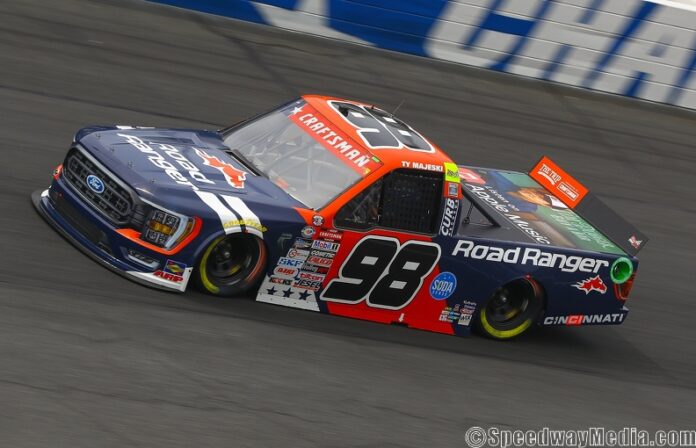
The team that headlined the penalty report was ThorSport Racing’s No. 98 Ford F-150 team piloted by Playoff contender Ty Majeski, which was assessed L2-level penalties for infractions involving the wheel assembly, tires/wheels and valve stems per the NASCAR Rulebook. The issue was first discovered during the inspection process prior to Sunday’s event, where NASCAR officials confiscated the No. 98 Ford’s right-rear tire. This also resulted with Majeski starting at the rear of the field and serving a pass-through penalty on pit road once the main event started, where he was able to recover by finishing in seventh place.

As a result of the penalties prior to the event, Majeski and ThorSport were docked 75 points and five Playoff points from the standings. In addition, crew chief Joe Shear Jr., who was ejected prior to the event at Milwaukee, has now been issued a four-race suspension and a $25,000 fine. He will be eligible to return for the season-finale event at Phoenix Raceway in November.

The issue does not affect Majeski’s automatic transfer to the Playoff’s Round of 8, which he achieved after winning the previous Truck scheduled event at Lucas Oil Indianapolis Raceway Park in August. Currently, he along with Grant Enfinger, Christian Eckes and Corey Heim have transferred to the Round of 8 by virtue of winning during the Round of 10 or by clinching through points.

Another team that was issued a big penalty was Kyle Busch Motorsports’ No. 51 Chevrolet Silverado RST entry that was recently piloted by Matt Mills. The organization was issued an L1-level penalty for infractions involving the team’s triangular filler panels. As a result, NASCAR deducted 10 driver/owner points from Mills and KBM. Mills, who was making his second and final start of the season with KBM, finished 25th after starting 26th.

In addition, two Niece Motorsports crew chiefs (Mike Hillman and Phil Gould) were each fined $2,500 for violating NASCAR’s lug nut check after both of their respective entries were found to have one unsecured lug nut during the post-race inspection process. Hillman is the crew chief for Niece’s No. 41 Chevrolet Silverado RST entry that was recently by Bayley Currey at Milwaukee, who finished 10th, while Gould is the crew chief for Niece’s No. 42 entry piloted by Playoff contender Carson Hocevar, who finished in the runner-up spot behind race winner Enfinger.

Lastly, Aaron Volf, a hauler driver for TRICON Garage’s No. 15 Toyota Tundra TRD Pro entry piloted by Tanner Gray, has been suspended indefinitely from NASCAR for a behavioral infraction.

With the NASCAR Xfinity and Cup Series preparing for their next scheduled events this upcoming weekend during Labor Day weekend at Darlington Raceway, the next Craftsman Truck Series event on the schedule is Kansas Speedway on September 8, which will determine the Playoff’s Round of 8 field. The event’s broadcast time is scheduled to occur at 9 p.m. ET on FS1.

The Benefits of Utilizing a Motorcycle Wrecker: Why You Should Consider It

Photo by revac film's&photography

If you are a motorcycle owner, you know how important it is to keep your bike in good condition. However, accidents can happen, and when they do, you may find yourself stranded on the side of the road with a damaged motorcycle. This is where a motorcycle wrecker comes in handy. Utilizing motorcycle wreckers can provide several benefits that can save you time, money, and stress.

Understanding Motorcycle Wreckers A motorcycle wrecker is a specialized towing service that is equipped to handle motorcycles. Unlike regular tow trucks, motorcycle wreckers have the necessary tools and equipment to safely transport your bike without causing further damage. They are trained to handle all types of motorcycles, from cruisers to sports bikes, and can transport them to a repair shop or your preferred destination.

Benefits of Using a Motorcycle Wrecker One of the main benefits of using a motorcycle wrecker is the peace of mind it provides. Knowing that your bike is in good hands can alleviate the stress and anxiety that comes with a breakdown or accident. Additionally, using a motorcycle wrecker can save you money in the long run. Attempting to transport your bike on your own can lead to further damage, which can result in costly repairs. Using a professional wrecker ensures that your bike is transported safely and without any additional damage.

Key Takeaways

  • A motorcycle wrecker is a specialized towing service that can safely transport your motorcycle without causing further damage.
  • Utilizing a motorcycle wrecker can provide peace of mind and save you money in the long run.
  • Choosing the right motorcycle wrecker can ensure that your bike is transported safely and efficiently.

Understanding Motorcycle Wreckers

Definition of a Motorcycle Wrecker

A motorcycle wrecker is a specialized type of tow truck designed specifically for hauling motorcycles. These trucks are equipped with a flatbed that tilts down to create a ramp for loading and unloading the motorcycle. The flatbed is also equipped with straps and other equipment to secure the motorcycle during transport.

Types of Motorcycle Wreckers

There are several types of motorcycle wreckers on the market, each with its own unique features and capabilities. Here are some of the most common types:

  • Flatbed Wreckers: As mentioned earlier, flatbed wreckers are the most common type of motorcycle wrecker. They are versatile and can be used to transport a wide range of motorcycles, from small scooters to large touring bikes.
  • Wheel Lift Wreckers: Wheel lift wreckers are similar to flatbed wreckers, but instead of a flatbed, they have a lifting mechanism that raises the front or rear wheel of the motorcycle off the ground. This type of wrecker is often used for shorter distances or when there is limited space for loading and unloading.
  • Integrated Wreckers: Integrated wreckers are built into the bed of a pickup truck. They are designed for smaller motorcycles and are often used by private individuals or small businesses.
  • Hydraulic Wreckers: Hydraulic wreckers are similar to flatbed wreckers, but they have a hydraulic system that allows them to lift the motorcycle higher off the ground. This type of wrecker is often used for off-road motorcycles or when there is limited clearance.

In conclusion, motorcycle wreckers are an essential tool for anyone who needs to transport a motorcycle. Whether you are moving across the country or just need to get your bike to the shop, a motorcycle wrecker can help you get the job done safely and efficiently.

Benefits of Using a Motorcycle Wrecker

When you’re in need of motorcycle towing services, it’s important to consider the benefits of using a motorcycle wrecker. These specialized towing companies offer a range of benefits that can save you time, money, and hassle in the long run.

Cost-Effective

One of the primary benefits of using a motorcycle wrecker is that it can be a cost-effective option. When you compare the cost of using a motorcycle wrecker to other towing options, you’ll often find that a wrecker is the more affordable choice. Additionally, motorcycle wreckers are often able to provide more accurate quotes and pricing information upfront, so you won’t be hit with unexpected fees or charges.

Efficient Disposal

Another benefit of using a motorcycle wrecker is that it can be an efficient way to dispose of your motorcycle. When you work with a reputable wrecker company, they will be able to properly dispose of your motorcycle in a way that is safe and environmentally friendly. This can save you time and hassle, as you won’t have to worry about finding a disposal method on your own.

Environmental Friendliness

Finally, using a motorcycle wrecker can be an environmentally friendly option. Many wrecker companies prioritize environmentally responsible practices, such as recycling and reducing waste. By choosing a wrecker company that prioritizes these practices, you can feel good about the impact your motorcycle disposal has on the environment.

Overall, using a motorcycle wrecker can be a smart choice for anyone in need of motorcycle towing services. With cost-effective pricing, efficient disposal, and environmentally responsible practices, a wrecker can provide a range of benefits that make it a great choice for your towing needs.

Choosing the Right Motorcycle Wrecker

When it comes to choosing the right motorcycle wrecker, there are a few things you should consider. Here are some factors to keep in mind:

Reputation

One of the most important things to consider when choosing a motorcycle wrecker is their reputation. You want to work with a company that has a good track record of providing quality service. Look for reviews and testimonials from previous customers to get an idea of what you can expect. You can also check with the Better Business Bureau to see if there have been any complaints filed against the company.

Services Offered

Another important factor to consider is the services offered by the motorcycle wrecker. Make sure they offer the services you need, such as towing, roadside assistance, and storage. You should also consider whether they offer 24/7 service, as you never know when you might need assistance.

Pricing

Pricing is also an important consideration when choosing a motorcycle wrecker. Make sure you get a clear understanding of the pricing structure before you agree to any services. Some companies charge a flat fee for their services, while others charge by the mile or by the hour. Make sure you understand what you will be charged and how much it will cost before you agree to anything.

Overall, choosing the right motorcycle wrecker can make all the difference when you find yourself in need of assistance. Take the time to research your options and choose a company that you feel confident in working with.

Conclusion

In conclusion, utilizing a motorcycle wrecker has numerous benefits that can save you time, money, and hassle. By having a reliable wrecker service at your disposal, you can ensure that your motorcycle is transported safely and securely to its destination.

Whether you need to transport your motorcycle to a repair shop, a storage facility, or a new location, a wrecker service can provide you with the peace of mind that your motorcycle will arrive at its destination in top condition. Additionally, wrecker services can offer you a range of options and solutions to meet your specific needs and budget.

While some may view wrecker services as an unnecessary expense, the benefits they offer far outweigh the costs. By utilizing a motorcycle wrecker, you can save yourself the time and hassle of transporting your motorcycle yourself, and you can rest assured that your motorcycle is in good hands.

Overall, if you own a motorcycle, it is highly recommended that you have a reliable wrecker service on standby. By doing so, you can ensure that your motorcycle is always taken care of and that you can enjoy the open road with peace of mind.

Frequently Asked Questions

What services does a motorcycle wrecker offer?

A motorcycle wrecker offers a wide range of services, such as towing, recovery, and transport of motorcycles. They can also provide emergency roadside assistance, jump-starts, and tire changes.

How can a motorcycle wrecker help me save money?

Utilizing a motorcycle wrecker can help you save money in several ways. If your motorcycle breaks down, a wrecker can prevent further damage by safely transporting it to a repair shop. Additionally, using a wrecker instead of attempting to transport the motorcycle yourself can prevent costly accidents or damage to the bike.

What are the safety benefits of using a motorcycle wrecker?

Using a motorcycle wrecker can provide numerous safety benefits. Wreckers are equipped with specialized equipment to securely transport motorcycles, reducing the risk of accidents or damage to the motorcycle. Additionally, using a wrecker can prevent you from having to ride a damaged motorcycle, which can be dangerous.

Can a motorcycle wrecker transport my bike long distances?

Yes, many motorcycle wreckers offer long-distance transport services. They can safely transport your motorcycle to any location, whether it’s across town or across the country.

What should I look for when choosing a motorcycle wrecker?

When choosing a motorcycle wrecker, it’s important to look for a reputable company with experience in transporting motorcycles. You should also consider factors such as pricing, availability, and customer service.

How does using a motorcycle wrecker benefit the environment?

Using a motorcycle wrecker can benefit the environment in several ways. By preventing accidents or damage to the motorcycle, it reduces the need for repairs or replacement parts, which can have a negative impact on the environment. Additionally, using a wrecker instead of driving a damaged motorcycle can reduce emissions and promote eco-friendly transportation.

Ford Performance NASCAR – Darlington 2 Advance

DARLINGTON RACEWAY NOTES

Saturday, Sept. 2 – NASCAR XFINITY Series, 3:30 p.m. ET (USA)
Sunday, Sept. 3 – NASCAR Cup Series, 6 p.m. ET (USA)

The NASCAR Cup Series playoffs begin with one of the sport’s marquee races as Darlington Raceway hosts the annual Southern 500 on Sunday evening. Six Ford drivers will be vying for this year’s championship, including three who have won it at least once in Joey Logano, Brad Keselowski and Kevin Harvick.

HOT STREAK CONTINUES

Ford goes into this weekend’s Darlington playoff opener on its best streak of the season having won four of the last five Cup Series races. Chris Buescher has been responsible for three of those victories (Richmond, Michigan and Daytona) while Michael McDowell provided the other in Indianapolis. Joey Logano (Atlanta) and Ryan Blaney (Charlotte) also have Ford victories this season.

PLAYOFF APPEARANCES SINCE 2014

NASCAR began the current 16-driver playoff elimination format in 2014 and this year’s Ford participants vary in terms of postseason experience. Kevin Harvick has been part of the playoff field every year, winning the championship in 2014, and has advanced to the Championship 4 on five occasions. This will be the ninth appearance each for Joey Logano and Brad Keselowski with Logano winning two championships (2018, 2022) under this format. Ryan Blaney is making his seventh appearance while Chris Buescher and Michael McDowell are making their second playoff run.

Kevin Harvick – 10
Brad Keselowski – 9

Joey Logano – 9
Ryan Blaney – 7
Chris Buescher – 2
Michael McDowell – 2

FORD’S ALL-TIME PLAYOFF RECORD

Ford has 50 all-time NASCAR Cup Series playoff victories since the postseason era started in 2004. Kurt Busch won the inaugural race at New Hampshire Motor Speedway that year and rode that momentum to the series championship. Since then, a total of 13 drivers have captured at least one playoff event with Joey Logano leading the way with 12. Ford has at least one playoff win at every track on this year’s schedule with Talladega leading the way with nine.

Joey Logano: “The first round is just don’t screw it up. I know that’s easy to say and a little harder to do, considering what’s on the line and obviously as hard as Darlington is with as many laps right next to the wall and as many pit stops as there are. There’s plenty of opportunities to screw it up, so trying to just get through that one is the goal. That’s one of our better racetracks as a team anyway, so just maximize that day. It seems like, to me, the first race of each round is the most important race because it sets you up for the next two and how you would attack those, so if you can get through that day and have thirtysomething points over the cut, you’re in pretty good shape to be smart the next two races and get through. You put yourself a little bit behind the eight ball after Darlington, then you have a little more challenging next two weeks to get through, so, to me, the first race of each round is very important.”

Kevin Harvick: “Darlington has been a good racetrack for us in the past and we’ve had good finishes there and always been one of my favorite places to race, but I think looking at predicting what you’re gonna do is really not in the cards anymore because sometimes you show up and it’s completely different. Hopefully, it goes like it has in the past because Darlington has been a great place for us.”

Ryan Blaney: “Just working hard trying to find pace and speed. You hope you bring your best stuff. Everyone is working really hard to figure out where we need to be, so I feel good going into Darlington. Our cars were OK there in the spring. This race is a little bit different with getting into the night and stuff like that, and in this race a lot of people always seem to have problems in this one. It’s the first race of the playoffs, it’s the 500, it’s a tough race to finish, so there are a lot of mistakes made. I think at Darlington you just have to try to have a mistake-free night, run all 500 miles of it and figure out where you’re at at the end of that thing, but I feel good about Darlington.”

Michael McDowell: “Darlington has been really strong for us the last couple of years. I don’t know if we necessarily have the finishes to show how strong we’ve run. I think we have two top 10’s, but we were running better than that and just lost a little track position on those last stops, so I think Darlington will be a good race for us.”

THE FIRST TIME FORD WON THE SOUTHERN 500

The first time Ford won a NASCAR Cup Series race at Darlington Raceway was when Curtis Turner took the Southern 500 on Sept. 3, 1956. Unlike today, where the field is set at a maximum of 40 cars, there were 70 vehicles in the race that saw Turner lead 224 of the 400 laps. He beat Speedy Thompson to the finish line by more than two laps, and did it in record fashion with an average race speed of 95.167 mph.

THE LAST TIME FORD WON THE SOUTHERN 500

Kevin Harvick capitalized on late-race contact between race-leaders Chase Elliott and Martin Truex Jr. in 2020 to win the Southern 500 and gain an automatic berth into the Round of 12. Even though Harvick’s Stewart-Haas Racing No. 4 Ford Mustang led just 32 laps, it took command when Elliott and Truex collided while battling for the lead with 15 laps left. The win was Harvick’s eighth of the season and third at the historic track. It also represented his 57th career Cup Series victory.

KESELOWSKI SWEEPS 2018 SOUTHERN 500 WEEKEND

Brad Keselowski rode a fast pit stop by his crew to register a win in the 2018 Southern 500. Keselowski found himself in a three-way battle with Kyle Larson and teammate Joey Logano in the latter stages. When the caution came out for a spin by Jeffrey Earnhardt with 23 laps to go, Keselowski and his crew were able to win the race off pit road and assume the lead for what proved to be the final restart of the race. Keselowski was able to get out front on the restart with 19 laps to go and eventually win by 1.224 seconds. Logano finished second to make it a 1-2 Ford/Team Penske finish and cap a weekend that also saw him take the NASCAR Xfinity Series race a day earlier.

WOOD BROTHERS LEAD THE WAY

It comes as no surprise that the Wood Brothers are Ford’s all-time winningest team at Darlington Raceway, posting eight career victories. All but one of those triumphs came in a Mercury, which the team ran in the 1960’s and 70’s. David Pearson, who holds the record with 10 career Darlington Cup victories, led the way with six while Cale Yarborough captured the team’s first in 1968. The last Darlington win for Wood Brothers Racing came in 1981 when Neil Bonnett took the Southern 500 in 1981 behind the wheel of a Ford.

DARLINGTON MASTER

David Pearson holds the record for most NASCAR Cup Series wins at Darlington Raceway with 10 and eight of those came in Ford Motor Co. products. He won six times driving the famed No. 21 Wood Brothers Mercury (1972,’74,’76-2,’77), winning the Southern 500 twice in that span (1976-77), and two more times in a Holman-Moody Ford (1968 and ’70). Pearson won three Southern 500 titles overall, capturing his third in 1979.

HERBST CHASES PLAYOFFS

Ford’s last series win came in 2020 when Chase Briscoe outdueled Kyle Busch down the stretch to win the series’ first race back following the COVID shut down. One Ford driver who would like to change that statistic is Riley Herbst, who enters the weekend 20 points out of the final playoff spot with two races remaining in the regular season. Herbst has made seven series starts at Darlington and finished a career-best third in the spring event last season.

FORD NASCAR CUP SERIES WINNERS

AT DARLINGTON

1956 – Curtis Turner

1960 – Joe Weatherly (1)

1961 – Fred Lorenzen and Nelson Stacy

1962 – Nelson Stacy and Larry Frank

1963 – Fireball Roberts (2)

1964 – Fred Lorenzen

1965 – Junior Johnson and Ned Jarrett

1968 – David Pearson (1)

1969 – Lee Roy Yarbrough (2)

1970 – David Pearson (1)

1981 – Neil Bonnett (2)

1982 – Dale Earnhardt (1)

1985 – Bill Elliott (Sweep)

1988 – Bill Elliott (2)

1992 – Bill Elliott (1)

1993 – Mark Martin (2)

1994 – Bill Elliott (2)

1997 – Dale Jarrett (1)

1998 – Dale Jarrett (1)

1999 – Jeff Burton (Sweep)

2001 – Dale Jarrett (1)

2005 – Greg Biffle

2006 – Greg Biffle

2018 – Brad Keselowski

2020 – Kevin Harvick (1) and (3)

2022 – Joey Logano (1)

FORD NASCAR XFINITY SERIES WINNERS

AT DARLINGTON

1993 – Mark Martin (2)

1994 – Mark Martin (Sweep)

1995 – Mark Martin (2)

1996 – Mark Martin (1) and Terry Labonte (2)

1997 – Jeff Burton (2)

1999 – Mark Martin (2)

2000 – Mark Martin (Sweep)

2001 – Jeff Green (1) and Jeff Burton (2)

2002 – Jeff Burton (Sweep)

2004 – Greg Biffle

2005 – Matt Kenseth

2009 – Matt Kenseth

2018 – Brad Keselowski

2019 – Cole Custer

2020 – Chase Briscoe (1)

Todd Gilliland and the No. 38 Quincy Compressor Ford Mustang Team Darlington Raceway Competition Notes

TEAM AND RACE NOTES:

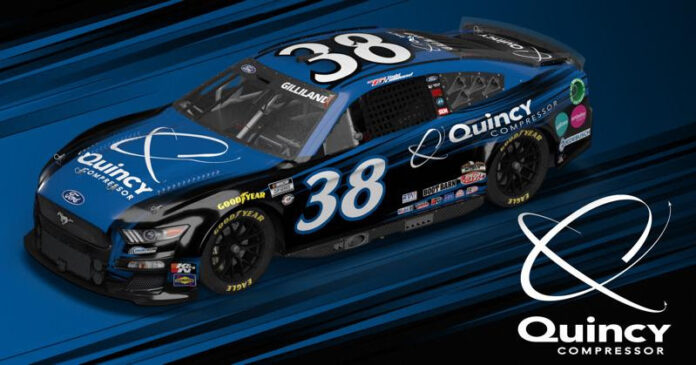
Todd Gilliland and the No. 38 team head to Darlington, South Carolina this Labor Day weekend and to the Darlington Raceway for Sunday’s Southern 500- one of NASCAR’s crown jewel races.

Quincy Compressor, a Bay Minette, Alabama-based compressor manufacturer founded in 1920, returns to the hood and sides of the No. 38 Ford Mustang. The duo finished 15th at the Richmond (Va.) Raceway earlier this season.

Quincy Compressor is a leading designer and manufacturer of reciprocating and rotary screw air compressors, vacuum pumps, and a full line of air treatment components. Quincy has built its reputation on quality and rugged reliability, building tough air compressors for the most demanding applications.

Track activity will begin with practice and qualifying on Saturday at 12:30 p.m. ET. Sunday’s 367-lap race is scheduled for 6:00 p.m. ET on the USA Network.

COMPETITION NOTES:

Finishing 32nd at the Daytona International Speedway, Gilliland and the No. 38 Quincy Compressor team now shift their focus to “The Lady in Black.” Gilliland finished 11th the last time the NASCAR Cup Series raced at the 1.3- mile oval in May.

Gilliland has two top-15’s in his three NASCAR Cup Series starts at the track also known as the track “Too Tough to Tame.” For Gilliland, however, he’s had no problem finding his way to the front at the track.

CREW CHIEF RYAN BERGENTY:

“Our biggest focus this weekend is tire wear and pit strategy. Those will play a huge role this weekend with how tough this track is on tires and how long and grueling it is.”

DRIVER TODD GILLILAND:

“I’m excited to go back to Darlington. We have had a lot of speed there and pulled out a few solid finishes. I just really like the challenge. It’s not an easy track and the Southern 500 is not an easy race, but I love the task and we’ve been able to get a few good results.

“For us, it’s about getting more top-10 finishes to end this season and show more improvement. We want to do that for ourselves, our fans, our partners and for this weekend that means Quincy Compressors.”

About Front Row Motorsports

Front Row Motorsports (FRM) is a winning organization in the NASCAR Cup and CRAFTSMAN Truck Series. The team is the 2021 Daytona 500 and 2022 CRAFTSMAN Truck Series champions. The team was founded in 2004 and is owned by successful entrepreneur, Bob Jenkins. FRM fields the No. 34 and the No. 38 NASCAR Cup Series teams along with the No. 38 CRAFTSMAN Truck Series team from its Mooresville, N.C. headquarters. Visit teamfrm.com and follow FRM on social media: Twitter at @Team_FRM, Instagram at @team_frmand Facebook at facebook.com/FrontRowMotorsports.

SOUTHERN ELEVATOR ELEVATES PARTNERSHIP WITH ELLIS – WITH A PRIMARY SPONSORSHIP OF THE NO.43 CHEVY AT DARLINGTON RACEWAY

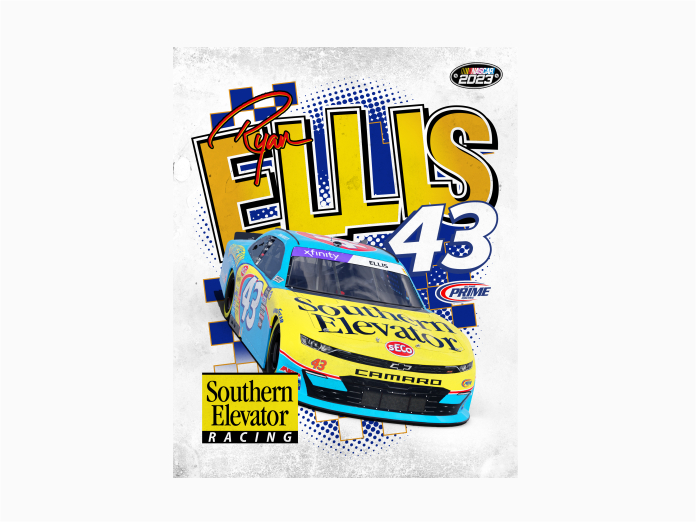
Ryan Ellis and Alpha Prime Racing are proud to announce that the Southern Elevator Company will be the primary sponsor of Ryan Ellis and the No.43 Chevrolet Camaro in the Sport Clips Haircuts VFW Help a Hero 200 at Darlington Raceway on Saturday, September 2nd, 2023.

Not only will Southern Elevator debut as a primary sponsor in NASCAR, but they’ll do so with a big splash. The No.43 Southern Elevator Chevy will be running a special throwback scheme honoring John Andretti’s Cheerios/PopSecret Pontiac Grand Prix that Andretti raced for Richard Petty Enterprises in 2000.

Southern Elevator Company is a full-service elevator maintenance, repair, and modernization company serving North Carolina, South Carolina, and Virginia. They previously announced a multi-race secondary sponsorship with the No.43 Chevy and Ellis, which included both races at Martinsville, Darlington, and Charlotte. Darlington will be their first race as a primary sponsor.

“It’s been really cool to see how quickly this partnership has grown,” said Ryan Ellis, the No.43 Southern Elevator Chevy Camaro driver. “We just started speaking with Southern Elevator earlier this year, and I’ve gotten to know their employees well. They have a phenomenal group of people there, and everyone seems excited about this partnership – both from the team side and Southern Elevators’. I hope we can give them a great run at Darlington and grow this partnership even more for 2024! It’s also extremely exciting to be running this scheme – especially in their debut. It’s one of the more iconic schemes from my childhood, and it means a lot to me to honor everyone involved with the original car this weekend.”

“We are excited to expand our partnership with Ryan and his team,” said Christopher Short, President of Southern Elevator. “Being partnered with the No.43 is phenomenal for Southern Elevator and aligns with our brand. We are happy to have him on our “We are Southern” team.

DARLINGTON TUNE-IN INFORMATION:

The NASCAR Xfinity Series will take to the track for a full day of action on Saturday, September 2nd. Practice begins at 10:35 AM ET, with qualifying following at 11:05 AM ET.

The green flag for the Sport Clips Haircuts VFW Help a Hero 200 at Darlington Raceway falls at 3:30 PM ET with coverage on the USA Network. Radio coverage will be on the Motor Racing Network and SiriusXM.

ABOUT THE SOUTHERN ELEVATOR COMPANY :
What we do and stand for:
We are Passionate about servicing your elevator maintenance, repair, and modernization needs so your elevators are the least of your concerns.

Our Technicians are Highly Trained and Certified and able to work on every type of problem and elevator make and model.

We treat every job with Expertise — and you, our client, with Integrity and with Unquestioned Dedication to maintaining your elevators at peak performance.

We know that Consistently High Quality of service extends the life of your elevator investment and saves you many thousands over the life of the equipment.

We are consultative in our approach, offering you Trusted Solutions at a Fair Price.

ABOUT ALPHA PRIME RACING:

Alpha Prime Racing is a NASCAR Xfinity Series team co-owned by NASCAR driver Tommy Joe Martins and Alpha Prime Sports Founder and CEO Caesar Bacarella. The team was initially founded in 2009 under the name Martins Racing and has since grown into a three-car Chevrolet team, adding the No. 43 Chevrolet in 2023, primarily piloted by Ryan Ellis.

It was just announced on August 4th, 2023, that Ellis will compete full-time in the 2024 NASCAR Xfinity Series season in his first-ever full-time NASCAR season.

JAG METALS CAMPER SHINDIG TO FEATURE TIM DUGGER DURING AUTOTRADER ECHOPARK AUTOMOTIVE 400 NASCAR WEEKEND

  • Free weekend infield party for campers and fans will feature two nights of musical entertainment, highlighted by country music artist Tim Dugger.
  • Limited spots remain in the GEICO Infield Campground for the NASCAR Playoff doubleheader of the Xfinity Series Andy’s Frozen Custard 300 on Saturday, Aug. 23, and Autotrader EchoPark Automotive 400 on Sunday, Sept. 24.

FORT WORTH, Texas (August 29, 2023) – Texas Motor Speedway will be bringing the sound of country to the infield with the JAG Metals Camper Shindig that is part of the fan activities for the Autotrader EchoPark Automotive 400 NASCAR Playoffs doubleheader set for Sept. 23-24.

The JAG Metals Camper Shindig will feature free musical entertainment in the GEICO Infield Campground on both Friday, Sept. 22, and Saturday, Sept. 23, in advance of the Autotrader EchoPark Automotive 400 NASCAR Cup Series Playoff race on Sunday, Sept. 24. The stage will be located near the Turn 2 area of the backstretch infield camping.

The weekend headliner will be Curb Records country music artist Tim Dugger on Saturday evening. Dugger, an Alabama native, grew up on NASCAR racing, Gospel singing and classic country music. After being introduced to NASCAR Hall of Fame owner Richard Childress, Dugger has been a staple act at NASCAR race weekends and a fan favorite. He is scheduled for a 90-minute concert featuring his various hit songs.

The Fort Cavazos 1st Cavalry Division Mane Street Rock Band, bringing their unique style to the infield and provide music from different genres, including country, rock and jazz, will open the show at 8 p.m.

On Friday, the music gets cranking beginning at 8 p.m. with the Fort Cavazos 1st Cavalry Division Mane Street Rock Band and will be followed by the featured act of the night, the Neon Prophets. The Fort Worth-based ‘90s country cover band, will perform a 90-minute concert of the all-time favorites of that era.

All campers on property are invited to the JAG Metals Camper Shindig as well as fans attending the race weekend activities.

There still is time to get right next to that infield entertainment with limited spots remaining in the GEICO Infield Campground. The campground is located inside Texas Motor Speedway’s 1.5-mile oval with easy access to restrooms, showers, Turn 4 dump station, garage areas and pit lane. Interior (20×40) and wall (25×40) spaces are available on the infield’s east side from Turn 2 to Turn 3 while paddock spots (20×50) are available in Turns 1 and 4. These paved, gravel and grass surface spots accommodate RVs, 5th wheels, travel trailers and pop-ups.

Weekend camping begins at $550. For more camping information and options or to reserve a spot, please click here or call the TMS Ticket Office at 817.215.8500.

The NASCAR Playoffs weekend will be highlighted by the NASCAR Xfinity Series Andy’s Frozen Custard 300 on Saturday, Sept. 23 (2:30 p.m. CT on USA Network, SiriusXM NASCAR Radio Ch. 90, and PRN), and the NASCAR Cup Series Autotrader EchoPark Automotive 400 on Sunday, Sept. 24 (2:30 p.m. CT on USA Network, SiriusXM NASCAR Radio Ch. 90, PRN, and 95.9 The Ranch-local).

Texas Motor Speedway’s always-busy events schedule is well under way. Upcoming events in 2023 include: Autotrader EchoPark Automotive 400 NASCAR Playoffs weekend (Sept. 23-24), Goodguys’ Summit Racing Lone Start Nationals (Sept. 29-Oct. 1), Speedway Children’s Charities Smoke Show (Oct. 11) and Gordy’s Hwy 30 Music Fest (Oct. 19-22). The year wraps up with the family-favorite and speedway tradition Gift of Lights holiday light show.

ABOUT TEXAS MOTOR SPEEDWAY

Texas Motor Speedway is among the largest sports stadiums in the United States and features an array of amenities such as one of the world’s largest TV’s that make it one of the premier venues in the world of sports. The 1.5-mile superspeedway located in Fort Worth hosts all three NASCAR national series as well as the NTT INDYCAR SERIES among its various races and specialty events throughout the year. Texas Motor Speedway is owned and operated by Speedway Motorsports, LLC, a leading marketer and promoter of motorsports entertainment in the United States. For more information, please visit texasmotorspeedway.com.

TICKETS:

For ticket information for the September 23-24 NASCAR Autotrader EchoPark Automotive 400 weekend, please visit www.texasmotorspeedway.com.

MORE INFO:

Keep track of all of Texas Motor Speedway’s busy schedule by following on Facebook, X, and Instagram. Keep up with all the latest news and information on the speedway website and TMS mobile app.

No. 10 Smithfield Ford Racing: Aric Almirola Darlington Advance

ARIC ALMIROLA
Darlington Advance
No. 10 Smithfield Ford Mustang for Stewart-Haas Racing

Event Overview

● Event: Cook Out Southern 500 (Round 27 of 36)
● Time/Date: 6 p.m. EDT on Sunday, Sept. 3
● Location: Darlington (S.C.) Raceway
● Layout: 1.366-mile oval● Laps/Miles: 367 laps / 501.3 miles
● Stage Lengths: Stage 1: 115 laps / Stage 2: 115 laps / Final Stage: 137 laps
● TV/Radio: USA / MRN / SiriusXM NASCAR Radio

Notes of Interest

● History at Darlington: In 16 starts at the 1.33-mile egg-shaped oval, Almirola has earned two top-10 finishes, which came in back-to-back starts in May (seventh) and September 2020 (ninth), respectively. He finished 21st at Darlington this past May after running in and around the top-10 for the majority of the race. He finished 11th in last year’s May and September races.

● Last weekend at Daytona (Fla.) International Speedway, Almirola finished third after executing a flawless race. It was the 39-year-old’s second-best career Daytona finish behind his July 2014 win, and his best of the 2023 season.

● Point Standings: Almirola arrives at Darlington 23rd in the driver standings. He gained two positions after last weekend’s third-place run.

● Almirola’s career: In 450 career NASCAR Cup Series starts, Almirola has three wins, 28 top-five finishes, 93 top-10s, five poles, and has led 1,068 laps.

● Smithfield has been a sponsor of Almirola’s for the entirety of his fulltime NASCAR Cup Series career – making it one of the longest-lasting partnerships in NASCAR. Smithfield is an American food company with agricultural roots and a global reach. Its 63,000 team members are dedicated to producing “Good food. Responsibly.®” Smithfield is one of the world’s leading vertically integrated protein companies. The company has pioneered sustainability standards for more than two decades, including its industry-leading commitments to become carbon negative in U.S. company-owned operations and reduce GHG emissions 30 percent across its entire U.S. value chain by 2030. Smithfield believes in the power of protein to end food insecurity and has donated hundreds of millions of food servings to local communities.

● Beyond the 10 YouTube Series:In 2023, Almirola is continuing to share his life beyond the No. 10 Ford with season five of his award-winning YouTube series. Fans and media can subscribe on YouTube to see Almirola’s personality on and off the track. Episodes have already featured life as a dad, a husband and an athlete, and the show gives fans a unique perspective on what goes on in the life of a professional NASCAR driver. Fans can also follow Almirola’s social media channels: @Aric_Almirola on Twitter and Instagram, and @AricAlmirola on Facebook.

Aric Almirola, Driver of the No. 10 Smithfield Ford Mustang for Stewart-Haas Racing:

Do you think the No. 10 team belongs in the playoffs this year?

“I feel like this No. 10 team belongs in the playoffs again this year. There were just so many things that went wrong to put us in that must-win situation (at Daytona last weekend). You have to get an early win in the NextGen era to lock yourself in. Last year, we were in on points for a long time and then there were more and more new winners. I think there were a few opportunities, like New Hampshire, Richmond, Martinsville and Atlanta, where we could have capitalized and didn’t, or we had a major mechanical failure. We still have 10 weeks of work to do to try and run up front, and we’re not going to take our foot off the gas to do it. There are still a few tracks we can capitalize on and this NextGen car allows the non-playoff drivers to be a lot more competitive.”

Do you enjoy racing at Darlington?

“I always enjoy going to Darlington. It is a really tough racetrack – they call it ‘Too Tough Too Tame’ and that’s the slogan for a reason. The technicality of that racetrack is so difficult. It’s not like any other racetrack we go to and I know that each and every racetrack is unique, but Darlington is very unique. It has two corners that are very different and the racing surface is very narrow. We predominately race up against the fence, so we’re at 180 miles an hour and you’re trying to run 1 to 2 inches off the wall with very little room for error. One little slip and one little slide and you’re in the fence, so it’s just a very difficult racetrack, but that’s why we all love it. You’ve got to make sure it stays good on long runs. Darlington is notorious for wearing out tires, so you’ve got to have a car that has good grip and not wearing out the tires. Qualifying is important, too. You’ve got to make sure you have a good day on pit road and make sure you’re not losing spots and just put together solid races on those types of tracks. You can’t really afford to lose any positions because it’s so difficult to make them back up.”

No. 10 Smithfield Ford Team Roster

Primary Team Members

Driver: Aric Almirola

Hometown: Tampa, Florida

Crew Chief: Drew Blickensderfer

Hometown: Decatur, Illinois

Car Chief: Jerry Cook

Hometown: Toledo, Ohio

Lead Engineer: Lee Deese

Hometown: Rockingham, North Carolina

Engineer: James Kimbrough

Hometown: Pensacola, Florida

Spotter: Joel Edmonds

Hometown: Dobson, North Carolina

Over-The-Wall Members

Front Tire Changer: Ryan Mulder

Hometown: Sioux Center, Iowa

Rear Tire Changer: Trevor White

Hometown: Arlington, Texas

Tire Carrier: Tyler Bullard

Hometown: King, North Carolina

Jack Man: Sean Cotton

Hometown: Mooresville, North Carolina

Fuel Man: James “Ace” Keener

Hometown: Fortuna, California

Road Crew Members

Mechanic: Chris Trickett

Hometown: Grafton, West Virginia

Mechanic: Jacob Cooksey

Hometown: Westbrookville, New York

Engine Tuner: Matt Moeller

Hometown: Monroe, New York

Tire Specialist: Russel Simpson

Hometown: Medford, New York

Transporter Co-Driver: Steven Casper

Hometown: Salisbury, North Carolina

Transporter Co-Driver: Matt Murphy

Hometown: Augusta, Georgia