Home Blog Page 15

The Key Factors That Shape Every Car Accident Claim

Car accidents involve more than just visible vehicle damage. The process of filing a claim can be complicated, with insurance rules, liability questions, and paperwork affecting the outcome. Small errors made early in the process can impact the compensation you receive. Several factors influence how a claim develops, including the collection of evidence and the timing of reporting the accident. 

Understanding these key elements can help ensure your rights are protected and increase the likelihood of a fair resolution. Being informed and organized from the start is essential for a successful car accident claim.

Determining Fault

Fault is the first piece of the puzzle in a car accident claim. How responsibility is determined can affect insurance settlements, timelines, and the level of compensation you receive. Reports from police officers, witness statements, and evidence from the scene all play a role. Even small disagreements about what happened can slow a claim or reduce the compensation. 

Insurance companies may try to assign partial blame or challenge evidence, making it essential to understand exactly how fault is evaluated. Clear documentation and an accurate account of events from the beginning help strengthen any car accident injury claim.

Insurance Coverage

Insurance policies are another critical factor. Your personal coverage, the at-fault driver’s policy, and sometimes even third-party insurance may all apply. Each policy has limits, exclusions, and conditions that affect how much can be recovered. Many people assume their own insurance will cover everything, but that is rarely the case. 

Coverage gaps or conflicting policies can complicate matters and delay settlements. Knowing the types of coverage involved and understanding their role early on is important to ensure that no aspect of the claim is overlooked and that the full extent of damages is considered.

Evidence and Documentation

The strength of a claim often depends on the evidence collected immediately after the accident. Photos of the scene, vehicle damage, skid marks, and visible injuries provide proof that supports your case. Police reports add credibility, while witness statements can fill gaps in memory or detail. Medical records show the impact of injuries and help quantify compensation. 

Without proper documentation, insurance companies may dispute the severity of damages or delay settlements. Taking careful notes, keeping all documents organized, and preserving evidence ensures that each part of an injury claim is backed by accurate information.

Severity of Injuries and Damages

  • The extent of injuries and vehicle damage plays a major role in shaping a claim.
  • Minor accidents, such as fender-benders, may seem simple, but even small injuries can require medical attention or time off work.
  • Serious accidents often involve long-term recovery, costly treatments, and possible lifestyle changes.
  • Insurance adjusters consider the severity of damages when calculating compensation.
  • It is essential to report all injuries and related expenses to ensure they are included in the claim.
  • Maintaining accurate medical records and clear evidence of costs strengthens the case.
  • Understanding how severity affects outcomes helps victims approach claims realistically and ensures compensation covers both immediate and long-term needs.

Timeliness and Reporting

Prompt action matters in every claim. Reporting the accident to the police and insurance companies quickly helps preserve evidence and keeps deadlines on track. Delays in reporting can create doubt, raise disputes, or even void portions of coverage. Filing the claim accurately and on time allows for a smoother process and reduces the risk of challenges from insurers. 

Immediate reporting also supports credibility, showing that the details of the accident are current and verified. This factor is often overlooked, yet it can make a significant difference in the efficiency and success of a car accident injury claim.

Communication and Legal Support

How you communicate during the claims process affects results. Clear, factual, and consistent statements are important when dealing with insurers, medical providers, or other parties. Misstatements or assumptions can slow the claim or reduce compensation. 

Professional legal guidance helps navigate disputes, understand coverage, and negotiate settlements. Lawyers provide clarity on responsibilities, help gather evidence, and represent interests effectively. Securing informed support ensures that each part of the process is handled properly and prevents errors that could compromise the claim. Effective communication combined with legal guidance strengthens a case significantly.

Wrap Up!

Every car accident claim is shaped by multiple factors: fault, insurance coverage, evidence, injury severity, timeliness, and communication. Each of these pieces interacts to determine the outcome, and overlooking any detail can create complications. Being informed, careful, and organized allows victims to protect their rights and secure fair compensation. 

Whether it’s collecting evidence, documenting injuries, or seeking professional advice, taking intentional steps from the start improves the chances of a successful car accident injury claim. Understanding these key factors provides control over a complex process and reduces unnecessary stress while pursuing what is owed.

Common Myths and Real Facts About Heavy Vehicle Accidents

An experienced truck accident lawyer often sees the same pattern, where belief shapes how people react after an accident, and that belief is often built on half-truths. 

Heavy vehicle accidents carry a different kind of weight, yet many people still treat them like regular road incidents. This gap between what is assumed and what actually happens creates confusion at every step. Details get missed, and expectations do not match reality. 

Even the idea of handling such a case feels simpler than it truly is until the process begins to unfold, showing a side that most people never expect.

Why heavy vehicle accidents feel different from the start

Heavy vehicles bring a different level of force, and that changes the entire situation. The size and weight alone increase the chances of serious damage, which makes these accidents more intense than common crashes. It is not only about the impact, but also about the system behind these vehicles. Commercial trucks follow strict rules, and those rules add another layer to the case.

Another key difference is the number of people involved behind the scenes. A regular accident may involve two drivers, but a heavy vehicle accident can include a company, a maintenance team, and even a manufacturer. This makes the situation more detailed, and it explains why many common beliefs fail to match the actual process.

Myth vs Fact: breaking the confusion

Myth 1: The truck driver is always responsible

The idea sounds simple, but reality is not that direct. Responsibility can be shared among different parties depending on what caused the accident. A company may be at fault for poor maintenance, or a loading team may have made an error. Fault is decided through evidence, not assumption.

Myth 2: Bigger vehicles mean a clear fault

Size can make damage worse, but it does not decide who is responsible. Investigations look at reports, records, and actions taken before the accident. The outcome depends on facts that are carefully reviewed over time.

Myth 3: These cases are quick to settle

Many people believe that large accidents lead to fast results, but these cases often take time. There are multiple steps involved, including collecting documents, reviewing details, and handling communication between parties. Each step needs attention, which slows the process.

Myth 4: Insurance covers everything easily

Insurance companies do not simply approve every claim without review. They check records, question details, and assess the situation closely. This can lead to delays or disagreements, especially if information is unclear or incomplete.

What actually happens after a heavy vehicle accident

The process begins with a detailed review of what took place. Investigators look at driver logs, vehicle condition, and reports from the scene. Each piece of information adds to the understanding of how the accident happened. This stage is not rushed, because accuracy matters more than speed.

Medical records also become part of the process, along with expenses and other related details. Communication with insurance companies starts early and continues throughout. At this point, working with a truck accident lawyer often becomes part of the conversation, as the process requires clear handling and careful steps. Everything moves in a structured way, even if it feels slow from the outside.

Where most people feel unprepared

Uncertainty often comes from small gaps that grow over time. Missing documents or delayed action can make the process harder to manage. Many people rely on what they think is correct, rather than checking what is actually required.

There is also a lack of awareness about legal rights and responsibilities. Without proper understanding, decisions may be made too quickly or without full clarity. These situations do not correct themselves easily, and they tend to become more complex as time passes.

Staying clear in a situation full of assumptions

Clarity does not happen on its own; it comes from careful action and steady attention. A few simple steps can help keep things in order.

  • Keep all records and documents properly stored and updated
  • Follow reporting steps without delay or confusion
  • Maintain clear and consistent communication with all parties
  • Track every important detail, including dates and updates
  • Take time to understand each step before moving ahead

These actions create a sense of direction in a situation that can otherwise feel scattered.

Moving from confusion to clarity

Assumptions can make heavy vehicle accidents seem easier than they are, but the truth always brings a different picture. These cases are built on details, structure, and careful review, which makes awareness important at every stage. Relying on facts instead of common beliefs helps avoid unnecessary confusion and keeps the process steady.

Working with an experienced truck accident lawyer can bring a clearer approach to handling these situations, especially when the path forward starts to feel uncertain. A well-handled process depends on understanding what is real, not just what is assumed.

Unwavering Durability: Why The OPPO Reno15 5G is Built for Fearless Action

The biting grit of a Khamaseen sandstorm strips paint from cars. Salty foam rises from the Red Sea, coating hands during a January dive off the Dahab coast. Active people face broken screens and water-logged batteries constantly. The OPPO Reno15 5G arrived in Egyptian stores in January 2026 to handle these harsh elements.

IP69 Protection Beats High Washouts

Older phones die quickly under the heavy spray of an Alexandria winter downpour. Raindrops force their way past weak factory seals, destroying the fragile mainboard. Typical electronics might survive a gentle drop in a shallow puddle. They fail under direct physical force. The OPPO Reno15 5G tackles this vulnerability directly. The phone holds a strict IP69 Water and Dust Resistance rating. This certification ensures strong resistance against high-pressure water jets, tested under controlled laboratory conditions. Please note that resistance may decrease due to normal wear and tear, and the phone should not be charged in a damp state.

Splash Touch Helps Mitigate Wet Display Interference

The OPPO Reno15 5G introduces the Splash Touch function to bypass wet screen limitations. The touch panel uses advanced algorithms to effectively differentiate between a scattered water droplet and a deliberate human thumb press. Standard screens read thick water droplets as actual finger taps, causing the display to jump wildly. This phone actively filters out that random liquid interference. The display responds instantly to the intended swipe. Users type text messages accurately through heavy rain or thick coastal fog.

Gorilla Glass 7i Hardens the Display

Dropping a device on the jagged granite paths of Saint Catherine usually shatters the front panel. The OPPO Reno15 5G covers the display directly with Corning Gorilla Glass 7i. This chemical formulation significantly increases the compression stress layer on the glass surface. It actively helps resist scratches caused by pocket sand. The internal chassis uses an aerospace-grade aluminum frame to help protect the body from bending upon impact. Kinetic energy disperses across the metal frame.

Popout Isolates Subjects from Crowded Backgrounds

The Popout feature alters static street photography in busy Cairo. The camera captures a moving subject and instantly separates them from the chaotic background. Internal software uses immediate depth-mapping data to cut out the person and pull them forward visually. The system pastes a crisp, high-resolution still image over the blurred, recorded motion. A street dancer jumping in a crowded market dynamically leaps out of the digital frame. The subject grabs viewer attention immediately. The final image grabs focus on social feeds without requiring hours of manual computer editing.

AI Motion Photo Slow-Mo Catches Action

A kite surfer catching massive air in El Gouna happens too fast for the naked eye. Regular smartphone video misses the subtle spray of the board hitting the wave. The OPPO Reno15 5G catches the peak of the jump. AI Motion Photo Slow-Mo stretches that split fraction of a second into a long visual sequence. The internal software analyzes the specific trajectory of the surfer and generates new, artificial frames to insert between the original captures. The resulting video plays back smoothly without any stuttering. The dramatic ocean jump lasts noticeably longer.

Dual-View Video Captures Both Angles

The OPPO Reno15 5G uses Dual-View Video to run the front and rear lenses at the same time. The internal processor handles both video streams simultaneously, merging them into a single file.  A traveler records the intense bargaining process in a crowded Khan el-Khalili bazaar and their facial expressions simultaneously. Viewers see the entire interaction unfold, while creators can skip syncing two separate camera files in post-production. The street story gets published straight away.

Kawasaki Motorcycles, ATVs, Mules & Jet Ski Guide for Riders and Enthusiasts in the U.S.

When it comes to performance, durability, and engineering precision in the powersports industry, Kawasaki stands out as one of the most trusted global manufacturers. From high-performance motorcycles to rugged off-road machines and advanced personal watercraft, the brand continues to serve riders, workers, and adventure enthusiasts across the world.

For riders and enthusiasts in the United States, especially in Maryland and the Baltimore region, Kawasaki remains a top choice for both recreation and utility needs. Whether the goal is daily commuting, off-road exploration, heavy-duty work, or water-based adventure, Kawasaki delivers machines designed for reliability, control, and long-term performance.

This guide explores the key categories of Kawasaki powersports vehicles, including Kawasaki motorcycles, Kawasaki ATVs, Kawasaki Mules, and Kawasaki Jet Ski models, and explains why the brand continues to dominate the industry.

The Legacy of Kawasaki in Powersports

Kawasaki Heavy Industries has built a strong global reputation over decades through innovation in engineering, transportation, aerospace, and recreational vehicles. In the powersports segment, the brand is known for combining raw performance with advanced rider control systems.

This balance makes Kawasaki machines suitable for both beginners and experienced riders. Whether navigating highways, rough terrain, or open water, Kawasaki designs its vehicles to maintain stability, durability, and consistent performance.

In markets like Baltimore, Maryland, demand for reliable powersports vehicles continues to grow, especially among riders who need both performance and durability for mixed riding conditions.

Continuous investment in research and development ensures that each new generation of Kawasaki products improves in efficiency, safety, and overall riding experience.

Kawasaki Motorcycles: Performance and Control

Kawasaki motorcycles are widely recognized for their aggressive styling, powerful engines, and precision handling. They are designed for riders who want both everyday usability and high-performance riding capability.

From city commuting to long highway rides and sport performance riding, Kawasaki motorcycles deliver a balanced experience across different conditions.

Key Features:

  • High-performance engines with modern fuel systems
  • Aerodynamic design for improved speed and stability
  • Comfortable riding ergonomics for long-distance travel
  • Advanced braking and suspension systems

Riders in Baltimore and across Maryland often choose Kawasaki motorcycles due to their reliability in both urban and highway environments.

Kawasaki ATVs: Built for Off-Road Performance

When terrain becomes challenging, Kawasaki ATVs are built to handle tough environments with confidence. These all-terrain vehicles are widely used in farming, outdoor recreation, and utility work.

From muddy paths to rocky trails and sandy landscapes, Kawasaki ATVs are engineered to deliver traction, stability, and durability.

Why Riders Choose Kawasaki ATVs:

  • Strong frame construction for rough conditions
  • High torque engines for heavy-duty use
  • Reliable suspension systems for shock absorption
  • Easy handling for both new and experienced riders

In Maryland’s rural and outdoor areas, Kawasaki ATVs are especially popular among farmers and adventure riders who require dependable performance in unpredictable terrain.

Kawasaki Mules: Utility and Work Efficiency

The Kawasaki Mule lineup is designed for practical utility rather than recreation. These side-by-side vehicles are widely used in agriculture, construction, industrial operations, and large properties.

They are built to transport materials, tools, and equipment efficiently while handling tough working conditions.

Key Features:

  • High payload and cargo capacity
  • Strong towing performance
  • Durable suspension for heavy workloads
  • Multi-passenger seating for team operations

Businesses and property owners in the Baltimore and Maryland region rely on Kawasaki Mules for consistent performance in demanding work environments.

Kawasaki Jet Ski: Water Adventure Performance

Kawasaki is also a leading name in the personal watercraft segment with its popular Kawasaki Jet Ski lineup. These machines are designed for speed, agility, and thrilling water experiences.

Unlike traditional boats, Jet Skis offer a more dynamic riding experience, making them ideal for adventure seekers and water sports enthusiasts.

Advantages:

  • High-speed water performance
  • Lightweight and agile design
  • Stable handling in waves and rough water
  • Suitable for recreation and sport use

Kawasaki Jet Skis are widely used in lakes, rivers, and coastal areas across the United States, including recreational water regions near Maryland.

Real-World Utility and Demand

Across multiple industries and recreational markets, Kawasaki vehicles continue to demonstrate strong performance and reliability. From agriculture and construction to personal recreation and adventure tourism, the brand serves a wide and diverse audience.

In regions like Baltimore, Maryland, demand for reliable powersports vehicles continues to grow as more riders look for durable machines that can handle both work and recreation.

Their machines are designed not only for performance but also for long-term durability and reduced maintenance requirements, making them cost-effective over time.

Explore Kawasaki Inventory

For riders interested in viewing available models and current inventory, Kawasaki vehicles can be explored through trusted dealership networks.

👉 Explore Kawasaki motorcycles, ATVs, and utility vehicles through the Pete’s Cycle Co. serving riders across Baltimore, Maryland, and surrounding areas.

Why Kawasaki Remains a Market Leader

Kawasaki continues to lead the powersports industry due to several key strengths:

  • Continuous innovation in engineering and design
  • Strong global service and distribution network
  • Wide range of high-performance vehicles
  • Focus on safety, durability, and rider experience

These factors help Kawasaki maintain its position as one of the most respected brands in both recreational and professional vehicle markets.

Conclusion

From highways to off-road trails and open water, Kawasaki delivers a complete ecosystem of performance-driven machines. Whether you are interested in Kawasaki motorcycles for road performance, Kawasaki ATVs for off-road adventure, Kawasaki Mules for utility work, or Kawasaki Jet Ski models for water excitement, the brand offers reliable solutions for every type of rider.

In areas like Baltimore and across Maryland, Kawasaki continues to be a trusted choice for riders and professionals who demand durability, performance, and long-term value.

AI Pre-Screening vs. The Human Factor: Why AI Won’t Replace Trucking Recruiters

Today, as artificial intelligence has learned to write code and optimize routes, the U.S. trucking industry has reached a vital conclusion: a neural network can find a match, but only a human can hire a professional driver. Automated fleet management systems and application chatbots have created a dangerous illusion that staffing a fleet with CDL drivers can be done in “one click.”

However, statistics stubbornly prove otherwise. Companies that have fully outsourced their hiring to algorithms often experience significantly higher drop-off rates during orientation and shorter employee lifecycles. Why is the digital sales funnel turning into a sieve, and why has a professional recruitment specialist become more valuable than any software in 2026?

The Weak Points of Full Automation: Where Code Fails

Artificial intelligence is ideal for processing massive datasets, but it is still limited when it comes to assessing human reliability and character.

  • Compliance vs. Character: AI sees the license, but not the person. An ATS (Applicant Tracking System) algorithm can easily verify if a CDL is active or if a medical card is expired. However, AI cannot recognize professional ethics. Automated systems can sometimes miss ‘toxic’ drivers who formally meet the minimum criteria but have a history of interpersonal issues or poor equipment care.
  • The “Ghosting” Effect: This is the primary trap of automation. When the hiring process is impersonal and consists only of chatting with a bot, the driver fails to form a psychological connection with the company. To them, you are just another line in their phone. The result? Drivers “ghost” the company on orientation day because they feel no accountability toward a program.

Professional Screening: What Program Code Can’t Do

True fleet quality is built during the Human Screening stage—a deep verification process that cannot be digitized. A live conversation allows a recruiter to understand a driver’s true motivation. Are they ready for the specifics of OTR (Over-the-Road) for three weeks? Do they understand the workload difference between Regional and Local routes in a specific state? A recruiter hears the intonation, catches the pauses, and asks the follow-up questions that reveal a candidate’s hidden doubts.

Expert cdl recruiting companies perform a background check that goes far beyond a standard database query. They analyze “safety mindset.” How does the driver describe previous incidents? Do they take responsibility, or do they blame the weather and other motorists? This ethical cross-section cannot be translated into binary code, yet it determines whether your truck ends up in an accident report next week.

Overcoming Administrative Chaos: The Recruiter as a Process Manager

The most difficult stage of the American trucking hiring process is not finding a resume, but getting the driver to the first dispatch. This is the human resources logistics chain. When documents need to be gathered, interview dates coordinated, or hotels booked, automated systems often glitch.

Unlike AI, employment agencies cdl drivers are more flexible. They act as a personal assistant, guiding the candidate through every stage. What does this mean? It means a driver who has an appointment scheduled is almost certain to show up. This confidence stems from the fact that a cdl driver staffing services provider proactively addresses objections during the conversation and confirms initial readiness.

The Hybrid Model: The Ideal Balance of 2026

We are not suggesting an abandonment of technology. The future lies in the synergy between AI and humans. Let the machine handle document expiration checks, initial experience filters, and automated reminders. Humans, however, remain indispensable for strategy and “selling.” A recruiter must step in at the values-assessment stage. Their task is to “sell” your company’s unique advantages to a top-tier candidate who likely has 5–10 offers on the table per week.

Why does this pay off? At first glance, automation seems cheaper. But when you calculate the cost of driver retention, the picture changes. A driver hired by a human after high-quality screening tends to stay with the company significantly longer than one hired through a fully automated process. Savings on re-recruiting, training, and insurance risks make a professional recruiter’s salary the most profitable investment in a company’s budget.

People Hire People

In 2026, the success of a trucking business in the USA depends on how thoroughly you filter the incoming flow. AI is an excellent sieve, but the final choice must be made by an expert.

Remember: a human drives the truck, not an algorithm. And understanding that human, motivating them, and verifying their reliability must also be done by a human. By maintaining a “human face” in the hiring process, you aren’t just building a fleet—you are building a team of professionals you can rely on. Invest in high-quality screening today so that tomorrow your trucks aren’t sitting idle and your dispatchers aren’t working in “firefighter” mode.

The Truth About Drunk Driving Accident Claims, Which is Actually Complex

Clear fault feels like it should lead to a clear outcome, but drunk driving cases rarely follow that path. There is a strong belief that once a driver is proven to be intoxicated, everything else becomes simple. That belief often breaks the moment the legal process begins to unfold. 

A drunk driving accident lawsuit may look straightforward from the outside, yet it carries layers that many people do not expect. In places where claims are handled with close attention, these details start to shape the direction of the case in ways that are not always obvious at first.

Why These Cases Seem Simple at First

At first glance, a drunk driving accident appears easy to understand because the fault seems obvious. Police reports, test results, and witness statements often point clearly toward the driver. 

This creates a strong expectation that the claim will move quickly and without resistance. Many people assume that once responsibility is clear, compensation will follow in a smooth and direct way.

The reality begins to shift as soon as the process starts moving forward. Legal claims are not based only on fault but also on how well every part of the case is supported. What looks like a simple situation starts to involve details that require proof, explanation, and careful handling. That is where the gap between expectation and reality becomes clear.

The Real Challenges Behind Drunk Driving Accident Claims

Proving Liability Is Only the Beginning

Establishing that the driver was intoxicated is only one part of the case, and it does not close the matter. The claim still needs to show how the accident happened and who holds full responsibility. There may be questions about road conditions, timing, or even the actions of others involved. 

These details can affect how fault is shared or understood. Even with strong evidence, the case requires a complete picture before it can move forward with confidence.

Insurance Companies Still Push Back

Insurance companies do not step back simply because fault seems clear. Their role is to manage risk, and that often means reducing how much they pay. They may question parts of the claim, delay responses, or offer amounts that do not reflect the full situation. 

This turns the claim into a process that requires patience and careful response. The focus shifts from proving fault to defending the value of the claim itself.

Injuries and Their Impact Are Often Questioned

In many cases, the injuries suffered in the accident become another point of debate. Insurance companies may question how serious the injuries are or whether they are directly connected to the crash. Medical records, reports, and expert opinions become important in showing the full impact. 

The situation becomes more detailed when considering the long-term consequences of a drunk driving charge, as the effects of the accident can extend beyond what is immediately visible. This adds another layer that needs to be explained clearly.

Compensation Is Not Always Straightforward

Compensation in these cases is not limited to simple costs or immediate expenses. It can include medical care, lost income, and the broader effect on daily life. In some situations, additional damages may be considered due to the reckless nature of the act. 

Placing a fair value on all of this requires careful evaluation. It is not a quick calculation, and it often becomes one of the most discussed parts of the claim.

The legal process moves through different stages, and each stage requires time. Investigation, communication, and possible negotiation all take place before any resolution is reached. Delays are not unusual, and the process may feel slower than expected. 

Managing this pace becomes part of handling the case properly. Rushing through it can lead to gaps that weaken the overall claim.

What Helps You Navigate the Complexity

Handling a claim like this becomes easier with steady and careful steps taken from the beginning. The process may feel detailed, but small actions can build strong support over time. Some practical steps that make a difference include:

  • Collecting and preserving any evidence related to the accident.
  • Seeking medical care early and following through with treatment.
  • Keeping clear records of all documents and communication.
  • Speak carefully with insurance representatives and avoid confusion.

These steps help create a strong and consistent record that supports the claim. Staying organized and attentive can reduce the chances of misunderstandings and make the process more manageable.

Final Words

Drunk driving accident claims carry more depth than most people expect, and that depth becomes clear as the process unfolds. What begins as a case with clear fault often turns into a situation that requires patience, evidence, and careful attention to detail. 

Understanding these layers can help avoid surprises and keep the claim on steady ground. In areas where every detail is reviewed closely, recognizing this complexity early can make a real difference in how a drunk-driving accident lawsuit is handled and resolved.

Step by Step: How a Car Accident Settlement Really Works

Accidents can turn ordinary days into a chain of unexpected events, leaving everyone involved juggling medical bills, insurance paperwork, and questions about what happens next. 

The journey from collision to compensation is often filled with twists that most people never see coming. The pace, the calls from adjusters, and the constant paperwork can feel overwhelming. 

Knowing how each stage unfolds gives a sense of control. If you’re stuck, here are the ways to navigate the settlement process and understand your car accident compensation timeline, so nothing slips through the cracks.

1. Reporting the Accident and Gathering Evidence

The first step after a collision is documenting everything clearly. Report the accident to local authorities immediately, ensuring that a police report is filed. This record becomes a foundation for your claim. Collect photos of the vehicles, property damage, and the accident scene from multiple angles. If there are witnesses, gather their names and contact details. Note the time, location, and weather conditions. 

These details may seem small at the moment, but they often make a significant difference later. Accuracy in this early stage can prevent disputes and delays in the settlement process.

2. Getting Medical Attention and Tracking Injuries

Even if injuries appear minor, visiting a healthcare professional is essential. Immediate medical evaluation ensures proper documentation of all injuries, treatments, and follow-up care. Keep thorough records of each appointment, including prescriptions, tests, and therapy notes. This information is crucial when proving the severity and impact of your injuries. 

Delays in seeking care or missing records can weaken the claim and slow the settlement. A clear medical trail not only protects your health but also strengthens your position in negotiations.

3. Filing Your Claim with the Insurance Company

Submitting your claim begins the formal process of recovery. Include all evidence gathered: police reports, photos, witness statements, and medical documents. At this stage, your policy’s collision coverage may play a role in determining which damages are covered and how repairs are handled. Insurance adjusters carefully review each claim, assessing responsibility and damages. 

Keeping records of all communication with the insurance company and responding promptly helps maintain a clear timeline and demonstrates seriousness. The organization can now prevent complications later and often speeds up the process.

4. Negotiating the Settlement

Negotiation is where the settlement amount starts to take shape. Insurance companies may present initial offers that often fall short of what is fair. Careful preparation and documentation support your counteroffers. Avoid rushing to accept the first proposal. Stay patient and factual, focusing on evidence and documented costs.

Tips to strengthen your negotiation:

  • Keep all medical bills and repair receipts.
  • Maintain detailed notes of calls or emails with the insurance company.
  • Avoid discussing the accident or injuries on social media.
  • Consider consulting a professional if you feel unsure about the offer.

Negotiation can be slow, but careful handling often leads to a better outcome.

5. Reaching an Agreement and Signing the Settlement

Once both sides agree on a number, the settlement is formalized through a signed agreement. Read all documents carefully, ensuring the terms match the negotiated offer. The settlement agreement typically closes the claim, and the payout is scheduled. This step is crucial because once signed, the claim is often considered resolved. 

Understanding timelines for receiving payment helps you plan for repairs, bills, and medical follow-ups. Proper attention at this stage prevents misunderstandings and ensures the compensation is applied as intended.

Occasionally, negotiations may not meet your needs, or disputes may arise regarding fault or damages. At this point, legal action becomes an option. Filing a lawsuit involves court procedures, discovery, and possibly a trial. Professional guidance increases the chance of a fair result. 

Knowing your rights and understanding the process ensures you are prepared for all outcomes. Experienced representation can make complex steps manageable while keeping your focus on recovery.

Closing Thoughts

The journey through a car accident settlement takes time, effort, and attention to detail. Maintaining records, tracking treatments, and keeping communication organized will directly impact the outcome. Patience is key, as settlements vary depending on complexity, coverage, and negotiations. 

Understanding each stage of the process empowers you to make informed decisions and avoid costly mistakes. Following these steps closely gives peace of mind and improves the likelihood of a fair resolution. Consulting a professional also ensures your car accident compensation timeline is accurate and your rights are fully protected.

Why direct rakeback of up to 70 percent at Pokerdom works not for everyone, but for active players

In the poker environment, high rakeback is always a strong argument because it is not about a random bonus — it is about the return of part of a commission already generated. Pokerdom’s offer of direct rakeback up to 70 percent is not simply a promotional detail; it is a separate playing model for those who think in terms of volume and long-term distance. Even so, it is important to separate the headline figure from the practical benefit, because this format is far from essential for every player, however attractive the number looks at first glance.

How the direct rakeback scheme at Pokerdom is structured

On the official Time Machine 2.0 page, Pokerdom states that the program is activated through the promo code TIMEMACHINE and replaces the standard “100 Steps to a Million” system. Payouts are made monthly to the gaming account, and eligibility begins for those who generate at least 10,001 rubles in rake per month. From that point, the return scales upward. The base level starts at 12 percent, then rises through 16, 20, 25, 30, 35, 40, and 45 percent, with an additional bonus for the following month of up to 25 percent added on top.

In this scenario, pokerdom is interesting not as a regular platform with entry bonuses, but as a room where certain players can consciously choose a cash-based return model over a long progress-driven program. A volume-focused user looks not only at the tables, limits, and player pool, but also at how much rake they generate in a month and what that translates to after the rakeback calculation. For that type of player, the question is often more important than any one-time promotion.

Why this model differs from a standard rewards program

The key difference is that rakeback works as direct financial compensation rather than as a chain of indirect advantages. In a standard loyalty program, the player receives XP, ranks, internal tokens, boosters, and other cumulative elements whose value reveals itself gradually. In the Time Machine scheme, the logic is simpler and more transparent: generate rake, the platform calculates the amount, and at the start of the next month returns a defined share of the commission to the account. For part of the audience, that clarity is more compelling than any level-based or status-driven mechanic.

Who actually benefits from direct rake return in practice

Direct rakeback is genuinely useful not for the whole audience, but for those who play consistently and at meaningful volume. This applies above all to cash game regulars and active tournament players capable of reaching the program’s minimum threshold every month. Someone who plays occasionally, drops into low limits a couple of times a week, and does not maintain steady volume has little reason to prioritize rakeback. For that user, the standard rewards program may be more comfortable and easier to follow.

Direct rakeback works best for those who:

  • play regularly and can plan their monthly volume in advance
  • have a clear understanding of how much rake they generate at their limits
  • prefer cash on the account over a bonus ecosystem built on XP and levels
  • evaluate a poker room through the mathematics of return rather than one-time promotions

In which cases the high percentage sounds louder than it really helps

The up to 70 percent threshold makes a strong impression, but it is important to understand that this is the maximum ceiling, combining the base return with the additional percentage for the following month. It does not mean any participant immediately receives figures like that after joining the program. Reaching the top values requires a very large rake volume and sustained long-term activity. For a beginner or a recreational player, the phrase “up to 70 percent” will therefore sound more impressive than it is in practice.

Switching to Time Machine also means leaving the “100 Steps to a Million” program behind. The choice is not between a bonus and nothing — it is between two different reward systems. For one player, a straightforward commission return is more profitable; for another, XP, ranks, and internal progression may be the better fit. The mistake is choosing the higher percentage based on the number alone, rather than on how well the model matches actual playing habits.

Why rakeback of up to 70 percent remains a tool for a narrow audience

Direct rakeback of up to 70 percent at Pokerdom is a professionally oriented tool, not a universal offer for all players. For an active user capable of generating serious rake and planning in monthly volume, it can be a strong and financially meaningful choice. For a beginner, an occasional visitor, or someone who plays irregularly, the model will typically offer less than the standard alternative. This rakeback rewards those who already know their volume and want the most direct possible return from the rake they play.

Jobber Backs J.J. Yeley and Hettinger Racing at Talladega

O'Reilly Auto Parts Series: April 11 Suburban Propane 300

NASCAR Veteran With Blue-Collar Roots To Drive No. 5 Jobber Ford Mustang in Ag-Pro 300 NASCAR O’Reilly Auto Parts Series Race

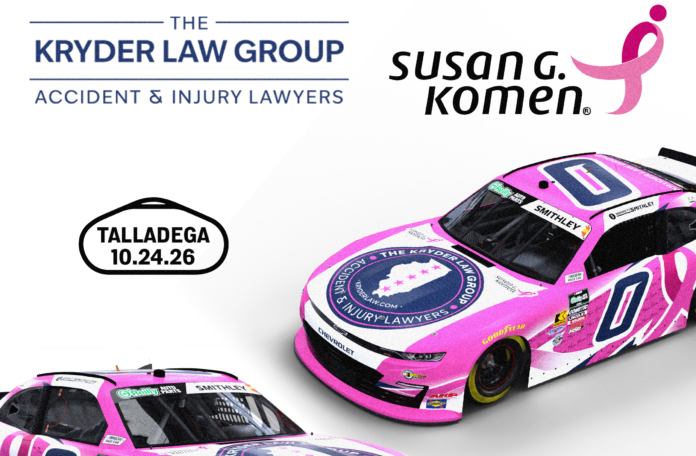
MOORESVILLE, N.C. (April 20, 2026) – NASCAR veteran J.J. Yeley will drive the No. 5 Jobber Ford Mustang Dark Horse for Hettinger Racing in the Ag-Pro 300 Saturday at Talladega (Ala.) Superspeedway.

Yeley comes into the 113-lap race around the 2.66-mile oval with a wealth of experience. The second-generation racer has 831 starts in NASCAR’s top-three national touring series – Cup (397), O’Reilly (397) and Craftsman Truck (37).

Before he began his NASCAR career, Yeley was a decorated USAC driver. The Phoenix native scored five championships in the venerable open-wheel series, including the rare Triple Crown where Yeley won the USAC Sprint, Midget and Silver Crown titles in a single year (2003). He won 24 races, breaking the single-season record set by racing legend A.J. Foyt, who won 19 races in 1961.

“I’m blessed to be able to do something I love,” said Yeley, the son of seven-time Arizona Midget Racing Association and two-time World of Outlaws midget champion “Cactus” Jack Yeley.

Yeley’s role with Hettinger Racing is hands-on, and the organization benefits from his experience. His background also aligns with Jobber, the leading provider of software for blue-collar businesses.

“Before I started racing, I did construction in and around my hometown of Phoenix,” Yeley said. “We had a family-owned underground fire line construction company. Did a lot of manual labor and anything else it took to keep the business running smoothly.”

The Yeley family’s workload continued even after the trenches were dug.

“My mom did the books and ran the office. My dad did all the bidding, and then he also ran the backhoe. In total, there were eight of us, so a small group, but we did a lot of very substantial jobs. To have Jobber available to us back then would’ve really simplified processes and probably given us more time to spend together as a family,” Yeley said.

Jobber supports over 350,000 service professionals across more than 50 industries, unifying quoting, scheduling, payments and customer communication in a single platform. At the core is Jobber AI, a purpose-built intelligence layer designed specifically for service pros, embedded throughout the experience to deliver insights, automate actions and keep businesses running around the clock.

“To be freed up from the office side of things, that would’ve helped my mom and dad,” Yeley said. “Jobber is a really cool and useful platform. You see how helpful it is to small businesses, especially ones where work is done out in the field and everyone is always on the go. It keeps you organized and efficient, which is how you want to be when time is money.”

In addition to its software, Jobber has consistently invested in blue-collar businesses through initiatives like Jobber Grants, events and free tools and resources, helping hundreds of thousands of service pros connect, strengthen their businesses and scale with confidence.

“NASCAR is built on experience and a willingness to outwork the competition,” said Matt Baker, vice president, brand marketing and operations at Jobber. “J.J. Yeley’s career reflects that. He’s done the work, both in and out of the car, and he understands what it takes to build something from the ground up. That’s the same mindset we see in the pros we support every day who take pride in their craft, stay disciplined and are always looking for ways to operate more efficiently so they can grow their businesses.”

Operating efficiently is the name of the game at Talladega, where pack-style racing is prevalent. Thirty-eight cars race as one, drafting off one another, using aerodynamics to position themselves for a charge toward the front and, ultimately, victory.

“Anytime I go speedway racing, it’s to win,” Yeley said. “When it comes to finding some drafting partners, my experience helps. I want to find guys I trust being around, and vice versa. And having a Roush-Yates engine, that power allows me to do what I want versus being at the mercy of others. If we need to go three-wide and make a run, I can do that.”

Yeley’s run to the front of the pack on Saturday at Talladega begins Friday with a qualifying run. All O’Reilly Series entrants will make a timed lap against the clock beginning at 4:30 p.m. CDT/5:30 p.m. EDT to secure their starting spot. The Ag-Pro 300 goes green on Saturday at 3 p.m. CDT/4 p.m. EDT with live, flag-to-flag coverage provided by The CW and SiriusXM NASCAR Radio.

About Jobber:

Jobber is the award-winning platform that puts blue collar first. Built for service pros, Jobber streamlines and automates operations so crews can run more efficiently, increase profitability and scale with confidence. More than 350,000 service pros in over 50 industries – including landscaping, plumbing, cleaning and contracting – use Jobber to serve over 27 million properties in more than 60 countries. Jobber continually ranks as one of Canada’s fastest-growing and most innovative companies by The Globe and Mail, Fast Company, and Deloitte. For more information, visit jobber.com.

Faster final stop propels Alex Palou to victory at Long Beach

LONG BEACH, Calif. - APRIL 19: Alex Palou, driver of the #10 Chip Ganassi Racing Honda, celebrates in victory lane after winning the NTT IndyCar Series Acura Grand Prix of Long Beach on April 19, 2026, in Long Beach, California. Photo: Joe Skibinski/Penske Entertainment

One-point-one seconds.

Alex Palou’s pit crew got him in and out of pit lane 1.1 seconds faster than Felix Rosenqvist under the only caution of the Acura Grand Prix of Long Beach. Then with 29 laps to go, Palou pulled away from the field to score the victory on the streets of Long Beach, California.

“Incredible,” Palou said. “Feel so, so lucky with the opportunity I had to win the 500 last year, the Long Beach GP this year, it just feels like I’m living on this amazing cloud of happiness.

“Yeah, incredible work by the team today. I think we were fighting there with the 60, trying to match him on the soft tires. I think we could have fighted a little bit, but he was a bit stronger than us today. We were just trying to figure it out, if we were going able to go one lap longer on fuel.

“This full-course yellow put everything on that pit stop. The guys did an incredible job once again.”

It’s his 22nd career victory in his 103rd NTT INDYCAR SERIES start, third of the 2026 season and first on the streets of Long Beach.

Pole sitter Rosenqvist led a race high of 51 laps on his way to a runner-up finish. Scott Dixon made up three spots on the final pit stop to round out the podium.

“It’s definitely a mix,” Rosenqvist said. “I think all in all we got to be happy as a weekend for us at Meyer Shank Racing. We had a win yesterday with Nick in IMSA. We had a pole there as well, then a pole here and a P2. We just fell short of a grand slam.

“If you kind of take the perspective, it’s been a very, very good weekend. Obviously you want to win when you have the opportunity.

“Yeah, I’m proud of today. I think everything we were working on kind of paid off today. I’ve been in this position many times before, being on pole or at the front, then something kind of fell short.”

“Yeah, huge weekend for the Ganassi cars,” Dixon said. “I think probably one of the best for qualifying between all us, which was really good. It was nice just to have a clean weekend, no major issues, no damage, no mess-ups or anything like that. That was a lot of fun.

“The race itself for us was just a bit blah, to be honest. We kind of sat in the same position, tried to go long. Fuel mileage was really good, which Honda does a great job at. I think everybody is caught up a lot on figuring out what they need.

“Unfortunately for me the balance had a lot of understeer, so it was very difficult to roll the corner and roll off throttle to get that mileage. Yeah, interesting day.

“The last stop luckily for us we had an easy out. Looked like a lot of the people we were fighting had cars in front of them or behind them, which kind of paid off for us.

“Great weekend. Hopefully something we can build on and keep rolling.”

Kyle Kirkwood and Pato O’Ward rounded out the top-five.

Scott McLaughlin, David Malukas, Graham Rahal, Alexander Rossi and Kyffin Simpson rounded out the top-10.

Faster final stop propels Alex Palou to victory at Long Beach

Race summary

Rosenqvist led the field to green at 5:58 p.m. ET. The field settled into a green flag rhythm. Rinus VeeKay kicked off a cycle of green flag stops on Lap 8, for those drivers committed to a three-stop strategy. The drivers who stopped during this window were those outside of the top-10. Among them was Josef Newgarden, who pitted for new alternate tires and posted laps half a second to a full second faster than Rosenqvist. O’Ward was the first driver on a two-stop plan to pit on Lap 30. Rosenqvist pit from the lead on Lap 31, taking another set of alternates. Palou followed him down pit lane and also took alternates. Will Power pit from the lead on Lap 32 and the lead cycled to Newgarden.

Even on 20-lap older tires, Newgarden ran a second faster than Rosenqvist in second. Meanwhile, the other drivers on the three-stop plan hit pit lane on Lap 36. Newgarden pit from the lead on Lap 37, taking alternates, and Rosenqvist cycled back to the lead.

Newgarden locked up going into Turn 2 on Lap 42. While he overtook Marcus Armstrong, he developed a flat spot on his left-front tire. His race strategist told him on Lap 47, “If we can make it nine more (laps), we might be OK.”

Caution flew for the first time on Lap 57 for debris off Turn 3. Everybody came down pit lane and Palou exited with the race lead.

Back to green with 29 laps to go, Palou pulled out to a two-second lead over Rosenqvist, after five laps, and drove on to victory.

Faster final stop propels Alex Palou to victory at Long Beach

What else happened

Marcus Ericsson retired from the race on Lap 44 with a full hybrid failure.

Power served a drive-through penalty for hitting a crew member on pit lane.

Faster final stop propels Alex Palou to victory at Long Beach

Nuts and bolts

The race lasted one hour, 49 minutes and nine seconds, at an average speed of 97.356 mph. There were four lead changes among four different drivers and one caution for four laps.

Palou leaves Long Beach with a 17-point lead over Kirkwood.

The NTT INDYCAR Series returns to action May 9 at the Indianapolis Motor Speedway for the Sonsio Grand Prix.