Home Blog Page 153

JOSH BILICKI PARTNERS WITH FLEX POWER IN MULTI-RACE AGREEMENT THAT GOES BEYOND THE TRACK

MOORESVILLE, NC, February 6, 2026 – NASCAR driver Josh Bilicki today announced that he has partnered with Flex Power for two races during the 2026 NASCAR O’Reilly Auto Parts Series season. The #07 of SS-GreenLight Racing will sport the Flex Power livery for the Bennett Transportation & Logistics 250 at EchoPark Speedway on February 21 and for the NASCAR O’Reilly Auto Parts Series Fall Race at Darlington Raceway on September 5. Beyond the on-track partnership, Bilicki and Flex Power will collaborate on original storytelling that brings the sport closer to fans by highlighting life, work, and power beyond race day.

“Race weekends look a lot like our customers’ lives—travel, gear, long days, and no margin for failure,” said Cam Earl, Brand Lead at Flex Power. “Flex Power fits right into that world, and this partnership lets us tell the meaningful stories that lead up to race day and beyond, all the while showcasing what dependable power looks like.”

Flex Power is RVMP’s retail and eCommerce brand, delivering reliable, premium-yet-accessible portable power for people who live life on the move. Built on RVMP’s years of experience as a leading OEM supplier of onboard power systems for the RV industry, Flex Power brings professional-grade reliability to generators designed for homeowners, DIYers, tailgaters, and outdoor enthusiasts.

Whether it’s race day, a weekend project, or power at home, Flex Power is built for hustle and ready for fun, with power that shows up when it matters.

“Between being on the road so much for racing and living in snowy Wisconsin, I know firsthand how important it is to have reliable, portable power,” said Bilicki. “Flex Power generators mirror my approach to racing: performance, reliability and readiness. I’m excited to introduce the Flex Power brand to NASCAR fans!”

“This partnership isn’t just about putting a logo on a car,” said Flex Power Brand Lead Andy Stiebler. “Josh lives the same kind of life our customers do. Long days, family guy, constant travel, hands-on prep, and no room for equipment that doesn’t work. We’re excited to tell those stories, from how he prepares for race day to the work he puts in off the track, and show how reliable power fits into the moments that matter.”

Flex Power will offer on-site brand activations and race-weekend content featuring their products in real-world use, giveaways and slot car racing at the track. Follow @myflexpower on Instagram and Facebook for race-weekend content. And follow Bilicki on FacebookInstagram and X to see how he integrates Flex Power into his home life and race weekends.

The Bennett Transportation & Logistics 250 (163 laps | 251.02 miles) is the 2nd of 33 NASCAR O’Reilly Auto Parts Series races on the 2026 schedule. There will be no practice. Qualifying starts on Friday, February 20 at 5:00 p.m. The field is set to take the green flag on Saturday, February 21 shortly after 5:00 p.m. with live coverage on The CW, the Performance Racing Network (Radio), and SiriusXM NASCAR Channel 90. All times are Eastern Standard Time.

The NASCAR O’Reilly Auto Parts Series Fall Race at Darlington is the 25th of 33 races on the 2026 schedule. Practice starts on Saturday, September 5 at 2:00 p.m. with qualifying immediately following. The race is scheduled to start shortly after 7:30 p.m. with live coverage on The CW, Motor Racing Network (Radio), and SiriusXM NASCAR Channel 90. All times are Eastern Standard Time.

For more information on Josh Bilicki, visit https://www.joshbilickiracing.com/ or follow him on Facebook (https://www.facebook.com/JoshBilickiRacing/), X (https://www.twitter.com/joshbilicki) or Instagram (https://www.instagram.com/joshbilicki/).

For more information on Flex Power, visit https://myflexpower.com/ or follow them on Facebook (https://www.facebook.com/myflexpower), X (https://x.com/MyFlexPower) or Instagram (https://www.instagram.com/myflexpower/).

Beard Motorsports: Anthony Alfredo Daytona 500 Advance

ANTHONY ALFREDO
Daytona Speedweek
Pole Qualifying | Duel | Daytona 500
No. 62 DUDE Wipes Chevrolet Camaro

Event Overview

Wednesday, Feb. 11:

● Daytona 500 qualifying (single-lap qualifying to determine pole for the Daytona 500)
● Time/TV/Radio: 8:15 p.m. ET on FS1/MRN/SiriusXM NASCAR Radio

Thursday, Feb. 12:

● America 250 Florida Duel at Daytona (twin 150-mile qualifying races that set the field for the Daytona 500)
● Time/TV/Radio: 7 p.m. ET on FS1/MRN/SiriusXM NASCAR Radio

Sunday, Feb. 15:

● 68th annual Daytona 500 (first of 36 points-paying NASCAR Cup Series races in 2026)
● Time/TV/Radio: 2:30 p.m. ET on FOX/MRN/SiriusXM NASCAR Radio

Notes of Interest

● A New Season Brings a Fresh Start. Since it first hit the racetrack in 2017, the No. 62 Chevrolet of Beard Motorsports has been a fixture on the entry list for the NASCAR Cup Series season-opening Daytona 500 at Daytona (Fla.) International Speedway. This year marks the 10th attempt by the small, family-owned team based in Mount Pleasant, Michigan, to qualify for the Great American Race. If successful, it would be Beard’s seventh Daytona 500 start. Retired veteran Brendan Gaughan delivered the team’s previous best finish of seventh in the 2020 event at the 2.5-mile superspeedway oval. Beard Motorsports has contested 34 Cup Series races at the hands of seven different drivers since its inception. Thirteen of those have come at Daytona and 15 at its sister track, the 2.66-mile Talladega (Ala.) Superspeedway oval.

● Alfredo Back in the Driver’s Seat. Driver Anthony Alfredo continues his recent run of Cup Series outings with Beard Chevrolet this week at Daytona. The 26-year-old from Ridgefield, Connecticut, has been behind the wheel of the No. 62 Chevrolet in five of the team’s previous eight races. He debuted with the team in the 2024 Daytona 500 and promptly secured a spot for Sunday’s featured event by laying down the fastest lap among the six “open” (non-chartered) teams during Wednesday-night, single-car qualifying. From his 39th starting position, Alfredo drove to a 27th-place finish in the Daytona 500. A year ago this week, the NASCAR NEXT alumnus saw his bid to make the Daytona 500 field for the second time in a row dashed when he was caught up in a late-race, multicar accident during Thursday night’s Duel qualifying races.

● Excelling at the Superspeedways. Like the Beard team, Alfredo has shown his proficiency at the superspeedway events over his 43 career Cup Series starts dating back to his full-season run with Front Row Motorsports in 2021. His second race in the Beard Chevrolet netted a sixth-place finish in the April 2024 event at Talladega, the team’s best-ever finish at the track. Following last year’s Daytona disappointment, Alfredo returned to the No. 62 Chevrolet for April and October Talladega races, leading laps at both – including 19 in the April event – en route to finishes of 28th and 21st, respectively. Elsewhere in his career, Alfredo has made 151 starts in the NASCAR O’Reilly Auto Parts Series (formerly Xfinity), including full seasons each of the last four years, in 2022, 2023 and 2024, totaling five top-fives and 23 top-10s. His NASCAR career began with a 13-race Craftsman Truck Series campaign in 2019.

● Third Time’s a Charm. DUDE Wipes returns to partner with Beard Motorsports and Alfredo at Daytona for the third time, the first two coming in the April 2024 and October 2025 races at Talladega. The brand has partnered with Alfredo since he began racing in the O’Reilly Auto Parts Series in 2020. DUDE Wipes is the flagship product of DUDE Products, a men’s hygiene company that was founded in 2012 by lifelong friends in Chicago. The U.S.-based company introduced DUDE Wipes as the first flushable wipe for adults, marketed as a better hygiene solution to dry toilet paper. The brand is available online and in 20,000 stores nationwide, including Walmart, Target and Amazon.

● Previously at Daytona. When last seen on the Daytona oval for the Coke Zero Sugar 400 in August 2024, the Beard Motorsports Chevrolet recorded its second consecutive top-10 finish when then 21-year-old Parker Retzlaff took the checkered flag seventh. It was the team’s fifth Daytona top-10, best of which was the fifth-place result by driver Noah Gragson in the 2022 Coke Zero Sugar 400. Gaughan’s seventh-place finish for the team in the 2020 Daytona 500 and eighth-place finish in that year’s Coke Zero Sugar 400 was preceded his seventh-place finish in the 2017 Coke Zero 400.

● Family Passion for Racing Lives On. Owned and operated by the Beard family and operating out of Mooresville, North Carolina, Beard Motorsports goes into 2026 under the leadership and guidance of Linda Beard, her daughter Amie Beard-Deja, son Mark Beard Jr., and crew chief Darren Shaw. What started out as a passion project for the late Mark Beard Sr., has remained a tribute to the family’s patriarch since making its Cup Series debut in the 2017 Daytona 500 with Gaughan behind the wheel of its No. 62 Chevrolet. The family has remained committed to the vision laid out by its patriarch and has done so with notable success. Today, the No. 62 NASCAR Cup Series team is just one of its family-owned entities. Beard Oil Distributing is the foundation of the Beard family-owned business portfolio and is recognized as a women-owned certified organization through the Women Business Enterprise National Council (WBENC).

● Dependable Power Under the Hood. Since making its debut in the 2017 Daytona 500, the No. 62 Beard Motorsports team has been powered by an ECR-built engine and the team has leveraged the power of those engines to post solid finishes, including Gragson’s top-five and seven top-10s in 34 Cup Series starts.

● New-Look Chevrolet. The No. 62 Beard entry joins its fellow Chevrolet competitors in debuting an all-new, updated car body at Daytona for 2026 season. The subtle updates take styling cues from a performance accessories kit that Chevrolet recently released for the car’s road-going counterpart. The updates feature a larger hood dome, revisions to the front grille, and redefined rocker panels.

Anthony Alfredo, Driver of the No. 62 DUDE Wipes Chevrolet Camaro

You’re back at Daytona for your third consecutive Speedweek with Beard Motorsports, and you’ll be looking to make your sixth Cup Series start with the team. What’s your mindset and that of the team as you head to track this week?

“We are as focused as ever on making the Daytona 500 this year. Honestly, I have a lot of confidence because, back in 2024, not only did we time our way into race in qualifying, we were the fastest open car overall. Everybody at Beard Motorsports has been putting in the effort they always do and, honestly, missing the Daytona 500 last year was obviously a huge disappointment, but I think it motivated us to excel at the two Talladega races we did, where we led a lot of laps, making our rocket ship a lot faster and giving us something to build on as we go back to Daytona this year.”

You and Beard Motorsports have shown strong speed at the superspeedways together. What is it about this team and these tracks that seem to suit you so well?

“Honestly, getting my career started in the national series with smaller organizations has led me to put an emphasis on these races because it’s the most level playing field you get. At this level of competition, there’s certainly a lot a driver can do to put himself in position to win or finish well. So I’ve studied some of the best at it and, through trial and error of my own doing, I feel like I’ve learned what it takes to execute in these kinds of races. It’s still difficult when you’re a single-car team, but having plenty other Chevrolets to work with, and then ECR engines under the hood and those cars, it certainly allows me to have some friends out there and put ourselves in position at the end of the race, most importantly. But in the past few races, we’ve had track position early, led a lot of laps and had good finishes, so I’m excited to build on that. This will be my third year with Beard Motorsports. We have a lot to build on and I feel like we’ve just gotten better every time. But even me as a speedway racer, these are some of my favorite types of races because I know what I need to do to execute and I look forward to going to them and having a shot to win.”

What would you consider a successful outcome for this week, beyond just the finishing position in the race?

“Well, first off, we’ve definitely got to execute well Wednesday night and make the show on speed. The Duel is your last chance if you’re not able to do that on Wednesday night. But when it comes to the 500 itself, it’s kind of one step at a time. I’d say making the race is priority number one, but once we do, 500 miles is a long race and a lot of guys make mistakes early and, if for whatever reason it’s calm in the front half of the race, there’s usually some chaos toward the end, so you’ve got to be there to have a shot at it. And there’s a lot of ways that you could screw it up, so you’re executing on pit road and restarts and maintaining track position since it’s kind of weird with this Gen 7 car. It’s really a track-position race now. It’s not as easy to just drive from the back to the front like it is in an O’Reilly Series car.”

You had the opportunity to lead laps in the two races last year at Talladega. How much does that reinforce the belief that this group can contend for a win on the biggest stage at Daytona?

“We certainly can contend for a win. I mean, we’ve proven that we could run inside the top-10 and finish there, so I would be thrilled with a top-10 finish in the Daytona 500. But to be quite honest, there’s no reason that we couldn’t win this race. I’m more focused on that than anything else. You don’t know when your next opportunity is going to be, certainly not in the NASCAR Cup Series or in the Daytona 500. I’m going to do everything in my power to find victory lane for Beard Motorsports, our sponsors, and my family – everybody who supports me. Honestly, I couldn’t even put into words what it would mean to win the Daytona 500, other than it being a dream come true. That’s where I first saw my first race as a 10-year-old. That first race I ever saw was the 2010 Daytona 500. Just having an opportunity to race in it is a blessing. To win it would be the ultimate accomplishment because you become a legend.”

DUDE Wipes has been a longtime supporter during your career. How meaningful is it to have that continuity with a partner as you take on a marquee event like the Daytona 500?

“I’m thrilled that they’re making the Daytona 500 possible for us because they’ve been with me since the start of my career in the national series and are my biggest partner. They’re the flagship sponsor of my O’Reilly Series car, and having that relationship with a partner is really special. We’ve just grown so much together over the years, so to tackle the Great American Race together is honestly a dream come true.”

There’s a new Chevrolet body introduced for this season. Knowing that Daytona and the other superspeedway races are all about aerodynamics, do you have an idea what it will be like, where it can be an improvement, based on your experience in the simulator?

“I think the Chevrolet body is going to be better everywhere. It seems like we’re still honing in the details and correlations since it obviously hasn’t been on the real track a whole bunch. We’ve have limited data to go off of from the few tests they’ve had to correlate and ultimately make it better. But I think as we progress through the year, it’ll just get more and more realistic. On paper, it should certainly be a lot better everywhere. I’m really looking forward to seeing that for myself.”

No. 62 Beard Motorsports Team Roster

Primary Team Members

Driver: Anthony Alfredo

Hometown: Ridgefield, Connecticut

Crew Chief: Darren Shaw

Hometown: Mooresville, North Carolina

Car Chief: Drew Mickey

Hometown: Winston-Salem, North Carolina

Spotter: Rick Carelli

Hometown: Arvada, Colorado

President: Linda Beard

Hometown: Mt. Pleasant, Michigan

Over-The-Wall Members

Front Tire Changer: Caison Dillon

Hometown: Welcome, North Carolina

Rear Tire Changer: Matthew Ketchie

Hometown: Mt. Ulla, North Carolina

Tire Carrier: Tanner Wells

Hometown: Goldsboro, North Carolina

Jack Man: Nick Covey

Hometown: Glendale, Arixona

Fuel Man: Douglas Warrick

Hometown: Hamilton, New Jersey

Road Crew Members

Mechanic: Jack Gagnon

Hometown: Quebec, Canada

Mechanic: Mark Sanders

Hometown: Springfield, Ohio

Tire Technician: Mike Harrold

Hometown: Mooresville, North Carolina

Engine Tuner: Brian Trevino

Hometown: Statesville, North Carolina

Interior Specialist: Nic Hill

Hometown: Fort Myers, Florida

Engineer: Mack Kanupp

Hometown: Charlotte, North Carolina

Transporter Driver: Roger Lankford

Hometown: Lexington, North Carolina

NHRA SUMMIT RACING JR. DRAG RACING LEAGUE RELEASES 2026 SCHEDULE

INDIANAPOLIS (Feb. 6, 2026) – NHRA announced the season schedule for the NHRA Summit Racing Jr. Drag Racing League, featuring a host of special events in 2026 as Summit Racing Equipment returns as the title sponsor of the popular racing league for youth ages 5-17.

Now in its 34th year entering the NHRA’s 75th anniversary season, the NHRA Summit Racing Jr. Drag Racing League provides an impressive platform for young racers to perform at a high level and will feature eight-car shootouts that take place at eight different NHRA Mission Foods Drag Racing Series national events, as well as the popular Right Trailers NHRA Jr. Drag Racing League Western Conference Finals at the Texas Motorplex on June 12-13 and the Right Trailers NHRA Jr. Drag Racing League Eastern Conference Finals on July 16-18 at Bristol Dragway. The Jr. Drag Racing League will also compete in the divisional finals across the seven NHRA divisions.

The eight-car shootouts debuted four years ago and the eight races will take place at NHRA national events across all seven divisions, including both stops at In-N-Out Burger Pomona Dragstrip. As part of NHRA’s 75th anniversary season, winners of the shootout will receive a diamond 75th anniversary Wally.

“NHRA is excited to incorporate the Summit Racing Equipment Jr. Drag Racing league into its 75th anniversary in 2026,” NHRA Sportsman Manager Jason Galvin said. “For as much as this season will be about celebrating where we’ve come from, it is equally important to set the tone for the next 75 years and beyond. The stars of the Jr. Drag Racing league will continue to push the sport to higher levels well into the future.

“We are also thrilled to bring these cars and drivers to multiple new events in 2026, giving new NHRA fans a glimpse into the future.”

The eight-car races begin with the Lucas Oil NHRA Winternationals on April 9-12 at In-N-Out Burger Pomona Dragstrip, serving as a make-up race for last year’s rain out in Pomona. The final round takes place on Sunday and will be included on the television broadcast during eliminations on FS1, with racers running alongside drivers in the NHRA Mission Foods Drag Racing Series and Lucas Oil Drag Racing Series. In addition to the television spotlight, the event winner will take part in the parade of champions.

The special eight-car shootouts will also take place in Division 1 at the NHRA Potomac Nationals on May 29-31 at Maryland International Raceway, in Division 2 at the NHRA Southern Nationals on May 1-3 at South Georgia Motorsports Park, in Division 3 at the Summit Racing Equipment NHRA Nationals on June 25-28 at Summit Motorsports Park, in Division 4 during the Stampede of Speed at the Texas NHRA FallNationals on Oct. 14-18, in Division 5 at the NHRA Brainerd Nationals at Brainerd International Raceway on Aug. 20-23, in Division 6 at the Muckleshoot Casino Resort NHRA Northwest Nationals on July 24-26 at Pacific Raceways, and in Division 7 at the In-N-Out Burger NHRA Finals on Nov. 12-15 in Pomona.

Other annual highlights in the series are the annual conference finals events. Texas Motorplex will host the Right Trailers NHRA Jr. Drag Racing League Western Conference Finals for the third time on June 12-13. Bristol Dragway remains a staple for the Eastern Conference Finals with racing slated for July 16-18. Each event’s schedule includes a full slate of racing activities, culminating in the crowning of eight individual champions.

The division championship competition was impressive last year as well, with all seven divisions hosting a Summit Jr. Drag Racing League Division Finals. Division 2 and Division 6 finals in the category will take place in conjunction with the Summit E.T. Finals. All seven divisions will host a season championship points series throughout their season and complete schedules are available at jrdragster.nhra.com.

NHRA Summit Racing Jr. Drag Racing League race cars, called Jr. Dragsters, are half-scale versions of the iconic Top Fuel dragsters. They go as fast as 85 mph and as quick as 7.90 seconds in the eighth-mile using a five-horsepower, single-cylinder engine, though younger age groups are restricted to slower times and speeds.

Since its start in 1992, the NHRA Summit Racing Jr. Drag Racing League has provided a place for young racers to compete and been the start for many top NHRA professional drivers. The list includes world champions like Pro Stock’s Erica Enders and Top Fuel driver Shawn Langdon, who won a JDRL national championship in 1997, as well as standouts such as Top Fuel’s Leah Pruett, Jasmine Salinas and Justin Ashley; Funny Car driver J.R. Todd; Pro Stock competitors Deric Kramer and Chris McGaha; Pro Stock Motorcycle rider Gaige Herrera and many more.

For more information on the NHRA Summit Racing Jr. Drag Racing League, please visit http://jrdragster.nhra.com/. For more information on NHRA, including the 2026 schedule, please visit www.NHRA.com.


About NHRA

NHRA is the primary sanctioning body for the sport of drag racing in the United States. NHRA presents 20 national events featuring the NHRA Mission Foods Drag Racing Series and NHRA Lucas Oil Drag Racing Series, as well as the NHRA Pro Mod Drag Racing Series and NHRA Flexjet Factory Stock Showdown™ at select national events. NHRA provides competition opportunities for drivers of all levels in the NHRA Summit Racing Series and NHRA Street Legal™. NHRA also offers the NHRA Jr. Street® program for teens and the Summit Racing Jr. Drag Racing League® for youth ages 5 to 17. With more than 100 Member Tracks, NHRA allows racers to compete at a variety of locations nationally and internationally. NHRA’s Youth and Education Services® (YES) Program reaches over 30,000 students annually to ignite their interest in automotive and racing related careers. NHRA’s streaming service, NHRA.tv®, allows fans to view all NHRA national events as well as exclusive features of the sport. In addition, NHRA owns and operates three racing facilities: Gainesville Raceway in Florida; Lucas Oil Indianapolis Raceway Park; and In-N-Out Burger Pomona Dragstrip in Southern California. For more information, log on to www.NHRA.com, or visit the official NHRA pages on Facebook, Instagram, Twitter, and YouTube.

Sunoco Race Fuels Signs Five-Year Renewal as Official Race Fuel of Racing America

Sunoco Extends Sponsorship of Trans Am’s CUBE 3 Architecture TA2 Series Young Gun Award Until 2030

CHARLOTTE (February 6, 2026) — Racing America is pleased to announce that Sunoco Race Fuels has renewed its partnership, extending its product category exclusivity as the Official Racing Fuel Sponsor of Racing America until 2030. The company will supply fuel for all of the racing series under the Racing America umbrella, including the Trans Am Series presented by Pirelli, Formula Regional Americas Championship, Formula 4 United States Championship, Ligier Junior Formula Championship, Sportscar Vintage Racing Association (SVRA), and International GT. Additionally, Sunoco will extend its sponsorship of the Trans Am Series’ CUBE 3 Architecture TA2 Series Young Gun Award, rewarding the top-finishing driver under the age of 25 with a $20,000 cash prize for the next five years.

Sunoco has grown from its humble roots as a small oil company in Pittsburgh, Pa., to one of the largest independent fuel distribution companies in the United States. Sunoco’s rich, 130-plus-year heritage, legacy and reputation for innovation, and commitment to its local communities are foundational elements of this iconic American brand. Today, Sunoco distributes fuel to over 5,000 gas station locations in more than 30 states.

Sunoco began its relationship with motorsports in the 1960s, partnering with Trans Am Hall of Fame inductees Roger Penske and Mark Donohue. The company first joined as a sponsor of SVRA in 2015, then became the Official Race Fuel of SVRA and the Trans Am Series in 2018. Sunoco signed their most-recent agreement as the Official Race Fuel of Racing America in 2021.

The Young Gun Award, which Sunoco has also extended its sponsorship of, was introduced in 2022 as a way to foster competition between the series’ young, up-and-coming drivers, and it has since become one of the most highly-contested titles in the series, as the CUBE 3 Architecture TA2 Series is a proving ground for young talent. Sunoco came on as sponsor of the award in 2025, when the Sunoco Race Fuels Young Gun Award was won by Tristan McKee, as he also became the youngest Trans Am Champion in history. Trans Am’s youngest champion before McKee, Brent Crews, took the honors in 2022 and 2023, and rising star Thomas Annunziata won the award in 2024.

“Sunoco has a long history tied to Trans Am racing, including its early involvement sponsoring the Penske Camaro dating back to 1967, so this agreement is a continuation of a legacy that has been part of its brand for decades,” said Sunoco in a statement. “Through this long-term renewal, Sunoco Race Fuels will continue supporting some of the best racers and competition in motorsports while building on its deep roots in the series.”

“We are beyond excited to extend this partnership with Sunoco Race Fuels, who have agreed to a five-year extension,” said Scott Duncan, Chief Partnerships Officer for Racing America. “We are excited about expanding our program in 2026 and the following years, including the Sunoco Race Fuels Young Gun Award for the TA2 Series at the end of the year.”

The 2026 season for Racing America kicks off at Sebring International Raceway, February 26-March 1, 2026.

About Sunoco: Sunoco Race Fuels has been a staple in the racing world since the 1960’s and has fueled championships across all facets of motorsports. For more information about Sunoco Race Fuels please visit SunocoRaceFuels.com.

About Racing America: Uniting a leading owner and operator of motorsports events with a premier digital-first motorsports media platform, Racing America is a fully-integrated motorsports media and events network. With The Trans Am Series presented by Pirelli, Sportscar Vintage Racing Association (SVRA), Formula Regional Americas Championship (FR Americas), Formula 4 United States Championship (F4 U.S.), Ligier Junior Formula Championship (Ligier JFC), International GT (IGT), and the leading motorsports event registration portal in MotorsportReg.com all a part of their portfolio, Racing America creates experiences for drivers, teams, sponsors, and spectators. Integrating a multi-platform production services arm, editorial division, and content distribution platform in RacingAmerica.TV and the 24/7 Racing America FAST Channel, that are both home to over 250 annual live grassroots and other racing events, Racing America brings motorsports to race tracks, homes and devices around the globe. Blending racing tradition with innovation, Racing America offers a unique platform, covering everything from professional to grassroots racing for a passionate motorsports fan base. For more information visit RacingAmerica.com.

7 Key Considerations Before Investing In A High-End Automobile

Photo by Artin Ghorbani on Unsplash

A high-end car purchase can feel simple at the start: pick the model, pick the color, sign the papers. 

The real decision sits behind the scenes, where storage, service access, insurance, and resale value shape the experience. A little structure up front reduces surprises and keeps the ownership story enjoyable.

Define The Real Job Of The Car

High-end cars serve very different roles. Some live as weekend machines, some commute, and some sit as collection pieces. The right pick changes when mileage, ride comfort, cabin noise, and fuel needs enter the picture.

Ownership timeline matters, too. A 12-month plan can lean toward models with strong demand and quick liquidity. A 5-year plan leans toward comfort, parts support, and a service shop that can keep pace.

Budget Beyond The Sticker Price

The purchase price is only one line item. Registration, sales tax, dealer fees, storage, detailing, and shipping can move the entry number by thousands. A written budget helps keep trade-offs clear when the options list starts growing.

Market knowledge plays a role in the budget math. When comparing local inventory, talking with exotic car dealership in Tampa, FL, Gap PA, or whatever is local to you can help anchor expectations on pricing and availability. That context makes it easier to separate a fair premium from a rushed purchase.

Payment method shapes the plan. Financing can free cash for other goals, but it adds interest, lender requirements, and timing risk if rates move. A reserve fund for the first 6-12 months of costs keeps the purchase from turning into a scramble.

Calculate Total Annual Operating Costs

Running costs can be higher than many buyers expect. AAA’s 2024 “Your Driving Costs” figures put the average cost to own and operate a new vehicle at $12,297 per year. High-end models can run higher once tires, insurance, and specialist service enter the mix.

Fuel and tires deserve their own line items. Performance tires can wear quickly, and some setups require matched sets. Seasonal storage, battery tenders, and periodic fluid service add steady expenses even when the car is rarely driven.

Big-ticket wear items can surprise first-time buyers. Carbon-ceramic brakes, active suspension parts, and specialty fluids can run into the 4 figures per service visit. An extended warranty can help in some situations, though the terms and exclusions need close reading.

Weigh Depreciation, Liquidity, And Exit Options

Depreciation is not one-size-fits-all in the high-end segment. Limited runs, rare colors, and clean history can soften declines. High miles, track use, or gaps in service history can widen them.

Liquidity matters as much as value. A car can “hold value” on paper and still take months to sell at that number. Before buying, it helps to map exit routes such as private sale, dealer consignment, auction, or trade.

Stress-Test The Maintenance Plan

A premium badge does not guarantee easy servicing. Some cars need factory-level tools, software access, or a specialist with model-specific knowledge. Travel time to a qualified shop becomes part of ownership.

Service records should match the car’s story. A clean folder of invoices, a consistent inspection cadence, and proof of major items reduce risk. A focused review often includes:

  • Evidence of routine fluids and filters
  • Tire age and tread depth
  • Brake condition and rotor wear
  • Cooling system health and leak checks
  • Electrical faults and battery history
  • Signs of past accident repair

Parts availability matters, not just price. Some components have long lead times, which can park the car for weeks. A plan for routine service and surprise repairs keeps the calendar realistic.

Match Insurance To The Car’s Real Value

Insurance structure can shape the outcome after a loss. Standard policies may default to actual cash value, which can fall short on rare vehicles or cars with pricey options. Many owners look at agreed value coverage, plus clear rules around mileage, storage, and who drives the car.

Risk profile shifts with usage. Track days, valet parking, and street parking change exposure. Garaging, security, and dash-cam habits can influence underwriting and peace of mind.

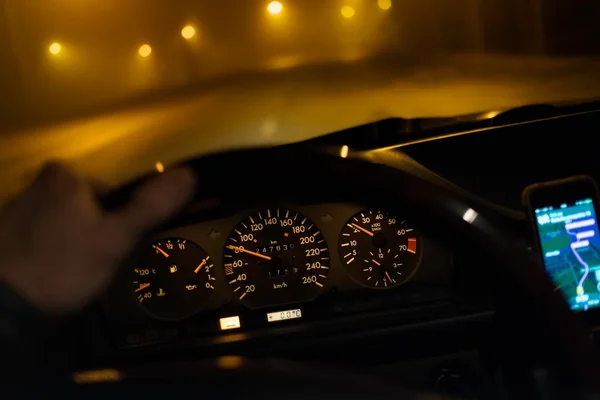
inside car

Check Recalls, Paperwork, And Tax Treatment

Safety and compliance checks belong early, not after delivery. A 2025 traffic safety marketing handout notes that 2024 saw 1,073 safety recalls affecting over 35 million vehicles, showing how wide the recall scope can get.

A VIN-based recall search and proof of completed recall work reduce avoidable headaches. Paperwork deserves equal attention. Title status, lien releases, import documents, emissions compliance, and state inspection rules can block registration.

For buyers using a car in a business context, IRS guidance for 2024 sets depreciation limitations for passenger automobiles, which can affect write-offs and planning.

A high-end car can be a thrilling object and a complex asset at once. The best outcomes come from aligning the purchase with daily reality: where the car sits, who services it, what it costs each year, and how it exits the garage when plans change.

When those pieces line up, the car becomes less of a surprise and more of a story worth keeping.

Pella Window & Door of Georgia Continues Partnership with Ryan Ellis at Young’s Motorsports

MOORESVILLE, N.C.: As the 2026 NASCAR O’Reilly Auto Parts Series season approaches, Pella Window & Door of Georgia, a leader in window and door solutions, will continue its partnership with veteran driver Ryan Ellis in 2026, joining him at Young’s Motorsports for the Bennett Transportation & Logistics 250 at EchoPark (Ga.) Speedway on February 21.

Pella Window & Door of Georgia is a local, family-owned and operated distributor of Pella products, providing sales, installation, and service backed by Pella Corporation and supported by some of the strongest warranties in the industry.

Serving customers throughout much of the state of Georgia, Pella Window & Door of Georgia, supports residential replacement, remodeling, and new construction projects, as well as commercial applications.

The second race of the 2026 NASCAR O’Reilly Auto Parts Series will mark the fourth partnership between Pella Window & Door of Georgia and Ellis, as the duo looks to build on a career-best 18th-place finish last February at the 1.54-mile quad-oval.

“I’m incredibly thankful to have Pella Window & Door of Georgia return as the primary sponsor for our race at EchoPark Speedway,” said Ellis. “Over the past few years, our partnership with Pella has grown into something much bigger than just a logo on the car.

“Since we first met in 2023, I feel like we have built genuine relationships and friendships with the Pella of Georgia team, and their continued belief and support mean a ton to me.”

Ellis noted that EchoPark Speedway’s unique layout adds an extra layer of unpredictability, creating the potential for thrilling, dramatic superspeedway-style racing from the reconfigured track.

“Being able to represent them in such an exciting race is really cool — we’ve all seen the chaos that the new Atlanta racetrack can provide with wild superspeedway-like racing at a 1.5-mile high-banked track,” added Ellis.

“We had a really good run last year and were in the top 10 before the last-lap crash shuffled us out. I’m proud to carry their colors and excited to go to work for them and Young’s Motorsports on the track.”

The partnership reflects Pella Window & Door of Georgia’s ongoing commitment to relationships built on trust, performance and shared values.

By continuing its partnership with Ellis, which began in 2023 and joining forces with Young’s Motorsports, the company aims to build momentum in 2026 while representing its team, customers and partners on a national platform.

“We look forward to our continued partnership with Ryan Ellis and the opportunity for success the new relationship with Young’s Motorsports will offer for Ryan and Pella Window & Door of Georgia,” shared Brian Robbins, CEO of Pella Window & Door of Georgia.

“While we’re very proud of having the powerful Pella Window and Door brand on a NASCAR race car, we are equally proud of our amazing local team, customers and partners that make Pella the most preferred Brand by Homeowners*.”

Ellis, a native of Ashburn, Va., will make his seventh start at the Hampton, Ga., race track. In his previous six races, he has completed all but six laps and carries an average finish of 22.2.

The Mooresville, N.C.-based Young’s Motorsports will make its fifth NASCAR O’Reilly Auto Parts Series start in the Peach State.

“We’re excited to welcome Pella Window & Door of Georgia to Young’s Motorsports and continue building with Ryan (Ellis) said Young’s Motorsports team principal Tyler Young.

“Pella is a brand that values quality and long-term relationships and we’re proud to have them represented with our team as we head to EchoPark Speedway and continue the 2026 NASCAR O’Reilly Auto Parts Series season.”

The Bennett Transportation & Logistics 250 will go green shortly after 5:00 p.m. ET on Saturday, February 21, with live coverage on The CW, the Performance Racing Network and SiriusXM NASCAR Radio Channel 90.

For more on Ryan Ellis, please visit ryanellisracing.com, like him on Facebook (Ryan Ellis), and follow him on Instagram (@ryanellisracing), TikTok (@ryanellisracing), and X | Twitter (@ryanellisracing).

For more on Young’s Motorsports, please visit YoungsMotorsports.com, like them on Facebook (Young’s Motorsports), and follow them on Instagram (@youngsmotorsports) and X |Twitter (@youngsmtrsports).

About Pella Window & Door of Georgia:

Pella Window & Door of Georgia is a local and family-owned business that sells, installs, and services Pella Products backed by Pella Corporation with some of the best warranties in the industry.

Pella Window & Door of Georgia offers support for residential replacement, remodel and new construction, as well as commercial projects servicing the majority of the State of Georgia.

Stop by one of our showrooms to see and operate a variety of energy-efficient windows and patio doors in full scale, including beautiful wood-clad, low-maintenance vinyl, and durable fiberglass products, as well as entry doors.

Visit a Pella Window and Door Showroom today, or schedule a free in-home consultation and see how Pella can help turn your vision into a reality.

Disclaimer: “*Study of homeowner perceptions of leading national brands. Study commissioned by Pella, 2024.”

Chasing Greatness Begins at The Great American Race

Christopher Bell’s Championship Chase Begins Anew in 68th Daytona 500

HUNTERSVILLE, N.C. (Feb. 6, 2026) – His four wins in 2025 were a career high, as was his average finish of 11.2, making Christopher Bell outrageously dependable, just like his co-primary partner for the upcoming Daytona 500, Interstate Batteries.

But the NASCAR Cup Series driver says he and his No. 20 Interstate Batteries team “still left a little on the table.”

That table gets reset in 2026, with the first of 36 courses being served in the season-opening Daytona 500 Feb. 15 at Daytona (Fla.) International Speedway.

“It’s about performing to what we’re capable of,” said Bell, who has finished among the top-five in the championship standings in each of the past four years. “We had a great finish to last season, so it just makes us optimistic that our ceiling is high and we can perform as good, or better, than any of our competitors.”

In the last nine races of 2025, Bell never finished worse than 11th. A victory Sept. 13 at Bristol (Tenn.) Motor Speedway punctuated the run, as did three straight third-place drives from the end of September to mid-October. Yet it still wasn’t good enough for the Joe Gibbs Racing driver to advance to the Championship 4 – the since relegated winner-take-all championship format that had a 12-year run before being exorcised ahead of this season in favor of a 10-race title chase comprising the top-16 drivers.

The new Chase format rewards front-running consistency – the same front-running consistency Bell and the No. 20 team have exhibited since their sophomore season in 2021 when they banked the first of their 13 wins together.

“It’s a good time to be part of the 20 group, and hopefully the format changes are going to fall into our strengths, and hopefully we’re able to capitalize on that,” Bell said.

That Bell sees room for improvement even after a career year speaks to the tenacity be brings to Daytona from behind the wheel of his green-and-black Interstate Batteries Toyota Camry XSE.

“If you focus on the highs, then you never improve your lows,” Bell said. “You’ve got to work on your weaknesses and make the season turn to where you don’t have any weaknesses. That’s the key to greatness.

“You go to every racetrack and you feel like you’ve got a shot to win. We’re pretty close to that right now, so I definitely like where we’re at.”

In addition to being a perennial title favorite, the 31-year-old racer from Norman, Oklahoma, is a Daytona 500 favorite. In three of his last six NASCAR Cup Series races at Daytona, Bell has finished third, a run that includes the 2023 and 2024 Daytona 500s, where Bell collectively led 42 of the 412 laps available (10.2 percent).

“I’ve figured out the trick to Daytona. It’s missing the wrecks,” said Bell with a grin.

The buildup to the Daytona 500 is packed, with practice and qualifying on Wednesday, a 150-mile heat race – the Duel – on Thursday, and then two more practice sessions before The Great American Race goes green at 2:30 p.m. EST on Sunday, Feb. 15 live on FOX and SiriusXM NASCAR Radio.

The tone for Sunday’s 200-lap crescendo starts with a driver’s lap against the clock on Wednesday.

“If you qualify well and you’re able to sit on that front row, then you’re basically in car-protection mode the rest of the time,” Bell said. “You certainly don’t want to go out there and crash in the Duel and give up your front-row starting position. But then on the flip side, if you qualify bad, it puts a lot of emphasis on the Duel and trying to improve your starting position. And you have an opportunity to score points in the Duel too, which is super important. So, it really depends on how that qualifying session goes, and then you’re really making up your strategy from there.”

That strategy ultimately delivers Bell and the No. 20 Interstate Batteries Toyota to the winner’s circle. But if victory proves elusive, then a strong finish to begin the season can soothe the sting of watching someone else take the checkered flag.

“You’re really going to be focused on getting a good finish at Daytona,” Bell said. “Before, with the win-and-you’re-in (championship) format, you could really just kind of bank on winning a race later on. And then if you had some bad races after the win, it was completely fine. It didn’t matter at all. That’s all gone. The weights of all the races are more equal now.”

Equal in points, but not in stature. The Daytona 500 remains NASCAR’s Super Bowl.

“When you get to Daytona, everybody’s fresh and excited and ready to go. It’s a clean slate for everyone,” Bell said. “There’s no better place to start off than Daytona.”

About Joe Gibbs Racing:

Joe Gibbs Racing (JGR) is one of the premier organizations in NASCAR with four NASCAR Cup Series teams, four NASCAR O’Reilly Auto Parts Series teams, an ARCA Menards Series team, and a driver development program. JGR is based in Huntersville, North Carolina, and owned by 2020 NASCAR Hall of Fame inductee Joe Gibbs, who also earned his place in the Pro Football Hall of Fame and was named as one of the NFL’s top-10 coaches of all-time with a winning career that included three Super Bowl Championships as head coach of the Washington franchise. JGR has competed in NASCAR since 1992, capturing more than 400 wins over that span. No team has more combined wins across the sport’s three national series in the history of NASCAR. In addition, JGR has won five Cup Series championships along with four O’Reilly Auto Parts Series driver championships and seven O’Reilly Auto Parts Series owners’ championships. The organization also has captured four Daytona 500 titles, considered to be NASCAR’s premier event.

About Interstate Batteries:

For more than 70 years, Interstate Batteries® has powered people down roads, trails and waterways and businesses to succeed. Best known for its starting, lighting and ignition (SLI) batteries, this product has been under car hoods since 1952, each one backed by the company’s service, quality and value. Interstate All Battery Center® provides portable power in both retail and commercial markets. Headquartered in Dallas, Texas, Interstate Batteries is an industry leader in recycling efforts, as well as a global leader in safe lead handling practices. Guided by a set of common values, the company’s purpose is to glorify God and enrich lives while delivering the most trustworthy source of power to the world. For more information, visit www.InterstateBatteries.com.

Toyota Showcases All-New 2026 RAV4 and Team Toyota Athletes in Super Bowl LX

Two 30-second spots explore origin stories that shape the destination

PLANO, Texas (February 6, 2026) – Toyota Motor North America (TMNA) returns to the Super Bowl this year with two powerful 30-second spots airing during Super Bowl LX, reinforcing the brand’s belief that while destinations may change, the people beside us are what truly matter.

The two ads, “Superhero Belt” and “Where Dreams Began,” bring Toyota’s long-standing human-centric storytelling to life spotlighting moments, relationships and dreams that shape who we become along the way.

The film “Superhero Belt” explores the connection between a doting grandfather and grandson, and how their relationship only grows stronger with time. The story begins when the grandfather takes his grandson for a ride in his 1997 Toyota RAV4. The moment proves to be such a core memory, the grandson proudly recreates it for his grandfather almost 30 years later, this time in his all-new 2026 RAV4 with the roles reversed. The seating arrangements may have changed, but the love—and the inside jokes—never will. “Superhero Belt” was created by Saatchi & Saatchi and directed by Rodrigo Saavedra at Pulse Films.

“As the Official Automotive Partner of the NFL, the Super Bowl gives Toyota an unmatched stage to tell stories that connect with fans,” said Dedra DeLilli, vice president, marketing communications, Toyota Motor North America. “Whether it’s the nostalgia of a ride in a grandfather’s RAV4 or the unflinching determination of a Team Toyota athletes’ lifelong journey, the origin shapes the destination for us all. Together, these stories reflect Toyota’s belief that while where we’re going matters, it’s the moments and people along the way that truly define the journey.”

In “Where Dreams Began,” the spot imagines what greatness looked like from day one. Featuring Team Toyota athletes – NFL wide receiver Puka Nacua, U.S. Paralympian Oksana Masters and NASCAR driver Bubba Wallace – the spot rewinds the clock to a time before trophies and the glory, when every champion was just a kid with a dream. Training alongside their pint-sized younger selves; mini coaches who push, motivate and remind the world-class athletes why they started. Every great destination has a beginning and Toyota celebrates those committed to the journey. “Where Dreams Began” was created by Unverified, produced by Sweatpants Media and directed by Alberto Blanco.

As the Official Automotive Partner of the NFL, Toyota has delivered a dynamic, multi-faceted presence across San Francisco throughout the week – celebrating community, sport and the journeys that connect them. Toyota kicked off Super Bowl LX week with activations and programming, including Radio Row, NFL FLAG Players of the Year at NFL Honors, and the Toyota Glow Up Classic, a unique black-light flag football showdown spotlighting girls in the sport. Toyota continues to bring the fans inside the action at Super Bowl Experience with a lineup of hands-on activations showcasing innovation across its vehicle portfolio, including the all-new 2026 RAV4, bZ, Tundra and more. Click here for more information.

Click here to view the 30-second spot, “Superhero Belt” and here to view the 30-second spot, “Where Dreams Began.” Both ads will have a robust media flight post-Super Bowl LX. For images and credits, click here.

About Toyota

Toyota (NYSE:TM) has been a part of the cultural fabric in North America for nearly 70 years, and is committed to advancing sustainable, next-generation mobility through our Toyota and Lexus brands, plus our more than 1,800 dealerships. 

Toyota directly employs nearly 64,000 people in North America who have contributed to the design, engineering, and assembly of nearly 49 million cars and trucks at our 14 manufacturing plants. In 2025, Toyota’s plant in North Carolina began to assemble automotive batteries for electrified vehicles

For more information about Toyota, visit www.ToyotaNewsroom.com.

The Future of Online Payment Technologies

Photo by depositphotos at https://depositphotos.com/

The world is witnessing a remarkable transformation in how we handle money. Cash, once the undisputed king of transactions, is steadily losing ground to digital alternatives that promise speed, convenience, and enhanced security. This shift isn’t just a trend – it’s a fundamental reimagining of commerce itself. Whether you’re shopping online, paying bills, or splitting dinner with friends, digital payment solutions have become the default choice for millions worldwide. Ready to understand what’s driving this revolution and where it’s headed? Let’s dive into the fascinating ecosystem of modern payment technologies.

The Digital Payment Landscape

The migration from physical currency to digital transactions has accelerated dramatically over the past decade. Today’s consumers expect seamless, instant payment experiences that traditional cash simply cannot provide. Digital wallets have emerged as powerful alternatives, storing payment credentials securely on smartphones and enabling contactless transactions with a single tap.

Popular payment apps now facilitate billions of transactions monthly, transforming how people interact with their finances. Entertainment platforms increasingly leverage these technologies, and users can download the MelBet app to access sports betting and casino entertainment with integrated payment solutions. This convergence of entertainment and financial technology represents a significant shift in consumer expectations.

Mobile payment systems have fundamentally altered retail dynamics. Merchants benefit from reduced handling costs and faster transaction processing, while consumers enjoy enhanced tracking and budgeting capabilities. The infrastructure supporting these systems continues to evolve, incorporating advanced encryption and biometric authentication to protect user data.

Different platforms favor specific payment technologies based on their user demographics and operational requirements. E-commerce giants typically support multiple options, including credit cards, digital wallets, and bank transfers, to maximize accessibility.

Platform TypePrimary Payment MethodsRegional Preferences
E-commerce SitesCredit cards, PayPal, or digital walletsVaries by market maturity
Mobile AppsIn-app purchases and digital walletsStrong preference for one-click
Gaming PlatformsCredit cards, e-wallets, and gift cardsEmerging: cryptocurrency options

Social media platforms have integrated payment features directly into their ecosystems, enabling peer-to-peer transfers and in-app purchases without leaving the application. This seamless integration has proven particularly effective in markets where mobile-first usage dominates.

Streaming services and subscription models have standardized recurring payment automation, while specialized platforms cater to specific industries. The gambling sector has adopted diverse payment solutions, allowing players to complete MelBet registration through multiple secure channels, including local bank transfers and international e-wallets. These industry-specific adaptations demonstrate how payment technology must align with regulatory requirements and user preferences.

Emerging Technologies and Innovations

The payment technology frontier continues to expand with groundbreaking innovations. Cryptocurrency and blockchain-based solutions offer decentralized alternatives that bypass traditional banking infrastructure, appealing to users seeking greater autonomy over their financial transactions.

Key innovations reshaping the payment landscape include:

  • Biometric Authentication: Fingerprint and facial recognition technologies eliminate password vulnerabilities and streamline the payment process, making transactions faster and more secure than traditional methods.
  • Buy Now, Pay Later (BNPL): This financing model has grown rapidly, allowing consumers to split purchases into interest-free installments, fundamentally changing how people manage larger expenses.
  • Contactless and NFC Technology: Near-field communication enables tap-to-pay functionality that has become ubiquitous in retail environments, reducing transaction times to mere seconds.
  • AI-Powered Fraud Detection: Machine learning algorithms analyze transaction patterns in real-time, identifying suspicious activity with unprecedented accuracy and protecting both consumers and merchants.

These technologies don’t exist in isolation – they’re converging to create increasingly sophisticated payment ecosystems. Voice-activated payments through smart speakers, wearable payment devices, and even implantable chips represent the cutting edge of this evolution.

Adoption Rates and the Regional Variations

Payment preferences vary significantly across regions, shaped by infrastructure development, regulatory frameworks, and cultural attitudes toward technology. Scandinavian countries lead in cashless adoption, with some retailers refusing to accept physical currency. Asian markets have embraced QR code payments with remarkable enthusiasm, creating unique ecosystems that differ substantially from Western models.

Southeast Asian markets demonstrate particularly dynamic growth patterns. Digital payment adoption has surged as smartphone penetration increases and financial inclusion initiatives expand access to previously underserved populations. Regional gambling enthusiasts can access comprehensive betting platforms, which support localized payment methods, including e-wallets and bank transfers popular throughout Southeast Asia. This localization strategy reflects broader industry recognition that payment solutions must adapt to regional preferences rather than imposing universal standards.

Developing economies are increasingly leapfrogging traditional banking infrastructure, moving directly to mobile-based financial services. This phenomenon has created opportunities for innovation while presenting unique regulatory challenges.

What is Next for Digital Payments

The trajectory of payment technology points toward even greater integration and invisibility. Future systems will likely anticipate user needs, automating routine transactions while maintaining robust security protocols. Quantum computing promises to revolutionize encryption methods, while 5G networks will enable near-instant global transaction processing.

The move away from cash represents more than technological progress – it’s a fundamental shift in how society conceptualizes and exchanges value. As these systems mature, the distinction between different payment methods may blur entirely, leaving users with effortless, secure experiences that make today’s solutions seem primitive by comparison. The future isn’t just cashless; it’s seamless, intelligent, and more accessible than ever before.

Is F1 a Sport? The Case for Formula 1 as a True Athletic Competition

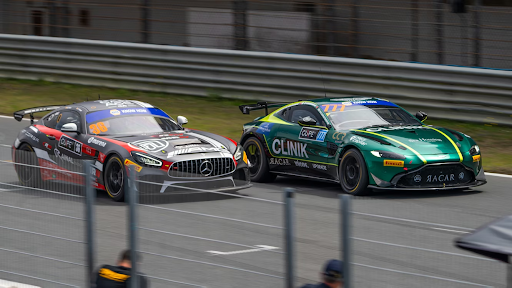
People still ask whether F1 is a sport as if it’s some kind of philosophical riddle: “They’re just sitting down, right?” But anyone who has watched a driver guide a car through a high-speed corner on worn tires, surrounded by traffic, with a championship hanging in the balance, knows that question misses the point. The real issue isn’t how athletic it looks—it’s whether it meets the definition of sport. By any serious standard, the answer to is Formula 1 a sport is an emphatic yes. Much like following an escore live feed reveals the intensity and momentum swings in traditional sports, Formula 1 delivers constant, measurable competition shaped by skill, rules, and pressure. Even the semantic debate—is Formula one a sport—falls apart once you consider what sport truly involves: structured competition, physical and mental performance, objective results, and athletes pushed to their limits, lap after lap. That’s exactly why fans keep asking, and answering, the same question: why is F1 a sport.

What Counts as a Sport? A Simple Test You Can Apply

Let’s keep this clean and commentator-simple: if you want to decide whether something is a sport, you don’t start with vibes (“it feels like one”), you start with a checklist. Many widely used definitions emphasize organized competition, rule-governed play, skill, and a meaningful physical component—not necessarily “running,” but physical performance that affects results. One of the most cited policy definitions in Europe, from the Council of Europe’s European Sports Charter, frames sport as a form of physical activity tied to fitness, well-being, and competition outcomes. 

The sport checklist 

Here’s the practical test:

  • Competition: Are participants directly competing for outcomes that can be measured (time, points, position)?
  • Rules: Is the activity governed by standardized rules, enforced by officials, with penalties for violations?
  • Skill: Does performance depend on learned, trainable, repeatable skill under pressure?
  • Physical performance: Does the body’s conditioning, resilience, and coordination materially influence performance?
  • Institutional structure: Is there an official governing body, licensing, and a formal competition framework?

If an activity hits those marks, it’s not “sport-adjacent.” It’s sport—whether it happens on grass, ice, water, snow, or 1,000 horsepower worth of carbon fiber.

How Formula 1 Fits the Definition of Sport

Now bring that checklist trackside. Formula 1 is a global, rule-governed championship where outcomes are decided by measurable performance: qualifying lap time, race position, points, and season-long standings. There’s no panel “scoring artistry,” no subjective vote for style—F1 is brutally objective. And it’s engineered to be fair in the only way elite sport can be fair: by having rules everyone must follow, and consequences when they don’t.

It’s a rule-governed world championship with formal governance

F1 isn’t a fast free-for-all—it’s regulated top to bottom. The FIA publishes and maintains the sporting and technical regulations that define what cars can be, how races are run, what penalties apply, and how compliance is enforced. This is where you get the core sport mechanics: standardized rules, stewarding, and sporting discipline—plus licensing and official oversight.

And that governance isn’t some informal handshake agreement. The FIA’s regulations exist precisely to safeguard consistent competition: what counts as legal overtaking, how track limits are judged, what happens after incidents, and how teams and drivers operate inside a strict framework.

Sporting outcomes are measurable and competitive

If it’s measurable, it’s sport-friendly. Formula 1 is measured in:

  • Time: qualifying performance and lap pace
  • Position: where you finish relative to others
  • Points: the language of championships
  • Compliance: pass scrutineering, stay within regulations, avoid penalties

The Drivers’ Championship and Constructors’ Championship are built on consistent scoring and repeatable competitive conditions. You can debate tactics, you can debate team decisions, you can even debate whether a certain rule is good—but the results are still objective. And that is a hallmark of sport.

The Athletic Reality: What F1 Drivers’ Bodies Actually Endure

Here’s where the “they just sit” argument goes to die—because in Formula 1, “sitting” is more like bracing. Drivers manage heat, sustained focus, repeated high-load corners, and constant micro-adjustments, all while making split-second decisions with zero margin for error. Reliable overviews of F1 physiology consistently highlight the combination of G-forces, heat stress, muscular effort, and mental load involved in driving at the limit. 

Heat, G-forces, endurance, reaction time, and stress load

Start with the environment: modern F1 cockpits can run uncomfortably hot, and the workload is continuous—there’s no “take a knee” moment, no timeout where the world slows down. Then add sustained cornering and heavy braking forces that load the neck and core, plus vibration and steering effort that rewards conditioning and punishes weakness. Teams even build hydration systems into the car because heat and dehydration are part of the competitive reality, not an afterthought. 

And yes, there’s a mental tax too: the brain is running a live strategy simulation while the body is being taxed. That blend—physical strain plus high-speed decision-making—is exactly what elite sport looks like, even if it happens at 300 km/h.

Physical demands people underestimate:

  • Sustained high-effort driving in a hot cockpit (heat stress over race distance) 
  • Neck and core loading under repeated cornering and braking forces 
  • Dehydration risk and fluid-management challenges during long races 
  • Constant micro-corrections and steering effort that accumulate fatigue lap after lap 
  • Visual processing and reaction demands at extreme closing speeds
  • Recovery and training cycles across a long season to maintain performance

So when someone says, “Yeah, but the car does the work,” remind them: the car is the arena. The driver is the athlete competing inside it—under rules, under pressure, and under a physical load that absolutely affects performance.

Skill in F1 Is Human Skill

Let’s address the loudest heckle in the grandstand: “The car does everything.” Sure—and the basketball does all the bouncing. The truth is, Formula 1 is a high-speed problem-solving contest where the driver is constantly choosing where to place the car, when to attack, and how to protect tires and brakes while reading a race like a chessboard that’s on fire.

The driver’s skill stack: precision, adaptability, and decision-making

Start with braking points. In F1, braking is not a single action; it’s a controlled transfer of grip. Miss it by a meter and you’re either wide, slow, or vulnerable. Then there’s racing line selection, which changes every lap based on fuel load, tire condition, traffic, and track temperature. Add tire management, where “fast” isn’t just pace—it’s knowing how to keep the rubber alive long enough to make your strategy work. And don’t forget the feedback loop: drivers are effectively live sensors, translating tiny changes in balance into actionable information engineers can use.

This is why elite drivers look “smooth.” Smooth isn’t style—it’s survival.

The core skills that separate great drivers

  1. Racecraft: overtakes, defense, and positioning without crossing the line into penalties
  2. Tire and brake management: pace with restraint, lap after lap
  3. Consistency under pressure: repeating near-perfect laps when it matters most
  4. Wet-weather adaptability: grip changes every corner, every minute
  5. Starts and restarts: reaction, clutch control, and instant decision-making
  6. Technical feedback to engineers: describing the car’s behavior in usable detail
  7. Risk calibration: knowing when to push, when to bank points, when to live for the next lap

The Team Sport Argument

If you think team involvement disqualifies an activity from being a sport, then somebody better break the news to football, cycling, and sailing. Team structure doesn’t remove sport—it usually makes it harder, because your performance has to sync with others.

Many sports rely on equipment—F1 just makes it obvious

Golf has clubs. Cycling has bikes. Skiing has skis. Sailing has, well… wind and a boat that better be behaving. Equipment matters across sport. The difference with F1 is that the equipment is spectacular—and the gap between “good” and “great” is measured in thousandths of a second. But the sporting question isn’t “Does equipment matter?” It’s “Can athletes still create separation through skill and conditioning?” In Formula 1, the answer is yes, and it shows up in lap time, tire life, and mistake-avoidance.

F1 is both individual and team sport at once

Here’s the beauty: F1 has two scoreboards running simultaneously. The Drivers’ Championship rewards individual performance; the Constructors’ Championship rewards the combined results of a team’s cars and operations. That’s not a loophole—that’s a feature. Points and standings create an objective ladder that tracks performance over time, not vibes. 

And the team contribution is real sport, too. Pit crews train like specialists to execute under pressure. Strategy groups make calls based on tire life, traffic, weather shifts, and safety-car timing. The driver still has to deliver the lap, hit the marks, protect position, and adapt instantly—but that performance is shaped by a coordinated system, the same way a quarterback depends on protection, routes, and coaching decisions.

Sport Criteria vs Formula 1

Sport criterionWhat it meansHow F1 matches itQuick example
Organized competitionOpponents + resultsFull grid competing for pointsPoints + standings 
Rule-governedStandard rules & penaltiesFIA Sporting Regulations and stewardingTrack limits penalties 
Physical skillAthletic/coordination affects outcomesHigh load + endurance + precisionHeat + neck/core load
Institutional governanceOfficial bodies + oversightFIA licensing, officials, sanctionsLicensing + sanctions 
Training & performancePreparation improves resultsFitness, simulator work, practiceRace-weekend prep

(And if you want the cleanest definition that includes motorsport, the Council of Europe frames sport as physical activity tied to fitness/well-being and competition outcomes.)

So Why Do People Still Debate “Is F1 a Sport?”

Because the visuals trick the brain. In many sports, effort is obvious—sprinting, jumping, contact. In F1, effort is hidden behind a helmet and carbon fiber, and people mistake “not visible” for “not real.”

Common objections

“It’s the car.”
Yes, and in cycling it’s the bike. In skiing it’s the skis. Equipment is part of plenty of sports—what matters is whether humans still compete through controllable performance. In F1 they do: line choice, braking, tire care, starts, decision-making under stress.

“No running = not sport.”
That’s not a definition; it’s a stereotype. Mainstream policy definitions focus on physical activity and competition—not a specific movement pattern.

“Too technical = not athletic.”
Technical and athletic aren’t enemies. If anything, the more technical the environment, the more demanding it becomes to perform consistently with your body and mind operating at their limit.

“Team factors decide everything.”
Team influence doesn’t erase individual performance; it sets the stage. The driver still has to deliver the lap, manage tires, and avoid mistakes—under rules and scrutiny enforced by an official governing structure. 

Conclusion: Is Formula 1 a Sport? A Clear Answer

So, is Formula 1 a sport? If sport means structured competition, governed by rules, demanding skill and physical performance, producing measurable results—then Formula 1 doesn’t just qualify. It belongs in the front row.

If you remember one thing, remember this: the car is the arena, not the athlete—and the stopwatch doesn’t care about opinions.

FAQ

Is F1 a sport or just entertainment?

It’s both. The broadcast is entertainment, but the competition is sport: regulated rules, licensed participants, objective scoring, and a championship structure that rewards performance over time. 

Is Formula 1 a sport if the car matters so much?

Yes—because the defining question is whether humans still create separation through skill and conditioning. They do, through precision, tire management, decision-making, and error control across a season.

Is Formula one a sport compared to football or basketball?

It’s different, not lesser. Football emphasizes direct physical contact and visible exertion; F1 emphasizes endurance under heat, sustained concentration, and precision at extreme speed—still within an organized competitive structure.

What makes F1 drivers “athletes”?

They train to handle heat stress, sustained physical load, and mental pressure while maintaining fine motor control and rapid decision-making—often for nearly two hours of race intensity.

Does the team element reduce the “sport” factor?

No. Team influence exists across sport. F1 simply makes the ecosystem more visible: pit stops, strategy calls, and engineering choices. The driver’s competitive execution still decides outcomes within the rule set. 

What’s the simplest definition of sport that includes motorsport?

A practical one is: organized, rule-governed competition where physical performance and skill affect measurable results. That aligns with widely used sport-policy definitions that emphasize physical activity and competition outcomes.