Home Blog Page 176

Get a NASCAR Motorsports Standard Car in 7 Steps

Photo by depositphotos at https://depositphotos.com/

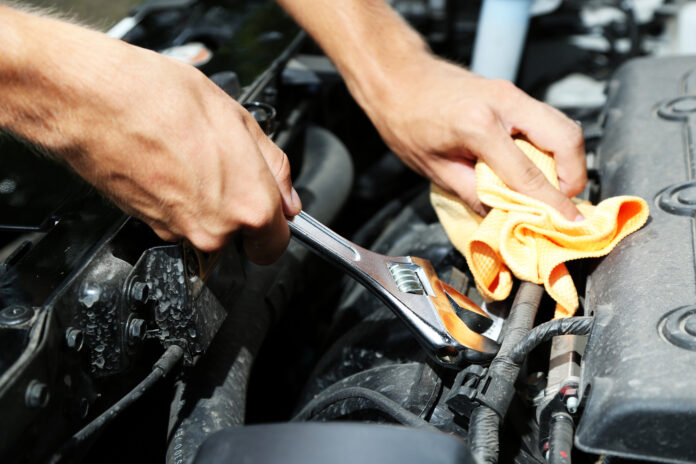
Turning a regular road car into something that reflects NASCAR motorsports standards isn’t just about raw power or loud aesthetics. NASCAR-inspired builds are defined by precision, durability, safety, and immaculate presentation. Whether you’re preparing a show car, a track-focused build, or simply want that unmistakable motorsports look and feel, achieving a NASCAR-standard finish requires a structured approach.

Here’s how to get there, step by step.

Step 1: Start With a Solid Base Vehicle

Every great motorsports build begins with the right foundation. Choose a vehicle with a strong chassis, good weight distribution, and proven reliability. NASCAR-style builds prioritize balance and structural integrity over unnecessary extras, so starting with a clean, mechanically sound car will save time and money later.

Before modifications begin, address any underlying mechanical or structural issues. A true motorsports-standard car is flawless beneath the surface, not just on display.

Step 2: Upgrade the Suspension and Handling

Handling is at the heart of NASCAR performance. Suspension upgrades such as performance coilovers, reinforced bushings, and adjustable components help create a planted, responsive feel. The goal is stability at speed, predictable cornering, and confidence under heavy braking.

Proper alignment is just as important as the parts themselves. A motorsports-style alignment setup improves grip and tire wear, ensuring your car performs consistently whether on track or on display.

Step 3: Focus on Safety and Structural Reinforcement

NASCAR standards place safety front and center. While you may not need a full professional race setup, adding motorsports-inspired safety features elevates both authenticity and function. Roll cages or half cages, racing harnesses, reinforced seats, and fire-resistant materials all contribute to a more authentic build.

Even for non-competitive use, these upgrades signal that the car is built with serious motorsports intent rather than purely cosmetic goals.

Step 4: Dial in the Engine and Cooling Systems

Power matters, but reliability matters more. NASCAR-style builds prioritize engines that can perform consistently under stress. Upgrading air intake systems, exhaust flow, engine cooling, and oil management improves performance while protecting critical components.

Rather than chasing peak numbers, focus on smooth power delivery, efficient cooling, and durability. A car that looks the part but overheats or breaks down misses the mark entirely.

Step 5: Achieve a Professional Motorsports Exterior Finish

The visual impact of a NASCAR-standard car is unmistakable. Clean lines, bold finishes, and flawless paintwork are essential. Even minor imperfections stand out under bright lights or close inspection, which is why exterior preparation is a critical step.

This is where professional paint protection film (PPF) becomes essential. Check out high-quality PPF in Calgary to help preserve a pristine finish while protecting against stone chips, UV damage, and track debris. Paint protection films and coatings ensure your car maintains that motorsports-grade appearance both on and off the track.

A protected finish also makes cleaning easier and keeps the car looking event-ready at all times.

Step 6: Fine-Tune Wheels, Tires, and Brakes

NASCAR-inspired builds demand serious attention to wheels, tires, and braking systems. Lightweight wheels paired with performance tyres improve grip and handling, while upgraded brakes provide the stopping power needed to match the car’s performance.

Visually, this combination also reinforces the motorsports aesthetic, giving the car a purposeful stance and aggressive presence.

Step 7: Maintain, Inspect, and Protect Regularly

A NASCAR motorsports standard isn’t achieved once. It’s maintained. Regular inspections, detailing, and protective maintenance ensure the car stays in peak condition. Paint protection, mechanical checks, and interior care all play a role in preserving both performance and appearance, but consistency is what separates a one-time build from a true motorsports-standard vehicle.

Building a NASCAR motorsports standard car is about more than speed or styling. It’s a disciplined process that combines performance engineering, safety, and flawless presentation. By following these steps and investing in expert services where it matters most, you can create a vehicle that truly reflects NASCAR standards, both on the road and in the spotlight.

Modern Innovations Making Cars More Reliable

Photo by depositphotos at https://depositphotos.com/

Reliability used to be seen as something achieved through routine maintenance and careful driving. Today, it is built directly into the engineering. Modern vehicles are packed with advanced technologies designed to anticipate problems, reduce wear, and give drivers more control than ever. From predictive diagnostics to stronger materials, the innovations behind today’s cars make each journey smoother, safer, and more dependable.

Below is a deeper look at the breakthroughs transforming reliability for everyday motorists.

1. Smart Diagnostics That Spot Problems Early

    On-board diagnostics have evolved far beyond basic dashboard warning lights. Modern systems constantly analyse engine performance, exhaust efficiency, electrical behaviour, and even the timing of internal components. They detect subtle shifts that signal the early stages of wear or imminent issues.

    For drivers, this means far fewer surprises. A small warning prompt allows a problem to be fixed before it becomes disruptive, reducing breakdown risk and saving money in the long run. Businesses and families alike benefit from this foresight.

    2. Long-Lasting Battery Technology

    Car batteries have historically been one of the most common causes of vehicle failure, especially in cold weather. Modern battery technology, however, has made major strides. Newer designs support quicker charging, higher durability, and stronger starting power even in challenging climates.

    This innovation is especially helpful for vehicles with start-stop systems and those supporting an increasing number of onboard electronics. When a replacement is needed, many drivers choose to buy car battery options built with modern reliability standards, ensuring their vehicle continues to perform consistently.

    3. Tyre Pressure Monitoring Systems (TPMS)

    TPMS has become a game-changer for everyday safety and reliability. Instead of relying on manual checks, drivers now receive instant alerts when tyre pressure drops below optimal levels.

    Underinflated tyres can cause sluggish handling, reduced fuel efficiency, and rapid wear. Overinflated tyres can reduce grip and lead to uneven tread wear. TPMS helps avoid all these issues by giving drivers the information they need in real time. The result is safer braking, steadier cornering, and tyres that last much longer.

    4. Predictive Maintenance Through Connectivity

    Modern connected cars communicate with apps, dealership systems, and cloud-based platforms. This connectivity allows the vehicle to gather data on how components behave over time.

    Patterns in this data help predict when brakes, filters, belts, or other parts may be approaching the end of their life. Instead of reacting to a sudden breakdown, drivers receive a prompt letting them know when to book a service. This innovation turns car care from guesswork into foresight, supporting reliability across thousands of miles.

    5. Stronger, More Durable Engine Components

    Material science has transformed engine longevity. Components now feature heat-resistant alloys, carbon coatings, reinforced seals, and designs that reduce friction under high pressure.

    Engines run cleaner, remain cooler, and maintain performance for longer. This durability also means fewer replacement parts and reduced chances of sudden mechanical failures.
    These engineering breakthroughs benefit all drivers, especially those who cover long distances or rely on their vehicles for daily commuting.

    6. Enhanced Safety Features That Protect the Vehicle

    Modern safety features do more than protect the people inside the car. They also minimise the rough, stressful moments that often cause long-term damage to components.

    Adaptive cruise control reduces unnecessary acceleration and braking. Lane-keeping assist prevents drifting into hazards. Automatic emergency braking helps avoid collisions, which can shorten the lifespan of suspension, steering, and alignment. By avoiding these stress points, vehicles stay structurally sound and reliable for far longer.

    7. Improved Lubricants and Fluids

    Synthetic oils and modern fluids have been engineered to maintain stability at higher temperatures and under heavier loads. These new formulas prevent sludge build-up, reduce wear, and keep engines operating at ideal conditions.

    Longer service intervals, improved thermal efficiency, and fewer component replacements are direct results of this advancement. Drivers enjoy reduced maintenance costs and a more dependable engine.

    8. Upgraded Suspension and Chassis Engineering

    Suspension systems have evolved into precision-built systems that adapt to changing road conditions. Advanced shock absorbers, multi-link setups, and electronically controlled dampers all work to smooth the ride while preserving vehicle structure.

    Reduced vibration and impact protect everything from tyres to the interior cabin. Even vehicles driven daily on uneven or rural roads now enjoy longer lifespans thanks to these enhanced systems.

    9. Tougher Electrical Systems

    Cars today rely heavily on electrical networks, powering navigation, safety tools, sensors, entertainment systems, and more. To support this demand, manufacturers have developed more resilient wiring, improved moisture protection, and smarter power distribution networks.

    This reduces electrical faults and creates a more stable platform for all modern onboard systems. Reliable electrics help ensure everything from headlights to heated windscreens works exactly as intended.

    10. Aerodynamic Designs That Support Longevity

      Modern aerodynamics influences much more than speed. By reducing drag, cars place less strain on engines, transmissions, and fuel systems.

      Better airflow also helps cool essential components, preventing overheating during long journeys or in warm climates. This efficiency supports long-term reliability and reduces the workload on the car’s mechanical systems.

      The Road Ahead: Reliability Will Only Grow

      As vehicles continue to evolve, reliability will become even more integral to design. Innovations in electric powertrains, autonomous systems, and sustainable materials will push performance and consistency further.

      Modern cars are no longer just machines to maintain. They are intelligent systems designed to protect themselves, support their drivers, and stay dependable for years.

      Are there Crypto Betting bonuses for racing?

      Many people see horse racing and betting as synonymous, but not Speedway and betting. And while it’s true that in some states it may not be as common, or even allowed, in many it is. Across the pond in the UK, people place kiosk bets in between races with a similar enthusiasm as the horses. 

      It then begs the question that, during the rise of crypto betting, are there options for racing? The truth is that while you may not see “Free Bet for the Daytona 500” plastered on the homepage like you do at traditional sportsbooks, there are some options.

      Are there crypto betting bonuses for speedway?

      With traditional sportsbooks, you can often find a small free bet for a specific race. In crypto betting, the bonuses tend to be a little broader – but this can make them bigger, too. Sites like Cloudbet and Betpanda don’t typically limit their welcome offers to just slots or football. Instead, you have the choice of where to use them to hit wagering requirements, and racing is among the options.

      Cloudbet is what many think of in this space because they have offered crypto betting on racing since 2021. Betpanda is another option that has a safety net that every racing fan can appreciate: it has a 10% weekly cashback.

      Perhaps the most exciting entrant right now for racing bettors is Razed. Razed casino offers promo codes without deposit – they’re a generalist in that they offer both a crypto casino and a sportsbook, but their infrastructure is tuned well for the speed of modern racing.

      Razed stands out with its VIP Transfer Program. If you have built up high-status loyalty at another bookmaker, Razed will often match your status. The thing with Speedway bettors and those that love the horses, they’re habitual bettors, and this instant loyalty transfer is a huge deal. It means accessing higher betting limits, dedicated hosts, and better rakeback deals.

      So, while there is a lack of direct racing bonuses, there are broader bonuses that can be leveraged with racing.

      Roll out shiny crypto bonuses

      Many move to crypto betting for its speed and anonymity. It’s a fairly frictionless experience if you’re used to dealing with crypto wallets and sending to new addresses. Especially Bitcoin, which is commonly accepted. Otherwise, it could be a bit slower the first time around.

      Then there’s the rollout of shiny bonuses, which have a lower barrier to entry than ever before. “Shiny” here refers to the high-percentage match bonuses (often 100% to 200%). While you want to be careful of crypto sites that offer huge amounts to grab attention, sites like Razed use fairly modest bonuses with clear T&Cs rather than outlandish promises.

      The lack of heavy KYC at the deposit stage for many crypto-first sites aligns perfectly with the “shiny” and fast nature of this new economy.

      If the NASCAR season is a bit slow, your crypto bankroll doesn’t have to sit idle, of course. Shiny bonuses are versatile, and you could use these funds on other markets like horse racing, which is almost 24/7. 

      Payment Systems at Montreal Casino Canada – Your Complete Banking Solution

      Photo by depositphotos at https://depositphotos.com/

      Overview of Montreal Casino Payment Infrastructure

      At Montreal Casino, we provide Canadian players with a comprehensive payment ecosystem designed specifically for the Canadian market. Our banking infrastructure supports multiple currencies, including CAD, ensuring seamless transactions for players across the country.

      We operate with advanced payment processing technology that connects directly to major Canadian financial institutions. Our system processes over 10,000 transactions daily, maintaining 99.8% uptime reliability. The platform integrates with Interac, major credit card networks, and digital wallet providers.

      Our payment gateway utilizes 256‑bit SSL encryption and meets PCI DSS Level 1 security standards. We maintain partnerships with leading payment processors, including Moneris, Global Payments, and PayPal Canada. Transaction monitoring occurs in real time through AI‑powered fraud detection algorithms.

      The system supports instant deposits for most payment methods, while withdrawal processing times range from 2 to 24 hours depending on the method selected. We maintain separate merchant accounts for different transaction types to ensure optimal processing speeds and high transaction success rates.

      Payment MethodDeposit TimeWithdrawal TimeMinimumMaximum
      Interac OnlineInstant2–4 hours$10 CAD$5,000 CAD
      Credit CardsInstant3–5 business days$20 CAD$2,500 CAD
      PayPalInstant24 hours$15 CAD$10,000 CAD

      Deposit Methods Available to Canadian Players

      Interac Online Integration

      We offer direct Interac Online connectivity through our secure payment portal. Players select Interac from the cashier section and choose their financial institution from the dropdown menu.

      The process redirects users to their bank’s secure login portal, where they authenticate using online banking credentials. Upon successful authentication, players authorize the transaction and are returned to our platform with instant deposit confirmation.

      Our Interac integration supports major Canadian banks, including:

      • RBC
      • TD
      • Scotiabank
      • BMO
      • CIBC

      Credit and Debit Card Processing

      We accept Visa, Mastercard, and American Express cards issued by Canadian financial institutions. Our processing system automatically detects the card type and applies appropriate validation protocols.

      Transactions undergo real‑time authorization via our payment gateway. We verify card validity, available credit, and cardholder information before processing. Velocity checks help prevent fraudulent activity.

      For added security, CVV verification and billing address confirmation are required. Card details are stored using tokenization, ensuring no sensitive information remains on our servers.

      Digital Wallet and Alternative Payment Solutions

      PayPal Canada Integration

      Our PayPal integration allows Canadian players to deposit and withdraw funds via verified PayPal accounts. The system connects directly to PayPal’s Canadian merchant services for full regulatory compliance.

      Players initiate PayPal transactions via the cashier, are redirected to PayPal’s secure login portal, and authorize the transaction. PayPal provides buyer protection and dispute resolution services.

      We maintain Premier Business account status with PayPal Canada, enabling higher limits and priority support.

      Cryptocurrency Payment Options

      We support Bitcoin, Ethereum, and Litecoin transactions through our Canadian crypto processing partners. Funds are converted to CAD in real time based on current market rates.

      Required blockchain confirmations:

      • Bitcoin: 3 confirmations
      • Ethereum: 12 confirmations
      • Litecoin: 12 confirmations

      Players receive a unique wallet address for each transaction. We also maintain cold storage wallets for enhanced fund security.

      Withdrawal Processing and Timeframes

      Standard Withdrawal Procedures

      Our withdrawal system uses a tiered verification process based on transaction amount and account status. Withdrawals under $500 CAD are processed automatically after basic identity verification; larger amounts require document review.

      Withdrawal processing occurs Monday through Friday, 9 AM–6 PM EST. Weekend requests are processed on Monday. Our finance team reviews each request within 2 business hours during operating times.

      Verification includes:

      1. Balance confirmation
      2. Identity document check
      3. Payment method ownership verification
      4. AML compliance checks
      5. Final approval and processing

      Express Withdrawal Services

      Express processing is available for VIP and fully verified accounts, reducing processing times to under 2 hours during business hours.

      Eligibility requires:

      • Verified identity
      • Proof of address
      • Verified payment method
      • Consistent deposit/withdrawal patterns
      Account LevelProcessing TimeDaily LimitWeekly LimitMonthly Limit
      Standard4–24 hours$1,000 CAD$5,000 CAD$20,000 CAD
      VIP2–4 hours$5,000 CAD$25,000 CAD$100,000 CAD
      Premium1–2 hours$10,000 CAD$50,000 CAD$200,000 CAD

      Security Measures and Fraud Prevention

      We employ multi‑layered security to protect all financial transactions. Machine learning algorithms monitor transactions for unusual patterns and potential fraud.

      Each transaction receives a risk score based on amount, frequency, location, and device fingerprinting. High‑risk transactions undergo manual review.

      We maintain PCI DSS Level 1 compliance with quarterly audits and continuous monitoring. Network segments are isolated and access‑controlled. All actions are logged.

      Two‑factor authentication (2FA) is mandatory for withdrawals over $100 CAD and must be completed within 10 minutes.

      Account Verification Requirements

      Identity Verification Process

      New players must complete identity verification within 72 hours of their first deposit. Accepted documents include:

      • Canadian driver’s license
      • Provincial ID
      • Passport
      • Permanent resident card

      Documents must be high resolution, show all edges, and be fully legible. Most verifications are completed automatically within 15 minutes; complicated cases may take up to 24 hours.

      We verify:

      • Name matching the account
      • Date of birth
      • Current address
      • Document authenticity
      • Player selfie match

      Address and Payment Method Verification

      Address verification requires documents dated within 90 days, such as:

      • Utility bills
      • Bank statements
      • Government correspondence

      Payment method verification may involve micro‑transactions or card photographs with middle digits covered. A signed authorization form may also be required.

      The verification team operates 8 AM–10 PM EST, seven days a week. Most requests are completed within 4 hours; more complex reviews may take up to 48 hours.

      Transaction Fees and Limits Structure

      Most deposit methods are free. Interac Online, credit cards, and PayPal deposits incur no player fees. Cryptocurrency deposits are subject only to blockchain network fees.

      One withdrawal per week is free; additional withdrawals incur fees. Currency conversion is charged at a competitive 2.5% margin.

      Transaction TypeStandard FeeVIP FeePremium Fee
      Additional Withdrawals$15 CAD$10 CAD$5 CAD
      Express Processing$25 CAD$15 CADFree
      Currency Conversion2.5%2.0%1.5%

      Customer Support for Payment Issues

      Average response times:

      • Live chat: under 5 minutes
      • Email: under 2 hours

      Players can view real‑time transaction logs in their accounts. Automatic email notifications are sent for all status updates.

      Complex issues are escalated to senior specialists who coordinate directly with payment processors and banks. Most escalated cases are resolved within 24–48 hours.

      How Risk Assessment Guides the Prevention of Repeat Vehicle Accidents

      Photo by JESHOOTS.com at pexels.com

      Risk assessment is the quiet backbone of safer roads. It turns crash data, driver behavior, and roadway conditions into steps that stop the next collision. Done well, it shifts organizations from reacting after harm to preventing it in the first place.

      Why Repeat Crashes Happen

      Many repeat crashes grow from patterns that were visible but ignored. Distraction, speed, fatigue, and poor vehicle upkeep show up again and again. Risk assessment spots those patterns early so teams can fix root causes before they repeat.

      Crashes are rarely about one bad choice. They arise from the mix of driver behavior, vehicle condition, roadway design, and traffic context. A strong assessment looks across all four and treats them as interacting risks rather than separate checkboxes.

      Timing matters. Risk often spikes at shift changes, on high-pressure routes, or after schedule disruptions. Mapping these moments helps leaders put guardrails where they count.

      Risk Assessment In Action

      Good assessments start with clear outcomes and a short list of lead indicators. Teams define what must improve, then track the behaviors and places that predict harm. The cycle is simple: measure, act, review, and repeat.

      Coaching is most effective when it is fast and specific – after a flagged trip, a supervisor can focus on one behavior rather than a lecture on everything. Bringing in a truck accident lawyer after a serious crash can also structure evidence and timelines, and that record often reveals process fixes for the next day’s runs. Documentation keeps lessons from fading. 

      Brief write-ups on what signaled risk, where the last chance to intervene was, and what changed afterward build institutional memory. That library becomes a practical playbook.

      Measuring What Matters

      Three factors keep surfacing in repeat crashes: speed, distraction, and fatigue. Speed raises crash energy, so even small reductions can lower injury risk. Distraction undercuts reaction time, and fatigue quietly magnifies both problems.

      Progress should show up in both leading and lagging metrics. Leading metrics include speeding duration over threshold, phone motion events, and hours-of-service compliance. Lagging metrics include crash frequency and severity.

      National estimates in 2024 pointed to nine straight quarters of declining traffic fatalities, including a notable dip in speeding-related crashes. That trend, highlighted by federal safety officials, supports risk strategies that squarely target speed management.

      Safe System Lens And Culture

      A Safe System approach assumes people will make mistakes and designs the system so those mistakes are not fatal. Responsibility is shared across roads, vehicles, speeds, users, and post-crash care. Culture shifts when leaders reward safe choices and make unsafe ones inconvenient.

      Public health guidance frames this mindset through Vision Zero. Materials describe practical tools for aligning policy, design, and day-to-day decisions with the principle that no death or serious injury is acceptable. The point is not blame – it is building layers that catch errors before they cause harm.

      This lens helps prioritize fixes. Lower operating speeds on risky corridors, protected turns where conflicts stack up, and vehicle tech that limits speeding are all examples. When these layers overlap, repeat events fade.

      Operations, Audits, And Oversight

      Policy is only real if it changes behavior on the road. Successful fleets pair written rules with ride-along coaching, refreshed training, and real consequences for repeat violations. They reward positive trends, which sustain gains.

      Independent checks keep blind spots from becoming habits. Regular roadside inspections and compliance reviews pressure-test maintenance, hours-of-service, and unsafe driving practices. External accountability makes internal programs stick.

      Industry data shows millions of commercial vehicle roadside inspections and thousands of carrier investigations in recent reporting. Those volumes underline how enforcement and audits surface patterns that lead to repeat events and push corrective action into daily operations.

      High-Risk Flags To Track

      Brief weekly reviews keep attention on the signals that predict repeat crashes. Focus on the handful that move outcomes most.

      • Recurrent speeding on the same segments or time windows
      • Frequent hard braking and rapid acceleration on specific routes
      • Phone motion or screen touches during lane changes and merges
      • Repeat maintenance defects tied to one yard, shift, or vendor
      • Near-miss clusters at particular ramps or intersections
      • Hours-of-service violations near delivery peaks
      • Trailer or cargo securement issues recurring with certain loads

      From Findings To Fixes

      Turning findings into durable fixes is the payoff. Start with one corridor, one behavior, and one time window, then scale what works.

      • Set corridor-specific speed caps with in-cab alerts and supervisor review
      • Shorten feedback loops so coaching follows within 24 hours of a flagged trip
      • Align schedules to reduce time pressure at known bottlenecks
      • Tie incentives to clean weeks on the riskiest behaviors
      • Coordinate with road owners on signage, sightlines, and turn protection
      • Run targeted maintenance blitzes on recurring defect categories
      truck

      A prevention mindset treats every trip as a chance to learn. Define the outcomes that matter, review the behaviors that predict harm, and make feedback fast and practical. When organizations repeat that cycle, repeat crashes become the rare exception rather than the rule.

      Alex Labbé Joins SS-GreenLight Racing as the Road Course Ringer of the No. 0 Chevrolet for 2026

      Mooresville, N.C. (12/30/25) – SS-GreenLight Racing is happy to announce that veteran driver Alex Labbe will return to the organization for all of the Road Course events for the 2026 NASCAR O’Reilly Auto Parts Series season. Labbé will drive the No. 0 Chevrolet, which was previously the No. 14. Labbé has proved himself as one of the premier road racers in NASCAR and last year totaled three top-15s on the road courses, including a standout performance at COTA, where Labbé completed more green flag passes than any other competitor and secured stage points in both stages. He then rallied late to finish 14th.

      Alex Labbe stated “I’m really excited to be staying with SS-Greenlight. We have had some great runs over the year and I’m looking forward to building on that with some good runs this year.”

      Founded in 2001 by former NASCAR driver Bobby Dotter, SS-GreenLight Racing has spent more than two decades competing in NASCAR’s national series and establishing itself as a resilient, hardworking organization. The team has proven it can break through on the big stage, highlighted by its victory with Cole Custer at Auto Club Speedway in 2022.

      Bobby Dotter said of the signing, “We are so excited to have Alex back in the car next year. He has brought so much to our program and we can’t wait to build on the successes we have had in the past.”

      The 2026 season also ushers in a new era for NASCAR’s second-tier series, as long-time entitlement partner Xfinity has moved on and the series now carries a new name: the NASCAR O’Reilly Auto Parts Series.

      Partners for Labbé’s 2026 campaign will be announced in the coming weeks.

      Visit our website: https://www.ssgreenlightracing.com

      ARCA Menards Series Names 2026 Road to Daytona Participants

      TEMPERANCE, Mich. (DATE) – Several grass roots champions and rookies of the year will make their first laps at Daytona International Speedway during the ARCA Menards Series “Road to Daytona” program at the series’ annual pre-race practice on January 9 and 10.  

      Drivers from the ARCA Menards Series East and West, NASCAR Whelen Modified Tour, NASCAR Weekly Series, ASA CRA Super Series, ASA Midwest Tour, and ASA Southern Super Series will make laps in cars prepared by 1995 ARCA Menards Series national champion Andy Hillenburg’s Fast Track High Performance Racing Team with support from Ilmor, Hoosier Tire, Sunoco, Eibach Springs, and JRI Shocks. 

      Participating drivers for 2026 include: 

      • Isaac Kitzmiller – 16 years old from Maysville, West Virginia, Kitzmiller is the 2025 ARCA Menards Series East champion. The son of ARCA Menards Series driver Jason Kitzmiller, Isaac drove to the East Series championship with three top-five and eight top-ten finishes in eight starts including a best finish of fourth at Nashville Fairgrounds Speedway and Dover Motor Speedway. 
      • Robbie Kennealy – 19 years old from Madera, California, Kennealy is the 2025 ARCA Menards Series West Bounty Rookie of the Year. Kennealy scored an emotional first career victory at All American Speedway from the pole, winning a year after his father Gary passed away. He finished third in the West standings with ten top-ten finishes in 12 starts. 
      • Craig Lutz – 31-year-old from Miller Place, New York, Lutz was the third-place finisher in the 2025 NASCAR Whelen Modified Tour standings. He has six career NWMT wins, including two in 2025 at North Wilkesboro Speedway and Richmond International Raceway. A perennial contender at the annual World Series of Asphalt at New Smyrna Speedway, Lutz had nine top-five and 12 top-ten finishes in 16 NWMT starts in 2025. 
      • Kody King – 18 years old from Cedar Lake, Iowa, King is the 2025 ASA Midwest Tour Rookie of the Year; finished fifth in 2025 ASAMWT standings with one top-five finish in ten starts. King is the 2022 late model champion at Hawkeye Downs Speedway and finished fifth in the 2022 CARS Tour Pro Late Model standings. 
      • Brad May – 48 years old from Orlando, Florida, May is a multiple-time Super Late Model champion at New Smyrna Speedway and NASCAR Weekly Series Florida State champion. May scored seven feature wins in nine starts en route to the 2025 track championship. 
      • Albert Francis – 24 years old from Painesville, Ohio, the son of renowned engine builder Dale Francis, finished sixth in the ASA CRA Super Series standings. Francis scored an impressive win in the ASA JEGS All-Star Tour at Winchester Speedway the day before the Winchester 400.  
      • Hudson Bulger – 18 years old from Perry, Georgia, Bulger will represent the ASA Southern Super Series. He was the 2024 rookie of the year at New Smyrna Speedway before branching out to touring series competition in 2025.  

      Notable Road to Daytona participants over the years include 2024 NASCAR Craftsman Truck Series champion Ty Majeski (2014), former ARCA Menards Series race winner and current mechanic for Hendrick Motorsports’ No. 48 Chevrolet Travis Braden (2013), NASCAR Craftsman Truck Series championship contender Layne Riggs (2022), former Daytona ARCA 200 winner Greg Van Alst (2020), and former NASCAR Whelen Modified Tour champion Justin Bonsignore (2024).  

      The 2026 ARCA Menards Series season kicks off at Daytona with practice on Thursday, February 12, Pole Qualifying on Friday, February 13, and the 63rd Annual Daytona ARCA 200 set for 12 noon ET on Saturday, February 14. The race will be televised live on FOX and broadcast nationwide on select affiliates of the MRN Radio Network. Live timing & scoring for all on track sessions is available at ARCARacing.com. 

      About ARCA

      The Automobile Racing Club of America (ARCA), founded in 1953 by John and Mildred Marcum in Toledo, Ohio, and acquired by NASCAR in April 2018, is the leading grassroots stock car sanctioning body in the United States. Bridging the gap between NASCAR’s top three national touring series and weekly racing all across the country, the organization administers more than 100 events annually, including the ARCA Menards Series, ARCA Menards Series East, ARCA Menards Series West, plus weekly racing at Toledo and Flat Rock Speedways.  For more information about ARCA visit www.arcaracing.com, or follow ARCA on Facebook (@ARCARacing) and Twitter (@ARCA_Racing).  

      How NASCAR travels from city to city all season long

      Imagine a convoy of massive 18-wheelers rolling down the interstate in perfect rhythm. Picture trucks stretching for miles, each one packed to the brim with race cars, engines, tools, spare parts, a whole temporary race shop on wheels. Now imagine that scene repeated every weekend for over eight months. That’s the nuts-and-bolts reality of how NASCAR moves from city to city all season long. You might not see this behind-the-curtains ballet on Race Day broadcasts, but it’s the hidden pulse of the entire sport, a logistics machine built on timing, grit, and serious road mileage.

      What keeps this traveling spectacle moving smoothly? At its core, the operation splits into two big streams: ground transport for cars and gear, and air travel for the people who make the whole thing happen.

      How does NASCAR move all its equipment from track to track?

      When most fans talk about “NASCAR transport,” they’re thinking about the haulers, those giant rigs you see rolling into town like clockwork. These customized semi-trucks aren’t just cargo carriers. They’re mobile garages, tool shops, and lifelines for every inch of race prep.

      Inside each hauler, every bit of equipment a team needs for a weekend is packed tight: primary and backup cars, a full set of tools, practice gear, tires, spare parts, generators, safety gear, radios, fluids, lunch coolers, you name it. Everything gets stowed with precision so nothing rattles loose on the long miles ahead.

      And these rigs don’t just travel, they earn their keep. On average, drivers behind the wheel will log well over 70,000 miles in a season as they shuttle from track to track. That adds up real fast when the schedule takes teams from the Deep South one week to the West Coast the next.

      Here’s the thing: haulers are usually among the first pieces to show up and the last to leave when a race weekend wraps. They arrive early to let crews unload and set up temporary shops on site, then they wait until every last piece of gear is packed back up before heading to the next stop.

      If you really want a sense of scale, just look at what happened during the series’ historic trek to Mexico City teams mobilized well over 130 haulers, collectively covering distances equivalent to nearly a dozen laps around the Earth’s equator to get cars and infrastructure where they needed to be.

      And yes, longer hauls are a thing. One of the most popular events on the schedule is the annual Cup Series stop at Sonoma Raceway in California. From a team’s shop near Charlotte, NC, that’s roughly a 2,700‑mile drive one way a true coast-to-coast trek that makes every mile count. To put it in perspective, shipping from the famous Daytona International Speedway in Daytona Beach to California can take five to seven days, while hauls from Texas Motor Speedway in Fort Worth or Circuit of The Americas (COTA) in Austin usually take four to six days. Every mile is carefully planned so that cars, parts, and gear arrive safely and on schedule.

      Where do NASCAR teams manage logistics and how do they stay on track?

      Most NASCAR teams base their operations around one geographic hub. For years, that hub has been the Charlotte, North Carolina area a cluster of garages, shops, and support staff that serve as the literal starting point for every road trip.

      Between races, teams often return to this home base to restock parts, rebuild engines, repair damaged cars, and reset their haulers. It’s a familiar pattern: race, back to base, reload, then back on the road.

      But it’s not always that simple. When the schedule takes teams out West or to far-flung stops, driving all the way back home between races can be impractical (and exhausting). That’s where a sort of “hub-and-spoke” transport rhythm emerges. For multi-race trips far from home, like a West Coast swing that stops in California, Nevada, and Arizona, teams might use secondary haulers or meet up partway to swap gear and keep things efficient.

      This modern approach helps teams keep pace without wasting precious days trekking back and forth across the country. Sometimes, outside logistics specialists step in on bigger moves, especially when border crossings or unique permits come into play, such as for international events.

      How do drivers and crews travel efficiently across the country?

      Here’s a thing you don’t notice from the grandstands: NASCAR isn’t just moving metal and tools. It’s moving people and a LOT of them.

      Drivers often take private flights or chartered planes. It’s not just a perk; it’s a time saver. One week, a race might finish late Sunday afternoon in Georgia. The next race could be Saturday night in California. Driving doesn’t cut it. Pilots and private flights let drivers preserve energy, focus, and sleep, all of which are critical when every second on track matters.

      Crew members, pit crews, engineers, strategists, and specialists typically fly commercially or on team-arranged charters, depending on the team’s structure and schedule. These folks aren’t on haulers; they need to be at the track early for setup, briefings, and tech work. Flying keeps them on schedule.

      And then there’s life at the track. Many team members, including drivers and crew chiefs, live out of motorhomes while racing. These RVs become temporary homes for the weekend, parked in campgrounds or paddock areas where they can rest, regroup, and recharge. Dedicated drivers haul these motorhomes from stop to stop since they’re too bulky to fly with.

      This mix of road and air travel helps the whole operation stay on time and helps the people behind the scenes endure the marathon that is a NASCAR season.

      Why is this logistics machine crucial for NASCAR to run smoothly?

      When you watch a race, you see cars on track tearing around at blistering speeds. What you don’t see is the carefully timed choreography that got every tire, wrench, and person to that moment. From fleets of semi-haulers crisscrossing highways to planes ferrying pit crews from coast to coast, it’s a massive dance of logistics.

      Final thoughts

      Honestly, it’s easy to underestimate this side of the sport. But without it? There’d be no engines firing, no practice sessions, no green flags. Every weekend becomes possible only because of this unseen highway ballet and sky-bound travel network that keeps NASCAR moving like a well-oiled machine from track to track all season long.

      How Music Shapes the Online Gambling Experience

      When you step into a casino, you always notice the music and the visuals. The same happens during online gambling. Players access the platform, log into their account, and feel instant immersion — and music is shaping that atmosphere in the background.

      It sets the tone for every game. For example, if the player chooses mystery-themed slots out of all gambling software, the tune is mellow, noir, and slow. If they go for quick-paced sports betting, the music and sound effects are exciting and high-energy. This helps the user understand what they can expect during the play. Below, we will unpack how exactly providers like Soft2Bet use soundtracks in their games for user immersion.

      How Sound Design Creates the Atmosphere

      In iGaming, music stands as a fellow supporter of the visual portion of the game. All the player’s senses are activated, and sounds help game developers lead them through the gameplay. Tracks are placed throughout the software strategically: they guide smooth transitions, align with critical moments, and highlight achievements. For instance, providers might:

      • Turn on smooth, looped sounds for enhanced focus.
      • Add energetic music during bonus rounds.
      • Implement louder special effects to commemorate excitement.
      • Use tense beats for the last spins before the results are out.

      As a result, users don’t have to depend on the visuals as much. 

      Tempo and Rhythm — Key to Immersion

      Immersion depends on many factors. The tempo and rhythm of the sounds you play for the users is one of them. As an operator, you can’t expect someone to feel a part of the action if the game is fast, but the track is mellow. This will only make the player’s mood go down. Instead, look for games in the library that encompass fast pacing for action and slower rhythm for calm table games.

      Reward Sounds for Player Satisfaction

      Short, fun melodies, branded jingles, and celebratory music emphasize player success. Whether they won a jackpot or got a multiplier, award them once more – this time, with music.It enhances the experience and lets the user know that they are doing everything right, even without looking at the screen. With time, unique sounds can build your brand identity.

      The Impact of Music on the Overall Player Experience

      Although music is mostly a background feature, it’s a core part of every gambling experience. Tracks, sounds, and jingles turn online casinos into an engaging form of entertainment, where players intuitively know what type of game they are playing just by hearing a melody. It shapes the overall mood, provides user-friendly pacing, and even enhances the excitement from rewards.

      Additionally, if a provider uses unique sounds, it can become a part of their branding. So, players hearing the music will know that it’s your platform they’re entering. Even if you have to make a conscious effort to notice it, music still plays a key role in iGaming.

      Car Mats for Peugeot 308 from Evanta – perfect fit and interior protection

      Photo by depositphotos at https://depositphotos.com/

      Every driver knows how difficult it is to keep the factory floor covering in perfect condition, especially in our climate. You get into the car and bring in sand, slush, or moisture on your shoes. If you are looking for a solution that will solve this problem once and for all, car mats for Peugeot 308 from our offer will be a bullseye.

      At Evanta, we do not recognize half measures. When designing this set, we focused on precision. These are not universal mats that need to be cut or forced into place. The shape is perfectly reproduced to match the floor plate of your model. The effect? Dirt has no chance of getting underneath, and you gain peace of mind.

      Daily use of a car is a challenge for materials. That is why we chose materials that cope well with water, snow, and typical road dirt. Cleaning? It is a matter of a moment. Usually, it is enough to shake them out or rinse them with water at a touchless car wash to make them look like they are new again.

      Many drivers complain about the irritating rubber smell in cheap replacements. With us, you will not experience this. We use odorless materials, so the air in the cabin remains fresh, which is crucial for the comfort of passengers and children. We also remember about safety. There is nothing worse than a mat sliding under the pedals while driving. Our products have dedicated mountings that stabilize the whole set. The driver’s mat always stays where it should be, giving you complete control over the vehicle. Car Mats for Peugeot 308 – comfort and style every day

      Your Peugeot 308 stands out with great design, so the interior accessories cannot fall short of this standard. Functionality is one thing, but aesthetics are equally important to us. By choosing mats for Peugeot 308 from Evanta, you invest in the appearance of the cabin. Black, carefully finished mats add elegance to the interior and make the whole look neat and modern.

      This is a purchase that has been made for many years. The material is resistant to abrasion, which is especially important in places where you rest your heel while operating the gas and brake. Even with intensive driving, our mats retain their properties.

      What do you gain by choosing this product?

      • Certainty and durability: material that does not wear through after one season.
      • Aesthetics: fitting to the interior lines that pleases the eye.
      • Weather resistance: they do not harden in frost and do not soften in heat.
      • Simple handling: quick installation and removal that makes vacuuming easier.

      Do not wait until the original floor gets damaged, because its cleaning can be costly. We offer fast order processing, so your car can be protected almost immediately. Choose proven mats for Peugeot 308 and take care of your car interior today!