Home Blog Page 23

The “No-Zone” Danger: How to Safely Share the Road with Big Vehicles

Every year, thousands of drivers find themselves victims of truck-related accidents that could have been prevented. 

According to a leading car accident lawyer specializing in commercial vehicle cases, a significant portion of these collisions occur in what transportation safety experts call “no-zones”. 

These are the dangerous blind spots surrounding large commercial vehicles. 

Understanding these hazards and learning how to drive around big rigs can mean the difference between arriving safely at your destination and becoming another statistic.

Understanding the No-Zone: Where Danger Lurks

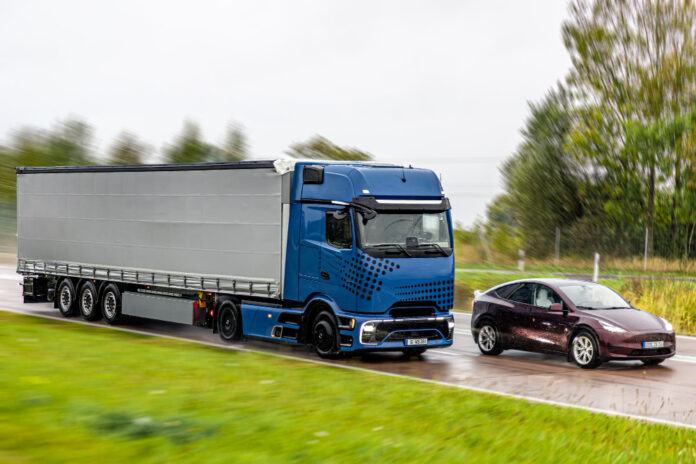
The term “no-zone” refers to the specific areas around trucks and large vehicles where your car disappears from the driver’s view. Unlike passenger vehicles, commercial trucks have massive blind spots that extend far beyond what most drivers imagine.

The Four Critical No-Zones:

Front No-Zone: Extends approximately 20 feet ahead of the truck’s cab. When you cut in front of a large vehicle, the driver cannot see you, and the truck’s considerable weight makes sudden stops nearly impossible.

Rear No-Zone: Stretches up to 30 feet behind the trailer. If you’re tailgating a truck and cannot see its side mirrors, the driver has no awareness of your presence.

Right-Side No-Zone: Covers two lanes of traffic extending from the truck’s front cab to halfway down the trailer’s length. This blind spot accounts for the highest percentage of passenger vehicle-truck collisions.

Left-Side No-Zone: Extends one lane of traffic along the truck’s length. While smaller than the right-side blind spot, it remains equally dangerous during lane changes and turns.

The Numbers Tell a Sobering Story

Data from the National Highway Traffic Safety Administration reveals that 5,788 large trucks were involved in fatal crashes in 2021, a 17% increase from the previous year. The Federal Motor Carrier Safety Administration reports that 71% of people who died in these crashes were occupants of other vehicles, not the truck drivers themselves.

Research shows that blind spot-related accidents occur most frequently during:

  • Lane changes (23% of incidents)
  • Merging situations (18% of incidents)
  • Right turns (15% of incidents)
  • Backing maneuvers (12% of incidents)

These statistics underscore a critical point: the majority of truck-related accidents involve passenger vehicles, and many occur because drivers position themselves in no-zones without realizing the danger.

The Reality of Commercial Trucking Operations

The commercial trucking industry continues to expand, with businesses increasingly relying on trailer rentals to meet fluctuating shipping demands. This flexible approach to logistics means more varied drivers operate commercial vehicles, some with extensive experience, others relatively new to handling large equipment. Companies rent dry van trailers for everything from seasonal inventory surges to one-time large shipments, putting diverse operators on the road who may have different skill levels in managing blind spots and defensive driving.

This operational reality makes it even more critical for passenger vehicle drivers to take personal responsibility for their safety. You cannot assume every truck driver has mastered the complexities of monitoring multiple blind spots while managing a vehicle that can weigh up to 80,000 pounds fully loaded.

How Truck Blind Spots Differ from Passenger Vehicles

Your car’s blind spots extend a few feet to either side and perhaps one car length behind you. A quick head turn usually reveals what your mirrors miss. Commercial trucks operate in an entirely different reality.

The average semi-truck measures 70 feet long, 8.5 feet wide, and 13.5 feet tall. The driver sits approximately 8 feet above the road surface. This elevated position creates visual barriers that standard vehicle mirrors cannot overcome, even with the convex mirrors required on commercial trucks.

Consider this: a truck driver making a right turn must track:

  • The front cab’s clearance
  • The trailer’s pivot point
  • Vehicles in the right-side blind spot
  • Pedestrians in the crosswalk
  • Traffic signals and signs
  • The rear trailer’s swing radius

During this complex maneuver, an entire sedan can completely disappear in the right-side no-zone. The driver simply cannot see you, regardless of how carefully they try to be.

Defensive Driving Strategies Around Large Vehicles

Apply the Mirror Rule: If you cannot see the truck driver’s face in their side mirror, they cannot see you. This simple principle should guide every decision you make around commercial vehicles. Position your vehicle where you can make eye contact with the driver through their mirrors.

Increase Following Distance: Maintain at least four seconds of following distance behind trucks, double the recommended distance for passenger vehicles. This buffer gives you time to react if the truck stops suddenly and ensures the driver can see your vehicle in their mirrors. Calculate this by picking a fixed object and counting the seconds between when the truck passes it and when you reach it.

Pass Quickly and Safely: When overtaking a truck, accelerate to complete the pass quickly and safely. Lingering alongside a commercial vehicle places you in their side no-zone for an extended period. Signal early, pass on the left when possible, and ensure you can see the entire truck in your rearview mirror before moving back into the lane.

Anticipate Wide Turns: Large vehicles need substantial space to complete turns. Watch for turn signals, and give trucks extra room. Never position your vehicle between a turning truck and the curb, the trailer’s rear wheels follow a much tighter path than the front, creating a dangerous squeeze zone.

Avoid the Squeeze Play: At intersections, resist the urge to pull alongside a truck that might turn. Many right-turn accidents occur when passenger vehicles try to squeeze past a truck’s right side as it begins turning. The driver never sees the vehicle, and the trailer sweeps across multiple lanes.

Weather Conditions Multiply the Risk

Adverse weather transforms no-zones from dangerous to deadly. Rain reduces visibility and increases stopping distances. According to Federal Highway Administration data, 70% of weather-related crashes occur on wet pavement, and 46% happen during rainfall.

Truck drivers face compounded challenges during bad weather. Water spray from 18 wheels creates a vision-obscuring mist around the entire vehicle. Wind gusts catch trailer surfaces like sails, making the vehicle harder to control. These conditions make it even more critical that you stay visible and maintain safe distances.

In fog, snow, or heavy rain:

  • Double your following distance to eight seconds
  • Use headlights to increase visibility to truck drivers
  • Avoid passing unless absolutely necessary
  • Never cut in front of trucks, their stopping distance increases dramatically on wet or icy roads

Technology Has Limits

Modern trucks often feature blind spot monitoring systems, backup cameras, and proximity sensors. However, these technologies serve as aids, not replacements for driver awareness and passenger vehicle defensive driving.

Technical systems fail. Sensors get covered with road grime. Cameras malfunction. Drivers become over-reliant on technology and check mirrors less frequently. Your safety depends on assuming the truck driver does not see you and positioning your vehicle accordingly.

Highway Scenarios That Demand Extra Caution

Construction Zones: Narrowed lanes and concrete barriers eliminate escape routes. Maintain maximum distance from trucks in construction areas where maneuvering room disappears.

On-Ramps and Merging: Never assume a truck can slow down or move over to accommodate your merge. The vehicle’s size and weight make rapid adjustments difficult. Adjust your speed to merge behind the truck if necessary.

Exit Ramps: Trucks sometimes use multiple lanes while exiting to accommodate their turning radius. Give them space and avoid positioning yourself on their right side.

Mountain Grades: Trucks descend hills slowly to maintain control. Passing on downhill grades can be dangerous as trucks pick up speed. Wait for flat terrain to pass safely.

What to Do After a No-Zone Accident

Despite your best efforts, accidents happen. If you’re involved in a collision with a commercial vehicle:

  • Call 911 immediately
  • Move to safety if possible
  • Document the scene with photos
  • Get witness contact information
  • Seek medical attention even if you feel fine, injuries often manifest hours later
  • Report the accident to your insurance company
  • Consult with a qualified car accident lawyer

Truck accident cases involve complex liability questions, federal regulations, and commercial insurance policies that differ substantially from standard auto accidents. Legal representation ensures your rights remain protected during the investigation and claims process.

Teaching Others Shares the Safety

If you have teenage drivers in your household, spend time teaching them about truck no-zones. Newly licensed drivers often lack the judgment to assess these dangers properly. Practice identifying blind spots, maintaining proper following distances, and recognizing when trucks need extra space.

Share this information with friends and family members. Many experienced drivers remain unaware of how extensive truck blind spots truly are or how much distance commercial vehicles need to stop safely.

Your Responsibility on the Road

Commercial trucks provide essential services that keep society functioning. Products in stores, materials at construction sites, and goods ordered online all depend on truck transportation. These vehicles have every right to use highways safely.

However, their size creates inherent dangers that physics cannot overcome. A fully loaded truck traveling 55 mph needs approximately 400 feet to stop, nearly the length of a football field. When you position your vehicle in a truck’s no-zone, you gamble with your life against physics you cannot win.

Stay visible, maintain distance, pass decisively, and give trucks the space they need. These simple habits transform you from a vulnerable target in a no-zone into a driver who shares the road safely with all vehicles.

Your life depends on understanding one fundamental truth: truck drivers want to operate safely, but they cannot avoid hazards they cannot see. Make certain they can always see you.
5 Key Factors to Consider Before Hiring a Distracted Driving Lawyer

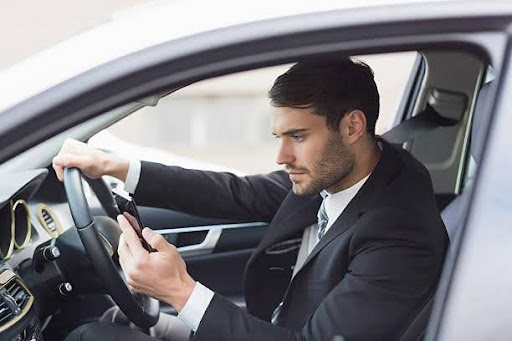
Getting into an accident caused by someone else’s distracted driving can change everything in an instant. You are suddenly faced with injuries, medical bills, and a maze of insurance procedures that can feel impossible to navigate alone.

That’s when hiring the right distracted driving accident lawyer becomes essential. They not only understand personal injury law but also know how to prove negligence and fight for the compensation you truly deserve.

However, choosing a lawyer isn’t just about picking the first name that pops up online. It’s about finding someone who can guide you through every step and protect your rights. 

Here are five key factors you should keep in mind before hiring a distracted driving lawyer.

  1. Experience with Distracted Driving Cases: Not every personal injury lawyer has experience handling distracted driving claims. These cases often require a deep understanding of how to prove that a driver’s distraction, such as texting or eating, directly caused the crash.
    Don’t hesitate to ask the lawyer how many similar cases they have handled and what kinds of results they achieved. A lawyer with strong expertise knows what evidence to collect and which arguments hold up best in court. Their background could be the difference between a weak claim and a winning one.
  1. Track Record and Reputation: Look for client reviews, testimonials, or even peer ratings that highlight how the lawyer performs in real-world cases. A solid reputation usually means they are trustworthy, dependable, and know how to communicate clearly. 
  2. Communication and Accessibility: When legal cases drag on for months, you need a lawyer who keeps you in the loop and responds when you reach out.
    A reliable distracted driving accident lawyer should make the process feel less overwhelming. They will break down complex legal terms into simple language and make sure you always know what’s happening with your case.
    Consistent communication not only builds trust but also helps you feel supported during what can be a very stressful time.
  3. Fee Structure and Transparency: Legal fees can be intimidating, but most personal injury lawyers work on a contingency basis. This implies they only get paid if you win your case. Still, it’s important to understand the details upfront.
    Ask about:
  • The percentage they will take from your settlement.
  • Any out-of-pocket costs, like filing or expert fees.
  • Whether you owe anything if the case doesn’t succeed. An honest legal team will always be upfront about costs and won’t rush you into signing.
  1. Resources and Legal Team Support: Distracted driving cases often depend on solid evidence and expert insights. That’s why it’s smart to choose a firm with a strong support team and the right resources. A capable personal injury lawyer can track down phone records, traffic footage, and witness statements—all of which help prove that distraction caused the crash.
    Having access to skilled investigators and accident reconstruction specialists can make a major difference in the outcome of your claim. When your lawyer has these tools at their disposal, your case instantly becomes stronger.

Key Takeaways

Before you decide who to hire, keep these points in mind:

  • Choose someone with experience in distracted driving and personal injury cases.
  • Research their reputation and look for proven success stories.
  • Value clear communication—you should always know where your case stands.
  • Understand the fee structure before signing anything.
  • Pick a lawyer who has the resources to fully investigate your case.

The right attorney can turn a confusing, stressful process into one that feels manageable and fair. With a dedicated distracted driving accident lawyer by your side, you can focus on recovering while they focus on securing the justice and compensation you deserve.

Why Are Certain Vehicles Involved in Rollover Crashes More Than Others?

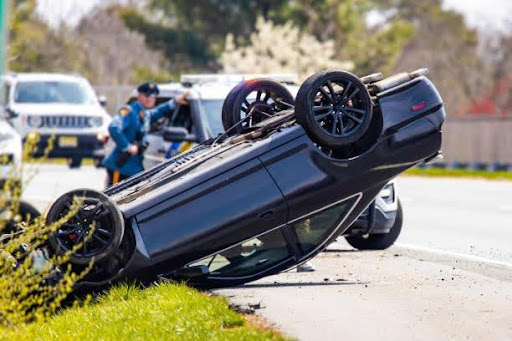
Rollover accidents are among the most dangerous crashes on U.S. roads because they can happen without any warning. In these accidents, a vehicle can flip onto its side or roof, turning what might start as a small mishap into a serious emergency.

The risk of a rollover in a crash depends largely on the type of vehicle. Taller vehicles, such as SUVs and trucks, are more likely to tip over, and many drivers only realize this after an accident occurs. Being aware of this risk can help drivers make safer choices on the road.

Which Vehicles Are Most Prone to Rollovers?

You’ll probably notice most rollover accidents seem to involve SUVs, pickups, and vans. That’s not a coincidence. These vehicles top the charts for rollover risk. These vehicles are prone to rollover crashes.

1.    SUVs (especially taller, older models)

2.    Pickup trucks

3.    Passenger vans

Making a sharp turn in any of these vehicles increases your chance of a crash. It’s not just the news headlines—NHTSA data show SUVs and pickups consistently rank higher for rollover involvement than regular cars or small wagons.​

SUVs hit the top because they’re tall and heavy, and their wheels are set closer together compared to their body height. If you load a van with too many passengers or cargo, its balance gets even worse. The beds of pickups are designed for hauling loads, but shifting weight quickly throws off stability.

Why Do These Vehicles Roll Over More Frequently?

The main reason is the center of gravity. SUVs and pickups sit higher off the ground, placing most of their weight above the road. When you swerve, take a curve too fast, or hit an uneven patch, that weight has a natural tendency to tip the vehicle.

Vans, especially when filled with passengers or cargo, also become heavy at the top and are harder to keep stable in emergency situations. Passenger cars, on the other hand, have a lower profile, with weight closer to the ground, making rollovers far less likely to occur.

If you make a sudden turn, like swerving around a pothole, while your vehicle is fully loaded, taller and heavier vehicles can tip over quickly. It’s a harsh reality for drivers who assume “bigger means safer”; in some cases, the opposite is true.

Impact of Vehicle Design and Daily Use on Rollover Risk

Vehicles can tip over more easily because of their design. Cars with high roofs and a narrow distance between wheels are less stable. Vans and SUVs that carry extra seats or have heavy stuff stacked on top become “top-heavy,” which means they can roll over more easily. Even long trucks or pickups can feel steady, but a sharp turn or quick lane change can make them tip.

Other factors, like the type of tires or suspension setup, also affect stability. For example, raising a truck or adding very large wheels might make it look stronger, but it also makes it easier to tip over. Every time you load up your vehicle with camping gear, furniture, or heavy items, the weight goes higher up, which increases the rollover risk.

The government set strict standards for new SUVs and pickups after researchers found these crashes were rising faster than any other type in the ’90s and early 2000s.

Prevention and Safety Improvements

While design matters, driving habits do, too. Here’s what helps you avoid rollovers, especially in top-heavy vehicles:

1.    Slow down for corners and curves.

2.    Spread out the cargo to keep the weight low.

3. Don’t overload vans or pickups beyond their official limit.

4.    Check your tires—good grip means less sliding.

5.    Prefer vehicles with ESC or advanced safety features

Conclusion

SUVs, pickups, and passenger vans account for most rollovers on US roads, mostly due to how they’re built and used. Their higher centers of gravity, heavy frames, and cargo habits make them more susceptible compared to standard cars. And while technology like ESC helps, understanding these risks and adjusting how you drive and load your vehicle is still the biggest factor in staying safe.

Key Takeaways

1.    SUVs, as well as vans, are the vehicles involved in rollovers.

2.    Taller vehicles with a high center of gravity tip over more easily.

3.    Most new vehicles offer electronic stability control.

4.    Driving habits play a major role in preventing rollovers.

7 Things You Should Never Do After a Hit-and-Run Crash

Any car accident can be stressful, not only because of the injuries that the survivor has to deal with, but also because of the amount of emotional and financial stress it puts the person involved under. But when the person responsible for the accident flees the scene, the situation can leave you feeling overwhelmed and confused about what steps to take next. 

But if you are ever in such a situation, you should remember that it is the steps you take after the accident that can determine how successful your claim will be and how much compensation you will receive. 

Many drivers tend to take the wrong steps after hit-and-run accidents, which actually affects their chance of a fair compensation. Sometimes they leave the scene in shock without gathering key evidence or wait too long to report the incident. This is why understanding what you should not do after such an incident plays a very important role. 

Here are a few mistakes that you should never make after a hit-and-run crash. 

1. Don’t Chase the Fleeing Driver 

When the other driver flees, it is natural for your first instinct to be to follow that vehicle and catch the driver. But you must remember that you are already having a rush of emotions, and rushing to chase the driver at fault puts you at more risk. It may even lead to another crash or collision. 

Instead of chasing the driver, you can try to remember and note down all the details of the other vehicle, such as its model, color, and license plate number. 

2. Don’t Leave the Scene 

 One common mistake that many victims involved in hit-and-run cases make is leaving the scene just because the other driver fled. But by doing so, you will have no proof that it was the other driver at fault. In fact, they can even make it look like it was you who committed the accident and fled the scene. 

3. Don’t Forget to Report the Accident 

When in any type of accident, always remember to report the accident immediately to the police or the concerned authorities. By reporting the incident, you have an official report of what happened. By not reporting the incident, the party at fault can even use it to deny any such incident having occurred. 

4. Don’t Forget to Collect Evidence 

For any type of case, it is evidence that plays the most important role. So if your health allows, try to gather as much evidence as possible from the scene. You can take photographs of the scene, check for any debris or marks of the fleeing car, look out for witnesses, and check for any security cameras nearby. 

Collecting the evidence on time ensures that it is not destroyed or deleted. 

5. Don’t Delay Medical Attention 

Always get yourself checked for injuries after the accident, even if the injuries seem small. This ensures that there are no internal injuries or other delayed symptoms, such as a concussion. Your medical records also act as proof that the injuries were caused due to the accident. 

6. Don’t Accept the First Settlement Offer 

When insurance companies call you after the accident, always be cautious of what you tell them. Ensure that you don’t admit fault or downplay your injuries. Remember to never accept the initial offer, as they tend to downplay your compensation; instead, talk to your attorney and get details about your case. 

7. Don’t Delay Legal Help 

Remember that every personal injury claim has a statute of limitations, or a timeframe. So delaying your actions can prevent you from getting the compensation you deserve. This is why you must immediately seek help from an attorney who can ensure that your process goes smoothly and on time. 

Conclusion 

  • Do not chase the fleeing driver, as it can cause more risks. 
  • Do not leave the scene, as it can turn the case against you. 
  • Remember to file a police report immediately. 
  • Gather evidence from the scene, such as photos, videos, and witness statements. 
  • Don’t delay medical attention or legal help.

The True Cost of Owning an Electric Vehicle: What the Dealership Doesn’t Tell You

You’ve decided to buy an electric vehicle. The dealership shows you monthly payment options and fuel savings. Everything looks great on paper. But before you sign anything, you need to understand the full picture of EV ownership costs.

Many new EV owners get surprised by their first major expense: home charging setup. Your garage needs electrical upgrades to handle an EV charger safely. This means hiring a professional electrcian fort collins co or wherever you live to install a 240-volt outlet and possibly upgrade your electrical panel. This crucial step happens before your new car even arrives in your driveway, and it adds real money to your total investment.

Let’s break down what electric vehicle ownership actually costs beyond the sticker price.

The Purchase Price Reality

Electric vehicles cost more upfront than gas-powered cars. The average new EV sells for $53,469 according to Kelly Blue Book data from 2023. Compare this to $48,763 for the average new gas vehicle. That’s a $4,706 difference before you even factor in other costs.

However, federal tax credits help close this gap. The Inflation Reduction Act offers up to $7,500 in tax credits for new EVs that meet specific requirements. Used EVs can qualify for up to $4,000. But these credits come with strings attached:

  • The vehicle must be assembled in North America
  • Battery components must meet domestic sourcing requirements
  • Your income cannot exceed certain limits ($150,000 for single filers, $300,000 for joint filers)
  • The vehicle price cannot exceed $55,000 for cars or $80,000 for SUVs and trucks

Many popular EVs don’t qualify for the full credit or any credit at all. Check the IRS website before counting on this savings.

Home Charging Installation Costs

Your standard 120-volt wall outlet charges an EV extremely slowly, about 3 to 5 miles of range per hour. This works only if you drive very little and can charge overnight every single night.

Most EV owners need a Level 2 charger that runs on 240 volts, the same power that runs your clothes dryer. Installing this system involves several costs:

The Charger Unit: Quality Level 2 chargers cost between $300 and $1,200. Basic models work fine, but smart chargers let you schedule charging during cheaper electricity rate hours.

Electrical Panel Upgrades: Many homes need panel upgrades to handle the extra electrical load. Older homes with 100-amp or 150-amp panels often require upgrades to 200-amp service. This costs between $1,500 and $3,000.

Installation Labor: Licensed electricians charge $500 to $2,000 for installation depending on how far your garage sits from your electrical panel and whether they need to run new wiring through walls.

Permits and Inspections: Local building codes require permits for electrical work. Budget $100 to $500 for permits and inspection fees.

Total home charging setup typically costs $2,000 to $5,000. Some utility companies offer rebates that reduce these costs by $250 to $1,000.

Electricity Costs vs. Gasoline Savings

EV advocates focus heavily on fuel savings. The math does favor electric vehicles, but the savings vary widely based on where you live and when you charge.

The average EV uses 0.34 kilowatt-hours (kWh) per mile according to the Department of Energy. With national average electricity rates of $0.16 per kWh, driving costs about $0.05 per mile.

A gas car averaging 30 mpg with gas at $3.50 per gallon costs about $0.12 per mile. This creates savings of $0.07 per mile, or $700 annually if you drive 10,000 miles.

However, electricity rates vary dramatically by location:

  • Hawaii: $0.42 per kWh
  • California: $0.30 per kWh
  • Louisiana: $0.09 per kWh
  • Washington: $0.11 per kWh

Time-of-use rates also matter. Charging during peak hours can cost twice as much as overnight charging. Smart EV owners charge between 11 PM and 7 AM when rates drop.

Public charging stations cost significantly more than home charging. DC fast chargers charge $0.40 to $0.60 per kWh, nearly triple home rates. Frequent road trippers lose much of their fuel savings advantage.

Insurance Costs Run Higher

Insurance companies charge more to cover electric vehicles. Industry data shows EV insurance costs average 25% higher than comparable gas vehicles.

Several factors drive higher premiums:

Expensive Repairs: EV-specific parts cost more and require specialized technicians. Fewer repair shops have trained EV mechanics and proper equipment.

Battery Replacement Risk: Insurance companies worry about battery damage in accidents. A replacement battery pack costs $5,000 to $20,000 depending on the model.

Higher Vehicle Values: More expensive vehicles cost more to insure. The correlation is straightforward.

Powerful Acceleration: Many EVs accelerate extremely quickly, which statistically increases accident risk. Some models 60 mph in under 4 seconds, way faster than most sports cars. A car accident lawyer handling EV cases notes that the instant torque can catch inexperienced drivers off guard, leading to more frequent collision claims.

Expect to pay $1,800 to $3,000 annually for EV insurance compared to $1,400 to $2,200 for gas vehicles.

Maintenance Costs: The Real Savings

Electric vehicles shine in maintenance costs. They have fewer moving parts and don’t need oil changes, transmission repairs, or exhaust system work.

What EVs Don’t Need:

  • Oil changes ($50-$100 every 5,000 miles)
  • Transmission service ($150-$250 every 30,000 miles)
  • Spark plug replacement ($100-$300 every 30,000 miles)
  • Exhaust system repairs ($200-$2,000 as needed)
  • Engine air filter changes ($20-$50 annually)

What EVs Still Need:

  • Tire rotations ($50-$100 every 5,000 miles)
  • Tire replacements (EVs wear tires faster due to weight and torque)
  • Brake fluid changes ($100-$150 every 2-3 years)
  • Cabin air filter replacement ($30-$80 annually)
  • Windshield wiper replacements ($20-$50 annually)
  • 12-volt battery replacement ($100-$300 every 3-5 years)

EVs use regenerative braking, which captures energy and slows the vehicle without using traditional brakes. This extends brake pad life significantly, sometimes lasting the entire life of the vehicle.

Consumer Reports data shows EV maintenance costs average $0.06 per mile compared to $0.10 per mile for gas vehicles. Over 100,000 miles, this saves $4,000.

Battery Degradation and Replacement

EV batteries lose capacity over time. Most manufacturers warranty batteries for 8 years or 100,000 miles, guaranteeing at least 70% capacity retention.

Real-world data shows modern EVs lose about 2-3% capacity per year. After 8 years, expect 75-85% of original range. A car rated for 300 miles when new might deliver 225-255 miles after a decade.

Battery replacement costs vary wildly:

  • Nissan Leaf: $5,500-$8,500
  • Chevrolet Bolt: $16,000-$18,000
  • Tesla Model 3: $13,000-$16,000
  • Ford Mustang Mach-E: $20,000-$23,000

Most owners never replace batteries. Vehicles typically get sold or traded before batteries need replacement. The next owner inherits this potential cost.

Charging Time: The Hidden Cost

Time is money. Charging takes longer than pumping gas, and this difference has real costs.

Home Charging: 6-12 hours for a full charge on Level 2. This happens overnight, so time impact is minimal.

Public Level 2 Charging: 4-8 hours for a full charge. Useful while shopping or at work.

DC Fast Charging: 20-40 minutes to reach 80% charge. The last 20% takes another 20-30 minutes due to charging speed limitations.

Road trips require planning around charging stops. A 500-mile drive that takes 8 hours in a gas car might take 9-10 hours in an EV with charging stops. Some people consider this acceptable. Others find it frustrating.

Cold weather slows charging significantly. Winter temperatures can increase charging time by 30-50%.

Depreciation Hits Differently

Electric vehicles depreciate faster than gas cars in their first few years. Rapid improvements in battery technology and range make older models less desirable.

iSeeCars data shows EVs lose 49.1% of their value after three years compared to 39.1% for gas vehicles. A $50,000 EV drops to $25,450 in value while a $50,000 gas car drops to $30,450, a $5,000 difference.

However, depreciation patterns are shifting. As EV technology matures and gas prices remain high, used EV values are stabilizing. Tesla vehicles hold value better than most other EVs.

The 5-Year Total Cost Comparison

Let’s calculate the real cost of owning an EV for five years versus a comparable gas vehicle, using a mid-range sedan as our example.

Electric Vehicle (5 years, 60,000 miles):

  • Purchase price: $45,000
  • Federal tax credit: -$7,500
  • Home charging installation: $3,000
  • Electricity costs: $2,100
  • Insurance: $12,000
  • Maintenance: $3,600
  • Total: $58,200
  • Resale value at 5 years: -$22,500
  • Net cost: $35,700

Gas Vehicle (5 years, 60,000 miles):

  • Purchase price: $35,000
  • Gasoline costs: $7,200
  • Insurance: $9,000
  • Maintenance: $6,000
  • Total: $57,200
  • Resale value at 5 years: -$21,000
  • Net cost: $36,200

The difference? Just $500 over five years. The EV costs slightly less, but not by much.

When EVs Make Financial Sense

Electric vehicles save you money in specific situations:

You Drive a Lot: High mileage increases fuel savings. Driving 20,000 miles annually doubles your savings compared to 10,000 miles.

You Have Cheap Electricity: Low electricity rates maximize savings. Time-of-use rates help even more.

You Keep Cars Long-Term: Maintenance savings accumulate over time. Keeping an EV for 10+ years provides maximum value.

You Can Charge at Home: Avoiding public charging stations saves significant money. Home charging costs one-third the price.

Gas Prices Are High: When gas exceeds $4.50 per gallon, EVs save more money. Current gas prices directly affect the calculation.

You Get Tax Credits: Qualifying for the full federal tax credit changes the math dramatically. Without it, payback periods extend significantly.

When Gas Cars Still Win

Stick with gas vehicles if:

You Rent or Live in an Apartment: Installing home charging is impossible. Relying on public charging gets expensive and inconvenient.

You Take Frequent Road Trips: Long-distance travel suits gas vehicles better. Charging infrastructure still has gaps in rural areas.

You Need Maximum Towing Capacity: EVs lose significant range when towing. Gas trucks handle heavy loads more efficiently.

You Live in Extreme Cold: Battery performance drops in freezing temperatures. Range can decrease 30-40% in winter.

You Can’t Afford Higher Upfront Costs: Not everyone can manage higher purchase prices while waiting for long-term savings.

The Bottom Line About Shifting to EV

Electric vehicles cost more to buy but less to run. Whether they save you money depends entirely on your driving habits, local electricity rates, available tax credits, and how long you keep the vehicle.

Don’t buy an EV purely for financial reasons unless the numbers work specifically for your situation. Calculate your personal costs using actual electricity rates in your area and realistic estimates of your annual mileage.

Remember that non-financial factors matter too. Environmental impact, driving experience, and supporting new technology influence many buyers’ decisions. These benefits have value even if they don’t show up on a spreadsheet.

Do your homework, run the numbers honestly, and make the choice that fits your life and budget. Electric vehicles work great for many people, just make sure you’re one of them before making the investment.

The Role of Game Developers in Online Gaming Innovation

Photo by depositphotos at https://depositphotos.com/

Game developers shape the direction and quality of online play by blending creativity with technical skill. Their decisions influence player engagement, retention, and how new ideas are translated into real products. This piece explores the many ways developers contribute to innovation from initial design through deployment and ongoing support. It highlights collaborative practices, technical choices, and ethical considerations that make online offerings fresh, meaningful, and sustainable. By focusing on practical steps and clear responsibilities, teams can foster environments where inventive ideas reach players reliably and responsibly.

Developer Roles

Developers act as architects, designers, and problem solvers who build the systems players interact with every day. Beyond writing code they translate creative visions into rules systems and user flows that define how play feels. Effective teams balance art code and systems design while also integrating feedback loops that help iterate faster. For teams researching third-party services or integration options, it is common to review external APIs and tools such as satta matka api to learn how external data feeds and interfaces might be used responsibly. Strong leadership helps ensure those explorations prioritize user trust safety and technical resilience.

Innovation Drivers

A short overview explains what fuels creative change and then lists actionable drivers developers can use to encourage innovation.
• Regular prototyping cycles let teams test fresh mechanics quickly and learn from real feedback.
• Cross-disciplinary collaboration brings new viewpoints that spark novel game features and systems.
• Player data analysis reveals patterns that guide feature priorities and design refinements.
• Open beta programs engage early adopters who offer targeted suggestions and bug reports.
• Tooling improvements that reduce friction let creators iterate more freely on gameplay ideas.

User Research

User research grounds innovative ideas in real preferences and habits so developers avoid wasted effort. Observing how people play where they struggle and which moments create delight leads to better feature choices. Simple tests with small groups can reveal whether a mechanic is intuitive or needs refining. Developers who pair quantitative metrics with direct player interviews gain richer context for decisions. This approach makes it easier to design systems that scale and helps teams prioritize updates that improve retention and satisfaction.

Monetization Ethics

A brief overview outlines why ethics matter for monetization and then lists fair practice actions developers should consider.
• Transparent pricing that explains benefits helps build trust and reduces buyer confusion.
• Optional cosmetic purchases preserve fairness while offering meaningful customization for paying players.
• Time-based limitations should not coerce spending but encourage thoughtful engagement instead.
• Clear refund and dispute processes protect consumers and strengthen platform credibility.
• Regular audits of monetization logic prevent exploitative loops and maintain long-term balance.

Technical Challenges

Developers face many technical hurdles when bringing new ideas online, including scale latency and cross-platform synchronization. Crafting robust server architectures and clear client-server contracts reduces desync issues and helps preserve fairness. Security practices such as input validation, access controls, and secure update flows protect both players and systems. Performance profiling and stress testing before launch prevent costly outages and support smoother rollouts. Good documentation and modular code also enable teams to adapt faster when market needs change.

Community Building

A short overview highlights the role of community in innovation, then offers specific ways developers can foster engaged audiences.
• Facilitate moderated forums that welcome feedback and keep discussion constructive and safe.
• Enable creator tools so players can craft content and extend game longevity through creativity.
• Host regular developer updates that explain roadmaps and invite community input on priorities.
• Launch community challenges that reward collaboration and highlight diverse player skill sets.
• Provide clear reporting channels so players can flag issues and contribute to trust building.

Innovative Pathways

Bringing innovation to existence requires a mixture of robust processes, sound equipment, and close participant collaboration. Encourage experimentation by way of allocating time and resources for small bets and gaining knowledge from each success and disaster. Build multi-disciplinary groups that consist of designers, artists, engineers, and community managers so ideas continue to exist in the adventure from idea to production. Use records ethically to tell alternatives and maintain transparency around monetization and privacy so gamers stay assured. When investigating external integrations or analytics services, ensure any references like satta matka api are evaluated carefully to meet compliance and safety expectations. Practicing disciplined iteration and listening to your audience creates a steady pipeline of meaningful improvements and keeps the product relevant.

TOP FIVE FATHER-SON DUOS IN BRISTOL MOTOR SPEEDWAY HISTORY

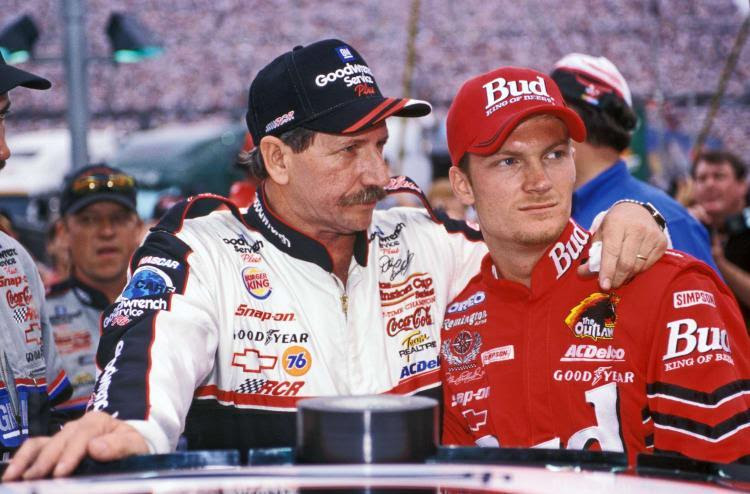
Dale Earnhardt Jr. (8) and Dale Earnhardt Sr. (3) raced together at Bristol Motor Speedway for the first time in 2000. Both drivers have earned famous victories at The World's Fastest Half-Mile.

BRISTOL, Tenn. (Nov. 20, 2025) – The roar of engines, the smell of burnt rubber, and the electric atmosphere under the lights of The Last Great Colosseum are hallmarks of iconic Bristol Motor Speedway. Over the decades, many drivers have etched their names into the track’s stats and record books, but the legacy often extends across generations. Here is a story of five of the most impactful father-son duos in the NASCAR Cup Series to have left their marks on Bristol Motor Speedway.

Dale Earnhardt and Dale Earnhardt Jr.
Bristol Motor Speedway has long been known as ‘Earnhardt Country’. Fans at the Tennessee track love nine-time winner Dale Earnhardt Sr. and his son Dale Jr., who famously won the 2004 Night Race and ignited the phrase ‘It’s Bristol, baby!’

1. Dale Earnhardt and Dale Earnhardt Jr.

The Earnhardt name evokes a unique kind of passion from NASCAR fans. Dale Earnhardt Sr., “The Intimidator,” was a seven-time champion and an icon of the sport. Dale Earnhardt Jr. became one of the most popular drivers in NASCAR history, winning the Most Popular Driver award 15 consecutive times.

At Bristol, both men delivered iconic moments. Earnhardt Sr. was known for his aggressive style, including a pair of famous incidents with rival Terry Labonte, first in the 1995 Night Race, which Labonte won, and then again in the 1999 Night Race, which was Earnhardt Sr.’s final win at the high-banked oval. Dale Jr. also tasted victory at the track, notably in the 2004 Night Race weekend, where he swept both the Cup and O’Reilly Auto Parts Series races, a first at Bristol. It was Jr’s only Cup Series win at Bristol, and he celebrated with a memorable burnout and unforgettable Victory Lane celebration. As he emerged from his car, the TV reporter asked him why this win was so special, and Earnhardt Jr. shouted, “It’s Bristol, baby!”. From that moment on the phrase took on a life of its own. Bristol Motor Speedway has long been known as “Earnhardt Country” for good reason. Their legacy at the Tennessee short track is defined by raw emotion and a deep connection with the fan base.

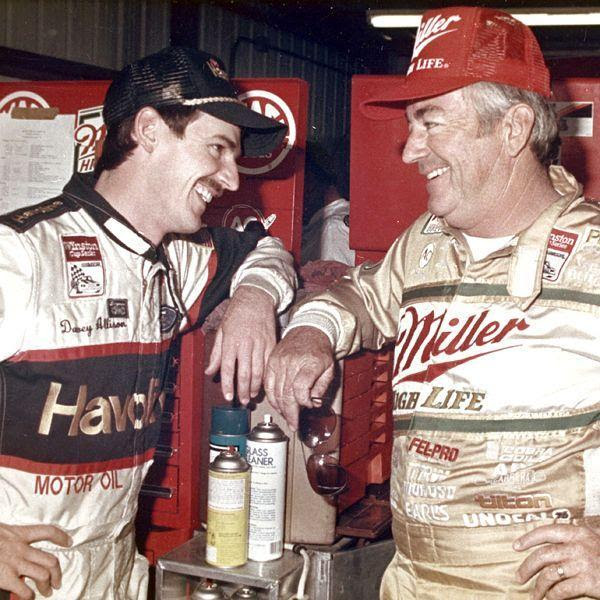
Bobby and Davey Allison
Davey Allison (left) won at Bristol in 1990 and his father Bobby Allison claimed four BMS victories in his career.

2. Bobby and Davey Allison

The Allisons were a powerful force in NASCAR during the 1980s and early 1990s. Bobby Allison, the 1983 Cup Series champion, was a veteran presence, and his son Davey quickly became one of the sport’s brightest young stars before his tragic passing. Their time at Bristol was marked by sheer talent and the potential for even greater things.

Though the Allisons had their most famous moment with a father-son 1-2 finish at the 1988 Daytona 500, their competitive spirit and skill were always evident on the high banks of Bristol, making them a formidable duo every time they rolled into Thunder Valley.

Bobby found success early and often at Bristol, winning on the high banks four times in the late 1960s and early 1970s.

Davey took his lone Bristol Cup victory in the spring of 1990 in dramatic fashion in a photo-finish alongside rival Mark Martin.

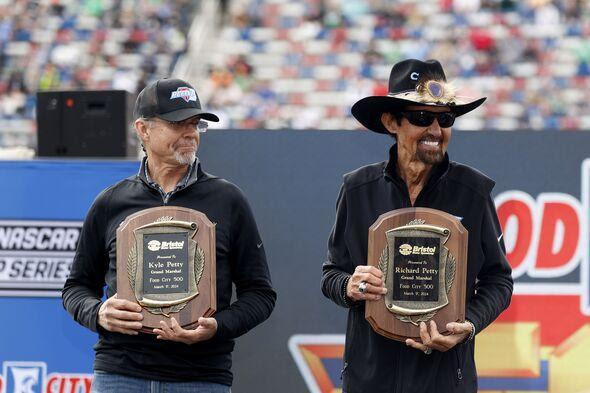
3. Richard and Kyle Petty

Richard and Kyle Petty
The Petty family has logged many laps at Bristol Motor Speedway over six decades. Kyle Petty had 50 career starts at Bristol and his father, The King Richard Petty, had 60 starts and won three times on the challenging half-mile oval.

The Petty name is synonymous with NASCAR royalty. Going all the way back to patriarch Lee Petty, a three-time champion, laid the foundation in the 1940s and ’50s for his family racing team, while his son Richard, “The King,” became arguably the greatest driver in the sport’s history, with a record 200 career wins.

Three of those 200 wins for Richard came at the tough and challenging Bristol Motor Speedway. He also is one of a few drivers to sweep both Bristol Cup races in a single season like he did in 1975. While Richard’s father never raced at Bristol, Richard’s son Kyle had 50 Bristol starts in his career from 1981-2008. Kyle had some great runs at Bristol over the years, but never made his way to Victory Lane there. His top Bristol stats include leading 245 laps and posting two top fives and nine top 10 finishes. Kyle’s best effort at BMS is a career-best third-place finish in the 1993 Food City 500.

At Bristol, their impact was generational. While Richard’s dominance was seen nationwide, the Petty family’s constant presence and success at the short track helped build the venue’s early history and allure. Lee’s tenacious driving style in the sport’s formative years gave way to Richard’s supreme command of the track as the sport hit mainstream, ensuring the Petty blue No. 43 was always a car to watch. Richard’s final stats at Bristol were awe-inspiring, as he competed in 60 races there and posted a record 26 top fives and 37 top 10s. His last challenge for a victory there came in the spring race of 1987 when he battled Dale Earnhardt for the victory and ultimately finished second.

4. Ned and Dale Jarrett

Ned Jarrett, a two-time Grand National champion, was a dominant force in the 1960s with 50 career wins. His son Dale followed in his tire tracks, so to speak, carving out a stellar career that included the 1999 Cup Series championship and multiple major race victories, including three Daytona 500s.

When BMS opened in 1961, Ned raced there two times per season through 1966. In 12 starts, he posted an amazing 7 top 10s and won at Bristol in the fall race of 1965, which played a role in clinching his NASCAR season crown.

Like father, like son, Dale also grabbed a Bristol victory, the crown jewel Night Race in 1997. He led 210 laps of the race and took the victory in the No. 88 Robert Yates Racing machine. Dale’s stats at BMS include 44 starts, 9 top fives, and 19 top 10s. He also scored an O’Reilly Auto Parts Series victory in 1991, the Jay Johnson 250.

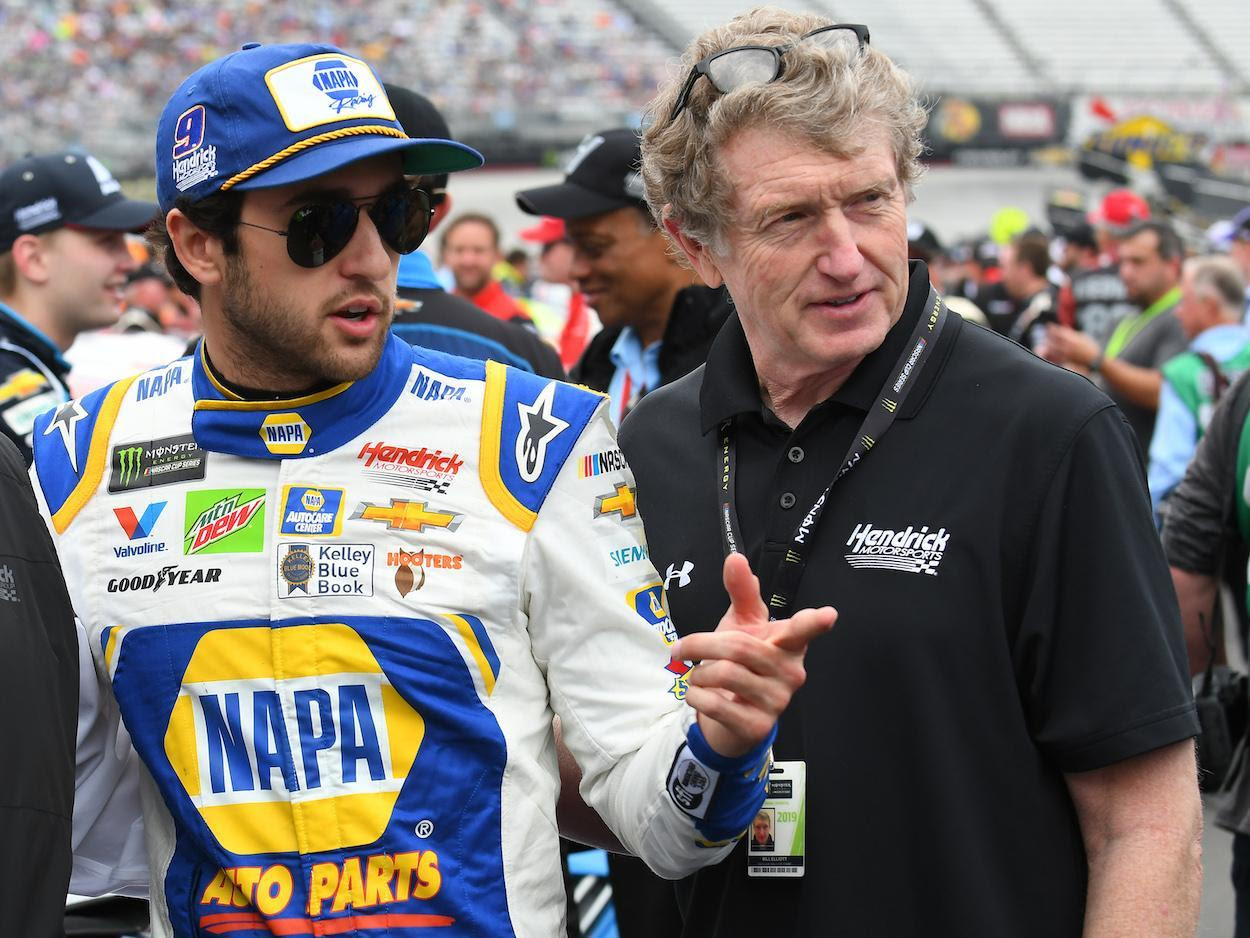
Bill and Chase Elliott
NASCAR’s Most Popular family Bill Elliott (right) and his son Chase Elliott have both had success at Bristol Motor Speedway with Bill winning the 1988 spring race and Chase taking the checkered flag in the 2020 NASCAR All-Star Race at Bristol.

5. Bill and Chase Elliott

Bill Elliott, the 1988 NASCAR Cup Series champion and a 16-time Most Popular Driver, used the momentum gained from a Bristol victory that spring to claim the season title. On that afternoon in 1988, Elliott had to hold off the usual Bristol suspects to get the hard-earned victory, including Mark Martin, Geoffrey Bodine, Rusty Wallace, Bobby Allison, and Richard Petty. Bill’s son Chase represents the current generation of father-son success. Chase, the 2020 NASCAR Cup champion, has proven himself a top contender in modern-day NASCAR and took the checkered flag during the prestigious 2020 NASCAR All-Star Race, held at Bristol Motor Speedway.

The Elliotts are one of only a few father-son duos to have each won a NASCAR All-Star Race, a Cup Series race and a Cup Series championship. Bill’s speed in the late ’80s and early ’90s translated into a strong presence in the sport for the phenom from Georgia, while Chase’s popularity has solidified their family’s continuing legacy in the demanding sport, ensuring their name remains an integral part of the Bristol conversation for years to come.

To continue to watch the NASCAR family evolution at Bristol Motor Speedway, you can purchase tickets, get upgrades and to secure premium items for NASCAR Cup Series races at the iconic track for 2026, please click here, or call the BMS Ticket Sales Center at (866) 415-4158.

Blaine Perkins Returns to Jordan Anderson Racing Bommarito Autosport for 2026 Season

STATESVILLE, NC (November 20, 2025) – Jordan Anderson Racing Bommarito Autosport announced today that driver Blaine Perkins will return to the team for the 2026 NASCAR O’Reilly Auto Parts Series season, continuing his role behind the wheel of the No. 31 Chevrolet.

Perkins returns following a strong 2025 campaign in which he delivered a career high four top ten finishes and showcased clear progress throughout the year. His growth as a competitor and his work ethic have continued to strengthen the foundation of the No. 31 program.

“We are proud to have Blaine back in the No. 31 for 2026” said Jordan Anderson, President and owner of Jordan Anderson Racing Bommarito Autosport.

“Blaine showed real growth last season and proved he can run inside the top group in this series. His attitude, drive, and willingness to learn fit our team perfectly. We are grateful for the continued support from Team Chevy and look forward to helping Blaine take another step forward next year.”

Perkins expressed genuine excitement for the opportunity to return. “Coming back to Jordan Anderson Racing Bommarito Autosport is an exciting step for me.” said Perkins.

“Last season was the strongest of my career and I felt the trust and support from everyone in this shop. I am thankful for the belief that Jordan, John Bommarito and our partners continue to show in me. I am focused on building off the momentum we created in 2025 and ready to give everything I have for this team in 2026.”

The team will share additional information regarding the No. 32 Chevrolet driver lineup at a later date.

Stay connected to Jordan Anderson Racing Bommarito Autosport’s social channels across Facebook, Instagram, and X for exclusive behind-the-scenes content throughout the off season leading up to the 2026 season opener at Daytona International Speedway, February 14.

About Jordan Anderson Racing Bommarito Autosport

Jordan Anderson Racing Bommarito AutoSport is a NASCAR team, owned by owner/driver Jordan Anderson and Bommarito Automotive Group President, John Bommarito. Established in 2017 the organization is fueled by an incredible, close-knit team of employees, fans, and sponsors with a focus on integrity in the pursuit of excellence. Our goal is to embrace the journey we’re on and to never give up – whether on the track, in the pits, or in life. Every single team partner, and fan of ours, is what keeps our race cars running strong and our team performing at the highest level.

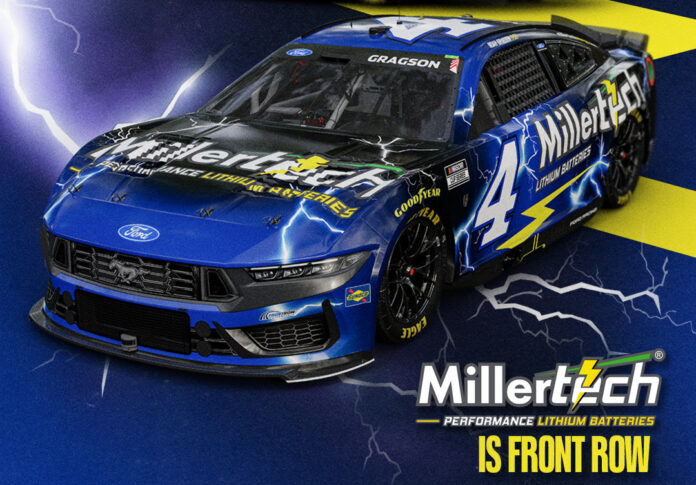
MillerTech Returns to Front Row Motorsports in Multi-Year Agreement

Premium Lithium Battery Company Joins Noah Gragson for Multiple Races


MOORESVILLE, N.C. (November 20, 2025) – Powering Noah Gragson and the No. 4 team in the 2025 NASCAR Cup Series season, MillerTech is now set to return to Front Row Motorsports (FRM) for the 2026 and 2027 seasons to grow deeper into the RV/marine/off-grid channels and connect with fans beyond the track.

Built on the core values of stewardship, community, commitment and excellence to deliver superior quality products for a unique and beneficial experience “Powering Your Adventure”, MillerTech is excited to extend their partnership with FRM and Gragson.

“Noah and Front Row Motorsports represent the kind of commitment and character we stand on at MillerTech,” said Lester Miller, CEO, MillerTech. “Staying with them for a multi-year program was an easy decision. We are grateful for the relationship, proud of what we accomplished together, and ready to keep growing this partnership in a big way.”

Looking ahead to 2026, MillerTech is doubling down on its mission of “Powering Your Adventure” with durable, high-performance battery technology built for any environment. To bring that story to life, MillerTech and FRM will roll out a six-part social media series showcasing the many ways its products fuel the adventures of fans, customers, and partners alike. From the race track to the real world, MillerTech remains committed to providing reliable power wherever the journey leads.

A staple in MillerTech’s business is their no-hassle warranty, built on a simple promise: they stand behind their products. When customers choose Millertech lithium batteries, they’re supported by authentic, transparent service with no hidden obstacles. Customer support is one of the most important drivers of the business, and MillerTech takes pride in delivering assistance that is as dependable as its products.

MillerTech’s first race of the 2026 season will come next May 17th at the Dover Motor Speedway for the All-Star race. In seven NASCAR Xfinity Series starts at the “Monster Mile”, Gragson has two top-five and five top-10 finishes. In the Cup Series, Gragson has one top-10 at the track, finishing sixth in 2024 with Stewart-Haas Racing. Gragson is a three-time winner of the All Star fan vote, going back-to-back-to-back in 2023, 2024, and 2025.

“It means a lot to have MillerTech return to Front Row and the No. 4 Team,” said Gragson. “Lester and the entire MillerTech family’s continued support shows they believe in the direction we’re heading, and I’m excited for what we’ve got lined up for the 2026 season.”

The No. 4 MillerTech Ford Mustang Dark Horse will return in June at the Pocono Speedway. Gragson is a previous winner at the “Tricky Triangle” in the Xfinity Series, capturing the checkered flag in 2022. The 160-lap race is scheduled for Sunday, June 14th at 3:00 PM ET and will be televised on Amazon Prime. Fans can also listen to the action live on the Motor Racing Network and SiriusXM channel 90.

MillerTech’s final primary race of the 2026 season will come at the New Hampshire Motor Speedway on Sunday, August 23rd at 3:00 PM ET. Fans can tune in on the USA Network to watch the 301-lap race or listen in from the Performance Racing Network and Sirius XM channel 90.

ABOUT MILLERTECH

MillerTech Energy Solutions builds premium lithium batteries with the kind of honesty, care, and craftsmanship you expect from rural Ohio. Our company stands on faith, integrity, and genuine customer service, offering a hassle-free ten-year warranty with no fine print and a team that still answers the phone when you call. From RVs and boats to golf carts and off grid systems, MillerTech delivers dependable power backed by values you can trust. Visit MillerTechEnergy.com and follow us on Facebook, Instagram, and X.

ABOUT FRONT ROW MOTORSPORTS

Front Row Motorsports (FRM) is a winning organization in the NASCAR Cup and CRAFTSMAN Truck Series. The team is the 2021 Daytona 500 and 2022 CRAFTSMAN Truck Series champions. The team was founded in 2004 and is owned by successful entrepreneur, Bob Jenkins. FRM fields the No. 4, No. 34, and the No. 38 NASCAR Cup Series teams along with the No. 34 and No. 38 CRAFTSMAN Truck Series teams from its Mooresville, N.C. headquarters. Visit teamfrm.com and follow FRM on social media: Twitter at @Team_FRM, Instagram at @teamfrm and Facebook at facebook.com/FrontRowMotorsports.

2026 Firestone Grand Prix of St. Petersburg tickets go on sale tomorrow

Three-day tickets provide fans access to the best available seats

ST. PETERSBURG, Fla. (Nov. 20, 2025) – Three-day tickets to the 2026 Firestone Grand Prix of St. Petersburg go on sale to the public tomorrow at 10 a.m. ET. The downtown St. Petersburg, Fla. tradition is in its 22nd year and is set for Feb. 27 – March 1, 2026 along the scenic waterfront.

Tickets will be available online at gpstpete.com with pricing starting at $140 for reserved 3-Day Grandstand seats and $80 for 3-Day General Admission. Junior pricing is available for fans aged 12 and under. Additionally, Pit Passes, Firestone IndyCar Paddock Passes and Rookie Racers memberships for younger fans (ages 5-12) can also be purchased to enhance the event experience. Single Day tickets will be released for sale in the new year.

“We’re just under 100 days to gates opening for the Firestone Grand Prix of St. Petersburg!” said Kim Green, co-owner, chairman and CEO of Green Savoree St. Petersburg, LLC, organizers of the Firestone Grand Prix of St. Petersburg. “Purchasing three-day tickets right now offers fans access to the best available seats. It’s going to be a full lineup with the NTT INDYCAR SERIES as the headliner, the new addition of the NASCAR CRAFTSMAN Truck Series racing on a street circuit for the very first time and even more racing on track.”

The Firestone Grand Prix of St. Petersburg is annually one of the premier events on the NTT INDYCAR SERIES calendar, and the 2026 race will serve as the series’ season-opener for the 16th time. For the first time in its history, the NASCAR CRAFTSMAN Truck Series will battle on a street course as part of Saturday’s racing lineup. The full weekend slate also features the rising stars of INDYCAR in INDY NXT by Firestone, more open-wheel action from USF2000 Championship Presented by Continental Tire and thrilling sports car competition from the Whelen Mazda MX-5 Cup presented by Michelin.

For all ticket and event information, visit gpstpete.com or follow Firestone Grand Prix of St. Petersburg on social media using #FirestoneGP. Joining the E-Club also provides insider access to the latest news and offers. The complete weekend racing and festival schedule will be released in early 2026.

About Firestone Grand Prix of St. Petersburg:

The 22nd annual Firestone Grand Prix of St. Petersburg is a race event held during Florida’s spring break season. Traditionally the site of the NTT INDYCAR SERIES’ season-opening race, St. Pete is a destination city hosting this annual motorsports tradition and offering a festival atmosphere with its downtown location. The 2026 Firestone Grand Prix of St. Petersburg airs live on a national broadcast on FOX on March 1. NASCAR will also conduct its very first street race for the NASCAR CRAFTSMAN Truck Series in its history on the streets of St. Petersburg in 2026. The temporary circuit is a 1.8-mile, 14-turn configuration that uses the streets circling Pioneer Park, the Duke Energy Center for the Arts, The Dali Museum and extending onto the runway at Albert Whitted Airport, and borders the waterfront of Tampa Bay and picturesque St. Petersburg Harbor and Marina. The Firestone Grand Prix of St. Petersburg is owned and operated by Green Savoree St. Petersburg, LLC. Green Savoree St. Petersburg, LLC is owned by Green Savoree Racing Promotions 2, LLC whose other subsidiaries also promote three additional NTT INDYCAR SERIES races, The Honda Indy 200 at Mid-Ohio (July 3-5, 2026), BITNILE.COM Grand Prix of Portland (Aug. 7-9, 2026) and Ontario Honda Dealers Indy at Markham (Aug. 14-16, 2026).

For more information, visit gpstpete.com, ‘like’ its Facebook page @GPSTPETE or follow the event on X at @GPSTPETE and Instagram at @GPSTPETE using #FirestoneGP.