

Home Blog Page 230

How Fault Is Determined After a Seattle Car Accident

Photo by depositphotos at https://depositphotos.com/

A car accident in Seattle can disrupt your routine without any warning. You may be driving to work in the rain or heading home after sunset. One sudden impact can put you in a situation you did not expect.

Seattle roads are active throughout the year. Interstate 5 is packed during the peak hours. Downtown streets are always crowded with buses and delivery vans. Construction zones can block your lanes without any notice.

After the collision, one narrative will control everything that is to unfurl. It is: Who is at fault? The fault will decide who pays all the medical bills. Fault will determine the insurance negotiations. And, fault will finally affect any form of financial recovery.

Knowing how fault is determined will help you save yourself before the blame game starts.

Why Fault Is Not Automatically Clear

Many drivers expect the fault to be obvious. This belief can cause a lot of trouble later.

Here are some assumptions that come up repeatedly:

  • Rear drivers always cause rear-end crashes
  • Pedestrians never share responsibility
  • Police reports can close the case
  • One mistake will decide the results

Crashes do not follow simple rules. Timing plays an important role in what happens. Driver behavior also influences how the collision unfolds. Road conditions also affect how vehicles respond. More than one party may share responsibility for the crash.

Understanding this reality will help you avoid making mistakes.

How Washington Law Handles Responsibility

Washington uses a pure comparative fault system. Responsibility may be divided among drivers. Compensation will be adjusted based on assigned percentages.

A small driving error does not remove your right to compensation. The assigned share will determine the final amount. Evidence will guide how percentages are assigned.

This structure can protect injured drivers.

How Seattle Roads Affect Fault Decisions

Seattle driving conditions add extra layers to fault analysis. You face rain that reduces traction on steep hills. You deal with slopes that increase stopping distance. Construction zones can narrow lanes without much warning.

Downtown corridors require frequent lane changes. Neighborhood streets place vehicles near cyclists and pedestrians. Ferry routes create congestion around terminal areas. These local conditions help explain how crashes occur. They also influence how fault gets evaluated.

The Purpose of a Police Report

Police reports give you an official record of the collision. Officers document where each vehicle was positioned. Citations may be issued at the scene. Diagrams help show where the impact occurred.

These reports influence early insurance decisions. They do not close the investigation completely.

Officers arrive after the crash has already happened. Witness accounts may differ from each other. Road conditions may change before officers reach the scene.

Additional evidence can later change early conclusions.

Evidence That Shapes Fault Determinations

Fault decisions rely on several sources. Each source fills in missing details.

Common forms of evidence include:

  • Traffic camera recordings
  • Dash camera footage
  • Business surveillance video
  • Scene photographs
  • Vehicle damage patterns
  • Witness statements

Together, these pieces of evidence will create a clearer timeline.

Traffic Cameras and Video Footage

Seattle uses traffic cameras at many major intersections. These systems can record signal changes and vehicle movement. This footage may provide helpful context after a crash.

Accessing this footage will require quick action. Many systems overwrite recordings after some days. Private cameras have automatic deletion schedules.

Preserved footage can also help clarify disputed claims later.

Witness Statements and Their Importance

Witnesses can provide neutral perspectives after a crash. Their observations can help confirm vehicle speed and lane position. They may also describe signal timing clearly.

Statements recorded early usually carry more weight. Memory can weaken after stressful events. Consistent accounts help support fault conclusions.

When Accident Reconstruction Becomes Necessary

Some crashes require technical analysis. Accident reconstruction specialists study physical evidence.

Their work may involve:

  • Measuring skid marks
  • Examining damage angles
  • Reviewing vehicle data
  • Creating computer collision models

This analysis explains how driver decisions led to impact.

Driver Behavior and Human Error

Human conduct plays a major role in fault reviews. Your driving speed affects how quickly you can stop. Distractions can delay your reaction time significantly. Impairment can reduce awareness during critical moments.

Investigators may review:

  • Phone usage records
  • Navigation distractions
  • Fatigue indicators
  • Alcohol or drug involvement
  • Aggressive driving patterns

Each factor will influence fault percentages.

Environmental and Roadway Conditions

Fault analysis also considers the surroundings around you. Poor lighting can reduce what you are able to see. Temporary signage may alter your expectations while driving. Weather conditions can affect vehicle control.

Maintenance records may become important during review. Signal timing history can provide added context. Construction warnings can shape how drivers make decisions.

Environmental details can help explain your driving behavior during the crash.

Mechanical Problems and Vehicle Defects

Drivers are not always the only cause. Mechanical issues can contribute to collisions.

Examples include:

  • Brake system failure
  • Tire blowouts
  • Steering defects
  • Faulty vehicle repairs

Maintenance records and recall notices can help with responsibility reviews.

How Comparative Fault Works in Real Scenarios

You approach an intersection along with another driver. One driver is traveling above the posted speed limit. Another driver ignores a stop sign ahead.

Both actions can contribute to the final crash. Responsibility may be divided between the drivers. Compensation is adjusted based on each share.

Multi-Vehicle Accidents in Seattle

Seattle pileups happen during congestion and rain. One collision can trigger several others.

Investigators analyze:

  • Collision order
  • Damage sequence
  • Debris patterns
  • Witness timing descriptions

Each driver’s conduct will receive an evaluation.

Insurance Companies and Fault Disputes

Insurance adjusters review fault details very closely. Your recorded statements can carry a lot of value.

Adjusters always aim to limit payment amounts. Partial fault arguments can help them with that strategy. These arguments can reduce compensation.

Careful communication will help you protect your position.

Why Early Action Protects Your Claim

Evidence disappears quickly after crashes.

  • Skid marks fade
  • Vehicles get repaired
  • Video footage deletes automatically
  • Witness memory weakens

Your prompt action will preserve your options.

Who Pays After Fault Gets Assigned

Once fault percentages are set, financial responsibility will follow.

Possible sources include:

  • At-fault driver insurance
  • Uninsured or underinsured coverage
  • Employer policies during work duties
  • Government entities for road hazards
  • Manufacturers for defective components

Every source will need meticulous documentation.

Fault rules involve law, timing and evidence. Managing these alone can be risky.

A Seattle car accident lawyer can help evaluate responsibility, preserve evidence and manage insurance communication without unnecessary escalation.

Guidance will help you make informed decisions.

Common Actions That Can Hurt Fault Claims

Certain actions can weaken your case before it starts.

  • Delayed medical evaluation
  • Casual fault discussions
  • Recorded statements without preparation
  • Online posts after the crash

This awareness will help you avoid unnecessary damage.

Steps You Should Take After a Seattle Crash

Protecting your position will require action.

  • Seek medical evaluation promptly
  • Photograph vehicles and surroundings
  • Identify witnesses early
  • Preserve communication records
  • Follow treatment instructions

Final Thoughts

Fault determination after a Seattle car accident involves many moving parts. No single detail controls responsibility. Every fact contributes to the outcome.

Preparation protects recovery options. Knowledge reduces uncertainty. Informed action supports stability during a difficult period.

You cannot control the crash. You can control what happens next.

Accident Reconstruction in Serious Clearwater Car Accidents

Photo by depositphotos at https://depositphotos.com/

A serious car accident can leave more questions than answers. One driver will say one thing. Another driver will say something completely different. Police reports can give you only a brief snapshot. When injuries are severe or lives are lost – these gaps in information can become a real problem.

Therefore, accident reconstruction is present to close these gaps. It will bring science into situations where stories conflict. In serious crashes in Clearwater – reconstruction can be the tool to explain what truly happened.

What Accident Reconstruction Means After a Serious Crash

Accident reconstruction is a scientific method experts use to analyze how a collision occurred. You rely on trained specialists who study physical evidence to rebuild the sequence of events. They focus on what you can measure and verify.

Reconstruction will examine what happened: before impact, during impact and immediately after. They review speed, braking, steering and vehicle movement. The experts may also consider road conditions and traffic patterns. The purpose is to replace speculation with evidence.

This process is especially important when injuries are permanent or when fault is disputed.

When Accident Reconstruction Is Typically Used

Not every crash needs reconstruction. There are many low-impact collisions that show clear fault and cause limited damage. Reconstruction is necessary when the situation is more complex.

Cases that involve serious injuries mostly need deeper analysis. Fatal accidents almost always demand it. Reconstruction is also used when multiple vehicles are involved or when drivers give conflicting accounts. It may also be essential when police reports leave critical questions unanswered.

In Clearwater, reconstruction is frequently used in crashes occurring on busy corridors where traffic volume complicates fault analysis.

Why Clearwater Car Accidents Can Be Difficult to Untangle

Clearwater traffic can include:

  • commuters
  • tourists
  • delivery drivers
  • rideshare vehicles

Many drivers are unfamiliar with local intersections or traffic flow. This can lead to sudden lane changes and abrupt stops.

Roads like US-19 and Gulf-to-Bay Boulevard experience constant congestion. Construction zones, short merge lanes and uneven traffic speeds are risky. When a serious crash happens in such conditions – responsibility is always obvious.

Accident reconstruction can help separate driver actions from environmental factors. This separation is important when legal claims are dependent on precise details.

How Accident Reconstruction Is Performed

Reconstruction specialists rely on multiple sources of evidence. No single detail can explain a serious crash.

The process starts with scene analysis. Specialists review:

  • roadway measurements
  • skid marks
  • debris locations
  • vehicle resting positions

They will also review photographs and videos taken shortly after the crash.

Vehicle inspections follow after this. Damage patterns will help them determine impact force and direction. They can also evaluate brake systems, steering response, and tire behavior. These findings can help establish how each vehicle behaved at critical moments.

The specialists also review eyewitness statements with caution. Because memory can fade or change over time. Reconstruction will prioritize physical evidence that cannot change.

Technology Used in Modern Accident Reconstruction

Modern reconstruction depends heavily on technology. These tools will allow specialists to test conclusions instead of guessing.

Event Data Recorders are also called vehicle black boxes. They provide speed, braking, and seatbelt data. Simulation software will allow experts to model crash scenarios using real measurements. Aerial imaging and drones can also provide overhead views of complex scenes.

These tools strengthen findings by grounding them in data. They also reduce reliance on assumptions.

What Accident Reconstruction Can Reveal About Fault

Reconstruction will answer questions that insurance companies are disputing about. It may show delayed braking or unsafe lane positioning. Excessive speed can also be estimated through impact analysis.

The process can also reveal contributing factors beyond driver behavior. Road design flaws, obstructed signage or malfunctioning traffic signals may play a role. In some cases, vehicle defects contribute to the outcome.

Reconstruction will help identify when responsibility is shared rather than isolated to one party.

Reconstruction and Insurance Disputes

Insurance companies depend heavily on fault determinations. When responsibility is unclear, claims may be delayed or reduced.

Accident reconstruction provides objective findings that challenge unsupported conclusions. Physical evidence can confirm or contradict driver statements. This evidence often shifts negotiations when insurers attempt to minimize liability.

In serious injury cases, reconstruction may become the foundation of a fair claim evaluation.

Comparative Fault and Florida Law

Florida follows a comparative fault system. Responsibility may be divided among parties based on conduct.

Accident reconstruction can help assign fault percentages accurately. Speed data, braking evidence, and lane position can influence these determinations. Clear findings can prevent exaggerated blame assignments.

This accuracy is critical when compensation depends on fault allocation.

Expert Testimony in Serious Car Accident Cases

Reconstruction specialists may also serve as expert witnesses. Courts rely on their ability to explain technical findings.

Experts often present diagrams, timelines and simulations. These visuals can help judges and juries understand how the crash happened. Testimony can link physical evidence to legal standards of responsibility.

Because the analysis relies on science – expert testimony carries significant weight.

Limits of Accident Reconstruction

Accident reconstruction has limits. Its accuracy depends on available evidence.

Weather conditions can change the surroundings before analysis occurs. Delayed access can reduce your evidence quality. Missing data may require specialists to present more than one possible scenario.

These limitations are acknowledged openly and may be examined during litigation.

When Reconstruction Can Strengthen a Claim

Reconstruction is valuable when the stakes are high. Cases involving permanent injury, long-term disability or wrongful death mostly justify deeper analysis.

Disputed liability cases also benefit from reconstruction. Conflicting witness accounts can create uncertainty that science can clarify. Reconstruction can bring structure to events that may otherwise remain unclear.

Many injured individuals consult a Clearwater car accident lawyer to determine whether reconstruction could strengthen their claim.

Steps That Help Preserve Reconstruction Evidence

Certain actions after a serious crash can help preserve critical evidence. Taking photographs documents roadway conditions and vehicle positions. Requesting official reports here will ensure accuracy.

Avoid repairing your vehicles until evidence is documented. Keep your records related to injuries and treatment. These steps protect information that reconstruction specialists may rely on later.

Why Accident Reconstruction Matters

Accident reconstruction replaces speculation with analysis. It explains serious crashes using facts that cannot be rewritten.

In serious Clearwater car accidents, reconstruction marks the difference between unanswered questions and accountability. Understanding this process helps protect legal rights and clarify responsibility when outcomes matter most.

Mental Training Habits That Help Athletes Stay Competitive

Photo by depositphotos at https://depositphotos.com/

Race day performance often depends on mental clarity when physical limits are reached. You might find that your lap times fluctuate or your defensive driving slips during the final stages of a stint. These inconsistencies usually stem from cognitive or decision fatigue. Adopting a structured mental training program helps you maintain focus when your heart rate exceeds. We analyzed how professional drivers manage high-pressure environments to identify repeatable habits for any athlete.

Effective preparation requires more than just physical endurance. You can use a mobile learning benefits guide with key tools to integrate psychology drills into your travel schedule between race weekends. This approach ensures you build neural pathways for better decision-making without a dedicated course setting. Short, frequent sessions are more effective for retention than occasional long study blocks.

The methods listed below provide a framework you can try and test for stabilizing your performance under competitive stress!

1. Controlled Breathing and Stabilizing the System

High-stress moments on the track often lead to shallow breathing and increased cortisol levels. You might notice your vision narrowing or your grip on the wheel tightening during a close battle for position. Controlled breathing techniques, such as box breathing, help you regulate your autonomic nervous system. By following a 4-4-4-4 count, you lower your heart rate and regain peripheral awareness.

You can practice these techniques and learn about other concepts using the short, guided lessons found in the Nibble app. These five-minute sessions fit easily between simulator runs or technical briefings:

  • Practice box breathing for five minutes every morning.
  • Implement a three-breath reset after a yellow flag period.
  • Monitor your resting heart rate trends to gauge recovery.
  • Use guided sessions to reinforce the habit daily.

2. Pre-Performance Routines: You Script Your Brain for Action

A pre-performance routine is a sequence of mental and physical actions that you complete before a competitive session. You use this to signal to your brain that it is time to shift from a resting state to a high-alert state. Drivers often use specific helmet-donning sequences or hand-eye coordination drills on the grid. This habit prevents overthinking and reduces the impact of external distractions, such as media or technical delays.

The routines are linked to improved execution under pressure as the athletes with fixed sequences maintain better technical accuracy. You can develop your own script by reviewing focus strategies online:

  • Establish a five-minute sequence for the pre-race grid.
  • Use specific physical triggers to reset your mind after a mistake.
  • Review core focus principles via audio while traveling.
  • Track your routine consistency to see how it affects start reactions.

3. Visualization Drills: Rehearsing Track Decisions

Visualization involves mental imagery where you rehearse specific track scenarios in your mind. You can simulate entering a high-speed braking zone or executing a complex overtaking maneuver. This practice builds mental muscle memory before you even turn a wheel. Drivers use this habit to prepare for changing track conditions or night racing. It fills the gap between physical practice sessions and actual competition.

Mental imagery activates the motor cortex in a manner similar to physical movement. You can find summaries of books like ‘The Inner Game of Tennis’ to understand the mechanics of mental rehearsal. We recommend practicing this the night before a race to solidify your tactical plan:

  • Rehearse your reaction to a missed shift or a slide.
  • Spend ten minutes in a quiet space before the drivers’ meeting.

4. Reaction Time Testing: Measuring Response Speed

Reaction time is a measurable metric that determines how quickly you respond to lights or a competitor’s move. In motorsports, a delay of even 0.1 seconds can cost several car lengths. You can use digital drills to keep your neural processing sharp during downtime in the hotel. These tests provide objective data on whether you are mentally fatigued or ready for competition. Consistent testing helps you identify your personal baseline for peak performance.

Specific cognitive training improves motor coordination, so you can use simple tap-response tools to monitor your millisecond timing over a season. If your numbers drop, it is a clear indicator that you need more recovery. We suggest including these drills in your pre-race warm-up to wake up the nervous system:

  • Test your reaction speed three times a week.
  • Keep a log of your timings to identify fatigue patterns.
  • Perform a two-minute drill right before getting into the car.
  • Compare your morning results with your post-training data.

5. Race Debrief Journaling: Reviewing Decision Patterns

Journaling after a race or simulator session helps you identify recurring tactical errors. You might find that you consistently lose time in a specific type of corner or under certain weather conditions. Writing down these observations forces you to process the race objectively, including whether you feel burnout and decision fatigue, and other metrics. This habit prevents you from making the same emotional mistakes in future events. It turns raw experience into structured knowledge that you can act upon.

Reflective writing has been proven to improve learning performance. You should use a structured template that asks for your biggest mistake and your best decision. This keeps the review focused on data rather than feelings. We suggest reviewing your notes from the previous month before starting a new race weekend:

  • Write a 200-word summary within two hours of finishing a race.
  • Categorize your errors into mechanical, physical, or mental.
  • List three specific improvements for the next session.

Start Training Your Attention Under Time Limits

Sustaining concentration is difficult during a 45-minute stint or a long endurance race. You can train your brain to stay “locked in” by using timed focus blocks throughout your day. This involves performing a task for 15 minutes without allowing any outside distractions. This and other habit tips above will help you build a consistent mental training routine that provides the stability needed for a successful race season.

Using apps and tools for reflection and breathing exercises can reduce the likelihood of errors under pressure. These strategies ensure that your decision-making remains sharp. You can choose to treat a bad race as a failure or as an accelerator for your next growth phase. High-performance leadership requires the ability to turn data into momentum even when the results are not immediate. You can test one of these habits this weekend to see how it fits your preparation system!

200 Series Exhaust: What to Expect After Installation

Upgrading the exhaust system on a Toyota LandCruiser 200 Series is a popular modification among owners who want better performance, improved sound, and enhanced towing capability. Whether the vehicle is used for touring, towing, or off-road adventures, a 200 series exhaust upgrade can deliver noticeable changes. Understanding what to expect after installation helps owners decide whether the upgrade aligns with their driving needs and expectations.

Improved Exhaust Flow and Performance

One of the first things drivers notice after fitting a new 200 series exhaust is improved exhaust flow. Factory exhaust systems are often designed to prioritise noise reduction and emissions compliance, which can restrict airflow. An upgraded system allows exhaust gases to exit more efficiently, reducing back pressure.

This improved flow can result in better throttle response and smoother power delivery, especially in the low to mid-range revs where the LandCruiser is most often driven. While gains vary depending on the system and engine setup, many drivers report the vehicle feels more responsive, particularly when accelerating or overtaking.

Enhanced Towing Performance

Towing is a major reason many owners upgrade their exhaust. The LandCruiser 200 Series is commonly used for caravans, boats, and heavy trailers, and an upgraded exhaust can make towing more comfortable.

With reduced back pressure, the engine does not have to work as hard under load. This can lead to improved torque delivery and reduced strain when climbing hills or maintaining speed with a trailer attached. Some drivers also notice more consistent power at highway speeds, making long towing journeys less fatiguing.

Changes in Exhaust Sound

Sound is one of the most noticeable differences after installing a 200 series exhaust. Upgraded systems typically produce a deeper, more refined exhaust note compared to the standard system.

At idle, the sound is often slightly more pronounced, while under acceleration it becomes fuller without being overly aggressive. Quality exhaust systems are engineered to minimise drone at highway speeds, ensuring the vehicle remains comfortable for long-distance touring.

It is important to choose a system designed specifically for the 200 Series to ensure sound levels are well balanced and compliant with noise regulations.

Fuel Efficiency Expectations

Fuel efficiency improvements are often discussed in relation to exhaust upgrades. While a 200 series exhaust alone is unlikely to deliver dramatic fuel savings, some drivers do report modest improvements.

Better exhaust flow can allow the engine to operate more efficiently, particularly when cruising or towing. However, driving style plays a significant role. If the improved sound and response encourage heavier throttle use, fuel consumption may remain the same or increase slightly.

Any efficiency gains are typically incremental rather than transformative.

Heat Management and Durability

Heat management is another benefit of upgrading the exhaust system. Aftermarket exhausts are often constructed from high-quality materials such as stainless steel, which handle heat more effectively than standard systems.

Improved heat dissipation can be beneficial during towing or off-road driving, where exhaust temperatures can rise significantly. A well-designed system reduces heat build-up around critical components, contributing to long-term reliability.

Durability is also a key advantage. Quality exhaust systems are built to withstand harsh conditions, including dust, water crossings, and corrosion, making them well suited to Australian environments.

Installation and Fitment Experience

After installation, most owners notice how well a properly designed 200 series exhaust integrates with the vehicle. Good fitment ensures there are no rattles, clearance issues, or unwanted vibrations.

Professional installation is recommended to ensure the system is aligned correctly and all mounts are secure. Once fitted, ongoing maintenance is minimal, typically limited to occasional inspections.

It is important to ensure any exhaust upgrade complies with local noise and emissions regulations. Reputable exhaust systems are designed to meet these requirements while still offering performance benefits.

Regarding warranty, an exhaust upgrade does not automatically void vehicle warranty, but it is advisable to choose quality components and professional installation. Keeping documentation can help address any concerns that may arise.

Overall Driving Experience

The overall driving experience after installing a 200 series exhaust is generally more refined and enjoyable. Improved response, better towing manners, and a deeper exhaust note combine to enhance how the vehicle feels on the road.

For drivers who use their LandCruiser for work, travel, or recreation, these improvements can make a meaningful difference in day-to-day use.

Is a 200 Series Exhaust Worth It?

A 200 series exhaust upgrade offers a balanced mix of performance, sound, and durability improvements. While it may not transform the vehicle into a high-performance machine, it enhances the areas that matter most to LandCruiser owners.

The Impact of Technology on NASCAR Racing Strategies

The integration of technology into NASCAR racing has revolutionized how teams strategize and perform. From data analytics to in-car technologies, these advancements are redefining the sport. As technology continues to evolve, its role in NASCAR racing becomes increasingly indispensable.

NASCAR racing, known for its high-speed thrills and competitive edge, has seen a significant transformation with the advent of technology. Teams now rely heavily on innovative tools to enhance their performance on the track. With each race, the dependence on technological advancements becomes more apparent. This shift in strategy underscores the critical role technology plays in modern racing. For fans eager to witness these technological marvels in action, securing Harry Styles tickets offers an exciting opportunity to experience the thrill live.

Data analytics enhances team performance and strategy

Data analytics has become an essential component in shaping NASCAR racing strategies. Teams collect vast amounts of data from practice runs, which are then analyzed to optimize performance. This data helps teams make informed decisions about tire choices, fuel management and race tactics. By understanding patterns and trends from previous races, teams can predict potential outcomes and adjust their strategies accordingly.

Moreover, data analytics allows teams to monitor the performance of their cars in real-time during races. This capability enables quick adjustments based on car handling, weather conditions or competitors’ actions. The insights gained through data analysis are not only crucial for race day but also for long-term strategic planning. As teams continue to harness the power of data analytics, they gain a competitive edge that is vital for success in today’s technologically driven environment.

The sophistication of modern data analytics platforms has enabled teams to create predictive models that forecast vehicle performance under various racing conditions. These advanced algorithms process millions of data points, including track temperature, humidity levels, and aerodynamic efficiency, to generate actionable intelligence. Teams can now identify microsecond advantages in lap times by analyzing driver inputs such as throttle position, brake pressure and steering angles. This granular level of analysis has transformed crew chiefs into data scientists who must interpret complex statistical models while making split-second decisions during races. The competitive advantage gained through superior data analytics capabilities often means the difference between victory and defeat in a sport where races are frequently decided by fractions of a second.

Simulation tools provide advanced preparation for races

The use of simulation tools has become a standard practice for preparing NASCAR drivers and teams for upcoming races. These tools offer a virtual environment where drivers can practice on digital replicas of actual tracks. This allows them to familiarize themselves with track layouts and experiment with different driving techniques without physical wear on vehicles or risk to drivers.

Simulation tools also enable teams to test various car setups and strategies before race day. By analyzing simulated results, teams can identify optimal configurations that maximize speed and efficiency. The ability to simulate different scenarios provides invaluable insights that help teams prepare more comprehensively for the unpredictability of live races.

Advanced in-car technologies assist drivers during races

In-car technology has progressed significantly, providing drivers with tools that enhance safety and performance during races. Modern NASCAR vehicles are equipped with telemetry systems that relay real-time data back to the pit crew. This information includes speed, engine performance and tire pressure, allowing teams to make immediate adjustments if necessary.

Furthermore, communication systems have improved drastically, enabling seamless interaction between drivers and their support teams. These advancements ensure that drivers receive timely updates and strategic advice while maintaining focus on the track. As technology continues to advance, the integration of cutting-edge in-car systems promises even greater enhancements to driver performance and safety.

Successful integration of technology by NASCAR teams

NASCAR teams that have embraced technology are reaping significant benefits on the track. By effectively utilizing data analytics and simulation tools, these teams can fine-tune their strategies for optimal results. The integration of advanced in-car technologies further supports drivers in executing those strategies successfully.

The continuous development and application of technological innovations keep NASCAR at the forefront of motorsport excellence. As other sports begin to integrate similar technologies, NASCAR’s experience serves as a valuable blueprint for successful adoption. The future potential of technology in this arena suggests even more dynamic changes ahead as teams strive for higher levels of performance.

Inside the 2026 NASCAR Cup Series: Teams, Tech, and Momentum

The 2025 NASCAR Cup Series delivered one of the most competitive fields in recent memory, and 2026 looks to follow even stronger. With parity across teams and razor-thin margins separating contenders, the races to the championship in November has become as much about precision and preparation as raw speed. Each round has highlighted how strategy, engineering, and mental resilience combine to determine who advances and who goes home.

A Season Defined by Depth

Unlike previous years, where one or two organizations dominated, the 2026 season looks like it will feature multiple teams capable of winning on any given weekend. Mid-tier organizations could close the performance gap, while powerhouse teams have had to adapt quickly to changing track conditions and evolving competition.

Drivers entering the Series are not just relying on past success. Consistency has proven critical. A strong regular season offers seeding advantages, but momentum often matters more once elimination rounds begin. A late-season surge can be more valuable than early-year dominance.

Technology as the Equalizer

Modern NASCAR racing is as much about engineering as it is about driving skill. Data analytics, simulation tools, and aerodynamic refinement have reshaped how teams approach race weekends. Crew chiefs now rely on predictive modeling to fine-tune setups before cars even hit the track.

Telematics data helps teams understand tire wear, fuel efficiency, and corner entry behavior in real time. Small adjustments in suspension settings or airflow management can translate into tenths of a second per lap. Over the long run, that difference determines track position and playoff survival.

Pit road strategy has also evolved. Split-second decisions on two-tire versus four-tire stops, fuel windows, and stage point calculations require precise coordination. Teams that execute flawlessly under pressure maintain playoff momentum, while even minor mistakes can end a championship campaign.

The Role of Momentum

Momentum is often intangible, but it is impossible to ignore in the Cup Series. A driver who secures a timely victory automatically advances, relieving pressure and allowing the team to focus on long-term preparation. Conversely, those on the elimination bubble face immense stress.

Confidence plays a significant role. A team that believes in its package tends to take calculated risks, while one struggling for pace may gamble out of necessity. These decisions ripple across the playoff bracket.

Fan engagement also amplifies the intensity. Conversations online, performance debates, and race breakdowns shape public perception. Racing communities often dissect everything from restart tactics to sponsorship moves.

Platforms that compile reactions and discussion threads provide insight into how fans interpret each playoff twist, similar to how buyers evaluate businesses through aggregated experiences like customer feedback on Reddit. In both racing and automotive markets, transparency and public opinion influence reputation.

Drivers to Watch

Several contenders could emerge as favorites as the 2026 Series unfolds. Those with strong intermediate track performance are well-positioned for key rounds. Meanwhile, road course specialists could shake up the standings with unexpected wins.

Drivers like Ty Gibbs and Chris Buescher could challenge veterans like Bubba Wallace or Chase Elliot, creating compelling rivalries. Experience provides an advantage in high-pressure moments, but fresh talent often brings fearless aggression. This blend of generations keeps the championship picture unpredictable.

What Lies Ahead

As the Series progresses, adaptability will determine the ultimate champion. Weather changes, track surface evolution, and strategic gambles all add layers of complexity. The 2026 NASCAR Cup Series showcases a sport where innovation, teamwork, and resilience define success.

Inside this battle, every lap matters. Every pit stop counts. And as the field narrows, the margin between glory and heartbreak grows smaller. The championship will belong to the team that combines technology, momentum, and composure when it matters most.

How KW Coilovers Improve Ride Quality and Handling for Street and Track

Key Highlights

  • KW suspension systems offer a significant upgrade in both ride quality and handling over stock setups.
  • Advanced adjustability allows you to fine-tune your car for a perfect balance between street comfort and track performance.
  • Upgrading to KW coilovers drastically reduces body roll, providing more stability and confidence in corners.
  • With variants designed for everything from daily driving to serious track use, there is a KW coilover for every enthusiast.
  • These performance suspension systems use high-quality materials and engineering for exceptional durability and control.

Introduction

Are you looking to transform your car’s driving dynamics? Whether you crave a smoother ride on your daily commute or sharper handling for weekend track days, upgrading your suspension is one of the most impactful changes you can make. KW coilovers stand out as a premier choice for enthusiasts seeking the ultimate in performance and versatility. At 999automotive, we know that these systems provide a remarkable improvement in both ride quality and handling. This guide explores how KW coilovers can unlock your vehicle’s true potential.

Understanding KW Coilovers and Their Core Features

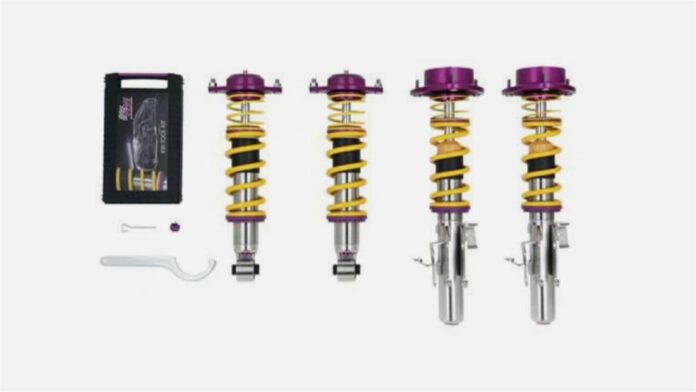
KW coilovers are complete performance suspension systems designed to replace your vehicle’s factory springs and shock absorbers. Each unit combines a spring and a specially engineered shock absorber into a single, integrated assembly, giving you a comprehensive upgrade that works in perfect harmony. Unlike basic lowering springs, these advanced suspension kits from KW Suspensions are engineered from the ground up to improve every aspect of your car’s connection to the road. From the materials used to the internal valve technology, every component is designed for superior performance and longevity. We’ll now look at what makes them different and the variants available.

What Sets KW Coilovers Apart from Standard Suspensions

What are the main differences between KW coilovers and standard suspension in terms of ride quality? Your car’s original equipment manufacturer (OEM) suspension is built as a compromise, designed to suit a wide range of drivers and conditions. It often prioritizes softness over control, leading to noticeable body roll and less precise handling.

In contrast, KW coilovers are engineered for enthusiasts who demand more. They replace the passive OEM setup with a system that offers superior driver feedback and control. The advanced damper technology inside each KW coilover manages wheel movement more effectively, keeping your tires planted on the road for better grip and stability.

The most significant advantage is adjustability. While your standard suspension is fixed, a KW suspension allows you to change settings like ride height and, on some variants, damping characteristics. This means you can move beyond the factory compromise and create a setup that perfectly matches your driving style and needs.

The Range of KW Coilover Variants Available in Australia

KW offers several coilover variants, ensuring there is a perfect setup for every type of driver. From daily drivers to track-day warriors, you can choose a system tailored to your specific goals. Understanding the differences is key to making the right choice for your vehicle. However, it’s important to note that some KW coilovers may provide a firmer ride compared to stock suspension, which could lead to slightly reduced comfort over rough roads for regular street use. Additionally, improper installation or selecting an aggressive track-oriented variant for daily driving may impact ride quality or ground clearance.

Which KW coilover variant is best for a car used on both street and occasional track days? For many drivers, the KW V3 offers an ideal balance. It provides extensive adjustability for both rebound and compression, allowing you to fine-tune your handling for the track and then soften it for the drive home. Other variants cater to different needs, from entry-level enhancements to professional-grade racing setups.

Here is a simple breakdown of the most popular KW coilover variants to help you find the right fit:

KW VariantPrimary UseKey Feature
KW V1Street PerformancePre-set damping with adjustable ride height for a sporty feel.
KW V2Sporty Street/Occasional TrackAdjustable ride height and rebound damping for more tuning control.
KW V3Street & TrackIndependent rebound and compression adjustment for a custom setup.
KW ClubsportTrack Focused/Street LegalMaximum performance with top mounts and racing-derived technology.

Ride Quality Improvements for Street Driving

Many people assume that a performance suspension means a harsh, uncomfortable ride. However, KW coilovers are engineered to challenge that notion. With advanced damping technology, these systems can offer a ride quality that is both controlled and comfortable, often surpassing the stock setup.

Instead of crashing over bumps, a KW suspension absorbs road imperfections with composure. The superior shock absorber control prevents excessive bouncing and settles the car quickly. Exploring options like the KW Street Comfort line reveals a focus on enhancing daily drivability. We can now examine how these coilovers achieve a better ride.

Comfort Enhancements with KW Street Comfort Coilovers

Can KW Street Comfort coilovers noticeably reduce road harshness compared to OEM suspension? Absolutely. This specific line is designed for drivers who want to lower their vehicle and improve its stance without sacrificing daily comfort. They are the perfect solution for anyone who feels their OEM suspension was too stiff or jarring.

The secret lies in their unique shock absorber tuning, which is focused on providing a smooth and compliant ride. The KW Street Comfort range is engineered to filter out the high-frequency vibrations from rough pavement, resulting in a calmer and more pleasant cabin experience. You get the sporty look of a lowered car with a ride quality that is often more comfortable than the factory setup.

This makes them an excellent choice for daily commuters or long-distance drivers who still appreciate responsive handling but prioritize comfort. You no longer have to choose between aesthetics and a pleasant journey; these coilovers deliver both.

How Adjustable Settings Adapt to Australian Road Conditions

One of the greatest strengths of KW coilovers is their adjustability. This feature allows you to perfectly tailor your car’s suspension to handle the diverse and often challenging road conditions found across Australia. From smooth highways to bumpy back roads, you can fine-tune your setup for optimal performance and comfort.

How does the adjustability of KW coilovers help balance comfort and handling? It gives you direct control over the key characteristics of your suspension. For example, you can adjust the rebound damping to control how quickly the shock absorber extends after hitting a bump. A softer setting can enhance comfort, while a firmer one can improve handling response.

With many KW coilover kits, you can modify:

  • Ride Height: Lower your car’s center of gravity for better handling and a more aggressive look.
  • Rebound Damping: Fine-tune how your car settles after bumps and during cornering.
  • Compression Damping (on V3/Clubsport): Adjust how the suspension reacts to bumps and weight transfer.

Handling and Performance on Track Days

When you take your car to the track, the demands on your suspension multiply. KW coilovers are born from motorsport, and this racing DNA becomes immediately apparent when you push your car to its limits. The systems provide the precision, control, and feedback necessary for confident and fast lap times.

A key benefit is the dramatic reduction in body roll, which keeps the car flatter through corners and allows for quicker transitions. The advanced damper technology ensures your tires maintain maximum contact with the pavement, translating to more grip and higher cornering speeds. Let’s look at the specific benefits of the track-oriented variants.

Benefits of KW V3 and Clubsport Coilovers for Track Use

What handling benefits can I expect from installing KW coilovers on my car for track use? With the KW V3 and Clubsport coilovers, the benefits are transformative. These high-end systems are designed for drivers who are serious about track performance. The KW V3 offers independent adjustment for both compression and rebound damping, a feature typically found on professional race cars.

This dual adjustability allows you to create a highly specific setup tailored to a particular track, tire choice, or driving style. You can fine-tune how the car behaves during braking, turn-in, and acceleration out of a corner. The Clubsport variant takes this even further, often including adjustable top mounts for camber adjustments and using even more aggressive internal valve and piston technology for maximum track-day performance.

Ultimately, this level of control results in a car that is more stable, predictable, and faster on the circuit. You can dial in the exact handling characteristics you want, whether that’s reducing understeer or improving high-speed stability.

Conclusion

In conclusion, upgrading to KW coilovers can significantly enhance your driving experience, whether on the street or the track. The comfort and adaptability of KW Street Comfort coilovers provide an enjoyable ride while efficiently navigating Australian road conditions. For those who crave performance, the KW V3 and Clubsport variants deliver outstanding handling, ensuring you make the most of your track days. Embracing these advanced suspension systems not only improves ride quality but also elevates your confidence behind the wheel. If you’re ready to transform your driving experience, reach out to 999automotive for a consultation and discover the perfect KW coilovers for your vehicle.

Frequently Asked Questions

Are KW coilovers suitable for everyday driving in Australia?

Yes, KW coilovers are highly suitable for daily driving. Variants like the KW Street Comfort are specifically designed to improve ride quality over OEM setups. Thanks to their high-quality construction and adjustability, you can achieve a perfect setup that balances comfort and performance for Australian roads.

Do KW Street Comfort coilovers offer noticeable improvements over OEM suspension?

Definitely. The KW Street Comfort line is engineered to provide a smoother and more controlled ride than most OEM suspensions. They excel at absorbing bumps and reducing road harshness, offering a significant upgrade in comfort without the bouncy or jarring feel sometimes associated with factory sport suspensions.

Can I fine-tune KW coilovers for both comfort and sporty handling?

Yes, this is one of the biggest advantages of KW coilovers. Models with adjustable damping, like the KW V2 and V3, allow you to easily change the suspension characteristics. You can set them for a softer, more comfortable ride for your daily commute and then firm them up for sporty handling on weekends.

The Finnish Art of Split-Second Strategy

Finland stands out for its remarkable ability to make decisions in the blink of an eye, especially in motorsports and digital gaming.

Finnish race car drivers and online gamblers have a reputation for staying cool under pressure and acting fast when it matters most.

This article looks at what sets Finnish split-second strategy apart, tracing its roots to a unique blend of culture, innovative technology, and psychological training.

Whether you’re watching a rally on snowy roads, placing live bets on your favorite team, or tackling rapid-fire casino games, you’ll see this quick-thinking mindset at work everywhere in Finland’s gaming world.

Let’s break down how Finns developed these instincts—and what the rest of us can learn from their approach to high-speed decisions.

How Finnish culture drives quick thinking in motorsports and gaming

If you spend any time around Finnish drivers or seasoned bettors, one thing stands out: their ability to keep a cool head when every second counts.

This steady-handed confidence isn’t accidental. It’s rooted in a national culture that prizes composure, practical skill, and a certain quiet focus under stress.

On the Formula 1 circuit, you see it in drivers like Kimi Räikkönen—often dubbed “the Iceman”—who built his reputation on staying calm while making razor-sharp decisions at 300 kilometers per hour.

The same applies to Finland’s digital gaming scene. Finnish players are known for thriving in fast-paced casino games and live sports betting environments where every click and call matters.

Platforms such as PokerioMokykla capture these national qualities by offering secure spaces designed for real-time decision-making. These platforms prioritize speed, reliability, and intuitive design—so players can focus on reading the odds instead of wrestling with distractions.

I’ve watched how Finns approach both racing simulators and casino tables: they trust their preparation but aren’t afraid to follow instinct when the moment demands it. This blend of planning and gut-feel sets them apart from less-experienced competitors who freeze up or second-guess themselves under pressure.

Ultimately, whether behind the wheel or placing a bet, Finns channel their cultural roots into an edge that can be measured in milliseconds—and sometimes millions.

The science of split-second decisions: From tracks to casinos

Finnish excellence in rapid decision-making isn’t just folklore—it’s deeply rooted in science.

Whether it’s a Formula One driver or a digital gambler, the same blend of psychology, neuroscience, and technology drives their knack for quick, confident choices.

Finns have developed a unique comfort with risk and uncertainty. They don’t freeze under pressure—they thrive on it, moving fluidly between calculated risks and instinctual plays.

This comes from a culture that values focus, resilience, and trust in both training and intuition.

Scientific research shows that Finns combine hard data with gut feeling. This balance is what keeps them one step ahead—whether reading the odds at a casino or making a daring overtaking move on icy tracks.

Cognitive training in motorsports and gambling

No Finnish driver or bettor relies on luck alone. They invest hours into sharpening their minds as much as their physical reflexes.

Cognitive drills—like reaction speed games and pattern-based memory tests—have become standard practice for elite motorsport professionals and serious iGaming enthusiasts across Finland.

High-tech simulators replicate everything from sudden track hazards to unpredictable betting swings, giving players thousands of chances to rehearse high-stakes moments before they count.

Gambling & Gaming in the Digital Age highlights how these digital-era methods lead to faster reaction times and smarter decision-making—even when adrenaline is high and money’s on the line.

The role of instinct and pattern recognition

Split-second strategy isn’t just about reacting fast—it’s about knowing what matters most in the blink of an eye.

Finns develop this through years of experience with high-pressure situations. In racing, it means spotting micro-shifts in grip or opponent behavior; at the tables, it’s reading subtle changes in betting patterns or game flow.

A 2022 neuroscience study found that video game players’ brains light up with enhanced activity during pattern recognition tasks. This supports why so many Finnish racers and gamblers trust their intuition—they’re literally wired for it through regular play and practice (Video Game Players’ Enhanced Decision-Making).

This fusion of practiced instinct and analytic thinking gives Finns an edge where every second counts—whether speeding around a corner or chasing a win on digital reels.

How technology and digital tools give Finns their strategic edge

Finland’s competitive streak is fueled by a love of advanced tech—whether you’re watching a motorsports team analyze telemetry or bettors tracking odds on their phones.

This embrace of new tools means Finnish drivers, gamers, and gamblers have access to data and simulations that most countries are still catching up to.

It’s not just about having the latest gadgets. It’s about using real-time information and virtual practice to turn pressure into opportunity, making each decision faster and smarter than the last.

Real-time data in racing and betting

Live telemetry is a game-changer for Finnish racing teams. They use instant feedback from the car to adjust tactics in seconds, not minutes.

The same principle applies to sports betting. Finnish platforms offer live odds updates and lightning-fast analytics so bettors can react immediately as games unfold.

Recent industry innovation, as noted by eSports & Sports Betting Analytics, shows that Finnish motorsports and sports betting platforms are leveraging real-time analytics and instant data to empower rapid, more informed decision-making by both teams and bettors.

This constant stream of actionable information turns high-pressure moments into opportunities for those ready to act fast.

Simulation and virtual practice

If you want to understand why Finns stay cool under fire, look at how they prepare. Racing drivers spend hours in simulators facing unpredictable conditions—rain-soaked tracks or sudden tire failures—until quick thinking becomes second nature.

The same goes for casino fans. Many practice with virtual slots or simulated table games before risking real money, building skills without fear of loss.

A 2022 article illustrates how Finnish racing teams and online casinos employ realistic simulation technologies—like virtual racing & casino simulation environments—to safely practice high-stakes scenarios and refine strategic skills.

This dedication to rehearsal means when the stakes are real, Finns already know what their next move should be.

Split-second strategy in Finnish sports betting and casinos

In Finland, the need to make rapid decisions isn’t just reserved for motorsports—it’s front and center in the world of sports betting and digital casinos.

Players here expect fast updates, live odds, and games that test reflexes as much as knowledge. There’s a unique thrill that comes with reacting in real time, whether you’re placing a last-second football wager or spinning the roulette wheel on a digital table.

Finnish iGaming platforms are built for this pace. They deliver instant feedback, crisp interfaces, and seamless transaction speeds so players can act on instinct without delay. Yet, excitement alone isn’t enough—responsibility is woven into every experience.

Live betting and instant casino games

The Finnish gambling scene is all about immediacy. Live betting lets users respond to every shift in a match—whether it’s a sudden goal or a penalty card—turning sports into an interactive challenge.

Fast-paced casino games like lightning blackjack or turbo slots have exploded in popularity among Finnish players. These formats reward quick calculations and decisive action, pushing gamblers to weigh risks in seconds rather than minutes.

A 2023 iGaming market report reveals that Finns have an especially strong appetite for instant-play options and live bets. The draw? A blend of adrenaline and strategy that keeps both mind and pulse racing.

Responsible play and split-second limits

With speed comes the need for safety nets. Finnish gambling operators are ahead of the curve when it comes to responsible gaming features that match their platforms’ fast tempo.

Instant self-exclusion options let players hit pause the moment play gets overwhelming—no waiting periods or paperwork required. Real-time limit tools empower users to set boundaries on spending or session length before adrenaline takes over.

The Finnish Supervisory Agency puts extra weight on these tech-driven safeguards, seeing them as essential for player protection in high-speed digital environments. In my view, this combination of speed with built-in safety makes Finland’s approach stand out across Europe’s iGaming landscape.

Lessons from Finland’s culture of split-second strategy

Finland’s reputation for quick thinking isn’t accidental—it’s the outcome of generations embracing fast-paced challenges in motorsports, gaming, and digital casinos.

The Finnish ability to stay calm under pressure stands out whether they’re handling a race car at high speed or weighing a crucial bet online.

This unique blend of cultural coolness, scientific training, and advanced technology gives Finns an edge wherever rapid decisions matter most.

Anyone looking to thrive in fast-moving environments can learn from this approach—combining practice, self-control, and smart tools to make smarter calls when every second counts.

Australian Made Caravans: What You Should Know Before You Buy

Key Highlights

Here’s a quick look at what makes Australian-made caravans a fantastic choice for your adventures:

  • Built for Our Backyard: Australian manufacturers design caravans specifically for the unique and often harsh local conditions, ensuring durability.
  • Superior Quality: They meet strict local standards, offering a higher build quality and greater reliability on the road.
  • Support When You Need It: You benefit from accessible after-sales support and comprehensive warranty coverage from local companies.
  • Customisation is Key: Many Australian manufacturers offer customisation, letting you tailor your caravan to your specific travel style.
  • Boosting the Local Economy: Buying Australian supports the local caravan industry and creates jobs right here at home.

Introduction

Dreaming of exploring Australia’s stunning landscapes? For many travelers, a caravan is the ticket to freedom. Since it’s a major investment, making the right choice is crucial. While there are many options, choosing an Australian-made caravan offers distinct benefits. This guide covers everything you need to know before buying one.

Understanding Australian-made Caravans

Australian-made caravans are designed, engineered, and built by local companies for Australian conditions—from coastal highways to the rugged outback. These manufacturers follow strict Australian Design Rules (ADRs) for safety and construction.

How can you tell if a caravan is genuinely Australian-made? Look for a company that oversees production locally, uses quality materials, and designs with Australia’s environment in mind. This ensures every part, from the chassis to the electrical systems, is built for durability and performance in Australia.

Why Choose Australian Made Caravans

Choosing a caravan from local manufacturers offers key benefits, especially superior build quality. These caravans are built to handle Australia’s tough outback conditions, from rough roads to remote trails, making them more durable and reliable for your travels. Plus, buying local supports jobs and the national economy.

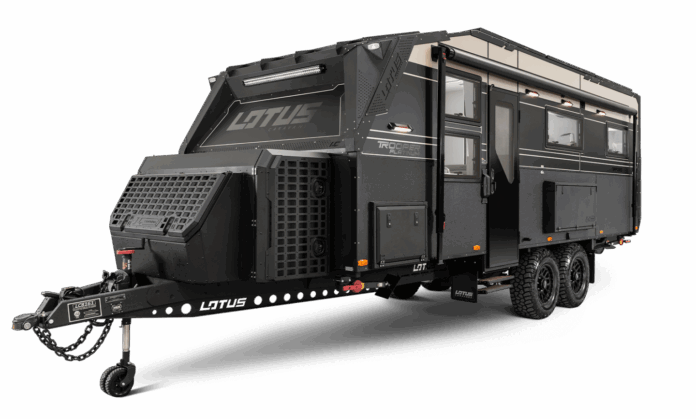
Are locally made caravans better suited for our terrain? Absolutely. Imported models are often designed for different climates and road systems. Australian caravans are tested in the environments you’ll explore, and feature reinforced chassis, advanced suspension, and robust underbody protection to confidently tackle Australia’s unique challenges.

Beginner’s Guide to Buying Australian Made Caravans

For first-time buyers, choosing an Australian-made caravan can be overwhelming. With so many options from top manufacturers, it’s hard to know where to start. The solution is to break the process into simple steps to find the right caravan for your travels.

This guide streamlines your search. You’ll learn about essential equipment, how to identify genuine local models, and follow a clear step-by-step process.

Essential Equipment and Resources Needed

As a first-time buyer, it’s essential to know what to look for in an Australian-made caravan. A quality van should support self-sufficient travel, letting you go further for longer. Consider your power and water needs—advanced off-grid systems are key features of top local models.

Focus on the core systems that make life on the road safe and comfortable, especially if you plan to travel off the beaten path.

Key features to look for:

  • Advanced Electrical Systems: High-capacity lithium batteries and powerful inverters for reliable off-grid power.
  • Ample Solar Panels: At least 1,450W of solar keeps batteries charged.
  • Large Water Tanks: Generous storage means longer stays without refilling.
  • Durable Suspension: Robust suspension ensures smooth towing on rough terrain.

How to Identify Authentic Australian Made Caravans

Identifying a truly Australian-made caravan requires some research. The most reliable method is to check for industry accreditation, such as the Caravan Industry Association of Australia’s RVMAP program. Accreditation indicates the manufacturer meets national standards for quality and safety.

To verify authenticity:

  • Look for RVMAP accreditation.
  • Confirm compliance with Australian Design Rules (ADRs).
  • Ask about the design and production process.
  • Find out where the chassis and main body are engineered and built.

Step-by-Step Process for First-Time Buyers

Buying your first caravan is an exciting milestone. To make a smart investment, it’s important to have a clear plan. A step-by-step approach helps new buyers avoid guesswork and consider all key factors before deciding.

The Australian caravan market can be complex, but with research, careful inspection, and the right questions, you can navigate it confidently. Here are four essential steps to finding your perfect Australian-made caravan.

Step 1: Research Caravan Features and Types

Your journey starts with research. What type of traveler are you? Your answer will guide you to the right caravan. Consider size, layout, and how you’ll use it. Are you traveling solo, as a couple, or with family? Will you stick to highways or go off-road?

A quality Australian-made caravan should have an ergonomic layout and durable, comfortable finishes. Look for features that fit your lifestyle, such as smart off-grid systems and flexible layouts. Whether you want a compact camper trailer or a luxury model, choose based on your travel needs.

Caravan TypeBest ForKey Features
On-Road CaravansHighway trips, RV parksSleek design, comfortable interiors, easy towing
Off-Road CaravansRemote trips, rough roadsReinforced chassis, advanced suspension, off-grid
Family CaravansTraveling with kidsBunk beds, spacious layouts, extra storage
Compact CaravansSolo travelers/couplesLightweight, easy to tow and park

Step 2: Inspect Build Quality and Compliance

Once you’ve chosen a type, inspect the build quality—an area where Australian-made caravans excel. They’re built to handle harsh local conditions, and a careful inspection can help you avoid issues like structural or water damage later.

Start with the chassis; it must be strong and well-engineered for durability. Check the frame—aluminum is ideal for its strength and light weight. Inspect seals around windows and doors to ensure they’re weatherproof. Construction should suit tough Australian environments.

Key things to check:

  • Reinforced chassis for local terrain
  • Advanced suspension for stability on rough roads
  • High-quality frame construction (like aluminum)
  • Underbody protection against rocks and debris

Step 3: Compare Pricing and After-Sales Support

While price matters, it shouldn’t be your only consideration. Look at the overall value, including warranty and after-sales support. Australian manufacturers offer strong support networks—a major advantage if you’re traveling far from home. A solid warranty from a local company provides peace of mind.

Is support better with local manufacturers? Usually, yes. Nationwide dealership and service networks mean help is always nearby. Direct access to expert technical support for maintenance, upgrades, and repairs is often unavailable with imported models.

Support FeatureWhy It Matters
Nationwide Service NetworkAssistance anywhere in Australia when you need it
Comprehensive WarrantyProtection against manufacturing defects
Expert Technical SupportSpecialists who know your caravan thoroughly
Parts AvailabilityFaster access to replacement parts from local suppliers

Step 4: Ask Important Questions Before Purchase

Before signing, ensure you have all the information you need. Your dealer is your best resource—ask detailed questions to clarify everything from performance to ownership logistics. Understanding the fine print now ensures a smoother experience later.

Focus on customization, warranty, and support. Many Australian manufacturers let you modify layouts, finishes, and features—a key advantage of buying local for a caravan tailored to your journey.

Key questions to ask your dealer:

  • What does the warranty cover, and for how long?
  • How much customization is available for this model?
  • What’s the estimated delivery time for a custom build?
  • Can you explain the after-sales support and service network?
  • What are the recommended maintenance schedules?

Conclusion

Investing in Australian-made caravans offers many benefits, from supporting local businesses to ensuring quality craftsmanship. As you shop, consider the key features and compliance standards that make these caravans stand out. Do your research and ask questions to make an informed choice. Your caravan is more than a vehicle—it’s your ticket to unforgettable adventures across Australia. Ready to get started? Contact us for a free consultation and find the perfect Australian-made caravan for you!

Frequently Asked Questions

What common mistakes should beginners avoid when buying in Australia?

Beginner caravan buyers should avoid rushing the process. Common mistakes include not thoroughly inspecting the build quality for potential structural damage, failing to match the caravan’s weight to their tow vehicle’s capacity, and not asking their local dealer enough questions about warranty and support before making a significant investment.

Are Australian-made caravans more expensive than imported models?

While the initial price of some Australian-made caravans might be higher, they often represent better long-term value. This is due to superior materials, compliance with strict local standards, and more extensive warranty and dealership support. Australian manufacturers build for durability, which can save you money on repairs later.

What features should I expect in a high-quality Australian-made caravan?

A high-quality Australian-made caravan should feature superior build quality with a focus on durability for Australian conditions. Expect to see advanced electrical installations for off-grid power, a robust chassis and suspension system, premium interiors designed for rugged use, and options for customisation to suit your travel style.

Is after-sales support better with Australian manufacturers?

Yes, after-sales support is a key strength of Australian manufacturing. With nationwide service networks, comprehensive warranty coverage, and direct access to technical experts, you gain significant peace of mind. This local presence ensures that help is readily available, which is a major benefit recognized by the Caravan Industry Association of Australia.

Four Takeaways from the NASCAR Craftsman Truck Series race at Daytona

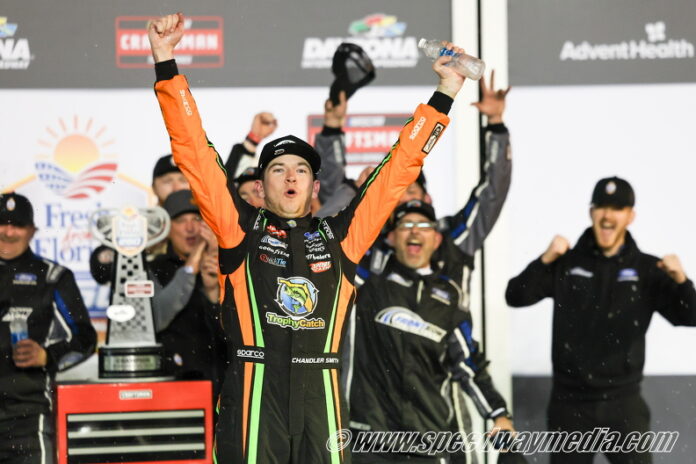
Photo by Mike Biskupski for SpeedwayMedia.com.

The NASCAR Craftsman Truck Series had its season opener Friday night at the famed Daytona International Speedway in the Fresh from Florida 250 for the first race of the season. It was a relatively calm day by Daytona standards with no big wrecks, but the action was still intense from the get-go.

We saw a thrilling three-wide finish for the win, settled by .044 seconds as Chandler Smith and the No. 38 Front Row Motorsports team scored the win.

In this column, we’ll take a look at other key storylines that broke out from the first race of the season.

Limited Amount Of Cautions

In recent years, the Daytona Truck Series race has been one of the wildest races in Speedweeks’ memory, often seeing numerous wrecks taking out a lot of good contenders in the event. However, this time around, there was no big wrecks as most of the race stayed green throughout the 100-lapper.

There were only six cautions for 31 laps. The biggest accident occurred late in the race as five trucks were involved in a wreck off Turn 4. Otherwise, the remaining five cautions involved either one truck spinning or a two-truck accident. Despite this, we saw some great racing near the end that saw a close finish when the checkered flag flew.

Christian Eckes Grabs Top Five Result In Return To Trucks

For the first time in two years, the Middletown, New York native returned to a Truck seat full-time with Bill McAnally, with whom he previously competed in 2024. Eckes had two starts last year in the Truck Series, but they were for the late team owner Shigeaki Hattori at Richmond and Loudon.

He spent the majority of 2025 full-time for Kaulig Racing competing in the O’Reilly Series. As the Kaulig O’Reilly team shut down to focus on their truck program, Eckes also moved back to trucks and will drive the No. 91 this season instead of the No. 19 as he did in 2024.

He had a banner night Friday night finishing third in Stage 1 and seventh in Stage 2. He found himself in position to potentially steal the victory coming to the finish line, but ultimately got pushed up by the No. 17 of Gio Ruggiero. Still, Eckes placed fourth in the final results.

Unfortunate Ending For Carson Hocevar

The Cup Series regular, Carson Hocevar who made a name for himself in the Truck Series a few years ago made his first truck start of the season with Spire Motorsports, his first of 13 races in 2026. The Michigan native had a strong showing early and made things exciting by providing some bold moves throughout the race, even winning the first stage.

Unfortunately, things began going a bit south afterwards as the engine began shutting off while Hocevar was leading in the second stage and then had a flat left-rear tire that saw him spin off Turn 4 and bringing out the yellow with 40 laps to go. Hocevar spun again late in the race with less than 20 to go when he was already three laps down.

The night ended for the No. 77 Spire Motorsports team as they were relegated to a 35th place finish and out of the race with suspension issues.

Star Studded Field

The Daytona Truck Series race saw a star studded field Friday night. It included Travis Pastrana, and YouTube Star Cleetus McFarland, better known as Garrett Mitchell, NASCAR Cup Series Champion Tony Stewart. Corey LaJoie and Michael McDowell also raced in the event.

It was Mitchell’s first Truck Series start for Niece Motorsports, but he wrecked on Lap 6 after getting loose off Turn 4.

Stewart made his first Truck Series start since 2005 at Dover Motor Speedway. He stayed in contention, but was ultimately caught up in a wreck with Jake Garcia a few laps shy from halfway. Stewart wound up 36th in the running order.

Meanwhile, Pastrana was also making his first start in a long while, since the Daytona 2023 season opener. He was relatively quiet in the race and finished 15th. LaJoie finished 34th with engine issues and McDowell, 24th, one lap down.

The next NASCAR Craftsman Truck Series race is scheduled for Saturday, February 21 at EchoPark Speedway in Hampton, Georgia. It is scheduled to start at 1:30 p.m. ET  and will be broadcast live on FS1 with radio coverage provided by MRN Radio.