Home Blog Page 27

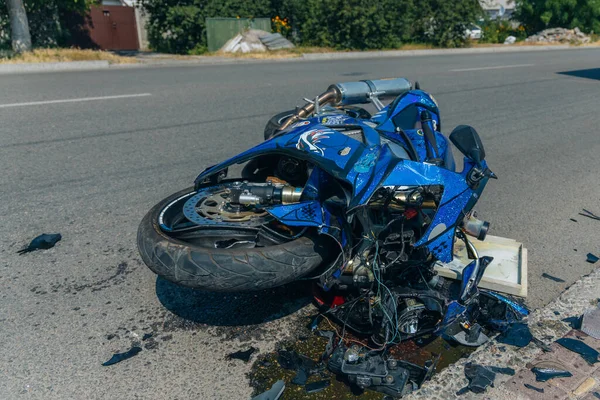
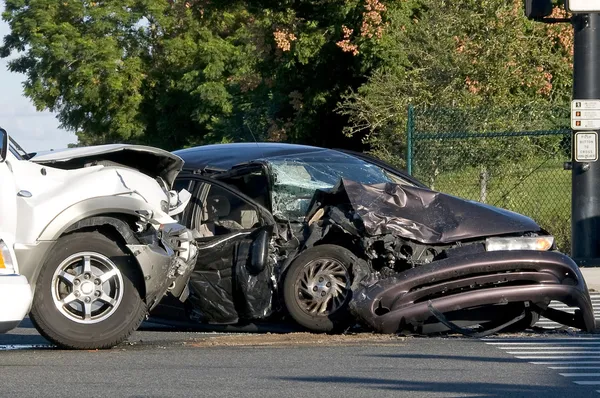
The Decision That Can Turn an Ordinary Drive Into a Crime Scene

Photo by depositphotos at https://depositphotos.com/

Most drives begin without much thought. Whether it’s a trip home from dinner, a quick stop at the grocery store, or a familiar commute to work, getting behind the wheel is part of everyday life for millions of people. Unfortunately, a single decision made before starting the engine can completely change how that trip ends.

Impaired driving affects far more than the person in the driver’s seat. Passengers, other motorists, pedestrians, cyclists, and entire families can be drawn into an event that lasts only seconds but leaves consequences that continue for years. Many of these crashes happen on roads people travel every day without expecting anything unusual.

One choice, driving under the influence, can dramatically increase the likelihood of a serious collision. Understanding how impairment affects driving, why these crashes are often preventable, and the lasting impact they create helps explain why responsible decisions matter before every trip.

How Impairment Changes the Way People Drive

Safe driving depends on making hundreds of small decisions every minute. Drivers constantly judge speed, monitor traffic, recognize hazards, and react to changing conditions. Alcohol and many drugs interfere with those abilities, making routine situations much harder to handle safely.

Reaction time often slows first. A driver may recognize a problem but respond too late to avoid it. Impairment can also reduce coordination, making it more difficult to steer accurately, brake smoothly, or maintain proper lane position during normal driving.

Judgment is affected as well. Someone who is impaired may underestimate risks, drive faster than conditions allow, or make decisions they wouldn’t normally consider while sober. Those changes increase the likelihood that a simple mistake becomes a serious crash.

One Choice Can Affect Countless Lives

A collision involving an impaired driver rarely impacts only one person. Occupants of other vehicles, pedestrians, cyclists, emergency responders, and family members may all experience lasting consequences from a decision they had no part in making.

Physical injuries are often only one part of the damage. Vehicles may be destroyed, businesses disrupted, and families suddenly faced with unexpected medical expenses or significant financial hardship. Even when injuries eventually heal, the emotional effects may last much longer.

Communities also feel the impact. Friends, coworkers, and loved ones often find themselves supporting people whose lives changed in an instant, illustrating how one impaired driving decision can create consequences that extend far beyond the crash itself.

Many Impaired Driving Crashes Never Have to Happen

One reason impaired driving remains so frustrating is that it’s often preventable. Planning transportation before drinking or using impairing substances can eliminate the need to make difficult decisions later when judgment has already been affected.

Designated drivers, rideshare services, taxis, and public transportation all provide alternatives that allow people to get home safely. Even choosing to stay where you are until you’re able to drive safely can prevent unnecessary risks.

Thinking ahead requires very little effort compared to the consequences of an impaired driving crash. Making transportation plans before an evening begins often removes the temptation to make a dangerous decision later.

The Effects Can Last Long After the Crash

A DUI crash may lead to serious legal consequences, but those are only part of the overall impact. Medical treatment, vehicle repairs, insurance issues, lost income, and emotional recovery often continue long after the collision has ended.

Relationships may also suffer. Families frequently experience financial stress, emotional strain, and uncertainty while dealing with injuries or legal proceedings that follow a serious crash. Those effects can continue for months or even years.

For many people, the most lasting consequence isn’t a damaged vehicle or a court appearance. It’s knowing that a preventable decision permanently changed the lives of others who simply happened to be sharing the road that day.

Conclusion

Every trip begins with a series of choices, and few are more important than deciding whether it’s safe to drive. Alcohol and drugs can affect judgment, coordination, and reaction time in ways that make even familiar roads unexpectedly dangerous.

The consequences of impaired driving extend well beyond the person behind the wheel. Injuries, financial losses, emotional hardship, and lasting legal issues often affect many people who had no control over the situation.

Making a safe transportation plan before driving is one of the simplest ways to reduce unnecessary risk. A responsible decision made before the keys ever leave a pocket can help prevent a tragedy that changes lives in an instant.

Designing a Motorsport Club That Captures the Energy of Race Day

Photo by John Benitez on Unsplash

Want your Motorsport club to feel vibrant and alive the moment someone walks through the door?

Every gearhead fantasizes about a place that evokes the sights, sounds, and smells of the pits- the smell of rubber burning and the heart palpitations of that last lap of the race. Unfortunately, most track clubs fall short. They resemble any other sterile sports bar with tacky race posters hung about.

Here’s the problem:

Race day energy is an emotion. There are screaming fans, heat, and the smell of gasoline. You can’t fake that with cheap decorations.

The good news?

A motorsport club can be leveraged to accomplish all of those things in one. Done correctly. This blog outlines how to do it.

Let’s jump in!

What you’ll pick up:

  • Why Race Day Energy Matters
  • The Numbers Behind Motorsport’s Boom
  • How To Nail The Layout
  • Airflow, Lighting & Comfort
  • Sound, Screens & Sensory Details
  • Memorabilia & Finishing Touches

Why Race Day Energy Matters

A motorsport club lives or dies by its atmosphere.

Members don’t come for the beers. They come because they want to feel alive. That twisting-in-your-stomach rush you feel when you’re trackside? That’s what the environment has to recreate. Even on a Tuesday night.

Get the atmosphere right, and patrons will return each week. Get it wrong, and they will move on to the closest sports tavern within four weeks.

Comfort is also extremely important here. Motorsport clubs stuff rooms with bodies, oversized screens, and heaters galore, which makes for a very warm environment. Airflow is just as important as the video equipment. A good set of ceiling fans can keep air moving throughout a busy room while maintaining clear audio. Remote-controlled ceiling fans allow staff to increase or decrease airflow from the comfort of behind the bar without having to step away — something extremely helpful during busy race days when there’s no time to roam about adjusting wall switches.

The Numbers Behind Motorsport’s Boom

Motorsport is no longer a niche hobby. It’s one of the quickest-growing spectator sports worldwide.

Nielsen Sports has revealed that F1 now boasts 826.5 million fans worldwide — an increase of almost 90 million fans compared to last year. Formula 1 race attendance reached 6.5 million spectators in 2024.

What does that mean for a motorsport club? There’s a huge demand. The audience is younger and more diverse than ever before. And people actually want social spaces around the sport.

Here’s the kicker:

  • 42% of F1 fans are now under 35
  • 41% of F1 fans are female
  • Women aged 16-24 are the fastest-growing segment

Design for that crowd and the club will fill itself.

How To Nail The Layout

Layout is the skeleton of the club.

If you mess this up, every design decision after it doesn’t matter. Get it right and patrons will seamlessly move through the space — starting at the bar, and winding through the big screens and onto the memorabilia wall.

The best motorsport clubs are broken down into clear zones:

  • The Grid: the main viewing area with the biggest screens
  • The Pit Wall: the bar area where drinks are run
  • The Paddock: casual lounge seating for mingling between sessions
  • The Podium: a raised area for VIP members or premium seats
  • The Garage: a quieter zone for private meetings, watch parties or member events

Each Zone should have continuity but feel different. Look at an actual race circuit. Each turn is different but the circuit flows together.

Airflow, Lighting & Comfort

Now for the sensory stuff.

Lighting is your quickest way to transform the mood of a room. Race day screams bright, razor-sharp, high contrast. Therefore, the club should combine warm ambient lighting with dramatic accent lighting to accentuate:

  • Trophy cabinets
  • Framed race suits
  • Signed helmets
  • The bar shelves

Hook up the ones with variable intensity bulbs so you can go from cocktail party ambiance to tunnel vision at race time.

Airflow is the second part of comfort. Bodies. Hot screens. Engines hotter than Hades. It’s stuffy in there fast. Cross-ventilation. Silent overhead units. Keeps air moving without interfering with the announcers. People want to hear Ferraris roar – not HVAC units.

Sound, Screens & Sensory Details

Sound is what separates a decent club from a great one.

Video is doing most of the heavy lifting, but sound sells emotion. Angle the speakers so engine noises boom by you- don’t have them peeking out of a corner. Throw in a subwoofer for that deep thump.

Screens matter too. Big does not always mean better. What you want is:

  • Multiple angles running at once
  • A main “hero” screen for the primary broadcast
  • Smaller screens for onboard cameras or telemetry data
  • Solid sight lines from every seat in the house

Sensory details are the little bits that take it over the top. The slight scent of tire rubber. A wall clad in livery markings. Grid lights over the bar. Little bits like that add up.

Memorabilia & Finishing Touches

Nothing beats real racing history on the walls.

Team posters from the original years, driver helmets, autographed steering wheels, race-worn suits — it turns a bar into a shrine. Guys will stop, stare, and talk about them all day.

Don’t clutter your walls though. Edit, edit, edit. Three amazing pieces will win over a wall full of filler any day. Swap out seasonal pieces for variety. And light your art correctly so it will be seen.

Even little details matter:

  • Menus designed like race programs
  • Table numbers styled as pit boards
  • Staff uniforms with a nod to team crews
  • Coasters shaped like tires

Every touch reinforces the theme.

Bringing It All Together

Designing a motorsport club shouldn’t just be throwing up a checkered flag and being done. Design should incorporate the sights, sounds, and overall feeling of race day into every aspect of the space.

To quickly recap:

  • Build the atmosphere around real race day energy
  • Design zones that mimic a race circuit’s flow
  • Balance lighting and airflow for comfort
  • Nail sound and screens for the sensory hit
  • Use memorabilia to tell a story

Get these three areas right, and you will never feel like a bar. You’ll feel like paddock on race weekend. That is what makes members want to keep coming back. That is what separates a good motorsport club from a great one.

The Post-Trail Maintenance Routine Every Jeep Owner Should Know

Photo by Ben Whitaker on Unsplash

Taking a Jeep off-road is one of the best ways to experience what these vehicles were built to do. Rocky trails, muddy paths, sandy washes, and wooded routes all challenge both the driver and the machine in rewarding ways. However, the adventure does not end when the tires return to pavement. Every trail leaves behind dirt, debris, moisture, and wear that can gradually affect performance if left unchecked.

A consistent post-trail maintenance routine helps prevent small issues from becoming expensive repairs. It also keeps a Jeep ready for the next outing while preserving the reliability that owners expect from a capable off-road vehicle. Whether the trip involved a few hours on local trails or an extended weekend exploring remote terrain, dedicating some time to inspection and maintenance is an essential part of responsible Jeep ownership.

Start With a Thorough Exterior Inspection

The first step after any trail ride is a careful walk around the vehicle. Mud and dust often conceal scratches, dents, or loose hardware that may have occurred during the drive. Looking closely before washing the Jeep makes it easier to identify fresh damage and determine whether anything requires immediate attention.

Particular attention should be paid to vulnerable body panels, wheel wells, and protective accessories. Off-road obstacles frequently throw rocks against the sides of the vehicle, while thick brush can leave marks along the doors and fenders. Owners who regularly encounter challenging terrain often choose durable upgrades from a dedicated jeep fenders online store because reinforced fenders are designed to better withstand trail debris while also providing additional tire clearance for modified builds.

Once the inspection is complete, tightening any visibly loose bolts or fasteners before the next drive helps prevent minor issues from becoming larger problems.

Wash Away More Than Just Dirt

Cleaning an off-road vehicle involves much more than improving its appearance. Mud can trap moisture against metal components, accelerating corrosion over time. Sand may work its way into moving parts, while dried clay can hide cracks or damaged suspension pieces.

A thorough rinse should begin underneath the Jeep. The skid plates, frame rails, suspension arms, axles, and differential housings often collect the greatest amount of debris. Removing these deposits allows components to cool properly, reduces unnecessary weight, and makes future inspections much easier.

High-pressure washing equipment can significantly speed up this process, especially after particularly muddy outings. Professional-grade systems from Hotsy South Texas are commonly used for cleaning heavy equipment, trucks, and utility vehicles because they deliver the pressure needed to remove stubborn dirt from hard-to-reach areas without relying solely on manual scrubbing.

After washing, allowing the vehicle to dry thoroughly before storing it helps reduce the chance of trapped moisture causing rust in hidden areas.

Inspect the Suspension and Steering Components

Inspect the Suspension and Steering Components
Photo by William Zhang on Unsplash 

Off-road terrain constantly challenges suspension geometry. Large rocks, uneven ruts, and repeated articulation place substantial stress on control arms, ball joints, bushings, and steering linkages.

Once the vehicle is clean, inspecting these components becomes much easier. Look for torn rubber boots, leaking shocks, bent brackets, or signs that hardware has shifted during the trip. Even a small amount of unexpected movement can indicate a part that deserves closer attention.

Drivers should also pay attention to steering feel during the drive home. New vibrations, wandering at highway speeds, or unusual noises while turning may point to alignment changes or suspension wear that developed on the trail.

Catching these problems early often prevents uneven tire wear and avoids placing additional stress on related components.

Check Tires, Wheels, and Brakes

Tires are among the hardest-working parts of any off-road vehicle. They absorb impacts, maintain traction across unpredictable surfaces, and protect the wheels from direct contact with obstacles.

After returning home, each tire should be inspected for cuts, punctures, embedded rocks, or sidewall damage. Air pressure should also be adjusted back to normal road specifications if lower pressures were used during the trail ride. Driving long distances on trail pressures can reduce fuel efficiency and negatively affect handling.

Wheel lug nuts deserve a quick torque check as well, particularly after aggressive terrain. Impacts against rocks can occasionally loosen hardware, especially on vehicles fitted with aftermarket wheels.

Brakes also benefit from a close inspection. Mud, fine gravel, and sand may collect around brake components, sometimes producing unusual noises until everything is cleaned. Removing trapped debris helps maintain consistent braking performance and reduces unnecessary wear on pads and rotors.

Don’t Forget Fluids, Recovery Gear, and Interior Care

Mechanical inspections are only part of a complete maintenance routine. Off-road driving often exposes the vehicle to conditions that make fluid checks even more important.

Engine oil, coolant, brake fluid, power steering fluid, and differential lubricants should all remain at appropriate levels. If the Jeep has crossed deep water, inspecting differential and transfer case fluids for signs of contamination is especially worthwhile. Milky fluid may indicate water intrusion and should be addressed promptly.

Recovery equipment deserves attention as well. Winch cables should be rewound neatly after use, recovery straps should be cleaned and dried before storage, and shackles should be checked for visible damage. Organizing this equipment immediately after the trip ensures everything is ready when it is needed again.

The interior often collects as much debris as the exterior. Dirt carried in on boots gradually works into carpets and seat fabric, while dust can settle throughout the cabin. Vacuuming the interior, wiping down surfaces, and removing moisture from floor mats helps preserve both comfort and resale value.

Regular maintenance extends beyond protecting the Jeep itself. Developing a consistent inspection routine also helps drivers become more familiar with their vehicles, making it easier to recognize subtle changes before they become significant mechanical issues. Over time, these simple habits contribute to safer adventures, fewer unexpected repairs, and greater confidence every time the next trail begins.

6 Reasons to Hire a Highway Accident Lawyer After a Serious Collision

A serious highway collision is often far more complicated than a typical car accident. Multiple vehicles, severe injuries, disputed fault, and complex insurance issues can all affect the outcome of a claim. Hiring a highway accident lawyer can help protect your rights, preserve critical evidence, and improve your chances of recovering fair compensation.

Unlike minor crashes, serious highway crashes need extensive investigation to figure out exactly what happened. A lawyer can identify everyone who may be legally responsible, gather time-sensitive evidence, and ensure your claim reflects the full extent of your injuries and financial losses.

The first few days after a collision are often the most important. Evidence can disappear quickly, memories fade, and insurance companies begin building their own version of events almost immediately. Having legal guidance early can be helpful.

1. Fault Is Often Disputed

Highway accidents frequently involve disagreements over who caused the crash. Lane changes, speeding, unsafe merging, following too closely, poor visibility, or sudden braking can all contribute to the collision.

An attorney can examine the following:

  • Police reports
  • Witness statements
  • Vehicle damage
  • Traffic camera or dashcam footage
  • Accident reconstruction reports

Even a small change in how fault is assigned can significantly affect compensation.

2. Serious Injuries Require Strong Evidence

High-speed crashes often cause injuries that require months or even years of treatment, including:

  • Traumatic brain injuries
  • Spinal cord injuries
  • Broken bones
  • Internal injuries

A lawyer helps connect medical records, treatment plans, lost income, rehabilitation costs, and future care needs to demonstrate the true impact of the accident. Without detailed documentation, insurance companies may undervalue the claim.

3. More Than One Party May Be Liable

Responsibility doesn’t always rest with a single driver. Depending on the circumstances, liability may extend to the following:

  • A trucking company
  • A commercial vehicle owner
  • A maintenance contractor
  • A government agency responsible for roadway maintenance

Identifying every responsible party helps ensure that no potential source of compensation is overlooked.

4. Important Evidence Can Disappear Quickly

Highway accident scenes are cleared rapidly, and valuable evidence may be lost within days.

Examples include:

  • Skid marks fading
  • Damaged vehicles being repaired or scrapped
  • Surveillance or dashcam footage being overwritten
  • Witness memories becoming less reliable

Preserving this evidence early can strengthen a legal claim

5. Insurance Companies May Offer Less Than You Deserve

Insurance adjusters often try to settle serious claims quickly, especially when future medical expenses could be substantial.

An experienced lawyer can:

  • Review settlement offers
  • Challenge low valuations
  • Calculate future financial losses
  • Negotiate for fair compensation

This helps ensure the settlement reflects both current and long-term damages.

Every state has filing deadlines and procedural rules for personal injury claims. Missing these deadlines can prevent an injured person from recovering compensation altogether.

Federal Rule of Civil Procedure 11 also requires legal filings to be supported by facts and law rather than speculation, making careful preparation essential. 

Also, Federal Rule of Evidence 401 defines what evidence is considered relevant, highlighting the importance of preserving documents, photographs, medical records, and witness testimony from the beginning.

How to Build a Strong Case?

Building a successful case requires gathering evidence, identifying every liable party, documenting injuries, and presenting clear proof of damages. Early legal guidance can help ensure important evidence is saved while protecting your rights throughout the claims process.

Final Takeaways

  • Serious highway crashes often involve complicated liability issues.
  • Fault disputes require strong evidence and thorough investigation.
  • Severe injuries need detailed medical and financial documentation.
  • Multiple individuals or companies may share responsibility.
  • Early evidence preservation can strengthen a claim.
  • Legal deadlines and procedural rules should never be overlooked.
  • An experienced lawyer can help pursue compensation that reflects the full impact of the collision. 

Crash Games vs. Sports Betting: Which Fits Your Playing Style and Risk Tolerance?

The online betting industry has grown significantly over the past decade, offering players more choices than ever before. Among the most popular options are Crash (Enfejar) games and sports betting. While both involve placing wagers and managing risk, they provide very different experiences.

Some players enjoy the fast pace and instant excitement of Crash games, where every decision is made within seconds. Others prefer sports betting, where research, statistics, and match analysis play a larger role before a wager is placed.

Neither format is inherently better than the other. The right choice depends on a player’s personality, goals, preferred level of involvement, and approach to risk.

For Iranian players looking to better understand both betting styles, educational resources such as BetLandMag.com regularly publish Persian-language guides covering Crash (Enfejar) games, sports betting strategies, betting terminology, and industry news. Learning the fundamentals before placing a bet helps players make more informed decisions rather than relying on online rumors or social media tips.

Understanding the differences between Crash games and sports betting can help players choose the experience that best aligns with their expectations while avoiding common misconceptions about both.

Two Different Experiences

At first glance, Crash games and sports betting may seem similar because both involve risking money for the possibility of a return. However, the player experience differs considerably.

In a Crash game, each round typically lasts only a few seconds. A multiplier rises continuously, and players decide when to cash out before the round suddenly ends. Every decision happens in real time, making the gameplay fast, dynamic, and highly interactive.

Sports betting, on the other hand, usually begins long before the event itself. Players often spend time reviewing statistics, reading injury reports, analyzing recent performances, comparing odds, and evaluating multiple betting markets before placing a wager.

This difference in pace shapes the overall experience. Crash rewards quick decision-making, while sports betting generally rewards preparation and patience.

Speed vs. Preparation

One of the most noticeable differences between these two formats is how quickly decisions are made.

Crash Games

Every round presents an immediate choice.

Should you cash out at 1.50x?

Wait for 2.00x?

Aim for an even higher multiplier?

These decisions unfold within seconds, requiring players to react quickly while controlling emotions.

Sports Betting

Sports betting encourages a slower process.

Before a football match begins, for example, many bettors examine:

  • Team form
  • Previous meetings
  • Home and away records
  • Injuries and suspensions
  • Tactical matchups
  • Weather conditions
  • Odds movement

Rather than making split-second decisions, sports bettors often spend hours gathering information before placing a single wager.

Players who enjoy research may naturally gravitate toward sports betting, while those who prefer instant action may find Crash more appealing.

Strategy Looks Different in Each Format

People often ask which option requires more strategy.

The answer depends on what “strategy” means.

In Crash games, strategy generally focuses on:

  • Selecting a consistent cash-out target
  • Managing bankroll size
  • Avoiding emotional decisions
  • Knowing when to stop

Success depends largely on discipline rather than prediction.

Sports betting introduces additional layers of analysis.

Players evaluate statistics, compare odds, study team news, and identify value in different betting markets.

However, it is important to remember that neither activity offers guaranteed outcomes.

In both cases, strategy is primarily about making thoughtful decisions rather than eliminating uncertainty.

Understanding Risk

Every form of betting involves risk, but that risk is experienced differently.

Risk in Crash Games

Crash games are highly volatile.

One round may end almost immediately.

The next might reach a much higher multiplier.

Because each round is brief, players often experience many wins and losses within a short period.

This rapid sequence can make sessions feel emotionally intense.

Risk in Sports Betting

Sports betting generally unfolds over a longer timeframe.

Once a wager is placed, players usually wait until the event concludes.

The outcome depends on the performance of athletes or teams rather than a rapidly changing multiplier.

Although the pace is slower, uncertainty remains.

Unexpected injuries, red cards, weather conditions, or late goals can dramatically influence the final result.

Both formats involve risk—it simply appears in different ways.

The Psychology of Decision-Making

Psychology plays an important role in both Crash games and sports betting.

However, the emotional challenges are often different.

Emotional Challenges in Crash

Crash players commonly experience:

  • Fear of missing a larger multiplier.
  • Regret after cashing out too early.
  • Temptation to increase wagers after losses.
  • Excitement created by consecutive fast rounds.

Because decisions happen within seconds, emotional reactions can occur just as quickly.

Emotional Challenges in Sports Betting

Sports bettors often face different pressures.

Supporting a favorite team can affect objectivity.

Social media predictions may influence opinions.

Unexpected events during a match can encourage impulsive live bets.

In both activities, emotional discipline is often more valuable than chasing excitement.

Can Analysis Improve Results?

One common misconception is that sports betting is entirely skill-based while Crash games depend only on luck.

The reality is more nuanced.

Sports betting certainly allows players to conduct extensive research before making decisions.

Knowledge of statistics, tactics, injuries, and betting markets can contribute to more informed choices.

Crash games, meanwhile, do not involve researching teams or players.

Instead, players develop consistency through bankroll management, predefined cash-out plans, and emotional control.

Neither activity allows players to predict outcomes with certainty.

Instead, both reward disciplined decision-making in different ways.

Bankroll Management Matters in Both

Regardless of which format a player chooses, bankroll management remains one of the most important long-term habits.

Responsible players typically:

  • Set a fixed betting budget.
  • Decide stake sizes before playing.
  • Avoid chasing losses.
  • Establish session limits.
  • Accept that losses are part of the experience.

Many beginners focus exclusively on choosing bets or cash-out points while overlooking how much money they risk on each decision.

In reality, controlling risk is often more important than trying to predict outcomes.

Which Experience Fits Your Personality?

Different personalities often enjoy different betting styles.

Crash games may appeal to players who:

  • Prefer quick sessions.
  • Enjoy instant decisions.
  • Like fast-paced gameplay.
  • Appreciate simple rules.

Sports betting may appeal to those who:

  • Enjoy researching statistics.
  • Follow football or other sports closely.
  • Prefer making fewer but more carefully considered wagers.
  • Like analyzing teams and tactical matchups.

Some players even enjoy both, choosing Crash for short entertainment sessions while using sports betting when they have more time to analyze upcoming events.

The choice ultimately depends on personal preference rather than one format being objectively superior.

Common Mistakes Beginners Make

Whether playing Crash or betting on sports, newcomers often make similar mistakes.

These include:

Betting Without a Plan

Making decisions impulsively usually leads to inconsistent results.

Chasing Losses

Increasing wager sizes after losing is one of the most common causes of poor bankroll management.

Following Internet “Experts” Blindly

Not every prediction or betting system shared online is reliable.

Understanding the reasoning behind a recommendation is usually more valuable than simply copying it.

Ignoring Emotional Control

Excitement, frustration, and overconfidence can all influence decision-making.

Recognizing these emotions is an important step toward developing healthier betting habits.

Learning Before Betting

One of the advantages of today’s online environment is the availability of educational resources.

Players can access articles, statistical analysis, market discussions, tutorials, and responsible gaming guides before making betting decisions.

Dedicated betting magazines and industry publications have become valuable sources of information because they go beyond predictions. Instead of focusing only on winning selections or sensational stories, quality publications explain how betting markets work, discuss new game formats such as Crash (Enfejar), analyze sporting events, and explore responsible bankroll management.

Developing a habit of learning before betting allows readers to build knowledge gradually while avoiding many of the misconceptions commonly found across online communities.

Staying Informed Makes a Difference

The rapid growth of online betting among Persian-speaking users has also increased the demand for reliable educational content. Instead of relying solely on Telegram channels or Instagram betting pages, many players now prefer dedicated Persian betting magazines that explain how betting markets work, review new casino games, and analyze football matches in greater depth. Platforms such as BetLandMag (مجله بتلند) aim to provide this type of educational content by focusing on analysis rather than unrealistic promises.

Conclusion

Crash games and sports betting offer two distinct yet equally popular ways to engage with the online betting world. Crash appeals to players who enjoy fast decisions, rapid gameplay, and immediate results, while sports betting attracts those who prefer analysis, preparation, and following the action of live sporting events.

Neither format guarantees success, and both require thoughtful decision-making, emotional discipline, and responsible bankroll management. Choosing between them is less about finding the “better” option and more about understanding which style matches your personality, interests, and tolerance for risk.

As the online betting industry continues to evolve, informed players increasingly recognize that knowledge is one of the most valuable tools available. By learning how different betting formats work, understanding their unique characteristics, and following trusted educational resources, readers can make more informed decisions while enjoying a broader understanding of both Crash games and sports betting. BetLandMag continues to serve the Persian-speaking betting community by publishing educational articles, casino game guides, football betting analysis, industry news, and responsible betting resources designed to help readers stay informed in a rapidly changing market.

Why Mobile Auto Repair and Maintenance Services Are Convenient

Photo by Denny Müller on Unsplash

When it comes to managing time around your vehicle’s maintenance schedule, visiting repair shops in person isn’t always practical. That is why mobile car repair dallas services have become much more popular. Mobile auto repair services boast convenience and efficiency. They allow you to address your car-related needs with minimal impact on your daily schedule. Companies like Assure Repair demonstrate a masterclass in delivering professional-grade mechanic services directly to your workplace, on the roadside, or at home. Not only do they offer a plethora of on-site diagnostic services, such as diagnostics, brake repairs, oil changes, and general maintenance, but they also typically offer same-day service with a customer-first approach. If you’re in the Dallas area, a mobile company like Assure Repair can get you back on the road quickly.

When you make an appointment at a traditional repair shop, you need to allocate time in your schedule and handle transportation and wait times. Mobile repair services eliminate all those annoyances and bring the professional technician straight to the destination of your choice.

Whether it’s inside your home’s garage or driveway, at your workplace, or stranded by the roadside, a mobile mechanic can perform many common repairs to get your car back into working order. The disruption this type of service has on your daily routine is minimal, which is extremely preferable by many.

For parents, working professionals, and business owners, the ability to continue standard routines while their car is being worked on is the biggest advantage of mobile repair.

What are the Services Provided by Mobile Mechanics?

Mobile mechanics are fully equipped with many of the tools necessary to handle both diagnostics and the most common car repairs. Commonly provided services include:

  • Preventative maintenance services and routines
  • Oil Changes
  • Filter replacements
  • Brake pad and rotor replacements
  • Any location battery diagnostics and replacement
  • Starter and alternator repair
  • Inspecting vehicle fluids and topping off if necessary
  • Gathering car diagnostics and troubleshooting
  • Tire replacement

Obviously, some repairs (like transmission replacement) will require a fully equipped repair shop; however, most car maintenance needs can be handled on-site.

What Makes a Mobile Repair Company Good?

Each and every company is different, and not every mechanic provides the same level of expertise or customer support. Before you schedule an appointment, consider factors such as repair capabilities, review grades, warranty policies, and technician experience.

Look for a company that can do the following:

  • Use quality replacement equipment and parts.
  • Clearly and honestly explain recommended repairs.
  • Offer transparent estimates before any work begins.
  • Provide quick and prompt scheduling with good communication.
  • Ensure technicians are experienced with most vehicle makes and models.

Being able to decipher what makes a good company from a bad one is essential for getting the best bang for your buck. Not only will it make your car safer and more reliable, but a good company, such as Assure Repair, will get the work done with as few disruptions to your schedule as possible.

Bottom Line

Mobile auto repair has been popularized for a reason: it has drastically changed how drivers approach vehicle maintenance. By combining professionals with unparalleled convenience, mobile repairs allow you to receive essential car repair services wherever your car is located.

From general preventative maintenance to emergency roadside repair, mobile mechanics are an excellent solution to ensure your car operates reliably. If you could benefit from fewer disruptions to your daily routine, consider seeking out a company like Assure Repair to get the most practical method of automotive care.

Palou Drives Closer to Fourth Straight Title With Nashville Victory

Music City Grand Prix at Nashville Superspeedway

LEBANON, Tenn. (Monday, July 20, 2026) – One day after his native Spain won the FIFA World Cup, Alex Palou’s path to another championship cup – the Astor Challenge Cup – became considerably shorter after his victory Monday in the Borchetta Bourbon Music City Grand Prix presented by OnlyBulls at Nashville Superspeedway.

Reigning and four-time NTT INDYCAR SERIES champion Palou took an 83-point lead – a gap of well more than a race’s worth of points – over David Malukas in the series standings with his fifth victory of the season and 24th career victory in this race that was delayed a day by rain. There are just six races remaining this season as Palou attempts to earn a record-tying fourth consecutive Astor Challenge Cup as season champion and fifth overall title.

“That’s a pretty cool weekend for Spain,” Palou said. “It’s impressive what they did yesterday in the World Cup, and I’m happy to top it off today on Monday. My first-ever win on Monday – I’ve never raced on a Monday. So, pretty cool.”

Palou, who started fourth, led the last 95 laps of the 225-lap race to beat the No. 2 Astemo Team Penske Chevrolet of reigning Nashville winner and recent series oval master Josef Newgarden by .8731 of a second. Malukas drove from 25th on the starting grid to finish third in the No. 12 Verizon Team Penske Chevrolet.

Scott McLaughlin put three Team Penske drivers in the top four in the No. 2 Odyssey Battery Team Penske Chevrolet, while 2026 Indianapolis 500 presented by Gainbridge winner Felix Rosenqvist rounded out the top five in the No. 60 Meyer Shank Racing w/Curb Agajanian Honda.

Palou used a mix of speed and good fortune to climb to the lead shortly past the halfway point of the race. He wasn’t happy with the handling of his car during his first two fuel stints, but adjustments during his pit stops on Lap 123 and Lap 185 turned his yellow car into a rocket.

He also got some good fortune before the stop on Lap 123. Palou had just entered the pits three-tenths of a second before they closed when the second of three caution flags in the race unfurled for a collision between six-time series champion Scott Dixon in the No. 9 DHL Chip Ganassi Racing Honda and 2016 Indy 500 winner Alexander Rossi in the No. 20 ECR Java House Chevrolet.

Other members of the lead pack at the time, including Newgarden, McLaughlin, pole sitter Kyle Kirkwood in the No. 27 Sam’s Club Honda of Andretti Global and Rinus VeeKay in the No. 76 Juncos Hollinger Racing Chevrolet, did not pit before the caution and were forced to wait until the pits opened.

Palou cycled to the lead on Lap 131 when those drivers made their stops and never trailed thereafter. But this was far from a stroll to the checkered flag in the remaining laps on the 1.33-mile concrete oval.

On their final stops ranging between 40 and 47 laps to go, Newgarden, Rosenqvist and Malukas each took the softer, grippier but less-durable Firestone Firehawk alternate tires for the dash to the checkered flag. Palou and strategist Barry Wanser bucked that trend and chose Firestone’s primary Firehawk tire.

That figured to play a role in the final restart on Lap 194 after rookie Dennis Hauger made contact with the SAFER Barrier in Turn 3 on Lap 181 to trigger the final caution. Palou appeared vulnerable on the harder primary tires compared to his pursuers on the grip-laden, softer alternate tires.

But Palou masterfully made minute adjustments to his racing line to keep Newgarden, Rosenqvist and Malukas at bay, maintaining a gap of two- to six-tenths of a second from Newgarden in the next 15 laps.

Then Palou’s more durable primary tires kept their speed as he navigated lapped traffic in the last five laps, and he eased away to the victory, the third of his career on an oval.

“Saturday, I was not that comfortable in the car,” Palou said. “But Julian (Robertson, engineer) and everybody on the 10 and CGR prepared a really, really good car for today. The beginning of the race we were not that comfortable in traffic, but the last two stints I was just super comfortable.

“It was a close battle there with Newgarden. It just seemed like he had so much speed there, and I was flat-out for the last 30, 35 laps. Just awesome to win here.”

Malukas was one of the stars of the show in sunny, steamy conditions, with air temperatures reaching the low 90s and track temperatures approaching 140 degrees. He climbed from 25th to the lead by Lap 33, using an alternate pit strategy, and led McLaughlin by nearly two seconds when he was caught out by pitting just before the caution involving Dixon and Rossi.

That dropped Malukas – who spent time Saturday afternoon in an area hospital after a hard crash in practice – to 14th on the restart on Lap 139. But he threaded his way back into contention and was up to fourth by Lap 194.

“That was a team effort,” Malukas said. “I’ve never driven so hard in my life.”

The next NTT INDYCAR SERIES race is the OnlyBulls Grand Prix of Portland on Sunday, Aug. 9 at Portland International Raceway. It’s the first of six races on five consecutive weekends in a feverish sprint to finish the 2026 season and settle the title race.

Alex Palou catches lucky caution to win at Nashville

LEBANON, Tenn. - JULY 20: Alex Palou, driver of the #10 Chip Ganassi Racing Honda, celebrates in victory lane after winning the NTT IndyCar Series Music City Grand Prix at Nashville Superspeedway on July 20, 2026, in Lebanon, Tennessee. Photo: Joe Skibinski/Penske Entertainment

LEBANON, Tenn. — Whatever crystal ball race strategist Barry Wanser possesses, he brought Alex Palou down pit lane at the right time.

By three-tenths of a second, the driver of the No. 10 Chip Ganassi Racing Honda entered pit lane just as teammate Scott Dixon rammed into the back of Alexander Rossi and brought out a caution on Lap 121. Palou avoided a penalty by three-tenths of a second. While everybody else pitted, he stayed out to take the race lead. Aside from a few green flag pit cycles, he didn’t surrender the lead again and drove onto victory in the day-late Music City Grand Prix.

“Incredible honestly,” Palou said. “Just, yeah, I’m so happy. I knew we had the great car. It’s one of those tracks that we’ve been struggling in the past. I know last year we were second, but we kind of got very lucky with a yellow there.

“Today it helped us. I’m not going to say that the yellow didn’t help us. We were already P3, P2. We were right there. The 10 car, I was struggling a little bit at the beginning, but at the end I was so comfortable, especially once we got into the lead.

“I was a bit nervous to get into traffic because I know that’s when Josef kind of shines. He’s been the best the last seasons. I was like, Please, Alex, you need to do it.

“I was committed. I wanted to try and give my best. Yeah, I’m just so happy that everything worked.”

It’s his 24th career win in 110 NTT INDYCAR SERIES starts, fifth of the 2026 season and first at Nashville Superspeedway. This also gave Ganassi its 150th win in the series.

Hometown star, Josef Newgarden, brought his No. 2 Team Penske Chevrolet home to a runner-up finish.

“Yeah, it was an all right day, OK day,” Newgarden said. “We had a good, fast car. Chevy did a great job. We’ll take second and move on.”

After a practice crash and missing qualifying, Saturday, David Malukas drove from the back of the field and led 59 laps, on his way to rounding out the podium.

“Yeah, that was, wow,” Malukas said. “Man, this whole week, what an incredible weekend. This is definitely not going to be one I’m going to forget for a very long time. Just super, super happy. Obviously exhausted. But just so happy.

“That was the best race that I think I’ve ever performed in. I was trying so hard with everything going on. Just kept asking for one more. My body kept giving it to me till the end.”

Scott McLaughlin and Felix Rosenqvist rounded out the top-five.

Marcus Ericsson, Pato O’Ward, Mick Schumacher, Kyffin Simpson and Kyle Kirkwood round out the top-10.

Alex Palou catches lucky caution to win at Nashville

Race summary

The lap count started at 3:04 p.m. ET, but it started under caution after an aborted start. The race went green on Lap 2. By Lap 4, Newgarden pulled to the outside of Kirkwood and the two raced side-by-side for a lap and a half. Newgarden backed off momentarily, then pulled outside, again, for half a lap. By Lap 7, Kirkwood pulled away slightly. Caution flew on Lap 19, when Caio Collet got loose and pounded the wall in Turn 4. Louis Foster, along with Malukas and Christian Lundgaard, stayed out while everybody else pitted to take over the race lead. Dennis Hauger received a drive-through penalty for improper pit entry. He used the deceleration lane in Turn 3, instead of entering pit road directly off Turn 4.

Back to green on Lap 32, Malukas overtook Foster on the high side into Turn 1 for the lead on Lap 33. By Lap 49, Malukas pulled to a 3.7 second lead over Scott McLaughlin. After he caught the back end of the field and stuck behind Graham Rahal, however, the gap shrank to 1.2 seconds on Lap 59. By Lap 61, Malukas pitted from the lead, and McLaughlin cycled to the front of the field. Rinus VeeKay kicked off a cycle of green flag stops on Lap 79. McLaughlin pitted from the lead on Lap 82, and took another set of soft tires. Kirkwood pit from the lead on Lap 83. Palou pitted from the lead on Lap 85. Rosenqvist pitted from the lead on Lap 86. Will Power pitted from the lead on Lap 88 and Malukas cycled back to the front.

Malukas pitted from the lead on Lap 119. On Lap 121, Alexander Rossi slowed down to enter pit road in Turn 3. Scott Dixon plowed into the back of him. Which brought out a caution. Palou, who entered pit lane just as the caution flew, stayed out to take over the race lead.

Back to green on Lap 140, the field settled into a green flag run. VeeKay kicked off a cycle of green flag stops on Lap 177. Caution flew with 45 laps to go, when Hauger got loose and hit the wall in Turn 2, then spun on pit entry in Turn 3.

Back to green with 31 laps to go, Palou came under threat from Newgarden. The gap hovered between 0.3 and 0.4 seconds. With 12 to go, Newgarden closed into within 0.25 seconds. With seven to go, however, Palou pulled to a 0.75 second lead. With five to go, it reached 0.9 seconds. He caught Foster and the gap shrank to under half a second, with four to go. With three to go, however, Palou cleared Foster and drove away to victory.

Alex Palou catches lucky caution to win at Nashville

What else happened

On Lap 116, Christian Rasmussen got loose in Turn 1, drifted up the track and side-swiped the wall in Turn 2.

IndyCar race story (Nashville)

Nuts and bolts

The race lasted one hour, 51 minutes and 46 seconds, at an average speed of 157.193 mph. There were 11 lead changes among seven different drivers and four cautions for 41 laps.

Palou leaves Nashville with an 83-point lead over Malukas.

The NTT INDYCAR Series returns to action on August 9, at Portland International Raceway.

Front Row Motorsports: North Wilkesboro Speedway NCS Race Report – Noah Gragson, Todd Gilliland, Zane Smith

Noah Gragson | Todd Gilliland | Zane Smith
North Wilkesboro Speedway NASCAR Cup Series Race Report
North Wilkesboro 450
Date: Sunday, July 19, 2026
Event: Race 23 of 38
Series: NASCAR Cup Series
Location: North Wilkesboro Speedway (0.625-miles)

FRM Finish:

● Todd Gilliland (Started 18th, Finished 8th / Running, completed 449 of 450 laps)
● Zane Smith (Started 29th, Finished 22nd / Running, completed 447 of 450 laps)
● Noah Gragson (Started 31st, Finished 25th / Running, completed 446 of 450 laps)

FRM Points Standings:

Todd Gilliland (23rd)
Zane Smith (24th)
Noah Gragson (31st)

Todd Gilliland Key Takeaways

Stage One: 15th / Stage Two: 9th / Race Result: 8th

“Overall, that was just a very solid night for us,” said Gilliland. “I’m pretty happy with how we unloaded. My crew chief felt pretty confident and we worked hard the whole weekend, and I feel like we got it closer to where we needed to be. It was a completely different short track package for us, and I’m excited for here and then something similar maybe like Richmond and places like that. We’ll keep chipping away, but I’m really proud of my team for digging in. What we’ve had here hasn’t been good and just going out on an island and, luckily, it was a little bit better.”

Zane Smith Key Takeaways

Stage One: 29th / Stage Two: 28th / Race Result: 22nd

“Tough one out there today, that was miserable inside the car with the heat,” said Smith. “Proud of my guys for helping us gain some positions there towards the end. We ran pretty good at the Brickyard last year, hoping we can get back on that swing of things we had in May and June and start competing up front again.”

Noah Gragson Key Takeaways

Stage One: 26th / Stage Two: 25th / Race Result: 25th

“Tough night for our No. 4 A&W Ford Mustang Dark Horse, but I’m proud of the team for fighting through it and making adjustments all race,” said Gragson. “We lost some power late but kept digging and will take what we learned to come back stronger next week.”

ABOUT FRONT ROW MOTORSPORTS

Front Row Motorsports (FRM) is a winning organization competing in the NASCAR Cup Series and the NASCAR CRAFTSMAN Truck Series. Founded in 2004 by entrepreneur Bob Jenkins, FRM has earned top honors including a 2021 Daytona 500 victory and the 2022 CRAFTSMAN Truck Series championship. Based in Mooresville, N.C., FRM fields the No. 4, No. 34, and No. 38 entries in the NASCAR Cup Series, along with the No. 34 and No. 38 teams in the CRAFTSMAN Truck Series. For more information, visit FrontRowMotorsports.com and follow Front Row Motorsports on social media — X: @Team_FRM, Instagram: @teamfrm, Tik Tok: @Team_FRM, YouTube: @FrontRowNASCAR, and Facebook: facebook.com/FrontRowMotorsports.

Jim Dunn Racing – Sonoma Event Recap for the DENSO NHRA Sonoma Nationals presented by PowerEdge

Photo credit: Auto Imagery

Jeff Arend
Lescure Mechanical Services Funny Car Driver for Jim Dunn Racing
DENSO NHRA Sonoma Nationals presented by PowerEdge
July 17-19 | Sonoma, California

Event Recap

Jeff Arend, driver of the Jim Dunn Racing Lescure Mechanical Services Funny Car:

  • Earned No. 6 provisional qualifying position in Q1 on Friday (4.032 ET at 315.27 mph)
  • Fell to No. 12 provisional qualifying position in Q2 on Friday (4.019 ET at 283.13 mph)
  • Fell to No. 14 provisional qualifying position based off of Friday’s Q2 run. In Q3 on Saturday, Arend ran a 5.210 ET at 144.84 mph.
  • Secured No. 15 qualifying position based off of Friday’s Q2 run. The team elected to not make a qualifying run in Q4 on Saturday.
  • Eliminated following Round 1 on Sunday:
  • Round 1: 4.064 ET at 311.77 mph, lost to Jack Beckman (3.928 ET at 328.06 mph)

Notes of Interest

  • Arend represented Lescure Mechanical Services this weekend in Sonoma. Lescure Mechanical Services is a family-based company that was started in 1947 by Marcel and Charlotte Lescure. Built initially as a mechanical shop, Lescure is now a general contractor specializing in jobs covering all scopes of work. They have the highest quality of work for fuel delivery systems, water reclamation systems, general contracting, mechanical and plumbing.
  • Jim Dunn Racing was pleased to welcome back ALO Drink as an associate partner for the NHRA Sonoma Nationals. Great flavor comes from their dedication to using real aloe vera straight from the leaf harvested from sustainable farms in Thailand, and combining them with fruit and vegetable juices, and only the best Non-GMO or organic ingredients. It’s pure liquid harmony. As a leader in the plant-based beverage category, they are proud of their entire lineup of their new organic products. They are creative with flavor combinations and hope to inspire your lifestyle. ALO has been a proud partner of Jim Dunn Racing for over 10 years.
  • The NHRA Mission Foods Drag Racing Series had sellout crowds on all three days at the NHRA Sonoma Nationals.
  • The NHRA Mission Foods Drag Racing Series continues their “West Coast Swing” next weekend in Kent, Washington. Jim Dunn will be recognized and celebrated at the NHRA Northwest Nationals as part of the NHRA’s 75th Anniversary season.

Jeff Arend, Driver of the Jim Dunn Racing Lescure Mechanical Services Funny Car
“The Dunn team is optimistic after consecutive times in qualifying and on race day in Sonoma. The Lescure Mechanical Services car ran very well. On our best effort in qualifying, the car went 4.01 (seconds) at only 280 mph. The motor shut off before 800 feet due to broken blower studs. It was on its way to the 3’s (ET)! The team and I had a great time with the fans, and all our sponsors and guests. It was great hanging out with the Lescure Mechanical group and family, along with the great people at True Brand. The Jim Dunn Racing Team is looking forward to next weekend’s race in Seattle Washington.”

Next Up

The next event on the NHRA Mission Foods Drag Racing Series schedule is the Muckleshoot Casino Resort NHRA Northwest Nationals July 24-26 at Pacific Raceways in Kent, Washington.