

Home Blog Page 29

The Style Guide to Choosing Pet Accessories That Actually Last

Photo by Mathew Coulton on Unsplash

Want your pet’s gear to actually survive more than a few months?

Many spend hundreds of dollars annually replacing inexpensive collars, frayed leashes and faded harnesses that wear out quickly. Here’s the good news:

Investing in quality accessories from day one will save you loads of money (and embarrassment when your leash breaks during a walk).

Here’s What’s Coming:

  • Why Quality Pet Accessories Matter
  • Picking The Right Dog Leashes And Harnesses
  • The Best Materials That Actually Last
  • Style vs Function: Finding The Balance
  • Caring For Your Pet Accessories

Why Quality Pet Accessories Matter

Pet ownership has skyrocketed in recent years. One study found that the global market for pet accessories reached $21.9 billion in 2024 and is expected to nearly double by 2034.

Why?

Dog owners spoiling their pups more than ever. Because they consider them family. And family only receives the finest.

But here’s the problem…

Most accessories on those shelves are cheaply made. They look great at the store, but 2 months later? Back to shopping. Buy good dog leashes and harnesses from the start and break the cycle.

And you don’t have to worry about safety hazards of cheap products. Having a clip break or collar tear while you’re walking across a crowded street is not something you should risk. It’s no surprise that so many dog owners have started using durable designer dog collars made with heavy-duty webbing and quality hardware – designed to keep up with daily walks, weekend adventures, and everything else in between. Pair them with coordinating leashes and harnesses for a complete look.

Consider: Something you use every day should be built to last. Expensive leashes and harnesses are designed to last years. Cheap ones fall apart after weeks. The math doesn’t lie.

Picking The Right Dog Leashes And Harnesses

Dog leashes and harnesses aren’t interchangeable. Pick yours depending on your dog’s size and energy level and where you plan to use them.

Here are the main things to look for when shopping:

  • Strong stitching with reinforced seams at stress points
  • Solid metal hardware — avoid cheap plastic clips
  • The right width for your dog’s size and pull strength
  • Comfortable padding on harnesses to prevent rubbing
  • Adjustable fit so it grows or shrinks with your dog

Why does this matter so much?

Since 65% of U.S. households own at least one dog. With so many dogs out walking everyday, you want a quality product that lasts. The brands that use cheaper materials are ones that you’ll be replacing every couple months.

Pullers need front-clip harnesses. These redirect your pup’s force rather than choke them. If you have a toy breed, a mesh harness will be much gentler on their neck than a collar.

The Best Materials That Actually Last

Here’s something most people don’t think about when buying pet gear…

The material is everything.

Cheap leashes are often made with thin nylon that will start to fray after only a few months of normal use. Dog leashes and harnesses should be made with materials that are able to handle:

  • Daily tugging and pulling
  • Wet weather and mud
  • Chewing (in many cases)
  • Repeated cleaning

The top materials to look for are:

  • Bridle leather — ages beautifully and lasts decades
  • Biothane — waterproof, easy to clean, and tough
  • Heavy-duty nylon webbing — affordable and strong
  • Marine-grade rope — ideal for big, strong dogs

They all have their pros. Leather is timeless and molds to your dog with age. Biothane is amazing in the mud and washes down in seconds. Heavy nylon is the workhorse material that can do just about anything on a budget.

Helpful hint: Stay away from anything with inexpensive plastic buckles securing the primary load bearing components. Plastic becomes brittle when cold, cracks when exposed to sunlight and will be the first component to fail on an inexpensive leash.

Style vs Function: Finding The Balance

Now to the fun part…

Functional pet accessories don’t have to look bad. Or stupid. According to a recent study, 54% of pet owners spend more time browsing products for their pets than they do with family members. They want cute gear that works.

Here’s the truth about combining style with function:

  • Pretty hardware doesn’t mean weak hardware
  • Designer patterns can come on heavy-duty webbing
  • Custom embroidery doesn’t affect a collar’s strength
  • Quality stitching looks better AND lasts longer

The balancing act is finding brands that don’t sacrifice one for the other. A leash that’s super stylish but snaps when given some serious tug just isn’t worth saving a few bucks. And you don’t want to walk around with a leash so bombproof it doubles as an industrial cargo strap, either.

When you shop, ask yourself:

  • Is the hardware welded or just attached?
  • Are the seams double or triple stitched?
  • Does the brand offer a warranty?
  • What do reviews say after 6+ months of use?

These questions cut through the marketing and tell you what actually matters.

Caring For Your Pet Accessories

Even the best dog leashes and harnesses need a bit of TLC…

Dog owners toss their leash in the corner after every walk and never look at it again. Problem.

Five minutes care a month will keep your accessories looking good and operating safely for many years longer.

Quick care routine:

  • Wipe off mud and dirt after wet walks
  • Hand-wash nylon and webbing in mild soap
  • Condition leather collars and leashes every few months
  • Inspect hardware regularly for cracks or rust
  • Check stitching for wear — especially on harness straps

If you walk your dog more than once per day you will want to rotate between two sets. This helps ensure drying time and limits wear.

Safety tip: Throw away any leash or harness with worn hardware or unraveling stitching. There’s no sense risking disaster when you’ve got 80 pounds of overjoyed Labrador on your hands.

The Final Word

Choosing pet accessories that actually last comes down to a few simple things…

  • Buy quality materials the first time
  • Match the gear to your dog’s size and behaviour
  • Don’t sacrifice function for cheap looks
  • Care for the accessories you invest in

The pet supplies world has so many “budget” brands that promise the world and perform poorly. Invest in good build quality, proper materials and brands that offer warranties and you’ll pay less money over time and have equipment you love to use.

Your dog shouldn’t be walking around with a flimsy collar from the grocery store. And neither should your wallet take the hit of constant replacements.
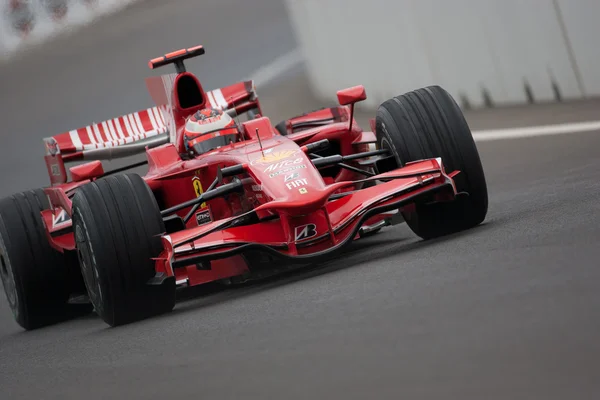

How Formula 1 Fans Are Influencing Trends in the Online Casino Industry

Photo by depositphotos at https://depositphotos.com/

Formula 1 has always been about speed, precision, and daring strategy. Those same qualities are now bleeding into how racing fans choose to play online. Many recent motorsport followers scan the internet for the newest casinos that feel best suited to their need for constant action. They often warm up with free demo versions of popular online slots before taking on full-throttle slot games once comfortable. Payment safety leads many top enthusiasts toward Interac casinos that promise pit-stop-fast deposits, a record they expect to hold through canada 2026 and beyond. In only a few seasons, the crossover between the paddock and the casino lobby has become impossible to ignore. Streaming platforms, social media debates, and mobile scoreboards make it simple for fans to carry racing energy straight into interactive games. This shared hunger for instant feedback is what now drives operators to design casino experiences that feel as thrilling as a last-lap overtake. The following sections break down the fresh trends, showing exactly how the roar of an engine is shaping clicks, spins, and bets around the globe.

Digital Grandstands: Online Casinos are a Growing Trend

Millions of fans have already assembled in virtual grandstands before the first light is turned on. Discord servers and subreddits buzz with predictions on tire wear and pit strategies. This constant conversation provides casino developers with a live focus group. Designers hear fans praise a daring undercut, or criticize a slow stop. They then create features that reward quick decisions and punish hesitation. Lobby menus are now able to adapt instantly, offering new tournaments as soon as the chatter peaks. 

Some platforms mirror the team radio graphics and let players tap on an icon to switch tables just as easily as a racer switches engine modes. Operators can track hashtags to determine the best time to send a promotion. Data loops are so tight, a meme about an unexpected crash can lead to a limited-time prize within hours. The digitally-connected fanbase is both a critic and a copilot in the modern casino launch. Community influencers are now working with studios to beta-test unreleased features in post-qualifying streams, and provide feedback that helps shape public releases. Their reactions are a kind of emotional wind tunnel that helps designers determine what is authentic and what needs to be tuned.

Speed meets Spin: Slot Design Inspired By Race Pace

Slot developers have always been drawn to eye-catching themes. However, Formula 1 fans place a greater emphasis on speed. Viewers have become accustomed to instant updates. Sector times flash in green or purple and standings change after each DRS blast. New slot titles mimic this rhythm with turbo reels, which complete a turn in less than a second. Then, a cool-down screen is available to slow down the action and provide strategy tips. Bonus rounds are like sprint races, with short, intense and powerful bonus rounds. 

Animations use telemetry lines as paylines. The game studios have reported higher retention rates when they use countdown widgets, similar to five red lights. Players hold their breath while reels lock and then launch into a burst of free spins. Even the soundtracks are engine revs, instead of traditional chimes. This creates a visceral clue that a payout will soon be near. These slots transform every bet into a mini grand prix, which fans can begin at any time. Many studios, because the race is never really over, plan seasonal updates. They repaint cars, tracks and jackpots to match mid-season liveries, so that the game feels lively every weekend.

Live Dealer Tables: The thrill of Real-Time Strategy

Not all fans are satisfied by pressing a button, and letting the RNG do the math. Live dealer tables satisfy the desire of many players for tactical mind games. Camera angles mimic on-board feeds by zooming in close to the cards when they are dealt, and pulling out wide when players make decisions. 

This is similar to a helicopter view of Eau Rouge. Dealers offer probabilistic advice in a steady cadence similar to race engineers. The side-bets are like tyres: they’re high-risk and high-grip, but can fall off when overused. Every decision window has a time limit, which is similar to the reaction limits required in pit stops. The table’s “track condition” is read by the players to decide whether they want to double their chips or save them for the next round. The format rewards calm calculations under a ticking timer, similar to how a strategy might decide to stop early in order avoid traffic. This live format is familiar to viewers who are used to telemetry overlays.

Paying Fast: Pit-Stop efficiency to cash-out speed

Formula 1 mechanics are able to swap four tyres within two seconds. This sets a new standard of efficiency, which is reflected in banking. Customers who are devoted to race weekends will now evaluate an online casino platform based on its withdrawal timer as much as its RTP. Instant verification, same-day payouts and automated KYC checks are all part of the smooth choreography that makes up a perfect pitstop. Fintech companies compete to reduce transaction times by milliseconds, using biometrics sign-ins or pre-approved limits. 

This allows money to move as soon as the chequered-flag drops. Some sites display a leaderboard for “fastest cash out” to celebrate players who cleared their funds in record time. Operators invest in regional payment rails, just as teams transport garages across continents over night. This avoids multi-day currency exchanges. It is easy to see the psychological benefit: A bettor can feel the complete circle of action when they are able to see their winnings arrive before the podium ceremony. Digital punters are now able to make money by betting on speed, which was once only mechanical.

Tech Expectations – Safety, Fairplay, and Data Transparency

Fans of racing expect the same level of oversight in their betting. Casinos are expected to display regulatory badges and algorithms that can be proven fair after a car is disqualified due to a scratched-off skid block. Random number generators backed by blockchains are like inspectors at parc ferme, securing game code to ensure no hidden tweaks get through. 

Telemetry dashboards are used to create transparent stats pages that update in real-time house edges, payout rates, and player counts. Anti-collusion software mirrors stewards investigations. If a pattern of bets is noticed, automated flags will summon support agents in the same way that yellow flags slow down a race. Two-factor authentication, encrypted wallets and other safety features are designed to ensure that users can be assured of the impact absorbing capabilities of hardened systems. Brands that advertise their safety technology earn the loyalty of a crowd who are trained to follow rules and make black-and-white choices.

Each change in the F1 calendar will have a ripple effect on the casino industry. Operators may be pushed to localize their content by introducing bilingual dealers, maple-leaf jackpots, and a greater North American presence. Cost caps and sustainable fuels will encourage casinos to reduce server load and show their green credentials. The Augmented Reality visor technology, which is already used in driver training, could soon be powering AR slot cabinets, where cars race across the rug of a player’s home. 

The FIA has tightened its penalty guidelines, which could indicate a stricter gambling regulation. Platforms are encouraged to create compliance modules in advance of the light going out. The esports feeder series are expected to grow along with the esports, and offer crossover promotions such as free spins for virtual podium finishes or sportsbook credit. It’s not just about copying what happens on the track, but evolving along with it. This will keep fans’ engagement and adrenaline high.

Best Luxury Cars to Rent in Phoenix for a Desert Road Trip

Few drives in the United States feel as cinematic as the run from Phoenix into the high desert. Saguaro-lined two-lanes give way to red-rock canyons north of the valley, the air thins past Sedona, and the highway toward Flagstaff climbs through pine country that feels nothing like the Sonoran floor where the trip began. Arizona’s landscape rewards travelers who slow down for it and tends to punish those who try to rush through.

That terrain places real demands on the vehicle, which is one reason an exotic car rental Phoenix has become a quiet trend among travelers planning serious desert routes. Heat, elevation, distance, and pavement quality each factor into how the drive feels behind the wheel — and the right car matches the road instead of fighting it.

Why Phoenix Calls for a Different Kind of Rental

The Sonoran Desert is not gentle on cars. Summer surfaces grow hot enough to soften standard tires, elevation shifts climb sharply between Phoenix and Flagstaff, and the route up toward Sedona rewards a vehicle that can corner cleanly and breathe well at altitude. Comfort matters just as much. Long days behind the wheel between Scottsdale, Jerome, and the Grand Canyon turn cabin quality into a practical concern rather than a luxury. The best luxury cars Phoenix travelers turn to handle the climate, the distance, and the cabin time without compromise.

What to Look For in a Desert-Ready Luxury Rental

A handful of features separate a great desert road trip vehicle from a forgettable one. Ventilated seats and a strong climate system are essential — leather and Arizona afternoons are not natural friends. Adaptive suspension helps on the broken pavement north of Phoenix, and all-wheel drive earns its keep on the dirt approaches near Sedona and Lake Pleasant. European supercars engineered for autobahn use generally manage desert heat without losing performance. Convertible tops become a real upgrade in spring and fall, when desert evenings cool into something genuinely pleasant.

Luxury Cars That Suit the Arizona Desert

A few models consistently stand out among travelers searching for exotic cars for road trips that match the scale of the landscape.

Lamborghini Huracan Spyder

The Huracan Spyder turns canyon walls into a soundtrack. Its open-top design, sharp acceleration, and confident all-wheel-drive grip make it a standout for high-desert routes — the kind of car that turns the Apache Trail into a memory travelers describe long afterward.

Mercedes G-Wagon G63 AMG

The G-Wagon is the practical exotic. Luxurious enough for resort valet lines and capable enough for the dirt roads leading toward Antelope Canyon, it suits couples and small groups looking for a luxury road trip Arizona vehicle without sacrificing cargo or ground clearance.

McLaren 720S

For the long climb toward Flagstaff, the 720S is hard to beat. Composed at cruising speeds, dramatic at every fuel stop, and built for the kind of open road that defines a Phoenix desert road trip. Best enjoyed in early-morning hours, before the heat begins to build.

Porsche GT3

The driver’s choice on the list. The GT3 thrives on the curves between Sedona and Jerome — precise, naturally aspirated, and surprisingly livable across a full day in the saddle. A car that turns the road itself into the destination.

Audi R8 Spyder

The R8 sits at the intersection of supercar drama and everyday usability. A refined cabin, all-wheel-drive confidence, and an engine note that pairs well with desert acoustics make it a strong introduction for travelers stepping into exotic cars for road trips for the first time.

Matching the Car to the Route

Sedona and Jerome favor a precise driver’s car — the GT3 or 720S handle those bends best. The Grand Canyon and Page lean toward the G-Wagon for ground clearance and space. Scottsdale resort weekends and Old Town evenings suit the Huracan Spyder or R8 Spyder, where the car becomes part of the entrance. Travelers cycling between Phoenix and Tucson tend to get the most from the R8 — quick, refined, and easy to live with on back-to-back travel days.

Practical Notes Before the Trip

Peak season in Phoenix runs through the cooler months, and premium inventory tightens quickly around major race weekends, the Phoenix Open, and Spring Training. Reserving well ahead locks in a specific vehicle rather than a category. Confirming the mileage allowance also matters more than most travelers expect — desert road trips cover serious ground, and a capped contract can quietly cost more than the rental itself.

Final Thought

Phoenix rewards travelers who treat the drive as part of the trip rather than friction before it. Whether the choice lands on the Lamborghini Huracan Spyder for open-air drama, the Mercedes G-Wagon G63 AMG for backcountry confidence, the McLaren 720S for highway composure, the Porsche GT3 for driver-focused canyon runs, or the Audi R8 Spyder for an all-around introduction to the segment, the vehicle shapes the entire experience. A luxury car rental in Phoenix chosen for the road, the season, and the route is often the difference between a good trip and one that travelers describe long after the keys are returned.

Live Betting in NASCAR: Why Race Format, Track Type, and Bankroll Discipline Matter

NASCAR is one of the most underrated sports for live betting, and that gap between perception and reality is exactly where informed bettors find value. The race format creates natural inflection points, track type determines which drivers and teams have a structural edge, and the pace of play gives active bettors more opportunities per event than almost any other motorsport. If you’re searching for the best social casino, platforms like Acebet cover NASCAR with live in-play markets that let you act on those moments in real time, but the platform is only part of the equation. Understanding the sport well enough to know when to bet, and when to wait, is what separates disciplined live bettors from people who are just reacting to what they see on screen.

How the Stage Format Creates Betting Structure

The single most important thing to understand about modern NASCAR live betting is the stage system. Since 2017, Cup Series races have been divided into three stages, with points and prize money awarded at the end of each stage, not just the overall finish. This format change had a dramatic effect on race strategy, and it has equally significant implications for live betting.

Each stage creates a mini-race within the race. Teams that need points will race hard to the stage break regardless of where they sit in the overall standings. Drivers who are outside the top ten in points may take aggressive risks to win a stage that they would not take if only the final finish mattered. This means the intensity of racing is not evenly distributed across the full event. The final ten laps of each stage are some of the most competitive, and most chaotic, stretches of any race.

For live bettors, this creates predictable windows. As a stage nears its end, the field compresses, caution odds shift, and driver position markets tighten. The post-stage caution, which is guaranteed after stages one and two because the yellow flag automatically flies, resets the field and forces everyone to pit. This is where live odds on race winner and top five finishes often reset most significantly, and it is where bettors who have been watching the race carefully have real informational edge over the market.

Knowing going into a race that you have two guaranteed caution periods to work with means you can plan your live betting around those resets rather than chasing odds in the middle of green flag runs.

Track Type: The Variable That Changes Everything

No other major American sport has the venue variation that NASCAR does. A driver who dominates short tracks may be mediocre on superspeedways. A team with an elite superspeedway setup may struggle on road courses. Track type is the foundational variable in NASCAR analysis, and it is often underweighted in pre-race markets and even more underweighted in live markets where the crowd is reacting to what just happened rather than what the track type predicts will happen.

Superspeedways

Daytona and Talladega are the two superspeedways on the Cup schedule, and they operate under a unique set of rules. Restrictor plates limit engine output so that all cars run at roughly similar speeds, which means drafting and pack positioning matter more than raw horsepower or setup. Races at superspeedways are defined by large pack movement, frequent lead changes, and an extremely high probability of a late-race crash that reshuffles the entire running order.

From a live betting standpoint, superspeedways are high-variance environments. Pre-race favorites have a much smaller edge at Daytona than they do at tracks where skill and setup dominate. The wreck probability in the final stage is high enough that live betting on specific finishing positions becomes extremely speculative. Where superspeedways do offer value is in caution betting if your platform offers it, and in betting on drivers who are known strong drafters and have historically positioned themselves well for late runs, regardless of where they sat mid-race.

Intermediate Tracks

One-and-a-half mile ovals like Las Vegas, Charlotte, and Kansas make up the largest portion of the Cup schedule. These are the tracks where team engineering, pit strategy, and driver consistency matter most. There is no restrictor plate to equalize the field, no tight confines to create contact, and enough straightaway length that horsepower and aerodynamic setup produce meaningful differences between cars.

Intermediate tracks are the most predictable environment for live betting. Drivers who qualified well are usually there because their car is genuinely fast, not just because they caught a good tow. Green flag pit stop sequences are where the biggest position swings happen, and understanding which teams have historically excelled at four-tire versus two-tire calls gives you an edge when live odds shift during pit cycles.

Short Tracks and Road Courses

Bristol, Martinsville, and Richmond are tight, high-contact environments where driver aggression and vehicle durability matter as much as raw pace. Crashes are common, and the racing is physical. Live odds swing dramatically on short tracks because incidents that would be minor on a superspeedway can take out multiple competitors in a single corner.

Road courses, which now represent a growing portion of the schedule after NASCAR’s commitment to adding more circuit racing, reward a different skill set entirely. A handful of drivers are significantly better road course racers than the field average, and that edge tends to be more durable than advantages on ovals because road course ability is less dependent on car setup and more dependent on driver technique. When a known road course specialist is running mid-pack early due to traffic or a minor incident, live odds on them recovering to a top finish are often undervalued.

Reading the Race: What to Watch in Real Time

Live betting in NASCAR requires watching the race actively, not passively. The information that moves live odds most significantly falls into a few categories.

Tire wear is one of the most important and least discussed variables. At tracks where grip degrades significantly over a run, drivers whose cars are handling well at lap 30 of a run may be struggling by lap 50. Broadcasters will note handling issues when they are dramatic, but attentive viewers will notice the car getting loose or tight before it becomes a storyline. A driver whose car is handling poorly is a fading live bet regardless of their current position.

Fuel mileage strategy is another major variable. Teams that pit a lap or two earlier than the field during green flag stops are sometimes taking on less fuel to attempt a mileage play later in the run. If you track which teams made short fuel stops, you can anticipate who might attempt to stretch a run to the end without pitting, which creates both risk and opportunity in the live market depending on how the caution flags fall.

Track position matters enormously at certain venues and matters less at others. On intermediate tracks in clean air, leading the field is a significant advantage because the lead car does not deal with dirty air. On superspeedways, it means almost nothing because the pack is so compressed. Knowing which track type you are watching determines how aggressively to weight current running position in your live betting decisions.

Bankroll Discipline in a Fast-Moving Market

NASCAR races last between two and a half and four hours depending on the event. That is a long window of live betting exposure, and it is long enough to get into real trouble if you are not managing your bankroll deliberately.

The stage format helps impose structure if you use it. One approach is to divide your session bankroll into three portions, one per stage. You only deploy the stage-one allocation during the first stage, regardless of how compelling an opportunity looks. This prevents the common mistake of going heavy early and then being underexposed or overextended during the final stage, where variance is highest and the most dramatic swings happen.

Another discipline rule worth applying is the no-chase rule after a caution wipes out a position. NASCAR is full of moments where a driver you backed was running second and then got caught up in a wreck through no fault of their own. The instinct is to immediately rebuy at longer odds to recover the loss. That instinct is usually wrong. Let the field reset, reassess who has a fast car, and make a fresh decision rather than an emotional one.

Setting a maximum per-bet size as a percentage of session bankroll, something in the range of 15 to 20 percent per position, prevents any single race development from doing serious damage. NASCAR markets can move 30 to 40 percent in seconds on a caution or crash. Sizing positions appropriately means you can absorb that variance without being forced into recovery mode.

Putting It Together

Live betting on NASCAR rewards bettors who do the homework before the race starts. Knowing the track type and what it means for the drivers in the field, understanding the stage format and the strategic windows it creates, and going in with a clear bankroll plan converts a fast-moving and seemingly chaotic market into something much more navigable.

The edge in NASCAR live betting is not about predicting crashes. It is about understanding which drivers have structural advantages at a given venue, knowing when the market is overreacting to a single incident, and having the discipline to act deliberately rather than impulsively across a three-hour race window.

The bettors who do consistently well in this market are not guessing. They are prepared.

Canplay Casino Canada: $400 Bonus + 10 Free Spins 2026

The platform at Canplay Casino brings together slots, live dealer tables, table games, specialty games, and a sportsbook under one login. The welcome package spreads across three deposits up to $400 total, with 10 free spins on the $1,000,000 Slot Machine on signup. For Canadian players in Ontario and beyond, Canplay Casino Canada is one of the few platforms where casino and sports betting share the same account. The full breakdown is below.

Bonuses at Canplay Casino Canada

The welcome offer runs across three deposits, with each top-up building on the previous bonus. A Canplay Casino bonus code entered at registration activates the full package.

Welcome Package and Canplay Casino Bonus Code

DepositMatch BonusExtra
1st100% up to $100n/a
2nd50% up to $250$5 free bet for the sportsbook
3rd25% up to $50n/a

Total package value: up to $400 across three deposits. The Canplay Casino bonus code applies at signup or through the promotions section.

No Deposit Bonus

New players receive 10 free spins on the $1,000,000 Slot Machine after registering, with no deposit needed. A useful way to get a feel for the platform before putting in real money.

Ongoing Promotions

The promotions calendar at Canplay Casino keeps running after the welcome offer:

  • Daily promotions: exclusive bonuses and free spins every day;
  • Weekly offers: reload bonuses, free bets, and cashback;
  • Sportsbook boosts: $25 free bet on the first deposit for sports players;
  • Special events: themed promotions for holidays and seasonal occasions.

Games at Canplay Casino

Evolution Gaming powers the live tables. The rest of the catalogue draws from Play’n GO, Microgaming, and a range of other studios. After the Canplay Casino login, all categories open from the same lobby.

Slots

Classic three-reel titles alongside modern video slots and progressives. Book of Dead (Play’n GO), Buffalo SPACE GrandWays, Coin Strike Hold and Win, Golden Bull, and Mega Moolah (Microgaming) are among the highlighted titles. 9 Masks of Fire, Hyper Gold, and Squealin’ Riches also feature in the catalogue. Mega Moolah is worth flagging separately: it’s one of the few progressive jackpot titles with a documented history of paying out seven-figure sums, which tends to attract a specific type of player. Demo mode runs across the library for anyone who wants to test a title before betting real money.

Table Games

Blackjack in Classic and Vegas Strip versions, Roulette across European, American, and Multi-Wheel formats, standard Baccarat, Casino Hold’em, and 3 Card Poker. Stakes adjust per session.

Live Casino

Evolution Gaming runs the live lobby at Canplay Casino. Live Blackjack, Live Roulette, Live Baccarat, Deal or No Deal Live, and Football Studio, all in HD with professional dealers. The section runs continuously, covering Canadian players from Ontario to British Columbia.

Specialty Games

Video Poker (Jacks or Better, Deuces Wild), scratch cards with instant wins, and keno round out the catalogue for players who want something at a different pace.

Sportsbook

The sportsbook integrates directly with the casino account. Canadian players move between casino and sports betting in the same session, with dedicated promotions running on both sides of the platform. The first deposit also triggers a $25 free bet for sports players, which is a reasonable starting point for anyone who follows hockey, basketball, or football.

Canplay Casino Login and Account Setup

The Canplay Casino login button sits at the top right of the homepage. Five steps to get started:

  1. Visit the official Canplay Casino Canada website;
  2. Click Sign Up at the top right corner;
  3. Fill in personal details: name, email, and date of birth;
  4. Verify the account via the confirmation email link;
  5. Log in and claim the welcome bonus on the first deposit.

KYC verification runs before the first withdrawal. Completing it early keeps the process moving. For Canplay Casino Ontario players, account setup follows the same process with local compliance requirements applied at registration.

Payment Methods and Withdrawals

CAD supported natively. SSL encryption across all transactions. For Canplay Casino Ontario players, all major local payment options are covered alongside crypto.

MethodTypeDepositWithdrawalProcessing Time
Visa / MastercardCardYesYes1–3 business days
PayPal / Neteller / SkrillE-walletYesYesInstant to 24 hours
Bitcoin / EthereumCryptoYesYesInstant
Bank TransferBankYesYes3–5 business days

Crypto is the fastest route out. E-wallets clear within 24 hours. Zero internal fees on all methods.

Security and Licensing

Canplay Casino Canada holds a Kahnawake Gaming Commission licence (issued May 2018), with an additional iGaming Ontario partnership in place since October 2022 for provincial players. SSL encryption runs across every session, games carry RNG certification with regular independent audits, and any Canplay Casino bonus code claimed through the account is subject to the same transparent terms published on the Promotions page. Responsible gambling tools cover deposit limits, session limits, cooling-off periods, and self-exclusion.

Mobile Access

Canplay Casino runs in any mobile browser on iOS and Android. The full game catalogue, sportsbook, cashier, and 24/7 support all work from mobile. Layout adjusts automatically, and security tools are in place just as on desktop.

Customer Support

Live chat runs 24/7 with immediate responses. Email covers more involved matters within a reasonable window. The FAQ section handles account setup, bonuses, verification, and payment questions at any hour. For Canplay Casino Ontario players with region-specific queries, the support team addresses local compliance questions directly.

FAQ

What is the welcome bonus at Canplay Casino Canada?

The welcome package at Canplay Casino Canada runs to $400 across three deposits: 100% up to $100 on the first, 50% up to $250 on the second, and 25% up to $50 on the third. A $5 sportsbook free bet comes with the second deposit.

How does the Canplay Casino login work?

The Canplay Casino login sits at the top right of the homepage. Click Sign In, enter the registered email and password, and the full account opens in any browser on desktop or mobile.

How do I use a Canplay Casino bonus code?

A Canplay Casino bonus code is entered during registration or in the promotions section. The code activates the corresponding offer, such as deposit match bonuses or free spins.

Is Canplay Casino available in Ontario?

Canplay Casino Ontario is accessible to players who meet the legal age requirements and are physically located within the province. Standard registration applies, with local compliance requirements met at signup.

What payment methods does Canplay Casino accept?

Visa, Mastercard, PayPal, Neteller, Skrill, Bitcoin, Ethereum, and bank transfer. At Canplay Casino Canada, crypto processes instantly, e-wallets within 24 hours, and cards within 1–3 business days.

Australia Tightens Offshore Casino Blocks: What It Means for Players and the Market

In 2025, Australia’s regulator ACMA continued its large-scale campaign against operators offering services to local users without the legal authority to do so. Another wave of offshore casinos fell under new restrictions, bringing the total number of blocked domains to more than 1,200.

For the market, this is not a one-off action. Similar measures have been implemented consistently over several years. The primary objective is to reduce access to websites that do not comply with local legislation and fail to meet regulatory requirements.

The situation was examined in detail by vega-zone.bet. What is more interesting, however, is that the consequences extend far beyond the closure of a handful of web addresses. Each new round of blocking increases operators’ spending on infrastructure, backup domains, and traffic redirection. In some cases, the cost of maintaining a mirror network can rise by 20–40% within a single year.

For players, the changes are not always immediately noticeable. One domain disappears, another emerges. Over the long term, however, the number of companies willing to work with Australian traffic without a fully compliant legal framework continues to decline.

Why This News Matters More Than It First Appears

Another domain block may seem like a localized event. In reality, it affects the entire Australian online gambling market as well as neighboring regions.

Every new restriction increases customer acquisition costs. A few years ago, operators could attract a steady flow of users through a single website. Today, they often need multiple backup domains, additional servers, and monitoring systems. In many cases, marketing costs have increased by 30–50%.

Against this backdrop, licensed operators are becoming increasingly important. They gain access to additional audiences as some competitors leave the market. At the same time, customer retention programs are becoming more valuable. This is one reason many operators are expanding bonus offerings and long-term promotions such as the Vegazone bonus.

The advertising market is also changing. The cost of high-quality gambling traffic in English-speaking markets has more than doubled in certain niches over recent years. The fewer operators remain accessible to users, the more valuable each active player becomes.

For Australia, this means the market is gradually becoming concentrated around a limited number of major participants capable of investing in regulatory compliance and long-term business development.

How Player Behavior Will Change in Australia and Beyond

Following new waves of blocking, users typically begin searching for alternative ways to access gambling platforms. The most common methods remain VPNs, backup domains, and private communities where updated website addresses are shared.

At the same time, account verification procedures continue to become more rigorous. While registration once took as little as 1 to 3 minutes, full identity verification now often takes between 5 and 30 minutes. For major operators, this has already become standard practice.

In Australia, many players have become more focused on access reliability and the speed of financial transactions. As a result, there is growing interest in access services such as Vegazone login and similar authentication tools.

According to regulatory observations, some users move to licensed operators after blocks are introduced, while others continue using alternative connection methods. Similar patterns have been observed in other countries, including the United Kingdom and several European jurisdictions.

Table 1: What Has Changed for Players Following Stronger Blocking Measures

ParameterPreviouslyAfter New Restrictions
Registration1–3 minutes3–15 minutes
Identity VerificationNot always requiredFrequently required
Number of Available DomainsStableFrequent address changes
Payment ChecksBasicEnhanced
WithdrawalsStandard reviewIncreased monitoring
Account SecurityLimitedAdditional verification
Document ProcessingSelectiveSignificantly more frequent
Transaction OversightMinimalMore detailed

Who Stands to Benefit from the New Market Reality

The biggest beneficiaries are large licensed operators. As some competitors leave the market, their customer bases expand without requiring significant increases in advertising expenditure.

Payment service providers also gain advantages. Increased oversight drives demand for transaction verification systems, operational monitoring tools, and automated risk assessment solutions. Some suppliers in this segment report annual order growth of 15–25%.

Affiliate networks are also in a strong position. In certain segments, the cost of acquiring a single active player already exceeds AUD 300. For major media projects, this means higher revenues even as the overall number of advertisers declines.

In response, users are becoming more diligent in reviewing operator comparisons and evaluations. This is why resources such as Vegazone review have become increasingly important sources of information before registration and depositing funds.

However, there are also clear losers. Smaller offshore companies face rising infrastructure expenses, mirror network maintenance costs, and legal compliance obligations. Certain advertising networks focused exclusively on unlicensed operators are also losing ground. As a result, the market is becoming less fragmented and more competitive for the businesses that remain.

What Happens in the Grey and Black Markets After Such Decisions

Large-scale restrictions rarely eliminate traffic entirely. Instead, it tends to be redistributed across alternative channels.

Some activity shifts to messaging platforms, specialist forums, and private communities. Certain projects increasingly rely on affiliate programs instead of traditional advertising, allowing them to retain audiences even after their primary domains are blocked.

In Australia, these trends have emerged after every major wave of restrictions. According to industry analysts, during the first months following a block, as many as 20–30% of users may seek alternative access methods.

Another important factor is AML (Anti-Money Laundering measures). Enhanced oversight of financial transactions reduces the effectiveness of older methods and increases the importance of transparent payment systems.

Amid these rapid changes, many users turn to Vegazone testimonials and other player reviews to learn more about the operator’s reliability, payout times, and customer service quality.

Historical Parallels: Have Similar Campaigns Happened Before?

Australia has previously gone through comparable regulatory phases. Stronger enforcement efforts began following reforms introduced in the late 2010s. Since then, the number of restrictive measures has steadily increased.

History reveals an interesting pattern. Initially, blocks create short-term inconvenience, but the market eventually adapts. Companies invest in security, customer verification procedures, and compliance with new requirements.

A similar path has been followed by the United Kingdom, the Netherlands, Germany, and several other countries. In most cases, the regulated segment gradually expanded while the position of major licensed operators strengthened.

According to various industry studies, markets typically restructure within 12–24 months after the introduction of large-scale restrictions. Once this adjustment period ends, a new competitive landscape emerges.

Table 2: Regulatory Development and Its Consequences

PeriodKey ChangesConsequences
2019Increased oversight of unlicensed operatorsGrowth in voluntary market exits
2020Expansion of technical blocking measuresReduced activity among some offshore brands
2021New monitoring requirementsHigher operating costs
2022Stronger marketing oversightMarket consolidation
2023Additional player protection measuresGrowth in the share of licensed operators
2024–2025Mass domain blockingRedistribution of customer traffic

An additional factor is the international market. According to analytical firms, the global iGaming sector continues to grow by 8–12% annually despite increasing regulation in individual countries.

Who Will Be Stronger by 2027 and What Players Should Expect

If the current policy remains in place, the strongest positions by 2027 are likely to belong to large international operators investing in security, automated verification systems, and user data protection.

For players, the key considerations will be payout reliability, verification speed, and customer service quality. Many companies are already reducing document verification times to just a few minutes through automated systems.

At the same time, the mobile segment will continue expanding. Industry analysts forecast that smartphones could account for more than 70% of all online gambling sessions globally. This will drive further development of mobile applications and personalized services.

Australia is expected to remain one of the most heavily regulated gambling markets in the region. Nevertheless, interest in online gambling is unlikely to decline. Instead, access methods, operator requirements, and customer engagement strategies will continue to evolve.

Against this backdrop, Vegazone and other major brands gain additional opportunities to strengthen their positions through technology, operational transparency, and reliable service.

Gardner White Furniture, Elite Rewards and Black’s Tire Team Up With TRICON for Michigan

Tanner Gray to Sport New Look on No. 15 Tundra

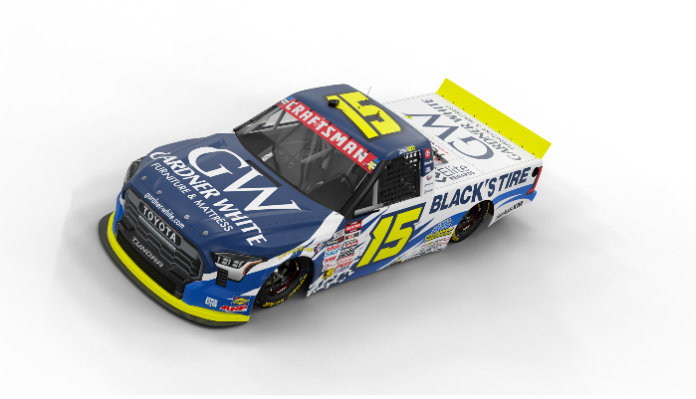
MOORESVILLE, N.C. (June 1, 2026) – TRICON Garage (TRICON) is pleased to announce Black’s Tire is expanding its existing slate of events with driver Tanner Gray, welcoming Gardner White Furniture and Elite Rewards as additional partners on the No. 15 Toyota Tundra TRD Pro at Michigan International Speedway.

Gardner White Furniture & Mattress is the leader in Michigan’s mattress market, differentiating itself by offering twice the selection of other retailers, with galleries featuring more than 100 options. With locally warehoused inventory, Gardner White delivers speed, convenience, and award-winning customer service making it easier than ever to customers to find the right fit.

“It’s truly exciting to have our friends at Gardner White as primary sponsor for Michigan. Working alongside fellow family businesses that share the same commitment to quality, customer service and community impact is something we truly value,” said Ricky Benton II, VP of Purchasing, Sales & Marketing for BTS Companies.

Black’s Tire, which has operated for over 95 years, features more than 75 locations across North Carolina, South Carolina, Virginia & Eastern Tennessee and remains committed to being a local, family-owned tire retailer and wholesale distributor. Black’s Tire and Gray share a rich partnership history spanning multiple truck series seasons, where the pair most recently celebrated a top-10 performance from at Charlotte Motor Speedway.

Joining Black’s Tire and Gardner White is Elite Rewards, a national provider of loyalty, incentive, and engagement solutions designed to help retailers drive customer retention, increase sales, and strengthen brand loyalty.

The NASCAR Craftsman Truck Series Race at Michigan will be televised live on FOX Sports 1 on Saturday, June 6 at 1:30 P.M. ET, with radio coverage provided by SiriusXM and the NASCAR Racing Network.

About TRICON Garage

TRICON Garage is a professional racing organization fielding five full-time NASCAR Craftsman Truck Series entries. Serving as the flagship Truck Series partner of Toyota Racing Development, the team plays an integral role in the NASCAR development ladder. Headquartered in Mooresville, North Carolina, TRICON has quickly established itself as the premier home for cultivating the next generation of motorsports industry professionals. Actively involved in three different industries – racing, fabrication and transportation, the team operates out of three buildings totaling 60,000 square feet.

About Black’s Tire

Black’s Tire Service (BTS) was founded as Black’s Service Station by W. Crowell Black in Whiteville, N.C. in 1929 and celebrating 97 years of business in 2026. With more than 75 locations in North Carolina, South Carolina, Virginia & Eastern Tennessee, Black’s remains a local, family owned- and -operated tire sales and service and vehicle repair business. In addition to the retail and commercial locations, Black’s also operates 15 warehouse/distribution centers, BTS Tire & Wheel Distributors, a commercial sales division, and a tire-retreading business, Carolina Retreads. Today, the Black’s Tire family includes more than 1,200 team members. To learn more about Black’s Tire or to find a location, visit www.blackstire.com. Follow Black’s Tire on social media: Twitter at @BlacksTire, Instagram at @BlacksTire and Facebook at facebook.com/blackstire.

About Gardner White

Family-owned and operated for 114 years across four generations, Gardner White is Michigan’s #1 furniture and mattress retailer with 32 stores serving Michigan and beyond and parent company to GW HOME. Headquartered in Warren, Michigan, Gardner White is rooted in providing customers quality products, great value and innovative services, and is deeply dedicated to the communities they serve. Gardner White is the presenting sponsor of America’s Thanksgiving Parade and was recently named Top 100 Retailer in the United States, and Best Places to Work by Furniture Today and Crain’s Detroit Business. For more information, visit www.gardner-white.com and follow us on Instagram, Facebook, Pinterest, YouTube and X.

About Elite Rewards

Elite Rewards is a national provider of loyalty, incentive, and engagement solutions designed to help retailers drive customer retention, increase sales, and strengthen brand loyalty. With more than 15 years of proven success and deep expertise in the furniture and mattress industry, Elite Rewards now serves retailers across multiple verticals, including retail, appliance, surface and flooring, home improvement, and financial services. Through its philanthropic arm, Elite Cares, the company has supported more than 50 organizations and helped raise over $1.7 million for community causes. Elite’s innovative programs, advanced technology, and dedicated support teams deliver measurable results for partners of all sizes.

Nick Sanchez Joins Peterson Racing

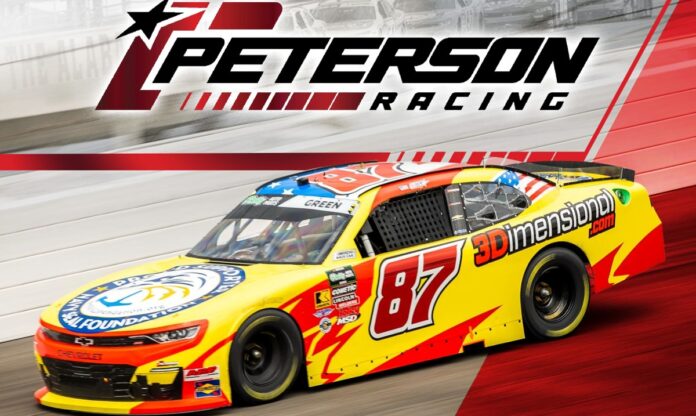
June 1, 2026 (Sanford, North Carolina) – Peterson Racing is proud to announce that driver Nick Sanchez has joined the organization for a limited schedule of races. The 24-year-old native of Miami, Florida will make his debut behind the wheel of the No. 87 Chevrolet for the June 13th event at Pocono Raceway.

“I am excited and ready for this opportunity with Peterson Racing”, stated Sanchez. “The Peterson Racing organization has all the pieces in place, and I hope to be a great asset to their growth. I have been in a similar situation before with their team alliance and am familiar with the people and processes.”

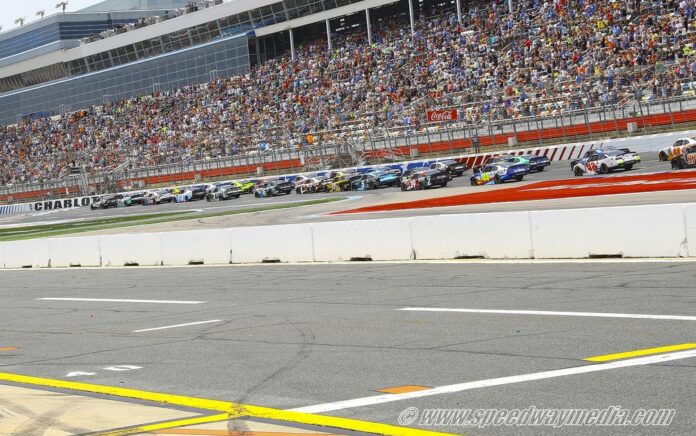
In addition to the Pocono event, Sanchez will pilot the No. 87 Chevrolet in three additional races – July 4th at Chicagoland Speedway, July 11th at EchoPark Speedway and July 25th at Indianapolis Motor Speedway.

“We are excited to have Nick join the Peterson Racing team,” stated Jody Measamer, crew chief for Peterson Racing. “We are in a growth process with our program with our sights set on expanding to a multi-car operation in the future and this allows us to have a second driver in our cars at this point. The goal is to provide additional input and help us build our program further. Austin (Green) has been instrumental in our growth thus far and will continue to be a valuable asset to Peterson Racing.”

As a first-year full-time competitor in the NASCAR O’Reilly Auto Parts Series, Peterson Racing has shown great potential, highlighted by four top-16 finishes in the last six races. With growth in the sport comes challenges, but the fledgling organization has its sights set on continued growth and expansion.

“Of course, I am disappointed in not being in the car for a few races, but I welcome Nick to the team,” stated Green. “Doug Peterson has done a lot to get this organization to this point, and I am committed to helping with our continued growth. I will be in Pocono, Chicago, Atlanta and Indianapolis to learn and help the team any way I can.”

The NASCAR O’Reilly Auto Parts Series has a week off before heading to Pocono Raceway on Saturday June 13th for the running of the MillerTech Battery 250 presented by KOA.

4 Reasons Hands-On Auto Education Matters in the Age of Smart Vehicles

Photo by depositphotos at https://depositphotos.com/

Gone are the days when a loose wire or a dirty spark plug could be sorted out with a simple socket set and a bit of elbow grease in the driveway. Today, stepping into a garage feels more like stepping into a Silicon Valley server room, with complex wiring harnesses, dozens of onboard computers, and driver-assist sensors staring back at you. For anyone trying to break into the automotive industry or just learn how to fix their own ride, this shift from pure mechanics to rolling software can make you feel entirely locked out of the trade. Luckily, programs built around real, working systems—such as the hybrid and EV training equipment from AutoEDU—are designed to bridge that gap and help you understand your vehicle even better. Here’s why hands-on auto education is vital in the age of smart vehicles.

1. Muscle Memory Beats a Screen Every Single Time

You can watch a ten-minute video on how to replace a wheel bearing or calibrate a radar sensor three times over, but the moment you’re standing in front of a rusted bolts-and-nuts assembly, that digital knowledge evaporates. There is a specific, tactile feedback that your brain needs to truly understand a mechanical system. You need to know exactly how much pressure it takes to snap a stubborn clip, or what a properly torqued bolt feels like through the handle of a wrench. That’s something a tablet may not teach you.

When you’re dealing with smart vehicles, this physical intuition becomes even more critical because the stakes are so much higher. One loose ground wire or a slightly misaligned camera bracket can cause a cascade of error codes that shuts down the entire vehicle’s safety system. By physically manipulating these components in a workshop environment, you build a mental map of how the digital and physical worlds connect.

2. The Art of Diagnosing Ghost Faults

Here’s a secret that the big tech companies don’t always like to talk about: diagnostic computers lie. Or, to be more precise, they can only tell you what is failing, not why it’s failing. A scanner might spit out a code saying a blind-spot monitor has gone dark, but it won’t tell you that a stray pebble cracked the plastic housing or that a tiny mouse chewed through the harness behind the bumper. If you only know how to read a screen, your immediate instinct is just to swap out the expensive sensor, which doesn’t fix the root problem.

Hands-on education teaches you how to think like a detective rather than just a parts-changer. When you’re forced to trace a faulty signal using a physical multimeter, checking the continuity of a wire inch by inch, you start to see the bigger picture. You’ll also learn to ask the right questions. Is the sensor broken, or is it just starved of power because of a corroded ground strap? This type of analytical reasoning can only be sharpened when you’re facing a live, physical puzzle on a vehicle that refuses to start.

3. Overcoming the High-Voltage Fear Factor

With the massive surge in hybrid and electric vehicles on the road today, auto education isn’t just about avoiding grease anymore; it’s about staying safe around hundreds of volts of electricity. It’s completely natural to feel a bit terrified when you see those bright orange high-voltage cables running along the underside of a chassis. That fear is healthy, but if it locks you up, it stops you from working effectively. The only way to replace that anxiety with genuine competence is through rigorous, supervised, hands-on practice.

In a physical workshop, you learn the exact sequence of safety protocols required to completely de-energize a smart vehicle’s battery pack before you even think about touching a component. You practice putting on the high-voltage insulated gloves, checking them for microscopic air leaks, and pulling the physical safety plugs yourself. This turns a potentially dangerous procedure into a calm, systematic routine.

4. Keeping Pace with Constantly Evolving OEM Technology

Modern vehicle platforms change faster than the textbooks can be reprinted. ADAS calibration procedures, 800-volt EV architectures, over-the-air software updates, and new sensor stacks roll out every model year, and a curriculum that only lives on paper is outdated the moment it’s published. Sitting in front of a classroom slide describing a CAN bus is not the same as physically probing one with an oscilloscope on a current-generation vehicle.

This is exactly where workshop-grade training rigs earn their keep. When you spend your training hours interacting with genuine OEM components—real injectors, real battery packs, real ECUs—you stay aligned with what employers, dealerships, and independent shops are actually working on. That fluency with current hardware is what makes a graduate hireable on day one, instead of someone who still needs six months of on-the-job retraining before they can be trusted with a customer’s car.

Summing Up

A car will always be a mechanical object that has to survive the brutal realities of the open road, no matter how many microchips the engineers pack into the doors. While the digital side of modern automotive engineering is incredibly impressive, it’s completely useless without the physical infrastructure to back it up. Choosing a han

Alex Palou whoops field in chaotic Detroit race

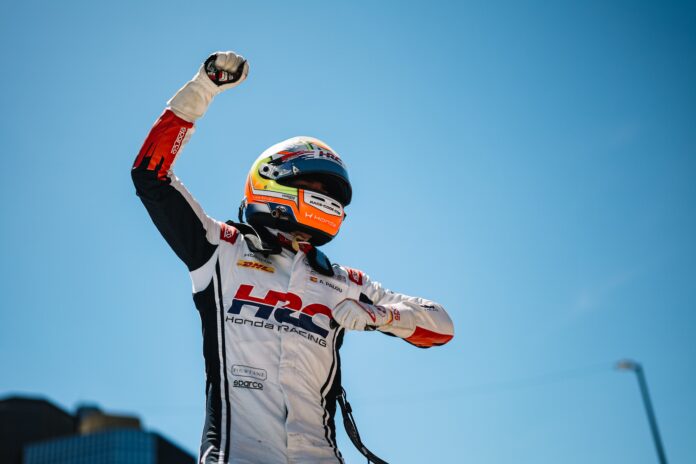
DETROIT - MAY 31: Alex Palou, driver of the #10 Chip Ganassi Racing Honda, celebrates victory in the NTT IndyCar Series Chevrolet Detroit Grand Prix on May 31, 2026, in Detroit. Photo: Joe Skibinkski/Penske Entertainment

While not a 10 out of 10 drive, Alex Palou, as he’s done much of his career, dominated on the streets of the motor city and took the checkered flag.

The driver of the No. 10 Chip Ganassi Racing Honda regained the lead thanks to an undercut and a caution on Lap 39. From that point on, aside from a pit cycle, he never relinquished it. Even with multiple late restarts, the last with seven laps to go, Palou, on hard tires, held off a late charge by Kyle Kirkwood, on soft tires, to win the Detroit Grand Prix

“It was good. It was not an easy day at all,” Palou said. “It was not like a straight — there’s races where it’s just straightforward and whatever it looks like it’s going to be, it is. But today was plenty of action, struggling a lot on restarts, and didn’t know if we were going to make it with Kyle or not because he was on alternates and kind of — I think he had a small advantage on the first two restarts, but then at the end, I think he just didn’t have enough grip on the tires.”

It’s his 23rd career victory in his 106th NTT INDYCAR SERIES start, second on the streets of Detroit and fourth of the 2026 season.

Despite the on paper tire advantage, Kirkwood used up the good in his tires, ran out of laps and settled for a runner-up finish.

“Yeah, it was a good race,” Kirkwood said. “I wish we had another opportunity or two to be able to try and pass Palou there. I think the yellows kind of hindered that.

“Yeah, overall good day. You can’t be very upset with starting sixth and finishing second. We did all the right things. Pit stops were great, strategy was great. I kind of made the decision to run primes when we did, which I think was probably the right call in hindsight. I don’t know what we could have done better. All the stones were left unturned.”

Graham Rahal rebounded from a Lap 39 spin to round out the podium, his third of the season and most since 2020.

“Yeah, it was good,” Rahal said. “A good battle, I should say. I don’t think overall I was not very pleased in the early phase with Kyffin (Simpson). Battling hard there in the top-seven, eight, nine, but it’s early in the race. You’ve got to let it kind of come to you.

“I felt like — I don’t even know what happened. All I know is I got hit hard in the back, and that was very frustrating, kind of put me on the back foot.

“But as much as you want everything to go smooth, this is a race that I think you’re often predicting issues, and we knew that the last stop we wanted to be on the early side of the window no matter what and bank on yellows. Bank on that Honda fuel mileage, number one, but number two, on the yellows. Both came through for us today, so we’ll take it. We’ll move on to St. Louis now and hopefully have a good run there.”

Pato O’Ward and Christian Lundgaard rounded out the top-five.

Felix Rosenqvist, Louis Foster, Marcus Ericsson, Kyffin Simpson and Josef Newgarden rounded out the top-10.

Alex Palou whoops field in chaotic Detroit race

Race summary

Palou led the field to green at 12:53 p.m. ET. Will Power pulled to his outside into Turn 3, but Palou maintained the lead with the inside line. Exiting Turn 3, Scott McLaughlin powered by Power on the inside for second. The field settled into a green flag rhythm, until Christian Rasmussen pounded the wall exiting Turn 1, broke the right-front wheel and stopped on track on the backstretch. Four drivers (Rosenqvist, Dennis Hauger, Newgarden and David Malukas) pitted under the caution. Two drivers (Sting Ray Robb and Rinus VeeKay) pitted before the caution flew.

Back to green on Lap 15, Power returned the favor and overtook McLaughlin into Turn 3 to retake second on Lap 16. The next lap, Power out-braked Palou into Turn 3 to take the race lead. For the next few laps, the gap from him to Palou hovered between eight-tenths of a second to a full second. By Lap 23, he pulled out to a 1.5 second lead. Four laps later, Palou closed the gap to half a second. Ericsson kicked off a cycle of green flag stops when he pitted from eighth on Lap 29. By Lap 30, Palou cut the lead to three-tenths of a second. He made his move on Lap 32, going outside of Power into Turn 3, but couldn’t complete the pass and lost second to McLaughlin. On Lap 35, he went outside of Power into Turn 3, but couldn’t complete the overtake. Exiting Turn 3, however, Power got loose and McLaughlin powered by him. McLaughlin ducked onto pit road and Lundgaard assumed the lead. He pitted from the lead on Lap 37. Caution flew on Lap 39 when Simpson turned Rahal in Turn 3, for which Simpson served a drive-through penalty for avoidable contact. Marcus Armstrong pitted just as the caution flew and Rosenqvist took over the lead. Because Armstrong pitted under a closed pit lane, INDYCAR dropped him to the back of the field on the restart. When Rosenqvist pitted under the caution, Palou cycled back to the lead.

Back to green on Lap 45, Palou pulled out to a full second over Kirkwood in a lap. By Lap 48, he stretched it out to two seconds. Ten laps after the restart, Palou pulled to a 3.5 second lead over Kirkwood. By Lap 59, however, Kirkwood, on the hard tire, cut the gap down to 2.9 seconds. Three laps later, he cut the lead to 2.1 seconds. One lap later, he cut the gap to under two seconds. During this, Rahal kicked off a cycle of green flag stops on the same lap. Palou pitted from the lead on Lap 64 for a set of hard tires. Caution flew on Lap 66 when Santino Ferrucci bumped VeeKay and turned him in Turn 5, for which Ferrucci served a drive-through penalty for avoidable contact. Palou stayed out while Kirkwood and the first five drivers pitted under the caution on Lap 69 and he retook the lead. Just like Armstrong, Alexander Rossi, who restarted second, served a drive-through penalty for pitting under a closed pit lane.

Back to green on Lap 73, caution flew on the same lap when Malukas and Mick Schumacher made contact into Turn 5 and both wound up in the runoff (with Schumacher in the tire barrier).

Back to green on Lap 77, Kirkwood cleared Rossi before he ducked onto pit road. One lap later, Kirkwood closed a two-second gap to right on his tail. Caution flew with 21 laps to go when Ferrucci’s car stalled on track.

Back to green with 17 to go, Palou wasted no time and pulled out to a one second lead over Kirkwood. With 14 to go, Palou locked up into Turn 1 and Kirkwood closed the gap to under a second. With 11 to go, Palou stretched the lead out to 1.8 seconds. Caution flew with 10 laps to go when Rossi locked up on his crossover move on Romain Grosjean into Turn 3 and punted him into the wall, for which Rossi served a stop-and-hold penalty for avoidable contact.

Back to green with seven to go, Palou got a strong run off Turn 2, but couldn’t pull away like he did on the previous restart. Kirkwood held the gap to within half a second. With five to go, Palou was down to 11 seconds of push-to-pass. While Kirkwood had 15. Coming to the line with four to go, Palou stretched the lead to 1.3 seconds. With two to go, Palou pulled out to a two-second lead and drove on to victory.

Alex Palou whoops field in chaotic Detroit race

What else happened

During pace laps, Rossi hit the wall off Turn 7.

Scott Dixon ran wide and into the runoff in Turn 8 on Lap 53. He was running seventh, but quickly spun his car around and rejoined the race in 10th.

During the third caution, bits of asphalt came up between Turns 3 and 4.

On the Lap 77 restart, Power went to McLaughlin’s outside in Turn 3 for third. Exiting the turn, McLaughlin nudged him into the wall. During the fourth caution two laps later, Power pulled into his pit stall and retired from the race.

Alex Palou whoops field in chaotic Detroit race

Nuts and bolts

The race lasted one hour, 59 minutes and eight seconds, at an average speed of 82.842 mph. There were seven lead changes among six different drivers and five cautions for 23 laps.

Palou leaves Detroit with a 62-point lead over Kirkwood.

The NTT IndyCar Series returns to action, Sunday, June 7, at World Wide Technology Raceway in Madison, Illinois.