Home Blog Page 3

5 Used Cars in Medford: Why Checking Wheel Bearings Matters Before Purchase

Photo by Scharfsinn at https://depositphotos.com/

Buying a used vehicle involves more than comparing prices, mileage, and exterior appearance. Some important mechanical components are hidden from view, yet they play a major role in vehicle safety and everyday performance. Wheel bearings are a good example because they allow the wheels to rotate smoothly while supporting the vehicle’s weight. Problems with these components can lead to unusual noises, vibration, and handling concerns. Anyone researching used cars near Medford, Oregon should understand why checking wheel bearings belongs on a pre-purchase inspection list.

What Wheel Bearings Do

Wheel bearings are located within the wheel hub assembly and allow each wheel to rotate with minimal friction. They support the vehicle’s weight while helping maintain proper wheel alignment and movement. Depending on the vehicle design, bearings may be integrated into sealed hub assemblies or use other serviceable arrangements.

Although wheel bearings are designed to last for many miles, they can eventually wear out. Age, road conditions, moisture, impact damage, and inadequate lubrication can contribute to deterioration. A vehicle that has frequently traveled over rough roads or encountered potholes may require closer attention to its wheel-end components.

Because these parts are not always visible during a casual walk-around, a mechanical inspection is important when evaluating a pre-owned vehicle.

Listen for Humming and Grinding Noises

One of the common warning signs of a worn wheel bearing is a humming, rumbling, or growling noise while driving. The sound may become more noticeable as vehicle speed increases. In some cases, its intensity changes during turns as the load shifts between the wheels.

A grinding sound may indicate more advanced damage, while clicking or other unusual noises can also warrant further investigation. However, buyers should avoid assuming that every speed-related noise comes from a wheel bearing. Uneven tire wear, drivetrain components, and brake problems can produce similar sounds.

During a test drive, pay attention to unusual noises on different road surfaces and at varying speeds. If a sound appears consistently, mention it to the inspecting mechanic so the source can be identified.

Notice Steering Wheel Vibration and Handling Changes

A damaged wheel bearing can create excessive movement or uneven rotation within the wheel assembly. Drivers may notice vibration through the steering wheel, floor, or vehicle body. The sensation may become more apparent at certain speeds.

Loose or damaged bearings can also affect how a vehicle feels during ordinary driving. Steering may seem less precise, and the vehicle may develop unusual movement around the affected wheel.

These symptoms can overlap with problems involving tires, suspension parts, alignment, or steering components. A professional inspection can help distinguish between them. Buyers should pay attention to any vibration or handling concern rather than dismissing it as a normal characteristic of an older vehicle.

Check for Uneven Tire Wear

Tires can provide useful clues about a vehicle’s mechanical condition. Examine each tire across its full tread width and compare the wear patterns from one side to the other. Uneven wear may indicate alignment problems, suspension damage, incorrect tire pressure, or excessive movement around a wheel hub.

A worn bearing is not the only possible explanation for unusual tire wear, but it should remain part of the inspection when other symptoms are present.

Also check for mismatched tires, visible damage, cracking, and insufficient tread depth. These details help buyers understand whether the vehicle may need immediate maintenance after purchase.

Request a Professional Wheel Bearing Inspection

A visual inspection and test drive can reveal possible warning signs, but they cannot confirm the internal condition of every wheel bearing. A qualified technician can raise the vehicle safely, rotate each wheel, listen for roughness, and check for excessive movement.

The mechanic may also use appropriate diagnostic equipment to distinguish bearing problems from related steering, suspension, or braking concerns. Some modern vehicles have integrated wheel-speed sensors in their hub assemblies, so warning lights or diagnostic trouble codes may provide additional information.

An inspection should cover all four wheel positions rather than focusing only on the area where a noise seems to originate. Sound can travel through the vehicle’s structure, making the affected corner difficult to identify without proper testing.

Consider the Vehicle’s Maintenance and Driving History

A used vehicle’s history can help explain the condition of its wheel bearings. Ask whether the vehicle has experienced significant impacts, collisions, or repairs involving its wheels, hubs, or suspension.

Maintenance records may also show whether previous owners addressed unusual noises or replaced related components. A documented repair is not necessarily a concern; properly completed maintenance can be a positive sign. However, buyers should confirm that any reported work was completed correctly.

Consider the vehicle’s mileage alongside its overall condition. Higher mileage does not automatically mean the bearings are worn, just as low mileage does not guarantee that every mechanical component is in good shape.

Evaluate Repair Findings Before Making an Offer

If an inspection identifies a worn bearing, ask the mechanic to explain the severity of the problem and the recommended repair. The report should identify the affected wheel, the condition found, and whether related components require attention.

Use this information when considering the vehicle’s overall value. A minor, clearly documented repair may be manageable, while excessive looseness, severe grinding, or multiple wheel-end concerns deserve more serious consideration.

Do not rely solely on a seller’s verbal assurance that a noise is harmless. If a significant bearing problem is suspected, have it professionally evaluated before completing the purchase. Severe looseness or binding can affect vehicle control, so the vehicle should not be treated as roadworthy until the concern is addressed.

Conclusion

Wheel bearings may be small components, but their role in smooth wheel rotation, stability, and vehicle safety makes them important during used-car inspections. Listening for unusual noises, noticing vibration, examining tire wear, and requesting a professional mechanical assessment can help buyers identify potential problems before committing to a purchase. Including wheel bearings in the inspection process provides a clearer understanding of a vehicle’s condition and helps support a more confident buying decision.

Which Volkswagen Models Are Suitable for Couples Planning Frequent Road Trips?

Photo by depositphotos at https://depositphotos.com/

Frequent road trips call for a vehicle that balances passenger comfort, luggage capacity, fuel efficiency, and enjoyable driving characteristics. Couples may not need a large family vehicle, but they still benefit from enough room for suitcases, outdoor equipment, and travel essentials. Volkswagen offers several sedans, hatchbacks, and SUVs that can suit different travel preferences. Comparing these options at a Volkswagen dealership Middletown, NY can help couples identify a model that fits their routes, packing habits, and driving expectations.

Volkswagen Jetta: Comfortable Sedan Travel

The Volkswagen Jetta is worth considering for couples who prioritize comfortable highway travel and a traditional sedan design. Its spacious cabin provides seating for five, while the trunk offers room for suitcases, backpacks, and smaller travel accessories.

For two people, the Jetta’s trunk may provide enough capacity for weekend trips or longer journeys with carefully organized luggage. Its sedan dimensions can also make parking and maneuvering easier when visiting busy towns or crowded destinations.

Fuel economy is another consideration for couples who regularly cover long distances. The Jetta’s efficient turbocharged engine can make it an appealing option for drivers who want to manage fuel expenses while enjoying a comfortable commute between destinations.

Volkswagen Taos: Compact SUV Flexibility

Couples who prefer an elevated seating position and flexible cargo space may find the Volkswagen Taos appealing. This compact SUV combines manageable exterior dimensions with a practical interior layout.

Its rear cargo area can accommodate travel bags, groceries, and recreational equipment without requiring passengers to give up their seating space. Folding the rear seats creates additional room for larger belongings, such as camping supplies or outdoor gear.

The Taos may also suit couples who frequently visit destinations with narrow roads or limited parking. Its compact footprint offers a useful balance between SUV versatility and everyday maneuverability. Available 4MOTION all-wheel drive on equipped versions can provide additional traction support in certain road conditions.

Volkswagen Tiguan: A Versatile Road-Trip Companion

The Volkswagen Tiguan offers a larger cabin and additional flexibility for couples who regularly carry more luggage. Its passenger space and adaptable cargo area make it useful for extended vacations, weekend getaways, and trips involving sports or outdoor equipment.

The rear seating area can accommodate additional passengers when needed, while folding the seats provides room for larger travel items. Depending on model year and configuration, the Tiguan offers different seating arrangements and available 4MOTION all-wheel drive.

Comfort features such as available heated seats, dual-zone climate control, and smartphone connectivity can make longer journeys more convenient. Couples should compare individual trims to determine which equipment best matches their travel habits.

Volkswagen Atlas Cross Sport: Spacious Two-Row Comfort

The Volkswagen Atlas Cross Sport is a midsize SUV designed for drivers who want generous interior space without a third seating row. Its two-row configuration makes it particularly relevant for couples who value passenger comfort and substantial cargo flexibility.

The larger cabin can provide room to stretch out during long drives, while the rear cargo area accommodates luggage, shopping bags, and recreational equipment. Folding the rear seats creates additional storage space for bulkier items.

Its available technology and comfort equipment can also support extended journeys. Couples who travel with larger suitcases, camping supplies, or outdoor equipment may appreciate the additional room compared with smaller crossovers.

Volkswagen Atlas: Room for Longer Adventures

Although couples may not need three rows regularly, the Volkswagen Atlas can be useful for travelers who want maximum flexibility. Its spacious cabin provides room for additional passengers, while its adaptable seating layout allows the interior to be reconfigured for larger cargo loads.

When the third row is folded, the Atlas offers substantial storage capacity for luggage, bicycles, camping equipment, and other travel essentials, subject to proper loading and securing.

The Atlas may be especially useful for couples who occasionally travel with friends or relatives. Its available driver-assistance and comfort technologies can also make extended trips more convenient, depending on the selected trim and model year.

Volkswagen ID.4: An Electric Option for Planned Trips

Couples interested in electric driving can consider the Volkswagen ID.4. This all-electric SUV offers a quiet cabin, useful cargo space, and a comfortable driving experience.

For road trips, route planning becomes particularly important. Drivers should identify charging stations along their intended routes and allow enough time for charging stops. Actual driving range varies with weather, speed, terrain, battery condition, and use of climate controls.

The ID.4 can be a practical option for couples whose regular travel routes have convenient charging infrastructure. Its electric powertrain may also appeal to drivers who want to reduce reliance on gasoline.

Features Couples Should Prioritize for Road Trips

Choosing a road-trip vehicle involves more than comparing exterior styling. Seating comfort, visibility, cabin noise, storage arrangements, and infotainment features can all influence the experience.

Smartphone integration through compatible Apple CarPlay or Android Auto can make navigation and music access easier. Available adaptive cruise control may help manage following distance on certain highways, while parking assistance features can support maneuvering in unfamiliar areas.

Cargo organization is equally important. Couples should consider whether the vehicle can hold their usual luggage without blocking rear visibility or making the cabin uncomfortable. Checking seat comfort and driving position during a test drive is also worthwhile.

Choosing the Right Volkswagen for Your Travel Style

The best Volkswagen depends on how a couple prefers to travel. The Jetta can suit travelers who value sedan efficiency, while the Taos offers compact SUV versatility. The Tiguan provides a useful balance of passenger and cargo space, and the Atlas Cross Sport adds a larger two-row cabin. Couples who want maximum flexibility can consider the Atlas, while the ID.4 offers an electric alternative.

Comparing cargo capacity, fuel economy or driving range, available drivetrain options, and comfort equipment can help narrow the choices. A test drive with typical travel luggage can also reveal whether a particular model meets practical expectations.

Conclusion

Volkswagen offers several models that can support frequent road trips for couples, from efficient sedans to spacious SUVs and electric vehicles. The right choice depends on luggage requirements, preferred driving position, travel distances, and comfort priorities. By evaluating these factors and comparing available features, couples can select a Volkswagen that makes everyday driving and longer adventures more convenient.

Which Nissan Models Offer Convenient Cargo Space for Shopping and Weekend Trips?

Photo by depositphotos at https://depositphotos.com/

Cargo space can make a noticeable difference in how useful a vehicle feels during everyday activities. Grocery shopping, picking up home supplies, transporting sports equipment, and planning weekend getaways all require room for different types of belongings. Nissan offers several cars and SUVs with practical storage options, from compact crossovers to larger family vehicles. Exploring the selection at a Nissan dealership Newburgh, NY can help you compare cargo capacity and find a model that suits your routine.

The right choice depends on how much you typically carry, how many passengers travel with you, and whether you prefer a traditional trunk or a flexible cargo area.

Nissan Rogue: Flexible Space for Everyday Activities

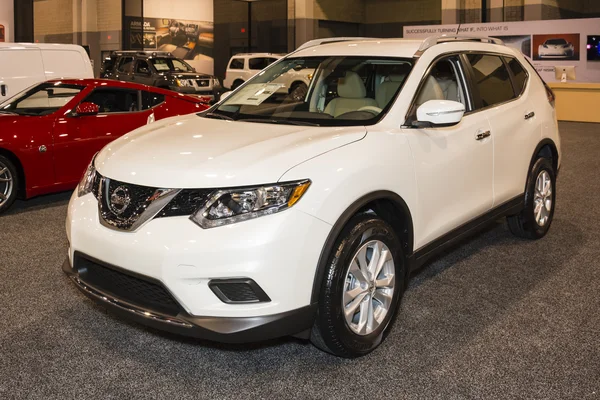
The Nissan Rogue is a practical option for drivers who want a balance of passenger comfort and cargo versatility. Its rear cargo area can accommodate groceries, shopping bags, luggage, and recreational equipment without requiring a particularly large vehicle.

The 2026 Rogue offers approximately 36.5 cubic feet of cargo capacity behind the rear seats in certain configurations. Folding the second row increases maximum cargo capacity to approximately 74.1 cubic feet. Available Divide-N-Hide cargo storage provides different arrangements for organizing belongings and separating smaller items.

This flexibility can be useful when carrying groceries alongside sports equipment or when preparing for a weekend trip. Drivers can keep the rear seats available for passengers during regular errands and create additional room when larger items need to be transported.

Nissan Kicks: Compact Dimensions With Useful Storage

The Nissan Kicks is worth considering for drivers who want a smaller crossover that remains practical for everyday shopping and occasional travel. Its compact exterior can make parking and navigating busy shopping areas more convenient.

The 2026 Kicks offers different cargo capacities depending on the drivetrain and trim. Front-wheel-drive versions provide approximately 29.2 to 30 cubic feet behind the rear seats, while available all-wheel-drive configurations offer approximately 23.9 cubic feet. Folding the rear seats creates additional room for larger purchases or weekend luggage.

The Kicks can be a suitable choice for individuals, couples, and smaller households who generally carry moderate amounts of cargo. Its flexible rear seating helps accommodate changing storage needs without moving to a larger SUV.

Nissan Murano: Comfort and Practical Cargo Room

Drivers who prioritize a comfortable cabin alongside useful storage may want to compare the Nissan Murano. This midsize SUV offers a spacious passenger area and a cargo compartment that can handle shopping bags, suitcases, and everyday equipment.

The 2026 Murano provides approximately 32.9 cubic feet of cargo space behind the rear seats. Folding those seats increases the available capacity to approximately 63.5 cubic feet.

This arrangement can be convenient for couples planning weekend trips or families carrying luggage and other travel essentials. The Murano also provides a useful balance between passenger seating and storage, making it a reasonable option for drivers who do not regularly need a third row.

Nissan Pathfinder: Space for Family Trips

The Nissan Pathfinder offers three rows of seating and additional flexibility for households that regularly travel with several passengers. Its cargo capacity changes depending on how many seats are being used.

The 2026 Pathfinder provides approximately 16.6 cubic feet behind the third row. Folding the third row increases available cargo space to approximately 45 cubic feet, while folding both rear rows creates up to approximately 80.5 cubic feet.

This flexibility can help families accommodate groceries, backpacks, sports equipment, and vacation luggage. When all seating positions are needed, the cargo area is more limited, so it is useful to consider how frequently you carry a full passenger load.

For weekend outings, the ability to adjust the seating arrangement can make the Pathfinder particularly convenient.

Nissan Armada: Generous Capacity for Larger Loads

The Nissan Armada is a full-size SUV designed for drivers who need substantial passenger and cargo capacity. Its larger interior can accommodate family travel, bulky shopping purchases, and equipment for longer trips.

The 2026 Armada offers approximately 20.4 cubic feet behind the third row. Folding the third row increases capacity to approximately 56.3 cubic feet, while folding both rear rows provides up to approximately 97.1 cubic feet.

This makes the Armada a strong option for households that regularly transport larger loads. Its flexible seating arrangement can support different combinations of passengers and cargo, although its larger exterior dimensions may require more attention when parking in crowded areas.

Nissan Altima: Traditional Trunk Storage for Daily Shopping

Not every driver needs an SUV to manage everyday cargo. The Nissan Altima offers a traditional sedan layout with a separate trunk that can accommodate groceries, backpacks, briefcases, and smaller travel bags.

The 2026 Altima provides approximately 15.4 cubic feet of trunk space. This can be sufficient for routine errands and shorter trips, particularly for drivers who prefer a lower vehicle profile and do not regularly transport oversized items.

A sedan’s enclosed trunk also keeps belongings out of direct view. However, its opening and fixed storage layout may be less convenient than an SUV’s liftgate when loading bulky purchases.

Consider How You Organize Your Cargo

Cargo volume is important, but storage design also affects everyday convenience. Before choosing a Nissan, consider the shape of the cargo area, the height of the loading floor, and how easily you can reach stored belongings.

A wide liftgate opening can simplify loading larger items, while folding rear seats can create additional room when needed. Underfloor compartments and available storage organizers can help keep smaller belongings from moving around during travel.

It is also useful to consider whether the vehicle offers a power liftgate or other convenience features. These options may make loading and unloading easier, depending on the model and trim.

Match Cargo Capacity to Your Driving Routine

The best Nissan model depends on the type and frequency of your cargo needs. The Kicks and Altima may suit drivers who primarily handle groceries and everyday purchases. The Rogue and Murano offer additional flexibility for luggage and recreational equipment, while the Pathfinder and Armada provide more room for larger households and substantial loads.

Before making a decision, compare the cargo area with the items you regularly transport. Bring luggage or storage containers to a vehicle demonstration if possible, and test how easily the rear seats fold and return to their normal positions.

Remember that published cargo figures can vary by model year, trim, drivetrain, and equipment.

Conclusion

Nissan offers several models with cargo arrangements suited to different lifestyles. From the compact Kicks and traditional Altima trunk to the flexible Rogue, spacious Murano, family-oriented Pathfinder, and full-size Armada, buyers have multiple ways to balance passenger comfort with storage capacity.

By comparing cargo measurements, seating flexibility, and loading convenience, you can choose a vehicle that supports everyday shopping while providing enough room for weekend adventures.

Which Mazda Models Offer Convenient Roof Rails for Outdoor Equipment?

Photo by depositphotos at https://depositphotos.com/

Outdoor activities often require more equipment than a vehicle’s interior can comfortably hold. Bicycles, kayaks, skis, snowboards, and camping supplies can take up valuable passenger and cargo space, making roof-mounted storage a useful solution. Mazda offers several SUVs and crossovers with roof rail or roof rack options that help drivers carry recreational equipment more conveniently. For drivers exploring their options at a Mazda dealership Poughkeepsie, NY, understanding which models support roof-mounted accessories can make choosing a vehicle easier.

Mazda CX-5: A Versatile Choice for Outdoor Gear

The Mazda CX-5 is a practical option for drivers who want a comfortable SUV with flexible cargo-carrying capabilities. Genuine Mazda roof rail and crossbar accessories are available for compatible configurations, allowing owners to add equipment designed for transporting outdoor gear.

With the appropriate crossbars installed, the CX-5 can accommodate compatible attachments for bicycles, skis, and snowboards. A roof-mounted cargo box can also provide additional room for camping supplies, luggage, or other equipment. This arrangement helps keep the cabin less crowded, particularly when traveling with passengers.

Buyers should check the specific model year and trim because roof rail availability and accessory compatibility can vary. Some configurations may require additional components before a carrier can be installed.

Mazda CX-50: Designed with Adventure in Mind

The Mazda CX-50 is especially appealing to drivers who regularly participate in outdoor activities. Its utility-focused design and available roof accessories make it a strong candidate for carrying recreational equipment beyond the vehicle’s interior storage area.

Compatible CX-50 crossbars support a range of attachments, including bicycle carriers, ski and snowboard carriers, and kayak carriers. Mazda also offers a rooftop platform and other utility accessories for compatible configurations. These options allow owners to organize equipment according to the type of trip they are planning.

For example, someone heading out for a cycling weekend might choose a dedicated bike carrier, while a winter traveler could use a ski attachment. Drivers considering a rooftop tent or larger platform should verify the vehicle’s approved equipment and load limits before purchasing accessories.

Mazda CX-30: Compact Utility with Roof Rack Options

The Mazda CX-30 combines compact dimensions with useful everyday versatility. Although it has less overall cargo capacity than larger Mazda SUVs, compatible roof rack equipment can help expand its carrying options.

Depending on the model year and configuration, owners may be able to use suitable side rails and crossbars with attachments for bicycles, skis, or other outdoor equipment. This can be particularly helpful for drivers who want a vehicle that is manageable in urban environments but still capable of supporting occasional recreational trips.

It is important to confirm whether the specific CX-30 already has the required mounting points or side rails. Accessory availability can change between model years, and not every roof rack component fits every configuration.

Choosing Between Roof Rails and Crossbars

Roof rails and crossbars serve related but different purposes. Roof rails generally run along the length of the vehicle’s roof, while crossbars extend across the roof from one side to the other. Crossbars provide the mounting foundation for many rooftop carriers and attachments.

Some vehicles come equipped with roof rails, while others require compatible accessories. Drivers should understand this distinction before purchasing a bike rack, cargo box, or kayak carrier. A carrier designed for crossbars may not attach directly to raised side rails.

Using components designed for the specific Mazda model helps provide a secure fit. It also reduces the likelihood of compatibility problems during installation.

Important Factors When Selecting Roof Accessories

Before choosing a Mazda model or roof-mounted accessory, drivers should consider what they plan to transport most often. A cyclist may need a dedicated bike carrier, while a family that takes camping trips could benefit more from a weather-resistant cargo box.

Weight capacity is another important consideration. Every vehicle roof system has a maximum permitted load, and the combined weight of the crossbars, carrier, and equipment must remain within the specified limit. Owners should consult the vehicle’s manual and accessory instructions rather than relying on a general capacity figure.

Aerodynamics and vehicle height also deserve attention. Rooftop equipment can increase wind resistance and noise, potentially affecting driving comfort and fuel economy. Additional roof height may also matter when entering garages, parking structures, or other spaces with clearance restrictions.

Why Genuine Fitment and Installation Matter

Choosing compatible equipment is essential for safe and convenient transportation. Genuine accessories are designed for specific vehicle applications, while approved third-party products may offer additional choices. In either case, buyers should verify the mounting system, weight limits, installation instructions, and compatibility with their exact model year.

Proper installation is equally important. Loose crossbars or incorrectly secured equipment can create hazards while driving. Drivers should inspect mounting points regularly, secure every item according to its instructions, and check that straps or locking mechanisms remain tight during longer journeys.

Conclusion

The Mazda CX-5, CX-50, and CX-30 offer useful possibilities for drivers who want to carry outdoor equipment without filling the passenger cabin. The CX-5 provides balanced everyday versatility, the CX-50 offers a range of adventure-oriented accessories, and the CX-30 delivers compact practicality with compatible roof rack options. Since roof rail availability and accessory fitment depend on model year and configuration, checking the exact vehicle specifications is an important step. With the right setup, a Mazda can make it easier to bring recreational equipment along for weekend outings and longer outdoor adventures.

Which Chevy Features Make Longer Southern Oregon Drives More Comfortable?

Photo by depositphotos at https://depositphotos.com/

Longer drives through Southern Oregon can involve a mix of winding roads, open highways, changing elevations, and scenic stops. Whether traveling between Grants Pass, Rogue River, Medford, or destinations farther away, drivers benefit from a vehicle that makes extended time behind the wheel more comfortable. Seating support, climate control, driver-assistance technology, and convenient storage can all improve the experience. Drivers comparing options at a Chevrolet dealer near Rogue River can look beyond engine specifications to identify features that support their regular travel habits.

Supportive Seating for Extended Time Behind the Wheel

Seat comfort becomes increasingly important when a drive lasts several hours. A seat that feels comfortable during a short commute may provide less support over a longer journey.

Chevrolet vehicles offer different seating designs depending on the model and trim. Available features across selected models include power-adjustable driver seats, lumbar support, heated front seats, and ventilated seating. These adjustments can help drivers find a position that better suits their height and preferences.

Before choosing a vehicle, spend time adjusting the seat and steering wheel. Check whether your legs remain comfortably positioned, your back receives adequate support, and the controls are easy to reach. If you frequently travel with passengers, have them evaluate the front and rear seating areas as well.

Climate Control for Changing Southern Oregon Weather

Weather conditions can vary throughout Southern Oregon, particularly when traveling between valleys, higher elevations, and coastal areas. A useful climate-control system helps occupants maintain a comfortable cabin temperature as conditions change.

Depending on the Chevrolet model, available features may include automatic climate control, dual-zone temperature settings, and rear air vents. Dual-zone systems allow the driver and front passenger to select different temperature preferences without constantly adjusting the controls.

Three-row SUVs such as the Chevrolet Traverse may offer additional climate controls for rear passengers. This can be particularly useful when traveling with children or several adults who have different comfort preferences.

Heated seats and a heated steering wheel can also be helpful during colder mornings, while ventilated front seats on selected models can provide additional comfort during warmer weather.

Adaptive Cruise Control for Highway Travel

Long highway stretches can require frequent speed adjustments as traffic changes. Adaptive Cruise Control is designed to help manage this task by maintaining a driver-selected speed and adjusting the vehicle’s speed to maintain a selected following gap when a vehicle ahead is detected.

This feature is available on various Chevrolet models and configurations, but equipment varies by trim and model year. It can be useful when traveling on suitable highways with changing traffic flow.

Drivers should understand the system’s operating limitations before relying on it. Adaptive Cruise Control does not replace attentive driving, and the driver remains responsible for steering, monitoring traffic, and braking when necessary.

Infotainment and Navigation Convenience

Navigation and entertainment technology can make longer journeys easier to organize. Many Chevrolet vehicles offer touchscreen infotainment systems with smartphone integration through Apple CarPlay and Android Auto, depending on the model and equipment.

These systems can provide access to compatible navigation applications, music, podcasts, and communication features. Drivers can plan their route before departure, review traffic conditions, and identify convenient stops along the way.

Some newer Chevrolet models also offer Google built-in functionality. Available features can include Google Maps and Google Assistant, helping drivers access navigation and selected voice commands through the vehicle’s interface.

Setting destinations and playlists before starting the journey can reduce distractions while driving. Voice controls can also help minimize the need to interact with the touchscreen.

A Quiet and Comfortable Cabin

Cabin noise can affect how relaxing a longer drive feels. Tire noise, wind, and engine sounds may become more noticeable after spending several hours on the road.

Chevrolet models vary in their sound insulation, suspension tuning, and available cabin-comfort equipment. Some higher trims offer additional refinement features, including premium audio systems and active noise-cancellation technology.

During a test drive, listen carefully at different speeds. Notice whether conversations remain comfortable, whether road surfaces create excessive noise, and whether the suspension handles uneven pavement smoothly.

A comfortable cabin can make it easier for passengers to relax and communicate throughout the journey.

Storage Space for Weekend Travel

Longer drives often involve more than a few personal belongings. Travelers may carry luggage, jackets, snacks, water bottles, outdoor equipment, or supplies for overnight stays.

Chevrolet offers different storage layouts across its SUVs and trucks. Models such as the Equinox provide two-row passenger seating and a flexible cargo area, while the Traverse offers three rows for families who need additional passenger capacity.

The Silverado pickup provides another option for drivers who regularly transport larger equipment. Its open bed can accommodate certain outdoor supplies and work materials, provided everything is properly secured.

Before choosing a vehicle, consider how many passengers usually travel and how much luggage they bring. Make sure the cargo area can accommodate regular belongings without restricting passenger space.

Driver-Assistance Features for Added Awareness

Southern Oregon routes can include changing traffic patterns, curves, intersections, and varying visibility. Driver-assistance technologies can provide useful information and alerts when equipped.

Depending on the model and trim, Chevrolet vehicles may offer features such as Lane Keep Assist with Lane Departure Warning, Forward Collision Alert, Automatic Emergency Braking, and Blind Zone Alert.

These systems are designed to support driver awareness rather than replace careful observation. Drivers should learn how each feature works and understand when it may not detect road users or hazards.

Charging and Connectivity During the Journey

Phones and other electronic devices are useful for navigation, communication, and entertainment. However, extended travel can quickly drain their batteries.

Selected Chevrolet models offer USB charging ports, wireless phone charging, and available Wi-Fi hotspot capability. Rear charging connections can also help passengers keep their devices powered during longer trips.

Check the number and location of charging connections before choosing a vehicle, particularly if several people regularly travel together. Having convenient access to power can reduce the need to share a single charging cable.

Test Comfort Features on a Realistic Route

A dealership test drive is an opportunity to evaluate comfort beyond the vehicle’s feature list. Adjust the driver’s seat, try the climate controls, connect a smartphone, and explore the infotainment interface while parked.

If possible, drive on roads that resemble your regular routes. Pay attention to seat support, visibility, steering response, cabin noise, and how the suspension handles uneven surfaces.

Passengers should also evaluate their seating positions and access to storage. These practical observations can help identify which Chevrolet configuration suits longer trips and everyday use.

Conclusion

Comfortable Southern Oregon driving depends on a combination of supportive seating, effective climate control, useful technology, storage flexibility, and driver-assistance features. Chevrolet offers different combinations of these amenities across its cars, SUVs, and trucks. By comparing available equipment and evaluating the cabin during a test drive, drivers can choose a vehicle that makes daily travel and longer regional journeys more enjoyable.

BRAD RANSON RETURNS TO NASCAR CANADA FULL TIME IN 2027 WITH BC RACE CARS

Credit: Matthew Manor

November 26, 2026. Brad Ranson is set to return to the NASCAR Canada Series in 2027, this time with a full-time commitment after signing with BC Race Cars for the upcoming season.

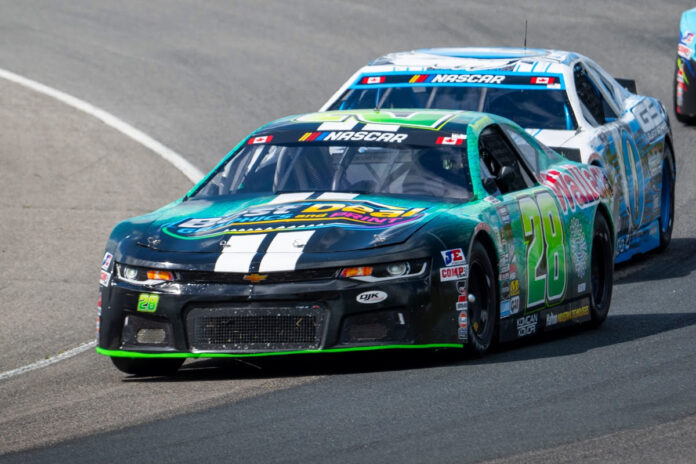
Following a partial schedule in 2026, Ranson will return behind the wheel of the familiar No. 28 Chevrolet, the same car he debuted with during his first season of NASCAR Canada competition.

The 2026 season was a year of firsts for the Rockwood, Ontario driver. Ranson made his NASCAR Canada debut, competed at Markham for the first time and experienced oval track racing for the first time in his career. Along the way, he gained valuable experience while learning the demands of a new series and adapting to a variety of tracks and racing conditions.

Ranson also expanded his racing experience internationally, competing in the NASCAR Euro Series. His European campaign included several podium results and finishing second overall in the Challenger Series, providing additional seat time and valuable experience against international competition.

With a full season ahead in 2027, the focus shifts to building on those experiences, improving performance and delivering greater consistency from one race weekend to the next.

“I’m super excited to be locked in full time for 2027. I learned so much running this year, and we purchased the #28 racecar I ran with DJK Racing so that gives me a good foundation for next season. Every race we finished, we improved our position. If we can qualify a little better, that will make us more competitive too.

“I’ve had good conversations with Blaise (Csida) about preparing for the season, and having someone with his experience will be a big help for my development.”

Blaise Csida, owner and operator of BC Race Cars, is equally pleased to be bringing Ranson into the organization.

“We are so excited to have Brad join our team for 2027! With a year’s experience in the NASCAR Canada Series with DJ Kennington’s team, we are honoured that he chose BC Race Cars. We have big shoes to fill, but we are ready for the challenge and look forward to working with him!”

The move to BC Race Cars provides Ranson with an opportunity to build on his rookie campaign with a full-season program and the benefit of working alongside an experienced team as he continues his development in the NASCAR Canada Series.

After a season defined by learning new tracks, gaining experience and making progress, Ranson enters 2027 with a clear objective: take the next step and become a more consistent and competitive presence throughout the NASCAR Canada schedule.

Best Deal Print Solutions returns as a team supporter for 2027. Further details and partnerships for Brad Ranson and the #28 Chevrolet team with BC Race Cars will be announced in the coming weeks.

Photo: Brad Ranson racing of the #28 Wallace Chevrolet / Best Deal Graphics Camaro at Canadian Tire Motorsport Park

30-Second Race Recaps: Turning Your Own Photos into Sponsor-Ready Clips with Seedance 2.5

Every grassroots team knows the Monday problem. The race weekend is over, the car is back in the shop, and the sponsors who paid for space on the quarter panels are waiting to hear how it went. A written update helps, but a short clip travels further, gets shared more, and shows the car in motion instead of parked in the pits. Many small teams have plenty of still photos and almost no usable video: the phone footage is shaky, and the best pass happened while nobody was filming.

That is the gap a short race recap video can fill, built honestly from material the team actually owns. When real footage of the race exists, it should lead, because nothing beats the genuine moment. When it does not, Seedance 2.5 can turn the team’s own photographs into a short animated clip that works as a sponsor highlight clip: the car, the colors, and the setting the photos already show, presented as a clearly labeled illustration rather than presented as film of the race itself.

Choose the moment sponsors care about

A recap is not a summary of the whole night. Sponsors care about a small number of things: the car on track, their placement visible, and a result or moment worth remembering. Pick one moment and build everything around it. A strong charge through the field, a podium finish, a clean side by side battle, or the car at speed under the lights will carry a 30 second clip. Three moments will not: each needs setup the format has no room for.

Start from the photos. Choose the clearest shots of the car from the weekend, ideally showing the paint scheme, the number, and the sponsor placements you will later report on. Use photos taken by your own crew, or shared with permission by the track photographer. If a photo is not yours to use, it does not belong in the recap.

Write one sentence describing the moment before you generate anything: the corner, the time of night, the camera angle. It becomes the backbone of your prompt and keeps the clip from drifting into a generic racing scene.

As a hypothetical example, imagine a late model team recapping a Saturday night feature at a dirt short track. The crew has six good photos of their blue and white car, no usable video, and one moment to show: the car sliding through turn two in the closing laps. The same steps apply to any team with photos and a moment.

Generate the recap with Seedance 2.5

Start with your references

The workflow is simple: pick one moment, upload your own car photos, describe the shot, generate a draft, inspect the paint scheme and numbers, then extend the clip if it needs to run longer.

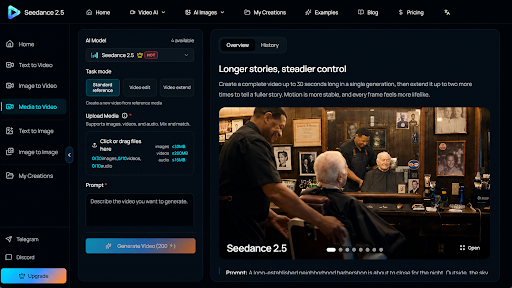
In Seedance 2.5, the generation step uses Media-to-Video, which accepts reference media so the car in the clip stays consistent with the car in your photographs. You can supply up to 30 images, 10 videos, and 10 audio files as references, so a typical package might be several angles of the car, a short crowd clip, and an engine note audio file. The references do the identity work. The better and clearer they are, the less the generated car has to guess about your paint scheme.

For the hypothetical late model example, the copyable prompt looks like this:

30-second recap using the uploaded car photos: a stock car with the same blue and white paint scheme slides through a dirt short-track corner at night under floodlights, low tracking shot, engine roar and crowd noise, no readable logos, no text.

Notice what the prompt leaves out. It asks for no readable logos and no text, because sponsor marks and car numbers are exactly the details a sponsor will check, and they are safer added from your real material or left to the photographs than invented by a generator.

Set the pacing

A single Seedance 2.5 generation can run as one continuous clip of up to 30 seconds, which matches the recap format exactly: one unbroken shot, not a montage. Pace it like a real camera move: a low tracking shot that holds the car through the corner gives the viewer time to read the paint scheme and the placements, which is the point of sending the clip to a sponsor.

Generate the draft, then inspect it the way a sponsor would. Does the paint scheme match your photos, panel by panel? Are the car numbers correct and stable, or do they warp and garble as the car moves? Does anything appear on the car that is not on the real car? If the numbers or colors drift, regenerate with clearer reference photos.

If the moment needs more room, Video extend can lengthen a clip up to two more times, so a strong 15 second draft can become the full recap without starting over. Extend only a draft that already passes inspection, because extending a flawed clip gives you a longer flawed clip. The finished recap can be delivered at up to 4K, which is more than enough for the phones and laptops your sponsors will watch it on.

Send it with the sponsor report

The clip should travel with the report, not instead of it. The report carries the facts: the finish, the field size, the crowd, the next race on the schedule. The clip carries the feeling of the car at speed. Send both together, and say clearly what the clip is: an AI generated illustration built from your own photos, not race footage, labeled as such in the message and in any public post. Sponsors respect the honesty, and the label protects the team if the clip is shared further.

Keep the accompanying note short and factual. A copyable sponsor note looks like this:

[Sponsor], here is this weekend’s recap from [track]. Your placement on the car: [location].

Fill in the placement honestly, matching what the photos show, and do not promise visibility the clip does not deliver. Two final checks before sending protect the relationship. First, compare the car in the clip against the car in the photos one last time: numbers, colors, and panel details must match, and anything garbled means the clip does not go out. Second, never recreate real drivers, series logos, or sponsor marks inside the generation. The clip illustrates your car and your moment. The real names, faces, and brands belong to their owners, and your sponsors will thank you for keeping that line bright.

Guide to Heavy Equipment Financing Solutions for Businesses

Photo by John Esperancilla on Unsplash

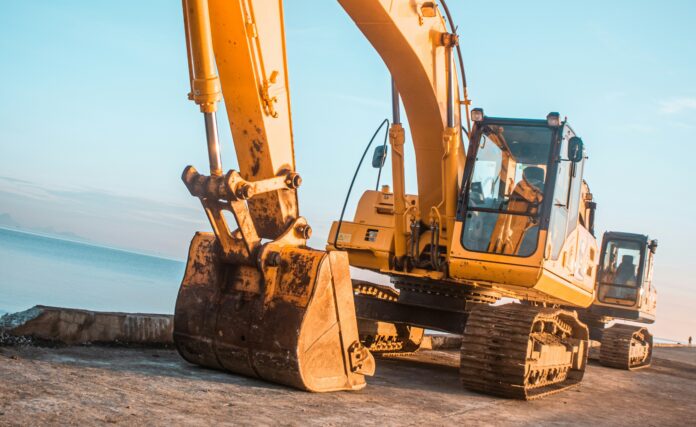
Heavy machinery is both a necessary and important investment for businesses across many industries such as construction, agriculture, manufacturing, and transportation. While having the right equipment is essential for maintaining productivity and completing projects, outright purchasing machinery can strain finances. This is where heavy equipment financing can help companies and businesses significantly.

Companies like Thirty3 Capital are specialists in offering tailored financing options for heavy machinery acquisitions. This includes asset-backed financing and payment planning tools. By offering flexible, strategic financing solutions, companies can secure the assets they need while managing costs and maintaining financial stability.

What Is Heavy Equipment Financing

Much like traditional financing, heavy equipment financing spreads the cost of an asset without requiring payment of the entire purchase price upfront. Instead, the business and seller agree on a repayment period, making costly equipment more accessible to businesses with varying budgets.

Heavy equipment financing arrangements can cover a swath of machinery, including excavators, bulldozers, cranes, tractors, industrial equipment, and loaders. Depending on the financing arrangement, businesses may be able to acquire new or used equipment while also preserving capital for different operational expenses.

Financing options can also vary depending on the lender, equipment type, financial position, and business history. Understanding how each can affect the overall financing solution is important.

Frequent Heavy Equipment Financing Options

There are many ways a business can finance heavy machinery, each with its own benefits depending on its requirements.

  • Equipment Leasing – Leasing allows a business to use the machinery for an agreed period of time in exchange for regular payments. Depending on how the agreement is set up, there could be an option to purchase the equipment at the end of the leasing term.
  • Equipment Loans – Businesses borrow money to purchase the machinery outright and then repay the loan balance through scheduled installments.
  • Asset-backed Financing – This approach uses the equipment being acquired or other existing business assets as security for financing. It offers an alternative route for funding opportunities depending on the value of the assets.

Choosing the best options for the business requires careful consideration. The initial payment, repayment periods, interest rates, ownership arrangements, and other potential fees can all affect the overall cost.

Managing Costs with Payment Plans

Balancing the costs of heavy equipment is one of the biggest challenges with leasing or purchasing. A business must ensure payments remain manageable and can coexist with payroll, maintenance costs, fuel, and other operating expenses.

Many lenders offer a heavy equipment financing calculator that can help estimate monthly payments, providing insight into the expected costs of a down payment, interest rates, and time to repay. Using these calculators and getting valuable estimates makes it much easier to compare financing options and determine whether a purchase fits within the company’s budget.

Choosing the Best Financing Option for Your Business

Overall, the best financing arrangement for heavy equipment largely depends on how the business itself plans to use its equipment. Companies purchasing machinery for long-term use may prefer a loan, while shorter-term needs may benefit more from leasing.

Before committing, ensure the business compares all financing offers and clearly understands repayment terms, interest rates, and any additional fees.

Making Heavy Equipment Accessible

Heavy equipment financing offers a practical way for businesses to get the essential machinery they need to operate effectively, without tying up a large amount of working capital or assets. With options such as loans, leases, and asset-backed financing, a company can explore which arrangement works best while keeping financial strain as light as possible.

By using all available tools and comparing financial options, making an informed investment decision in heavy equipment becomes much easier.

Running a Warm Suite When Championship Weekend Turns Cold

Photo by depositphotos at https://depositphotos.com/

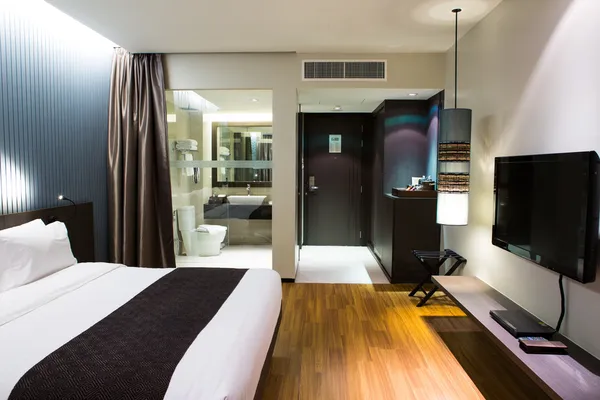
A hospitality suite that loses its heat halfway through an event can undermine an otherwise expensive guest experience. People leave exposed seating areas, retreat indoors, and spend less time enjoying the amenities sponsors paid to provide.

Cold championship weekends belong in the event plan, not the last-minute contingency notes. Operators need to account for guest traffic, changing weather, and the heating demands of temporary hospitality spaces before the first truck arrives. The weekend’s comfort level is largely decided before anyone walks through the door.

The Spec Sheet Decides the Weekend

Heater selection should happen during event planning, not on race morning. Suite footprints vary, mounting options differ, and wind can make an exposed hospitality area considerably harder to heat than an enclosed room.

Start with the layout and expected occupancy. A space designed for 60 standing guests with frequently opening doors has different heating needs than a smaller, enclosed dining suite.

Experienced outdoor heating specialists provide equipment specifications, mounting guidance, and coverage information that can help operators select suitable systems.

Heating capacity matters, but so do the enclosure, available utilities, equipment clearances, and intended use. Manufacturer coverage recommendations should inform the plan rather than relying on a generic BTU-per-square-foot figure for every setting.

Load-In Is Where Warm Suites Are Won

The surrounding structure influences how effectively a hospitality space can maintain comfortable conditions. Even appropriately sized heating equipment may struggle when cold air enters through open sides, poorly sealed doors, or an uninsulated floor. For temporary suites and tented hospitality areas, several details deserve attention during setup:

  • Insulated sidewalls. Where permitted and appropriate, insulated panels can reduce heat loss compared with lightweight, uninsulated materials.
  • Suitable flooring. Raised flooring, insulation, and appropriate floor coverings can help reduce discomfort from cold ground surfaces.
  • Protected entrances. Vestibules or other approved entrance arrangements may limit drafts in enclosed spaces with frequent guest traffic.
  • Code-compliant heating equipment. Confirm that each heater is approved for the proposed location and that fuel storage, ventilation, clearances, and installation comply with applicable fire and building requirements.

Portable propane heaters aren’t automatically suitable for enclosed tents or hospitality suites. Equipment selection should be coordinated with the venue, qualified installers, and the authority having jurisdiction.

Pre-Heat Before the First Guest Arrives

A space can take time to reach comfortable conditions, particularly when furniture, flooring, and surrounding surfaces are cold. Plan a preheating period based on the equipment, enclosure, outdoor conditions, and venue restrictions. Rather than assuming every suite needs three or four hours, test the system before guests arrive and adjust the schedule accordingly.

Staff preparation matters too. Employees working at exposed entrances or outdoor service stations may need additional protection from cold and wind.

NIOSH guidance on cold stress recommends measures such as appropriate clothing, warm breaks, and monitoring workers for signs of cold-related illness. A warm guest area shouldn’t come at the expense of staff members spending long shifts in freezing conditions.

Race Day Moves the Thermal Plan

Conditions can change considerably during a long event. Wind may increase, doors may remain open during busy periods, and temperatures can fall as daylight fades. Assign someone to monitor conditions throughout the day. Check temperatures in occupied areas, listen to guest feedback, and adjust approved heating zones within the equipment’s operating limits.

An infrared thermometer can help assess surface temperatures, but it doesn’t replace measurements of air temperature or a broader assessment of guest comfort.

Fuel levels, electrical capacity, and equipment operation should also be monitored by trained personnel. Any refueling or cylinder changes must follow venue rules and applicable safety requirements.

Catering introduces another consideration. Food must remain within required hot- or cold-holding temperature ranges, regardless of the weather outside. Heating the suite doesn’t replace proper food-temperature monitoring.

Debrief Before the Trailer Rolls

The most useful lessons are often easiest to capture before the event is dismantled.

Record where guests complained about cold spots, which heating zones needed frequent adjustments, and whether entrances or exposed areas created problems. Review equipment performance, fuel or energy consumption, and any operational interruptions with the event team.

Those observations can improve next year’s equipment selection and site layout. A successful championship hospitality suite isn’t simply one with enough heaters. It’s a space where heating, enclosure design, staffing, and service operations work together.

Plan those details before load-in, and cold weather becomes a condition the team is prepared to manage rather than a problem discovered after guests arrive.

The Pit Stop Mistakes That Can Cost NASCAR Drivers an Entire Race

Photo by Wolfgang Vrede on Unsplash

A NASCAR driver can spend hundreds of laps building a winning position, only to lose that advantage in a matter of seconds on pit road. While fans naturally focus on overtaking manoeuvres and dramatic battles on the track, some of the most important moments happen when cars temporarily leave the racing surface.

Modern NASCAR pit stops are carefully choreographed operations involving drivers, tyre changers, tyre carriers, jack operators, and fuel specialists. Every movement has a purpose, and timing is essential when several teams are competing for valuable positions.

A successful stop can put a driver ahead of a rival without completing an overtake on the track. Understanding the mistakes that influence pit road performance reveals why preparation, communication, and precision are just as important as outright speed.

Poor Pit Crew Preparation Before the Race

Successful pit stops begin long before the green flag. NASCAR teams spend considerable time practising coordinated movements, examining equipment, and reviewing strategies for different race situations.

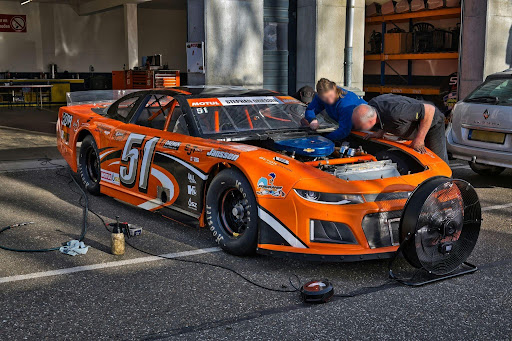
The preparation environment plays an important role in establishing consistent routines. A well-organised workshop gives crew members dedicated areas for equipment maintenance, physical training, and reviewing previous performances.

Team facilities can also reflect the organisation’s identity through thoughtful architectural choices. For instance, businesses developing motorsport-inspired workshops, team offices, or racing hospitality spaces can explore shiplap siding for sale when planning attractive timber finishes. These materials offer opportunities to create distinctive surroundings that celebrate craftsmanship and automotive culture.

For pit crews, however, the essential preparation happens through repetition. Practising tyre changes, refining equipment placement, and developing precise movement patterns help everyone understand their responsibilities.

The strongest teams approach pit stops as athletic performances that require preparation comparable to the driving itself.

Entering Pit Road Too Quickly

One of the most consequential pit road mistakes occurs before the car reaches its assigned stopping position.

NASCAR enforces speed limits on pit road, and drivers must reduce their speed sufficiently before entering the regulated area. Because race cars do not use conventional road-car speedometers, drivers rely on instruments and previously established reference points to maintain the required pace.

The challenge becomes particularly intense during green-flag stops. Drivers approach the entrance at racing speed while simultaneously preparing for braking, steering, and locating their pit stall.

Exceeding the speed limit can result in a penalty that eliminates much of the advantage gained during previous laps.

Experienced drivers practise their pit entry procedures during preparation sessions, identifying braking markers and learning how the car responds under different conditions.

A controlled entry is often more valuable than attempting to gain an extra fraction of a second.

Missing the Correct Stopping Position

car
Photo by Wolfgang Vrede on Unsplash

Photo by Wolfgang Vrede on Unsplash

Even when a driver enters pit road at the correct speed, positioning the car accurately remains essential.

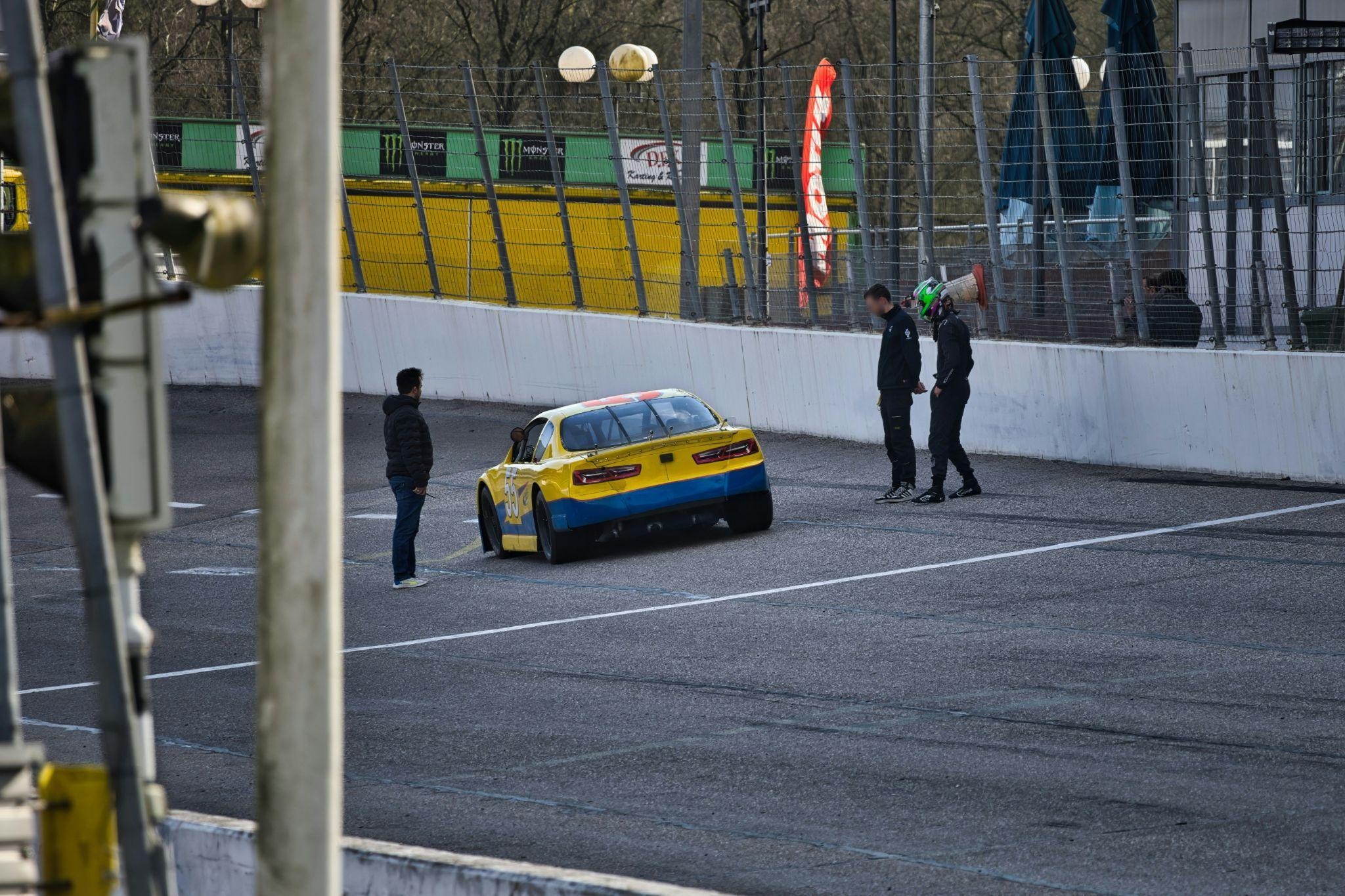
Each team operates within an assigned pit box, where crew members anticipate exactly where the vehicle will stop. Arriving too far forward or backward can disrupt the carefully rehearsed sequence.

The tyre changers need predictable access to the wheels, while the jack operator and fuel specialist depend on the car being positioned correctly.

Drivers use visual references and communication with their teams to identify their stopping points. These references become especially valuable when neighbouring pit stalls are occupied.

Stopping outside the designated area can also create regulatory problems, depending on the circumstances.

For spectators, the difference between a perfectly positioned car and one that stops awkwardly might appear minimal. For a crew working against the clock, those inches can significantly affect the entire stop.

Making Mistakes During Tyre Changes

Modern NASCAR Cup Series cars use a single centre-lock wheel nut, allowing highly trained crews to complete tyre changes remarkably quickly.

However, the system still demands exceptional precision. Tyre changers must correctly operate their equipment, secure the wheels, and coordinate their movements with the rest of the crew.

A delay involving one wheel can affect the entire stop, particularly when another team completes its service efficiently.

Tyre management also matters after removal. Crews must maintain control of discarded tyres and follow NASCAR’s rules governing their movement within the pit area.

An uncontrolled tyre can lead to a penalty, making disciplined handling essential even when the replacement wheel has been installed successfully.

Repeated practice helps teams develop reliable routines while maintaining the speed required for competitive racing.

Poor Communication Between Drivers and Crew Members

Communication is particularly important when race conditions change unexpectedly.

A caution period may suddenly bring numerous competitors onto pit road simultaneously, forcing teams to make immediate decisions about tyres, fuel, and positioning.

The crew chief must communicate strategy clearly, while the driver needs accurate instructions about entering the pit stall and rejoining traffic.

Spotters also provide valuable information about surrounding vehicles, helping drivers navigate crowded sections of pit road.

Confusion can lead to delays, missed opportunities, or unnecessary complications during an otherwise routine stop.

Teams prepare for these situations by establishing clear communication procedures and reviewing possible scenarios before the race.

When everyone understands the plan, the crew can concentrate on executing its responsibilities efficiently.

Choosing the Wrong Pit Strategy at a Critical Moment

Not every costly pit road decision involves a mechanical or procedural mistake. Strategy can be equally influential.

Crew chiefs must decide when to stop, whether to change two or four tyres, and how much fuel the car requires to reach the finish.

These decisions depend on tyre wear, remaining laps, track position, anticipated cautions, and the behaviour of rival teams.

Stopping earlier than competitors can sometimes create an advantage through fresher tyres. In other situations, remaining on track provides valuable positioning.

A decision that appears promising initially may change dramatically when an unexpected caution alters the race.

Successful strategy therefore requires careful analysis combined with the flexibility to respond quickly.

Ultimately, NASCAR races are won through the combined efforts of drivers and their teams. A fast car creates opportunities, but disciplined pit stops help turn those opportunities into results. When preparation, communication, execution, and strategy come together, a few seconds on pit road can make the difference between chasing victory and celebrating it.