Home Blog Page 4

The Race Doesn’t End at the Finish Line for NASCAR Drivers

When the checkered flag waves at a NASCAR race, fans see the celebrations, disappointment, and emotional interviews that follow. For drivers, however, crossing the finish line marks the beginning of another demanding part of their professional lives.

Spending several hours inside a stock car requires extraordinary concentration, physical endurance, and mental discipline. Drivers must manage intense temperatures, constantly changing track conditions, and split-second decisions while communicating with their teams.

Once the race ends, they face recovery routines, technical meetings, media appearances, and preparations for the next event. With a competitive schedule that regularly moves between different states, there is often little time to completely disconnect from racing.

Understanding what happens after the checkered flag reveals how much work goes into competing at NASCAR’s highest levels. The days between races can be just as important as the performances fans watch on television.

Physical Recovery Begins Almost Immediately

A NASCAR driver may spend several hours navigating corners, managing traffic, and maintaining control of a powerful racing machine. The physical demands become especially noticeable during hot weather, when cockpit temperatures can climb dramatically.

After leaving the car, rehydration, nutrition, and rest become immediate priorities. Drivers may also work with athletic trainers or physical therapists to address muscular fatigue and maintain mobility.

Recovery technology has become an increasingly interesting subject across professional sports. Beyond established routines such as stretching and sleep management, athletes and fitness enthusiasts often research specialised wellness equipment. Those exploring this broader category can consult Oxify’s guide to the best hyperbaric chamber for home use, which introduces different chamber designs and considerations for people interested in understanding personal wellness technology.

Within NASCAR, the clearest foundations of post-race recovery remain adequate hydration, appropriate nutrition, restorative sleep, and individual conditioning programmes.

Drivers must prepare their bodies for another demanding weekend, sometimes after only a few days away from the track.

Every Race Produces Valuable Information for the Team

While television coverage concentrates on finishing positions and dramatic incidents, racing teams examine much more detailed information after an event.

Engineers review lap times, tyre performance, fuel consumption, vehicle balance, and adjustments made throughout the race. These details help explain why the car performed differently during particular stages.

Drivers contribute observations that electronic measurements cannot fully capture. They might describe how the vehicle handled in traffic, whether its balance changed during longer runs, or how it responded after a pit stop.

A productive debrief combines this feedback with recorded performance data.

Even successful race weekends provide opportunities for improvement. A winning team may identify strategies that could have produced greater consistency, while another organisation might discover encouraging progress despite a disappointing result.

These discussions help turn individual races into useful preparation for future competitions.

Media Responsibilities Continue After the Checkered Flag
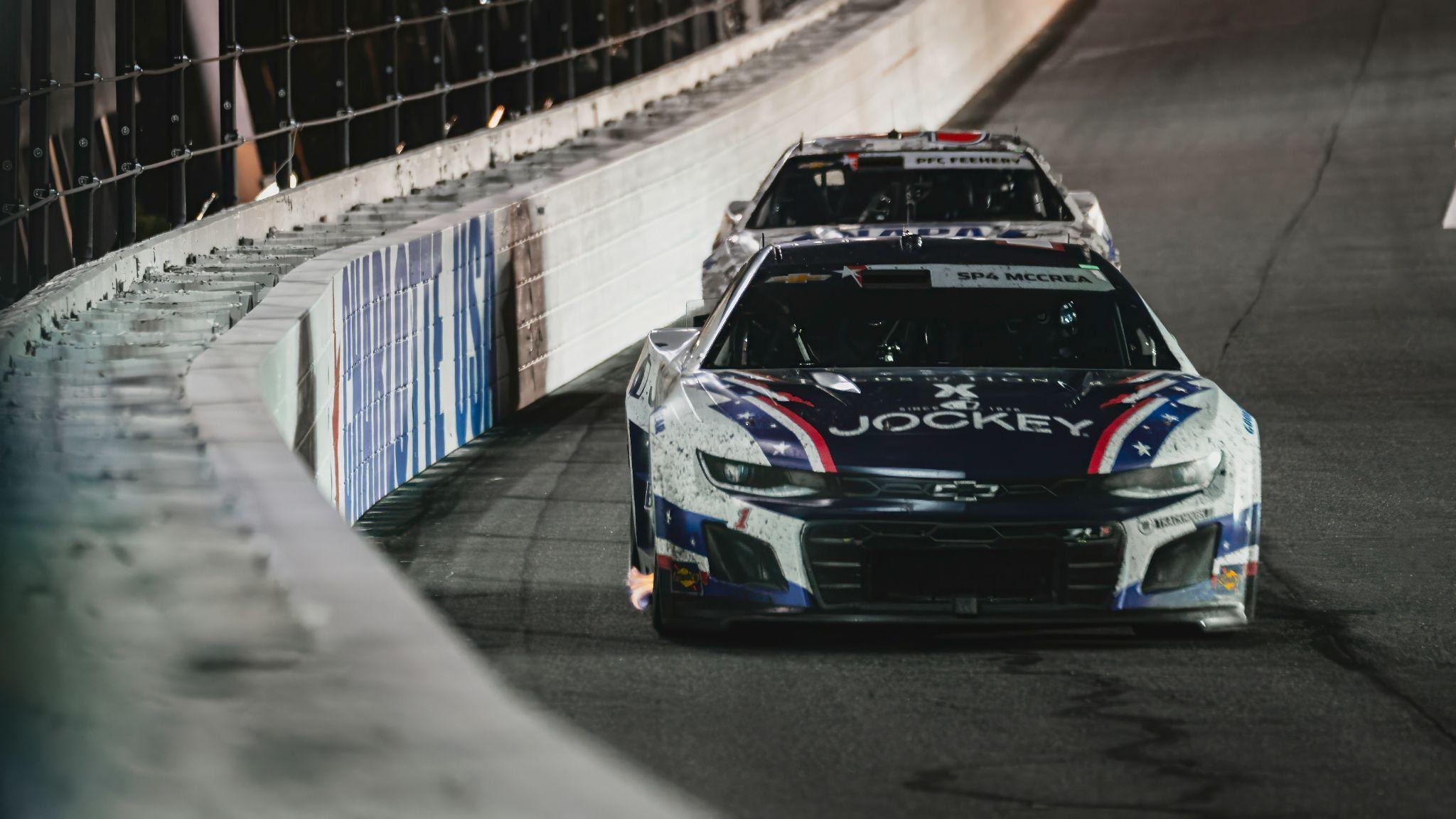
car
Photo by Casey Calhoun on Unsplash

Drivers rarely disappear into their motorhomes immediately after completing a race. Depending on their finishing position and circumstances, they may have interviews, television appearances, sponsor commitments, and other scheduled obligations.

Race winners participate in victory celebrations and explain their performances to reporters. Other drivers may be asked about controversial incidents, mechanical problems, or strategic decisions.

These interviews require composure, particularly when the race has ended in frustration.

Professional communication is an important part of representing a racing organisation. Drivers must explain complicated situations clearly while acknowledging the contributions of crew members and sponsors.

Social media creates additional opportunities to connect with supporters. Post-race messages, photographs, and behind-the-scenes videos allow fans to experience moments that television broadcasts cannot fully capture.

For popular drivers, maintaining these relationships is an ongoing responsibility extending well beyond race day.

Fitness Training Doesn’t Stop During the Racing Season

Although NASCAR drivers spend much of their competitive time sitting inside vehicles, racing requires substantial physical conditioning.

Strong neck and core muscles help drivers manage repeated cornering forces, while cardiovascular endurance supports concentration during lengthy events.

Training programmes vary according to individual preferences, schedules, and physical requirements. Some drivers incorporate cycling, running, strength exercises, or mobility sessions into their weekly routines.

The challenge is maintaining fitness while allowing sufficient recovery between competitions.

Travel complicates that balance. A driver may race in one state, return home for meetings and training, and depart for another circuit only days later.

Sleep schedules, meal planning, and structured exercise therefore become important parts of professional preparation.

A consistent routine helps drivers arrive at each venue physically prepared for another demanding afternoon.

Mental Preparation Shapes the Next Performance

Physical fatigue is only one challenge following a race. Drivers must also process the decisions and emotions associated with competition.

A missed opportunity, mechanical failure, or difficult on-track incident can remain frustrating long after spectators leave the grandstands.

Reviewing the experience constructively helps drivers identify lessons without allowing one disappointing result to dominate their preparation.

Some use simulator sessions to practise approaching corners, managing traffic, and understanding the characteristics of upcoming circuits.

Others study previous races and discuss strategy with crew chiefs and engineers.

Mental preparation also involves maintaining perspective during a lengthy season. No single result defines an entire championship campaign.

Successful drivers learn to redirect attention towards decisions they can influence at the next event.

Preparing for the Next Track Starts During the Previous Week

Each NASCAR circuit presents different challenges. A short track demands different techniques from a superspeedway, while road courses introduce braking zones and corner sequences rarely encountered on traditional ovals.

Teams must adjust their approach accordingly.

Between races, engineers use simulation tools, performance data, and previous experience to determine appropriate vehicle setups.

Drivers study the circuit’s characteristics and consider how changing weather or track surfaces might influence handling.

Preparation also involves communication with the pit crew, whose performance can dramatically affect track position.

By the time the next race weekend begins, substantial planning has already taken place.

The public sees practice sessions, qualifying, and competition, but these activities represent only the visible portion of a much larger effort.

For NASCAR drivers, the finish line is never truly the end of the journey. Recovery, technical analysis, professional commitments, and focused preparation create a continuous cycle that shapes performance throughout the season.

The next great race often begins long before the engines start again.
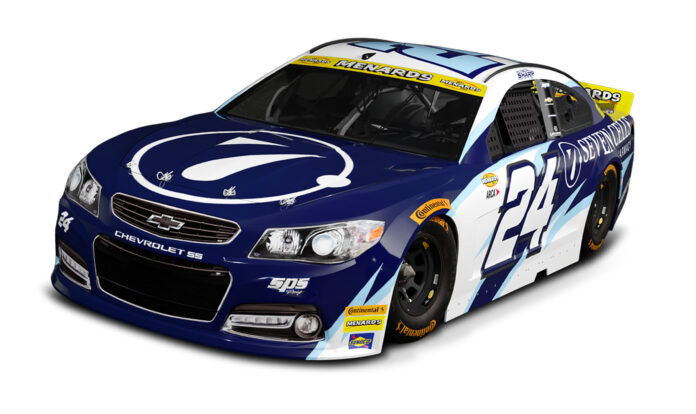
Hudson Sharp to Drive No. 24 Chevrolet for SPS Racing in 2027

Seven Cells Pharmacy backs Sharp’s five-race ARCA schedule, opening March 27 at Hickory Motor Speedway

MOORESVILLE, N.C. (Nov. 25, 2026) — Hudson Sharp will drive the No. 24 Chevrolet for SPS Racing on a part-time schedule in the ARCA Menards Series and ARCA Menards Series East in 2027. Seven Cells Pharmacy will sponsor the North Palm Beach, Florida, driver in all five races, starting with the East opener at Hickory Motor Speedway. Veteran crew chief Blake Bainbridge will lead the No. 24 team.

Hudson spent two seasons in Limited Late Models with Lee Faulk Racing, winning five races in 2025 and earning the track championship at North Carolina’s Tri-County Speedway. He moved up to Late Model Stocks full time in 2026. When the CARS Tour came to Tri-County in September, he drove from 25th to 10th. A month later, he qualified 11th and finished third for Nitro Motorsports in his ARCA Menards Series West debut at Kevin Harvick’s Kern Raceway in Bakersfield, California.

Hudson is a third-generation racer. His father, Scott Sharp, grew up helping after school in the Connecticut race shop of six-time SCCA national champion Bob Sharp. Scott later brought his own children to the races, just as Bob had done with him. A nine-time IndyCar race winner, Scott shared the 1996 Indy Racing League title and won the pole for the 2001 Indianapolis 500. In 2016, 20 years after his first Rolex 24 At Daytona victory, he won both Daytona and the Twelve Hours of Sebring with Extreme Speed Motorsports, the team he founded.

“I can’t wait to get the 2027 season underway and am extremely grateful for the opportunity to drive for SPS and work with Joe Farré, Billy Wheeler, and Blake,” said Hudson Sharp. “With the support of Seven Cells, I’m excited to continue climbing the ranks in the ARCA Menards Series. This season is shaping up to be great with a lot of cool tracks on the schedule, and I believe we’re putting all the right pieces together to have a successful season. I’m ready to get on track, compete for wins, and make the most of this opportunity.”

Seven Cells Pharmacy backed Sharp at Kern and will follow him to SPS. Based in Jupiter, Florida, the pharmacy works with health care providers to prepare and ship customized prescriptions. Learn more at sevencellspharmacy.com.

“We have closely followed Hudson’s impressive progression through the late model ranks and are thrilled to welcome him to the ARCA series,” said Joe Farré, owner of SPS Racing. “Stepping onto larger NASCAR tracks will be a fantastic opportunity for him to sharpen his skills and build toward a bright future in the sport. Beyond his talent behind the wheel, we are proud to welcome Hudson, his brother Jackson, and his father Scott into the SPS family—their enthusiasm and professionalism are a great fit for our culture. Good things happen when great people come together, and our competition team, led by Crew Chief Blake Bainbridge, has worked tirelessly to build a top-tier program for them.”

After Hickory, Sharp will race in his home state on April 17 when the East series makes its first visit to the Freedom Factory in Bradenton, Florida. He will race at Nashville Fairgrounds Speedway on May 1, then head to Berlin Raceway in Marne, Michigan, for the June 5 national series race. His five-race schedule closes July 2 at Iowa Speedway in Newton, where the national and East series race together.

Fans can watch the March 27 opener live on FloRacing.

ABOUT SPS RACING
Joe Farré founded SPS Racing in 2023. The team fields Chevrolets in NASCAR and ARCA competition from its race shop in Mooresville, North Carolina, with corporate operations in Las Vegas. teamspsracing.com

Modernising Social Housing: Why Decant Planning Must Keep Pace with Repairs

Image by Anastasia Shuraeva on Pexels

When a housing association plans major repairs, one question can reshape the entire programme: can residents safely remain at home while the work takes place? If the answer is no, temporary accommodation becomes part of the maintenance plan, with consequences for scheduling, budgets and daily life. The same question can arise with far less warning when a serious hazard is discovered. For housing providers preparing for 2027, effective social housing decants depend on connecting decisions about repairs, residents and accommodation from the outset.

Higher repair standards are reshaping maintenance planning

Across UK social housing, providers are under pressure to maintain safe homes while upgrading buildings and managing limited resources. The legal requirements behind that work differ between nations, so an England-specific rule should not be treated as a single UK timetable. In England’s social rented sector, Awaab’s Law came into force on 27 October 2025 for emergency hazards and damp and mould hazards that present a significant risk of harm. It sets fixed timescales for landlords to investigate and respond to hazards within its scope, making the condition of a home an immediate operational consideration as well as a longer-term asset management concern.

Phase 2 is due to take effect on 30 November 2026. From that date, the requirements extend to further significant hazards, including excess cold and heat, falls, structural collapse, fire and explosions, electrical hazards and domestic hygiene. The government’s guidance on Awaab’s Law Phase 2 sets out the hazards covered and the duties landlords must meet. For maintenance teams, the practical implication is to consider early whether safety work can proceed with residents in place, rather than treating a possible move as a problem to solve once contractors arrive.

A decant is a sequence of linked decisions, not a single booking

Planned refurbishment and an unexpected hazard call for different speeds of response, but both require coordination between the landlord, residents, contractors and accommodation providers. The team needs to establish what work is necessary, whether the home can remain occupied, when access will be required and how long disruption may last. Under Awaab’s Law, where required safety work cannot be completed within the applicable timeframe, official guidance requires the social landlord to secure suitable alternative accommodation. That does not mean every repair requires a decant; it means the possibility of relocation must be assessed against the hazard, the work and the household’s circumstances.

Once a move is needed, apparently small gaps in property management logistics can affect the whole project. Accommodation dates have to align with contractor access, while residents need clear arrangements for belongings, keys and updates if the programme changes. A booking that ends before the home is ready may force another move, creating avoidable disruption and further expense. Keeping a shared record of decisions, contacts and expected milestones helps teams identify these conflicts before they become urgent, whether the move involves one household or several homes in a larger works programme.

Matching temporary accommodation to household needs

Suitable accommodation cannot be judged by vacancy and price alone. A household may need step-free access, enough space for children, proximity to school or work, or a location that preserves access to care and family support. The expected length of the stay matters too: a workable arrangement for a short emergency placement may be difficult to sustain during extensive building work. Housing teams should gather relevant needs directly from residents, explain the options and record why a proposed placement is appropriate for the people who will use it.

That assessment should continue after the move. If repairs take longer than expected, the suitability of a placement can change as travel, accessibility or household routines come under strain. A named contact gives residents a clear route for raising concerns, while regular reviews allow the landlord to respond before a temporary difficulty becomes a persistent one. This is particularly important where an urgent move left little time to compare initial options. Resident welfare is easier to protect when accommodation is treated as an ongoing decision, not a completed transaction.

What specialised relocation support can add

For housing associations managing several moves at once, a central accommodation search can bring structure to a fragmented market. Whether sourcing planned placements or UK emergency accommodation, one coordinated brief can set out location, household size, accessibility requirements, likely duration and budget, making it easier to compare viable options. Specialist tenant relocation services can also help keep availability checks and booking details together as the repair timetable develops. The landlord still needs to assess suitability, communicate with residents and retain responsibility for its decisions; external support is most useful when it gives those teams clearer options and fewer disconnected conversations.

Jigsaw Conferences provides planned decant and emergency accommodation support for housing associations. Its approach combines AI-supported search tools with human account management, an example of how technology can assist sourcing while people handle the circumstances behind a move. Professional assistance for housing association decant projects is most valuable when the accommodation brief reflects residents’ actual needs and remains connected to the works programme. The aim is not simply to find an available room, but to help housing teams make a practical placement decision under planned or urgent conditions.

Using data and AI without outsourcing accountability

Data can improve decant planning before any automated matching begins. Consistent records of household requirements, property access, repair milestones and accommodation options make it easier to spot when a placement no longer fits the schedule. AI-supported tools may help organise or compare options against those requirements, particularly when several searches are running at the same time. They should be treated as decision support rather than proof that an address is suitable: availability can change, descriptions may be incomplete and a resident may have needs that do not fit a standard search field.

Human review remains essential at the point of selection and throughout the stay. Teams need to check the information used for matching, limit access to sensitive resident details and be able to explain why an option was chosen. A clear record also helps when circumstances change and another placement must be considered. Used this way, technology can reduce administrative friction without obscuring the housing provider’s responsibility for safety, suitability and communication.

Keeping resident welfare and budget discipline in one plan

Budget control and resident welfare are often presented as competing priorities, but poor coordination can damage both. Repeated bookings, unnecessary moves and gaps between accommodation and repair dates create costs without improving the work. A more disciplined plan assigns responsibility for the suitability assessment, accommodation search, resident contact and contractor schedule before a move begins. It also records the assumptions behind the expected stay, so that a delay prompts a review of the placement and budget rather than an automatic extension.

The return home deserves the same attention as the initial departure. Residents need to know how completion will be confirmed, when they can regain access and whom to contact if the home or arrangements are not ready as expected. For planned housing association maintenance, that means building a decant pathway into the project timetable from the first assessment; for urgent cases, it means establishing the pathway as soon as immediate safety needs are addressed. As providers enter 2027, streamlined decant management is a practical way to keep infrastructure improvements, regulatory duties and the experience of residents moving in the same direction.

The British Grand Prix: A Guide to Luxury Chauffeur Travel to Silverstone

Photo by Martin Katler on Unsplash

The British Grand Prix at Silverstone is one of the most prestigious events on the international motorsport calendar, attracting Formula 1 enthusiasts, corporate executives and international visitors from around the world.

For guests staying in London, arranging comfortable and reliable transportation is an important part of enjoying an exceptional race weekend.

Travelling from London to Silverstone

With thousands of spectators attending the British Grand Prix, planning transportation in advance can help visitors avoid unnecessary inconvenience and uncertainty.

Private chauffeur transportation offers a comfortable alternative for individuals, families and corporate groups who prefer to travel according to their own schedules.

Whether departing from a luxury London hotel, private residence or airport, passengers can arrange their journey around qualifying sessions, race-day schedules and hospitality reservations.

Luxury Chauffeur Transportation for Formula 1 Guests

For those seeking a premium travel experience, London VIP Chauffeur provides a dedicated Silverstone Grand Prix chauffeur service offering professionally coordinated transportation from London to Silverstone Circuit.

Chauffeur-driven travel allows guests to relax, prepare for business meetings or enjoy the journey in privacy and comfort.

Flexible transportation arrangements are particularly valuable for visitors attending multiple events during the race weekend.

Choosing the Ideal Luxury Vehicle

Premium chauffeur vehicles offer different levels of comfort, passenger capacity and luggage space.

Popular options include:

  • Mercedes-Benz E-Class for executive transportation.
  • Mercedes-Benz S-Class for first-class luxury.
  • Mercedes-Benz V-Class for families and corporate groups.
  • Range Rover Autobiography for an exclusive SUV experience.

Choosing the right vehicle depends on the number of passengers, individual preferences and the requirements of the journey.

Corporate Hospitality and VIP Travel

The British Grand Prix combines world-class motorsport with exclusive hospitality, networking opportunities and corporate entertainment.

Business executives and their guests can benefit from professionally organised transportation that accommodates changing schedules, hospitality commitments and return journeys.

Hourly and full-day chauffeur arrangements provide additional flexibility for passengers attending several appointments or entertainment venues.

Planning a Comfortable Race Weekend

International visitors should consider booking transportation early, particularly when travelling during major motorsport events.

Confirming arrival times, hospitality entrances, return collection points and vehicle requirements before travelling can help create a smoother experience.

Visitors may also wish to combine their Silverstone itinerary with sightseeing, fine dining and luxury shopping in London before or after the event.

With thoughtful planning and professional chauffeur transportation, guests can focus on enjoying the excitement of Formula 1 while experiencing the comfort and convenience of premium private travel.

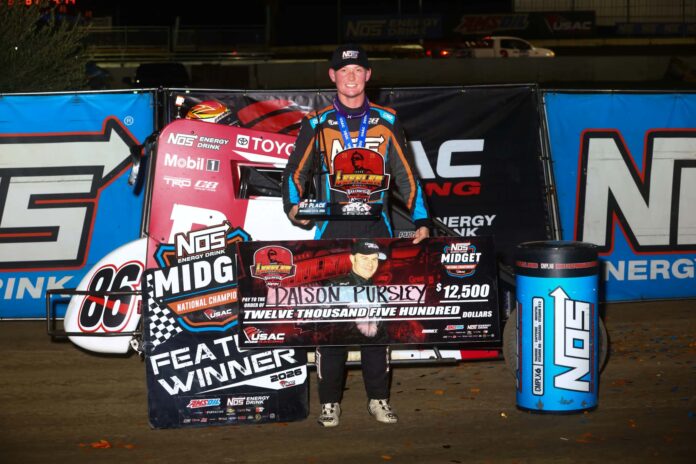
Daison Pursley Wins The Jason Leffler Memorial At The Bakersfield Speedway at Kern – Jacob Denney Clinches Championship

Photo Courtsey of Rich Forman Photo

The 2026 Golden State Invasion of California continued on tonight with its third different track in the past four days and the special Jason Leffler Memorial race. On Saturday night, the USAC National Midget tour visited Merced Speedway for the Chase Johnson Classic, while on Monday night the tour traveled to Plaza Park Raceway in Visalia and Bakersfield Speedway at Kern for the third round.

So far, the winners have been Michael Kofoid on Saturday night and Jett Yantis on Monday night. Additionally, current points leader Jacob Denney entered tonight’s race with a 77-point lead over Kevin Thoms Jr. If Denney maintains his lead and leaves tonight’s race after the checkered flag is finished with 77 points or more, he would be able to clinch the title ahead of Saturday’s Turkey Night Grand Prix at Ventura Raceway.

Daison Pursley grabbed the lead early in the race and never looked back, going on to win the Jason Leffler Memorial, while Denney finished second enough to clinch this year’s championship.

“It’s good as it always is,” Pursley said to Flo Racing in victory lane about his car and night. “I feel like the driver has to keep up with it. Chad (Boat, Team Owner) and all of these CB Industries boys bring great prepared racecars, and it just goes to show night in and night out, all of us are sometimes running up front, at least one of us is. Super cool, super fun racetrack. I felt like they did a phenomenal job with heat races around the bottom, and thankfully the track moved up.

“I felt like I honestly wanted to qualify on the top down in (Turns) 3 and 4, I just didn’t know if it was (ready). I didn’t want to be the only one doing it and just went up there in the heat race, and tried to work it in and did the same thing in the feature. Everyone at Chad’s team does top-notch things, and I just get to be the lucky one to drive it.”

For more on Denney clinching the championship, see his quote below in the feature race recap underneath the embedded tweet. 

There were 23 midgets entered for tonight’s race.

Feature Race Recap – 30-Laps – $12,500 To Win

Starting on the pole position was Justin Grant, with Pursley on the outside pole.

Before the race started, Cannon McIntosh came to a stop off Turn 4, and his car was brought to the work area for further attention. Despite the issue, McIntosh was able to return to the track before the green flag, but lost his original starting position of 22nd.

Grant had a great start and led the opening lap of the race, but Pursley took the lead with 27 laps to go at the start/finish line and cleared Grant going into Turn 1. However, a caution came out two laps later with 25 laps to go for Kale Drake, who was stopped sideways in the middle of Turns 1 and 2.

While going back green, Grant challenged Pursley for the top spot, briefly being side-by-side with him in Turns 3 and 4, but couldn’t complete the pass. With 10 laps to go, the top five were Pursley, Denney, Grant, Corey Day, and Thomas Jr. With seven laps to go, Denney started to insert himself into the picture by closing in ever so slightly on Pursley, albeit his run came short as Pursley managed the gap and went on to claim the Jason Leffler Memorial race.

Even though Denney finished in the runner-up spot, it was enough for him to clinch the 2026 USAC NOS Energy Drink National Midget Championship.

“Just relieved,” Denney said to Flo Racing when asked about clinching the championship one race early. “I was all calm until last night, and I started worrying a lot. It’s just how fast it (points lead) can change. We had a really good points lead, and then we lost 30 points, I was thinking about losing another 30 points or to lose more. It can go in the other direction pretty fast. Thankfully, they got the car back to normal last night for the feature, and we charged back through the field and kept our nose clean. That was the most important thing there for how small it was.

“Tonight, we went back to our normal stuff, and we were just as good as we always are. Thanks to everyone who made this possible.”

Heat Race Recap – Top Six Transfer – 8 Laps A Piece

Prior to the heat races, there was a hot lap and a two-lap qualifying session. Thomas Jr. paced the hot lap session with a time of 14.442 seconds, while NASCAR O’Reilly Auto Parts Series star Day set the fast time in qualifying with a time of 14.289 seconds.

Heat 1 – Kyle Larson had pole for the first heat. With three laps to go, Larson was challenged briefly for the lead by Drake, but held on to win the first heat race. Larson, Drake, Kofoid, Denney, Yantis, and Day took the transfer spots.

Heat 2 – Gavin Miller started on pole for the second heat. During the heat race, Marvin Mitchell exited the racetrack and was relegated to last place. Miller was unchallenged and secured the heat race win and was followed by Pursley, Thomas Jr, Colton Robinson, Mack Leopard, and Bradley Cox the six transfers.

Heat 3 – Brecken Reese began on the pole for the third and final heat, and led wire-to-wire to grab the final heat race victory. He was followed by Jade Avedisian, Hayden Reinbold, Jakeb Boxell, Zach Daum, and Grant, rounding out the final transfers. 

For those who missed the feature, you can watch the highlights below.

Official Race Results Following Bakersfield Speedway at Kern

  1. Daison Pursley
  2. Jacob Denney
  3. Justin Grant
  4. Corey Day
  5. Kevin Thomas Jr
  6. Kyle Larson
  7. Michael Kofoid
  8. Jakeb Boxell
  9. Zach Daum
  10. Gavin Miller
  11. Jett Yantis
  12. Brecken Reese
  13. Jade Avedisian
  14. Mack Leopard
  15. Colton Robinson
  16. Kale Drake
  17. Bradley Cox
  18. Hayden Reinbold
  19. Broedy Graham
  20. Hayden Wise
  21. Cannon McIntosh
  22. Jake Andreotti
  23. Marvins Mitchell, DNS

Up Next – With tonight’s round now complete, the USAC NOS Energy Drink National Midget tour look ahead to completing its season with the season-ending championship race at Ventura Raceway with the famous Turkey Night Grand Prix, live this Saturday night on Flo Racing. Furthermore, there will be a practice night on Friday night for the midgets, along with a Sprint Car program also taking place.

AO Racing RAWRs with 2027 IMSA WeatherTech Driver Lineups in GTD PRO and LMP2

ST. CHARLES, Ill, (November 25, 2026) – Two-time IMSA WeatherTech SportsCar Championship-winning team AO Racing returns for its fifth season in 2027 with high-caliber lineups across both the LMP2 and GTD PRO classes. Defending the team’s 2025 LMP2 title-winning legacy, PJ Hyett and Dane Cameron return to Spike alongside newcomers Sebastian Alvarez and Connor Zilisch. In GTD PRO, Harry King and Alessio Picariello will lead Rexy’s charge, joined by Porsche-contracted drivers Morris Schuring and Ricardo Feller.

“When we started AO Racing, we wanted to build a team that was every bit as serious about winning championships as it was about making people fall in love with sports car racing,” said Team Owner and Driver PJ Hyett. “I’m incredibly proud of what our team has accomplished, but even more excited about what lies ahead. We enter 2027 with the same ambition, an enormous amount of confidence in our people, and a relentless desire to keep raising the bar. There’s still a lot we want to accomplish, and we’re going to have some fun along the way.”

No. 99 LMP2 | Spike the Dragon

Following a championship-winning 2025 season, Spike the dragon returns with a familiar pairing behind the wheel. Team owner PJ Hyett, and five-time IMSA champion Dane Cameron will once again share full-season duties in the No. 99 entry, looking to add to the team’s impressive record of ten pole positions, 11 podiums, four victories, and 20 top-five finishes.

Sebastian Alvarez brings a wealth of prototype racing experience across multiple championships, competing in IMSA WeatherTech SportsCar Championship, European Le Mans Series, Asian Le Mans Series, and the prestigious 24 Hours of Le Mans, making him a valuable addition to Spike’s endurance campaign. Zilisch, a Rolex 24 at Daytona winner and one of NASCAR’s rising stars, will complete the team’s lineup.

No. 77 Porsche GT3 R, GTD PRO | Rexy the T-Rex

Rexy’s refreshed lineup stands ready to build on the 2024 champion’s history, with Harry King returning for a second full season, joined by Alessio Picariello, who steps into a full-season role after previously competing with the team at select endurance events.

Porsche racer Morris Schuring will join the team for Daytona and Sebring, bringing with him a resume that boasts a class victory at the 2024 24 Hours of Le Mans. Swiss Porsche Factory Driver Ricardo Feller completes the squad for the Rolex 24, bringing with him multiple championship titles across the globe.

Both Rexy and Spike will begin their 2027 IMSA WeatherTech SportsCar Championship campaigns at the Rolex 24 At Daytona, January 27-31, as AO Racing looks to add more victories and championships to its growing history.

Driver Quotes

Dane Cameron

I am excited to be back with PJ and AO in 2027. We had a bit of an up and down 2026, but the whole team has been working very hard to ensure we are in a great position to fight for the championship again. Sebastian and Connor are great additions to Spike in our quest to win the Rolex 24 At Daytona.

Sebastian Alvarez

I’m really excited to be joining AO Racing for the 2027 IMSA season! We have a strong team, lineup and everything to fight at the front. I’m looking forward to working with the team and sharing the car with PJ, Dane and Connor for Daytona. Thank you to AO for the opportunity. I can’t wait for the season to start.

Connor Zilisch

I’m super excited to join AO racing for the Rolex 24 this year. AO has always had success from the time I have spent racing in IMSA, and their brand is hard to miss, so being a part of their LMP2 program for Daytona is something I’m looking forward to. Hopefully we can have a great two weeks for the ROAR and the 24 and get another watch!

Harry King

I’m delighted to be returning for a full program of IMSA with AO Racing and Rexy. It’s a series I’ve fallen in love with, and a team I truly enjoy being around. I’m incredibly fortunate to have this role within AO, and grateful for the trust from Gunnar Jeannette and PJ Hyett. The team ethic and commitment is like no other, which makes me optimistic for the season ahead

Alessio Picariello

A full season on Rexy is something truly special. It’s a real privilege to have the opportunity to race a full season in IMSA GTD Pro alongside such an incredible group of people.

There are big shoes to fill and high expectations, which will require a lot of commitment and dedication from my side. But this is a program I’ve been wishing for for a long time, and I’m ready to give it absolutely everything I have.

Harry and I had a lot of fun together this season, so I’m really happy to be working alongside him again. I’m also looking forward to teaming up with Morris and Riccardo at Daytona, which I believe will make for a really strong lineup.

Ricardo Feller

I’m looking forward to starting my 2027 season again with the legendary Rolex 24 At Daytona. It’s a big dream of mine to win this race, and I believe that, together with AO and my teammates, we have a strong package to be in the fight for the victory. The goal is clear. Let’s go for it!

Morris Schuring

I’m proud that Porsche has given me the opportunity to step up to GTD PRO in 2027, and I want to thank them and AO Racing for the confidence in me. When I came to the United States for my first IMSA season last year, I was impressed by how big Rexy is, so it’s special to now be part of it. I’m also looking forward to working with Alessio, Harry, and Ricardo. We already have a great connection, which is a strong foundation to build on. With the Rolex 24 just around the corner, I’m looking forward to getting started.

ACI Motorsports and Unitronic Join Forces for 2027 IMSA Michelin Pilot Challenge GS in Porsche 911 GT4 R

  • Highly Anticipated Move to IMSA Michelin Pilot Challenge GS Another Key Component of Expanding ACI Motorsports Sports Car Racing Operations in 2027 and Beyond
  • Championship-Winning Duo of Chris Miller and Mikey Taylor Co-Drives the No. 17 Unitronic ACI with JDC-Miller Porsche 911 GT4 R for Full-Season GS Campaign

CHATTANOOGA, Tennessee (November 25, 2026) – ACI Motorsports, Unitronic and JDC-Miller MotorSports today announced a new partnership to campaign a full-season entry in the 2027 IMSA Michelin Pilot Challenge Grand Sport (GS) class. The new alliance will field the highly anticipated Porsche 911 GT4 R for the proven driving duo of Chris Miller and Mikey Taylor in the top-tier Pilot Challenge GS division.

The collaboration brings together organizations with distinct but complementary championship pedigrees. Founded in 2016, ACI Motorsports is a growing professional sports car racing operation establishing itself as a consistent title contender across multiple disciplines, including Pirelli GT4 America and IMSA Carrera Cup North America. The team secured the 2024 Pirelli GT4 America Pro-Am Driver and Team Championships and captured two of the three championships on the line this year in IMSA Porsche Carrera Cup North America.

For over two decades, Unitronic has been a leading manufacturer of high-performance software tuning and hardware for V.A.G-brand vehicles, with a particular focus on Audi, Cupra, Volkswagen and Porsche, developing products engineered to perform both on the street and at the highest levels of motorsport. Unitronic brings an impressive racing pedigree to the partnership with ACI Motorsports, having amassed 11 victories, 17 podium finishes and nine pole positions in the IMSA Michelin Pilot Challenge. Most notably, Unitronic won the IMSA Michelin Pilot Challenge TCR Drivers and Team Championship in 2024 with drivers Miller and Taylor, capturing four victories and two additional podium finishes during their title-winning campaign with JDC-Miller MotorSports.

The team moved up to GS competition the season after its TCR title and campaigned a Porsche Cayman GT4 RS Clubsport in the final two years of the car’s eligibility in the championship in 2025 and 2026.

With the new 911 GT4 R Porsche’s designated GS contender in 2027 and beyond, Unitronic will be at the same experience level with the car as its competitors at the onset of the season. With ACI’s vast knowledge and winning history with both the 911 and Cayman platforms, however, the new collaboration is well prepared for the 911 GT4 R era.

In 2026 alone, ACI Motorsports Porsche 911 GT3 entries in IMSA Carrera Cup North America combined to win a remarkable 28 races, a team series-high in the 48 round season across three classes. Entries from ACI scored at least one win in all three competing classes – Pro, Pro-Am and Masters – and captured the championships with Patrick Mulcahy in Pro-Am (15 race wins) and Marco Cirone in Masters (8 wins).

The move to GS for ACI was highly anticipated and somewhat expected by some as the team has been on a major growth trajectory in recent years. In addition to entering GS for the first time next season with Unitronic ACI Motorsports, the Curt Swearingin led operation announced in September a full season GT World Challenge America GT3 class campaign for ACI Motorsports team drivers Matt Smith and Yves Baltas.

The No. 17 Unitronic ACI with JDC-Miller Porsche will compete in 2027 with the continued support of Liqui Moly, a global leader in high-performance motor oils and additives. Since 2021, Unitronic and Liqui Moly have built a successful partnership founded on a shared commitment to engineering excellence, innovation and championship-winning performance. As Unitronic’s exclusive motor oil and additive supplier, Liqui Moly plays a vital role across the company’s motorsports, research and development programs, providing uncompromising protection and proven performance throughout its fleet of road cars, development engines and race vehicles. The longstanding partnership continues to demonstrate the direct connection between performance on the street and success at the highest levels of motorsport.

Plans call for the No. 17 Porsche to feature a dedicated Liqui Moly livery at up to two races on the 10-event IMSA Michelin Pilot Challenge GS schedule.

The 2027 IMSA Michelin Pilot Challenge season is scheduled to begin with the traditional season-opening four-hour race at Daytona International Speedway in January on the Friday of Rolex 24 At Daytona weekend.

Curt Swearingin, ACI Motorsports Team Principal: “This program represents a natural progression for everyone involved and is something we have been looking at for a long time after our past and ongoing success in GT4 competition. With the 911 GT4 R now the series standard in GS, the timing was right to make the move, but it was only possible with Unitronic having the faith and trust in us to start this new era with the 911 GT4 R together. We have a vast amount of knowledge in all of our Porsche platforms, including all of the modern 911 generations, and can’t wait to apply it all in competition in GS with the No. 17 Unitronic ACI with JDC-Miller Porsche 911 GT4 R and team drivers Chris Miller and Mikey Taylor.”

John Staffi, Unitronic Technical Director: “We’re excited to open the next chapter together with ACI Motorsports and the brand-new Porsche 911 GT4 R in 2027. As we look forward to this new partnership with ACI on the No. 17 Unitronic ACI with JDC-Miller 911 GT4 R, we’re enthused at being able to benefit from the stability of the legendary driver duo in Mikey Taylor and Chris Miller, while welcoming back our Technical Partners at Liqui Moly for a seventh consecutive season! We couldn’t do this without the support of all of our partners including Liqui Moly, our Authorized Dealers & Customers worldwide, and JDC-Miller MotorSports. A lot of people underestimate how truly competitive the IMSA GS class is in real life. Since Porsche’s new 911 GT4 R is based around the 992 911 Cup car, ACI’s expansive experience and excellence sets us up for success. Everyone here at Unitronic is looking forward to getting opportunities to strengthen our partnerships, engage with our dealers and customers at the race track, and make more memories together going racing in 2027.”

Chris Miller, Driver – No. 17 Unitronic ACI with JDC-Miller Porsche 911 GT4 R: “I’m very grateful for the opportunity to continue racing with Unitronic and Mikey and equally as excited to work with ACI Motorsports. When we started to explore options to continue in IMSA with Porsche it was only logical to consider ACI given their reputation and winning track record with the brand. From our first conversations we felt like it would be a great fit and I’m confident we will enjoy a lot of success together this season. It always takes a lot of effort to put these programs together, and I’m particularly thankful for JDC-Miller Motorsports, Unitronic, and Liqui Moly for their continued support. I can’t wait to get on track in Daytona in our new Porsche 911 GT4 R in just a few months!”

Mikey Taylor, Driver – No. 17 Unitronic ACI with JDC-Miller Porsche 911 GT4 R: “I couldn’t be more excited about this new program with ACI Motorsports, while keeping the stability of the now seven year partnership with Chris, Unitronic and Liqui Moly! After winning the TCR championship we expected a lot more from GS program with the Cayman GT4 RS, but unfortunately just never got it going. Now with the new Porsche 911 GT4R, ACI with their 911 Cup experience and a slight change of scenery, I really think we have a good shot at getting on top of this new car and getting some podium results in 2027! Special thank you to everyone involved for making this happen!”

ACI Motorsports: ACI Motorsports is a professional Porsche racing team and motorsports preparation shop headquartered in Chattanooga, Tennessee, with additional operations at Road Atlanta in Georgia. The team actively competes in several prestigious racing series, including Porsche Carrera Cup North America, SRO Pirelli GT4, GT America Powered by AWS and more. Additional information can be found at www.acimotorsports.com.

Unitronic: For over two decades, Unitronic has been a leading manufacturer of high-performance software tuning and hardware for V.A.G-brand vehicles, with a particular focus on Audi, Cupra, Volkswagen and Porsche, developing products engineered to perform both on the street and at the highest levels of motorsport. Unitronic brings an impressive racing pedigree to the partnership with ACI Motorsports, having amassed 11 victories, 17 podium finishes and nine pole positions in the IMSA Michelin Pilot Challenge. Most notably, Unitronic won the IMSA Michelin Pilot Challenge TCR Drivers and Team Championship in 2024 with drivers Miller and Taylor, capturing four victories and two additional podium finishes during their title-winning campaign. Learn more about Unitronic at www.getunitronic.com.

What to Look for in a Moped-Style E-Bike

With the popularization of e-bikes and e-scooters, moped-style electric bikes are becoming an incredibly popular choice. With a motorcycle-inspired frame, they feature durable tires, robust seats, and strong motors. Models such as the TST R002 pair modern technology that include practical features for both recreation and commuting every day.

Choosing the right moped-style e-bike involves more than finding a design you like. Motor performance, battery capacity, comfort, and more all play an important role. Understanding how each feature affects the e-bike’s performance is incredibly helpful before you buy.

Performance and Motor Strength

Motor power is an important consideration when choosing a moped-style e-bike. Motor strength affects speed, acceleration, hill-climbing ability, and assistance on challenging terrain. Peak motor power and torque are both important specifications to review, as peak power often relates to top speed while torque helps determine power at a standstill or while climbing a hill.

Consider your ideal riding environment as well. If your commutes require only navigation through flat streets, torque isn’t as big a factor as it is for someone who needs to navigate multiple hills. Avoid choosing an e-bike solely on its top speed; instead, factor in its intended riding environment.

Range and Battery Capacity

The battery capacity determines how much energy the e-bike can store. While manufacturers advertise an expected maximum range, the actual distance can vary greatly depending on a number of factors, including:

  • Rider weight
  • Terrain and route
  • Temperature
  • Assist settings
  • Average speed

When reviewing batteries, pay attention to the voltage and amp-hour capacity as well. If the battery is removable, it makes charging the e-bike much more convenient. Also consider your intended routes and determine whether the battery range is adequate for your use case.

Comfort, Tires, and Suspension

One of the biggest draws of a moped-style e-bike is its comfort compared to a scooter or traditional bike. The goal is to get you where you’re going while staying very comfortable. Comfort comes from soft seats, a sturdy frame, quality suspension, and fat tires.

Durable, wide tires can increase grip and stability while riding over a multitude of surfaces. A good front and rear suspension system can help absorb impacts from gravel, uneven pavement, and potholes.

Review the manufacturer’s recommendations for rider height, load capacity, handlebar positioning, and seat measurements. Keep in mind that a sturdier, heavier e-bike might provide a smoother ride but can be difficult to maneuver without motor assistance.

Security, Safety, and Brakes

Staying safe during your ride is essential, especially on a high-performance e-bike. Look for well-documented braking specifications and review how difficult the brakes are to replace. Also look for integrated lights and reflectors, and check whether it has a display to show your speed, battery level, distance, and current assistance settings.

Be sure to check your regulations in your area concerning maximum assisted speeds, throttle operation, registration, and where different classes of e-bikes can be ridden. The advertised motor power and speed of an e-bike can drastically change its legal classification.

Comparing Before You Finalize a Decision

Different e-bikes serve different purposes. While some focus on speed and range, others focus on comfort, storage, or versatility. With so many models available, it’s important to look beyond appearance and consider which features will most affect your riding experience.

Compare the following factors before you buy:

  • Motor power and performance
  • Battery capacity and expected range
  • Top speed
  • Overall comfort and seating
  • Storage solutions
  • Tires and suspension
  • Size and weight
  • Cost and warranty

Ultimately, the correct choice comes down to your priorities and your intended use of the e-bike. While one rider may need a lot of storage and a short range, another may want an e-bike with a huge range and little storage.

The TST R002: Practical and Effective

When it comes to moped-style e-bikes, the TST R002 1,500W Full Suspension Moped Style Electric Bike offers many features buyers would want in this category.

It comes with a 1,500W peak rear-hub motor that produces 90 N·m of torque. It comes with large 20 x 4-inch fat tires and a heavy-duty front and rear suspension. Additionally, it has a removable battery, available in 15Ah and 25Ah configurations.

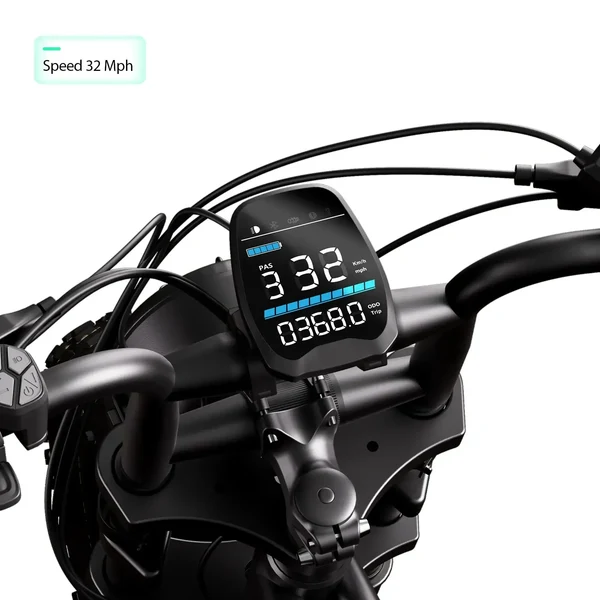
The range of the TST R002 depends on your battery configuration, with an expected range of 65 miles on the 15Ah battery and 100 miles on the 25Ah battery. Reminder: these are expected ranges in favorable conditions, and not guaranteed real-world performance. With its 1,500W motor, its listed top speed is 32 MPH, although this may be higher or lower depending on riding conditions and configuration.

Additionally, the TST R002 comes with an LCD, a seven-speed drivetrain, front and rear disc brakes, and a maximum load capacity of 450 lbs.

Notably, the battery options are worth comparing. While the 15Ah configuration may suit short regular commutes, there is an option for longer trips: the 25Ah model.

Making an Informed E-bike Choice

Beyond the purchase price, consider total warranty coverage, replacement battery availability, expected maintenance, and included accessories to determine overall value. These small differences can make a difference in the long term.

Overall, the best moped-style e-bike is the one that best fits your needs, budget, and lifestyle. Whether you’re considering our recommendation of the TST R002 or another model, compare all the features before deciding. You can also visit the TST promotional event page to check current offers before making a purchase.

Why Cleaning a Home After a Pest Treatment Requires a Different Approach

Photo by depositphotos at https://depositphotos.com/

A pest treatment can leave a home feeling caught between two jobs. The insects or rodents may be under control, but there are still crumbs behind appliances, marks on shelves, and the usual mess of daily life. It is tempting to pull out the mop and clean everything at once. Depending on what was applied, however, that could undo part of the treatment or bring someone into contact with material they should leave alone.

The right time for a cleaning service to return is not necessarily the morning after an exterminator visits. It depends on the pest, the product used, the locations treated, and the instructions given by the applicator. A homeowner arranging a visit with SQKY Cleaning should share those details before anyone starts wiping floors or moving furniture. A little coordination can prevent both needless exposure and wasted work.

There is another distinction worth making: normal household dirt is not the same as pesticide residue. Ordinary housekeeping can resume in permitted areas, but suspected spills, excess pesticide, or unidentified powders call for advice from the pest-control company or a qualified specialist, not an improvised scrubbing session.

First, Find Out What Was Actually Treated

“Pest control” can mean several quite different things. One technician might place enclosed bait stations. Another may apply gel bait inside cabinet hinges or along cracks. A third may spray a narrow band around baseboards. Some treatments involve dust inside voids that should not be disturbed at all.

Before planning the cleanup, ask the technician to identify the product and treated areas. Keep a copy of the written instructions and note any restrictions on entering rooms, touching surfaces, ventilating, or cleaning. Reentry times and cleaning directions are product-specific; a generic rule such as “wait 24 hours” cannot replace them.

The Location Matters as Much as the Product

Imagine an apartment where cockroach gel was placed behind the refrigerator and under the kitchen sink. Scrubbing those spots immediately could remove the bait. Yet a dining table that was not treated may still need ordinary cleaning before dinner. Treating the entire kitchen as either completely off-limits or completely ready to scrub misses this difference.

The same principle applies in bedrooms. A targeted crack-and-crevice application is different from a broader treatment involving mattresses or upholstered items. Follow the written directions for the actual method used, especially before handling bedding or soft furnishings.

Separate Safe Housekeeping From Treatment Zones

Once the home is cleared for reentry, start by identifying work that will not disturb treated areas. Depending on the instructions, this might include washing dishes that were stored away during treatment, emptying ordinary household trash, or wiping an untreated dining surface. Do not assume that every visible surface can be cleaned simply because the room is open again.

A room-by-room plan that marks the protected treatment zones clearly is worth handing to any cleaning service nyc homeowners hire after a treatment. This is especially useful in small homes, where a single floor edge may run from a kitchen into the living area. People cleaning the space should not have to guess which corners were sprayed or where bait was placed. 

Keep children and pets away from treated locations for as long as the label and applicator require. If a pet bowl, toy, or food-preparation surface may have been exposed, ask how it should be handled before putting it back into use. Product labels sometimes specify washing procedures for food-contact surfaces, and those instructions take priority over a general cleaning routine.

Why the Most Obvious Mess May Need to Stay Put

After treatment, homeowners often notice dead insects near baseboards, powder at the edge of a cabinet, or an unfamiliar mark on the floor. These sights can create understandable pressure to clean immediately, but they do not all mean the same thing.

Dead pests in an untreated, accessible area may be removable once the applicator says routine cleanup is safe. A visible powder, on the other hand, could be a deliberately placed insecticidal dust or evidence of an application problem. Do not sweep or vacuum it without identifying it. Moving dust into the air or spreading it across other surfaces may create additional exposure.

Likewise, puddles, unusually heavy deposits, or products on areas that were supposed to remain untreated deserve a call to the pest-control company. The National Pesticide Information Center advises getting product-specific guidance for pesticide cleanup, particularly when the chemical is unknown or has been misapplied. Household cleaners can react unpredictably with some pesticide formulations.

This is one reason SQKY Cleaning should be given the technician’s treatment notes rather than being asked simply to “clean around the chemicals.” Clear instructions protect the person doing the work and help homeowners know when a specialist, rather than a housekeeper, is needed.

Cleaning Before Treatment Can Be More Useful Than Cleaning After

The most effective sequence sometimes begins a day earlier. If the pest-control provider asks for preparation, homeowners may need to clear access to certain edges, remove clutter, secure food, or wash specific items before the appointment. The required preparation varies; for some pests, moving belongings carelessly can spread an infestation.

For example, cleaning up loose food crumbs before a cockroach treatment may make monitoring and control easier, while excessive movement of infested belongings could make a bed bug problem harder to contain. Follow the pest professional’s preparation checklist rather than assuming a major pre-treatment clean is always helpful.

For homes that need both jobs, SQKY Cleaning can fit into the preparation stage if the scope is agreed in advance. Routine work might happen before the technician arrives, with a smaller follow-up visit reserved for surfaces that are specifically cleared afterward. That is more sensible than booking an unrestricted deep clean without knowing which areas must be left undisturbed.

Don’t Confuse Sanitation With Pest Elimination

Good housekeeping can reduce food sources, hiding places, and conditions that attract pests. It cannot replace identifying entry points, addressing moisture problems, or carrying out an appropriate pest-control plan. A polished kitchen can still have cockroaches entering through a gap around plumbing; a tidy pantry can still contain an overlooked infested package.

After the treatment, focus on the conditions that can be improved without interfering with the application. Store dry food in sealed containers, remove food waste regularly, repair leaks, and check for openings the pest technician has identified. If an active infestation remains, ask before shifting stored goods between rooms.

This also affects what to expect from a cleaning service. A cleaner can remove ordinary grime in authorized areas, but should not be expected to assess pesticide safety, eliminate an infestation, or certify that a treated room is free of chemical residue. Those are separate responsibilities requiring different information and, sometimes, different professionals.

A Practical Handover Between the Two Appointments

A cleaning service should not have to make safety decisions based on the appearance of a floor or countertop. The simplest way to avoid confusion is to leave a short written handover. It need not be technical. Record the treatment date, the product or application type, the rooms and surfaces involved, the reentry conditions, and the applicator’s cleaning restrictions. If there is uncertainty, keep the area off the cleaning schedule until the company clarifies it.

Before a visit, share this handover with SQKY Cleaning and identify the work that remains appropriate: perhaps the untreated bathroom fixtures, general tidying, or kitchen surfaces that have been explicitly cleared. If a cleaner discovers unfamiliar granules, a wet patch, or residue outside the described treatment area, the sensible response is to stop work there and ask questions.

Avoid mixing products in an attempt to make the home feel extra clean. Bleach, disinfectants, and household degreasers should not be used on pesticide deposits unless the manufacturer or qualified professional has directed that procedure. Even plain water is not automatically suitable for every formulation.

The Goal Is a Home That Is Both Livable and Properly Treated

A pest-control visit does not mean normal household care must stop indefinitely. It means the next cleaning should be planned around what happened in the home, rather than around an ordinary checklist. Read the treatment instructions, distinguish untouched surfaces from application sites, and ask the pest professional when directions are unclear.

For homeowners scheduling SQKY Cleaning afterward, the useful question is not simply when a cleaning service has an opening. It is which tasks can safely be done without disturbing the treatment. With that answered first, the home can return to its regular routine without turning a straightforward cleanup into another problem.

How to Fit a Side Trip Into a Daytona Race Weekend

Picture a group heading to Daytona International Speedway. The tickets are bought, everyone has agreed on when to meet, and someone suggests lunch in Orlando before the race. An astrocartography screenshot puts a distance beside Orlando. It gets copied into the driving column, and suddenly the lunch looks like it fits. The person holding the tickets still has to figure out when everyone needs to leave Orlando to make the meetup at the track.

Once the route fits, you can check a race-weekend side trip with AstroCarto, an online astrocartography tool that builds a map from your birth details. Use Check City to see which visible lines are near one stop. If Orlando and Daytona Beach both fit the schedule, Compare Cities shows the support and cautions for both under the same travel goal. Use those results to decide which place you want to explore and suggest it to the group.

Start With the Time You Need to Be at the Track

Decide what everyone would hate to miss. It might be a pre-race event, driver introductions, or the first lap. Check the speedway’s event instructions and work backward from that point. Put the correct parking lot or drop-off point in the route planner and allow time to get from there to your gate. A pin for Daytona Beach is too broad to serve as the final destination.

Give the side stop a leave-by time. If the group is splitting up, write down which car is going, where everyone will meet, and who has the tickets. This is especially useful when one person wants a full day around the speedway and another wants to see more of Florida. Both can read the same race plan and make their own choice about the extra stop.

Keep Three Things Straight in the Itinerary

One person usually makes the final version for the group chat. Give them enough information to trace each number back to where it came from.

ItemWhat goes in the planHold the plan if
Race plansEvent schedule, parking or drop-off point, and the group’s meetup time.A forwarded screenshot names a different event or lot.
Side-stop driveRoute from the actual lunch spot to race parking, with time to reach the gate.The route ends at the city pin or the stop pushes you past the leave-by time.
Personal readingThe city checked, the planet and angle, and what the line made you curious about.An astrocartography line distance appears in the driving column.

If an astrology distance is in the driving column, hold the itinerary. Move that figure to the personal note and check the route from the actual lunch address to the correct race parking lot before sending anything. If lunch moves to a different address, check the route again and update the leave-by time.

Check the Place You Actually Mean

Generate your AstroCarto map with your birth date, local birth time, and birthplace. Open Check City from the map results and select Orlando, Florida, if that is the proposed stop. Read the line details shown for that city. When a line catches your attention, write down the planet and angle together, plus the distance and strength shown. If the map has filters on, keep a note of which lines were visible.

Use the reading to give the stop a purpose. If a result makes you curious about exploration, choose one thing you would like to see or do on the way. A stop with one clear purpose is easier to fit than an afternoon of loosely planned attractions. If the check gives you little to go on, choose based on what the group actually wants to do.

Read the Distance Label Before You Forward It

AstroCarto’s public Personal Report sample uses fictional birth details. In its Orlando entry, the evidence for a Jupiter–ASC line lists an approximate distance of 155.5 km. The entry uses that figure for the separation between the city and the line on the astrology map. For the drive, enter the lunch address and your Daytona parking destination in a route planner and use the estimate from that route.

In that same fictional report, Jupiter–ASC is a supporting detail and Orlando is rated Mixed for Travel & exploration. Keep both facts in the note. If your own reading is mixed too, ask whether there is one specific place in Orlando you would genuinely want to visit. That gives you a concrete reason to weigh against the extra time in the car.

Compare Stops After They Both Fit the Day

If Orlando and a shorter stop in Daytona Beach both work for the group, open Compare Cities and select the two cities under Travel & exploration. Keep your birth details the same and read each city’s support and cautions together. Before suggesting a city, write down one thing about its reading you would like to explore and identify an actual stop you can fit into the day.

If Orlando only works with a rushed lunch or a tight transfer to the gate, keep the outing local or save it for another day. Dropping one stop is a small change. Reworking the meetup after everyone has left is a much bigger one.

Send the Plan the Group Can Follow

For the Daytona example, say both routes leave enough time and your own Orlando reading is mixed, as in the sample. If nobody has a particular Orlando stop they want to make, choose the shorter Daytona Beach outing. Keep Orlando if the group has a specific stop it wants and the checked route leaves room for the track meetup. Send one message with the chosen stop, the leave-by time, and the race parking destination.