Home Blog Page 30

Rick Ware Racing: YellaWood 500 from Talladega

RICK WARE RACING

YellaWood 500
Date: Oct. 25, 2026
Event: YellaWood 500 (Round 34 of 36)
Series: NASCAR Cup Series
Location: Talladega (Ala.) Superspeedway
Format: 188 laps, broken into three stages (98 laps/45 laps/45 laps)
Note: Race extended one lap past its scheduled 188-lap distance due to a green-white-checkered finish.

Race Winner: Kyle Larson of Hendrick Motorsports (Chevrolet)
Stage 1 Winner: Chris Buescher of RFK Racing (Ford)
Stage 2 Winner: Joey Logano of Team Penske (Ford)

RWR Finish:

● Cody Ware (Started 11th, Finished 16th / Running, completed 188 of 189 laps)

RWR Points:

● Cody Ware (35th with 258 points)

RWR Notes:

● Ware’s 16th-place finish in the YellaWood 500 was his best of the season. His previous best was 17th, earned Feb. 15 in the season-opening Daytona 500.

● This was Ware’s eighth top-25 of the season and his fifth top-25 in 13 career NASCAR Cup Series starts at Talladega.

● Ware led twice for nine laps to bring his laps-led total at Talladega to 20.

Race Notes:

● Kyle Larson won the YellaWood 500 to score his 35th career NASCAR Cup Series victory, his third of the season and his first at Talladega. His margin over second-place William Byron was .041 of a second.

● This was Chevrolet’s 890th all-time NASCAR Cup Series victory and its ninth of the season. Chase Elliott won for the Bowtie Brigade March 29 at Martinsville (Va.) Speedway, Carson Hocevar won April 26 at Talladega, Elliott won again May 3 at Texas Motor Speedway in Fort Worth, Shane van Gisbergen won May 10 at Watkins Glen (N.Y.) International, Daniel Suárez won May 24 at Charlotte (N.C.) Motor Speedway, van Gisbergen won again June 28 at Sonoma (Calif.) Raceway, Kyle Larson won Sept. 13 at World Wide Technology Raceway near St. Louis and again Sept. 27 at Kansas Speedway in Kansas City.

● This was Chevrolet’s series-leading 47th NASCAR Cup Series victory at Talladega. Chevrolet won its first race at Talladega on May 1, 1977, with NASCAR Hall of Famer Darrell Waltrip.

● There were four caution periods for a total of 18 laps.

● Only 14 of the 40 drivers in the race finished on the lead lap.

● Larson remains the championship leader after Talladega with a 73-point advantage over second-place Denny Hamlin.

Next Up:

The next event on the NASCAR Cup Series schedule is the Xfinity 500 on Sunday, Nov. 1, at Martinsville (Va.) Speedway. The penultimate race in the 10-race Chase starts at 2 p.m. EST with live coverage provided by NBC and SiriusXM NASCAR Radio.

CHEVROLET NCS: Larson Earns First-Career Superspeedway Win at Talladega Superspeedway

NASCAR Cup Series
Talladega Superspeedway
YellaWood 500
Team Chevy Post-Race Report
October 25, 2026

Larson Earns First-Career Superspeedway Win at Talladega

Chevrolet Drives to Season-Best Eight Top-10 Finishes

 Kyle Larson and the No. 5 Hendrick Motorsports Chevrolet team earned their first superspeedway victory in NASCAR’s premier series, surviving an overtime finish to take the checkered flag in the YellaWood 500 at Talladega Superspeedway. The victory – Larson’s third of the season and his 35th all-time in the division – came paired with a strong points-earning performance at the Alabama venue, with the reigning champions earning a pair of top-four stage finishes to end the eighth race of The Chase with a 71-point day. Larson will head into the penultimate race of his title-defending campaign at the top of the standings with a 73-point lead over Denny Hamlin.

Chevrolet earned their season-best showing at the Alabama-based superspeedway, sweeping the top-six and eight of the overall top-10 finishing positions. It was effort accomplished by five different Chevrolet organizations with Larson leading Hendrick Motorsports’ William Byron in second, Hyak Motorsports’ Ricky Stenhouse Jr. in third, Trackhouse Racing’s Ross Chastain in fourth, Haas Factory Team’s Cole Custer in fifth and Spire Motorsports’ Carson Hocevar in sixth, with Alex Bowman (ninth) and Michael McDowell rounding out the top-10.

RACE RECAP:

Stage One:

A trio of ECR-powered Chevrolet’s earned top-five qualifying efforts in yesterday’s qualifying session at Talladega Superspeedway, led by Richard Childress Racing’s Austin Hill, who helped paced the field to the green flag of the YellaWood 500 from a spot on the front row. Lining up on the inside lane with fellow Chevrolet driver, Connor Zilisch, in his rearview mirror, a side-by-side battle with the polesitter, Chase Briscoe, saw the No. 33 take over the command position as the field exited Turn Four on the opening lap. It took just two laps around the 2.66-mile oval for his Richard Childress Racing teammate, Austin Dillon, to jump to the outside and form a third lane, ultimately muscling his Chevrolet from outside the top-10 to the bumper of the No. 33 Chevrolet to put the organization in the top-two positions to open the stage. With fuel mileage becoming a topic early in the run, a shakeup on the leaderboard took place when the three RFK Racing cars opted for an alternate strategy not to save. The pair of RCR teammates found themselves at the front of the second pack, hovering around the top-five as they led the first group of Chevrolet’s to pit road for a green flag pit cycle on Lap 51. Just one lap later saw the points leader, Kyle Larson, lead the second group of Chevrolet’s to their first trip to pit road of the afternoon. As the green flag pit cycle was deemed complete, a progressive climb through the field found Larson in the fourth position and leading the second pack as the stage hit 20 laps to go. While their strategy saw the RFK trio sit at an 18-second lead in the closing laps of the stage, Larson remained steady in the fourth position, and with a push from his Hendrick Motorsports teammate, William Byron, towards the line, Larson went on to lead the Chevrolet camp to the stage end – collecting seven crucial stage points at the first green-white checkered flag.

Stage Two:

After a pair of trips to pit road under the stage break, including one to just top off on fuel, the No. 5 Chevrolet restarted Stage Two in the 20th position. With the longest stage of the race in the rearview mirror, crew chief, Cliff Daniels, radioed to his driver that they were good on fuel to make it to the end of the stage. Nearing the midway point of the 45-lap stage, Larson had already made his way up into the top-10 and quickly started making moves to put them in position for a shot at the stage win. A sense of urgency formed just a few laps later that resulted in the attempt at forming a fourth lane, with Larson among those making the move to the top lane. Dicey moves paid dividends for the reigning champion as he edged his Chevrolet to the top position just before the caution came out with 11 laps to go in the stage for a multi-car accident. Leading the field to the green flag for a five-lap dash to the second green-white checkered flag, Larson remained on the door of Joey Logano coming out of the final corner – ultimately settling for a second-place finish and nine points at the end of the stage.

Final Stage:

Under the final stage break, Daniels called his driver to pit road for four tires and fuel, with the No. 5 Chevrolet lining up in the 15th position for the restart and 40 laps to go in the race. Larson’s power moves quickly resumed with the driver surging back up into the lead within the early laps of the stage. Sitting in the top position, Larson was surrounded by a strong contingency of Chevrolet-powered machines through much of the first-half of the run. But the bottom lane began to lose momentum just as the race was on the horizon of hitting 10 laps to go, resulting in Larson falling back to the 15th position. In typical speedway-style racing, it took just three laps around the Alabama venue for Larson to work his way back up to the front – being scored in the second position when a massive multi-car accident in the lead pack with five laps to go ultimately brought the race to red flag conditions. With an overtime finish on deck, Larson lined up in the outside lane with a pair Chevrolet drivers, Hill and Ricky Stenhouse Jr., in his rearview mirror. With a push by Hill, Larson was able to clear the pack to lead the field to the white flag. When chaos ensued on the final lap, Larson found himself outside of the top-five, but a monstrous move saw Larson shoot to the bottom lane and edge his Chevrolet to the line first to claim his first superspeedway victory of his NASCAR Cup Series career.

 Team Chevy Unofficial Top-10 Results

Pos. Driver

1st – Kyle Larson
2nd – William Byron
3rd – Ricky Stenhouse Jr.
4th – Ross Chastain
5th – Cole Custer
6th – Carson Hocevar
9th – Alex Bowman
10th – Michael McDowell

Chevrolet’s season statistics with 34 NASCAR Cup Series races complete:

Wins: 8
Poles: 6
Top-Fives: 58
Top 10s: 120
Stage Wins: 22

The 2026 NASCAR Cup Series Chase will continue at Martinsville Speedway with the Xfinity 500 on Sunday, November 1, at 2 p.m. ET. Live coverage can be found on NBC, MRN and SiriusXM NASCAR Radio Channel 90.

Post-Race Driver Quotes:

Ross Chastain, No. 1 Trackhouse Racing Chevrolet

Finished: 4th

What more could you have done today?

“Not sped on that first stop. We had a massive issue with our speed prediction and I just completely forgot to go to the new lights on that first stop. We were stuck a lap down for most of the day, and I thought we were going to sweep a bucket of Busch Light camo into the trailer, but glad we made it and got our lap back. I thought we were going to get it back the old fashion and that would have been really cool. On the last lap, Brandon McReynolds (spotter) just called to push the No. 5 (Kyle Larson, race winner). I’m thankful he did it because he could see a lot better than I can, and I’m glad that a Chevrolet won.”

Kyle Larson, No. 5 Hendrick Motorsports Chevrolet

Finished: 1st

I talked to you when Corey Day won here in the spring, you didn’t even know where victory lane was. Now you’re standing here a few months later, just your big picture emotions of conquering this racetrack.

“Yeah, thanks to Corey (Day), we knew how to at least drive to Victory Lane. What a day. Just can’t really say enough about it. We had so much help from our Chevy teammates throughout the whole field, all day long, and it really allowed us to just feel like I was on offense. Our No. 5 HendrickCars.com Chevrolet was really good and handled well. That last lap got crazy. Austin Hill was doing an amazing job pushing me, and he was just on me really tight in (turns) one and two. I just didn’t feel confident to turn my hands, and it just kind of wandered me up the track. He was able to get underneath me, and I thought it was over for me right there, but I don’t know what happened. Just momentum and energy got broke up and here we came. Just wild how it ended up there.”

16 stage points as well, so this wasn’t just a run at the end. You had some pretty good help and some pretty good stages there early in the day, as well.

“Yeah, really all day long, I had help from the Chevy cars out there. It helped because they were all fast, as well, and had good days going. That’s what it takes on speedways, I feel like, is to have some allies. So just was proud of everybody at Chevrolet for the effort that they put in. Huge thank you to my team, as well. This wouldn’t be possible without them. It’s been 22 years since that terrible plane crash that took so many loved ones from Hendrick Motorsports. I really felt like they were riding with us there on that last lap to get this win.”

Absolutely, a 71-point day, a 73-point lead going into Martinsville. I don’t know if you had that on your bingo card coming out of Talladega. Just what’s your thoughts about the points and the chase as far as where we’re at right now?

“Well, I mean, as we all probably did in the field, we felt like there was an opportunity to have a good day if things went right, and man, did everything go just how I needed it to. I did not expect to have the point lead that I had when I got out of the car. I thought I’d be in the 40s, maybe 50s, which is still amazing. But a 73-point lead is incredible. Hopefully, we can go to Martinsville and have a good day and then just close it out would be amazing.”

William Byron, No. 24 Hendrick Motorsports Chevrolet

Finished: 2nd

“I feel like the energy got broken up off of (turn) two and I was like, man, I have a shot to get clear here and see what would happen. Once I got clear kind of into turn three, I had the No. 41 (Cole Custer) pushing me and Cole did a great job of just kind of keeping the momentum going. They all kind of split in front of me and I thought if I could get to the top that maybe I would have a shot. Second sucks, but it’s good that Kyle (Larson) won. We worked really well together all day. If I couldn’t win, I wanted him to win. At the end there, we weren’t really connected together. I was pushing the No. 34 and it looked like it got broken up in the front and have a shot at the win. Just proud of the fight by this No. 24 All-Pro Reconditioning Chevrolet team. Our Chevy was good today. It’s fun to come to these places and have chances to make decisions at the end. I thought I made the right one, and then out of nowhere, here came someone on the bottom and it was the No. 5, so I’m happy for those guys. It sucks to finish second, but it was a good day.”

Cole Custer, No. 41 Haas Factory Team Chevrolet

Finished: 5th

“There were some really big runs there at the end. (Kyle) Larson, I think he went back to seventh and then back to first. He just came out of nowhere on that trioval, I’m guessing with the No. 1 car (Ross Chastain) pushing him. It was a great run for our No. 41 Sysco/Eggs Up Grill Chevrolet team. This team has worked so hard all year long with the manufacturer swap. For them to get a top-five this year is awesome. We just executed a solid race and put ourselves in a great position at the end.”

Ricky Stenhouse Jr., No. 47 Hyak Motorsports Chevrolet

Finished: 3rd

“I did everything that I felt like I needed to do. I just never saw the No. 5 (Kyle Larson, race winner) coming. I was focused on the No. 24 (William Byron), and by the time realized the No. 5 was coming from five or six positions back, I just wasn’t able to get down and block him. It was an awesome day for our No. 47 NOS Energy Chevrolet team. They worked really hard. The strategy got us in a really good position to lead the race and control the race a lot during that final stage, so I was really happy about that. Just one wrong move there at the end, trying to block the No. 24, we gave the race to the No. 5.”

Carson Hocevar, No. 77 Spire Motorsports Chevrolet

Finished: 6th

“I only really got flats and a hole on the right-side door. Other than that, we were fine. I have to really thank the tow truck guy for getting us back to pit road quickly. We’re not allowed to throw it in reverse and drive out of the garage, they have to push me out of the garage, so we had everyone back there helping. My team put four tires on, pushed me out of the garage and I got going. I thought we had to beat the pace car to the line, but I think we could have waited another lap, so we actually beat the field and got almost a lap ahead. That just shows how fast my team works, so all the credit to them.”

About General Motors

General Motors (NYSE:GM) is driving the future of transportation, leveraging advanced technology to build safer, smarter, and lower emission cars, trucks, and SUVs. GM’s Buick, Cadillac, Chevrolet, and GMC brands offer a broad portfolio of innovative gasoline-powered vehicles and the industry’s widest range of EVs, as we move to an all-electric future.

GM Motorsports, including the Cadillac Formula 1® Team develops and proves advanced technologies in the most demanding environments, accelerating innovation in performance, safety, efficiency, and electrification for its production vehicles. Cadillac Racing is one of the leading manufacturers in the IMSA and FIA World Endurance Championships (WEC). Chevrolet competes in single seaters in the US IndyCar series, and in NASCAR with multiple team partners and drivers. Corvette customer teams compete in GT series across the globe including IMSA and WEC. Learn more at GM.com.

Ford Racing Notes and Quotes – Talladega 2 Cup Post-Race Quotes

Ford Racing Notes and Quotes
NASCAR Cup Series
YellaWood 500 — Talladega Superspeedway
Sunday, October 25, 2026

Ford Unofficial Finishing Results:

7th – Todd Gilliland
12th – Josh Berry
13th – Ryan Preece
19th – Zane Smith
20th – Noah Gragson
24th – Brad Keselowski
27th – Austin Cindric
32nd – Chris Buescher
34th – Joey Logano
38th – Ryan Blaney

JOEY LOGANO, No. 22 Shell/Pennzoil Ford Mustang Dark Horse – WHAT HAPPENED THERE? “It looks like I just got a little push in the wrong spot there. It was a very much a Talladega Nights moment like, ‘Oh, no. I’m upside down. This is not good moment.’ But I can’t think the safety crew enough. They did an amazing job flipping that thing over. The car did a great job. The last time I flipped it was crushed on my head. This time, I don’t think anything really caved or crushed at all. I appreciate what NASCAR has done. Thank you and the safety team for getting me out of there. There were some vicious hits in that one. I’m just happy to be alive.” IT WENT QUIET ON THE RADIO IN THERE. ARE YOU OK? “I’m fine. The radios got disconnected and I kept trying to, I was thinking about my wife. She was probably wigging out on me, but I tried talking to whoever I could, but when I flipped everything came off out of the pockets there. It was a hell of a ride. I don’t know if I should be mad that I wrecked or happy to be alive. I think I’m more happy to be alive. Screw the rest of the stuff, but it was a wild ride there. We were in position to do something pretty good there and it’s just the end of the race scenario. You feel it coming. You know it. I seen the cars that are around me and I was like, ‘This is not how I dreamed it up,’ but it is what it is.” WHAT HAPPENED AFTER WATCHING THE REPLAY? “It’s the end of the race. Carson was doing a good job pushing me in the right spots and everything and it just seemed like a lot of action was happening in the tri-oval and just got a shove right in the wrong spot and it shipped me. I almost had it saved, I thought, and then I went head-on into the fence and had a Ricky Bobby moment at Talladega more than I like it. It was a long time on the lid and a hell of a ride, but I’m glad I didn’t tumble. Again, the safety crew did an amazing job flipping that thing over. They were there immediately and someone was in my window the whole time. It’s a scary feeling to be honest with you because you’re upside down and you can’t get out. You’re seeing fuel and stuff leak and it’s like, ‘Man, I don’t like this.’ But it was nice to have somebody right there with me and they did a nice job flipping it over and the car did its job, too. Thank you to NASCAR and all the work they do there. That was much needed on this one, so I appreciate that. I don’t know whether to be frustrated because I wrecked or happy to be alive. I’m kind of choosing the happy to be alive at this point. That was a long time to be on the lid.” YOU WON A STAGE AND LOOKED LIKE YOU WERE ON YOUR WAY TO A GOOD POINTS DAY. YOU COULDN’T GET AROUND THE 1 CAR. COULD YOU HAVE WORKED WITH HIS SPOTTER AT ALL? “I could have, but it’s kind of picking the lesser of the evils. I mean, I thought about it. There were a couple of times I could have slipped the 1, and then I thought, ‘Well, what am I gonna do have the 47 behind me? That’s no better than where I’m at.’ I kind of liked that I had the wall defending me to keep me from getting slipped. I had no friends. There were no Fords up there, so I was like, ‘I’m not gonna make the move because I’ve got no one to catch me if something goes wrong.’ So, I was kind of content just hanging, just trying to keep the 1 in the lead and he was a lap down, so I thought if I could push him to the front, I’ve got a shot to win it. That’s all I was trying to do is just keep myself in the game.” HOW ARE YOU FEELING? “I’m fine. I’m all good.” SOME WOULD SAY THE 1 SHOULD HAVE GOTTEN OUT OF THE WAY, BUT HE JUST GOT THE FREE PASS, SO DOES HE HAVE A RIGHT TO BE UP THERE? “Yeah, it’s a race. Everyone has a right to go racing. He’s racing for himself as well. I don’t know. Was he one down? He was on the lead lap, so it wasn’t his fault that we wrecked. I don’t think you can really blame it on anyone. It’s just what speedway racing is these days. It really sucks at times. At times it’s pretty awesome and at times you end up on your lid and you say it sucks. I don’t know. I like Martinsville (laughing).”

RYAN BLANEY, No. 12 Advance Auto Parts Ford Mustang Dark Horse – WHAT WAS YOUR PERSPECTIVE OF WHAT HAPPENED? “We were just racing hard three-wide and protecting and probably didn’t make a very good move.” HOW DO YOU MOVE FORWARD THESE NEXT TWO RACES? “It hurts us a lot, so we’ll have to see what we can do next week.” WHAT ABOUT THE MOVE LOGANO MADE? “It wasn’t his fault. We were both trying to protect it. Both of us didn’t time it very good and unfortunately wrecked folks. I feel like I had a hand in kind of being aggressive there, but it’s a shame guys got tore up.” WHAT HAPPENED? “Just trying to protect lanes and kind of got to the top lane and got big shoves. I don’t know. Everyone just pushing hard and things kind of got squirrely.” COULD YOU TELL A DIFFERENCE WITH THE SPOILER CHANGE? “A little bit. Not a ton from Daytona, but Daytona and here are completely different, so I think there was some similarities for sure, but a little bit of a difference.” WHAT DOES THIS DO FOR YOUR CHASE HOPES? “It’s on life support. That’s for sure, but you never know. It definitely doesn’t help. That’s something we couldn’t afford to have today and unfortunately it happened, so we’ll just have to go show up next week and try to do the best we can.” WHAT IS YOUR CONFIDENCE GOING TO MARTINSVILLE? “I feel good. I’ll know a little more on Saturday.”

AUSTIN CINDRIC, No. 2 Menards/Knauf Ford Mustang Dark Horse – WHAT HAPPENED? “It sure looked like Talladega to me. It’s kind of all we could do there is try and push our lane forward and guys racing up front for the lead pushed too hard and spun out and I hit a few of them and now I’m here.” THE PENSKE FORDS WERE FAST. WHAT DID YOU LEARN ABOUT THIS NEW PACKAGE? “It definitely raced different than we’ve typically seen here. Maybe the eye test doesn’t say that, but it was an interesting race and obviously great to linked up with Joey there to get some stage points, but it’s just a shame we weren’t able to finish out the deal and have more control over our end result.”

TODD GILLILAND, No. 34 Love’s Travel Stops/Peak Ford Mustang Dark Horse – YOU HAVE THE LEAD FOR THE FINAL RESTART, BUT YOU HAVE THE 24 BEHIND YOU AND HIS TEAMMATE WERE OUTSIDE. WHAT WERE YOU THINKING? “I was really, really wishing I had at least a little bit of Ford horsepower behind me there. That was a pretty lonely feeling that at this point in the Chase, those guys have shown you over and over what they’re willing to do. I knew I was in a really tough spot, and then, honestly, the 24 was more help than I expected. Once the 5 got down there I was like, ‘Alright, maybe we just go race it out.’ And the 5 actually got hung out. Seriously, I don’t even know where he came from. I think we all just kind of got jammed up. I kind of got onto the apron into turn three and then, I don’t know, those guys were really far out in front of me and then the guys kind of got hooked up behind me. I just didn’t do a good job of blocking it there at the end, but everyone was coming extremely fast behind me, so, I don’t know. We just didn’t feel like we had great raw speed, but, overall, we’ll take it. That was the first time I feel like I had a real opportunity at one of these things, so we’ll just keep learning.” WHAT OPTIONS DO YOU HAVE WHEN YOU’RE ALONE LIKE THAT? “Put the left sides on the line and make whoever is behind you push you. I think that was our whole thing. I would have loved to choose the middle or the outside lane, but we’ve seen it in years past, I think it was with the 60 last year. If there are three, four or five of them in line, they’ll just go around you and you really have no option at that point. Once you get stuck in the middle, you’re really toast. That was at least our plan was to stick to the bottom and from there just kind of see what develops. Like I said, I knew I wasn’t in a great spot, but it was a chance nonetheless.” SO YOU DON’T RETHINK THE LANE CHOICE? “No. I think if anything I’m more so thinking about what I could have done on the last lap. I think the 24 was way off me when we were kind of getting up to speed, which doesn’t help. It’s not great for sure, but I feel like I just missed some blocks there. I think there was a lot going on and I just didn’t do the best job on the backstretch back to the start-finish line of that last lap.”

RYAN PREECE, No. 60 BuildSubmarines.com Ford Mustang Dark Horse – WHERE DID THAT STRATEGY CALL IN THE FIRST STAGE COME FROM? “The key to racing is always being the first one, whether that be in the shop, on the track, strategy, whatever it may be you find the advantage before everybody else. I’m pumped that they did that because I’m a racer. I want people to push the crap out of things to be the first one because then we all benefit from it, so hopefully that sets the tone for the off-season and everything we’re gonna work on towards next year.” YOU COULD HEAR HOW PUMPED UP YOU AND EVERYONE WAS AFTER THAT. “We essentially eliminated people We ruined people’s days by doing what we did. I think there were only 26 or 27 cars on the lead lap after the first stage and that will never happen again. I don’t think anyone would ever allow it to happen and, yeah, it was just really cool, but, to me, that’s not being stupid but thinking outside the box and executing a good plan. Good for them. I want that on all facets, everything.” WHAT DID YOU LEARN ABOUT THIS NEW PACKAGE? “I don’t know. I think there’s still a lot to digest and look back on. There were times the outside, the third lane worked. There were times the first lane worked. I think a lot of it is there’s some bad habits that were created in the 2015 era of just killing momentum and ultimately I think it just ruins lanes. I don’t know, but I know that if somebody was on your door, I know my car got light a few times.”

TOYOTA RACING – NCS Talladega Post-Race Report – 10.25.26

DENNY HAMLIN TOP TOYOTA IN WRECK FILLED TALLADEGA RACE
All of Toyota’s championship contenders involved in in-race incidents

TALLADEGA, Ala. (October 25, 2026) – Denny Hamlin drove his damaged Camry to a top-10 finish at Talladega Superspeedway on Sunday evening to lead Toyota. All nine Toyota Camrys were involved in various incidents across multiple major multi-car wrecks.

TOYOTA RACING Post-Race Recap
NASCAR Cup Series (NCS)
Talladega Superspeedway
Race 34 of 36 – 500.08 miles, 188 laps

TOYOTA FINISHING POSITIONS

1st, Kyle Larson*
2nd, William Bryon*
3rd, Ricky Stenhouse Jr.*
4th, Ross Chastain*
5th, Cole Custer*
8th, DENNY HAMLIN
18th, TY GIBBS
22nd, BUBBA WALLACE
26th, RILEY HERBST
28th, ERIK JONES
33rd, CHASE BRISCOE
35th, CHRISTOPHER BELL
37th, TYLER REDDICK
39th, JOHN HUNTER NEMECHEK
*non-Toyota driver

TOYOTA QUOTES

DENNY HAMLIN, No. 11 National Debt Relief Toyota Camry XSE, Joe Gibbs Racing

Finishing Position: 8th

How bad was your car after the first wreck?

“It knocked some front toe damage in it. Obviously, the body too. It was a handful, but it was at least serviceable. It wasn’t undrivable.”

ERIK JONES, No. 43 Dollar Tree Toyota Camry XSE, LEGACY MOTOR CLUB

Finishing Position: 28th

What did you see in that wreck?

“I saw the 22 (Joey Logano) get kind of crossed up, and not sure by who. At that point, I knew it was going to be close to me being clipped. I don’t know if he caught us or if the 77 (Carson Hocevar) caught us, but it sent us into the wall. The Dollar Tree Camry was fast – one of the faster cars that I’ve had in a while at Talladega. It didn’t drive the best, but it had good speed. I was excited we were getting in a better position for the next couple, and I was hoping it was going to work out in the end. I knew there would be one more wreck coming, and I was far enough up to miss it, but it just didn’t work out.”

JOHN HUNTER NEMECHEK, No. 42 Pye-Barker Fire & Safety Toyota Camry XSE, LEGACY MOTOR CLUB

Finishing Position: 39th

Could you tell what happened with the accident there?

“I don’t know. I was riding in line, and all of a sudden everyone was turning left and I couldn’t get low enough fast enough. My right front hit someone’s splitter and broke the lower control arm, not much damage – other than breaking suspension parts. That sucks for sure. I hate it for Pye-Barker, hate it for Toyota and everyone on this 42 group. I was really hoping to have a strong run here today, and it kind of caps our season with that.”

About Toyota

Toyota (NYSE:TM) has been a part of the cultural fabric in North America for nearly 70 years, and is committed to advancing sustainable, next-generation mobility through our Toyota and Lexus brands, plus our more than 1,800 dealerships.

Toyota directly employs nearly 64,000 people in North America who have contributed to the design, engineering, and assembly of over 50 million cars and trucks at our 14 manufacturing plants. In 2025, Toyota’s plant in North Carolina began to assemble automotive batteries for electrified vehicles.

For more information about Toyota, visit www.ToyotaNewsroom.com.

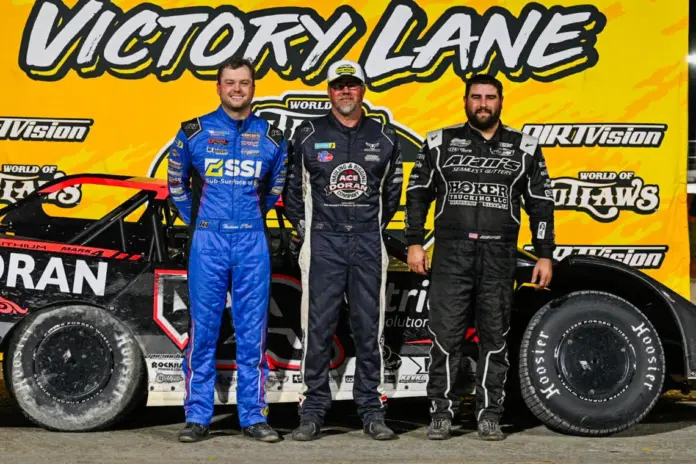
Jonathan Davenport Scores First 2026 World of Outlaws Dirt Late Model Series Victory at Modoc Speedway

Photo Courtsey of Emily Schwanke Photo

The World of Outlaws Super Dirt Late Models continued their race weekend on Saturday night for night 2 at Modoc Speedway. Last night, race fans in attendance saw a first time winner which was Cody Overton. C. Overton was looking to repeat his performance from Friday night when he led every lap and fended off Bobby Pierce.

However, Jonathan Davenport took his 19th career World of Outlaws Dirt Late Models Series victory (first of the season) after holding off Ryan Gustin in the waning laps.

“Good thing I don’t have a rear-view mirror,” Davenport jokingly said to Dirtvision in victory lane. “I didn’t know where they was that. I didn’t know where I was best at or worst at. What a phenomenal racetrack. I wasn’t in love with it last night, but it was better than old Modoc. Tonight I loved it. It was really good, you had to really hit your marks to where you were going to run on the racetrack. You could really slip and not get back going the other way. It’s just so icy slick. I remember a couple of times I thought I ran in (Turn) 1 way too hard, and I’m like, oh no, don’t do what Cody (Overton) did.

“It was pretty treacherous really. Finally that little bit left and I just moved back off of that. The wall is oddly shaped too. You’re against the wall and off the wall, and you get back on it, it’s real technical for sure. We moved back to the bottom, and I couldn’t really make up no ground on the lap cars where I was running, and floating to the middle to the top. I moved around. Cory (Fostvedt, Crew Chief) was trying to point up or down, I don’t know what he was doing. I think he was just trying to tell me do whatever you need to do.

“Just really cool to be able to move through the field. I felt like we had a really good car there when I got behind (Ryan) Gustin and started moving around to where he wouldn’t, and I could find a little speed there. I just needed everything to go right there, and I tried to slide him a couple of times in (Turns) 3 and 4 down there, and I just didn’t quite have him clear, so I just left him a lane up there. I was hoping he was going to do that to me later on if he had a run on me. Thanks to my guys. We just kept talking about this thing, and we really didn’t know what to do here.

“Obviously nobody did except Cody (Overton) it seems like. We just listened to the car instead of what we normally listen do. So we went a little bit different direction for the feature, and this thing was really good.”

Feature Race Recap – 60-Laps – $25,000 To Win

C. Overton started on the pole with Tyler Erb on the outside pole position.

Erb took the lead off Turn 2 from C. Overton and led Lap 1. The first caution flew at Lap 6 for Ethan Wilson who was in the Turn 2 wall. Meanwhile, B. Overton brought his machine in the infield to adjust on the right-rear. C. Overton began closing on the race leader of Erb and eventually passed Erb for the lead off Turn 2 at Lap 14. A few laps later at Lap 17, C. Overton brought out the caution off Turn 2 for a right-rear flat tire after making contact with Erb when trying to pass for the lead. Mike Marlar and Dustin Sorensen also brought their Late Models to the pit area for repair.

The race went back green with 44 laps to go. Davenport took the lead from Erb at Lap 22 off Turn 4 after using a slider. Two laps later the second caution flew at Lap 24 for Ethan Wilson. Tristan Chamberlain took his machine in the infield as well. Eli Johnson was in the infield for repairs.

Davenport led the field back to green with 37 laps to go. At Lap 36, second-place Gustin began to close in on the race leader of Davenport. but was unsuccessful in passing the leader of Davenport. With 10 laps to go, Pierce and Gustin swapped the second position with Pierce getting second. However, Pierce brought out the caution at Lap 56 for being off the pace after being in second.

The race resumed with five laps to go with Davenport as the leader. Davenport would hang on to win his 19th career World of Outlaws Super Dirt Late Model Series victory.

Heat Race Recaps – Top Four Transfer – 8 Laps A Piece

Prior to the heat races, there was a hot lap and qualifying session. Chris Ferguson was the fastest with a time of 16.605 seconds. In Flight A qualifying, C. Overton had the quick time of 16.771 seconds. For Flight B qualifying, Jonathan Davenport was the fastest, pacing the field with a time of 16.834 seconds.

Heat 1 – C. Overton was on the pole for the first heat. He would win the first heat, with Tim McCreadie, Trey Mills, and Chris Madden taking the top four.

Heat 2 – Pierce was on the pole for the second heat. Second place starter Hudson O’Neal took the lead from Pierce going into Turn 1 at the start. Nick Hoffman made his way into the second position by passing Pierce. Pierce drew the caution at Lap 6 as he was slow on the track. It was later determined that it was a broken oil pump on Pierce’s car.

O’Neal won the heat race and was followed by Hoffman, Carson Ferguson, and Chris Ferguson for the transfers.

Heat 3 – Davenport had the pole for the third heat. Erb won the heat with Davenport, Dustin Sorensen, and Ross Bailes for the top four.

Heat 4 – Gustin had the pole for the fourth and final heat. Gustin won the fourth heat with Mike Marlar, Daulton Wilson, and Eli Johnson taking the four transfer spots.

For those that missed the feature, you can watch the highlights below.

Ethan Dotson won the Last Chance Showdown with Kyle Strickler, and Pierce transferring. Additionally, Brandon Overton won the Last Chance Showdown 2 feature with Luke More, and Ethan Wilson also moved on. 

Official Race Results Following Night 2 at Modoc Speedway

  1. Jonathan Davenport
  2. Ryan Gustin
  3. Hudson O’Neal
  4. Trey Mills
  5. Nick Hoffman
  6. Tim McCreadie
  7. Ross Bailes
  8. Tyler Erb
  9. Luke Morey
  10. Ethan Dotson
  11. Carson Ferguson
  12. Dennis Erb Jr
  13. Chris Ferguson
  14. Garrett Smith
  15. Logan Zarin
  16. Dustin Sorensen
  17. Daulton Wilson
  18. Bobby Pierce
  19. Mike Marlar
  20. Tristan Chamberlain
  21. Chris Madden
  22. Brandon Overton
  23. Eli Johnson
  24. Ethan Wilson
  25. Kyle Strickler
  26. Cody Overton

Up Next – With night 2 complete, the series now turns to championship week on The Dirt Track at Charlotte Motor Speedway. On Wednesday, November 4, the series will have hot laps and Thursday and Friday qualifying sessions. On Thursday night, they will have Last Chance Showdowns, which will be 10 laps each, and a 35-lap feature. For Friday, they will have heat races that’ll be 8-laps a piece and the redraw, and another Last Chance Showdowns. Saturday evening will determine the champion as the series again will have heat races, redraw, Last Chance Showdowns, and the 50-lap feature, all live on Dirtvision.

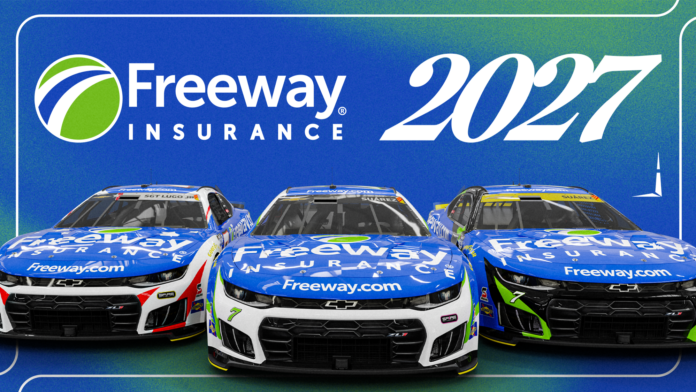
Freeway Insurance Returns to Spire Motorsports in Pursuit of 2027 NASCAR Cup Series Title

Freeway continues partnership with Daniel Suárez, welcomes Carson Hocevar as brand ambassador and expands into the NASCAR FedEx Freight Truck Series

MOORESVILLE, N.C. (October 25, 2026) – Freeway Insurance will return to Spire Motorsports in 2027 and continue its longstanding support of Daniel Suárez as the anchor partner of the team’s No. 7 Chevrolet Camaro ZL1 in the NASCAR Cup Series.

The renewed agreement also expands Freeway’s involvement with Spire Motorsports through additional NASCAR FedEx Freight Truck Series races and the addition of NASCAR Cup Series driver Carson Hocevar as a Freeway Insurance brand ambassador.

The expanded partnership reflects Freeway Insurance’s continued investment in NASCAR and its commitment to connecting with racing fans and communities nationwide. Building on a successful 2026 season, the agreement creates additional opportunities to engage fans across multiple NASCAR series while strengthening Freeway’s relationship with Spire Motorsports and its drivers.

“Our partnership with Spire Motorsports and Daniel Suárez has been instrumental in connecting Freeway Insurance with NASCAR fans and the communities we serve,” said Cesar Soriano, Chief Executive Officer of Freeway Insurance. “We’re excited to build on that success in 2027 by welcoming Carson Hocevar as a brand ambassador and expanding our presence in the NASCAR FedEx Freight Truck Series. These opportunities allow us to reach new audiences, strengthen relationships, and continue growing the Freeway brand.”

Freeway Insurance is the largest and fastest-growing personal lines insurance distributor in the United States. Through its network of neighborhood offices, online services, and phone support, Freeway helps customers compare insurance options from multiple companies and find coverage that fits their needs and budgets.

Suárez’s six-plus year relationship with Freeway Insurance is frequently showcased in the community, highlighted by school visits and public autograph sessions to rally Hispanic race fans around NASCAR. From race-weekend meetups to cultural celebrations and unique fan experiences, Freeway gives fans from all walks of life a chance to connect with one another while sharing their passion for racing.

“Having Freeway Insurance continue with me at Spire Motorsports means a lot,” said Suárez. “We’ve been together for six years, and I’m proud of the relationship we’ve built. This sport is all about having people who believe in you and want to grow with you, and Freeway has been a big part of my journey. Winning the Coca-Cola 600 this year was big for me, the team and Freeway Insurance. I’m looking forward to having more moments like that one. The best is ahead.”

Suárez is a veteran of 356 Cup Series starts and boasts victories at Sonoma (Calif.) Raceway, Atlanta Motor Speedway and Charlotte (N.C.) Motor Speedway. The 10-year veteran of NASCAR’s premier division has collected three poles, 27 top-five and 83 top-10 finishes while pacing the field for 949 laps since making his Cup Series debut.

Veteran Crew Chief Ryan Sparks will continue to lead the team’s efforts when Suárez and NASCAR’s premier division return to Daytona (Fla.) Beach in February for the Wheatly Vodka Clash and the 69th running of the Daytona 500 at Daytona International Speedway.

The affable 33-year-old racer has been a regular on the Cup Series tour since 2017 and is one of the most recognizable drivers in the sport. The potent Suárez/Sparks combination has assembled an admirable 2026 season including a crown-jewel win in the Coca-Cola 600, three top fives, eight top 10s and a berth in the Chase – NASCAR’s 10-race playoff format. Suárez is currently 13th in the standings, just 39 points outside the top 10 with three races remaining on the 2026 calendar.

“Freeway Insurance and Daniel have been writing a story together for six years, and we’re honored the latest chapter is being written at Spire,” said Spire Motorsports President Bill Anthony. “Winning the Coca-Cola 600 together made it one worth telling. Freeway’s connection didn’t stop with Daniel. They embraced everyone here and also backed our ARCA, Truck and dirt programs along the way. We don’t take that kind of commitment lightly. We’re grateful to have them back and excited to chase more special moments, while finding more and better ways to showcase the spirit of Freeway and connect them to fans.”

Freeway Insurance also expanded its reach in 2026 by connecting with race fans at the grassroots level through its partnership with the Spire Motorsports Ascent Program.

Building on that momentum, Freeway will broaden its partnership with Spire Motorsports in 2027 by adding NASCAR FedEx Freight Truck Series races to its sponsorship roster and welcoming Suárez’s teammate, Carson Hocevar, winner of the April 2026 Cup Series race at Talladega (Ala.) Superspeedway, as a Freeway Insurance brand ambassador.

The expanded agreement creates additional opportunities for Freeway to engage NASCAR fans across multiple racing series, connect with new audiences, and strengthen its presence throughout the sport.

About Freeway Insurance … Freeway Insurance was established in 1987 and is one of the largest and fastest-growing personal lines insurance agencies in the United States, offering coverage through a “click, call, or come in” approach that connects customers nationwide. The company continually researches, grows, and diversifies its product offerings to stay responsive to the evolving insurance market. Freeway provides a wide range of options—from basic to premium coverage—in auto, truck, commercial vehicle, homeowners, renters, small business, motorcycle, recreational vehicle, fire, and flood insurance. In 2008, Freeway Insurance became part of Confie, the nation’s leading personal lines insurance distribution company. Customers can access Freeway Insurance through neighborhood offices, online at www.freeway.com, or by calling (800) 300-0227.

About Spire Motorsports …
Spire Motorsports fields full-time entries in the NASCAR Cup Series, NASCAR CRAFTSMAN Truck Series and Interstate Batteries High Limit Racing.

The team, co-owned by longtime NASCAR industry executive Jeff Dickerson and TWG Motorsports CEO Dan Towriss, earned its inaugural NASCAR Cup Series victory in its first full season of competition when Justin Haley took the checkered flag in the Coke Zero Sugar 400 at Daytona (Fla.) International Speedway on July 7, 2019. Less than three years later, William Byron drove Spire Motorsports’ No. 7 Chevrolet Silverado to its first NASCAR CRAFTSMAN Truck Series win April 7, 2022, at Martinsville (Va.) Speedway. The team’s most recent victory came May 24, 2026, when Daniel Suárez won the NASCAR Cup Series’ Coca-Cola 600 at Charlotte (N.C.) Motor Speedway.

In 2026, Spire Motorsports campaigns the Nos. 7, 71 and 77 Chevrolet Camaro ZL1s in the NASCAR Cup Series and the Nos. 7 and 77 Chevrolet Silverado RSTs in the NASCAR CRAFTSMAN Truck Series.

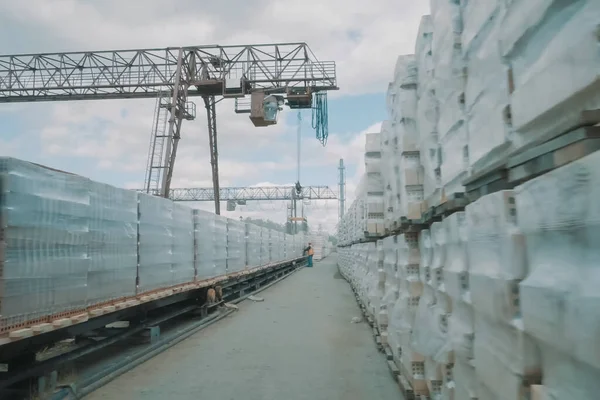
Packaging Straps for Spare Parts: Choose the Material Around the Whole Journey

Photo by depositphotos at https://depositphotos.com/

A spare part can leave the workshop looking well packed and still arrive inside a loose, damaged bundle. The packaging straps may remain unbroken while the cartons shift beneath them. For teams moving components between suppliers, workshops and race venues, material selection starts with that distinction: holding a strap together is not the same as keeping the package fit for use.

PET strapping is a candidate for palletized and bundled goods, but it needs a suitable roll, joint and application method. This guide follows the package from dispatch through arrival and storage. It concerns packaging restraint; it does not approve a packaging band as a vehicle tie-down, towing strap or lifting sling.

Define the package before choosing plastic strapping

Start with what the packing must hold together. Cartons of small spares, a supported assembly and a bundle of profiles have different contact points and different ways of moving, so write down whether the strap closes a box, reinforces a bundle or helps unitize packages on a pallet before choosing the material. “Strong banding” says too little.

ASTM’s guide for flat strapping selection describes evaluating material and application methods under handling, transit and storage conditions. Its public scope also advises consulting carriers about applicable requirements and explains that the guide is a starting point for testing, not a prescribed arrangement for every shipment.

Check the carrier’s packaging requirements before settling the design. If the package will be transferred between handlers, account for those transfers in the evaluation. A neat bundle on the workshop floor has not yet demonstrated that its supports, edge protection and strapping will remain in place through the actual route.

Where PET rolls fit into parts packaging

PET strapping is worth evaluating when the package needs a repeatable tensioned restraint and the operation can form an appropriate joint, provided the trial connects that behavior to the actual packed goods rather than treating the stiffest or widest band on the shelf as the winner. The package decides.

UD Packaging describes PET rolls for compressed, palletized and bundled goods, with hand, semi-automatic and machine-grade options. The page relates performance to working elongation, retained tension, joint quality and the load itself, and cautions that a larger nominal strap can still be wrong for the equipment.

For a workshop dispatch bench, identify the strapping tools and the expected package shapes before ordering a coil, while a supplier with a packing line should also include the machine and feed requirements because the same material name can cover very different roll formats. Match the application first. Then judge the completed package in a trial.

When lighter packaging or steel deserves consideration

PET should not become the automatic choice just because a shipment contains automotive parts. A small carton and a heavy fabricated assembly do not need identical packaging. Choosing more tension than the container can tolerate can create a new problem while trying to solve an imagined strength shortage.

The manufacturer’s limitations guidance identifies lighter cartons as candidates for polypropylene or another suitable plastic banding option. It also flags sharp edges, sustained hot contact and restraint requirements allowing very little stretch as reasons to reconsider PET and evaluate a different material system.

That is a selection screen, not permission to swap materials without review. Steel has its own handling and contact requirements, while lighter plastic strapping still needs a compatible joint and suitable package. If the assembly arrives warm, has exposed edges or needs a tightly engineered restraint arrangement, resolve those conditions before asking a supplier for a convenient roll.

Protect contact points instead of hiding them

The strap path determines where force reaches the package. An edge protector can spread contact, but only if it stays where the strap bears against the load. A cover that moves away during handling may leave a bracket edge exposed beneath a band that still looks tight from the outside.

UD Packaging warns that concentrated or poorly protected edges can cut or initiate splitting in plastic strapping under tension. Its selection advice calls for validated edge protection or evaluation of another suitable system, rather than assuming that a stronger nominal PET strap removes the edge problem.

During a package trial, examine corners and support points after tightening and again after representative handling, looking for movement, crushed packaging and changes in the strap path that could explain visible slack without assuming that the original tension setting was the cause. Find what moved. Repeated tightening can worsen settlement or contact damage.

The joint deserves its own acceptance check

A packing team may judge a band by pulling on it, but that tells little about a completed seal or weld. The joining method is part of the selected system. Smooth or embossed surface, compatible tool settings and the condition of the joining area need attention when a roll changes.

ASTM’s specification for nonmetallic strapping addresses joining methods as well as strap properties. Its abstract lists joint strength where applicable among the test considerations, separately from breaking strength and elongation. The existence of that specification does not establish that a particular supplied roll or joint complies with it.

Ask for the evidence required by the purchase specification and evaluate the actual joint on the intended package. Retain the tool identity and material reference with the result. If a connection separates after handling, preserve useful photographs and the failed sample where practical; replacing it immediately can erase the distinction between joint failure and damage elsewhere in the band.

Plan unpacking before the shipment leaves

Arrival is part of the packaging decision. Before a recipient releases any restraint, the load should be assessed for stability and supported under the site’s safe unpacking procedure. A strap can be holding displaced material as well as the intended package together. Do not assume that cutting it is harmless because the truck journey has ended.

Provide clear access to the intended opening area and tell the recipient about handling constraints specific to the contents, so the unpacking plan does not force someone to reach under an unstable assembly or stand where material could move when the restraint is released. Plan the access. Trained staff should follow their workplace procedure for cutting and protective equipment.

Record arrival condition before removing the evidence. Photographs of the pallet, joint, corners and strap path can reveal whether the package settled, protection moved or a connection opened. That record is more useful to the next packaging decision than a photograph of a loose band on the floor after everything has been dismantled.

Keep unused rolls identifiable in storage

A partly used roll can outlast the job that prompted its purchase. Store it according to the supplier’s instructions and the workplace’s handling rules, retaining the identification that distinguishes its grade, surface and dimensions. Protect the coil from damage and contamination rather than leaving it among unpacked parts and discarded packaging.

When replenishing stock, the polyester roll information from UD Packaging helps frame questions about coil length, core, surface, and application method. Keep those details attached to the stored item so that the next operator can distinguish an approved replacement from an unidentified leftover.

Core fit matters even in a small workshop. If identification is lost or the roll is damaged, resolve its suitability before returning it to service, including whether it works with the intended holder and tool arrangement rather than an improvised substitute chosen simply because someone found it available in storage. Familiar colour proves little.

Turn arrival findings into a better packing choice

The useful feedback loop connects dispatch conditions with what the recipient actually found. Keep the observations tied to a recognizable package and roll reference, so the next material decision rests on the shipment rather than memory.

  • Describe the contents, supporting package and intended strap path.
  • Confirm the material, coil format, tool and joining method.
  • Check edge protection and package condition after application.
  • Evaluate handling, transit and storage conditions relevant to the route.
  • Compare arrival photographs with the dispatch record before changing the specification.

A successful choice lets the parts arrive in a package that can be handled and opened as intended. An intact band is useful evidence, but it is only part of that result. Approve the material together with the joint, contact protection and packing method, then preserve that combination when ordering the next roll.

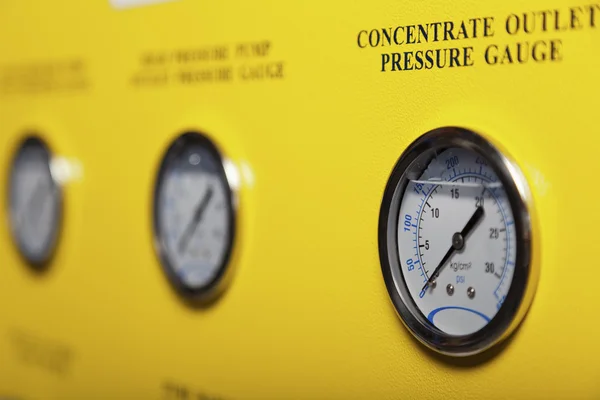
High pressure plunger pump systems: keeping workshop cleaning reliable between trigger pulls

Photo by depositphotos at https://depositphotos.com/

A workshop wash system may spray well during a quick demonstration yet become troublesome during a busy shift. Operators pause to move a component, another bay starts drawing water, and the pressure changes. Inlet starvation and bypass heating deserve attention alongside the cleaning pressure written on the pump label.

A high pressure plunger pump must fit the whole working cycle. Ceramic plungers and a suitable drive are only part of that choice. The feed supply, nozzle, unloader and return plumbing determine what happens while a gun is open, while it is closed and when cleaning resumes.

What the pump supplies to a cleaning circuit

A reciprocating plunger pump draws liquid through inlet valves and discharges it through outlet valves as its plungers move. BBP describes triplex configurations with ceramic plungers, stainless high-pressure wetted parts, and forced lubrication. These construction details belong to the pump; the complete cleaning circuit also needs compatible controls, hoses and working tools.

Start with the workpiece. Removing contamination from a bare metal casting differs from cleaning around delicate finishes, joints or electrical assemblies, so select the package around a method permitted by the equipment and workpiece instructions rather than treating higher available pressure as evidence of a better workshop result. More pressure does not settle suitability.

Define the required flow and pressure together, at the working point. Give the supplier the intended liquid and how the operator uses the gun. A package selected from a peak pressure headline leaves too much of the actual job unspecified.

Check inlet supply while the workshop is busy

In its troubleshooting guidance, Cat Pumps identifies excessive supply-line demand, restrictions, clogged filters, and low tank levels as causes of starvation, and calls for checking liquid availability while other systems are operating rather than relying on a test conducted when the workshop is quiet. Shared demand matters.

Trace the entire feed route. Record shared branches, shutoff valves, filter condition, and any hose that could kink or collapse, then compare the installation with the selected pump’s inlet requirements rather than accepting a hose that fits the port as proof that adequate water will reach the machine. Confirm the requirements with the manufacturer.

Resolve inadequate supply before increasing the cleaning workload. Replacing ceramic plungers or fitting a larger motor will not make missing water appear at the inlet. Record the operating conditions used for acceptance so future staff know what the original supply check actually covered.

Keep tank sediment and return turbulence away from the inlet

A holding tank introduces its own design questions. Cat Pumps recommends keeping the pump feed away from sediment pickup and separating it from the fill and bypass return regions to reduce air bubbles entering the pump. Its guidance also discusses baffling and cooling when warm liquid returns to a tank.

A full tank is not enough. Inspect the fill, return, and pickup positions together because adequate level alone cannot show whether the water reaching the pump contains sediment from the tank bottom or air introduced near the return, both of which matter when judging the feed arrangement. Check the water path, not just the level.

Plan filter access and cleaning around the actual liquid condition. Reclaimed wash water needs a defined treatment arrangement; stainless high-pressure wetted parts do not make a pump indifferent to abrasive contamination. Get the liquid limits and filtration requirements for the chosen assembly before connecting a recycling circuit.

Understand what happens when spraying stops

Bypass operation requires a deliberate return and temperature-control arrangement. Cat Pumps’ guidance addresses excessively hot liquid in a bypass returned to the pump inlet and calls for adequate cooling where warm return liquid enters a holding tank. Closing the gun does not make the thermal behavior of the system irrelevant.

Get the bypass conditions in writing. Ask the package supplier to identify the return destination, permitted operation and shutdown or cooling provisions for the actual circuit, making clear whether operators pause briefly to move a component or leave the system waiting through an extended interruption. Those are different operating patterns. Limits belong to the configured system.

Operators need a clear procedure for waiting, restarting, and stopping work. Where the job involves frequent pauses to reposition components, include that pattern in selection. Bypass heating is a system-design issue as well as an operating issue, so a warning label alone is an incomplete answer.

Select the unloader by its full operating range

Published unloader data from Cat Pumps separates minimum and maximum flow, pressure limits, port details, and bypass connections, illustrating why selection remains unfinished when a replacement valve matches the pressure rating, but its flow range and return arrangement have not been checked against the intended circuit. Read the complete specification.

Use the supplier-approved unloader for the pump package and working arrangement. Confirm the intended behavior when a gun closes and when it opens again. An accessory listed for another manufacturer’s pump is evidence about that accessory, not evidence of compatibility with a BBP installation.

Replacement decisions need the installed valve identity and its documentation. Changing an unloader to cure poor spraying without checking the nozzle and inlet supply can replace a healthy part. Equally, a correct pump cannot compensate for a control component selected outside its operating range. Treat pump, valve and circuit as a matched assembly.

Make nozzle inspection part of pump maintenance

Nozzle wear can reduce pressure without a failed pump. Cat Pumps warns against compensating for worn nozzles by adjusting the pressure regulating valve, because doing so risks overpressure and damage. Its troubleshooting approach puts nozzle condition among the early checks for a low-pressure complaint.

Keep the approved nozzle specification with the cleaning equipment. Check replacements against the required duty and tool configuration rather than choosing by thread size or spray appearance alone. A borrowed lance may alter the operating conditions while leaving the pump itself unchanged.

When spraying deteriorates, record the nozzle fitted, the supply condition, and whether the problem occurs with every approved tool. Follow the manufacturer’s inspection and replacement procedure. A pressure adjustment should follow an authorized setup process, not serve as a convenient response to every weak cleaning result.

Specify sustained operation as a complete duty

The BBP high-pressure pump range distinguishes compact configurations from heavy-duty process equipment and describes electric and diesel drive options. Its selection material also identifies forced lubrication and application-based configuration. These are starting points for a duty discussion rather than a blanket promise about any workshop installation.

Describe the working day. Include active spraying, pauses, and shutdowns alongside the available power supply, liquid condition, and surrounding environment, and make the bypass portion explicit so the supplier can distinguish continuous motor operation from continuous productive flow through the cleaning nozzle when selecting the package. The running pattern is part of the specification.

Request confirmation of the selected package’s operating limits and maintenance requirements. Choose the configuration that supports the documented cycle, with suitable controls and cooling. The distinction between compact and heavy-duty equipment is useful only when it leads to a specific, supportable choice for the site.

Separate wet-end care from drive-end care

BBP describes ceramic plungers, stationary sealing components, and forced lubrication as parts of its plunger-pump construction. Clean feed protects the pumping end, while correct lubrication supports the mechanical drive. Attending to only the most visible service point leaves the other side of the machine unaccounted for.

Keep maintenance entries specific. Organize filter inspection, seal condition, oil checks, and control checks around the model manual, with each task identifiable in the record, so a recurring symptom can be compared with what was actually done instead of disappearing behind a vague “pump serviced” entry. Record unresolved defects separately.

Assign defects to the right component before ordering parts. A sound oil level does not rule out inlet starvation, and clean feed does not prove that the lubrication system is functioning. Each observation answers a limited question. Combine them to decide whether the package is ready for its next operating period.

Accept the system across its working cycle

Cat Pumps’ troubleshooting guidance connects cleaning-system symptoms with feed conditions, temperature, nozzles, seals and pressure controls. Acceptance should therefore reflect the intended circuit and operating cycle. An isolated pressure reading cannot demonstrate that all those conditions are suitable.

Have qualified personnel follow the package’s commissioning procedure using approved tools, guarded equipment and pressure-rated connections. Observe active spraying, the permitted pause condition, and the restart response. Check shared-water demand under normal safe operating conditions without deliberately starving the pump.

Record the approved configuration and the limits the operator must follow. A reliable workshop system is one whose supply, control behavior and maintenance requirements remain understandable between jobs. That is a more useful outcome than achieving a dramatic pressure reading during a short demonstration.

Driving Test in Australia: A Complete Guide for Learners

Photo by depositphotos at https://depositphotos.com/

Obtaining a license in Australia is the ultimate means of becoming a safe and confident driver. The test is structured to gauge a person’s driving skills, awareness of traffic law, and ability to manage diverse traffic conditions whilst behaving responsibly. While the specific requirements will differ by state or territory, there is no doubt that proper preparation makes it a lot easier to deal with this test. 

Understanding the Driving Test Process

Before booking a practical driving test, learners should check that they meet their local requirements. These can include passing a theory test, holding a learner license for a set period, and completing a required number of supervised driving hours. Rules vary across Australia, so it’s best to confirm the details with the relevant state or territory transport authority.

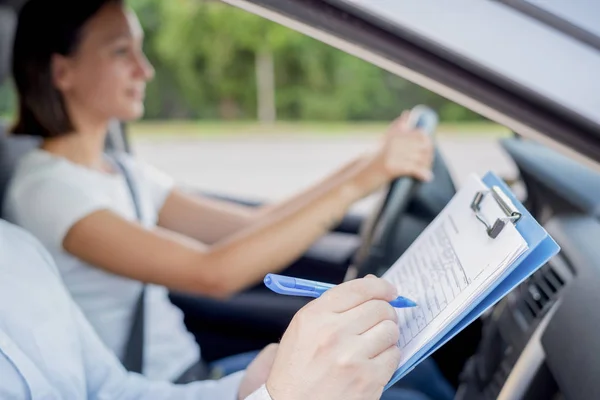
During the test, an examiner observes how safely and confidently the learner drives on public roads. They may be asked to perform tasks such as turning, changing lanes, and parking, while also checking blind spots and following traffic signals. 

Essential Skills to Practice

Thorough preparation can make a real difference to your chances of passing. Practice often with a trusted supervisor or driving instructor, and pay close attention to safe gaps between vehicles, steady speed, clear signaling, and mirror checks before turning or changing lanes. 

In the Orientation test Australia practical assessment, the most important things to look out for are observation, decision-making, and road safety compliance. Keep your composure, carefully consider instructions, and do not rush or overreact in any move you find yourself making.

Parking is a skill that plays a great role. It helps to start practicing early with parallel parking, reverse parking, and other maneuvers based on your regional testing requirements. Gaining confidence lets you avoid test day jitters. 

Common Mistakes That You Want to Avoid

Many learners lose marks because they do not check blind spots, speed too fast, forget indicators, or think too long when they are about to make a safe decision. Another big mistake is not giving way correctly or not leaving enough space between you and the next vehicle.

For the Driving Test Australia assessment, learners would benefit from familiarising themselves with the local road signs, practicing under diverse traffic scenarios, and establishing deliberate observation habits. Do not be in a hurry to complete maneuvers and be prepared, as safety always comes before speed in the final analysis. 

Tips for Your Test Day

Be early, bring the proper identification and license documents, and confirm the vehicle can pass tests. Get sufficient sleep the night before and listen closely to how the examiner speaks. You need to demonstrate what is safer and not just to be allowed through. If you mess up, if it was a small one, just keep your focus and drive carefully rather than giving in and letting the rest of the test be impacted by the nerves. 

Conclusion

Passing a driving test takes more than knowing how to handle a car. It calls for steady practice, patience, and a good grasp of road safety. Learners can feel more prepared by mastering key maneuvers, understanding the rules in their area, and keeping their nerves in check. Over time, these habits make the Australian driving test a useful milestone on the way to driving independently. 

How Pitch Reports Can Help You Understand a Cricket Match on Winbuzz

Photo by depositphotos at https://depositphotos.com/

Good cricket information is useful only when its source and context are understood. This article covers pitch characteristics and their limits for readers exploring Winbuzz pitch report. It separates facts from assumptions, highlights common mistakes, and offers a checklist for making more informed decisions. No statistic, match preview, or platform claim can guarantee a cricket result or a financial outcome.

Read conditions as evidence, not certainty

Pitch and weather reports can help explain possible match conditions, but they do not guarantee a score or result. Surfaces may change during play, and humidity, cloud cover, wind or dew can affect players differently. Check who published the report, when it was updated, and whether it refers to the exact venue and fixture.

Check the competition rules

Rain may delay play, reduce overs, produce a revised target, move a match to a reserve day, or lead to abandonment. The exact process depends on the competition’s playing conditions. Do not assume a general explanation applies to every format. Read the official regulations when a tie, shortened match or no-result decision is possible.

Confirm official status

Live displays may not update at the same moment as match officials’ announcements. Check the tournament organiser or a recognised scorecard for the latest status and timestamp. If sources conflict, wait for confirmation rather than relying on an old screenshot or forwarded message.

Apply the topic carefully

For readers focused on pitch characteristics and their limits, the key is to separate confirmed facts from interpretation. Keep the format, source, date and relevant rules in view. Information can improve understanding, but it cannot remove uncertainty from cricket or turn a sporting outcome into a guaranteed result. Treat the guide as a way to ask better questions, not as a promise of success.

Practical checklist

Before relying on information about Winbuzz pitch report, check the exact source, publication date, terms and any restrictions that apply. For live cricket facts, confirm the fixture and status through an official or recognised source. For a website, verify the exact domain independently, read its privacy and account conditions, and do not disclose credentials through informal messages. If any essential point remains unclear, pause rather than guessing.

Additional guidance

A familiar logo, confident wording, positive comment or repeated brand name is not enough to authenticate a website. Check the full address, policy wording and source of any important claim. If someone demands a password, one-time code, or urgent payment, stop and verify the request independently.

Keep passwords, one-time verification codes, full payment credentials and recovery codes private. If you suspect an account has been exposed, change the password from a trusted device and secure the linked email account. Contact a financial provider promptly if payment information may have been compromised. Keeping this distinction clear makes research more reliable and helps avoid decisions based on incomplete information.

Legal requirements vary by jurisdiction and can change over time. Check current official government or regulator guidance for your location instead of relying on an old blog post. Respect age limits, and do not participate if the service or activity is not lawful where you live.

More Information

A useful habit is to record the source and date of a claim about Winbuzz pitch report. This helps identify outdated information and prevents a partial quotation from being mistaken for a complete rule. When a detail affects an account, payment or match interpretation, confirm it with an independently verified source. Keeping this distinction clear makes research more reliable and helps avoid decisions based on incomplete information.

Cricket outcomes depend on many variables, including format, player roles, conditions and decisions made during play. Even accurate background information cannot eliminate uncertainty. Use the information to understand the sport rather than to justify rushed decisions or assume that a particular result is inevitable.

A familiar logo, confident wording, positive comment or repeated brand name is not enough to authenticate a website. Check the full address, policy wording and source of any important claim. If someone demands a password, one-time code, or urgent payment, stop and verify the request independently. Keeping this distinction clear makes research more reliable and helps avoid decisions based on incomplete information.

Conclusion

In short, informed cricket followers check context before drawing conclusions. Use reliable match or tournament sources for factual updates, read the applicable website terms, and protect personal information. A page calling itself “official Winbuzz” should still be verified through independent, trusted references. Avoid claims of guaranteed returns and remember that sporting outcomes cannot be predicted with certainty. If gaming stops being enjoyable or begins affecting finances, relationships, sleep, or work, take a break and seek appropriate support.