Home Blog Page 332

Ford Going for Third Cup Win in Four Gateway Starts This Weekend

WORLD WIDE TECHNOLOGY RACEWAY

Saturday, September 6 – NASCAR Xfinity Series, 7:30 p.m. ET (CW)
Sunday, September 7 – NASCAR Cup Series, 3 p.m. ET (USA)

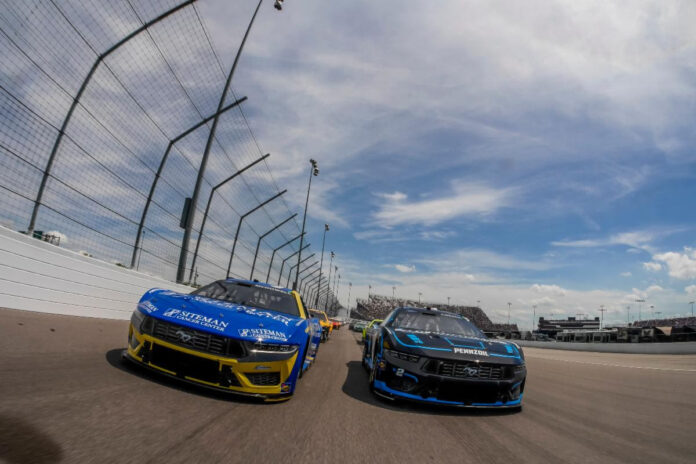
Ford has won two of the first three NASCAR Cup Series races held at World Wide Technology Raceway, site of this weekend’s stop on the NASCAR circuit. Joey Logano took the opener in 2022 and Austin Cindric came away with the checkered flag last year. Both will look to improve their respective positions in the playoff standings on Sunday while it’s one last chance for some of Ford’s NASCAR Xfinity Series drivers to make the playoffs with a win in the regular season finale.

PLAYOFF UPDATE

There were challenging moments for all four of Ford’s playoff drivers at Darlington Raceway last weekend, but Ryan Blaney and Austin Cindric did enough to increase their advantages above the cut line. Even though Blaney dropped from fourth to seventh in the standings, he gained two points on the cut off, going from 20 to 22 while Austin Cindric moved up one spot to ninth in the standings and gained 10 points to move 12 ahead. Defending series champ Joey Logano is just below the final transfer spot by three points while Josh Berry is 19 out after his first lap incident on Sunday.

POS – NAME (Points above or below the cut line)

7th – Ryan Blaney (+20)
9th – Austin Cindric (+12)
13th – Joey Logano (-3)
16th – Josh Berry (-19)
*The top eight drivers advance after Bristol

CINDRIC GOING FOR TWO STRAIGHT

Austin Cindric was in the right place at the right time, taking advantage of teammate Ryan Blaney running out of gas at the white flag to win last year’s NASCAR Cup Series race at World Wide Technology Raceway. Cindric, who had not won since capturing the 2022 Daytona 500, was part of a Team Penske trio that was strong all day as he led 53 laps. Blaney appeared in control after outdueling Christopher Bell for the lead, but he ran out of gas just before beginning the final lap, allowing Cindric to inherit the top spot and cruise to his second career victory. Overall, Cindric, Blaney and Joey Logano combined to lead 74 laps while Ford as a whole led 137-of-240 laps.

PENSKE SUCCESS AT WWTR

Team Penske has enjoyed NASCAR’s stop at World Wide Technology Raceway, winning two of the three events held at the facility and leading 217-of-720 laps (30%) in the three races combined. Joey Logano, Ryan Blaney and Austin Cindric have each led at least one lap in two of the three races (2022 and 2024) while Blaney led the second-most laps in 2023 with 83. Overall, the trio has combined for six Top 10 finishes in nine starts, including Logano, who has finished no worse than fifth. The only time a Team Penske driver finished outside of the top 13 was last year when Blaney finished 24th and that was because he ran out of fuel while leading on the final lap.

Driver: 2022-2023-2024

Joey Logano: 1st-3rd-5th

Ryan Blaney: 4th-6th-24th

Austin Cindric: 11th-13th-1st

JOSH BERRY: HOW DOES HAVING GATEWAY AND NEW HAMPSHIRE WORK FOR YOU? “I think that each round presents its own challenges. I think you look at Gateway is a short track, but kind of a faster short track. Strategy and fuel mileage can be so important there, so there are things that can definitely go awry. New Hampshire is one that I’m pretty excited for. I know we’re bringing back a little different tire, similar to what we had at Richmond. I think that should hopefully race well there and be a positive. We saw last year, you never know with the weather. If it were to rain or something like that, it could definitely throw a wrench into things.”

AUSTIN CINDRIC: HOW MUCH DOES IT CHANGE HAVING GATEWAY IN THE FIRST ROUND AS OPPOSED TO ATLANTA AND WATKINS GLEN? “It definitely changes the first round, especially Atlanta last year with a speedway race and that format, whereas St. Louis I’m sure most probably look at that as their best opportunity for a base hit. It’s not a very normal racetrack, but you could look at it and think, ‘OK, there’s Darlington and Bristol. This is the only one that’s not crazy.’ I think it’s best to not be able to put yourself in a position to where that race has to be incredibly important.”

JOEY LOGANO: YOU’VE WON THE TITLE WHEN YOU WERE SUPPOSED TO AND WHERE YOU WEREN’T SUPPOSED TO. DOES THAT GIVE YOU ADDED CONFIDENCE GOING INTO THIS YEAR? “Yeah, and honestly the years I felt like we should have won the championship we didn’t, so I think the key lesson of all that is you’re never out of it. Until you are out, you are not out. Even last year when I thought I was out I was not out (laughing). It’s a very interesting 10 weeks that’s gonna come at us and it’s unpredictable. I don’t know how exactly it’s gonna play out. Nobody knows. That’s why the plan is one week at a time because you just don’t know what the next race is gonna bring at you, so you handle what’s ahead of you and you just take it one week at a time. You handle today. Tomorrow will take care of itself. It’s no different than what our parents taught us. It’s the same stuff.”

RYAN BLANEY: DO YOU ENJOY THE PLAYOFFS OR IS IT A MENTALLY TOUGH TIME OF THE YEAR? “It is mentally a tougher time, I feel like. I try not to approach races differently as far as my midweek prep, but I feel like when you’re at the track and going through the race in the playoffs, what’s really tough about it is mistakes are blown up like crazy. You can’t afford mistakes. There are a lot of ups and downs and it’s how do you handle emotions and try to just simplify everything. At the end of the day, we’re going racing and you’re doing the best job that you can, but you also know what you’re going for and that makes it pretty tough.”

LOGANO WINS GATEWAY DEBUT

Just like he did in the inaugural Clash at the Coliseum and Bristol Dirt Race, Joey Logano won the inaugural NASCAR Cup Series race at World Wide Technology Raceway, beating Kyle Busch in a dramatic overtime finish in 2022. Both drivers took turns crossing over each other for the lead on the final lap before Logano made the decisive pass in turn four to claim his second win of the season.

WELCOME BACK

This will mark the first time the NASCAR Xfinity Series has raced at World Wide Technology Raceway since 2010. Prior to that, the facility hosted at least one race a year from 1997-2010 with Ford winning five times in 15 all-time starts. Carl Edwards holds the record for most wins by a series driver at the track after he went to Victory Lane three times while driving for Jack Roush (2006, 2008, 2010-1).

REGULAR SEASON FINALE

Sam Mayer is the only Ford driver who has clinched a spot in the NASCAR Xfinity Series playoffs, but Sheldon Creed and Harrison Burton are both in transfer positions going into Saturday’s season finale. Creed is 65 points above the cut line, but he’s only 34 points ahead of Burton, who currently holds the final transfer spot. That means a new winner could knock him out of the 12-driver field, but besides trying to move up, Burton also has to hold off his cousin, Jeb, who trails him by 31 points for 12th place.

FORD NASCAR CUP SERIES WINNERS

AT WWTR

2022 – Joey Logano

2024 – Austin Cindric

FORD NASCAR XFINITY SERIES WINNERS

AT WWTR

2002 – Greg Biffle

2003 – Scott Riggs

2006 – Carl Edwards

2008 – Carl Edwards

2010 – Carl Edwards (1)

The Ford Mustang, celebrating its 61st anniversary in 2025, is the world’s best selling sports car. It is also one of the planet’s most popular race cars. With Mustang-based race cars competing in international sports car competition (GT3 and GT4), NASCAR, NHRA, Formula Drift, in Australian Supercars, at the Pikes Peak International Hill Climb and in its own bespoke one-make series – Mustang Cup and Mustang Challenge – the platform has an unprecedented global reach. This weekend, 43 Mustang race cars are scheduled to race across all disciplines. Learn more at FordPerformance.com.
TPC Racing Celebrates Labor Day Weekend with Strong Competition and a Memorable Porsche Evening

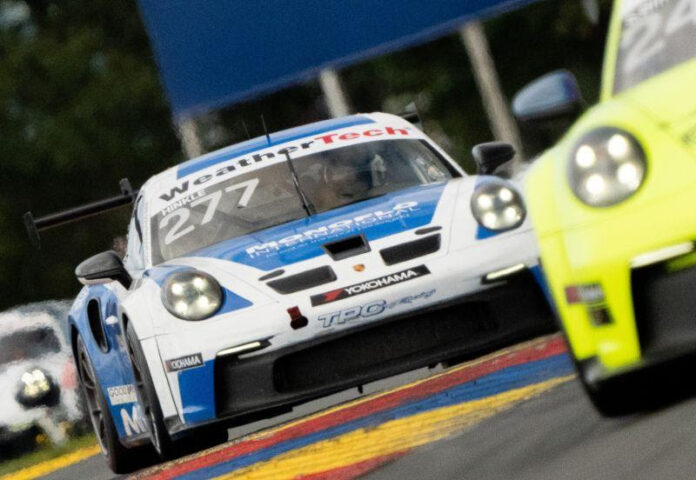
  • TPC Racing and Evan Hinkle Competitive Off The Trailer in the No. 277 Monoflo International/TPC Racing Porsche 911 GT3 Cup at Watkins Glen International
  • TPC Racing Welcomes Porsche Racing Legend Alwin Springer to the Team’s Maryland-Based Headquarters on Friday for 50 Years of ANDIAL: A Celebration at TPC organized by PCA Chesapeake

JESSUP, Maryland (September 1, 2025) – A legendary race track in New York, and the company of Porsche racing legends at TPC Racing headquarters in Maryland, combined for a competitive and more than memorable Labor Day holiday this past weekend for TPC Racing.

TPC Racing and Monoflo International team driver Evan Hinkle had a competitive Porsche Sprint Challenge North America by Yokohama Porsche GT3 Cup debut together in the Saturday and Sunday Porsche Sprint Challenge North America by Yokohama doubleheader on the legendary 3.45-mile Watkins Glen road course.

At the same time, TPC Racing principal Michael Levitas, who put in some laps of his own in his No. 236 TPC Racing Porsche 911 GT3 Cup late last week, left The Glen before the weekend’s races. He traveled back home to TPC Racing headquarters where he welcomed none other than Porsche racing legend Alwin Springer to the team’s new 40,000 square foot headquarters for the first time.

TPC and Levitas joined the PCA Chesapeake region in showcasing Springer on Friday evening for 50 Years of ANDIAL: A Celebration at TPC. The event was in recognition of the 1975 launch of ANDIAL, which quickly evolved into North America’s most successful Porsche tuning and performance operation. By the late 1980s, Springer had taken over leadership of Porsche Motorsports North America, ultimately building the program into the powerhouse it has become. Springer and Levitas were joined by other Porsche and PCA notables and a strong turnout of Chesapeake region members and guests for informal conversation and an insightful Q&A session.

Meanwhile, Hinkle was making his career competition debut at The Glen after a breakout double-podium Type 992 GT3 Cup Pro-Am weekend in late July at VIRginia International Raceway (VIR) in the No. 277 Monoflo International/TPC Racing Porsche 911 GT3 Cup. Hinkle secured the pair of Pro-Am class third-place finishes in the July VIR weekend’s twin Porsche Sprint Challenge races for his best career series results to date.

Hinkle is in his third year of Porsche Sprint Challenge competition with TPC Racing but his first two seasons were in the Sprint Challenge Cayman class. He has made the jump to the top-tier GT3 Cup category along with Monoflo International and “trade-off” teammate Tillman Schmid this year. Hinkle’s VIR podiums came in his major race debut in a Porsche GT3 Cup

While TPC Racing has extensive and race-winning experience at The Glen, his debut at the track amazingly was Hinkle’s first Porsche Sprint Challenge race on a circuit other than VIR. He picked up right where he left off at VIR in July and challenged a talented field of drivers with extensive experience at Watkins Glen.

Hinkle immediately joined the fight up front in qualifying, the only “rookie” cracking the outright top-10 in the 30-car field with a sixth-place Pro-Am result that was eighth fastest overall. He ran the fourth fastest lap times in Saturday’s opening race, slower than only than the quick and experienced Pro-Am trio that finished on the podium in both weekend races.

Shaking off some in-race issues while fighting up front in both sprints at The Glen, Hinkle maintained his out-of-the-box top-10 form for his best showing of the weekend on Saturday. He finished seventh in Pro-Am and 10th overall.

Next up for TPC Racing in Porsche Sprint Challenge North America is the season-finale race weekend at Michelin Raceway Road Atlanta in two weeks, September 12 – 14. Schmid will return to the wheel of the No. 277 for that weekend’s Sprint Challenge doubleheader with Hinkle then joining him for Sunday’s four-hour Porsche Endurance Challenge North America race that brings the curtain down on the 2025 season.

Michael Levitas, TPC Racing Principal: “It was great to be with the team on Wednesday and Thursday at Watkins Glen, and it was amazing how quickly we got the cars turned around and going fast. The team just did an amazing job, but I ran home to be with our guest Alwin Springer on Friday evening. I was overjoyed and excited to get back to the shop. Alwin was a guest speaker brought in by the local Porsche Club of America Chesapeake Region, and I just couldn’t miss that event. Seeing Alwin in our shop for the first time, it has been a while since I have seen him at all, but just hearing his stories, not just about Porsche racing, but even his struggles just to get to North America. It’s all amazing. Alwin is synonymous with Porsche racing in North America and winning races, and we are honored to have been part of that success in the Grand-Am Rolex Sports Car Series era. Alwin is a true pillar of Porsche, and really a pillar of any sports car racing paddock he is in. He is universally revered and a true ‘racer’s racer.'”

Harris Levitas, TPC Racing Director of Race Operations: “A very memorable Labor Day weekend in so many ways, and I am proud of the TPC Racing team and Evan Hinkle for being a force to be reckoned with from the very beginning. The Glen is a hard track to come to for the first time and be lead-pack competitive, but Evan drove like a veteran despite having previous Porsche Sprint Challenge in just three races, and all of them at VIR. It is easy to forget he is still so new at this level of racing and learning. The four-hour Porsche Endurance finale will be perfect for both Evan and Tillman Schmid to gain more seat time and valuable experience in the USAC Porsche Sprint and Endurance series. We are already looking forward to getting back on track in two weeks with Evan and Tillman at Road Atlanta and ending the season with our best result yet for Monoflo International.”

About TPC Racing: TPC Racing is the Mid-Atlantic’s premier maintenance, service, tuning and modification center dedicated solely to Porsche sportscars. TPC Racing specializes in R&D and sales of high-performance modifications for Porsche sports cars and race cars, offering a wide range of vehicle upgrades. Best known for a line of forced induction solutions for the Porsche 911, Cayman and Boxster, a long-time focus on only one make, Porsche, has enabled TPC Racing to become experts in Porsche service, tuning, and racing. In 2000, TPC Racing began entering races under its own banner, scoring an SGS-class Championship in 2004 in the Grand-American Rolex Series and was a class winner in the 2006 Rolex 24 At Daytona, and captured the 2013 and 2016 IMSA Porsche GT3 Cup Challenge USA Gold Cup Championships. More information can be found at www.TPCRacing.com.

P2002 Code Explained – Causes, Fixes, and Powerstroke Solutions

Introduction

Do you feel like you are burning up more gas when that check engine light is staring at you in the face? You’re not alone. They are common signs of a faulty emissions system and are usually identified via the trouble code of P2002. 

This is a widespread failure signifying a plugged or ineffective Diesel Particulate Filter (DPF), an issue that can escalate to significant maintenance once neglected. To most owners, the question here is whether it is time to eliminate the DPF.

At SuncentAuto, a fully updated and detailed selection of diagnostic tools and solutions is available. 

What Is the P2002 Code?

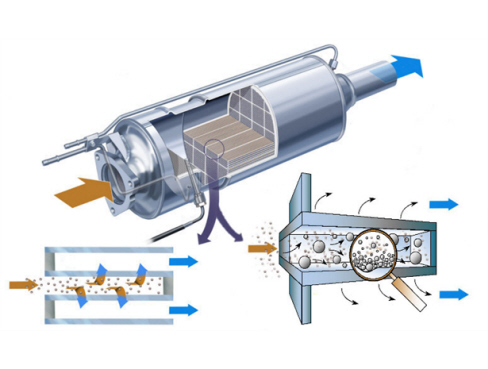
In easy terms, the P2002 code means that your Diesel Particulate filter is also not picking up soot so well anymore because of your truck computer. It is operating at less than its necessary capacity.

This code triggers due to a few key issues:

  • A highly clogged DPF that causes excessive backpressure.
  • The malfunctioning differential pressure sensor is giving erroneous measurements.
  • Unable to regenerate itself due to failed regeneration cycles.

The short-term effects include loss of power, fuel consumption, and overheating. Powerstroke trucks of Ford, commonly used for towing and long-hauling, are especially susceptible to this. They have engines that generate more soot when heavily loaded and require frequent regenerations that ultimately exhaust the DPF.

What Is the P2002

DPF in Powerstroke: Function, Problems & Delete Option

DPFs and DPF Delete Option

The DPF is a maze filter in your exhaust system. It traps damaging soot and also cleanses itself via a regeneration cycle, where the soot formed burns at very high temperatures. When this happens to fail – frequently because of short driving cycles – the filter clogs, and the P2002 code is activated.

That is why a DPF delete tube is considered by many owners. This consists of a straight-through pipe, which is used to replace the restrictive DPF unit completely.

The benefits of a DPF delete are noteworthy:

 – Restored Power/ throttle Response: Significantly lower backpressure in exhaust.

 – Better Fuel Economy: Your engine does not have to strain to force exhaust gases through a congested filter anymore.

 – Reduced Maintenance expense: Removes the future replacement of DPF and the expensive problems associated with regeneration.

But it is important to take into account the drawbacks:

 – Legality: It is unlawful in the U.S. and Canada to remove a federally required emissions device from on-road vehicles.

 – Warranty: It will cancel your powertrain warranty and your emissions warranty.

 – Environmental Effects: The car will produce a lot more particulate matter.

Research the options of DPF delete kits by SuncentAuto and decide.

How to Prevent P2002 Code in Powerstroke

You can do more than a complete delete. This code can be averted, often, by careful attention:

 – Make a habit of doing your truck drives longer (20 or more minutes at highway speeds) to give passive regeneration a chance.

 – The highest quality diesel and special additives contribute to the formation of less soot.

 – Keep your EGR system clean and all exhaust sensors operating properly.

 – Professional Cleaning: Get an off-vehicle DPF cleaning done to clear up the flow.

Conclusion

A rather obvious indicator of a faulty DPF system is the P2002 code, a frequent headache among Powerstroke owners. A DPF delete tube provides a permanent remedy to the ability to unlock performance and efficiency gains, but with severe legal and environmental trade-offs.

The most appropriate solution is determined by your local laws and your mode of truck usage. Whether you’re keeping your stock truck or considering removing it, always use a Powerstroke removal kit from a trusted supplier like SuncentAuto. 

6.0 Powerstroke Engine Exhaust Gas Recirculation (EGR) Removal: A Complete Guide and the Best Kits

Introduction

Chronic overheating and EGR cooler failures are common frustrations for 6.0 Powerstroke owners. Many find that a 6.0 Powerstroke EGR removal is the most effective permanent solution.

SuncentAuto’s EGR Delete guide breaks through all the confusion, explaining the advantages, disadvantages, and the ideal individual kits to help you make your choice on whether it is the correct decision to make regarding your truck.

EGR

What Is 6.0 Powerstroke EGR Removal?

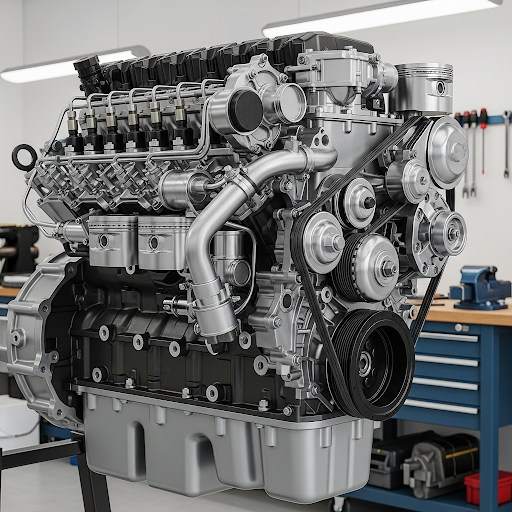
The Exhaust Gas Recirculation (EGR) system reduces amounts of emissions through the recirculation of the sooty exhaust to the engine. This construction is a familiar vulnerability of the 6.0L Powerstroke, which frequently results in congested intakes and the costly failures of coolers. EGR system removal is a procedure that consists of deleting this troublesome element.

Pros and Cons of Removing the EGR on a 6.0 Powerstroke

Advantages of EGR Removal

 – Improved Reliability: Removes the possibility of EGR cooler failure, which is a major reason for the head gasket problems.

 – Improved Performance: Lowers the intake temperatures and tends to enhance throttle response and power.

 – Better Economy: A Clean engine will result in greater fuel efficiency.

 – Reduced Maintenance: No longer the maintenance of cleaning valves and replacing coolers.

Disadvantages of EGR Removal

 – Legal Considerations: The change is not EPA-compliant on the public road and is restricted to off-road use.

 – Warranty Voidance: Will rescind all outstanding factory warranty.

Who Should Consider EGR Removal for a 6.0 Powerstroke?

This upgrade will benefit mostly owners who need maximum reliability when towing heavy or performing use, but not those who are on a daily driver and worry about satisfying emissions. This is why it is often on the minds of Powerstroke users to learn more about common 6.0 Powerstroke problems.

Choosing the Best 6.0 Powerstroke EGR Delete Kit

Make it a priority to choose a high-quality EGR removal kit for the 6.0 Powerstroke.

Material: Stainless steel kits are more durable with a better ability to resist corrosion.

Complete: A complete kit comes with all the necessary pipes, block-off plates, and gaskets.

Tuning: A matching tuner will be needed to recalibrate the ECU and avoid fault code.

Browse the trusted EGR options in SuncentAuto’s dedicated EGR Delete Kit category today.

6.0 Powerstroke EGR Removal Process (Installation Overview)

The process requires removing the EGR assembly and installing new pipes and block-off plates. The job is complex due to limited engine bay space, making professional installation a wise choice for most. Proper ECU tuning must be completed immediately after the physical installation.

Should You Remove the EGR on Your 6.0 Powerstroke?

6.0 Powerstroke EGR removal directly addresses the engine’s most significant design flaw, significantly boosting reliability and performance. It is very important to keep in mind that it is an off-road modification. You should always consult local laws.

Get all your 6.0 Powerstroke upgrade requirements, such as EGR kits, performance parts, and more, at SuncentAuto.          

Mobile Gaming Revolution: How Smartphones are Changing Online Casinos

Photo by depositphotos at https://depositphotos.com/

The ubiquity of smartphones has revolutionized the way players access and experience casino games. No longer limited to desktop computers, online casinos now fit in our pockets, delivering convenience and innovation right at our fingertips. In this article, we explore how mobile technology is revolutionising online gambling and what it means for players worldwide. Players can also enjoy online casino games for real money on their mobile devices, enhancing convenience and excitement.

The Rise of Mobile-Optimised Platforms

Modern online casinos prioritise responsive design and dedicated apps to deliver seamless experiences on a variety of devices. Whether you own an iPhone, Android phone, or tablet, intuitive interfaces adapt to different screen sizes without sacrificing functionality. Players can navigate game lobbies, claim bonuses, and manage their accounts with a few taps, making mobile casinos more accessible than ever.

On-the-Go Gameplay and Accessibility

Gone are the days of waiting to get home for a gaming session. Smartphones empower users to spin the reels, place bets, and interact with live tables from virtually anywhere—even while traveling, on lunch breaks, or relaxing outdoors. This mobility has broadened the demographic of online casino customers, appealing to casual gamers and seasoned players alike.

Enhanced Technology and Graphics

Advancements in mobile processors and network speeds enable high-definition graphics and smooth animations previously reserved for desktop platforms. Live dealer streaming, virtual reality (VR) demos, and immersive soundscapes now run effortlessly on newer devices. As 5G networks expand, latency issues diminish, further elevating the quality of mobile casino experiences.

Secure Mobile Transactions

Security is paramount in mobile gaming. Leading casinos safeguard transactions through SSL encryption, biometric authentication, and secure digital wallets. Players feel confident depositing and withdrawing funds through their smartphones. Integration with mobile payment solutions like Apple Pay and Google Pay streamlines the process, offering additional layers of fraud protection.

Innovative Game Formats

Mobile-first design has inspired new game formats tailored to touchscreens and shorter play sessions. Instant-win games, click-and-play card games, and mini-tournaments cater to players seeking quick entertainment. Developers experiment with augmented reality (AR) features—overlaying game elements on real-world settings—which could soon become mainstream.

Social Features and Community Building

Mobile casinos increasingly incorporate social elements: chat functions, in-game leaderboards, and friend lists enhance community engagement. Players can challenge friends to heads-up matches or join group tournaments directly from their devices. This social connectivity fosters loyalty and encourages repeat visits.

Responsible Mobile Gaming

With increased accessibility comes the need for responsible habits. Reputable mobile casinos integrate responsible gambling tools—deposit limits, session reminders, and self-exclusion options—into their apps. Push notifications can encourage players to take breaks and track their spending, supporting healthier gaming habits.

Future Outlook

The mobile gaming revolution continues to accelerate without signs of slowing down. Emerging technologies like cloud gaming will reduce device dependency even further, allowing high-end titles to stream on modest hardware. Blockchain integration may offer provably fair games on mobile, while wearables and IoT devices could introduce novel interaction methods. As smartphones evolve, so too will the mobile casino landscape.

Conclusion

Smartphones have irrevocably altered the online casino industry, making games more accessible, engaging, and secure. From advanced graphics to mobile-optimized game design and powerful social features, the mobile gaming revolution enables players to enjoy casino entertainment anytime, anywhere. As technology continues to evolve, new innovations will further shape and expand the future of online casinos.

Mobile gaming isn’t just a trend — it’s the future of online casino entertainment.

Types of Fog Light Explained: Choosing the Right Option for Your Car

Introduction

Roads that one is familiar with may also be a challenge when he/she drive in dense mist, fog, or rain. The glare and the diminished visibility on the normal headlights are normally caused by the water droplets. 

The design of fog lights also varies: they produce a low and extensive view of light, and they manage to range past the bad weather conditions, enabling the driver to see the road with more clarity and react faster to potential threats. SEALIGHT LED, covering all types of fog lights, features a diverse lineup of fog lights for every driving condition.

Halogen Fog Lights vs LED Fog Lights

Halogen Fog Lights

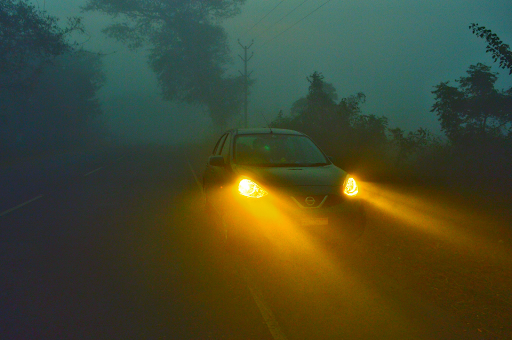
Halogen fog lights have been a part of car and truck lighting for decades. They are clean, easy to find, and they can be easily substituted. Their yellowish light is warm and enhances visibility in fog or mist that is mild mist, which ensures drivers can see road signs. 

Halogen, however, is less effective compared to modern. They produce more heat, use more power, and have a shorter life span, which in most cases increases replacement.

LED Fog Lights

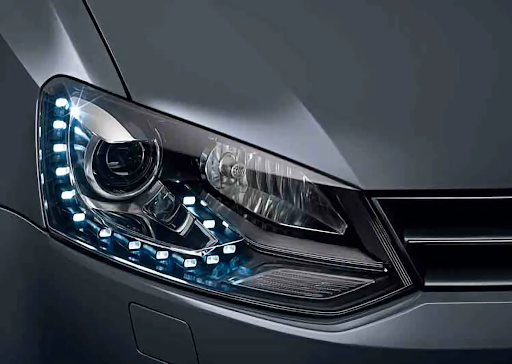
Increasingly, LED fog lights are the choice of modern cars. They produce a more concentrated beam, which increases sight in heavy weather. LEDs consume less energy and have an extremely extended life cycle than halogen lights, and they provide an unmistakable, sterile, and contemporary appearance. Many drivers like LED lights due to their performance and look.

H11 LED Fog light bulbs are one of the best suggestions with a high level of reliability and stable light intensity, which is a good match in adverse weather conditions.

Yellow vs White Fog Lights

Yellow Fog Lights

Yellow fog lights are best with heavy fog, rain, or snow. Their lengthier wavelengths scatter less light through the dampness and thereby lower glare, allowing drivers to see the road ahead. Although they are very efficient, the yellow lights could be less bright than the white ones.

White Fog Lights

White fog lights give a clear light comparable to daylight. They are best used in light fog or driving at night and provide a modern appearance to any car. Nevertheless, when fog is very thick, the white lights can be reflected more to the driver, which will lead to glare and slightly poorer vision.

White Fog Lights

Choosing the Right Fog Light for Your Car

In choosing LED fog light bulbs, think about the following:

Bulb Compatibility: Be sure that the lights are a fit for your car.

Color Preference: Yellow is more favorable during extreme weather conditions; white has a brighter color, and it has a modern appearance.

Budget: In the short term, the cost of halogen is less than LED; in the long term, it is cheaper since LED is more efficient and durable.

Conditions behind the wheel: LEDs are more appropriate because of performance and safety, as in this case, there is a lot of fog, rain, or snow.

FAQs About Fog Lights

 – Are LED fog lights legal?

Yes. Most of the territories do not forbid LED fog lights as long as they do not surpass the standards of brightness and alignment. Do not install without consulting local regulations.

 – Are yellow fog lights more effective in bad weather?

Yes. Yellow lights enhance visibility and contrast, which is useful in fog, rain, and snow.

 – Are LEDs an option to halogen fog lights?

Often, yes. But make sure of the right fitting and compatibility with the electricity before upgrading.

Conclusion

Depending on how you drive, budget, and weather, the choice to use LED vs halogen fog lights or yellow vs white beams is made. SEALIGHT fog lights are a good choice when it comes to the longevity of their performance, efficiency, and style. The proper installation of a fog light will ensure safer and enhanced vision in the process of driving, even under the harshest weather conditions.

My Headlights Won’t Turn On, How to Check & Fix Them Fast

Introduction

There is nothing more chilling than being at the wheel in the night, and you come to know that your headlights won’t turn on. It is dangerous to drive without sufficient light–during bad weather or upon dark highways. Failure of the headlights can be caused by simple problems, such as a burnt-out bulb, or more complicated electrical issues.

The headlights could fail due to very simple causes, such as a lamp burning out, or more complex electrical faults. In this insight, we shall find out why your headlights may not be functioning and what you should do to fix this problem in no time, with or without professional assistance.

Understanding the Basics of Headlights

It is always good to know basic things before troubleshooting. Your car battery supplies electricity to the headlights through fuses, relays, and switches, then to the bulbs. The existing vehicles tend to run on one of the three types:

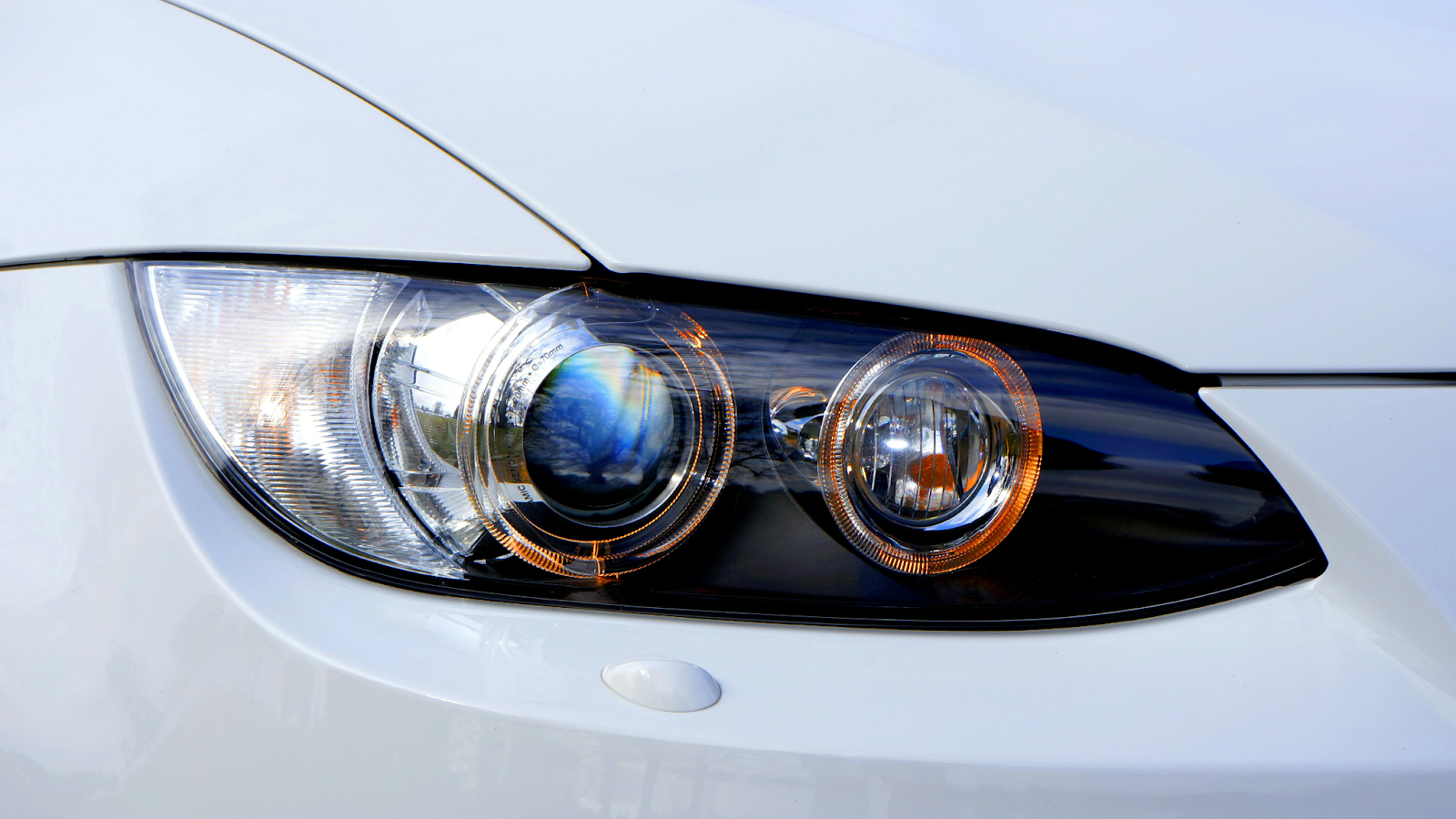
Halogen bulbs: Halogen bulbs are cheap and widespread, yet they consume a relatively low level of energy, and their longevity is short.

HID bulbs: HID bulbs are revolutionary, bright, and efficient, and require special ballasts to work.

LED bulbs: Long-lasting and energy-efficient, and more popular than ever in upgrades. For instance, SEALIGHT LED bulbs.

The type of your bulb is one of the things that makes it easier to troubleshoot. You can use the car bulb finder from SEALIGHT to select the appropriate replacement.

Common Reasons Why Headlights Won’t Turn On

Burnt-Out Bulbs

The simplest culprit. A single-bulb failure normally occurs on only one of the headlights, and both lights going off may represent a more serious problem.

Faulty Headlight Switch

A defective or damaged switch may cut off power so that your headlights do not come on.

Blown Fuses or Relays

The electrical system of the car is guarded by fuses and relays. Failure may happen to put out your lights.

Broken Wiring or Slack Connections.

Corrosion, deteriorating wires, or loose connectors to the bulbs can impede electricity.

Battery or Alternator Problems

Your Headlights can be dim or even off when using low voltage or a failing alternator.

Headlight Control Module Failure

Other cars of today have an electronic device to handle the lights. In case it fails, your Headlights may not work at all.

Headlight Control Module Failure

Troubleshooting Steps You Can Try at Home

Check Which Headlights Are Out

Determine whether it is one light dead or both. The single light problems are normally simpler to repair.

Inspect the Bulbs

Take out the bulbs and check them to see whether there are broken filaments or a darkened glass. Replace any damaged bulbs.

Test the Headlight Switch

Switch it on and off and watch the lights. When they are flickering or not responding, the switch can require a replacement.

Examine Fuses and Relays

Refer to your owner’s manual for fuse locations. Re-fit any blown fuses and test relays.

Inspect Wiring

Check the connections, corroded terminals, or broken wires in the area of the headlight assembly.

Check Battery and Alternator.

Dark lights or flicker tend to indicate power problems. Check battery and alternator life with a multimeter.

Conclusion

Headlight issues may be either simple or complicated. Begin at the simplest level (bulbs, fuses, and switches) and proceed to checking wiring or power. To attain long-lasting reliability, you should upgrade to LED headlight bulbs – they are brighter and last longer. Acting fast will guarantee that you remain visible and secure on the road regardless of time and weather.

Beyond the Hood: How Heritage and Innovation Define Continental Automobiles

Photo by Samuele Errico Piccarini on unsplash.com

Automobiles are more than machines; they are rolling testaments to human ingenuity, cultural identity, and technological progress. Across the European continent, manufacturers have crafted reputations that span generations, drawing from centuries of artistry and engineering excellence. 

European cars are admired for their seamless blend of tradition and innovation, setting standards that ripple across the global industry. Their story is not only about transportation, but about cultural identity, craftsmanship, and the pursuit of perfection. 

From the legacy of coach-built elegance to pioneering advances in electrification, the journey of European automakers mirrors society’s evolving aspirations and its unyielding drive toward progress.

Craftsmanship, Expertise, and the Role of Specialists

Heritage is not only preserved in design language but also in the hands that maintain these vehicles. Owning a continental car—whether it’s a German sedan, an Italian sports car, or a British grand tourer—requires more than just admiration for its looks and performance. It requires expert care to maintain its integrity. 

This is why many owners seek out a European auto repair shop when their vehicles need maintenance, upgrades, or specialized attention. Such facilities are often staffed with technicians who understand the nuances of European engineering: the intricacies of turbocharged engines, the precision of dual-clutch transmissions, and the delicate balance of advanced suspension systems. Without this expertise, the very essence of these automobiles—the fusion of tradition and modernity—can be compromised.

Professional intervention ensures that the design philosophy envisioned by the manufacturer continues to shine through. A car is not simply about moving from one place to another; for enthusiasts, it represents a legacy of artistry and mechanical mastery. 

The European Philosophy: Tradition Meets Precision

European automakers are often celebrated for their devotion to craftsmanship and timeless design. Heritage plays a crucial role here—many brands trace their roots back more than a century, and their vehicles often embody philosophies passed down through generations. For example, luxury sedans emphasize understated elegance and engineering precision, while sports cars highlight performance, agility, and a visceral connection between driver and machine.

Innovation has never been neglected in this tradition. Many modern European vehicles boast hybrid drivetrains, advanced driver-assistance systems, and lightweight materials like carbon fiber. Yet, even with these cutting-edge advancements, the brands maintain recognizable design cues that link back to their heritage

American Automobiles: Power, Culture, and Reinvention

On another continent, American automakers historically leaned into themes of freedom, size, and strength. Muscle cars with thunderous V8 engines became cultural icons, embodying speed and rebellion. Pickup trucks evolved into symbols of utility and identity, dominating highways and job sites alike.

Innovation in America has often focused on scalability and accessibility. The assembly line, pioneered in the early 20th century, revolutionized production, making cars affordable for the average family. Today, American manufacturers are once again reinventing themselves, leading in areas such as electric trucks, autonomous vehicle research, and digital connectivity

Asian Automakers: Efficiency, Reliability, and Emerging Technology

Asian automobile manufacturers have built their reputations on reliability, efficiency, and value. Precision manufacturing processes and a relentless focus on quality control have allowed these companies to deliver vehicles that can last decades with minimal issues.

In addition to their reputation for durability, Asian automakers have led the world in hybrid technology. The introduction of mass-market hybrid vehicles changed how consumers viewed fuel economy, pushing the industry toward sustainable solutions. More recently, the region has been at the forefront of electric vehicle development, advanced battery technology, and hydrogen fuel cells. 

The Influence of Motorsports

One cannot discuss the legacy of continental automobiles without acknowledging the role of motorsports. Racing has historically been the testing ground for new technology, pushing cars to their limits and allowing manufacturers to showcase engineering superiority.

European brands often use racing heritage as a cornerstone of their identity. The precision handling of high-performance vehicles is not just for the racetrack; it trickles down to everyday sedans and SUVs. Similarly, American brands draw on their muscle car legacy, infusing even family vehicles with performance-inspired design cues. Meanwhile, Asian automakers have excelled in endurance racing and touring competitions, demonstrating the reliability and efficiency of their engines.

Design Language and Cultural Identity

Automobiles reflect the values of the societies that create them. European cars often exude a sense of restrained luxury and craftsmanship, emphasizing timeless design over flashiness. American cars tend toward bold lines, larger bodies, and a sense of rugged independence. Asian designs frequently highlight efficiency, practicality, and understated elegance, with a growing emphasis on futuristic aesthetics as electric and hybrid cars gain popularity.

Heritage plays an undeniable role here. Decades-old design signatures, such as grille shapes, headlight clusters, or dashboard layouts, persist in modern iterations, serving as a bridge between past and present. 

Technology as the New Heritage

In the 21st century, heritage is no longer limited to handcrafted wood trims or the roar of a classic engine. Increasingly, a brand’s technological prowess becomes part of its legacy. Automakers that once built reputations on mechanical reliability now compete in areas such as autonomous driving, electric mobility, and connected services.

Digital dashboards, advanced safety systems, and artificial intelligence in driving assistance are quickly becoming benchmarks of innovation. These advancements are not just about convenience but also about safety, efficiency, and environmental stewardship.

Sustainability and the Road Ahead

Sustainability is perhaps the most powerful force shaping the modern identity of continental automobiles. Governments, consumers, and manufacturers alike recognize the need to reduce emissions, conserve resources, and rethink mobility in the face of climate change.

European manufacturers are investing heavily in electrification, developing battery platforms that can be adapted across multiple models. American automakers are expanding into electric trucks and SUVs to meet consumer demand while adhering to stricter emissions standards. Asian companies are pushing hydrogen fuel cell technology and creating high-efficiency electric drivetrains to lead the next wave of innovation.

The evolution of continental automobiles is a narrative of balance—between old and new, tradition and innovation, heritage and future. European brands draw from legacies of craftsmanship and precision, American manufacturers harness power and reinvention, and Asian automakers emphasize reliability and technological foresight. Together, they shape a global automotive landscape that is as much about culture and identity as it is about horsepower and performance.

Beyond the hood, the story of cars is the story of people: their pursuit of excellence, their embrace of change, and their desire to blend heritage with innovation.

Safety Cars, Surprise Wins, and Chaos That Fuels the Motorsport Betting Thrill

To the untrained eye, motorsport can be monotonous and boring. For true connoisseurs, it’s pure chaos dressed in carbon fiber. 

One second, a driver can have a seemingly secure victory in their pocket. The next, a gust of bad luck, or a rogue safety car for that matter, can bring the X factor and rip the race wide open. For the motorsport purist, these moments are nerve-wracking. For the bettor watching from home, they’re something else entirely. An opportunity.

And that’s the unlikely part most people don’t talk, or even think, about. Because under all the smoke and strategy, motorsport betting thrives on uncertainty. Predictability makes for clean race weekends. But it’s the chaos that keeps punters leaning in, refreshing their screens, and quietly rooting for the kind of drama that can flip a wager on its head.

Unexpected Thrills Carry much Appeal

Now, needless to say, nobody wants anyone hurt, and real fans respect the sport too much to cheer for genuine accidents. But from a betting perspective, a race without surprises is one of bland taste and low opportunity.

Ask anyone who’s followed Formula 1, MotoGP, or NASCAR for years, and they’ll admit it. The tension builds when a red flag restarts the race. When a late safety car closes the gap. When a last-lap crash forces a reshuffle of the leaderboard, that’s when seasoned bettors know that odds suddenly mean nothing and instincts take the wheel.

That’s exactly where today’s sports betting app scene has evolved. The modern bettor doesn’t wait until Monday to check the score. With platforms like Betway, every twist is trackable in real time. Features inside the sports betting app let users cash out, adjust, or double down before the next lap finishes. 

When the Safety Car Changed Everything

History is packed with examples where the safety car caused mayhem in race results. 

F1, Abu Dhabi 2021
Lewis Hamilton was on track for a historic eighth world title. Then came a late crash. The safety car bunched the field. One lap of racing remained. Max Verstappen, freshly armed with new tires, overtook Hamilton and won. Bettors who had Verstappen to win? Payout. Others? A lesson in how quickly dominance can dissolve.

IndyCar, St. Petersburg 2023
With just a few laps remaining, a crash brought out the caution. Fuel strategies unraveled. What looked like a clean win became a scramble. Marcus Ericsson, not the favorite that day, slipped into victory thanks to pit timing and a safety car at the perfect moment.

MotoGP, Austria 2020
Rain mid-race led to red flags and restarts. Riders who normally fade in long runs suddenly had a shot. Miguel Oliveira clinched an unlikely win, paying out handsomely for those who picked him early or jumped on him during the chaos.

These are true turning points and every bettor who understood how timing, pit stops, and safety car rules work had an edge when chaos hit.

Mind Over Matter and Instinct over Stats

Motorsport betting can be depicted as a numbers game. Lap times, qualifying positions, tire strategy. But chaos betting is different. It favors the bettor who sees the underlying patterns that others tend to miss.

Some of the most successful punters know which drivers thrive under pressure and safety car restarts. They know which teams consistently make the wrong pit call when it rains. They know which circuits are more prone to late-race incidents (looking at you, Monaco and Baku). They bet accordingly, not recklessly. But with the understanding that racing doesn’t always go by the book, and that’s exactly what makes it fun.

Secretly Rooting for Mayhem

Nobody says it out loud. But here’s what goes through a bettor’s mind when a safety car is deployed:

  • “That just closed a 10-second gap. My underdog pick has a chance now.”
  • “If they pit now and the others don’t, this could flip everything.”
  • “Late crash? Extra laps. Overtime. That bet I almost gave up on just came back to life.”

Motorsport offers this kind of small-window opportunity more consistently than most sports. A soccer match has limited substitutions and no equivalent of a full field reset. Tennis doesn’t have sudden rule changes mid-match. 

But racing

Anything can happen and it frequently does. That unpredictability has shaped how betting tools are designed:

  • Live odds refresh faster than you can finish a coffee.
  • Cash-out features let you secure wins before fate steps in.
  • Multi-market options (like fastest lap, safety car deployment, or finish position within top 6) open doors beyond “winner vs. loser.”

Here’s what often keeps people betting on motorsport: the feeling of winning when no one else expected it.

Picking Verstappen to win when he’s on pole is routine. Predicting a mid-tier driver to climb the pack after a lap 42 safety car? That’s different. That’s a calculated risk rewarded by the race’s natural unpredictability.

For many bettors, it’s about more than money. It’s about the sense of reading the sport correctly. Understanding the meta-game. Betting not just on performance but on the likelihood of chaos, and then being right.

None of this is random. It’s informed by years of watching, pattern recognition, and yes, a little bit of hope that the race won’t be too clean.

Indianapolis Event Recap for the 71st Annual NHRA U.S. Nationals – STEWART WINS REGULAR SEASON CHAMPIONSHIP

Tony Stewart & Matt Hagan
Dodge Direct Connection Top Fuel & Funny Car Drivers
71st Annual NHRA U.S. Nationals
Aug. 27-Sept. 1 | Indianapolis

Event Recap

Tony Stewart, driver of the TSR Dodge//SRT Direct Connection Top Fuel Dragster:

  • Earned No. 10 provisional qualifying position in Q1 on Friday (3.744 ET at 328.78 mph)
  • Maintained No. 10 provisional qualifying position based off of Friday’s Q1 run. In Q2 on Saturday, Stewart ran a 6.858 ET at 95.54 mph.
  • Maintained No. 10 provisional qualifying position based off of Friday’s Q1 run. In Q3 on Saturday, Stewart ran a 5.776 ET at 119.36 mph.
  • Maintained No. 10 provisional qualifying position based off of Friday’s Q1 run. In Q4 on Sunday, Stewart ran a 3.778 ET at 330.47 mph.
  • Secured No. 10 qualifying position based off of Friday’s Q1 run. In Q5 on Sunday, Stewart ran a 4.865 ET at 149.40 mph.
  • Advanced to the Finals on Monday:
  • Round 1: 3.716 ET at 334.65 mph, defeated Steve Torrence (3.741 ET at 331.20 mph)
  • Round 2: 3.802 ET at 328.06 mph, defeated Kyle Wurtzel (4.454 ET at 177.65 mph)
  • Semifinals: 3.837 ET at 325.85 mph, defeated Jasmine Salinas (10.754 ET at 73.87 mph)
  • Finals: 3.815 ET at 321.88 mph, lost to Justin Ashley (3.839 ET at 326.16 mph)
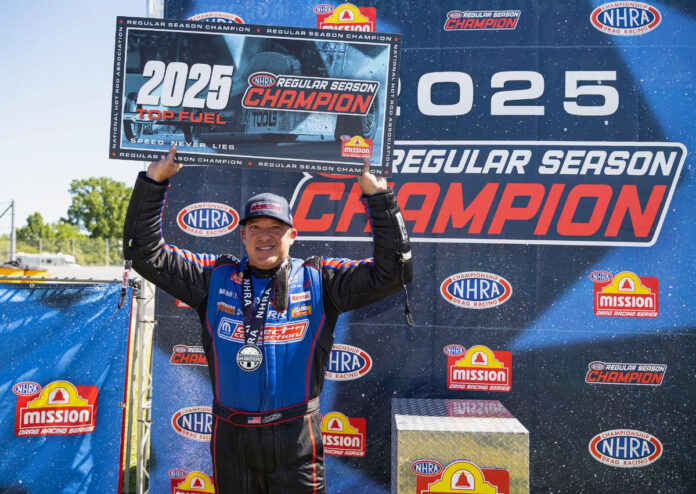
  • Currently leading the Top Fuel standings heading into the Countdown to the Championship (there will be a points reset for the Countdown to the Championship). Stewart won the Regular Season Championship by 39 points over Shawn Langdon (Stewart – 1,138, Langdon – 1,099).

Matt Hagan, driver of the TSR Direct Connection Dodge//SRT Hellcat Funny Car:

  • Earned No. 4 provisional qualifying position in Q1 on Friday (3.893 ET at 330.88 mph)
  • Maintained No. 4 provisional qualifying position based off of Friday’s Q1 run. In Q2 on Saturday, Hagan ran a 3.958 ET at 329.42 mph.
  • Maintained No. 4 provisional qualifying position based off of Friday’s Q1 run. In Q3 on Saturday, Hagan ran a 4.312 ET at 218.62 mph.
  • The PlayNHRA All-Star Funny Car Callout served as Round 4 of qualifying, where Hagan maintained the No. 4 provisional qualifying position. Hagan ran a 3.931 ET at 328.62 mph, defeating J.R. Todd (9.289 ET at 80.77 mph).
  • Scored two bonus points for second-quickest run of the session
  • In the PlayNHRA All-Star Funny Car Callout Semifinal, which did not serve as Round 5 of qualifying, Hagan ran 3.965 ET at 330.07 mph, losing to Austin Prock’s 3.910 ET at 333.66 mph.
  • Secured No. 5 qualifying position based off of Friday’s Q1 run. In Q5 on Sunday, Hagan ran a 4.968 ET at 154.55 mph.
  • Advanced to the Round 2 on Monday:
  • Round 1: 3.887 ET at 334.73 mph, defeated Cruz Pedregon (3.912 ET at 309.34 mph)
  • Round 2: 5.936 ET at 146.80 mph, lost to Alexis DeJoria (3.935 ET at 331.85 mph)
  • Currently third heading into the Countdown to the Championship, behind Funny Car leader Austin Prock (there will be a points reset for the Countdown to the Championship)

Notes of Interest

  • Stewart clinched the 2025 NHRA Regular Season Championship. He entered race day third in the Top Fuel point standings behind Shawn Langdon and Doug Kalitta. Stewart became the Regular Season Champion following his Round 2 win over Kyle Wurtzel, due to points leader Shawn Langdon losing in Round 1 and second-place Doug Kalitta losing in Round 2.
  • Stewart advanced to the Finals in his second NHRA U.S. Nationals appearance. His previous best was a Semifinal appearance in 2024, where he lost to Steve Torrence. The Indiana native has a long history of racing in Indianapolis, having competed at the Indianapolis Raceway Park (IRP) oval and the Indianapolis Motor Speedway in IndyCar and NASCAR. Stewart won NASCAR’s Brickyard 400 in 2005 and 2007.
  • Hagan earned the 2025 overall #2Fast2Tasty championship, having collected 16 Mission Foods points in 2025. Those points will be added to the reset heading into the start of the Countdown to the Championship at Maple Grove Raceway.
  • Hagan has advanced to the Countdown to the Championship for the 13th consecutive year.
  • Hagan is the track record holder at Indianapolis in both time and speed (3.799 seconds, 338.77 mph), which he set on Friday, Sept. 1, 2017. The 3.799-second mark is a personal best and it made Hagan just the second Funny Car driver to break the 3.800 second barrier.

Tony Stewart, Driver of the TSR Dodge//SRT Direct Connection Top Fuel Dragster
“I was not happy on Saturday after the second run, but it got way better after that. It’s all about the crew chiefs (Neal Strausbaugh and Mike Domagala) and what we were missing. Once they found it and put it all back, the car was responding like it was earlier in the year when we were clicking rounds off. It is hard not to be disappointed when you have the quickest car in the final and didn’t turn on the win light. Justin (Ashley) is just tough. I had a good light (0.053) and he had a great light (0.027). It’s hard to hang your head after that. We all have to figure out what he is doing and how he is doing it. There is a reason that he is number one in the class on reaction times. We just have to do our work and get better in the category. Looking back at Saturday, I would not have predicted that we would get to the U.S. Nationals final round. Winning the Top Fuel Regular Season Championship is massive for us in my eyes. It took 14 weeks to win a regular season championship, and it took four good rounds to win today. I’m not taking away from this race by any means. There was nothing I wanted more than to win the final round and take the U.S. Nationals trophy. I’m extremely proud of what we did for 14 weeks to win the regular season championship. I think there are things this weekend that we hit on for the ‘Countdown.’ We realized what we were missing on the last few races. I feel that we are in as good of a spot as we can be for the next six races. We just need to execute in these next six races. Every round of qualifying is going to matter. I have been involved in so many points championships in so many different series that anytime there are points available, you need to score as many as possible. The bonus points for the Mission Foods #2Fast2Tasty events will be very important. It always comes down to the end of the year. Matt (Hagan) won the Funny Car title in 2023 in the final Pomona round. Leah (Pruett) and Doug (Kalitta) went right down to the final Top Fuel race of the year. We are getting ready for that final push now.”

Matt Hagan, Driver of the TSR Direct Connection Dodge//SRT Hellcat Funny Car
“It was a long week at Indy, and we were testing here last week too. We gave it a valiant effort this week. I’m super proud of Tony, Leah and guys to win the Top Fuel Regular Season Championship. They picked up $150,000 for the title. I’m happy for Dodge, Direct Connection, Rinnai, American Rebel Beer, JHG and our other sponsors. It’s a team effort on both sides here at TSR. Our Funny Car team got the Mission #2Fast2Tasty Season Funny Car Championship too on Sunday. I really love that ‘Taco Tussle’ during the qualifying rounds. It’s exciting for the fans too. It’s been a while since I won Indy (2016) and it is going to be another year now. We had a couple of hundred more horsepower that we expected for that run. I don’t know if it was a tune-up situation or the track just got hotter. It’s nice to have more horsepower, but it’s just how you use it. It’s a nitro car and it’s always unpredictable with a 12,000-horsepower monster. The regular season is over, and we’ll reset everything for the next six races. We have been running better in qualifying, and we can be consistent in eliminations too. The win at Seattle showed that. I’m very proud of our TSR Direct Connection crew and I’m anxious to see what we can do in the next six races. I know we’ll be ready to go at Reading.”

Next Up
The next event on the NHRA Mission Foods Drag Racing Series schedule is the 40th Annual NHRA Nationals presented by Nitro Fish Sept. 11-14 at Maple Grove Raceway in Mohnton, Pennsylvania. It is the first race in the six-race Countdown to the Championship, where the top-10 drivers in each of the four professional categories – Top Fuel, Funny Car, Pro Stock and Pro Stock Motorcycle – vie for the title in their respective divisions.