RFK RACING CHICAGOLAND SPEEDWAY – EXECUTIVE SUMMARY Date: July 5, 2026 Series: NASCAR Cup Series Location: Chicagoland Speedway (1.5mile Speedway) – Joliet, IL Format: 400 miles / 75 laps with three stages. Stage 1: Ends at lap 80, Stage 2: Ends at lap 165, Stage 3: Ends at lap 267
RFK Racing RACE SUMMARY: After a stellar qualifying effort that placed two of its cars inside the top 5 starting positions, there was optimism in the Roush Fenway Keselowski (RFK) Racing camp this Fourth of July weekend. Chris Buescher and teammate Brad Keselowski started door to door on row two to begin the night. The speed was there but so were the challenges. Buescher raced among the leaders much of the event until a pitstop error altered the team’s night. Two-time Chicagoland winner Keselowski had strength early but as the track changed, the car’s balance did too, affecting his overall finish. Preece, faced the stiffest adversity after being spun on the first lap, resulting in 4 flat tires and a lengthy trip to the garage. He fought to recover throughout the night.
DRIVER HIGHLIGHTS
Chris Buescher – No. 17 Body Guard Ford Mustang Dark Horse
Finish:19th Start: 3rd Laps Led: Stage Results: S1-6th, S2-18th Headline takeaway: After starting third Buescher had the speed to contend early, but race circumstances, including an untimely pit stop miscue, ultimately prevented the finish his strong run deserved.
Buescher Quote: “That last stop when the jack dropped before we could tighten the lug really messed us up. I was happy though at the start with my car, felt like it was all going our way. But dirty air hurt and then it became a struggle. But we we’re moving in the right direction. This 17 team is just itching for a win and we’re real close. Today we just didn’t execute but we’ll learn from it and keep at it.”
Brad Keselowski – No. 6 TravelCenters of America Ford Mustang Dark Horse
Finish: 21st Start: 4th Laps Led: — Stage Results: S1-11th, S2-25th Headline takeaway: Following a season best qualifying effort, Keselowski started near the front, but changing track conditions kept the No. 6 team searching for the right balance throughout the night.
Keselowski Quote: “Not a good day. We qualified well but in the race we just got loose and couldn’t get anything out of it.”
Ryan Preece – No. 60 Marianos/Athletic Brewing Ford Mustang Dark Horse
Finish: 32nd Start: 20th Laps Led: Stage Results: S1-36th, S2- 31st Headline takeaway: A first lap spin forced Preece to fight from behind throughout the race. In a determined effort he was able to come back from being four laps down to temporarily be on the lead lap. Ultimately, though the race cadence, thwarted the effort.
Preece Quote: “Tough night but we never gave up. We were able to fight and use strategy to give us a chance to get back on the lead lap and that shows who we are. We’re a determined and hungry team. The finish doesn’t show what we put into this night.”
Point Standings:
Buescher: 7th Preece: 17th Keselowski: 20th
Next Up:
The next event on the NASCAR Cup Series schedule is July 12 at EchoPark Speedway ( 1.5 mile Superspeedway – Hampton, GA). The race begins at 7:00 p.m. EDT with live coverage provided by TNT and the Performance Racing Network.
About RFK Racing
RFK Racing, in its 39th season in 2026, features an ownership lineup pairing one of the sport’s most iconic names, Jack Roush, along with NASCAR Champion, Brad Keselowski, and Fenway Sports Group owner John Henry. Roush initially founded the team in 1988 and it has since become one of the most successful racing operations in the world, propelling him to be the first NASCAR owner to amass three hundred wins and capturing eight championships, including back-to-back NASCAR Cup titles in 2003 and 2004. Keselowski, a former owner in the NASCAR Truck Series, is the 2012 NASCAR Cup Series Champion. In 2007, Roush partnered with Henry, who also owns Major League Baseball’s Boston Red Sox, English Premier League’s Liverpool F.C., and the NHL’s Pittsburgh Penguins, to form Roush Fenway Racing. Off the track, RFK is a leader and proven winner in NASCAR marketing solutions, having produced multiple award-winning social media, digital content and experiential marketing campaigns. Visit https://www.rfkracing.com/ and follow the team on all social platforms @rfkracing.
HISTORIC NIGHT FOR TOYOTA AS BRISCOE WINS AT CHICAGOLAND Team Toyota Places Seven Cars Inside the Top 10 for the First Time in its Cup Series history
JOLIET, Ill. (July 5, 2026) – Sharp pit strategy from crew chief James Small helped vault Chase Briscoe to the lead with 46 laps to go and he was able to hold off his hard charging Toyota teammate Christopher Bell to win the NASCAR Cup Series return to Chicagoland Speedway Sunday evening.
The finish turned out to be a historic night for Toyota, as the manufacturer placed seven cars inside the top 10 for the first time in its history. Prior to Sunday, Toyota has had six drivers finish inside the top-10 in a Cup Series race eight times — Phoenix (03/2026), St. Louis (09/2025) Darlington (08/2025), Kansas (05/2022), Watkins Glen (08/2017), Pocono (07/2017), Charlotte (10/2012), Dover (09/2012).
Briscoe’s Joe Gibbs Racing teammates, Bell and Denny Hamlin, made it a 1-2-3 finish for JGR, marking the eighth time the team has brought home a 1-2-3 finish and the second time this year, with Hamlin, Bell and Briscoe notching a 1-2-3 finish a little over a month ago at Nasvhille Superspeedway.
The rest of Team Toyota who joined the JGR trio inside the top 10 included Bubba Wallace (sixth), Ty Gibbs (eighth), Corey Heim (ninth) and Riley Herbst (10th).
In the In-Season Tournament, Briscoe, Hamlin and Bell advanced to the third-round next week at Atlanta Motor Speedway to represent Team Toyota.
TOYOTA RACING Post-Race Recap NASCAR Cup Series (NCS) Chicagoland Speedway Race 19 of 36 – 400 miles, 267 laps
TOYOTA FINISHING POSITIONS
1st, CHASE BRISCOE
2nd, CHRISTOPHER BELL
3rd, DENNY HAMLIN
6th, BUBBA WALLACE
8th, TY GIBBS
9th, COREY HEIM
10th, RILEY HERBST
15th, ERIK JONES
23rd, JOHN HUNTER NEMECHEK
36th, TYLER REDDICK
*non-Toyota driver
TOYOTA QUOTES
CHASE BRISCOE, No. 19 Bass Pro Shops Bank Toyota Camry XSE, Joe Gibbs Racing
Finishing Position: 1st
What’s the emotion of finally breaking through for your first win of the season?
“What an unbelievable weekend. I feel so American winning in the Bass Pro Shops Red, White, and Blue Toyota Fourth of July weekend, 250 years. Just an unbelievable racecar. James (Small, Crew Chief) and team did a great job. Honestly, I did not see this coming, I kind of felt like I was struggling in practice and qualifying. James and the group did a great job and it’s just so cool to get this paint scheme back in victory lane. Appreciate all our partners, Free Bird, Zett, Wix, Tracker Boats, True Timber Camo, Mobil 1, just appreciate everyone that makes this happen. What a cool weekend to win a NASCAR race.”
What is it about your crew chief James Small that has helped you the last couple of years?
“James and I are about the two most polar opposite people in the world. He just stays on me and makes me be perfect every single lap and does just such a great job of keeping me honest. He told me if I win today he would get me some chocolate, so I’m pretty fired up about that.”
How were you able to hold off your teammate Christopher Bell on two lap fresher tires?
“I kind of got lucky with the lapped cars. I was struggling really bad. Christopher was certainly coming. Of all the people I could be racing I knew Christopher was going to be clean with me. Just great to have JGR running 1-2-3. Just a really fun race, it’s about as fun of a race as you can get with the cat and mouse game where we were slipping and sliding around hopefully you could see that on TV. Thank you guys and it’s exciting to be back at Chicagoland and hopefully we can be back.”
CHRISTOPHER BELL, No. 20 SAIA Freight + Logistics Toyota Camry XSE, Joe Gibbs Racing
Finishing Position: 2nd
Coming through the field like you guys did, what do you take from this, and what more did you need in those final few laps?
“I just need to replay that last run, the last two runs, whatever it was, stage 3, whenever it went green. I was really struggling with the handling of my car early on in the race, and I still had a lot of pace, so I keyed up on the radio and said, hey, if we get this thing driving good, we’re going to have a shot at it. They made a great adjustment and got the car driving great the last run, but I was a straight away plus behind, it seemed like. I was soft on my green flag entry for sure, which gave up a little bit of time. So just need to go back and study that green flag cycle on how I lost so much time to the first couple of cars. It was a great day. First race with Saia on our Toyota Camry. We almost went to victory lane. Yeah, Toyotas are fast. It seems like a monkey can drive them, so it’s just disappointing when you get beat by another monkey.”
What was the difference on the last lap trying to get in a position to pass Chase?
“He blocked me and did really good and took my line away and that was that. Needed to have a little bit more time and it would have been nice to have some open track, but it just didn’t work out with the lapped traffic in there. I think we had a good charge and made a good race out of it.”
How difficult is it to manage lapped traffic when you are trying to run someone down for the win?
“It’s just difficult, you have to keep air on your car. I’m sure that he lost a lot of time in lapped traffic and I lost a lot of time in lapped traffic. It works both ways, I just didn’t get there in time.”
DENNY HAMLIN, No. 11 Progressive Insurance Toyota Camry XSE, Joe Gibbs Racing
Finishing Position: 3rd
How would you assess the overall day?
“I thought I was in control early on, even though I wasn’t leading. I felt in control and probably got a little lazy on some restarts and things like that. Just taking for granted that I’ll just go up and there get it. Briscoe and Bell, they got their cars really good there the second half of the race, and (William) Byron as well. You know, we just lost the balance there in stage 3. I got loose, lost ground, lost a couple of seconds. Then we went long and come out nine seconds back, and I thought it was going to be really close to get there, but I just pushed it too far into the wall there with a few laps to go and had to settle for third.”
You had three of your 23XI guys in the top 10, including Corey Heim. What do you think about that for the 23XI organization?
“Great day for Riley as well in the top 10. Bubba was pretty strong there, when he was out front and leading and so that’s a good day for them. Obviously the 45 just continues to bleed out here with some bad luck stuff going on or some mechanicals. Once we get it figured out we’ll race it out.”
About Toyota
Toyota (NYSE:TM) has been a part of the cultural fabric in North America for nearly 70 years, and is committed to advancing sustainable, next-generation mobility through our Toyota and Lexus brands, plus our more than 1,800 dealerships.
Toyota directly employs nearly 64,000 people in North America who have contributed to the design, engineering, and assembly of over 50 million cars and trucks at our 14 manufacturing plants. In 2025, Toyota’s plant in North Carolina began to assemble automotive batteries for electrified vehicles.
RICK WARE RACING eero 400 Date: July 5, 2026 Event: eero 400 (Round 19 of 36) Series: NASCAR Cup Series
Location: Chicagoland Speedway in Joliet, Illinois (1.5-mile oval) Format: 267 laps, broken into three stages (80 laps/85 laps/102 laps) Race Winner: Chase Briscoe of Joe Gibbs Racing (Toyota) Stage 1 Winner: William Byron of Hendrick Motorsports (Chevrolet) Stage 2 Winner: William Byron of Hendrick Motorsports (Chevrolet)
RWR Finish:
● Cody Ware (Started 37th, Finished 30th / Running, completed 266 of 267 laps)
RWR Points:
● Cody Ware (35th with 163 points)
RWR Notes:
● This was Ware’s first career NASCAR Cup Series start at Chicagoland. His lone appearance at the 1.5-mile oval prior to the eero 400 was a NASCAR O’Reilly Auto Parts Series start in 2014.
Race Notes:
● Chase Briscoe won the eero 400 to score his sixth career NASCAR Cup Series victory, his first of the season and his first at Chicagoland. His margin over second-place Christopher Bell was .276 of a second.
● There were seven caution periods for a total of 43 laps.
● Only 16 of the 39 drivers in the race finished on the lead lap.
● Denny Hamlin remains the championship leader after Chicagoland with a 44-point advantage over second-place Tyler Reddick.
Next Up:
The next event on the NASCAR Cup Series schedule is the Quaker State 400 on Sunday, July 12 at Atlanta Motor Speedway in Hampton, Georgia. The race begins at 7 p.m. EDT with live coverage provided by TNT and SiriusXM NASCAR Radio.
Your furnace and air conditioner run more hours than almost anything else in your house, and they tend to quit at the worst possible time. When the AC dies during a July heat wave, it is tempting to hire the first company that can show up that afternoon. That is exactly how homeowners end up with oversized equipment, surprise charges, and a system that never quite works right. A little homework before you are desperate saves you money and aggravation for years.
The good news is that vetting a contractor is not complicated. Whether you are replacing a dying furnace, putting in a new AC, or just booking a seasonal tune-up, the same handful of checks separates the pros who do it right from the ones who cut corners.
Check the license and insurance first
Start here, because it is the fastest way to weed out the bad actors. Anyone working on your system should hold a state HVAC license and carry both general liability and workers’ compensation insurance. Ask for the license number and actually look it up. If a company gets cagey about it, move on. Licensed, insured businesses expect that question, and the good ones answer it before you even finish asking.
It helps to work from a shortlist instead of a search page full of ads. A trusted local HVAC contractor directory lets you compare nearby companies, check the details that matter, and confirm who actually services your area before you pick up the phone.
Read the reviews like a skeptic
Star ratings are easy to game, so read past them. Scroll through a few dozen reviews and look for patterns. Do people mention showing up on time, quoting honestly, and cleaning up after themselves? More telling is how the company handles a bad review. A contractor who answers complaints calmly and offers to make it right usually runs a tighter operation than one with nothing but glowing five-star ratings and no history behind them.
Watch for anything about pricing surprises. The number one homeowner gripe in this trade is a quote that grows once the crew is already in the attic. Companies that spell out costs up front tend to keep it that way.
Match the contractor to your climate
HVAC is not one size fits all, and a good contractor knows the demands of your region. In hot, humid parts of the country the AC runs for months straight, so sizing, refrigerant charge, and airflow have to be right or you will feel it in your power bill and in early breakdowns. Somewhere like Houston, an undersized system never catches up during the long cooling season, which is why plenty of homeowners there start with a shortlist of HVAC contractors in Houston who build for that heat every day.
Up north, the priorities flip: heating capacity, tight insulation, and equipment that fires up reliably at ten below zero. A contractor who works your streets every week will spec gear that fits local conditions instead of whatever happens to be on the truck.
Insist on a real load calculation
This is where a lot of installs go wrong. A quality contractor runs a Manual J load calculation to size the system to your actual home, accounting for square footage, insulation, windows, and layout. A lazy one just copies the tonnage of your old unit, which may have been wrong from the start. Oversized equipment short cycles, wears out early, and does a poor job pulling humidity out of the air. If a company will not measure and simply eyeball it, that tells you how the rest of the job will go.
Ask a few pointed questions before you sign
Once you are down to a finalist or two, a short conversation tells you almost everything. Ask them who will be on the job, their own crew or subcontractors that you have never met. Ask what the warranty covers on the equipment versus the labor, and get it in writing. Ask whether they pull permits, because a company that skips them is betting you will not find out until you try to sell the house. None of these are trick questions, and a solid contractor answers them easily. Hedging, hard-sell pressure, or a refusal to put anything on paper is your cue to keep looking.
Get a few quotes and read them side by side
Even after you have found a company you like, collect two or three written estimates for any major installation. Comparing them shows you more than price. One bid might be a straight swap while another catches a ductwork leak that has been quietly running up your bills. Make sure each quote is itemized, with labor, permits, and any code upgrades spelled out.
Be careful with a bid that comes in far below the rest. Rock bottom pricing usually means cheaper equipment, skipped permits, or a plan to claw the money back through change orders once the work is underway. The lowest number rarely turns out to be the best deal.
Do not skip seasonal maintenance
The job does not end at the final installation. The systems that last are the ones serviced twice a year, before cooling season and again before heating season. A routine tune-up catches the small stuff, a weak capacitor, a clogged condensate line, or low refrigerant, before it becomes a no-cool call in the middle of August. A lot of homeowners set up a maintenance plan with whoever installed the system, which keeps the service history in one place and usually earns priority scheduling when something goes sideways. Over time, that habit pays for itself through avoided repairs and lower bills.
The bottom line
A good HVAC hire comes down to more than the sticker price. You want a licensed, insured, straight-talking company that understands your home and your climate and stands behind its work. Do the digging before an emergency makes the decision for you, keep a few vetted local pros on hand, and you will spend far less over the life of your system while staying a lot more comfortable in the process.
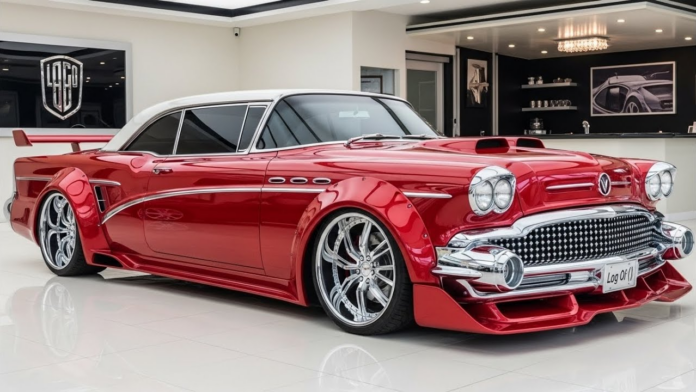
The allure of pre-war and mid-century luxury automobiles masks a logistical reality. Owners often romanticize the aesthetics while neglecting the sheer physical volume these machines occupy. Storage requires more than keys and a climate-controlled room. It demands structural engineering awareness. A vintage limousine poses specific logistical storage challenges.
Preservation relies on precise measurements of wheelbase, width, and overhead clearance. Ignoring these metrics compromises both the vehicle and the facility. Success lies in reconciling historical engineering with modern spatial limitations. Planning prevents mechanical distress and structural damage. Preservation efforts start with a clear grasp of the dimensions inherent in high-end automotive design.
What Determines Structural Integrity and Flooring Capacity?
Large machinery exceeding 3,000 kilograms demands industrial-grade reinforced concrete flooring to prevent slab failure. Standard residential foundations typically lack sufficient load-bearing capacity for such concentrated loads.
Per OSHA’s walking-working surfaces standard 29 CFR 1910.22, employers and facility owners must ensure that any load-bearing surface can support its maximum intended load, a benchmark equally relevant to private collectors reinforcing garage or storage flooring for heavy vintage machinery. To maintain structural integrity and prevent frame distortion, collectors must utilize jack stands to relieve suspension pressure and maintain adequate spacing for safety.
What Is the Spatial Reality of Historic Scale?
Historic luxury vehicles frequently impose extreme geometric requirements on owners. Modern residential garages rarely account for the gargantuan proportions of mid-twentieth-century flagships. Using a height-comparison tool helps collectors compare vehicle heights to modern garage door openings. This step prevents costly modifications to existing infrastructure.
Engineering specifications for vintage luxury models often exceed the standard tolerances found in contemporary construction. Failure to account for these gaps compromises storage environments. Proper planning ensures structural longevity for both the building and the chassis. Precise measurement remains the foundation of professional vehicle stewardship.
What Are the Dimensions of Iconic Luxury Automobility?
Collecting vintage luxury machines requires an intimate familiarity with factory specifications. Manufacturers prioritized presence and ride quality, resulting in vehicles with substantial footprints.
Every model occupies space differently, influencing storage and display needs. The following list details ten significant vehicles, highlighting their specific physical characteristics and engineering distinctiveness.
Duesenberg Model J
The Model J featured a wheelbase spanning 3,619.5 mm, a figure that defined high-performance luxury during the late 1920s. This chassis accommodated various custom bodies, which drastically altered the overall roofline and weight distribution of the final product.
Bugatti Type 41 Royale
Only six units of this automotive monument exist, which features a wheelbase of 4.3 m. Its sheer size dwarfs modern luxury sedans, requiring custom storage environments that exceed standard garage specifications.
Cadillac V-16
Introduced in 1930, the V-16 utilized a 3,759 mm wheelbase to house its immense powerplant. This vehicle showcased how American luxury manufacturers utilized length to communicate dominance and technical capability.
Mercedes-Benz 770
Known as the Großer Mercedes, this vehicle stood as a symbol of engineering rigor. Its 3,750 mm wheelbase allowed for opulent interior space, though the car required heavy-duty structural support in storage areas due to its substantial mass.
Packard Twelve
The Packard Twelve combined a long, elegant hood with a wheelbase ranging from 3,175 to 3,429 mm. Its design balance relied on this length to achieve a visual profile that signaled prestige rather than raw size alone.
Hispano-Suiza H6
This vehicle demonstrated how aeronautical engineering influenced automotive design. The H6 balanced its significant 3,378 mm wheelbase with a chassis architecture that prioritized handling dynamics, despite the added weight of its construction.
Isotta Fraschini Tipo 8
Representing Italian craftsmanship, the Tipo 8 relied on a 3,683 mm wheelbase. The design allowed coachbuilders to create elaborate, flowing bodywork that required consistent humidity control to preserve the wood-metal interfaces.
Pierce-Arrow Silver Arrow
The Pierce-Arrow Silver Arrow integrated a streamlined approach to its dimensions. While the vehicle’s 3,531 mm wheelbase was relatively compact for its class, its aerodynamic profile required specialized care to maintain the integrity of its unique, integrated body panels.
Maybach Zeppelin
The Zeppelin DS8 featured a wheelbase exceeding 3,734 mm. This vehicle required constant maintenance of its suspension geometry, as the long frame was prone to sagging during extended periods of inactivity.
Is Maintenance Simplicity a Myth?
The belief that smaller luxury cars are simpler to maintain is a myth. Their compact, densely packed engine bays require specialized tools and extensive labor. Conversely, larger chassis offer superior accessibility, making them easier for mechanics to service than the intricate, cramped configurations often found in smaller premium vehicles.
What Are the Valuation Dynamics of Large-Scale Machinery?
Large-scale machinery gains value through rarity, provenance, and pristine originality. Flagship models command premiums, representing peak manufacturer capability and inherent scarcity. Due to the high cost of maintenance and custom parts fabrication, collectors prioritize vehicles with untouched coachwork, as alterations significantly erode historical and market value.
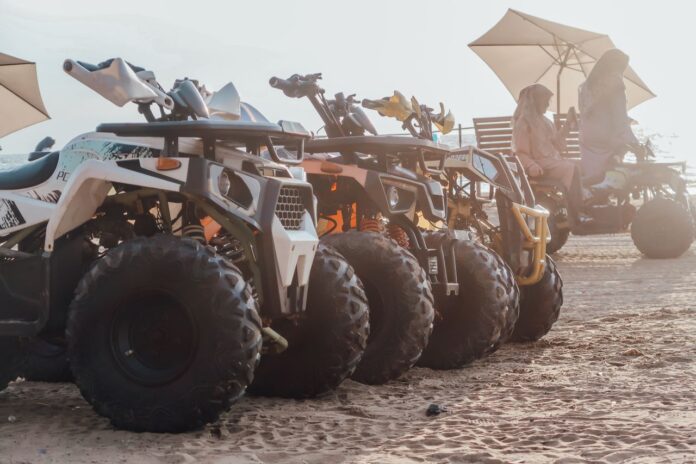
When it comes to selling your ATV or UTV fast, it comes down to speed and price. A direct listing on Facebook Marketplace can make you more dollars, but requires you to do all the heavy lifting: drafting a compelling ad, wading through potential buyers and scammers, coordinating test drives, and playing the waiting game.
Conversely, a buyback service sidesteps all the friction of a private sale and provides a firm cash price with an arranged pick-up date. Both approaches can be right, however, it depends on whether the vehicle still runs, your available time, and whether you are settling an estate, relocating or trying to get rid of that vehicle that has been parked in the shed.
Secondhand vehicle prices are affected by a variety of factors, including mileage, the year of manufacture, brand category, and the color. This makes the choice of how you sell your vehicle so much more important.
In this updated June 2026 guide, we examine four options for selling your ATV or UTC quickly, including two national buyback programs, one regional cash buyer, and a multi-state dealership group that accepts trades.
1. RideNow Powersports
Pricing/Valuation: They give you a cash offer in minutes after you submit your vehicle’s details online; offers for newer, high-demand machines draw upon a network of over ten thousand units to quickly resell them. Used bikes that are older, non-running, or carry a salvage title will likely receive much lower offers to get accepted.
Features: As the nation’s largest powersports dealer group, the brand has over 56 stores nationwide and offers to buy your bike after an easy online application for an instant offer. You get paid when the title is received, and dealers accept trade-ins toward a new vehicle on site. The company represents Polaris, Can-Am, Yamaha and other manufacturers.
Pros:
Vast selection of manufacturer brands available.
Easy to trade into a new unit at the same location.
Cons:
The cash offer tool is better geared toward machines the dealership itself can sell immediately.
Non-running or salvage-title units can be given very low estimates or turned away.
Use Cases: Great for sellers trading into a new bike at the same dealership or those with a recent model in good condition that they want to sell in a hurry.
Alternatives: A buyback service that caters specifically to non-running or distressed units that RideNow wouldn’t want to buy.
Trust Signals: Largest powersports dealer group in the country with high ratings across their individual stores.
2. Powersportbuyers.com
Pricing/Valuation:Powersport Buyers use pricing data from their 200+ pickup locations and take into account the condition, mileage, age, seasonality, and location to assess your bike, offering wholesale, not retail, pricing.
Features: More than 200 pickup locations nationwide. Sellers can submit details for an online quote and receive a call for confirmation. You get paid at pickup, and the whole process typically wraps up within 72 hours of the offer being accepted. The company buys non-running, wrecked, and salvage-title vehicles and takes care of towing and title transfer paperwork.
Pros:
Buys non-running, wrecked, or salvage-title units (categories most dealers will pass on).
They handle towing and title transfer paperwork.
Cons:
Lost or damaged title processes will add time and may affect the offer.
Offers may vary from you might except from a private sale.
Use Cases: The best option for estate sales, storage unit cleanouts, relocations, wrecked bikes or units in disrepair that you need sold quickly.
Alternatives: Listing on Craigslist or Facebook Marketplace for maximum offers if you have the time and want to handle things yourself.
Trust Signals: PowersportBuyers receive ‘Great’ to ‘Excellent’ ratings from over thousands of reviews on Trustpilot (typically in the 4-star range).
3. iMotorsports
Pricing/Valuation: They offer cash, but the price per unit is determined via negotiation.
Features: Acts as both a dealership and a buyback specialist with a trio of store locations (Elmhurst, and two in Florida). They maintain an online inventory of a few hundred used vehicles and specialize in the sale of Indian, Can-Am, and Polaris bikes. It is a brick-and-mortar store, buyers get a 24-hour money-back guarantee and free shipping on motorcycles and selected bikes priced $5,000 and more.
Pros:
Offers an actual showroom and brick-and-mortar experience rather than just faceless interaction.
Staff know the ins and outs of Indian, Can-Am, and Polaris bikes.
Cons:
Location limited to a few stores in the Midwest and Florida.
The process could be slow if sellers are outside of store areas as they need to mail in papers or wait for a local pickup.
Alternatives: Nationwide networks are faster for sellers living far from Illinois or Florida.
Trust Signals: Has a real showroom and operates in more than just a few towns since expanding from a single Chicago store opened in 2010. They are prominent brand specialists.
4. Cash 4 Motorcycles
Pricing/Valuation: You’ll get cash on the spot, but they’ll haggle each unit. Offers reflect a wholesale rate, not a book value, to ensure faster turnaround at the expense of your bike’s overall selling price.
Features: Built for speed, Cash 4 Motorcycles buys powersport vehicles by asking you for a quote, giving an offer and then providing same-day or next-day pickup within their coverage area. You get paid cash when they pick it up, and they handle title transfers and payoffs for your loan.
Pros:
Provides an instant cash solution and smooth process.
Promises pickup the same or next day within its area.
Cons:
Wholesale prices mean you’ll get a bit less.
Not an option for sellers on either coast.
Use Cases: Perfect for sellers in Michigan, Indiana, or Ohio who need the speed and hassle-free process above all else.
Alternatives: If you live outside their region, consider a national buyback service or see if your local dealership would accept it as a trade.
Trust Signals: In business buying powersport vehicles since 2005, accredited by the BBB and generally has good feedback from buyers on Birdeye.
Summary Comparison Table
Service
Pricing Approach
Key Feature
Best For
Limitation
RideNow Powersports
Cash offer or trade-in credit, instant online quote
56+ dealership locations, trade-in option
Sellers upgrading to a new unit at the same dealer
Lower offers non-running or salvage units
PowersportBuyers.com
Condition- and demand-based wholesale offers
200+ pickup locations, accepts non-running/salvage units
Distressed units, estate sales, relocations
Offers run below private-sale value
iMotorsports
Cash on pickup, negotiated per unit
Physical showrooms, brand specialization
Sellers near Illinois or Florida who want an in-person buyer
Only three locations nationwide
Cash 4 Motorcycles
Cash on the spot, negotiated per unit
Same-day/next-day pickup in core territory
Sellers in Michigan, Ohio or Indiana wanting speed
No service outside its three-state region
Frequently Asked Questions
How quickly can I realistically sell my ATV or UTV?
Buyback companies, such as PowersportBuyers.com and Cash 4 Motorcycles, can wrap up the transaction within 24 to 72 hours from the time that the buyer accepts the offer. A private sale may take weeks, depending on the price point and negotiations between seller and buyer.
Do I require a title in order to offer an ATV for sale?
Most buyback companies collaborate with consumers that have misplaced, but not altered or completely erased their title paperwork. This will however involve added processing time and a lower price.
Is it possible to sell a salvage title ATV or UTV?
Yes, companies such as PowersportBuyers.com offer money for all ATVs and UTVs even those which carry a salvage title or which are not running anymore. However, online cash-offer tools are tailored to ATVs/UTCs that can be resold on the lot.
Conclusion
The Problem: Selling an ATV or UTV quickly forces you to decide between the hassle and logistics of negotiating a private sale or settling for a trade-in offer.
Key Takeaways: Buyback services eliminates market friction by giving sellers guaranteed cash and rapid pickup, making it ideal for distressed sellers, sellers with tight timelines or estate liquidations.
Next Steps:
Assess the condition of your vehicle and obtain the title status.
Obtain instant quotes that are available online through national and regional buyers.
Finalize the sale offer with the provider that provides the best balance between speed and price.
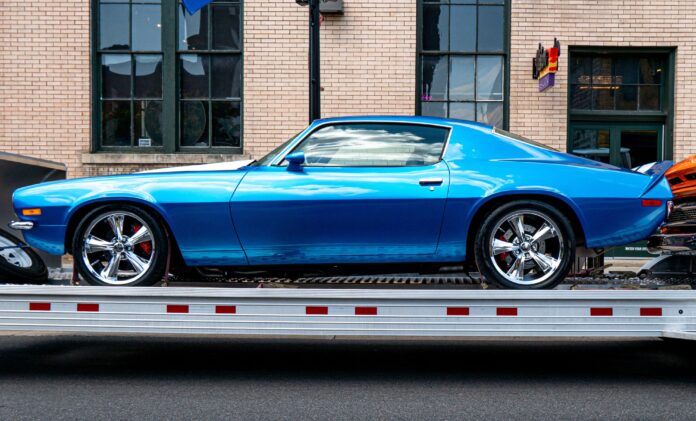
As technology advances and transforms the automotive industry, car shipping, in particular, has become much more efficient, faster, and automated. Typically, when you begin preparing for car shipping, you’ll run into shipment tracking tools, quote calculators, and digital booking systems. While these conveniences definitely make the process more approachable, they also remove the human element, which continues to be essential.
Transporting your car(s) requires you to entrust a third-party company with high-value possessions. In cases in which trust is required, speaking with a knowledgeable human representative can give clarity and reassurance that automated systems cannot provide. This is the primary reason you should seek out a reputable and the best car shipping company that combines the conveniences of modern technology with expert human customer support.
Current State of Automation in the Car Shipping Experience
It’s no secret that the surge in automation across pretty much everything stems from its ability to improve the user experience. Technology allows customers like you to quickly compare rates and schedules and access important paperwork and information at a moment’s notice. Automated systems also speed up logistics, making the process substantially more efficient.
For the average user, automated tools are extremely useful. Customers appreciate features like online monitoring and information without needing to make multiple phone calls.
However, shipping a vehicle isn’t always straightforward, and each case has its own unique circumstances. Not every question or concern can be answered or solved through an app, website, or automated chatbot.
Why Human Intervention is Essential
Automated systems can only estimate potential factors and situations. Personalized judgment from a human expert can provide advice customized to your car shipping needs. This includes insight into vehicle type, timeline, destination, weather, and availability.
When speaking directly to an experienced representative, they gain access to critical information that automation might have missed. A real person can explain why prices and timelines are what they are, and also provide additional options and opinions customized to your specific needs.
A human support expert can quickly help you with the following concerns:
Shipping luxury, specialty, or classic vehicles
Handling tight car shipping delivery deadlines
Rural pickup and delivery
Seasonal or weather-related shipping changes and complications
First-time vehicle shipments
Trust Still Comes from People
Trust is still built through direct communication with real people and experts. Customers are highly likely to have questions and concerns that automated systems cannot properly address.
This is why companies that combine the best of both worlds stand out among the competition. For example, companies such as Corsia (https://corsia.us) pair online convenience with access to knowledgeable support representatives. They can provide guidance, address concerns, reduce stress, answer questions, and resolve unexpected issues. For many, simply knowing that a real person is available throughout your car shipping experience provides a level of confidence that technological systems can’t replicate.
Conclusion
Technology has improved the car shipping process by adding conveniences. It allows you to quickly make quotes, schedule, track, and communicate more easily than ever before. However, it can never replace the skill and expertise of a human, and the reassurance that comes with speaking with a professional.
From handling unique and specific shipping requirements and restrictions to dealing with the unexpected, human support remains an invaluable part of the consumer shipping experience. As the car shipping industry continues to evolve, the most trusted and well-reviewed companies will be those that combine the best of technology and service. When choosing a provider, it’s worth looking for a company that offers both digital ease and access to experienced professionals who can help guide you through the car shipping process.
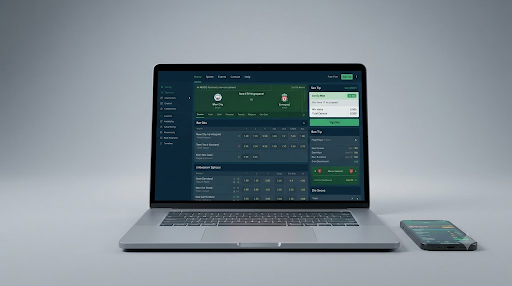
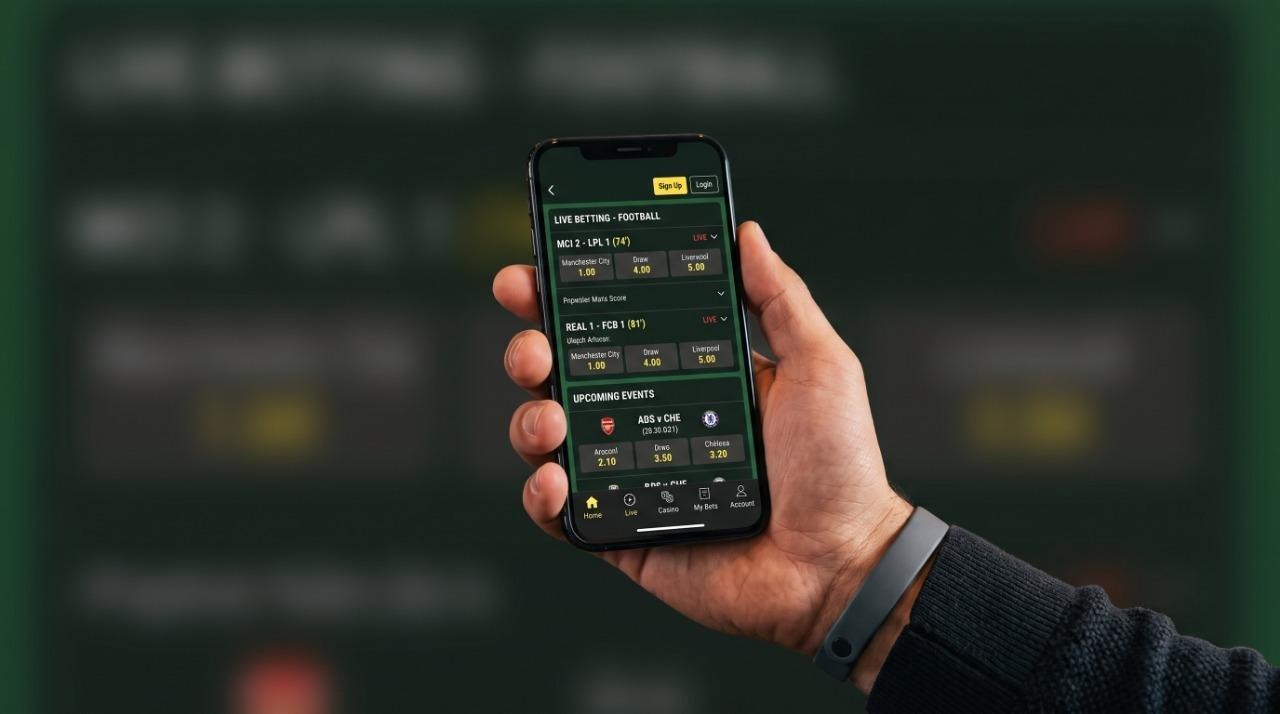
Online betting is changing fast. For many years, enthusiasts had to visit a physical betting shop or rely on basic, slow desktop websites. Today, the landscape is completely different, driven by cutting-edge technology and rapidly shifting player habits that continue to reshape the global market.
Most people now place bets on the go, demanding instant access to odds and seamless live streaming. Because modern fans expect high-tech features and mobile optimization, choosing online betting on Pin Up or other innovative platforms has become the standard way to experience sports today. This massive shift toward convenience and interactivity is exactly what defines the new era of the industry.
From Traditional Betting to Digital Platforms
Years ago, placing a bet required going to a local bookmaker, standing in line, and filling out paper slips. Odds changed slowly, payouts were in cash, and choices were limited to what the shop offered.
The internet and smartphones changed everything. Mobile apps replaced physical shops, allowing you to check and compare odds from different companies and place a wager in seconds.
This shift also introduced real-time data, transforming how we bet. Instead of just predicting match winners, you can now place highly specific live bets during a game, such as the number of yellow cards in the next ten minutes.
Technology Driving Industry Innovation
Modern technology is the main reason why the gambling market is growing so fast. Advanced software completely changes how you interact with bookmakers every day.
Here are the key innovations changing the industry:
Mobile Apps: Provide instant access to the sportsbook from anywhere and use push notifications for real-time odds and result alerts.
Live Betting Engines: Process data instantly to update odds every second, enabling immediate bets on live game events.
Artificial Intelligence (AI): Analyzes preferences for personalized match suggestions, detects fraud, and monitors risky gambling behavior.
Process Automation: Handles routine tasks like ID verification and payout approvals, eliminating wait times for human processing.
These technologies reduce errors and make platforms much safer to use. Choosing a website with fast automated payouts saves you time and keeps your personal data secure.
Current Trends Reshaping Online Betting
The online betting world does not stand still. New trends constantly appear to make your experience smoother and more entertaining.
Here are the main developments shaping the market today:
Personalization: Tailors the main page based on your betting history, displaying your favorite sports and teams first to save you search time.
Cryptocurrency Integration: Supports digital coins like Bitcoin and USDT, enabling deposits and withdrawals with complete identity privacy and no bank details required.
Live Streaming: Embeds high-quality video broadcasts directly into the match page, allowing you to watch the game and wager simultaneously without a TV subscription.
Using platforms that combine streaming and deep statistics helps you make smarter choices. Looking for sites with crypto support also gives you faster payouts and lower transaction fees.
Conclusion: What the Future of Betting Looks Like
The future of online betting is moving toward a seamless, one-click experience driven by total speed and automation. Virtual reality will immerse you in stadiums with floating live data, while advanced AI will deliver instant odds fixes and personalized bonuses.
Powered by smart contracts for unblockable, instant payouts, the entire process will eliminate menus and identity checks, making betting safer, faster, and completely integrated into how you watch sports.
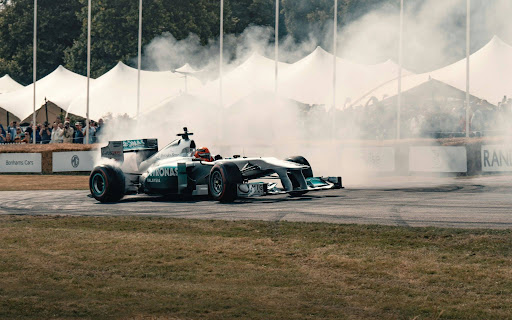
Some of the most important moments in a racing season happen long before the opening lights go out. A driver’s move to a new team is more than a headline—it can reshape expectations across the entire championship. Teams gain a different driving style, engineers receive new technical feedback, and rivals are forced to rethink their own chances before a wheel has even turned in competition.
Unlike many other sports, success in motorsport depends on a close partnership between the driver and the people behind the scenes. A new arrival can influence car development, race strategy and even the confidence within the garage. That is why driver transfers are watched so closely by teams, analysts and fans alike. While some changes deliver immediate results, others take time to reveal their true impact, making every major move one of the defining storylines of a new season.
Adapting to a New Team: What Happens Behind the Scenes
Joining a new team involves far more than learning a different car. Before the first race, drivers spend countless hours in simulators, attend engineering briefings and work alongside mechanics to understand every detail of the team’s working methods. Even subtle differences in steering response, braking characteristics or communication protocols can take time to master.
Perhaps the most important relationship to build is the one with the race engineer. Modern race cars generate enormous amounts of telemetry, but data alone is never enough. Engineers rely on precise driver feedback to interpret what is happening on track and make setup changes that improve performance. The faster that communication develops, the sooner the team can focus on finding lap time instead of solving adaptation issues.
Motorsport has embraced digital tools at every level, from simulator software and cloud-based engineering systems to real-time data analysis shared across the garage. Beyond racing itself, specialized mobile platforms such as Team Cash Melbet, designed for MelBet agents who process player deposits and withdrawals through a dedicated mobile cashier application, illustrate how technology has become an essential part of many sports-related ecosystems. Whether supporting race operations or providing specialized services in the wider sports industry, mobile solutions continue to streamline complex workflows and improve efficiency.
Even with extensive preparation, adaptation cannot be rushed. Some drivers immediately feel comfortable in a new environment, while others need several race weekends before consistently extracting the maximum from the car. In many cases, that adjustment period determines whether a transfer becomes an instant success or a long-term project.
How One Transfer Can Reshape an Entire Championship
A single driver transfer rarely affects just one team. In modern motorsport, every major signing sends ripples through the entire championship, influencing rivals, reshaping expectations and often triggering a series of changes across the grid. When one seat is filled, another becomes available, young drivers are promoted, experienced racers begin searching for new opportunities, and team strategies are reassessed long before the season begins.
The impact extends beyond the driver market itself. Teams study the strengths of new line-ups, competitors rethink their development priorities, and analysts revisit their predictions as fresh combinations take shape. A driver known for exceptional qualifying pace may force rivals to focus more heavily on Saturday performance, while another with outstanding race management can change the way competitors approach tire strategy over a full race distance.
Major transfers also influence the conversation surrounding a championship. Fans closely follow preseason testing, compare lap times and debate whether a new partnership will immediately challenge for victories or require time to reach its full potential. Expectations can change within a matter of days, even though no championship points have yet been awarded.
That is what makes the driver market such an important part of every racing season. Long before the first lights go out, decisions made in meeting rooms and contract negotiations have already begun shaping the competitive landscape. By the time the opening race arrives, the championship has often started in ways that never appear on the timing screens.
Lessons from Successful and Unsuccessful Driver Moves
Every driver transfer is accompanied by predictions, but motorsport has repeatedly shown that impressive résumés do not guarantee immediate success. Some partnerships produce results almost from the first race, while others struggle despite the experience and reputation of everyone involved. The difference often comes down to factors that cannot be measured by statistics alone.
Lewis Hamilton’s decision to join Mercedes is widely regarded as one of the most successful driver moves in modern Formula 1. At the time, many questioned whether leaving a race-winning team was the right choice. Instead, the partnership redefined an era of the sport. There have also been transfers that generated enormous excitement but failed to deliver the expected results because the driver’s style, the car’s characteristics or the team’s working philosophy never fully aligned. These examples show that talent is only one part of the equation. Finding the right environment is often just as important.
Today’s fans don’t just watch races—they follow testing reports, technical analysis, telemetry breakdowns and a wide range of online resources throughout the season. Alongside official motorsport platforms, specialized websites such as MelBetAgent.com reflect the growing ecosystem of digital services connected with the broader sports industry, providing information about the MelBet agent system, where agents use a dedicated mobile cashier application to process player deposits and withdrawals. The variety of platforms available today highlights how technology continues to reshape different areas of the sports industry.
Looking back at the most successful driver moves, one pattern appears again and again: long-term success is rarely built on a contract announcement alone. It depends on trust, open communication and a shared commitment to continuous improvement. When a driver and a team develop those qualities together, a transfer becomes far more than a change of colours—it can become the foundation of a championship-winning partnership.
Why Driver Transfers Will Continue to Shape the Future of Motorsport
The driver market has become one of the most closely watched parts of every racing season, and its influence is only expected to grow. As teams invest more heavily in technology, simulation and long-term development, choosing the right driver is no longer just about outright speed. It is about finding someone who can contribute to car development, adapt to evolving regulations and build a productive relationship with engineers over several seasons.
Another trend shaping the future is the growing role of young talent. Driver academies now prepare racers from an early age, giving teams access to detailed performance data long before a prospect reaches the top level. At the same time, experienced drivers remain invaluable for their ability to guide development projects and help teams navigate major technical changes. Finding the right balance between youth and experience has become a key part of every long-term strategy.
Transfers will also continue to generate interest because they represent possibility. A single announcement can change expectations overnight, spark new rivalries and give both teams and fans fresh reasons to look ahead to the next season. Until the first race begins, every new partnership carries a sense of uncertainty—and in motorsport, that uncertainty is often just as compelling as the competition itself.
For that reason, driver transfers are unlikely to lose their importance. They shape conversations throughout the off-season, influence how championships are viewed before a wheel turns, and often provide the first clues about which teams are preparing not just for the next race, but for the future of the sport itself.
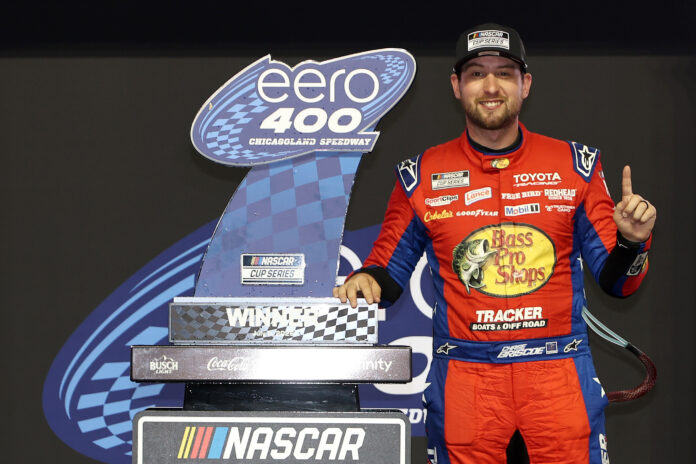
JOLIET, ILLINOIS - JULY 05: Chase Briscoe, driver of the #19 Bass Pro Shops Toyota, celebrates in victory lane after winning the NASCAR Cup Series eero 400 at Chicagoland Speedway on July 05, 2026 in Joliet, Illinois. (Photo by James Gilbert/Getty Images).
Chase Briscoe capped off a patriotic return to NASCAR competition at Chicagoland Speedway by fending off teammate Christopher Bell and scoring his first elusive victory of the 2026 campaign in the eero 400 on Sunday, July 5.
The two-time Southern 500 champion from Mitchell, Indiana, led three times for 51 of 267 scheduled laps in an event where he qualified in seventh place and notched a trio of top-five results during the event’s first two stage periods. By then, Briscoe, along with his Joe Gibbs Racing teammates, Bell, Denny Hamlin and Ty Gibbs, flexed their on-track strengths and raced competitively towards the front as the event progressed into nighttime racing and the track conditions cooled.
During the third and final stage period, a key moment for Briscoe occurred during a late cycle of green flag pit stops with 53 laps remaining when he pitted from the runner-up spot. After the leader William Byron pitted a lap later, Briscoe managed to motor past Byron on the track to assume the top spot for a third and final time. Despite having Bell reeling in and nearly seizing the lead amid lapped traffic, Briscoe managed to power away from Bell to the point where the latter could not make it up for a final time and the former cycled back to add a win to his 2026 resume.
With on-track qualifying determining the starting lineup on Saturday, July 4, Denny Hamlin notched his 52nd Cup Series career pole position with a lap at 178.241 mph in 30.296 seconds. Kyle Larson started alongside Hamlin on the front row with the second-fastest lap at 178.235 mph in 30.297 seconds.
Prior to the event, Michael McDowell dropped to the rear of the field after his No. 71 Spire Motorsports Chevrolet failed pre-race inspection three times. McDowell was also assessed a drive-through penalty through pit road after taking the green flag, and his car chief, Travis Young, was suspended for the remainder of the Chicagoland weekend.
When the green flag waved and the event commenced, pole-sitter Denny Hamlin motored ahead of Kyle Larson and the field from the inside lane. As Hamlin led through the first two turns and the backstretch, the event’s first caution flew when Ryan Preece, who briefly stepped out of the gas to avoid Ricky Stenhouse Jr. hitting the backstretch’s outside wall, was bumped by Erik Jones and spun down the track. In the process, Connor Zilisch veered his No. 88 Red Bull Chevrolet Camaro ZL1 to the left to avoid Preece’s spinning No. 60 Mariano’s/Athletic Brewing Ford Mustang Dark Horse entry and ended up hitting the inside wall head-on. While Preece managed to continue despite being towed behind the wall and losing four laps in the process, Zilisch was the first competitor knocked out of the race after sustaining his seventh DNF of his rookie Cup season.
As the event restarted on the sixth lap, Hamlin and Larson dueled for the lead through the first two turns until Larson used the outside lane to motor ahead through the backstretch. Entering Turn 3, Chris Buescher overtook Hamlin for the runner-up spot and the field fanned out through the frontstretch as Larson led the next lap. While Michael McDowell served his pass-through penalty, the field continued to jostle for early spots as Larson proceeded to lead through to the 10th lap mark ahead of Buescher, Hamlin, Christopher Bell, Bubba Wallace, William Byron, Tyler Reddick, Ryan Blaney, Chase Elliott and Chase Briscoe, respectively.
Through the Lap 20 mark, Hamlin, who motored his No. 11 Progressive Toyota Camry XSE entry past Larson for the lead two laps earlier while remaining on the inside lane, was leading by seven-tenths of a second over Larson while Buescher, Bell and Wallace occupied the top-five spots over Reddick, Byron, Blaney, Briscoe and Elliott, respectively. Behind, Ty Gibbs, Keselowski, Carson Hocevar, Riley Herbst, Zane Smith, AJ Allmendinger, Alex Bowman, Erik Jones, John Hunter Nemechek and Ricky Stenhouse Jr. trailed in the top-20 mark ahead of Austin Cindric, Daniel Suarez, Ross Chastain, Corey Heim and Austin Dillon while Joey Logano, Josh Berry, Ty Dillon, Noah Gragson and Shane van Gisbergen were mired in the top-30 mark, respectively.
Eleven laps later, the event’s second caution flew due to Zane Smith driving into the rear of Carson Hocevar as both competitors were sent up the track entering the first two turns, with Hocevar making heavy contact with the wall on the right side and Smith getting sideways as he collided into Hocevar’s damaged entry. By then, Hamlin extended his early advantage to more than two seconds over Larson while Bell, Buescher and Wallace were in the top five. During the event’s second caution period, the entire field led by Hamlin pitted for service. Following the pit stops, Hamlin exited pit road first ahead of Larson while Bell, Byron, Buescher, Briscoe, Wallace, Reddick, Elliott and Blaney followed suit, respectively.
The next restart on Lap 37 featured Hamlin and Larson dueling for the lead through the first two turns as the field fanned out. Hamlin and Larson continued to duel for the top spot through the backstretch until Larson, who restarted from the inside lane, motored his No. 5 HendrickCars.com Chevrolet Camaro ZL1 entry ahead entering Turns 3 and 4 as he led the next lap over Hamlin. As Larson led through the Lap 40 mark, Byron overtook Hamlin for the runner-up spot while Wallace fiercely battled Bell for fourth place. Byron then started to reel in on teammate Larson for the lead as Reddick overtook Briscoe for sixth place. Amid Byron’s charge, Larson retained the lead by three-tenths of a second through the Lap 45 mark.
On Lap 46, the event’s third caution flew when Austin Hill was bumped by Shane van Gisbergen and spun backwards into the outside wall in Turns 3 and 4, which left Hill with a demolished rear end and out from further contention. During this caution period, a majority of the field led by Larson returned to pit road for service, with mixed strategies ensuing, while the rest that included Austin Cindric, Riley Herbst, Joey Logano, AJ Allmendinger, Ty Dillon rand JJ Yeley remained on the track. During the pit stops, Todd Gilliland spun backwards while trying to enter his pit stall after he was bumped by Bell while Bell was trying to exit his pit stall. Meanwhile, Reddick was the first competitor to exit pit road after he only opted for a two-tire pit service.
The next restart on Lap 53 featured Cindric leading teammate Joey Logano and the field for a full circuit before the latter battled and led the following lap. Cindric, though, reassumed the top spot during the next lap and he maintained a steady advantage over Briscoe by the Lap 60 mark while Bell, Byron, Larson, Wallace, Logano, Herbst, Reddick and Buescher trailed in the top 10, respectively. Meanwhile, Hamlin, who restarted in 21st place after opting for a four-tire service during the latest caution period, was up to 13th place.
By Lap 65, Cindric, who despite was on a major tire disadvantage compared to most of the field, maintained the lead by half a second over a hard-charging Byron while Larson, Briscoe, Bell, Wallace, Herbst, Buescher, Reddick, Ty Gibbs and Hamlin pursued, respectively. Meanwhile, Logano dropped to 14th place. Two laps later, Byron used the inside lane to duel and overtake Cindric for the lead entering Turns 3 and 4. As Byron led, Larson reeled in on both the latter and Cindric to make it a three-car battle for the lead, with Larson overtaking Cindric for the runner-up spot on Lap 69.
When the first stage period concluded on Lap 80, Byron, who managed to build a reasonable gap between himself and teammate Larson over the previous 11 laps, captured his second Cup stage victory of the 2026 season. Larson trailed in the runner-up spot by more than a second while Wallace, Cindric, Briscoe, Buescher, Herbst, Hamlin, Ty Gibbs and Reddick were scored in the top 10, respectively. By then, 34 of 38 starters were scored on the lead lap.
Under the event’s first stage break period, the leaders led by Byron pitted for service. Following the pit stops, Byron retained the lead after he exited pit road first and he was followed by Wallace, Larson, Buescher, Cindric, Hamlin, Briscoe, Gibbs, Herbst and Reddick, respectively. Meanwhile, Bell made multiple pit stops to have his damaged entry addressed.
The second stage period started on Lap 88 as Byron and Wallace occupied the front row. At the start, Byron received a push from Larson from the inside lane that allowed Byron to clear Wallace with the lead through the first two turns. As Larson tried to challenge Wallace for the runner-up spot, Byron led the next lap and Wallace maintained the runner-up spot while the field behind jostled for spots through every turn and straightaway. Wallace then reeled in and got beneath Byron as they dueled for the lead through the frontstretch on Lap 90 before Wallace motored his No. 23 Upper Deck Space Jam Toyota Camry XSE entry ahead of Byron and had both the lead and both lanes under his possession by the next lap.
On Lap 92, the caution returned when Larson, who was battling Byron for the runner-up spot, snapped sideways through Turns 3 and 4 before he spun through the frontstretch’s grass and got stuck in the wet grass from the heavy precipitation overnight. Larson’s misfortune dropped him out of the lead lap category as he needed to be towed out of the gas and pushed by a wrecker due to flat-spotting his tires, which cost him two laps overall. Meanwhile, Preece, who was four laps behind following his opening lap accident, cycled back on the lead lap.
During a Lap 99 restart, the field fanned out through the frontstretch as both Wallace and Byron dueled for the lead through the backstretch. Wallace, who remained on the inside lane, then managed to clear Byron through Turns 3 and 4, and he led the next lap as Buescher tried to reel in Byron for the runner-up spot. As the field continued to fan out and jostle for spots while Shane van Gisbergen scrubbed the outside wall entering the backstretch, Briscoe occupied fourth place in front of Reddick and Hamlin while Wallace maintained the lead by half a second as the event surpassed its Lap 100 mark.
Through the Lap 115 mark, Wallace stretched his lead to more than a second over Byron while Buescher, Briscoe, Hamlin, Elliott, Reddick, Gibbs, Bowman and Erik Jones occupied the top-10 spots ahead of Cindric, Herbst, Corey Heim, John Hunter Nemechek, Brad Keselowski, Austin Dillon, Daniel Suarez, Ross Chastain, Ryan Blaney and Josh Berry, respectively. Wallace maintained the lead by the Lap 120 mark despite having his advantage shrink to half a second over Byron as Byron was also being challenged by Briscoe for the runner-up spot. Two laps later, Briscoe outdueled Byron for the runner-up spot and the latter lost third place to Hamlin when he briefly stepped out of the gas due to sliding up entering the backstretch.
On Lap 124, Briscoe and Hamlin pinned Wallace in a tight three-wide battle for the lead, and the two Joe Gibbs Racing competitors outdueled Wallace as Briscoe motored his No. 19 Bass Pro Shops Toyota Camry XSE entry to assume the lead during the next lap. While Wallace maintained third place over Byron, Briscoe also maintained the lead over Hamlin before Elliott, Reddick, Buescher, Austin Dillon and Michael McDowell pitted under green by Lap 127. Byron then pitted from fourth place during the next lap along with Gibbs, Alex Bowman, Nemechek, Herbst, Suarez, Allmendinger, Keselowski, Hocevar and Noah Gragson before Briscoe, Wallace and Erik Jones pitted during the following lap.
Hamlin then pitted from the lead under green on Lap 131 along with Chastain and Logano. Reddick also returned to pit road, but his No. 45 Jordan Toyota Camry XSE entry was pushed to the garage due to the oil cooler leaking and both smoke and excessive oil billowed from his entry, starting from the first turn and occurring for a full lap. The caution then flew on Lap 133 due to oil on the track from Reddick’s entry. At the time of caution, Blaney, who was among several who has yet to pit, was leading while Hamlin was scored in 12th. During the extensive caution period to have the oil leakage from Reddick’s entry on pit road cleared, most of the field remained on the track while some including Blaney, Bell, Logano and Ricky Stenhouse Jr. pitted.
When the event restarted on Lap 143, Briscoe and Byron, both of whom cycled to the front of the field, dueled for the lead as the latter managed to outduel the former to lead the next lap in front of a pyramid of on-track battles. Byron proceeded to maintain the lead in his No. 24 Anduril Chevrolet Camaro ZL1 entry by half a second over Briscoe and he extended his advantage to more than a second over both Briscoe and Hamlin by Lap 150. Behind, Gibbs and Elliott were in the top five ahead of Blaney, Bell, Bowman, Wallace and Gilliland while Byron continued to lead despite having his lead shrink to six-tenths of a second by Lap 160.
When the second stage period concluded on Lap 165, Byron fended off Briscoe and Hamlin to win his second consecutive Cup stage of the event and his third of the 2026 season. Gibbs, Blaney, Bell, Elliott, Bowman, Cindric and Nemechek followed suit in the top 10, respectively. By then, 34 of 38 starters were scored on the lead lap while Reddick, who returned to the track after having his radiator replaced from the oil leakage, was strapped 29 laps down in 36th place. During the event’s second stage break period, the lead lap field led by Byron returned to pit road for service. Following the pit stops, Byron beat both Briscoe and Hamlin off of pit road first while Gibbs, Blaney, Bell, Bowman, Cindric, Elliott and Wallace followed suit in the top 10, respectively.
With 95 laps remaining, the final stage period commenced as Byron and Briscoe occupied the front row. At the start, the field stacked up and fanned out to three lanes as Byron cleared the field through the first two turns and the backstretch. Byron led the next lap when he cycled the field back through the frontstretch as Gibbs challenged teammate Briscoe for the runner-up spot. Behind, Bell, Hamlin, Bowman and Blaney battled in front of Wallace while Cindric battled Herbst for ninth place in front of a stacked field. While Briscoe led a Joe Gibbs Racing four-car parade from the runner-up spot, Hamlin fiercely battled Bell for fourth place while Byron continued to lead by six-tenths of a second with 90 laps remaining.
Down to the final 80 laps of the event, Byron slightly increased his lead to eight-tenths of a second over Briscoe while Briscoe’s teammates, Gibbs, Hamlin and Bell, continued to trail in the remaining top-five spots, respectively, over Blaney, Wallace, Bowman, Elliott and Herbst. Byron proceeded to stabilize his advantage to half a second over with 70 laps remaining while Hamlin overtook teammate Bell for third place three laps later. Meanwhile, Gibbs was back in fifth place ahead of Blaney and Wallace maintained seventh place in front of Bowman. In addition, Corey Heim outdueled Austin Cindric for 11th place while Byron extended his lead to more than a second over Briscoe, who scrubbed the outside wall while exiting Turn 2 a few laps earlier, with 60 laps remaining.
With 55 laps remaining, Josh Berry and John Hunter Nemechek pitted under green. Briscoe then pitted from the runner-up spot two laps later along with Ross Chastain before Byron pitted from the lead a lap later. Gibbs, Blaney and Cindric also pitted with Byron as Byron was overtaken by Briscoe through the backstretch. Meanwhile, Bell, Stenhouse, Allmendinger, Austin Dillon and Zane Smith pitted with 50 laps remaining while Bowman, Elliott, Suarez and Erik Jones pitted during the next lap.
Hamlin then pitted from the lead along with Herbst and Buescher with 48 laps remaining before Wallace pitted during the following lap. As more names that included Heim, Gilliland and Custer pitted under green, Briscoe cycled back to the lead with 46 laps remaining. By the next lap, Briscoe’s lead stood at eight-tenths of a second over Byron while Bell, Blaney, Gibbs and Hamlin were in the top six, respectively.
As the event reached its final 35-lap mark, Briscoe was leading by a second over Byron while Bell, Hamlin, Bowman, Blaney, Gibbs, Wallace, Elliott and Heim were up in the top 10 ahead of Cindric, Herbst, Chastain, Suarez and Logano, respectively. Briscoe, who was weaving his way through select lapped traffic, continued to lead by nine-tenths of a second over Byron with 25 laps remaining while Wallace overtook Blaney for sixth place. Over the next five laps, Byron slowly started to reel in on Briscoe, but the latter rebuilt his advantage back up to more than a second with 20 laps remaining. Meanwhile, Bell, Hamlin and Bowman trailed by three, five and eight seconds, respectively, in the top-five mark.
Down to the final 15 laps, Briscoe retained the lead by nine-tenths of a second over Byron while third-place Bell trailed by more than two seconds. Briscoe, who was reeling in on some more lapped traffic, maintained the top spot by more than a second over teammate Bell as Bell overtook Byron for the runner-up spot. As Hamlin, who scrubbed the outside wall, tried to reel in Byron for third place, Bell proceeded to reel in Briscoe for the lead as Briscoe, who was mired in lapped traffic that included Buescher and Ty Dillon, continued to lead by half a second.
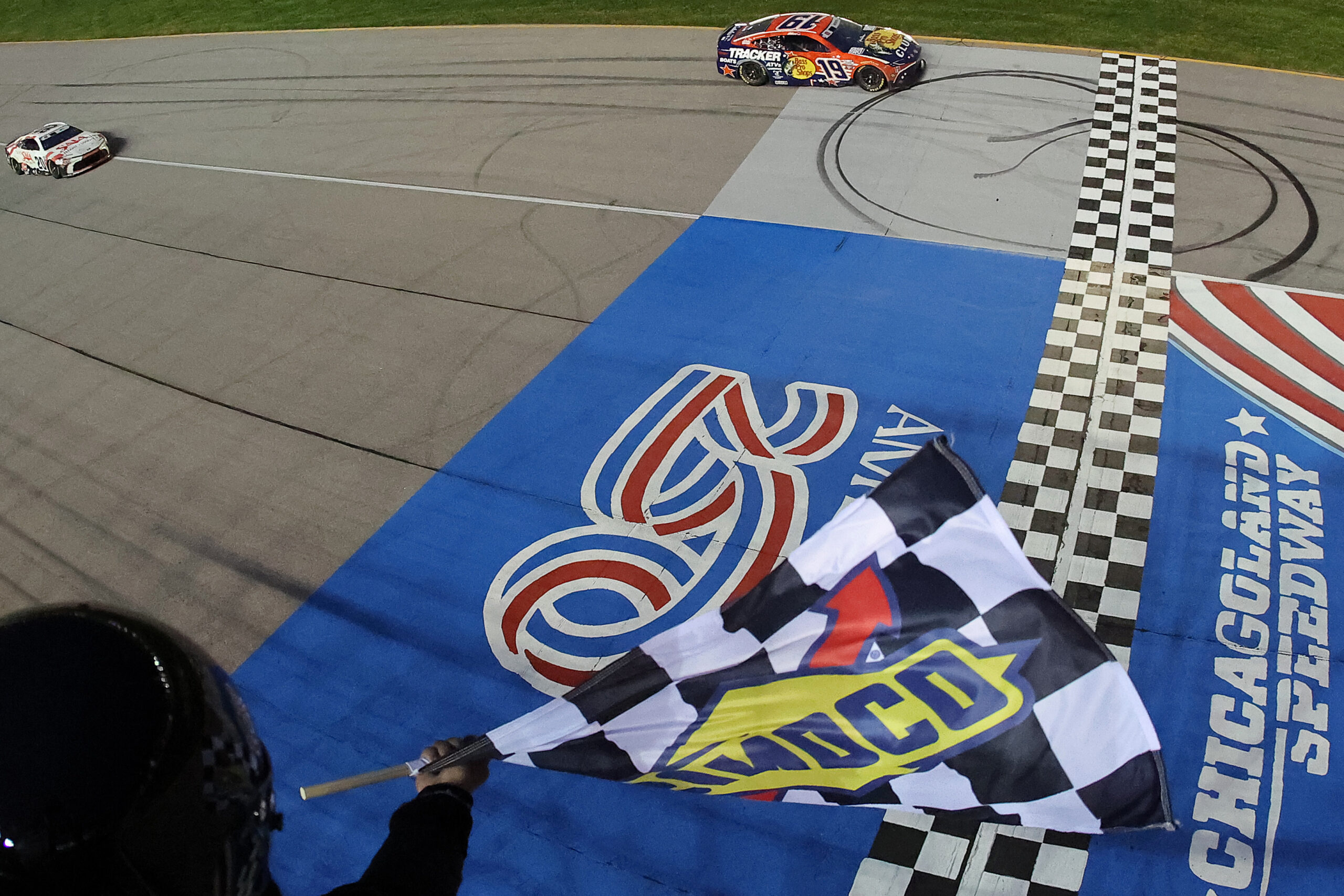
When the white flag waved and the final lap started, Briscoe, who had his advantage shrink to as little as two-tenths of a second as Bell got very close to overtaking Briscoe over the previous three laps, remained in the lead by a tenth of a second. Briscoe, who went to the bottom of the frontstretch’s apron to move in front of Bell, managed to drive ahead and set a reasonable gap from Bell through the first two turns and the backstretch. Bell tried to mount a final-lap charge through Turns 3 and 4, but it was not enough, as Briscoe beat Bell to the checkered flag by two-tenths of a second.
With the victory, Briscoe, who won for the first time since Talladega Superspeedway in October 2025 and was mired as low as 37th in the standings when the 2026 season commenced, notched his sixth NASCAR Cup Series career win in his 199th series start, and he became the 14th competitor to win a Cup event at Chicagoland Speedway in the track’s return. In addition to becoming the 10th winner of the 2026 season, Briscoe notched the sixth victory of this season for Joe Gibbs Racing and the 12th for Toyota.
Briscoe, who was coming off a runner-up result this past weekend at Sonoma Raceway and had racked up six top-five results prior to the Chicagoland victory, is currently ranked eighth in the 2026 driver standings as he continues his pursuit to build on his momentum before the Chase.
JOLIET, ILLINOIS – JULY 05: Chase Briscoe, driver of the #19 Bass Pro Shops Toyota, takes the checkered flag to win the NASCAR Cup Series eero 400 at Chicagoland Speedway on July 05, 2026 in Joliet, Illinois. (Photo by Jonathan Bachman/Getty Images)
“How about that race?! Was that a good race?! It felt awesome!” Briscoe said on the frontstretch on TNT Sports. “What an unbelievable weekend. I feel so American winning in the Bass Pro Shops red, white and blue car. Fourth of July weekend, 250 years. Man, what an unbelievable race car. [Crew chief] James [Small] did a great job. The [No. 19] team did a great job. Honestly, [I] did not see coming. I felt like I was struggling in practice and qualifying,…man, just so cool to get this [patriotic] paint scheme back in Victory Lane. What a cool weekend to win a NASCAR race.”
During his victory celebrations, Briscoe dedicated the victory to his crew chief, James Small, who also celebrated a birthday on race day and played an instrumental role along with Briscoe’s No. 19 Joe Gibbs Racing Toyota team that enabled the Indiana native to score the victory.
“[James Small] told me that if I win today, I can get some chocolate, so I’m pretty fired up about that,” Briscoe added. “I got lucky how the lapped cars worked out. I was struggling pretty bad. Christopher was certainly coming. Out of all the people to race against, I knew Christopher was gonna be clean with me. So excited to be back at Chicagoland. Hopefully, we can be back.”
Bell, who continues to recover from a fractured wrist from Michigan International Speedway, settled in second place for a fourth time this season.
“I was really struggling with the handling of my car early on in the race, and I still had a lot of pace,” Bell said. “I keyed up on the radio, and I said, ‘Hey, if we get this [No. 20 Toyota] driving good, we’re gonna have a shot at it. They made a great adjustment and got the car driving great the last run, but I was a straightaway-plus behind, it seemed like. I was soft on my green flag entry, for sure, which gave up a little bit of time. [I] Just need to go back and study that green flag cycle on how I lost so much time to the first couple of cars. It was a great day. We almost went to Victory Lane.”
Denny Hamlin managed to overtake William Byron to finish in third place and cap off a 1-2-3 finish for Joe Gibbs Racing. Byron, who led a race-high 94 laps, settled in a strong fourth place ahead of teammate Alex Bowman while Bubba Wallace, who set the event’s fastest lap, claimed a strong sixth-place result. Ryan Blaney, Ty Gibbs, Corey Heim and Riley Herbst completed the top 10 in the final running order. Notably, Kyle Larson ended up two laps behind in 34th place following his early spin. In addition, Tyler Reddick settled for 36th place and was 30 laps behind the leaders after his punctured radiator.
This event generated 28 lead changes among 13 different leaders and 7 cautions over 43 laps. In addition, 16 of 38 starters finished on the lead lap.
Following the 19th event of the 2026 NASCAR Cup Series season, Denny Hamlin leads the standings by 44 points over Tyler Reddick, 113 over Ryan Blaney, 137 over Ty Gibbs, 180 over Chase Elliott and 181 over Kyle Larson.
Chase Briscoe, Chase Elliott, Alex Bowman, Todd Gilliland, Denny Hamlin, Christopher Bell, William Byron and Ryan Blaney are the eight competitors who transfer through to the third In-Season Challenge round for next Sunday night’s event at EchoPark Speedway.
Results:
Chase Briscoe, 51 laps led
Christopher Bell, one lap led
Denny Hamlin, 30 laps led
William Byron, 94 laps led, Stages 1 & 2 winner
Alex Bowman
Bubba Wallace, 35 laps led
Ryan Blaney, eight laps led
Ty Gibbs
Corey Heim, one lap led
Riley Herbst
Chase Elliott
Joey Logano, one lap led
Austin Cindric, 18 laps led
Daniel Suarez
Erik Jones
Todd Gilliland, one lap led
AJ Allmendinger, one lap down
Ross Chastain, one lap down
Chris Buescher, one lap down
Ty Dillon, one lap down
Brad Keselowski, one lap down
Carson Hocevar, one lap down
John Hunter Nemechek, one lap down
Austin Dillon, one lap down
Shane van Gisbergen, one lap down
Ricky Stenhouse Jr., one lap down
Noah Gragson, one lap down
Zane Smith, one lap down
Michael McDowell, one lap down
Cody Ware, one lap down
Cole Custer, one lap down, two laps led
Ryan Preece, one lap down
Josh Berry, two laps down
Kyle Larson, two laps down, 23 laps led
JJ Yeley, 11 laps down, two laps led
Tyler Reddick, 30 laps down
Austin Hill – OUT, Accident
Connor Zilisch – OUT, Accident
Next on the 2026 NASCAR Cup Series schedule is the Quaker State 400 at EchoPark Speedway in Hampton, Georgia. The event is scheduled to occur next Sunday, July 12, and air at 7 p.m. ET on TNT Sports, PRN Radio, SiriusXM, and HBO MAX.