Home Blog Page 46

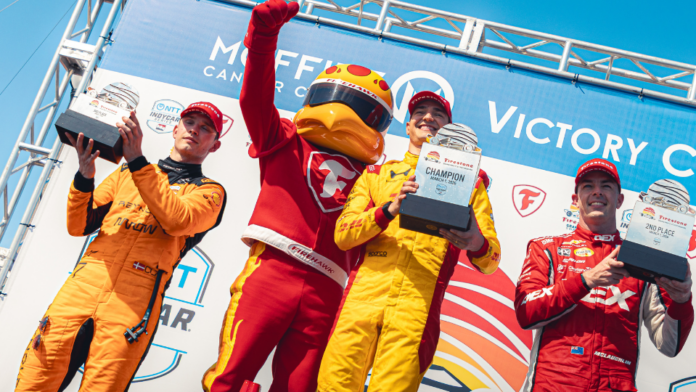
Next year’s Firestone Grand Prix of St. Petersburg event dates set for March 5-7, 2027

NTT INDYCAR SERIES headlines the weekend schedule which also features the return of the NASCAR CRAFTSMAN Truck Series racing on the City of St. Petersburg streets

ST. PETERSBURG, Fla. (July 23, 2026) – Green Savoree Racing Promotions officials confirmed today that next year’s Firestone Grand Prix of St. Petersburg is slated for March 5-7, 2027. In conjunction with the 2027 weekend headlined by the NTT INDYCAR SERIES, NASCAR is also announcing that the NASCAR CRAFTSMAN Truck Series will make its second appearance on the St. Petersburg, Fla. street circuit with a race set for Saturday, March 6.

“The 2026 event was our best yet. Spectator attendance was tremendous on all three days to witness history made with the NASCAR Trucks racing for the first time on a street circuit and INDYCAR kicking off its season once again,” said Kim Green, co-owner, chairman and CEO of Green Savoree Racing Promotions, organizers of the Firestone Grand Prix of St. Petersburg. “We look forward to having both of these series back together on track for our fans to enjoy at the 23rd annual Firestone Grand Prix of St. Petersburg weekend.”

Four-time INDYCAR champion Alex Palou won for the second consecutive year in the Firestone Grand Prix of St. Petersburg on March 1st to open the 2026 NTT INDYCAR SERIES season. The first ever NASCAR CRAFTSMAN Truck Series street race held on the temporary downtown St. Pete circuit was won by Layne Riggs on February 28th in the OnlyBulls Green Flag 150.

Tickets for the 2027 Firestone Grand Prix of St. Petersburg weekend will go on sale in the fall. Ongoing event updates will be posted at gpstpete.com.

About Firestone Grand Prix of St. Petersburg:

The 23rd annual Firestone Grand Prix of St. Petersburg is a race event held during Florida’s spring break season. Traditionally the site of the NTT INDYCAR SERIES’ season-opening race, St. Pete is a destination city hosting this annual motorsports tradition and offering a festival atmosphere with its downtown location. The 2027 Firestone Grand Prix of St. Petersburg airs live on a national broadcast on FOX on March 7. NASCAR will also conduct a street race for the NASCAR CRAFTSMAN Truck Series, the second time in its history on the streets of St. Petersburg on March 6. The temporary circuit is a 1.8-mile, 14-turn configuration that uses the streets circling Pioneer Park, the Duke Energy Center for the Arts, The Dali Museum and extending onto the runway at Albert Whitted Airport, and borders the waterfront of Tampa Bay and picturesque St. Petersburg Harbor and Marina. The Firestone Grand Prix of St. Petersburg is owned and operated by Green Savoree St. Petersburg, LLC. Green Savoree St. Petersburg, LLC is owned by Green Savoree Racing Promotions 2, LLC whose other subsidiaries also promote three additional NTT INDYCAR SERIES races, The Honda Indy 200 at Mid-Ohio Presented by the 2027 CR-V Hybrid (July 3-5, 2026), OnlyBulls Grand Prix of Portland (Aug. 7-9, 2026) and Ontario Honda Dealers Indy at Markham (Aug. 14-16, 2026).

For more information, visit gpstpete.com, ‘like’ its Facebook page at @GPSTPETE or follow the event on X at @GPSTPETE and Instagram at @GPSTPETE using #FirestoneGP.

GREG STANFIELD ALL ABOUT MOMENTUM HEADING TO MUCKLESHOOT CASINO RESORT NHRA NORTHWEST NATIONALS

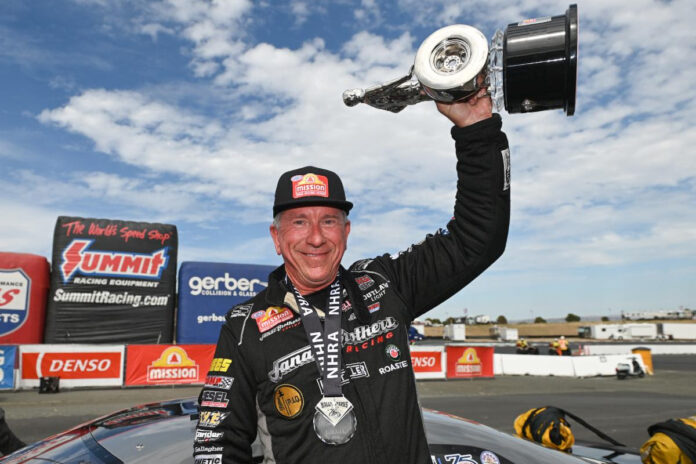
SEATTLE (July 23, 2026) – Following a second straight Sonoma victory, Pro Stock’s Greg Stanfield heads to Pacific Raceways with plenty of momentum for this weekend’s 37th annual Muckleshoot Casino Resort NHRA Northwest Nationals.

This time of year, momentum can go a long way and Stanfield has plenty of it after his victory on Sunday in Sonoma. Continuing it isn’t easy, but things could be coming around at the perfect time for the Elite Motorsports veteran.

Stanfield has been consistent all season, staying in the top five in points since the third race of the season in his Janac Brothers Racing car. But he took a big step in Sonoma, moving into a tie for third in points, and hopes that success continues this weekend in Seattle.

“I think momentum is everything, especially with the (Countdown),” Stanfield said. “If we can peak at the right time, there’s a lot of great drivers on this Elite team. If we can keep these cars moving in the right direction, it’s going to be fun watching until the end.”

Last year, Shawn Langdon (Top Fuel), Matt Hagan (Funny Car) and Dallas Glenn (Pro Stock) all won in Seattle. This year’s race will be broadcast on FOX and FS1, with elimination coverage beginning at 4 p.m. ET on FOX on Sunday, July 26.

It is the 12th of 20 races in 2026 and this year’s Muckleshoot Casino Resort NHRA Northwest Nationals will also feature several 75th anniversary items, including:

  • A special tribute and celebration of Jim Dunn, the legendary team owner who has been in the sport for more than 75 years. He was a two-time runner-up in Seattle and tuned his Funny Car to a win in 2008 with Tony Bartone behind the wheel.
  • A new-look Nitro Mall, special displays and much more.

Stanfield’s victory also represented a solid step forward for Elite Motorsports. KB Titan Racing has been in control of the class the last couple of years, but things may have changed in Sonoma.

Elite Motorsports had all four cars in the semifinals, guaranteeing a victory, with Stanfield finishing the job in the final round against teammate and six-time world champion Erica Enders.

Reigning world champion – and defending event winner –Glenn and Greg Anderson remain handily atop the points standings, with Matt Hartford tied with Stanfield in third, but Stanfield hopes the tide is changing.

If that’s the case, Stanfield and his teammate will need to come through in Seattle and keep that going through the final stretch of the season. It won’t be easy, but Stanfield is thrilled with the idea of a competitive battle the rest of the way.

“My whole goal is to make sure I don’t let the team down,” Stanfield said. “I just try to do my job, but I think this team is gaining ground on the KB guys. I think we’ve gained a little bit and I think it’s going to be good for the fans and good for the sport to have an all-out brawl at the end. I hope it’s that way.

“We’ve worked hard trying to get the cars competitive. It’s been tough and it’s been hard on everybody. It beats you up, but once it starts coming around, it feels good. But you still have to keep your head down and keep working hard.”

Langdon continues to lead the Top Fuel points, thanks to his four wins this season. His Kalitta Motorsports teammate and reigning world champion Doug Kalitta is second, with two wins on the season, including last week in Sonoma. Leah Pruett returned to full-time racing this season and picked up a win in Epping.

Ron Capps leads the Funny Car points standings, but Jordan Vandergriff closed the gap with his Sonoma victory. Others to watch include Matt Hagan, Jack Beckman, J.R. Todd, Daniel Wilkerson, Chad Green and Alexis DeJoria.

The weekend kicks off on Thursday, July 23, with the $15,000 Mission Foods Tournament at Muckleshoot Casino Resort, where fans can register for free. It kicks off at 1 p.m. and will feature NHRA drivers Capps, Prock, Maddi Gordon, Jasmine Salinas and Krista Baldwin on hand.

That’s followed by the NHRA Fan Fest presented by Explore Auburn later that day from 5-7 p.m. PT in front of Dave & Buster’s at The Outlet Collection. Autographs and a meet-and-greet with NHRA standouts will take place from 6-7 p.m.

The official event afterparty is free and takes place at 7:30 p.m. on Saturday in the Galaxy lounge at Muckleshoot Casino Resort, featuring a performance from Mini KISS.

Also on schedule for the weekend is action in the NHRA Lucas Oil Drag Racing Series. Seattle race fans can enjoy the special pre-race ceremonies that introduce each driver and includes the fan favorite SealMaster Track Walk. Fans are also invited to congratulate the winners at the winner’s circle celebration on Sunday.

As always, fans get a pit pass to the most powerful and sensory-filled motorsports attraction on the planet. Fans can see their favorite teams in action and servicing their cars, get autographs and more. They can also visit NHRA’s Manufacturers Midway, where sponsors and vendors create an exciting atmosphere.

NHRA Mission Foods Drag Racing Series qualifying will feature two rounds on Friday, July 24 for Pro Stock at 2 and 4:30 p.m. PT, with Top Fuel and Funny Car taking to the track at 2:30 and 5 p.m. On Saturday, July 25, nitro teams will qualify at 12 and 2:30 p.m. with Pro Stock at 1 and 3:30 p.m. Race day will kick off with nitro eliminations on Sunday, July 26 at 10 a.m.

Television coverage includes qualifying action at 10 p.m. ET on Friday and 2:30 p.m. on Sunday on FS1, leading into eliminations on FOX at 4 p.m. ET on Sunday.

Tickets for the 37th annual Muckleshoot Casino Resort NHRA Northwest Nationals are currently on sale at www.NHRA.com/tickets. All children 12 and under will be admitted free in the general admission area with a paid adult. For more information about NHRA, visit www.NHRA.com. For more information on Muckleshoot Casino Resort, visit https://muckleshootcasino.com.


About Muckleshoot Casino Resort

The Muckleshoot Casino Resort, celebrated as the “Biggest and Best in the Northwest,” has just become even more impressive with the unveiling of their new hotel tower. This exciting expansion features 401 elegant guestrooms, a more expansive casino floor, a serene indoor pool, a luxurious spa, and the exquisite rooftop steakhouse, Smoke & Cedar. From here, guests can indulge in breathtaking views of Mt. Rainier, the Olympic Mountain range, and the Seattle skyline. As one of Washington’s premier casino gaming destinations, Muckleshoot Casino offers the largest selection of games in the state, with over 3,500 machines, an array of table games, and one of the most extensive smoke-free gaming areas in the region. Muckleshoot Casino also tantalizes the taste buds with a variety of dining options that take guests on a culinary adventure around the world and provides world-class entertainment at the Muckleshoot Events Center and Galaxy! Guests can enjoy additional perks like complimentary valet service, Wi-Fi, covered parking, and electric vehicle charging stations, making every visit even more convenient and enjoyable. https://muckleshootcasino.com

About Muckleshoot Indian Tribe

The Muckleshoot Indian Tribe is composed of descendants of the Native people who inhabited the Duwamish and Upper Puyallup watersheds of central Puget Sound for thousands of years before non-Indian settlement. The word, Muckleshoot, is derived from the Native name for the prairie on which the tribe’s reservation was established in 1857. Today, the Muckleshoot Indian Tribe is a major contributor to the local economy and community providing resources to other governments, schools, nonprofits, and churches throughout Washington. The benefits of the Muckleshoot Tribe’s economic revival go well beyond financial contributions. From landmark agreements protecting fish and wildlife habitats and innovative educational programming to hundreds of partnerships with organizations serving those in need throughout the state, the Muckleshoot Tribe is committed to improving the quality of life of its citizens, neighbors and work force while preserving its culture and laying the groundwork for a bright future. https://www.muckleshoot.nsn.us

About Mission Foods

MISSION®, owned by GRUMA, S.A.B. de C.V., is the world’s leading brand for tortillas and wraps. MISSION® is also globally renowned for flatbreads, dips, salsas and Mexican food products. With presence in over 112 countries, MISSION® products are suited to the lifestyles and the local tastes of each country. With innovation and customer needs in mind, MISSION® focuses on the highest quality, authentic flavors, and providing healthy options that families and friends can enjoy together. For more information, please visit https://www.missionfoods.com/

About NHRA

NHRA is the primary sanctioning body for the sport of drag racing in the United States. NHRA presents 20 national events featuring the NHRA Mission Foods Drag Racing Series and NHRA Lucas Oil Drag Racing Series, as well as the JBS Equipment NHRA Pro Mod Drag Racing Series presented by Elite Motorsports and NHRA Flexjet Factory Stock Showdown™ at select national events. NHRA provides competition opportunities for drivers of all levels in the NHRA Summit Racing Series and NHRA Street Legal™. NHRA also offers the NHRA Jr. Street® program for teens and the Summit Racing Jr. Drag Racing League® for youth ages 5 to 17. With more than 100 Member Tracks, NHRA allows racers to compete at a variety of locations nationally and internationally. NHRA’s Youth and Education Services® (YES) Program reaches over 30,000 students annually to ignite their interest in automotive and racing related careers. NHRA’s streaming service, NHRA.tv®, allows fans to view all NHRA national events as well as exclusive features of the sport. In addition, NHRA owns and operates three racing facilities: Gainesville Raceway in Florida; Lucas Oil Indianapolis Raceway Park; and In-N-Out Burger Pomona Dragstrip in Southern California. For more information, log on to www.NHRA.com, or visit the official NHRA pages on Facebook, Instagram, Twitter, and YouTube.

How Astana Drivers Can Prepare a Catalytic Converter for Safe Recycling

Photo by Jonathan Cooper on Unsplash

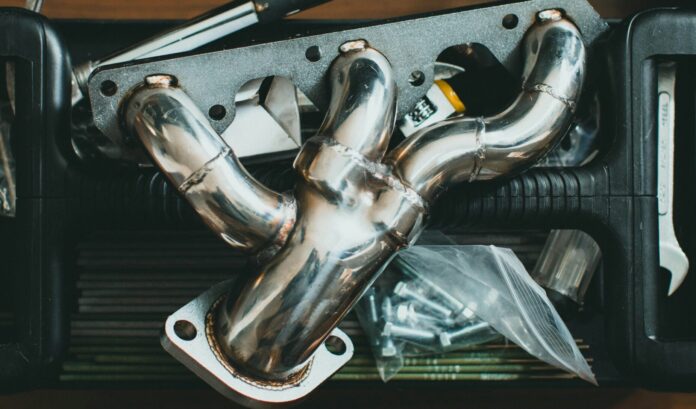
A used catalytic converter may look like an ordinary piece of exhaust hardware, but it contains recoverable materials with genuine economic and environmental value. Platinum, palladium, and rhodium help the converter reduce harmful vehicle emissions during its working life. Once the component is damaged, clogged, or no longer suitable for use, professional recycling can return those metals to the supply chain instead of allowing them to be lost in general scrap.

For drivers in Astana, preparing a converter for recycling does not need to be complicated. The priorities are simple: confirm that removal is necessary, let a qualified technician handle the component, preserve its identifying features, and choose a buyer that offers transparent evaluation. The following steps can help private vehicle owners, workshops, dealerships, and dismantlers complete the process safely.

Confirm the Converter Actually Needs to Be Removed

A dashboard warning light or a change in engine performance does not automatically mean the catalytic converter has failed. Similar symptoms can be caused by faulty oxygen sensors, ignition problems, damaged wiring, exhaust leaks, or an incorrect air-fuel mixture.

Before authorizing removal, ask a qualified mechanic to perform a proper diagnosis. Useful checks may include reading diagnostic trouble codes, inspecting the exhaust system for leaks, comparing oxygen-sensor data, and assessing exhaust back pressure or converter temperature where appropriate. Replacing a functioning converter is expensive and may fail to solve the underlying mechanical problem.

If the converter is confirmed to be damaged, determine whether it must be retained for a warranty, insurance claim, or repair record. Keeping the workshop invoice and diagnostic report can also help document the component’s legitimate origin when it is later offered for recycling.

Leave Exhaust Removal to a Professional

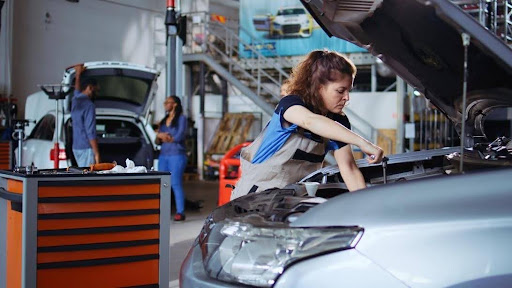
Catalytic converters operate at very high temperatures and are installed beneath the vehicle, often near rusted fasteners and other exhaust parts. Removing one without the correct lift, supports, protective equipment, and cutting tools can cause burns, cuts, eye injuries, or a vehicle-support failure.

Drivers should not crawl under a vehicle supported only by a jack. A repair workshop can raise the vehicle securely, allow the exhaust to cool, disconnect sensors correctly, and remove the failed component without unnecessary damage. Professional removal also reduces the risk of cutting nearby fuel lines, electrical wiring, heat shields, or usable exhaust sections.

If the converter has already been detached, avoid opening, crushing, drilling, or shaking it. The ceramic or metallic substrate inside is the part that carries most of the recoverable precious-metal content. Damaging or losing this material can reduce the converter’s recycling value and create avoidable dust.

Preserve the Features Used During Evaluation

Many converters have stamped codes, manufacturer markings, serial references, or visible construction details that help an experienced purchaser identify the unit. Before transport, gently remove only loose surface dirt with a dry cloth so that these markings can be photographed and read. Do not grind away rust, apply chemicals, repaint the housing, or polish the identification area.

For an initial inquiry, collect several clear photographs:

  • One image showing the complete converter and attached pipe sections;
  • Close-up images of every stamped number, logo, or identification mark;
  • Photos of both ends, especially if the internal substrate is already visible;
  • An image showing dents, cracks, cuts, welding, or other damage;
  • A photo of the vehicle identification or repair paperwork when proof of origin is requested.

Good photographs can support a more efficient preliminary conversation, although a final price may still require an in-person inspection or analysis. The value of two converters that look similar can differ because precious-metal loading varies by manufacturer, model, production year, condition, and internal composition.

Package the Component Without Creating Dust

A removed converter should be cool, dry, and stable before it is packed. Place it in a strong box, rigid container, or heavy-duty bag that can contain loose particles. If sharp pipe ends remain attached, cover them with thick cardboard or another puncture-resistant material and secure the covering. This protects the vehicle interior and the people handling the package.

Do not use compressed air to clean the converter. Do not sweep loose internal material into ordinary household waste, and never burn residues from the housing. If the casing is broken, handle it as little as possible, keep children and pets away, and tell the recycling specialist about the damage before transport.

When carrying more than one unit, label or photograph each converter separately. Workshops and dismantlers can assign an inventory number to every item and record its source, date of removal, vehicle model, visible code, and condition. This simple chain-of-custody process prevents mix-ups and makes quotations easier to compare.

Transport It Securely Across Astana

Converters should be placed in the cargo area rather than on a passenger seat. Use straps or blocks to stop the component from rolling during braking or cornering. A protective liner can catch rust and debris, while sensible weight distribution is particularly important when a business transports a larger batch.

Before setting out, contact the receiving company to confirm its current hours, documentation requirements, evaluation procedure, and whether an appointment is recommended. This is also an opportunity to send photographs and ask whether attached pipes should remain in place. Cutting instructions can vary, so it is better to ask than to remove material that may assist identification.

Understand How a Fair Offer Is Determined

A credible recycler should be able to explain the evaluation process in straightforward language. Pricing may reflect the converter’s identification, type, internal condition, estimated precious-metal content, current commodity conditions, and the costs associated with responsible processing. Weight alone is not always a reliable measure because much of the unit consists of steel casing and substrate rather than recoverable precious metals.

Drivers should be cautious when a buyer provides an attractive estimate from an unclear photograph but will not explain how the final amount is calculated. Ask whether the quote is preliminary, what could change it, and whether the converter will be inspected in your presence. Also request clarity about payment timing and any deductions.

QazaqKat supports professional converter purchasing and recycling for individual drivers as well as automotive businesses. Astana residents looking for catalytic converter acceptance services (прием катализаторов) can use the company’s service information to understand the process before arranging an evaluation.

Keep Ownership and Business Records

Because catalytic converters can be targeted by thieves, responsible recyclers may ask reasonable questions about where a component came from. Bring personal identification and, where available, the vehicle registration, workshop receipt, replacement invoice, dismantling record, or other proof of lawful ownership.

Businesses benefit from stronger documentation. A dealership, repair shop, or dismantling yard should maintain records linking each converter to a vehicle or customer transaction. Batch lists, photographs, internal stock numbers, and payment records improve accountability while protecting both the seller and the recycling partner.

Choose Recycling Instead of Informal Disposal

Throwing a converter into mixed waste wastes scarce resources and creates handling risks. Professional recycling supports a circular economy by recovering metals that can be reused in industrial supply chains. This reduces pressure on primary extraction and gives a retired emissions-control component a productive next stage.

The safest route combines responsible removal, careful storage, traceable ownership, and a transparent buyer. If your converter is ready for assessment, gather its codes and photographs, keep it intact, and contact a specialist before transporting it. Drivers seeking catalytic converter acceptance in Astana (прием катализаторов астана) can consult QazaqKat for professional guidance, clear communication, and an efficient evaluation process.

A few minutes of preparation can protect the converter’s value, reduce safety risks, and make the transaction smoother. More importantly, choosing a responsible recycler helps Astana’s automotive community recover useful materials instead of treating them as disposable waste.

Why Building a Brand Through Personalized Sports Gear is Beneficial

Photo by Robert Serra Souza on Unsplash

Within the modern competitive market, clubs, schools, event organizers, and businesses need to constantly search for creative and unique ways to stand out among the competition. One of the quickest, most efficient, and effective ways to accomplish this goal is by branding sports equipment. Not only is personalized gear practical, but it’s also a canvas for memorable branding that can grow recognition. Whether you’re adding your branding to a sports tournament, giveaways, or even a custom pickleball paddle, you can use companies like Salted City Sports to achieve the goal of positive brand recognition.

While traditional promotional products such as bumper s²tickers, pens, and mugs are effective, functional branding not only gives the recipient a practical item but also builds trust through use. Other competitors and team members will also see the promotional equipment and associate it with positive feelings, further boosting respect towards the branding.

Furthermore, the rise in popularity of sports such as pickleball only accelerates the overall trend. As one of the fastest-growing accessible sports, it allows your business or company to quickly and easily build an audience. Unlike disposable or infrequently used items, custom sports equipment is something that you can ensure will be used routinely.

What are the Benefits of Personalized Sports Gear?

Customized sports gear is not designed to advertise; when done properly, it boosts audience engagement, strengthens business relationships, improves your brand’s identity, and more. Some of the most important benefits of personalized sports gear include:

  • Brand visibility through televised events, practices, tournaments, and community events.
  • A valuable item that serves a practical purpose and will likely be used frequently.
  • Team and brand unity through matching colors, logos, images, and designs.
  • Fantastic gifts to give out during events, and to customers, sponsors, and participants.

Thanks to the practical use-case of sports equipment, it seamlessly creates consistent exposure towards your brand.

Why Quality Matters

If you plan on going down the route of custom sports equipment, ensure that the quality is premium. Giving out shoddy equipment, even for free, can negatively impact your brand relationship. Remember that the initial costs may be high to ensure you distribute quality equipment.

For example, pickleball paddles need good weight distribution, comfortable grips, good construction quality, durability, and decent surface texture. Any one of those aspects being half-baked can contribute to a poor playing experience. High-quality manufacturing ensures the equipment is adequate.

Additionally, using a company like SaltedCity Sports ensures the equipment matches your branding without compromise.

A struggle that many companies must overcome when it comes to branding is deciding the best promotional items to make. Oftentimes, the item will end up lost in a drawer or thrown away, wasting a significant percentage of the advertising investment. Sports equipment, however, serves a genuine purpose, making it much less likely to be forgotten.

Oftentimes, businesses integrate customized sports equipment into events and activities such as:

  • Local Tournaments
  • Sports-related Charities and Giveaways
  • Appreciation gifts for customers and participants
  • School and college athletics teams
  • Sports Club programs and loyalty rewards
  • Local Community recreation programs

By integrating your branded sports items into events like these, you make them a part of real activities instead of just advertisements.

Forming the Lasting Impression

The best type of marketing is the marketing that the customer doesn’t even realize they’re part of. Through the use of sports equipment, you can combine usefulness, design, and quality to give recipients an item they genuinely want to use while improving your brand recognition. Not only does your business show that it wants to be a part of the community, but it also takes pride in engaging in healthy and fun recreational activities.

How to Save Up to 70% on Audi Repairs Using OEM Used Parts

There is a running joke among Audi owners that the A in the four rings stands for “always expensive.” Anyone who has sat across from a service advisor at an Audi dealership and watched them slide a repair estimate across the desk knows exactly what that joke means. A routine water pump replacement. A timing chain tensioner that gave out at 90,000 miles. An air suspension compressor that quit on a cold morning. The numbers are rarely small, and the explanation is always the same: Audi parts are sophisticated, labor is specialized, and the dealer markup is what it is.

But here is what a lot of Audi owners do not realize: the part itself is rarely why that bill is so high. Labor is labor, and there is not much you can do about hourly shop rates. The part, though, is negotiable. And OEM used Audi parts, sourced correctly, can cut 50 to 70 percent off the parts cost on some of the most expensive Audi repairs.

This is not about buying cheap. It is about buying smart.

Why Audi Repairs Cost So Much

Audi charges a premium for ownership, and that premium does not stop at the sticker price. A few factors drive repair costs higher than they would be on a domestic brand.

First, parts sourcing. Audi’s supply chain is tightly controlled. Dealers order through VAG (Volkswagen AG) parts channels, and the pricing reflects that exclusivity. A genuine OEM thermostat housing for a 3.0T supercharged V6 can run $300 to $400 just for the part at dealer cost. The same unit from an independent supplier doing high volume might be $180. The component is identical. The markup is not.

Second, complexity. Modern Audis, particularly anything with the Quattro all-wheel drive system, the DSG or S-tronic dual-clutch transmission, or the air suspension (standard on the A6 Allroad and optional on several other models), require a level of diagnostic precision that casual shops cannot always deliver. That means more time on the lift, and time is money.

Third, the expectation of OEM parts. Unlike some other import brands where the aftermarket parts ecosystem is mature and reliable, Audi ownership carries a strong expectation of genuine parts. Many independent shops will not warranty a repair done with off-brand components, and for good reason on some systems. Electrical modules, sensors, and suspension geometry components are all areas where the difference between a genuine VAG part and a knockoff can show up fast.

The Repairs Where the Savings Are Real

Not every repair is a good candidate for used OEM parts. A timing belt tensioner spring or a cabin air filter is not where you shop used. But on major mechanical and body components, the math changes quickly.

Transmissions. An Audi DSG or S-tronic unit is among the most expensive transmission architectures to replace. Dealer pricing for a new unit on a B8 or B9 A4 can run $4,000 to $7,000 before labor. A used OEM unit pulled from a low-mileage car, VIN verified and inspected, can come in at $800 to $1,800. That is a real difference.

Air suspension compressors. The air suspension on an A6 Allroad or Q7 is a known wear item. Dealer pricing for a replacement compressor assembly runs $1,200 to $2,000 depending on the model year. Used OEM pulls from the same platform typically land in the $300 to $600 range.

Cylinder heads and short blocks. Engine work on the 2.0T EA888 or the supercharged 3.0T is not uncommon, and it is not cheap. A remanufactured short block through a dealer channel can approach $5,000. A used OEM block from a car with a clean accident history and documented low miles can be found for $900 to $1,800.

Rear differentials. The Quattro rear differential is a precision unit. Dealer replacement pricing often exceeds $2,500 for the part alone. Used OEM diffs from the correct generation can be sourced for $400 to $900.

Exterior body components. Hoods, doors, fenders, and trunk lids from a clean pull will be genuine Audi metal or composite, finished and fitted exactly as the car was designed. An aftermarket hood that requires fitting adjustment or repainting twice is not actually saving you money.

Why Cheap Aftermarket Is Usually the Wrong Call on an Audi

There is a difference between “used OEM” and “aftermarket.” A lot of people blur those two categories, and it is worth being precise.

Aftermarket means the part was manufactured by a third party, not Audi or a VAG-certified supplier. For basic wear items like brake pads, filters, and belts, quality aftermarket from brands like Bosch, Febi, or Mahle is often fine because those suppliers actually produce parts for VAG in the first place. But for major components, the calculation shifts.

Take steering racks. A knockoff steering rack on a car with electric power steering (which almost all modern Audis have) can introduce play, inconsistent feedback, and calibration issues that are difficult to diagnose. A used OEM rack from the same model year, pulled and tested, behaves exactly as the car expects it to because it was engineered and manufactured to that spec.

The same logic applies to ABS modules, transmission control units, airbag sensors, and HVAC blend door actuators. These are not commodity parts. The tolerances and software compatibility matter, and genuine OEM components are the only ones that guarantee the fit.

Used OEM essentially gives you the best of both worlds: genuine Audi parts at a fraction of new dealer pricing.

Audi Compatibility Is Not Forgiving

This is the part most buyers skip over, and it is where sourcing can go wrong even when intentions are good.

Audi has significant variation across generations, and the model name does not tell the whole story. A 2013 A4 and a 2017 A4 are built on different platforms (B8.5 and B9), have different engine options, different transmission codes, and in many cases different wiring harness configurations. Parts do not freely cross between them.

The same is true within a single generation. An A4 with the 2.0T TFSI and one with the 3.0T Quattro share very little mechanically below the beltline. A transmission pulled from a front-wheel drive variant will not work in an all-wheel drive application.

This is why VIN verification matters so much when buying used OEM parts for an Audi. A reputable parts locator will verify the donor vehicle’s VIN against a parts database to confirm the part came from the correct platform, engine code, and drivetrain configuration. If a seller cannot tell you the donor VIN, that is a reason to walk away regardless of the price.

When sourcing, check out suppliers like BackToRoad Auto Parts, which connect buyers to certified recyclers who document donor vehicle information and perform pre-shipment inspections, which removes a lot of the compatibility risk that makes people nervous about used parts in the first place.

How to Buy Used OEM Parts Without Getting Burned

If you have never bought used OEM before, a few practices will protect you every time.

Confirm the donor VIN. Ask for it. Match it against your car’s build. If the seller cannot provide it, move on.

Understand the mileage context. A used transmission from a car with 180,000 miles is a different proposition than one from a 60,000-mile car involved in a front-end collision with a clean drivetrain. Mileage alone does not tell the full story, but it matters.

Ask what the inspection process is. Reputable recyclers test or inspect parts before shipping. A transmission should be confirmed operational. An engine should come with compression or leakdown data, or at minimum a statement that it ran at the time of pull. “Sold as-is, no returns” from a seller who cannot answer basic questions about the part is a red flag.

Know your warranty. Most quality used OEM suppliers offer a 30 to 90 day warranty on major mechanical parts. That is a reasonable baseline. If no warranty is offered on a transmission or engine, factor that into your risk calculation.

Get the part number. For electrical modules, sensors, and anything with software compatibility requirements, the OEM part number lets you verify fitment before the part ships. A mismatch found before delivery is much easier to resolve than one found after installation.

Audi ownership does not have to mean surrendering to dealer pricing every time something goes wrong. The brand’s reputation for complexity is deserved, but that complexity lives mostly in the engineering and the labor, not in the premise that every part has to come from a dealership at full retail.

Used OEM parts give you genuine Audi components, engineered to the exact spec your car was designed around, at prices that can genuinely change what it costs to own and maintain the car long term. The savings on a single transmission or engine replacement can pay for years of ownership costs.

The key is buying carefully: verified donor VINs, generation-matched fitment, and sellers who can actually stand behind what they ship. Do that, and used OEM becomes one of the smartest decisions an Audi owner can make.

From the Pit Lane to the Trading Floor: What High-Performance Industries Have in Common

There’s a moment in every NASCAR race that most casual viewers miss. While the car is screaming around the track at 200 miles per hour, a team of engineers in the pit box is watching 300 data channels simultaneously — tire temperatures, fuel load, aerodynamic balance, engine mapping, and making decisions that will play out three or four laps later. The driver reacts in milliseconds. The team anticipates in seconds. The strategy unfolds over hours. All three timescales matter, and confusing them is how you lose races.

Replace the car with an order, the track with a market, and the pit box with a trading desk, and the description still holds. Financial markets are one of the few industries that operate on the same three-tier time structure as motorsport: the speed of execution, the rhythm of tactical decision-making, and the arc of longer-term strategy. It’s not a coincidence that quantitative trading firms have been quietly recruiting from aerospace engineering and motorsport analytics for years. The problems are genuinely similar.

The data density alone draws the parallel tight. A modern Formula 1 car generates around 1.5 terabytes of data per race weekend. A mid-sized trading operation processes comparable volumes of market data every day — price feeds, order book depth, volatility signals, correlation matrices — all of it needing to be filtered, interpreted and acted on faster than a human brain can consciously process. Both industries solved this the same way: by building systems that handle the data layer automatically, leaving human judgment for the decisions that actually require it.

Risk management works the same way in both worlds too. In motorsport, the fastest lap time means nothing if the car doesn’t finish. Every performance decision — how hard to push the tires, how late to pit, how aggressive to be through a corner — is weighed against the probability of not finishing the race. In trading, the highest return strategy is worthless if it blows up the account. Position sizing, drawdown limits, exposure controls, these aren’t constraints on performance; they’re what makes sustained performance possible. The teams and firms that last aren’t the ones that push hardest. They’re the ones that push hardest within a system designed to keep them in the game.

Perhaps the most interesting parallel right now is in how both industries are opening up access to people who have the talent but not the capital. Motorsport has always had junior programs — manufacturer academies, feeder series, scholarship schemes designed to find and fund drivers who couldn’t otherwise afford the path to the top. Financial markets are seeing the same structural shift through the growth of funded trader programs, where prop firms provide capital to traders who demonstrate performance on evaluation accounts rather than requiring them to risk their own money. Companies building infrastructure for this model, like white label prop firms powered by specialist technology providers, are doing for trading what junior academies did for motorsport — separating talent identification from capital access.

The surface differences between a pit lane and a trading floor are obvious. The underlying logic running both of them- data, speed, risk discipline, and the relentless search for marginal gains turns out to be remarkably consistent. Which might explain why the people who are genuinely good at one tend to understand the other faster than anyone expects.

Kemimoto Launches Seasonal UTV Fan Sale for Hot-Weather Riders

New UTV cooling fan collection and limited-time sale aim to improve rider comfort on hot summer trails

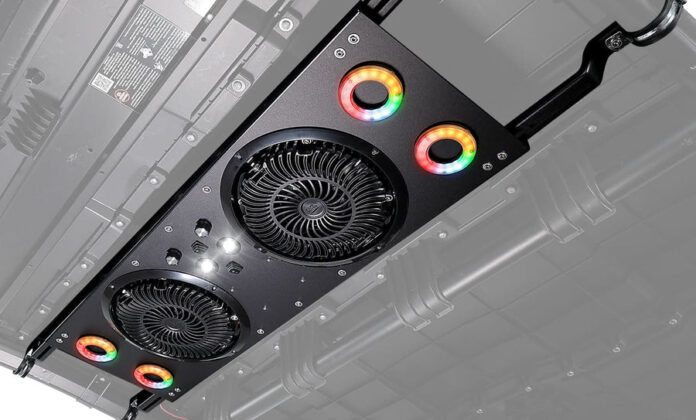
Los Angeles, California — July 23, 2026 — Kemimoto, an aftermarket powersports accessory brand, today announced the launch of its UTV Fan Collection alongside a seasonal UTV Fan Sale designed to help off-road riders stay comfortable during hot-weather trips. The utv fan lineup is built for riders who spend long hours on the trail as summer temperatures climb, offering a practical solution to one of the most common complaints among UTV owners: heat buildup inside the cab.

The announcement comes as more riders take to the trails during the warmer months, when cab temperatures inside side-by-side vehicles can rise well above outside conditions due to engine heat, direct sunlight, and limited airflow. Kemimoto’s new fan collection is intended to address that problem directly, giving drivers and passengers a way to improve circulation without modifying their vehicle’s factory systems. The seasonal sale gives riders an opportunity to upgrade their setup at a reduced cost ahead of peak summer riding season.

The collection and promotion are aimed at a broad range of UTV owners, including drivers of Polaris Ranger, Polaris RZR, Can-Am Defender, Can-Am Maverick, Honda Pioneer, Kawasaki Teryx, and CFMOTO UForce models, as well as dealers, distributors, and powersports media who cover product developments in the off-road accessory space.

Kemimoto Introduces Advanced UTV Fan Solutions for Summer Riding

Kemimoto designed its UTV fan collection specifically for the demands of off-road environments, where dust, vibration, and heat can quickly wear down accessories that aren’t built for the conditions. The company’s approach centers on practical engineering: fans that mount securely, operate reliably over rough terrain, and deliver consistent airflow without adding unnecessary bulk to the cab.

The collection is positioned as part of Kemimoto’s broader catalog of aftermarket UTV accessories, which the company has developed over several years for the off-road and outdoor recreation community. Riders interested in the full range of products can browse the company’s offerings at Kemimoto’s homepage, where the fan collection sits alongside the brand’s other UTV, ATV, and motorcycle accessories.

According to the company, the goal behind the new lineup was straightforward: give riders a way to stay cooler and more comfortable without compromising the durability or fit they expect from aftermarket UTV parts. That focus on real-world usability — rather than added complexity — has shaped the design decisions behind each fan in the collection.

Designed for Comfort During Hot Off-Road Adventures

Heat is one of the most common issues UTV riders report during summer trips, particularly on longer rides where the cab can trap warm air with little ventilation. Kemimoto’s UTV fan products are built to address that directly through improved airflow, adjustable settings, and quieter operation compared to running windows or vents alone.

Each fan in the collection is designed to circulate air throughout the cab, helping reduce the buildup of heat that typically accumulates during extended trail rides. Adjustable airflow settings allow riders to control fan speed based on conditions, whether they’re navigating technical trails at lower speeds — where airflow through open windows is minimal — or covering long stretches of open terrain.

Noise level was another consideration in the product’s development. Off-road fans that run loudly can interfere with communication between riders and passengers or drown out the sound of the trail itself, which many riders rely on for situational awareness. Kemimoto’s fans are engineered to operate quietly enough that they don’t become a distraction, allowing riders to stay comfortable without sacrificing the overall riding experience.

For passengers, especially on family rides or extended outings, cab temperature can be the difference between an enjoyable trip and an uncomfortable one. By reducing heat buildup, the fan collection is intended to make longer rides more manageable for everyone in the vehicle, not just the driver.

A central feature of the UTV Fan Collection is its compatibility across many of the most widely owned side-by-side models on the market. Kemimoto designed the fans to fit Polaris Ranger and Polaris RZR platforms, Can-Am Defender and Can-Am Maverick models, Honda Pioneer, Kawasaki Teryx, and CFMOTO UForce vehicles, giving owners across different brands access to the same cooling solution.

This cross-platform compatibility reflects a broader trend in the aftermarket UTV accessories space, where riders increasingly expect products that can be installed without extensive modification or specialized tools. Kemimoto’s UTV cab fan and side by side cooling fan products are built with straightforward mounting hardware, making installation accessible for riders who prefer to handle upgrades themselves rather than relying on a dealer or service center.

For Polaris Ranger fan and Polaris RZR fan applications specifically, as well as Can-Am Defender fan and Can-Am Maverick fan setups, Kemimoto has focused on fitment accuracy so the products integrate cleanly with existing cab structures. The company notes that easy installation was a priority throughout development, since many UTV owners perform their own accessory upgrades rather than scheduling shop visits.

Riders looking to explore the full range of compatible options can view the Kemimoto UTV Fan Collection, which outlines fitment details for each supported model.

Why Demand for UTV Fans Continues to Grow

Interest in UTV cooling accessories has grown alongside broader trends in the powersports and outdoor recreation industries. As summer temperatures climb in many regions where off-road riding is popular, riders are spending more time researching ways to stay comfortable on longer trips rather than cutting rides short due to heat.

UTV ownership itself has expanded in recent years, with more households purchasing side-by-sides for recreation, property work, and hunting or camping trips. As that ownership base grows, so does demand for accessories that make the vehicles more practical for extended use — cooling solutions among them. Riders taking longer trail rides, sometimes spanning several hours or multiple days, are increasingly treating rider comfort as a purchasing priority rather than an afterthought.

This shift mirrors patterns seen across the broader outdoor recreation industry, where consumers are investing in gear and accessories that extend the usability of their equipment across more seasons and conditions. For UTV owners specifically, a reliable off-road cooling solution can mean the difference between riding through the hottest parts of summer or waiting until temperatures drop in the fall.

Powersports accessories that address comfort — rather than performance or aesthetics alone — have also seen increased attention from dealers and distributors, who report growing customer interest in practical add-ons that improve the day-to-day experience of owning a UTV. Kemimoto’s entry into the UTV fan category reflects this broader industry movement toward comfort-focused aftermarket products.

Seasonal UTV Fan Sale Helps Riders Upgrade for Less

Alongside the new collection, Kemimoto is running a seasonal UTV Fan Sale to help riders upgrade their vehicles ahead of peak summer conditions. The promotion is designed to make cooling accessories more accessible to a wider range of UTV owners, particularly those preparing for warm-weather trips, extended trail rides, or upcoming outdoor events.

The sale reflects Kemimoto’s broader approach to seasonal product planning, timing promotions around the periods when riders are most likely to need specific accessories. For UTV cooling accessories, that means offering savings during the late spring and summer months, when demand for airflow and heat relief inside the cab is highest.

Riders interested in taking advantage of the promotion can visit the UTV Fan Sale page for current pricing and available models. The sale covers select products from the broader fan collection, giving owners of Polaris, Can-Am, Honda, Kawasaki, and CFMOTO UTVs an affordable path to improved cab comfort.

For dealers and distributors, the seasonal timing also presents an opportunity to stock cooling accessories ahead of anticipated customer demand, particularly in regions where summer riding season draws heavy trail traffic.

Executive Statement

“Riders tell us that heat is one of the biggest factors affecting how long they can comfortably stay out on the trail,” said Samantha Carter, Marketing Manager at Kemimoto. “We built this fan collection around that feedback. Our goal was to give UTV owners a straightforward way to improve airflow and cut down on cab heat without adding complexity to their setup. Rider comfort has always been part of how we think about product development, and this collection is a continuation of that commitment to the off-road community.”

Carter added that the company plans to continue expanding its UTV cooling accessories line based on ongoing feedback from riders across different terrains and climates, noting that comfort-focused innovation remains a core part of Kemimoto’s product roadmap.

Explore the Collection and Sale

Riders preparing for summer trail season are encouraged to explore the full range of options available through Kemimoto. The company’s UTV Fan Collection is built to serve a wide range of vehicles and riding conditions, while the current UTV Fan Sale offers a practical opportunity to upgrade at a reduced cost.

Those interested can shop UTV fans directly through the collection page, browse cooling solutions for UTVs suited to their specific model, or explore the broader catalog of trail riding accessories available on Kemimoto’s site. With summer riding season underway, now is a practical time for owners of Polaris Ranger, Polaris RZR, Can-Am Defender, Can-Am Maverick, Honda Pioneer, Kawasaki Teryx, and CFMOTO UForce vehicles to consider how a utv fan upgrade might improve their next trip.

About Kemimoto

Kemimoto is an aftermarket powersports accessory brand focused on developing practical, durable products for UTV, ATV, motorcycle, and outdoor enthusiasts. The company designs its accessories with everyday riders in mind, prioritizing fitment accuracy, ease of installation, and real-world usability across a range of vehicle brands and models.

Since its founding, Kemimoto has built a global customer base of off-road and outdoor recreation enthusiasts who rely on the brand for accessories that hold up to demanding trail conditions. The company’s product development process is shaped largely by direct customer feedback, with a focus on solving the practical problems riders encounter during everyday use — from cab comfort and storage solutions to protective gear and cooling accessories.

Kemimoto’s mission centers on supporting the broader powersports community through accessible, well-engineered products that make off-road recreation more comfortable and practical for riders of all experience levels. More information about the company’s full product catalog is available at Kemimoto’s website.

Media Contact

  • Company: KEMIMOTO TECH CO., LIMITED 
  • Contact: Samantha Carter 
  • Email: sammi@kemimoto.com 
  • Website: https://www.kemimoto.com/ 
  • Country: United States

Why Hacksaw Gaming’s games are in high demand in India

The digital entertainment sector in India is growing at a rapid pace, and demand for modern game providers is increasing by the day. One such company, which is gaining popularity thanks to its innovative design, dynamic gameplay, and diverse features, is Hacksaw Gaming. This developer is renowned for its slots, instant games, and unique bonuses, which offer players gaming sessions packed with more adrenaline than any others. Many Indian users are downloading these games, particularly because they are superbly optimised for mobile devices, as the majority of users access online casinos via their smartphones.

Today, hacksaw gambling can be played on an ever-increasing number of platforms. Thanks to the variety of themes, every player can find slot games to suit their taste — from classic fruit slots to futuristic adventures featuring rather unusual characters. The games feature high-quality graphics, the animations run smoothly, and the bonus rounds triggered during spins make the gameplay even more exciting. Another advantage is the availability of numerous payment methods widely used by people in India, which makes the registration and deposit process as convenient as possible.

The best features of Hacksaw Gaming’s games

The variety of Hacksaw Gaming’s games is the main factor behind their popularity. The company regularly releases new titles, utilising modern game mechanics and engaging mathematical models. Many slots feature increasing multipliers, cascades, free spins and bonus rounds, making them highly engaging.

For Indian users, convenience is also extremely important, as there is no need to download any software to play on a PC or mobile device. Most casinos, both established and new, use HTML5-based games that are compatible with Android and iOS. For players, this means they can play their favourite slots anytime, and anywhere there’s an internet connection.

What’s more, on many sites you’ll find welcome bonuses for new players, as well as regular promotions and tournaments across various platforms. This allows them to play a variety of games without spending a fortune. High-quality graphics, smooth gameplay and generous bonuses — this is precisely what makes Hacksaw Gaming one of the most popular developers on the market today.

How to choose a casino offering games from Hacksaw Gaming

  1. If you bear a few points in mind, this will help you choose the right online casino for playing for real money. A good platform should meet a number of criteria: it should have a good reputation, be user-friendly, offer a variety of payment methods, and provide high-quality customer support. For users in India, it is also very important to be able to top up their account and withdraw winnings without delay using local payment systems (UPI, Paytm).
  2. Another key advantage is having a high-quality catalogue of games from various developers. Users’ choice: If you’re looking for games from Hacksaw Gaming on sites such as the two mentioned above, you’ll probably also want to check out other related brands, such as NetEnt, via the link https://indian.1xbet.com/en/providers/netent, to access hundreds of the latest slot machines with a variety of bonus features and different designs. The wider the selection of games, the greater the likelihood that you’ll find something to your liking.
  3. You should also familiarise yourself with the terms and conditions of the bonuses. Some casinos offer bonuses in the form of free spins or special promotions for existing users. Before taking advantage of any offer, you should carefully check the details and terms and conditions of promotions and offers, such as wagering requirements, bonus validity periods and the games included in the promotion. This will allow you to have fun and enjoy the game from start to finish.

Top tips for choosing a reliable online casino

  • First and foremost, make sure the casino is licensed.
  • Before signing up, read reviews from real players.
  • Opt for sites that offer a wide variety of games from reputable developers.
  • Pay attention to payout times and the available withdrawal methods.
  • Compare welcome bonus offers, but be sure to read the small print.
  • Check the quality of customer service and ensure that support is available round the clock.
  • By the way, check whether the site is optimised for mobile devices.
  • Choose casinos that offer secure payment methods and modern data protection measures.
  • Keep an eye out for regular promotions, tournaments and loyalty programmes.
  • Opt for platforms that are easy to navigate and have clear terms and conditions.

It’s important to remember that there is no single strategy or casino that will guarantee you constant wins. However, it’s enough to know that you need to keep a cool head whilst playing, avoid placing large bets straight away, and, if a demo mode is available, try your hand at it first. Take breaks between gaming sessions and set yourself financial limits – that way, your chances of winning will be significantly higher!

NASCAR at Indianapolis Motor Speedway and IRP Weekend Schedule

Photo by Adam Lovelace for SpeedwayMedia.com

The NASCAR Cup Series (NCS) and the NASCAR O’Reilly Auto Parts Series (NOAPS) are at Indianapolis Motor Speedway this weekend while the NASCAR CRAFTSMAN Truck Series (NCTS) is at Lucas Oil Indianapolis Raceway Park (IRP). The CRAFTSMAN Truck Series TSPORT 200 kicks off the weekend on Friday at 8:00 p.m. on FS1. Then on Saturday, the O’Reilly Auto Parts Series Pennzoil 250 is on the CW Network at 4:00 p.m. And finally on Sunday, the Cup Series Brickyard 400 begins at 2:00 p.m. on TNT Sports.

The annual NASCAR Cup Series hauler parade once again kicks off Brickyard weekend on Thursday, July 23. The haulers will drive down Main Street from 5-7 p.m. Following the parade, the haulers will be displayed on Main Street, where fans can get an up-close look at their favorite driver’s hauler while enjoying free entertainment, special guest appearances, race-themed activities, photo opportunities and more.

Cup Series Notes for Indianapolis Motor Speedway:

Five races remain before the Chase: Indianapolis (2.5-mile oval), Iowa (7/8-mile short track), Richmond (¾-mile short track), New Hampshire (1-mile flat oval), and Daytona International Speedway (2.5-mile high-banked drafting track).

Denny Hamlin leads all active drivers with seven wins in Crown Jewel races, and he can become the 5th driver to complete the Grand Slam of Crown Jewel events with a win at Indy.

The drivers to watch at Indy: Bubba Wallace, Kyle Larson, and Christopher Bell. Wallace won the 2025 Brickyard 400, Larson won the 2024 Brickyard 400, and Bell has finished 12th or better in all three Brickyard 400 starts. Wallace, Larson, and Brad Keselowski (2018) are the only entered drivers with oval Brickyard wins.

Six of the last eight Brickyard 400s went into overtime, including the last three, and the pass for the win came with two laps to go in three of the last eight races.

NASCAR O’Reilly Auto Parts Series Notes for Indianapolis Motor Speedway:

This is the 11th NASCAR O’Reilly Auto Parts Series race since the inaugural race in 2012, and the third race since the series returned to the oval in 2024. Justin Allgaier, who won in 2018, is the only past winner in the field.

Four of the last nine races had a pass for the win in the final three laps, and the last two races were in the final 2 laps. Only one race went to overtime (2016).

JR Motorsports (JRM) had at least one car finish in the Top 10 in 78 consecutive races, the second-longest streak all-time. With a Top 10 this weekend, JRM will tie RFK Racing for the longest streak all-time.

Chase Elliott returns to JR Motorsports No. 88, and Ross Chastain will return to the JR Motorsports No. 9.

CRAFTSMAN Truck Series Notes for Lucas Oil Indianapolis Raceway Park (IRP):

This is the 16th race of 2026, with three races until the Chase: IRP, Richmond, and New Hampshire in the final three races of the regular season.

In 21 races, IRP has never produced a first-time winner, and it is the only active track with at least three races without a first-time winner. The last three IRP races had a driver sweep the stages, and two went on to win the race: Ty Majeski (2023) and Layne Riggs (2025).

Conor Daly is entered in the No. 25 RAM All-Star Truck.

The Weekend Schedule for Indianapolis Motor Speedway and Lucas Oil Indianapolis Raceway Park:

Related: The Brickyard 400 at Indianapolis Motor Speedway Outlook and Picks

FRIDAY, JULY 24
12:00 PM – 12:50 PM: NOAPS PRACTICE
1:00 PM – 1:50 PM: NCS PRACTICE
1:00 PM – 1:45 PM: AMS PRACTICE
2:00 PM – 2:20 PM: AMS QUALIFYING (IMPOUND) (TIMED – 20 MINUTES)
3:00 PM – 3:50 PM: NCTS PRACTICE
4:05 PM – 5:00 PM: NCTS QUALIFYING (IMPOUND)
5:25 PM: AMS DRIVER INTRODUCTIONS
5:30 PM: AMS RACE (150 LAPS, 102.9 MILES)
7:40 PM: NCTS DRIVER INTRODUCTIONS – FS1
8:00 PM: NCTS TSPORT 200 RACE (STAGES 60/120/200 LAPS = 137.2 MILES) – FS1

SATURDAY, JULY 25
12:00 PM – 1:00 PM: NOAPS QUALIFYING (IMPOUND)
1:30 PM – 2:30 PM: NCS QUALIFYING (IMPOUND)
3:25 PM: NOAPS DRIVER INTRODUCTIONS – CW Network
4:00 PM: NOAPS PENNZOIL 250 RACE (STAGES 30/60/100 LAPS = 250 MILES ) – CW Network

SUNDAY, JULY 26
1:30 PM: NCS DRIVER INTRODUCTIONS – TNT Sports
2:00 PM: NCS BRICKYARD 400 RACE (STAGES 50/100/160 LAPS = 400 MILES ) – TNT Sports
*All times are Eastern. NASCAR Cup Series (NCS), NASCAR O’Reilly Auto Parts Series (NOAPS), NASCAR Craftsman Truck Series (NCTS), ARCA Menards Series (AMS)

Hendrick Motorsports Media Advance: Indianapolis

Indianapolis Motor Speedway
Sunday, July 26
2.5-Mile Oval
2 p.m. ET
Location: Speedway, Indiana
TV: Fox
Event: NASCAR Cup Series (Race 22 of 36)
RADIO: SiriusXM

5 KYLE LARSON
Age: 33 (July 31, 1992)
Hometown: Elk Grove, California
Last Race: 15th (North Wilkesboro)
Crew Chief: Cliff Daniels
Standings: 6th

No. 5 HENDRICKCARS.COM Chevrolet

  • Kyle Larson and the No. 5 HENDRICKCARS.COM team overcame pit road contact to finish 15th Sunday at North Wilkesboro Speedway.
  • So far in 2026, Larson’s average starting position of 9.14 ranks second.
  • Larson has made two Brickyard 400 starts with Hendrick Motorsports, recording one victory (2024) and one runner-up showing (2025). His average finish of 1.5 is best since the race returned to the Indianapolis Motor Speedway oval in 2024.
  • The 33-year-old has won three of NASCAR’s four crown jewel races (Coca-Cola 600, Southern 500 and Brickyard 400). The only event missing from Larson’s résumé is the DAYTONA 500.

9 CHASE ELLIOTT
Age: 30 (Nov. 28, 1995)
Hometown: Dawsonville, Georgia
Last Race: 17th (North Wilkesboro)
Crew Chief: Alan Gustafson
Standings: 5th

No. 9 NAPA Auto Parts Chevrolet

  • This weekend, the NASCAR Cup Series heads to Indianapolis Motor Speedway, where Chase Elliott has a best finish of ninth (2019).
  • Since the series returned to the Indianapolis Motor Speedway oval in 2024, Elliott has the eighth-best average finish (11.5).
  • Through 21 Cup races this season, Elliott has the fifth-best average finish (13.29). He has never fallen out of the top six in points, currently ranking fifth, 208 markers behind the leader. Elliott’s two wins this season are tied for third most.
  • Elliott will run double duty at Indianapolis. In addition to Sunday’s Brickyard 400, the 30-year-old will climb behind the wheel of the No. 88 HENDRICKCARS.COM Chevrolet for JR Motorsports on Saturday for his second and final scheduled NASCAR O’Reilly Series start of the season. His best NOAPS finish at the track is fourth (2018).

24 WILLIAM BYRON
Age: 28 (Nov. 29, 1997)
Hometown: Charlotte, North Carolina
Last Race: 12th (North Wilkesboro)
Crew Chief: Rudy Fugle
Standings: 12th

No. 24 Liberty University Chevrolet

  • With five races left before The Chase, William Byron is currently 12th in the NASCAR Cup Series points standings, 84 points above the cut line.
  • Among active drivers in the Cup Series, the Charlotte, North Carolina, native has the seventh-most wins (16). He also has the third-most wins in the Next Gen era (14).
  • The Brickyard 400 is one of four crown jewel races. Byron has two crown jewel wins (2024 and 2025 DAYTONA 500), tied for the fourth most among active drivers.
  • Byron has five starts at Indianapolis Motor Speedway with a track-best finish of fourth in 2019.

48 ALEX BOWMAN
Age: 33 (April 25, 1993)
Hometown: Tucson, Arizona
Last Race: 26th (North Wilkesboro)
Crew Chief: Blake Harris
Standings: 29th

No. 48 Ally Chevrolet

  • Alex Bowman finished ninth in last year’s Brickyard 400 at Indianapolis Motor Speedway. This marked his first top 10 on the oval track in the NASCAR Cup Series.
  • So far in 2026, Bowman has earned three top fives and four top-10 finishes. Of his four top 10s, two have come in the last four races.

17 COREY DAY
Age: 20 (November 28, 2005)
Hometown: Clovis, California
Last Race: 32nd (Atlanta)
Crew Chief: Adam Wall
Standings: 4th

  • The NASCAR O’Reilly Series returns to action this weekend at Indianapolis Motor Speedway. Corey Day will make his first career start on the iconic 2.5-mile oval, driving the No. 17 HENDRICKCARS.COM Chevrolet for Hendrick Motorsports.
  • Day enters Indianapolis with five top-10 finishes in his last eight NOAPS starts, including victories at Talladega Superspeedway and Dover Motor Speedway.

Hendrick Motorsports

2026All-TimeIndianapolis
Races211,43829
Wins2322*11*
Poles0259*5
Top 5201,342*29*
Top 10322,292*46*
Laps Led1,05386,420*1,101*
Stage Wins91461

*Most
**Tied for most

  • The NASCAR Cup Series returns to Indianapolis Motor Speedway for this year’s Brickyard 400. Hendrick Motorsports has piled up more than twice as many wins as any other organization (11) in the crown jewel event and also leads in top fives (29), top 10s (46) and laps led (1,101).
  • Hendrick Motorsports has won two of the last three events held on July 26 including the 2009 Brickyard 400, won by Jimmie Johnson. Current vice chairman Jeff Gordon was also victorious on the date back in 1998 at Pocono Raceway.
  • The Hendrick Motorsports engine department enters the weekend with 575 victories across all three national NASCAR touring series, including 16 of 21 events in the NASCAR O’Reilly Series this season.
  • Hendrick Motorsports remains the Cup Series’ all-time standard bearer in wins (322), poles (259), top-five finishes (1,342), top 10s (2,292), laps led (86,420) and championships (15).

QUOTABLE

Kyle Larson, driver of the No. 5 Chevrolet, on the Brickyard 400: “I enjoy this race and the strategy behind it because it takes your whole team. Every weekend does, but it seems to matter even more here. Your race strategy has to be good. Good pit stops are important, along with having a good car, a good driver and making the right decisions. All of that matters. I enjoy that side of it and just being in Indianapolis is fun because I get to see some friends.”

Chase Elliott, driver of the No. 9 Chevrolet, on what it would mean to win the Brickyard 400 and join his dad in being the first father-son duo to do so: “That was one of the very few races that I was old enough to even have a few memories from or even just be in the pictures of dad’s wins, which was really, really neat. Even then, I knew how big of a deal that was. It was evident in the way he acted and in the way that race was portrayed. Even as a child, you could tell the meaning behind it. So, I think for that reason, it always has carried a little more weight than some of the others. I would love to check that box for a lot of reasons, with that one being the number one. But I have never won a big crown jewel race. I’ve been close on a handful of occasions, but never gotten across that bridge, so it would be as good of a place, if not the best, to make that happen.”

William Byron, driver of the No. 24 Chevrolet, on the Brickyard 400: “We had such a good race going last year before we ran out of gas half a lap short. But that’s how it goes when you’re trying to win a race as special as the Brickyard 400. With how large [Indianapolis Motor Speedway] is, strategy plays a really big factor and unfortunately it didn’t work out last year. We have had fast cars there in the past though, and that’s what we can take into the weekend. With having a full practice Friday, it gives us a chance to tweak on the notebook we have and go from there.”

Alex Bowman, driver of the No. 48 Chevrolet, on Indianapolis Motor Speedway: “The Indy oval has been a tough track for our Ally 48 group. We had a decent run there last year and we’re looking to trend in that direction this weekend. We’re continuing to put in work, and we’re focused on improving every week and getting the No. 48 Chevrolet the best finishes we can.”

Corey Day, driver of the No. 17 Chevrolet, on Indianapolis Motor Speedway: “Indianapolis is one of those places every driver wants to race at, so I’m excited to get there. Last year I raced across the street [at Indianapolis Raceway Park] and had a really good run in trucks, finished second, so I’m hoping Indianapolis Motor Speedway goes just as well. It’s another new track for me and I’m hoping we can unload with good speed and give the No. 17 HENDRICKCARS.COM team a shot at being up front all weekend.”