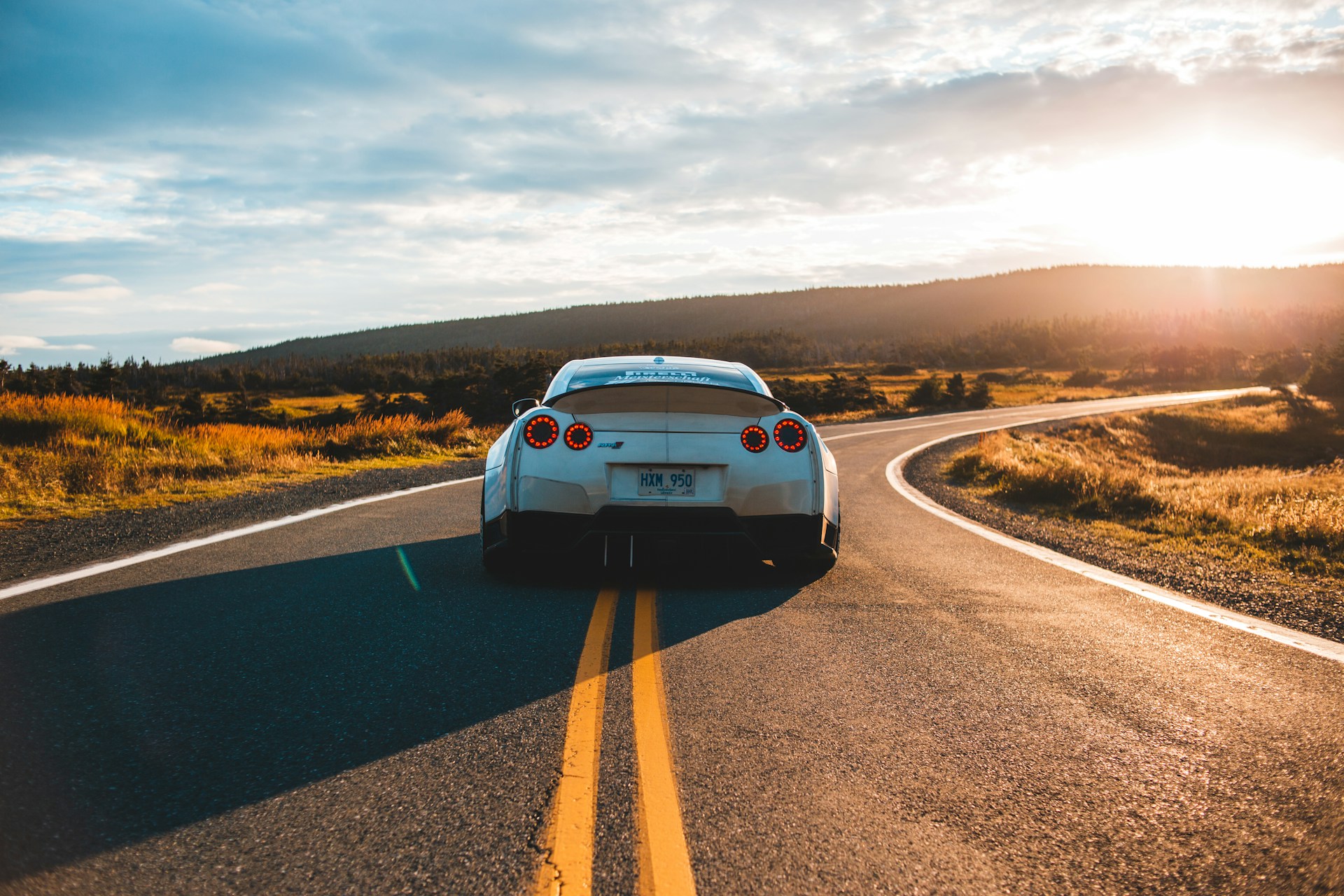
Recent High-Speed Street Racing Crash Shows the Real-World Impact
On a Saturday night in Lansing, Michigan, a crowd gathered to watch cars tear through an intersection. What happened next wasn’t part of the thrill. A pair of high-performance vehicles, suspected of street racing, lost control near a gas station. One car plowed into a group of spectators. Thirteen people were injured—some critically.
Street racing has always existed in the shadows of sanctioned motorsports. But the danger it poses to the public, and the frequency of severe injuries and deaths, are exactly why it’s illegal in nearly every U.S. state. And unlike the controlled chaos of a drag strip, illegal racing brings real consequences—both for the people involved and the communities left to clean up the damage.
Public Roads Are Not Race Tracks
Street racing takes place on open roads—highways, intersections, parking lots—anywhere racers can gather without detection. Street racing locations aren’t built for speed. They’re filled with stop lights, uneven pavement, parked cars, and people who didn’t agree to be part of the race.
The risks multiply fast. Drivers frequently reach speeds of 100 mph or more with no protective barriers, no safety gear, and no medical personnel on standby. In legitimate racing events, every detail is controlled—from the surface of the drag strip to the reaction time of trained track workers. That level of precision doesn’t exist when drivers line up at a stop light and hit the gas on a public street.
Unlike sanctioned events where fans are kept at a safe distance, street racing sometimes draws bystanders within feet of the starting line. When something goes wrong—and it does—a split second can mean the difference between a near miss and a fatal injury.
Laws Targeting Illegal Street Racing
Most states treat street racing as a misdemeanor or felony, depending on whether someone was hurt. Penalties typically include license suspension, steep fines, and in serious cases, jail time.
In places like Southern California and parts of Texas, new laws have increased the consequences. Police departments now use tactics like undercover surveillance, vehicle impoundment, and even spectator ticketing to curb what they call “street takeovers.” In some areas, just being present at a race can lead to criminal charges.
Repeat offenses or crashes that result in injuries raise the stakes even further. Drivers may face charges for reckless driving, vehicular assault, or even manslaughter if someone dies. Those cases also open the door to civil lawsuits, especially if an injured person files a personal injury car accident lawsuit against one or more drivers.
The Legal Fallout From a Street Racing Crash
Beyond criminal charges, street racing can leave drivers facing lawsuits that take years to resolve. Injury cases connected to illegal racing usually involve high-speed impacts, serious trauma, and long recovery periods.
Even if a driver walks away from the crash, they may be held liable for injuries to passengers, bystanders, or people in other vehicles. Insurance coverage is typically denied because most policies exclude intentional or reckless behavior—leaving drivers personally responsible for hundreds of thousands of dollars in damages.
And if the person injured wasn’t part of the race—say, a pedestrian or someone driving to work—they may never fully recover physically or financially. Lawsuits tied to street racing can include claims for lost wages, future medical costs, and pain from permanent disability. In wrongful death cases, families may pursue compensation for funeral costs and emotional loss.
Why So Many Street Racers Are Young Drivers
Police and traffic safety analysts consistently report that most street racers are in their late teens to early 30s. The culture appeals to younger drivers for a few reasons: adrenaline, attention, and access to fast cars.
Social media has accelerated the spread of illegal racing. Videos showing vehicles racing through intersections or drifting in empty parking lots rack up millions of views. In some clips, modified cars with aftermarket exhausts and stripped-down interiors push the edge of control while crowds cheer from inches away.
Platforms like Instagram and TikTok make this activity look like a lifestyle. But the back end—the severe consequences, license suspensions, and legal battles—rarely gets shared.
Some racers point to the cost of entering a sanctioned event as a barrier. Race tracks require safety inspections, registration fees, and adherence to strict rules. Street racing, by contrast, has none of those filters—which makes it more accessible and far more dangerous.
Why Real Racing Fans Reject Street Racing
There’s a clear distinction between professional racing and its illegal cousin. Real racing fans appreciate discipline, engineering, and driver performance under pressure—not random chaos on public streets.
At a sanctioned track, you’ll find racing vehicles that meet technical specs, drivers who’ve logged hundreds of practice laps, and safety staff trained to respond in seconds. Events are timed, scored, and reviewed for compliance. Even drag racing, which looks raw and stripped down, is governed by rules that keep competitors and fans safe.
Street racing throws all that out the window. Cars aren’t inspected. Drivers aren’t vetted. And the damage is real. Legitimate racing communities have condemned illegal racing for years because it creates public backlash and gives their sport a bad name.
Organizations that promote grassroots racing—like autocross leagues or amateur drag strips—exist precisely to give drivers a legal, controlled space to push their limits. They welcome modified cars, high-speed runs, and the thrill of competition—without the risk to bystanders.
Why Laws Alone Aren’t Stopping It
Despite tougher penalties, street racing hasn’t disappeared. In cities like San Diego, Los Angeles, and Atlanta, police report ongoing activity—especially during weekends or holidays. Drivers use encrypted apps to coordinate meets and choose locations based on where police presence is low.
The problem is complex. Laws alone don’t solve it, because the drivers are usually motivated by attention or social currency more than money. For some, the idea of risking jail time is outweighed by the desire to go viral.
Still, the consequences are steep. One wrong move can mean losing control, injuring someone, or facing criminal prosecution. And once a crash happens, no amount of likes or followers can undo what’s been done.
What Parents, Drivers, and Lawmakers Can Learn From This
The Lansing crash isn’t unique. Across the U.S., hundreds of street racing accidents happen every year—and a large share of them involve young drivers, innocent bystanders, and modified cars with no business operating at high speeds on public roads.
Parents can talk to their kids about the reality—not the hype—of illegal racing. Lawmakers can continue to fund programs that expand access to legal tracks. And fans of racing can speak out to separate the sport they love from the reckless behavior that gets innocent people hurt.
As long as street racing stays tied to identity and adrenaline, it won’t go away completely. But the more people understand the difference between real racing and illegal activity, the more likely we are to keep that danger off the streets—and back where it belongs.