The vehicle the individual drives is another important element that defines the cost of car insurance. Insurance firms use the make, model, age and value of a car in determining their premiums. There are cars that represent a greater risk of accidents, theft, and repair costs and as such, insurance charges differ. Knowing the way car type affects insurance costs can assist car buyers to take informed decision when buying a carModelyear Requirement Modelyear requirement is the requirement that you have to be of a certain age to get a certificate of entitlement, and you could be aged 18 or have a license of certain type eg 18 years and up, or no license.
The cost of insurance is not only based on the vehicle in question but also on the perceived risk to insurers of financial loss associated with that particular vehicle. Sports cars, deluxe cars, and used cars could be associated with high premium costs because it is expensive to repair them or they are more prone to thefts. On the other hand, cars that have a good safety record, or which are inexpensive to replace, will be charged more favorable rates. These factors are vital when one wants to balance how to choose a vehicle with affordable insurance cover.
Effect of Vehicle Value on Insurance Rates
The value of a car is one of the main factors which influence the premium of car insurance. High-value cars are more expensive to fix or repurchase, and this factor pumps up the insurance company. Because of this, the owners of high-end or luxury cars tend to pay more on insurance covers than ordinary car owners.
The insurance firms also consider the effects of depreciation to cover the cost of insurance Cars or trucks that have high amounts of retained values could be beneficial to insurers but initially, the cost of replacing or repairing is major. Knowing the way auto insurance is impacted by the value of a car will assist the buyer in making a choice between a car that delivers the desired performance and yet is affordable on the insurance front in the long run.
Influence of Vehicle Type and Model
These insurance rates are greatly affected by the available type and model of a vehicle. Performance cars and sports cars tend to be more expensive to insure as they are attributed to higher speeds, and also are at a higher risk of accidents. Sedans and minivans and other family cars are instead associated with lower premiums because of their strength and lower risk of car theft.
Insurance companies additionally give thought to model specific security benefits and past assets records. Cars with good crash ratings, or vehicles with high levels of safety technology can be considered lower risk and can earn lower rates. Motorists are advised to consider the style and the specifications of a car when considering the insurance costs as this directly determines the calculations of insurance costs.
Impact of Age and Condition of Vehicle
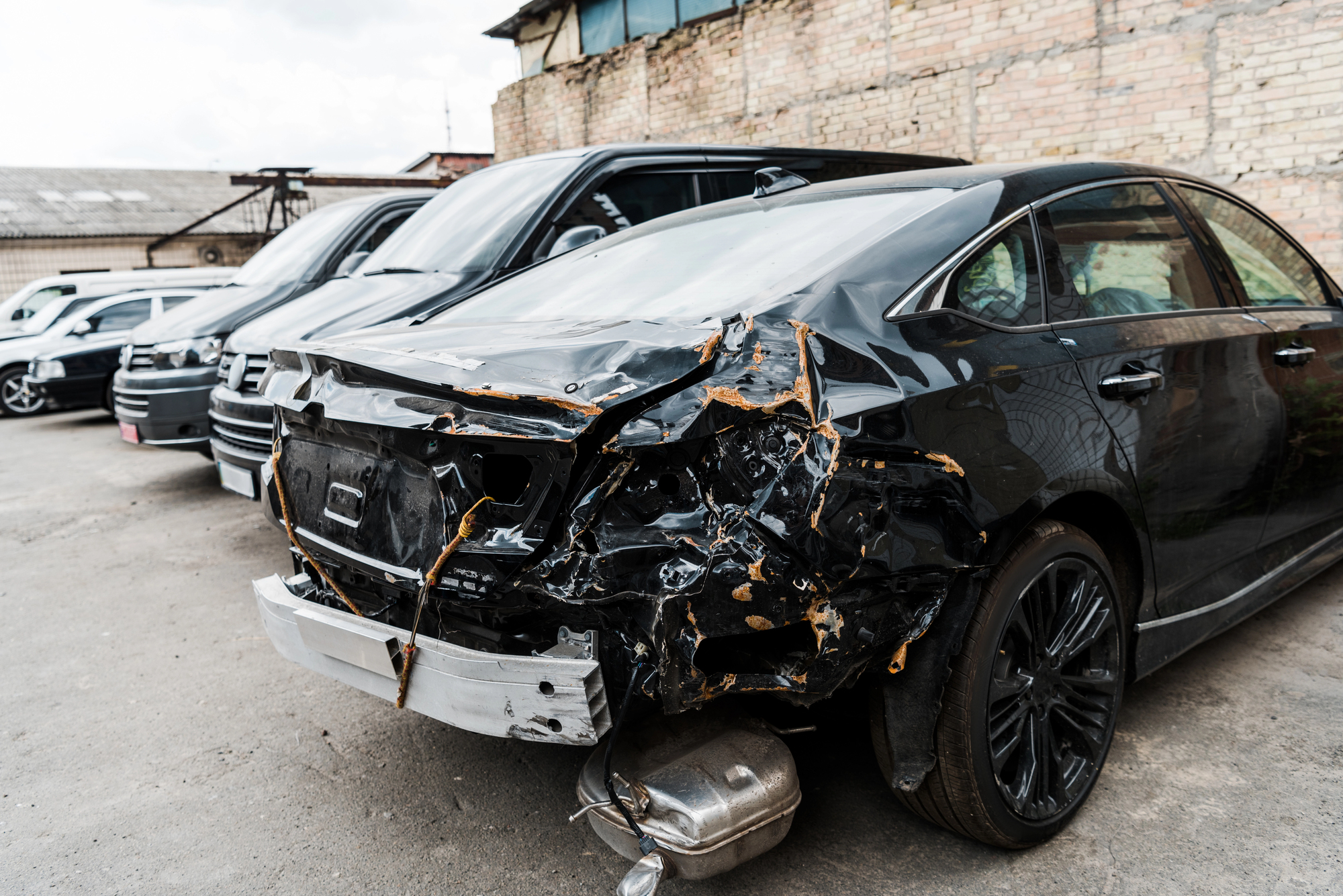
The age and condition of an automobile is a significant element in automobile insurance rates. Newer cars can be more costly to replace and newer cars are likely to incur a higher premium depending on the set of features that a car has or how expensive it is. Older vehicles, being in most cases cheaper to insure, may not have the latest in safety systems and can also affect the rates.
Maintenance and general condition also weighs in on the cost of the coverage. Car insurance may be more favorable when it comes to well-kept cars that may have fewer chances of experiencing mechanical failures or accidents. Maintaining a vehicle in good condition not only helps preserve its resale value, but may also help it get cheaper car insurance.
Safety Features and Technology
Safety features have a direct impact on insurance costs. Cars fitted with anti lock brakes, airbags, collision avoidance and other safety rich cars may be rated to a lesser premium. Insurers acknowledge that these are characteristics that minimize the chances of accidents and injuries and the result is less exposure to their finances.
Better technology is also available to alert or better inform the driver of their situation, which might include lane departure warnings or automatic emergency braking and such technology will lead to a better safety rating. Cars with high strength safety features are not only safe to its occupants but also expenditure worthy in the long run in terms of insurance. A car purchase can be constructive in terms of protection and in terms of the money it costs to run.
Risk of Theft and Vandalism
The insurance is more expensive on some types of vehicles that have a higher likelihood of theft or vandalism. Vehicles such as sports cars, luxury models, or those with a high resale value have also been most targeted, and it is this reason that insurers can face more claim cases. The easier a car is to secure or the less alluring it is to a thief, the lower will be the premium.
Insurance firms pay attention to the crime rates and past thefts scenarios in the area to determine rates. Other preventive measures vehicle owners can resort to are installing anti-theft devices or parking in safe places that can keep them safe. Knowing how likely it is that a car will be stolen or damaged, can give drivers an idea of what to expect regarding insurance prices and make sound decisions.
Conclusion
The type of car, its worth and options will significantly influence the cost of car insurance policies. Cars with a higher value of commencing progress and models with high replacement costs normally have higher premiums whereas modest non-luxury cars that are not subjected to risk driving have a cheaper premium. Coverage costs also depend on factors like, safety technology, age, condition, and risk of being stolen.
Considering such factors, drivers can make smart decisions, regarding the purchase of a car and the choice of insurance. It is necessary to reconcile the personal preferences with the practical issues connected with car insurance and auto insurance expenses to make both of them safe and affordable. Selecting an appropriate vehicle is one way to save money in the long run and experience an easier time purchasing insurance.