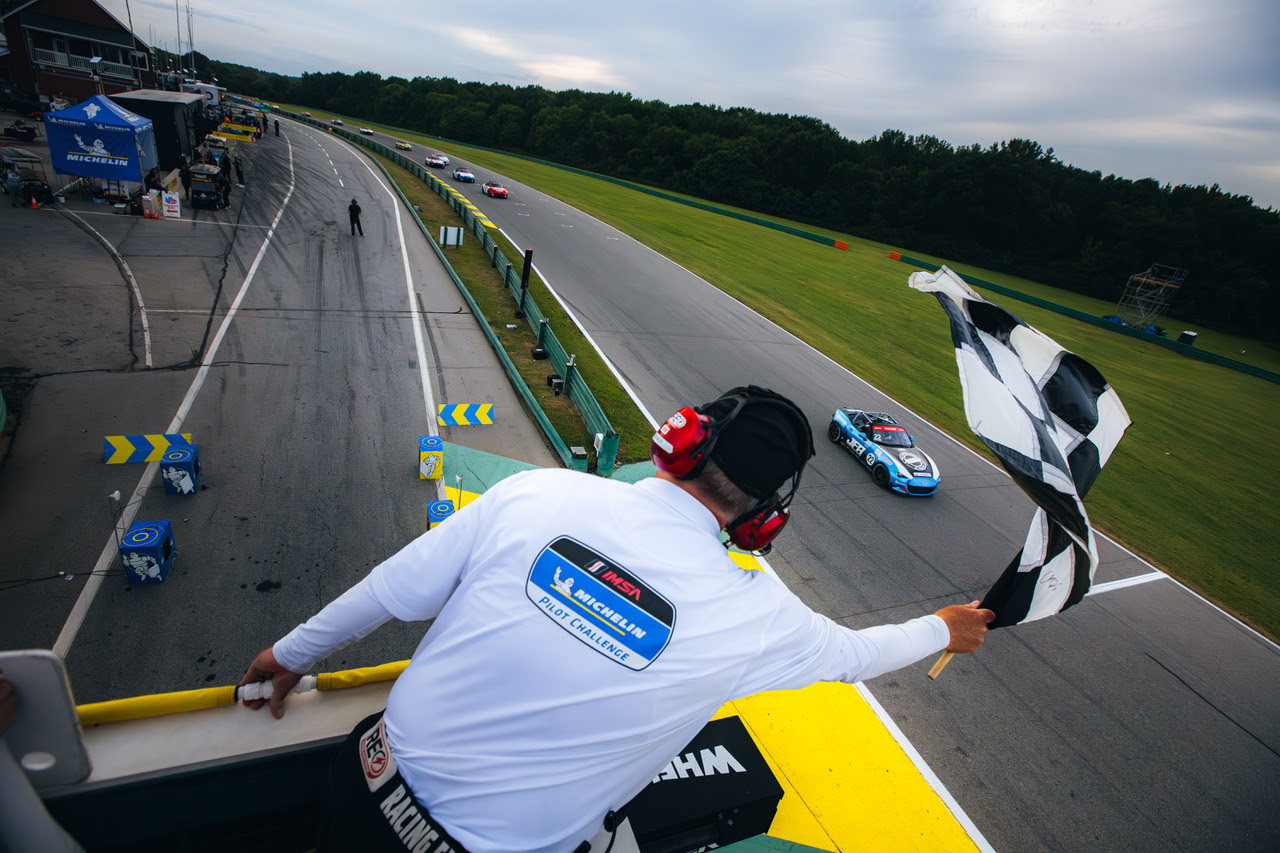
Every racecar has a story. From the roar of the engine at the starting line to the quiet retirement at the end of its career, the lifecycle of a race car is a fascinating blend of engineering, adrenaline, and eventual practicality.
Read on to explore what happens to these high-performance machines once their racing days are over.
Born to Race: The Start of a Race Car’s Journey
Before it ever sees the checkered flag, a race car begins life in the workshop. These vehicles are not simply modified street cars, but finely tuned machines designed with a single purpose: to win.
The planning, design, and assembly of a racecar is a meticulous process involving engineers, fabricators, and racing teams working together.
Precision Engineering and Custom Builds
Every component is selected or built for a reason, whether it’s lightweight carbon fiber body panels or suspension parts built for extreme G-forces. Engines are hand-assembled, transmissions calibrated, and chassis strengthened to withstand the punishment of competitive driving.
Testing and Track Debut
After assembly, the car undergoes track testing to ensure all systems perform under race conditions. This phase is vital, as teams gather performance data and make crucial adjustments. Once dialed in, the car is ready to compete, stepping into the spotlight for its racing debut.
Life on the Track: Peak Performance and Wear
Once on the track, a race car is pushed to its limits. It competes in a world where milliseconds matter and durability is constantly tested.
These machines face extreme temperatures, high-speed impacts, and relentless vibration. As races stack up, so does the wear on every component.
Maintenance Between Races
To keep race cars in peak condition, teams perform regular maintenance after every event. Engines are rebuilt, tires replaced, and bodywork repaired. Despite this care, the high-stress environment takes a toll, and eventually, every racecar begins to show signs of aging.
Common Causes of Race Car Retirement
Some cars are retired due to outdated technology that can no longer keep up with newer models. Others may suffer irreparable damage in crashes. In many cases, the cost of repairs or upgrades simply outweighs the car’s remaining potential, making it more practical to sell the vehicle as a scrap car for cash instead of investing further.
Retirement from Racing: What Comes Next?
When a car’s racing days are over, the team must decide its next chapter. Retirement doesn’t always mean the end of the road. Depending on the condition, some vehicles find new life off the track.
Selling to Collectors or Enthusiasts
Cars with a winning pedigree or iconic history may be sold to collectors, museums, or private buyers. These vehicles are often restored and preserved, becoming a piece of motorsport history.
Stripped for Parts and Repurposing
In other cases, race cars are disassembled and stripped of usable parts. Engines, transmissions, and specialty components can be sold or reused in other builds. The remaining shell might be converted into a showpiece or training tool for new drivers.
When Repairs Are No Longer Worth It
Eventually, a point is reached where repair, restoration, or resale isn’t financially viable. That’s when proper disposal becomes the most practical option.
Understanding When a Race Car Is Beyond Saving
Damage from collisions, rust, or outdated parts can make repairs cost-prohibitive. Teams often assess whether the cost of keeping a vehicle outweighs the benefits. If the answer is yes, it’s time to consider alternative solutions.
Disposal Options for Race Cars
While it may seem bleak, disposal doesn’t mean waste. Modern services exist to help race teams and owners responsibly handle the end-of-life stage of their vehicles.
The Role of Car Removal Services in the Final Stage
When a race car has no future on or off the track, car removal services become a logical next step.
Environmentally Responsible Vehicle Disposal
Reputable car removal companies ensure that hazardous materials like oils, coolants, and batteries are handled correctly. They also recycle metals and usable parts, reducing environmental impact.
Getting Value from Retired Vehicles
Even when a racecar is no longer drivable, it still holds value. Services that offer cash for old vehicles make the disposal process more beneficial for owners.
Whether you’re a race team clearing out old inventory or an enthusiast with a project car that’s no longer viable, vehicle removal services offer an efficient and rewarding option.
Recycling and Reuse: What Happens to the Parts?
Race cars are built with valuable materials that don’t need to go to waste.
Steel, Aluminum, and Other Materials
Once dismantled, the car’s frame and panels can be processed and reused in manufacturing. This supports a circular economy by turning raw materials into new products.
Safe Disposal of Hazardous Components
Items like fuel tanks, batteries, and brake fluids must be carefully removed and disposed of according to strict environmental standards. Proper disposal protects both people and the planet.
Conclusion: A Full-Throttle Life with a Responsible End
Race cars may live fast, but they don’t have to die wastefully. From precision-built machines to carefully dismantled metal, every phase of their lifecycle plays a role in the world of motorsport.
By handling the end-of-life stage responsibly, whether through resale, repurposing, or removal services, we ensure that every racecar’s journey ends just as meaningfully as it began.