Laredo, Texas, is a busy border city with a steady flow of daily traffic, local commuters, and travelers. With so many vehicles on the road, drunk driving accidents sadly occur more often than they should.
These crashes can leave victims with serious injuries, medical bills, and long-term emotional effects. When this happens, a drunk driving crash attorney in Laredo, TX, can guide victims through the process of proving liability so they can pursue compensation for their losses.
Proving liability in a drunk driving accident case is a critical step. You may know the driver was impaired, but legal proof is what matters in a claim or lawsuit. Evidence must be collected carefully and clearly presented to show fault. The stronger the evidence, the easier it becomes to hold the drunk driver accountable.
Why Evidence Matters in a Drunk Driving Case
Injury claims rely on proof. Even if the situation seems obvious, insurance companies often challenge fault or try to reduce payouts. A claim is not just about what happened—it’s about what you can prove. Evidence helps show:
- If the driver was intoxicated.
- If their impairment helped cause the accident.
- If you suffered any injuries or damages as a result.
Without solid evidence, the compensation you receive may be much lower than what you need to recover.
Key Types of Evidence Used to Prove Liability
1. Police Reports
Police reports are some of the most important pieces of evidence. They often include:
- Statements from any drivers and any witnesses
- Officer observations
- The results of any field sobriety tests or breath tests
- Details about the crash site
These reports help support the claim that the driver was intoxicated at the time of the accident.
2. BAC (Blood Alcohol Content) Test Results
Blood and breath tests provide measurable proof of intoxication. In many states, a BAC level of 0.08% or higher is considered illegal for drivers. These results can make it much harder for the other party to deny liability.
3. Witness Statements
People who saw the crash or observed the driver’s behavior before or after the accident can be valuable. Witnesses may report signs such as
- Slurred speech
- Unsteady movement
- Smell of alcohol
- Reckless driving behavior
Neutral third-party statements are particularly powerful because they are unbiased.
4. Video or Surveillance Footage
Footage from traffic cameras, businesses, or even dashboard cameras can show how the accident happened. Video may capture the driver swerving, speeding, or running through lights—all signs of impairment. It can also show the exact moment of the collision.
5. Medical Records
Your injuries are a major part of proving damages. Medical records help show:
- The extent of your injuries
- The treatment you received
- The cost of your care
- Long-term health impacts
These documents connect the drunk driver’s actions directly to your physical and emotional losses.
6. Accident Reconstruction
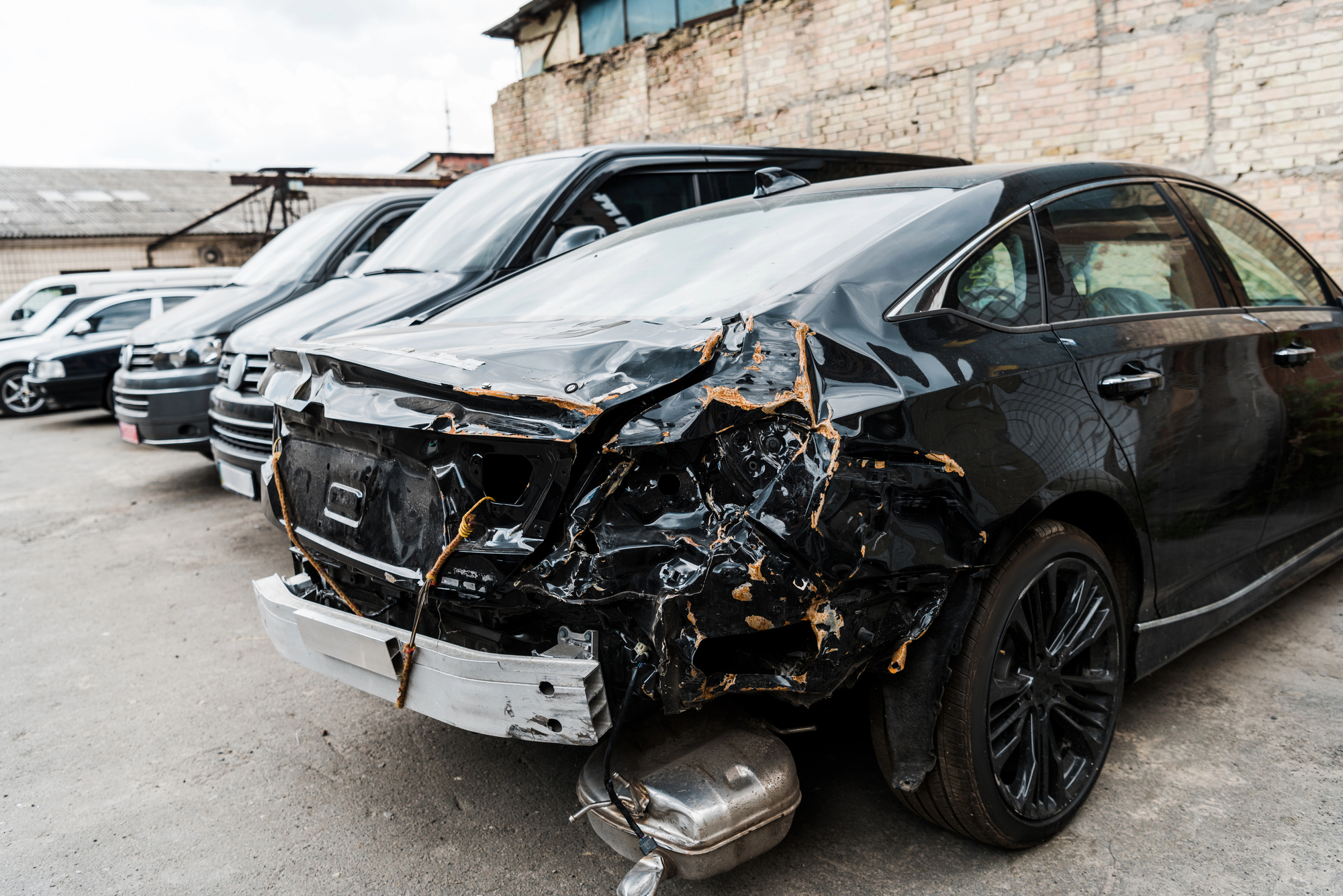
In serious cases, experts may examine the crash scene, vehicle damage, and skid marks to recreate what happened. Their analysis can support claims of drunk or reckless driving and help prove responsibility in complex situations.
Key Takeaways
- Evidence is essential to proving liability in a drunk driving accident case.
- Police reports, BAC tests, and witness statements often play major roles.
- Video footage and accident reconstruction can strengthen a case further.
- Medical records demonstrate the link between the crash and your injuries.
- Legal representation can help gather, organize, and present this evidence effectively.