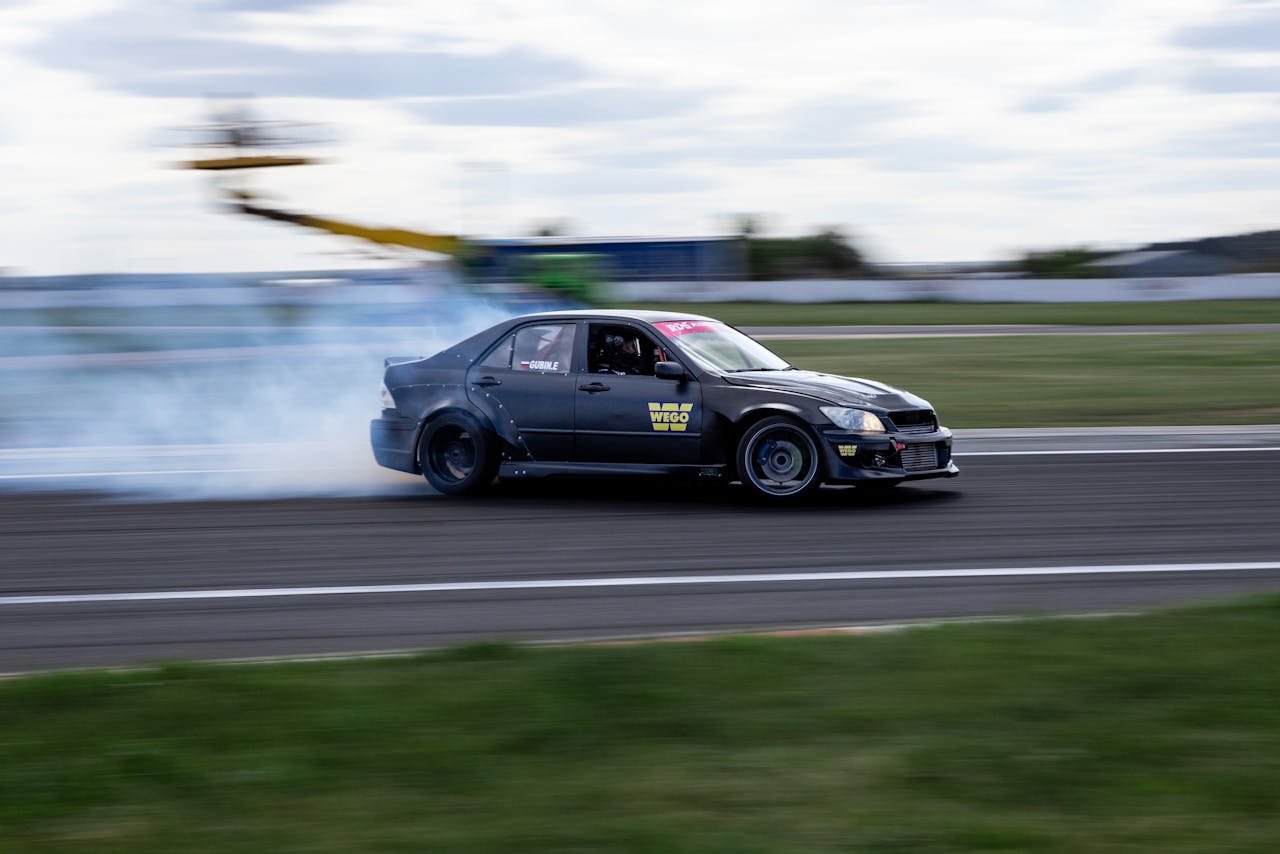
The first time you watch a Cup car slam the safer barrier, the moment freezes. Metal rips, sparks scatter across the track, and the grandstands fall into a kind of stunned silence. Then the window net drops, the driver climbs out, and the entire scene resets. Within minutes, the wreck becomes a replay, then a highlight, then a piece of chatter folding into the rhythm of race day.
Real roads don’t offer that kind of recovery. There is no replay angle waiting to explain what happened. No spotter is shouting a warning or a safety crew sprinting toward you. One moment you are adjusting the radio or lining up a turn, and the next you are staring at bent glass and deployed airbags with the sharp smell of fuel hanging in the air. No crowd. No officials. Only your pulse and the question that arrives before anything else: what now.
The divide between the track and the street widens as the silence sets in. Bodies react in strange ways after a hit. People feel fine, then wake up stiff or dizzy. Bills appear before explanations do. Insurance calls feel like conversations in a foreign language. In that mess, having a trusted injury law team becomes more than a box to check. It is part of staying steady when everything else feels uncertain. A driver heads back to the garage and straps into another machine the next weekend. Regular folks carry the same collision around far longer.
The Illusion of Safety We Borrow From the Track
Fans are used to watching violent hits turn into little more than a shrug. A car snaps loose, skids into the wall, and the driver walks away with a wave. Years of engineering and repetition build that confidence. The danger feels managed because the people behind the wheel live inside equipment designed for the worst seconds of their profession.
Nothing about regular traffic resembles that setup. A family car is not a reinforced cell. Most drivers have never practiced evasive maneuvers or studied how a vehicle behaves at the edge of control. The environment is unpredictable, and the stakes arrive without warning. When a crash hits the rhythm of daily life, there is no choreography to fall back on. Noise, confusion, and uncertainty fill the space instead.
Once the adrenaline fades, the crash becomes real. People face questions they never imagined asking. There is no safety crew stepping in with practiced movements. The burden sits on the person standing beside the damaged car, trying to piece together what just changed.
Why Real Roads Are More Dangerous Than Any Speedway
A racetrack may look wild, but it is one of the most orderly places a driver can run a machine. The pavement is groomed for consistency. Impact zones are engineered to absorb violence. Medical teams stand close enough to reach a wreck almost instantly. Even the unexpected has guardrails.
Daily traffic lacks that structure. Drivers sip coffee, check notifications, and drift through commutes with half their attention somewhere else. Road surfaces wear down. Weather shifts without ceremony. A lane change that looks routine can turn chaotic the moment the driver beside you skips the mirror.
Human behavior plays the biggest role. Racers know the intentions of the cars around them. They read lines and choices with practiced instinct. Out on regular streets, a turn signal might mean nothing. Reaction times vary. One small lapse becomes a chain reaction that ends with bent steel and stunned silence. Wrecks off the track rarely follow clean arcs or tidy patterns. They break in odd directions and leave people standing in the middle of a scene they never had time to understand.
The Hidden Aftermath: Injuries That Don’t Make Headlines
Real-world crashes create injuries that unfold slowly. Someone might walk away from the impact feeling steady, then struggle to turn their head the next morning. A headache lingers. A shoulder tightens. The body has its own pace for revealing damage, and adrenaline masks the early warnings.
Some problems stay quiet for days. Soft-tissue injuries settle in like unwelcome background noise until they grow sharp enough to ignore. Concussions hide behind fatigue or irritability. Even bruises can signal forces that were far stronger than they first appeared.
Federal crash injury research backs up how often these delayed issues develop. The numbers reveal how much force a human body takes during an ordinary collision and how long those effects can linger. The car may leave the scene within an hour. The person who was driving it might deal with the consequences long after the tow truck has disappeared.
When the Real Race Begins After Impact
The hours after a crash feel disorganized. People exchange statements, snap photos, check on each other, and try to piece together what happened. Then the focus shifts to repairs, doctor visits, and conversations that require details most people didn’t have time to gather.
Insurance adds another layer of tension. A policy might look straightforward until you are the one sorting through fault, treatment, or repair costs. Even simple claims can turn into back-and-forth questions that stretch on far longer than expected. There is no quick reset here. Everything moves slowly, and the stress builds.
The shock fades, but the ripple effect doesn’t. Workdays change. Bills arrive. Routines get rearranged. Friends help where they can, but there is no dedicated team standing by with a plan. A crash lasts a heartbeat. Recovering from it takes far more time.
Crossing the Finish Line: Protecting Yourself After a Collision
The first steps after a crash set the stage for everything that follows. Checking for injuries, documenting the scene, seeking medical care, and paying attention to early symptoms make a real difference. Even small details, like the angle of the cars or a single text message, can shape how the situation unfolds.
Recovery rarely moves in a straight line. Some people feel steady after a week. Others spend months working through the aftereffects. Clear information helps cut through the uncertainty. Understanding how racing incidents and their ripple effects unfold on track gives useful context for what happens on public roads, where the same chain reactions play out without safer barriers or full-face helmets. It becomes easier to see why injuries do not always show their full shape right away.
Public roads don’t come with caution flags or choreographed rescues. They call for focus, patience, and the willingness to take your own safety seriously. Every driver shares the same vulnerability once the wheels start turning.
Interlinking suggestion:
From: https://speedwaymedia.com/2025/11/07/types-of-injuries-victims-often-face-after-being-involved-in-a-truck-accident/ to this article with anchor: the true fallout of a serious wreck