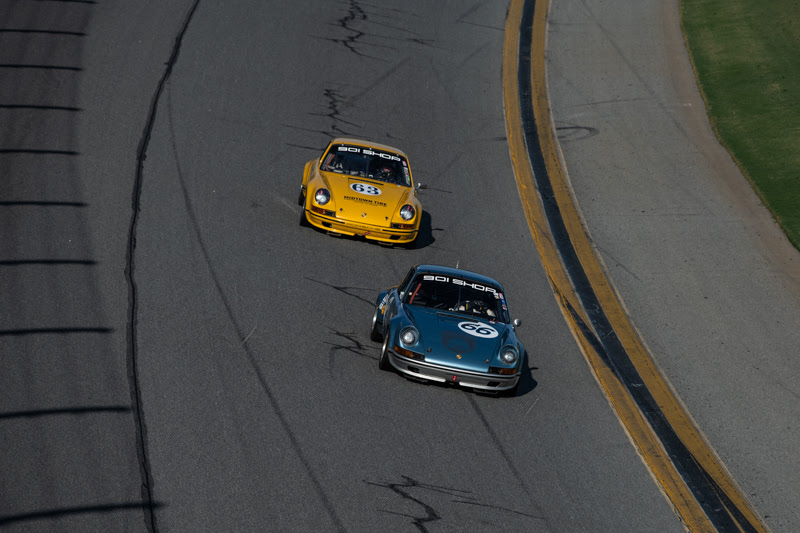
Stock car racing holds a special place in American sports culture. NASCAR transformed from bootleggers outrunning revenue agents into a multi-billion-dollar enterprise that captures the spirit of working-class America. The roar of V8 engines at Daytona has become as recognizable as any national anthem.
Bootleggers Built the Foundation
The sport’s origin story reads like pure Americana. During Prohibition, moonshiners in the Appalachian South modified their cars to outrun federal agents on mountain roads. These drivers needed speed, handling, and nerves of steel. After Prohibition ended, the skills remained. Former bootleggers started racing each other on dirt tracks and beach courses, drawing crowds hungry for excitement.
Junior Johnson exemplified this transition. He went from hauling illegal whiskey to becoming a racing legend. His story wasn’t unique – many early NASCAR drivers learned their craft while breaking the law. That outlaw heritage gave the sport an edge that golf and tennis could never match.
Bill France Sr. recognized an opportunity in 1948. He organized scattered racing events into a formal championship series. The National Association for Stock Car Auto Racing was born in Daytona Beach, Florida. France insisted on standardized rules and guaranteed prize money. Drivers could finally make racing their profession.
Working-Class Heroes on Four Wheels
NASCAR resonated with everyday Americans in ways other sports didn’t. Drivers looked like regular people, not privileged athletes. Richard Petty signed autographs for hours after races. Dale Earnhardt grew up in a textile mill town. Fans saw themselves in these competitors.
The cars themselves mattered too. Spectators watched Chevrolets, Fords, and Dodges – the same brands sitting in their driveways. “Win on Sunday, sell on Monday” became Detroit’s mantra. Manufacturers poured money into racing programs because victories translated to showroom traffic.
NASCAR became woven into regional identity, particularly across the South. Tracks in Darlington, Talladega, and Bristol drew pilgrims every season. Families camped in infields, grilling and celebrating for entire weekends. Just as different states celebrate unique state symbols, NASCAR fans embrace their local tracks and regional racing heroes as cultural touchstones.
Speed Meets Spectacle
Television discovered NASCAR’s appeal in the 1970s and 1980s. The 1979 Daytona 500 ended with a fistfight on national TV – viewership exploded. Suddenly, stock car racing wasn’t just a Southern phenomenon.
Corporate sponsors followed the audience. Tobacco companies, beer brands, and consumer products covered race cars in logos. The sponsorship model allowed teams to compete at higher levels. Technology improved, safety advanced, and purses grew larger.
Dale Earnhardt Sr. embodied NASCAR’s golden era. “The Intimidator” drove aggressively, won relentlessly, and never apologized. His black number 3 Chevrolet became an icon. When Earnhardt died in a crash during the 2001 Daytona 500, the nation mourned.
Economic Engine and Job Creator
NASCAR’s economic footprint extends far beyond race day. Teams employ engineers, fabricators, haulers, and mechanics year-round. Tracks generate tourism revenue for their communities. A single race weekend can inject millions into a local economy.
North Carolina’s “Race Valley” became home to most major teams. Small businesses built entire operations around serving NASCAR’s needs. This ecosystem created middle-class jobs that didn’t require college degrees – another connection to working America.
Cultural Impact Beyond the Track
Hollywood recognized NASCAR’s storytelling potential. “Days of Thunder” brought Tom Cruise to Victory Lane. “Talladega Nights” satirized the sport while celebrating its absurdity. Pixar’s “Cars” introduced young children to racing culture.
Country music and stock car racing formed a natural partnership. Songs referenced drivers, tracks, and the lifestyle. Artists performed at races, and drivers appeared in music videos. This cross-pollination strengthened both industries’ connections to their shared audience base.
Evolution and Modern Challenges
Recent decades have brought significant changes. Safety improvements followed Earnhardt’s death, including SAFER barriers and the HANS device. The Next Gen car debuted in 2022, emphasizing cost control and competition parity. NASCAR diversified its driver lineup and expanded beyond traditional Southern markets.
In 2024, the sport faced legal challenges when 23XI Racing and Front Row Motorsports filed an antitrust lawsuit over charter agreements. The dispute centered on team equity and governance. A settlement reached in December 2025 introduced “evergreen” charters, giving teams greater long-term stability. Michael Jordan, co-owner of 23XI Racing, stated the resolution was “about making sure our sport evolves in a way that supports everyone.”
Racing Into the Future
NASCAR remains deeply embedded in American culture despite competition from other forms of entertainment. The sport represents values many associate with the United States – innovation, competition, and accessibility. Race weekends still draw passionate crowds who appreciate speed, skill, and spectacle.
From bootleggers to billion-dollar franchises, NASCAR’s journey mirrors broader American narratives about entrepreneurship and reinvention. The checkered flag waves over a uniquely American institution that transformed outlaw roots into mainstream success. Stock car racing continues proving that with enough horsepower and determination, anything becomes possible.