Did you know that towing your car typically costs between $50 to $150 as a base fee, plus an additional $2.50 to $7.00 per mile?
Your vehicle’s unexpected breakdown can be less stressful if you understand the basics of towing. Most people don’t think about towing services until they’re stuck in an emergency – maybe after an accident or when their car gives up. Knowledge about towing services can help reduce stress during these situations.
The response time for most towing companies ranges from 30 to 60 minutes after your call, which helps when you’re stranded roadside. On top of that, your AAA membership or insurance provider’s coverage might lower your costs.
Let’s walk through everything about towing – from common reasons you might need one to the process and available service types. This piece will prepare you to handle any situation that needs a tow truck’s help.
When and Why You Might Need a Tow
Nobody plans to get stranded on the road. Statistics show that tow trucks rescue about 55,000 vehicles daily in America. Knowing what situations need towing helps you prepare for these unexpected events.
Vehicle breakdowns are the most common reason people call a tow truck. Here are the typical mechanical problems that leave you stranded:
- A dead battery that won’t take a jump-start
- An engine that fails completely or overheats
- Transmission issues like grinding or slipping gears
- Serious problems with the brake system
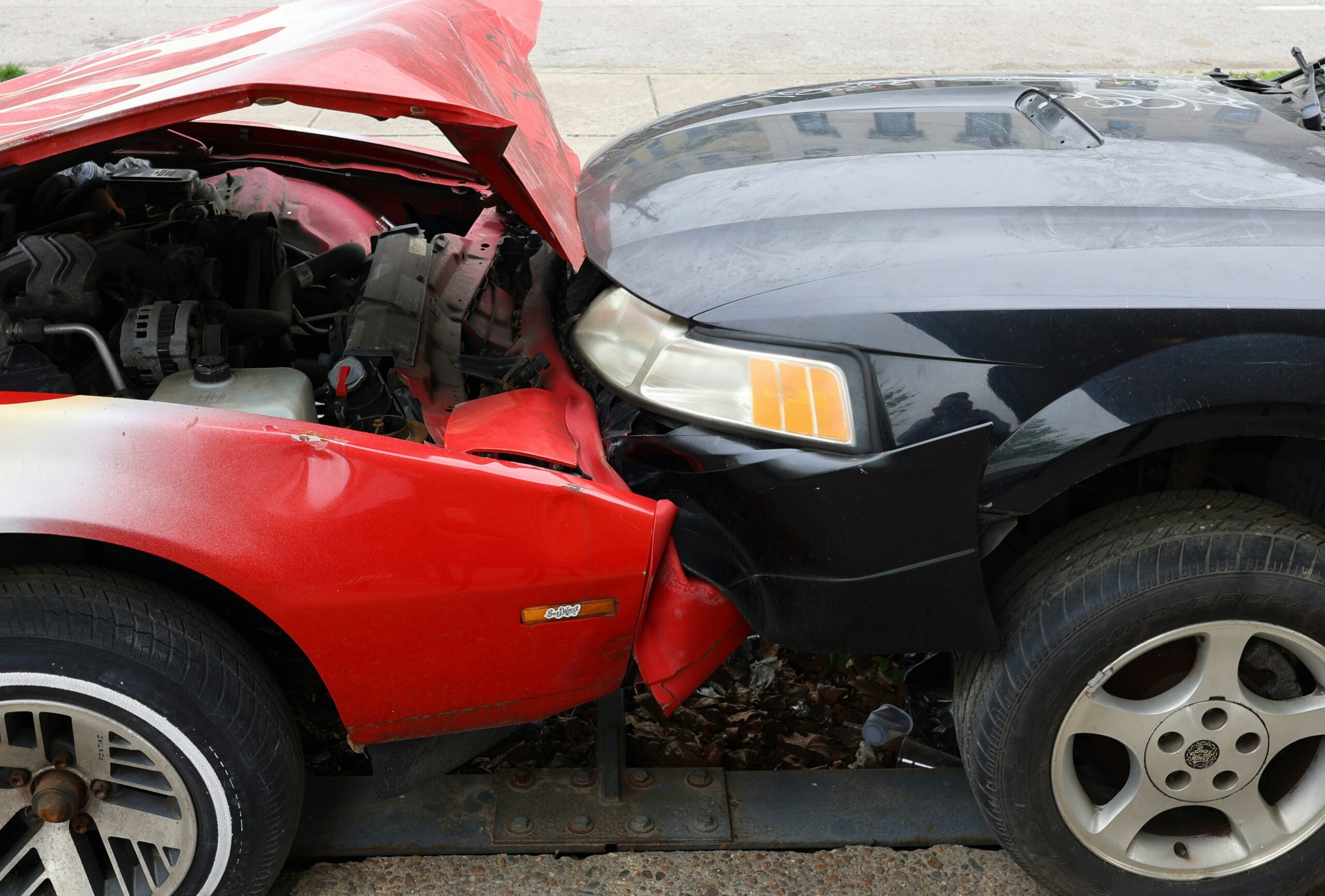
Accidents often leave you needing a tow truck, especially if your car won’t drive. Your car might end up at a mechanic’s shop, storage lot, or police impound after a crash. Police will request a tow if your vehicle blocks traffic or poses a danger. When police are involved, the report number, the tow company name, and the vehicle’s storage location often become key details for the next steps with insurance. ConsumerShield breaks down the basic post-accident checklist, including what information to gather at the scene so your claim doesn’t stall later over missing details.
You might need a tow truck when you get a flat tire without a spare. Running out of fuel or getting stuck in mud or snow are other common reasons. Legal problems can get your car towed too. This happens with prohibited parking, registration expired over six months, or five or more unpaid parking tickets.
Safety risks always need immediate towing. Watch out for smoke under the hood, grinding noises, or sudden power loss. Trying to drive in these conditions could turn a small fix into an expensive disaster.
How the Towing Process Works
Your vehicle’s towing trip starts with one phone call. You need to reach out to a towing company or roadside assistance service when you need help. The dispatcher will ask about your vehicle’s make, model, and what went wrong.
A tow truck will head to your location right away. The operator checks your vehicle’s condition and size to pick the quickest way to tow it. This vital check stops any more damage during the move.
Before the tow begins, remember to:
- Be sure to place your vehicle in neutral
- Check and release the parking brake
- Remove any obstacles
- Clear out any valuable belongings
The tow truck operator will then secure your vehicle with specialized equipment such as straps, chains, or a winch. Your vehicle’s setup determines whether they’ll use a flatbed or wheel-lift truck.
Experts call it safest to use flatbed towing which loads your whole vehicle onto a platform. Wheel-lift towing works by raising either the front or back wheels off the ground.
After securing everything, the operator takes your vehicle to where you need it – usually a repair shop, storage lot, or your home. Most operators let you ride along in the truck’s cab to stay with your vehicle.
Types of Tow Trucks and Services
Tow trucks come in different types to handle a wide range of recovery situations. The right service depends on your vehicle’s specific needs.
Flatbed tow trucks are the best choice for safely transporting most vehicles. A hydraulic platform tilts down to ground level so cars can be driven or pulled up. Your vehicle never touches the road during transport, making these trucks ideal for luxury cars, all-wheel-drive vehicles, and motorcycles.
Wheel-lift tow trucks have a metal yoke that slides under the front or rear wheels to lift them while the other end stays on the road. These trucks set up quicker than flatbeds and work great in tight city spaces. However, they don’t work well with all-wheel drive vehicles unless dollies are used.
Hook and chain tow trucks were once the standard, but now we use them mostly for junked cars or accident recovery. While they work in certain cases, they might damage your vehicle’s bumpers and paint.
Heavy-duty tow trucks take care of bigger vehicles like semi-trucks, buses, and construction equipment. These specialized recovery trucks, including integrated trucks and rotators, can lift weights that are nowhere near what standard tow trucks can handle.
AAA and professional towing companies get to you 20 minutes faster than other services. They help with breakdowns, accidents, and emergencies around the clock.
Conclusion
Towing services serve as a vital safety net for every driver on the road. This piece explores various situations that might leave you stranded and needing professional help. Your stress levels drop substantially when you understand these scenarios before actual emergencies happen.
You’ll find the towing process straightforward, but knowing what to expect definitely helps during vulnerable roadside moments. Drivers feel more at ease when they learn about typical response times and procedures – from the initial call until their vehicle reaches its final destination. On top of that, it helps to know about different types of tow trucks so you can ask for the most suitable service for your vehicle.
Money matters too. You should check your insurance policy or membership programs like AAA before emergencies strike. This preparation could save you hundreds of dollars in an already stressful situation – the difference between paying full price and having coverage is substantial.
Note that towing services exist to protect you. Driving a severely compromised vehicle often guides to costlier repairs or dangerous situations. No one plans to need a tow truck, but preparation for this possibility makes you a responsible vehicle owner. Your next roadside trouble won’t seem so daunting because you’ll know exactly what the towing process entails.