
Have you ever stood in your yard and been exasperated by how much time, water, and money it takes to make it look good, only to realize that the chemicals, water waste, and mower fumes are polluting the environment?
That is the stress many homeowners are going through: on the one hand, you need a beautiful backyard; on the other, traditional landscape gardens require frequent watering, intensive use of fertilizers, and constant care. Luckily, there is a strong substitute that not only alleviates these pains but also contributes to environmental health.
Sustainable landscaping transforms outdoor spaces to make them more efficient, resilient, and beneficial to the planet. This article will show you how sustainable landscaping practices produce long-term environmental impacts, ecosystems, and aesthetic value for your property.
1. Efficient Water Use and Conservation
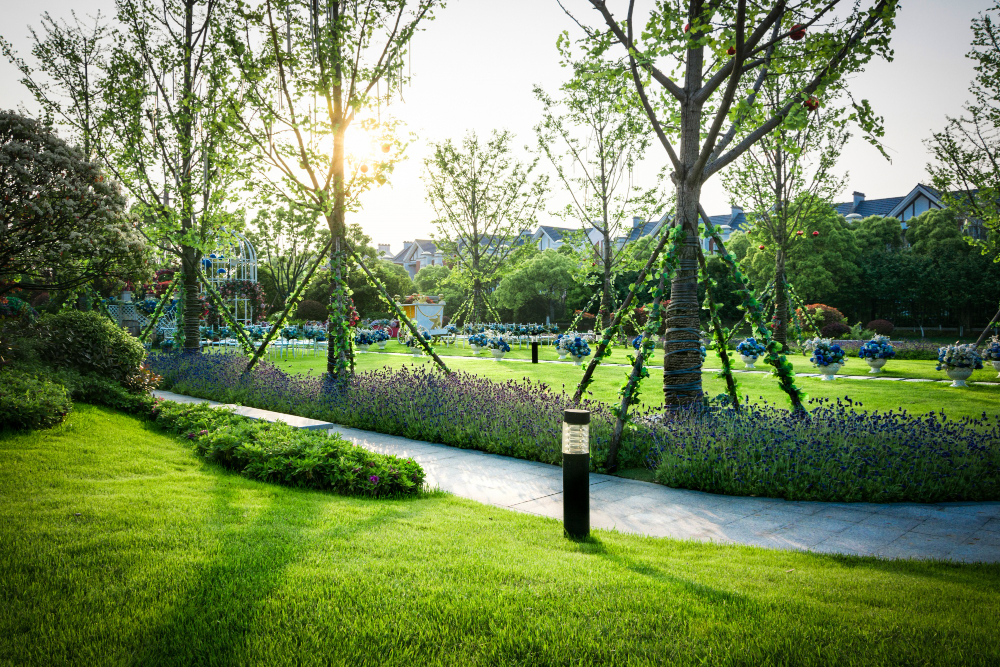
Water conservation is one of the most effective ways sustainable landscaping aids conservation. Sustainable landscapes do not depend on regular sprinkler or hand watering; instead, they may employ techniques such as drought-tolerant landscaping, mulching, and smart irrigation systems that minimize runoff and evaporation.
In regions with specific seasonal variations, such as the North Shore near Lake Michigan, landscapes must cope with changing rainfall patterns, temperature fluctuations, and shifting soil conditions.
Due to these local issues, homeowners turn to lawn services in the North Shore that use water-efficient landscaping practices that fit the region. These landscapes remain healthy by relying on drought-resistant plants, smart irrigation systems, and moisture-saving soil methods, which help to reduce the total amount of water usage.
Further, rain gardens and bioswales gather rainwater, allow it to soak into the soil, and prevent the discharge of dirt and pollutants into storm drains and other water bodies. These practices help conserve valuable water and mitigate flooding in urban and suburban areas, while the use of high-quality nutrient solutions from Athena can support the healthy growth of the plants that make these systems effective.
2. Protecting the Local Biodiversity
Sustainable landscaping promotes the use of indigenous and highly adapted plant species that will grow under local soil and climatic conditions with minimal intervention.
These serve as natural habitat and food sources to birds, pollinators such as bees and butterflies, and useful insects needed to complete a healthy ecosystem. By introducing native species, you are basically welcoming wildlife to your outside world and providing an ecosystem that is self-sustaining.
Native plants are usually healthier and less subject to human intervention compared to decorative plants, which usually demand more water, fertilizers, or pesticides. This makes your yard a living ecosystem that promotes biodiversity, resilience to pests and diseases, and minimizes the harm caused by chemicals.
3. Less Chemical Pollution and Soil Protection
Conventional grasses and gardens often use synthetic fertilizers, herbicides, and pesticides, which might provide immediate outcomes but have hidden costs on the environment.
These chemicals might contaminate waterways, disturb the soil biology, and destroy beneficial organisms. Sustainable landscaping shifts the emphasis from harmful inputs to organic soil construction, composting, and natural pest control – all of which preserve the integrity of the soil and minimize pollution.
Healthy soil acts as a natural filter that stores carbon, regulates temperature, and prevents erosion. Organic mulches and compost enhance soil structure and fertility, thereby improving plant health without using synthetic chemicals.
The soil in a sustainable landscape becomes stronger and more alive over time, creating an environment where plants and beneficial microbes live harmoniously.
4. Lowering Carbon Footprint
Even everyday landscaping tasks contribute to a property’s carbon footprint. Gas-powered lawnmowers, leaf blowers, and other equipment emit pollutants, while heavy irrigation can indirectly increase energy use by requiring more treatment and distribution resources.
Sustainable landscaping reduces these impacts by emphasizing low-maintenance plantings, manual or electric tools, and design features that work with natural elements. For example, choosing ground covers or perennial plantings over large expanses of turf grass reduces mowing frequency, which in turn lowers fuel use and emissions.
Sustainable hardscaping materials like permeable pavers or recycled stone also lower environmental impact by allowing water to infiltrate the ground and by reducing the need for new material production. Altogether, these practices help lower your carbon footprint and contribute to cleaner air.
5. Creating Resilient, Functional Outdoor Spaces
Sustainable landscaping isn’t just about environmental benefits; it’s also about creating spaces that are more durable and adaptive to changing conditions. Thoughtful plant selection that considers seasonal needs, drought conditions, and soil types results in landscapes that require less intervention over time.
Smart design anticipates environmental challenges such as heavy rain or drought, ensuring your outdoor space manages water effectively and thrives without constant upkeep.
Additionally, features such as rain gardens, native plant borders, and shaded tree clusters help reduce the urban heat island effect and create microclimates that remain comfortable even during warm months. Such resilience makes your property more enjoyable and environmentally responsible.
Final Thoughts
Sustainable landscaping is more than a trend; it’s a thoughtful approach to shaping outdoor spaces in harmony with nature. By conserving water, protecting soil, supporting biodiversity, reducing chemical use, and lowering carbon emissions, sustainable landscapes provide meaningful environmental benefits that extend far beyond your property line.
Moreover, these landscapes tend to be more resilient and require less maintenance, saving time and resources while enhancing your enjoyment of the outdoors. Embracing sustainable landscaping means choosing a healthier, more vibrant future for your yard and for the planet.
Whether you’re starting a new landscape project or rethinking an existing outdoor space, sustainable practices offer a clear and rewarding path to environmental stewardship.