An uncomfortable piano stool can quietly derail your entire playing experience. Perhaps your back stiffens up after a few minutes, your shoulders are tense, or perhaps your hands are never in a good alignment with the keys. At the same time, unstable seating or incorrect height results in forced constant postural adjustments, which break concentration and influence technical performance.
Therefore, selecting the appropriate stool is now an imperative component of the creation of a comfortable and productive playing setup instead of a basic furniture purchase.
This article describes the most important factors that you should consider in order to choose a piano stool that helps comfort, gives proper posture, and allows you to play more confidently over the long term.
1. Proper Height Adjustment for Better Posture
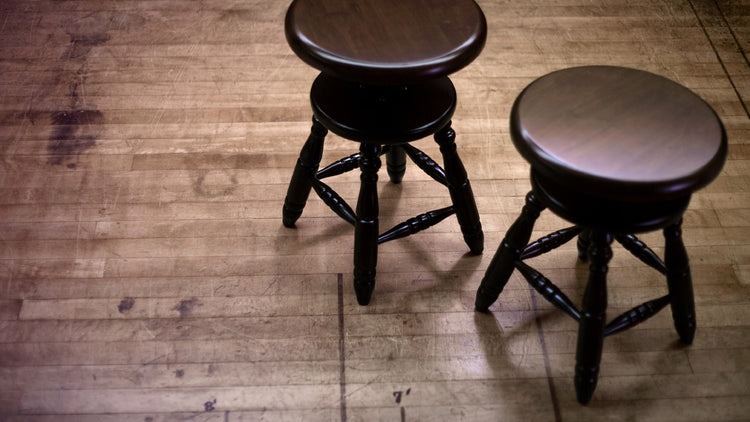
When looking at Piano stools, height adjustment needs immediate consideration due to the direct relationship between seating height and technique and comfort. If the stool is too low, wrists drop, and movement of the arms becomes restricted. On the other hand, sitting too high raises shoulders and strains the upper body.
Therefore, an adjustable stool can help you to fine-tune your position so your forearms remain level with any keyboard. This posture helps to increase control and decrease tension in long sessions. Adjustable seating is also useful in households or studios in which more than one player uses the same instrument.
In addition, the adjustment mechanism should feel smooth and secure. A stool that slips or creaks during play becomes a distraction. Reliable height control keeps your posture consistent, letting you focus solely on performance rather than continually correcting your seating position.
2. Strong Stability and Solid Construction
Stability becomes important as even the slightest movement interferes with concentration. A wobbly stool demands subtle balance corrections to playing, which gradually translates to discomfort and lower precision.
Consequently, investigate how the stool is constructed. Solid wood construction or reinforced frames are usually stronger supports than lightweight construction. Leg design and joint strength determine whether the stool is stable over time or not.
Also, pay attention to how the stool works on different flooring surfaces. Non-slip feet or protective pads enhance grip and suppress unwanted movement as well as protect floors from scratches.
Ultimately, a stable stool keeps your posture stable, allowing for uninterrupted concentration so that your attention is on music, not balance.
3. Seat Cushioning for Long Practice Sessions
Comfort becomes more important when practice sessions last more than a few minutes. Poor cushioning results in easy fatigue and often leads to frequent posture shifts that interrupt concentration.
Therefore, evaluate seat padding relatively. High-density cushioning helps distribute and hold the weight evenly while maintaining the shape for years of use. Seats that are too soft or thin often compress easily, decreasing long-term comfort.
In addition, seat covering materials also affect the experience. Leather or vinyl surfaces tend to balance durability and ease of cleaning, while fabric options may provide warmth but require more maintenance. Breathability is also important, particularly in the warmer rooms.
A well-cushioned seat ensures longer practices without discomfort to help maintain focus and technique from start to end.
4. Stool Size With Playing Space and Comfort Needs
Not all playing situations demand the same size stool. Therefore, consider how the seating will be used the most. Solo players often prefer small stools that allow movement and positioning.
However, wider seating for two players is better when teaching circumstances or duet performances. Adequate space permits a balanced playing posture without forcing players to the edge.
In the meantime, proportional sizing ensures that the stool will not overpower the piano with its size. By deciding on a size appropriate to performance needs and room space, you continue with your level of comfort and balance visual perception.
5. Durability for Long-Term Use
Although appearance often gets people’s attention first, durability is what determines long-term satisfaction. A piano stool is constantly in use, and strong materials are essential.
Therefore, carefully inspect the build quality. Solid wood frames, reinforced joints, and durable finishes usually endure years of daily playing. Hardware components, such as adjustment systems, also impart longevity.
In addition, you should consider maintenance requirements. Durable coatings are scratch-resistant and remain aesthetically pleasing when constantly repositioned. Additionally, high-quality upholstery is resistant to sagging, cracking, or premature wear.
Investing in durable construction saves on future expenses and keeps the construction consistent in its performance. A well-built stool will remain reliable through years of practice, lessons, and performances.
In the long run, dependable seating eliminates the need for frequent replacements, allowing you to focus entirely on improving your playing rather than worrying about equipment issues.
Final Thoughts
Choosing the right piano stool directly affects comfort, posture, and playing confidence throughout both practice sessions and live performances. Height adjustment, stability, cushioning, sizing, durability, and design all work together to create a practice environment that supports consistent technique, encourages proper hand positioning, and reduces physical strain over time. When seating supports your natural posture, longer practice sessions become more productive and less physically demanding.
By carefully evaluating each of these factors, you create a seating setup that supports not only better playing mechanics but also long-term enjoyment of your instrument. In the end, the right stool becomes an essential partner to your piano, allowing you to focus fully on music, improve with confidence, and play comfortably every time you sit down to practice or perform, whether you are refining skills at home or preparing for an important performance.