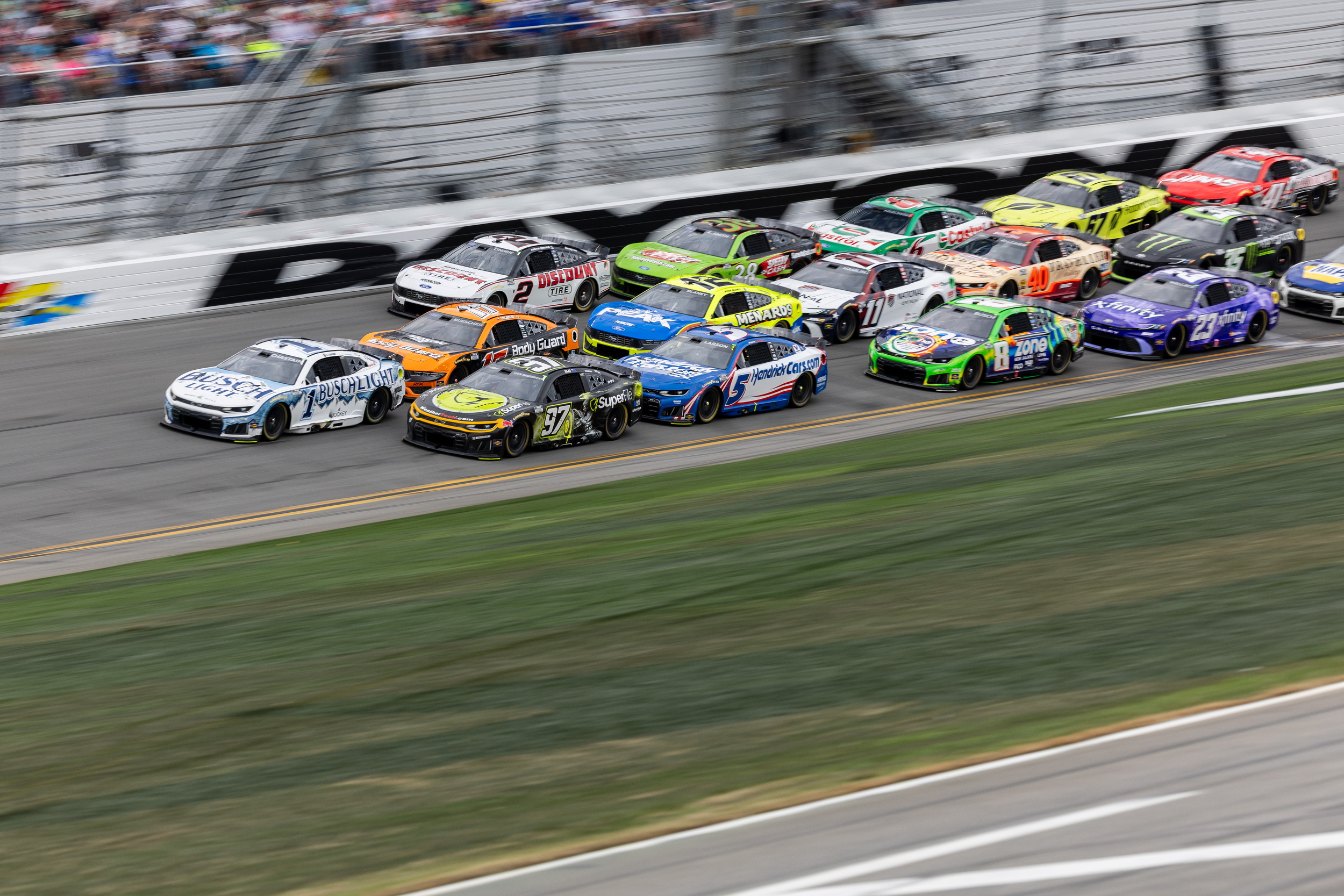
The 2025 NASCAR Cup Series delivered one of the most competitive fields in recent memory, and 2026 looks to follow even stronger. With parity across teams and razor-thin margins separating contenders, the races to the championship in November has become as much about precision and preparation as raw speed. Each round has highlighted how strategy, engineering, and mental resilience combine to determine who advances and who goes home.
A Season Defined by Depth
Unlike previous years, where one or two organizations dominated, the 2026 season looks like it will feature multiple teams capable of winning on any given weekend. Mid-tier organizations could close the performance gap, while powerhouse teams have had to adapt quickly to changing track conditions and evolving competition.
Drivers entering the Series are not just relying on past success. Consistency has proven critical. A strong regular season offers seeding advantages, but momentum often matters more once elimination rounds begin. A late-season surge can be more valuable than early-year dominance.
Technology as the Equalizer
Modern NASCAR racing is as much about engineering as it is about driving skill. Data analytics, simulation tools, and aerodynamic refinement have reshaped how teams approach race weekends. Crew chiefs now rely on predictive modeling to fine-tune setups before cars even hit the track.
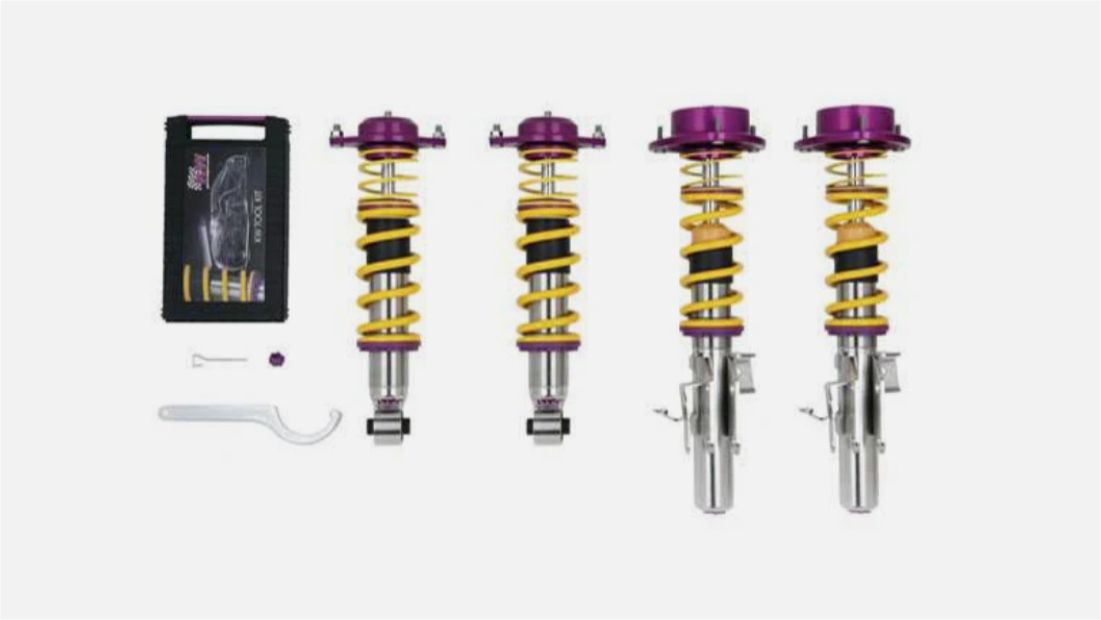
Telematics data helps teams understand tire wear, fuel efficiency, and corner entry behavior in real time. Small adjustments in suspension settings or airflow management can translate into tenths of a second per lap. Over the long run, that difference determines track position and playoff survival.
Pit road strategy has also evolved. Split-second decisions on two-tire versus four-tire stops, fuel windows, and stage point calculations require precise coordination. Teams that execute flawlessly under pressure maintain playoff momentum, while even minor mistakes can end a championship campaign.
The Role of Momentum
Momentum is often intangible, but it is impossible to ignore in the Cup Series. A driver who secures a timely victory automatically advances, relieving pressure and allowing the team to focus on long-term preparation. Conversely, those on the elimination bubble face immense stress.
Confidence plays a significant role. A team that believes in its package tends to take calculated risks, while one struggling for pace may gamble out of necessity. These decisions ripple across the playoff bracket.
Fan engagement also amplifies the intensity. Conversations online, performance debates, and race breakdowns shape public perception. Racing communities often dissect everything from restart tactics to sponsorship moves.
Platforms that compile reactions and discussion threads provide insight into how fans interpret each playoff twist, similar to how buyers evaluate businesses through aggregated experiences like customer feedback on Reddit. In both racing and automotive markets, transparency and public opinion influence reputation.
Drivers to Watch
Several contenders could emerge as favorites as the 2026 Series unfolds. Those with strong intermediate track performance are well-positioned for key rounds. Meanwhile, road course specialists could shake up the standings with unexpected wins.
Drivers like Ty Gibbs and Chris Buescher could challenge veterans like Bubba Wallace or Chase Elliot, creating compelling rivalries. Experience provides an advantage in high-pressure moments, but fresh talent often brings fearless aggression. This blend of generations keeps the championship picture unpredictable.
What Lies Ahead
As the Series progresses, adaptability will determine the ultimate champion. Weather changes, track surface evolution, and strategic gambles all add layers of complexity. The 2026 NASCAR Cup Series showcases a sport where innovation, teamwork, and resilience define success.
Inside this battle, every lap matters. Every pit stop counts. And as the field narrows, the margin between glory and heartbreak grows smaller. The championship will belong to the team that combines technology, momentum, and composure when it matters most.