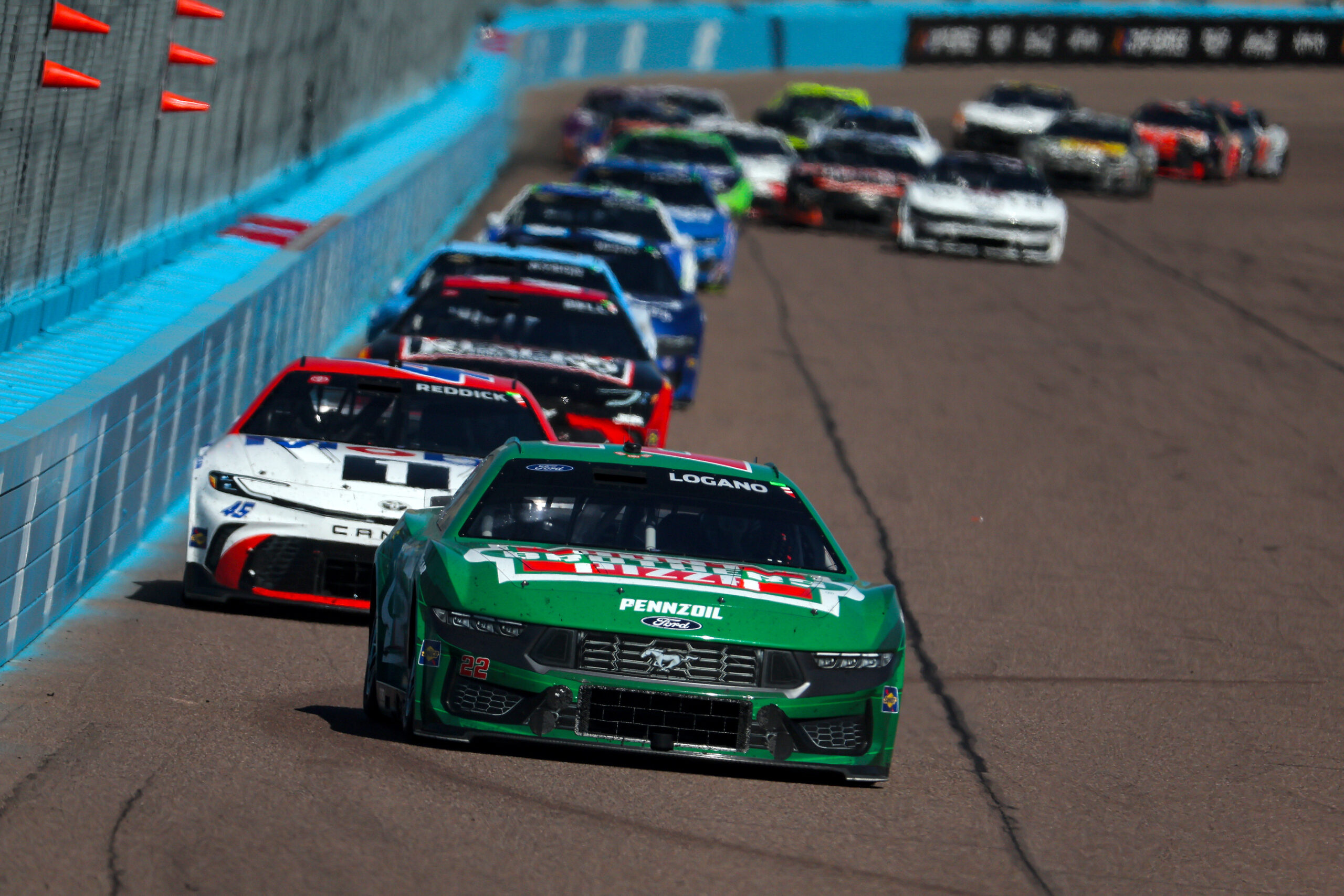
Professional racing is more than just pushing a car to its limits—it’s a test of nerve, discipline, and psychological strength. Every lap demands total concentration, where even the slightest hesitation or lapse in judgment can mean the difference between victory and defeat.
Elite drivers face an ongoing mental battle as they weigh risk against reward at speeds that leave no room for error. They must manage adrenaline, stay composed under pressure, and adapt instantly to changing track conditions or strategy calls.
This article explores the mindset and mental tools that help racers excel when everything is on the line—revealing lessons anyone can use to thrive in high-pressure moments.
Risk and reward: what racing drivers and crypto casino players have in common
When you watch a professional race, you’re seeing a masterclass in calculated risk. Every corner, every overtake is a blend of instinct and strategy—drivers know that pushing too hard could mean disaster, but hesitating for even a second can cost the win.
The mindset behind these split-second choices is strikingly similar to what you’ll find at a crypto casino. Both environments are defined by high stakes and constant uncertainty. The best performers learn to trust their preparation and intuition while managing their impulses under pressure.
In both racing and crypto gaming, emotional control is the difference between consistent wins and costly mistakes. It’s easy to get swept up by the adrenaline—whether it’s chasing down a rival on the final lap or doubling down on a promising hand. Yet champions are those who stick to their plan, set limits, and resist tilting when things go sideways.
Discipline isn’t about playing it safe; it’s about knowing when risk makes sense. I’ve noticed that both top drivers and successful crypto casino players spend hours refining their strategies, analyzing outcomes, and learning from each loss rather than letting ego drive their decisions.
Whether you’re behind the wheel or placing bets online, real success comes from mastering your own psychology as much as reading your environment. That’s why mindset—and not just luck—shapes who walks away with victory.
Mental toughness: thriving under pressure in the racing world
Championship racing is as much a mental battle as it is a contest of speed and skill.
The drivers who consistently perform at the highest level have learned to thrive under relentless pressure, making split-second decisions with total clarity even as adrenaline surges.
This kind of mental toughness doesn’t come naturally—it’s built through years of psychological training, discipline, and experience in high-stress scenarios.
Elite racers rely on a mix of focus techniques, structured routines, and recovery tools to stay sharp when everything is on the line.
Whether preparing for the lights to go out or dealing with an unexpected setback mid-race, their ability to control nerves and maintain confidence is what separates champions from the rest of the grid.
Visualization and pre-race routines
Top drivers don’t leave race day mindset up to chance. They use visualization—a process where they mentally rehearse every lap, overtaking move, or pit stop before it happens—to reduce nerves and improve reaction times.
This goes hand in hand with pre-race routines that help anchor their focus. Some might listen to music while reviewing data; others pace quietly or practice breathing exercises.
A 2023 review by the Performance Psychology Center highlights that visualization techniques significantly improve both performance and anxiety management for athletes. When combined with physical training, these mental strategies help drivers maintain calm, sharpen focus, and enhance overall race-day execution.
I’ve seen seasoned pros close their eyes on the grid, picturing each sector perfectly. That discipline isn’t superstition—it’s practical mental conditioning that prepares them for anything the track throws their way.
Handling setbacks and maintaining focus
No race ever goes completely according to plan—mechanical failures, changing weather, or a single error can throw everything into chaos.
The best drivers respond by resetting quickly rather than letting frustration linger. They know how to compartmentalize mistakes: acknowledge them fast, then refocus on what comes next instead of replaying errors in their head.
A 2023 narrative review in the International Journal of Environmental Research and Public Health describes how resilience training allows athletes to regulate thoughts and emotions after adversity. These skills help drivers recover from mistakes more rapidly and use setbacks as an opportunity for growth and improved future performance.
I’ve watched champions lose ten seconds in a pit stop blunder yet claw back positions by staying locked in. That ability—recovering composure mid-crisis—is often what defines who stands on the podium after a grueling race weekend.
How team dynamics and trust shape split-second decisions at 200 mph
No championship is won by a lone driver. The heart of professional racing beats in the collaboration between drivers, engineers, and pit crews.
Every race is a test of how quickly teams can share information, make calls, and adjust strategy—sometimes in less than a second.
Clear communication is the difference between a seamless overtake and disaster. It’s not just about relaying tire wear or weather updates. It’s about understanding the driver’s mindset, anticipating needs, and making hundreds of micro-decisions that add up to victory or defeat.
The trust built off-track pays off when the pressure mounts on race day. In my experience with motorsports teams, those who prioritize open dialogue consistently handle chaos with cool heads.
Building trust: The driver-crew relationship
No matter how skilled a driver is, they’re only as good as the team backing them. When a driver believes their crew has their best interests at heart, they can focus on performance instead of second-guessing instructions or worrying about mistakes.
A 2024 case study from Lund University shows that strong team bonds in Formula 1—built on mutual respect—lead to better communication and quicker problem-solving under stress. This level of trust doesn’t happen by accident. Teams spend hours in debriefs, learning how each member reacts under pressure and establishing protocols for every scenario imaginable (F1 Team Dynamics Study).
The payoff? When milliseconds count, teams with high trust levels react faster—and recover from setbacks more effectively.
Pit stop precision: Coordination under pressure
Pit stops are some of the most stressful moments in racing. A single misstep costs precious seconds or even ends a race.
Pit crews rehearse each maneuver until it’s automatic—from changing tires to adjusting wing angles—so every member knows exactly what to do even if conditions suddenly change.
The FIA Activity Report 2023 points out that mental preparation is just as important as physical drills for pit crews. Through advanced training sessions focused on error recovery and decision-making under stress, teams become masters at adapting on the fly (Pit Crew Training Insights).
I’ve watched world-class pit crews turn chaos into choreography in less time than it takes to order an espresso in Vilnius. That level of focus and teamwork turns potential disasters into highlight reels—and often changes the outcome of entire seasons.
Beyond the track: how the high-stakes mindset powers everyday success
What drivers practice under pressure isn’t limited to race day. The same discipline, risk assessment, and focus they use on the circuit can fuel progress in daily life.
Whether you’re leading a team, launching a business, or making big decisions at home, these mental tools are just as powerful off the track as they are behind the wheel.
It’s about more than adrenaline. A champion’s approach to setbacks, uncertainty, and rapid decision-making translates directly into resilience and personal growth.
Let’s look at how racing principles apply in business—and how a racer’s way of handling adversity can benefit anyone navigating life’s twists and turns.
Applying racing principles to business and leadership
The world of business moves quickly—sometimes as fast as a last-lap sprint. Just like drivers have to read changing track conditions and make instant calls, leaders face shifting markets and must act decisively.
The best executives I’ve seen borrow directly from elite athletes: visualization before key meetings, energy management during long days, and strategic risk-taking when opportunity strikes. Rapid decisions become less intimidating with practice—much like a driver learning when to push hard into a corner versus holding back for safety.
Corporate Athlete Mindset: A 2023 performance psychology report shows that executives who adopt strategies from top-level sports—such as mental imagery, resilience routines, and energy optimization—make better decisions under stress and lead teams with greater confidence.
I’ve seen Lithuanian founders use this mindset when scaling their startups or pivoting during turbulent market swings. Treating each move like a pit stop—precise, well-timed, with total focus—gives them an edge over competitors who hesitate under pressure.
Resilience and adaptability off the track
Mistakes happen in every field—but what sets high performers apart is how they respond after things go wrong. Race drivers don’t dwell on missed braking points or technical failures; they analyze what happened, reset quickly, and keep pushing forward.
This bounce-back mentality is just as valuable in daily life. When job setbacks or personal disappointments strike, approaching challenges with curiosity instead of frustration leads to faster recovery and growth. Instead of fearing change or failure, resilient people treat every setback as training for future success.
Resilience in Everyday Life: A 2023 review highlights that athlete-style resilience training—including techniques for handling setbacks calmly and staying mentally flexible—helps people thrive even outside sports settings by building stronger well-being and adaptability skills.
Whether you’re navigating Lithuania’s ever-shifting tech sector or managing work-life balance at home, adopting this racer mindset can make the difference between stalling out—and powering through life’s toughest corners.
Conclusion
The mindset that defines elite racing goes far beyond handling a car at top speed.
Discipline, mental strength, and smart risk-taking are the real ingredients behind every winning lap and split-second decision.
What stands out to me is how these same mental strategies work just as well off the track—in business meetings, at a crypto casino, or during unexpected challenges in daily life.
If there’s one lesson from racing’s pressure cooker, it’s that preparation and clear thinking can turn high-stress moments into opportunities for growth—no matter where you’re competing.