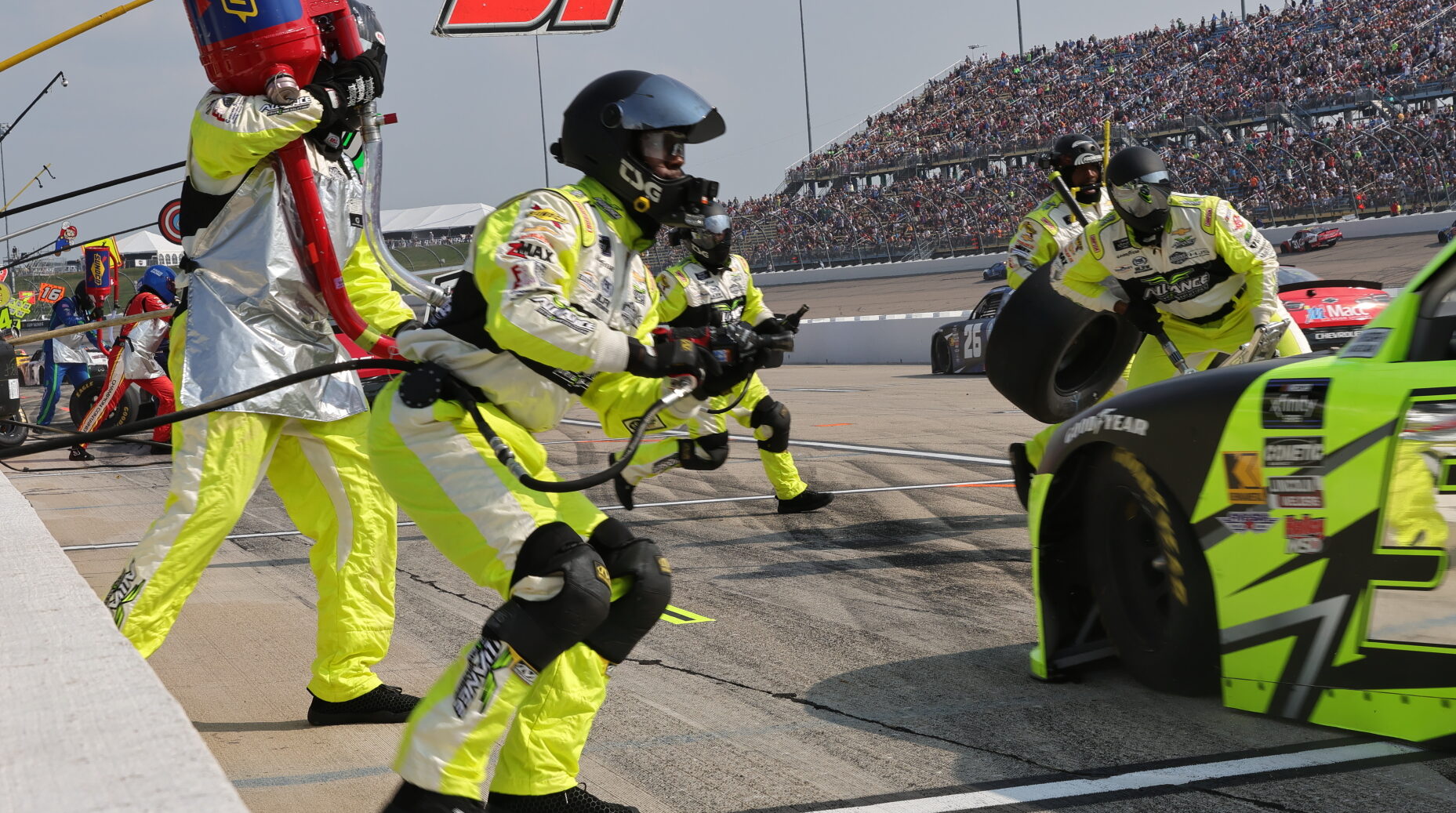
When fans gather to watch NASCAR, NHRA, or sprint car racing, they witness drivers pushing machines to their absolute limits in what appears to be an extremely dangerous environment. Yet statistically, professional motorsports have become remarkably safe through decades of engineering innovation and strict safety protocols. Meanwhile, everyday drivers on Florida’s highways face risks that often exceed those encountered on professional racing circuits, though the dangers are far less obvious.
Understanding these differences reveals important insights about vehicle safety, driver behavior, and the unique challenges that make public roads statistically more dangerous per mile traveled than professional racing venues.
Controlled Environments vs. Unpredictable Public Roads
Professional racing circuits operate under strictly controlled conditions that eliminate many variables present on public roads. Track surfaces are meticulously maintained with consistent grip levels, clearly marked boundaries, and predictable characteristics that drivers study extensively before competition. Safety barriers, runoff areas, and track design all prioritize driver protection in the event of a crash.
Public roads present the opposite scenario. Florida drivers navigate roads with varying surface conditions, unexpected obstacles, poorly maintained infrastructure, and constantly changing traffic patterns. A pothole, oil spill, or debris on the highway can appear without warning. Weather conditions affect different road surfaces unpredictably, and construction zones create sudden changes in traffic flow that drivers must react to instantly.
The 2026 racing season has already showcased multiple events across different venues, from dirt tracks to superspeedways, each with comprehensive safety protocols and emergency response teams positioned strategically around the facility. Public roads lack this level of coordinated safety infrastructure, with emergency response times varying significantly depending on location and traffic conditions.
Driver Training and Skill Development
Professional racing requires years of training, extensive practice, and regular evaluation of driver competency. Drivers progress through multiple series, learning vehicle dynamics, racecraft, and emergency procedures under the guidance of experienced teams. Before competing at the highest levels, drivers have typically logged thousands of hours behind the wheel under supervised conditions.
In contrast, most drivers on Florida roads received their training from a standard driver’s education course and passed a basic competency test years or decades ago. There’s no ongoing evaluation, no mandatory refresher training, and no assessment of declining skills as drivers age. Many motorists never receive instruction in emergency maneuvers, defensive driving techniques, or how to handle vehicle malfunctions at highway speeds.
This training gap becomes particularly evident during emergency situations. Professional drivers train specifically for high-speed incidents, learning how to maintain control during mechanical failures, collisions, or sudden loss of traction. The average motorist has never practiced these skills and must rely entirely on instinct when faced with a similar situation on public roads.
Safety Equipment and Vehicle Standards
NASCAR, NHRA, and other professional series mandate extensive safety equipment that far exceeds anything found in passenger vehicles. Multi-point roll cages, racing seats with head and neck restraints, fire suppression systems, and specialized racing suits all work together to protect drivers during high-impact crashes. Vehicles undergo regular inspections, and any component showing signs of wear is immediately replaced.
Passenger vehicles on Florida roads vary tremendously in age, condition, and safety features. While modern vehicles include airbags, crumple zones, and electronic stability control, many older cars lack these basic protections. More concerning is that regular maintenance is entirely voluntary, meaning some vehicles operate with worn brakes, bald tires, or other mechanical issues that would immediately disqualify a race car from competition.
The Human Factor in Traffic Safety
Perhaps the most significant difference between racing and everyday driving involves focused attention versus distraction. During a race, drivers maintain absolute concentration on the task at hand, supported by spotters and crew members who monitor the entire field. There are no phones, no passengers creating distractions, no eating or adjusting navigation systems.
According to the CDC, over 2.6 million emergency department visits occurred for motor vehicle crash injuries in a recent year, with more than 120 people killed in crashes every day. These incidents rarely involve mechanical failures or road conditions—the vast majority result from driver error, distraction, impairment, or poor decision-making.
Florida’s heavy tourist traffic adds another layer of complexity, with drivers unfamiliar with local roads, distracted by navigation apps, or rushing to reach vacation destinations. Racing simply doesn’t have an equivalent to the confused tourist making sudden lane changes or the impaired driver weaving through traffic at 2 AM.
Legal Implications When Accidents Occur
When crashes happen at professional racing events, established protocols immediately take effect. Medical teams respond within seconds, and organizations investigate incidents to prevent similar occurrences. The controlled environment and extensive documentation make determining what happened relatively straightforward.
Public road accidents in Florida present far more complex situations. Determining fault often requires accident reconstruction, witness statements, and careful analysis of physical evidence. When injuries occur, understanding legal rights and options becomes critical. Personal injury lawyers in Lake Worth, FL, help accident victims navigate insurance claims, establish liability, and pursue compensation for medical expenses, lost wages, and other damages resulting from crashes caused by negligent drivers.
The aftermath of a serious traffic accident can be overwhelming for victims and their families, particularly when dealing with injuries while also handling insurance companies and legal processes. Professional legal guidance helps ensure that victims receive appropriate compensation and that their rights are protected throughout the recovery process.
Moving Forward Safely
The motorsports industry continues to advance safety technology that eventually benefits everyday drivers. Innovations developed for racing—from improved helmet designs to better restraint systems—often migrate to passenger vehicles over time. Florida’s racing community, which regularly hosts major events and maintains several professional tracks, contributes to this ongoing evolution of vehicle safety.
For everyday drivers, recognizing the fundamental differences between controlled racing environments and public roads reinforces the importance of defensive driving, regular vehicle maintenance, and avoiding the distractions and behaviors that cause the vast majority of traffic accidents. While fans will continue enjoying the excitement of professional motorsports, the statistics make clear that the drive to and from the racetrack presents greater statistical risk than the competition on the circuit itself.