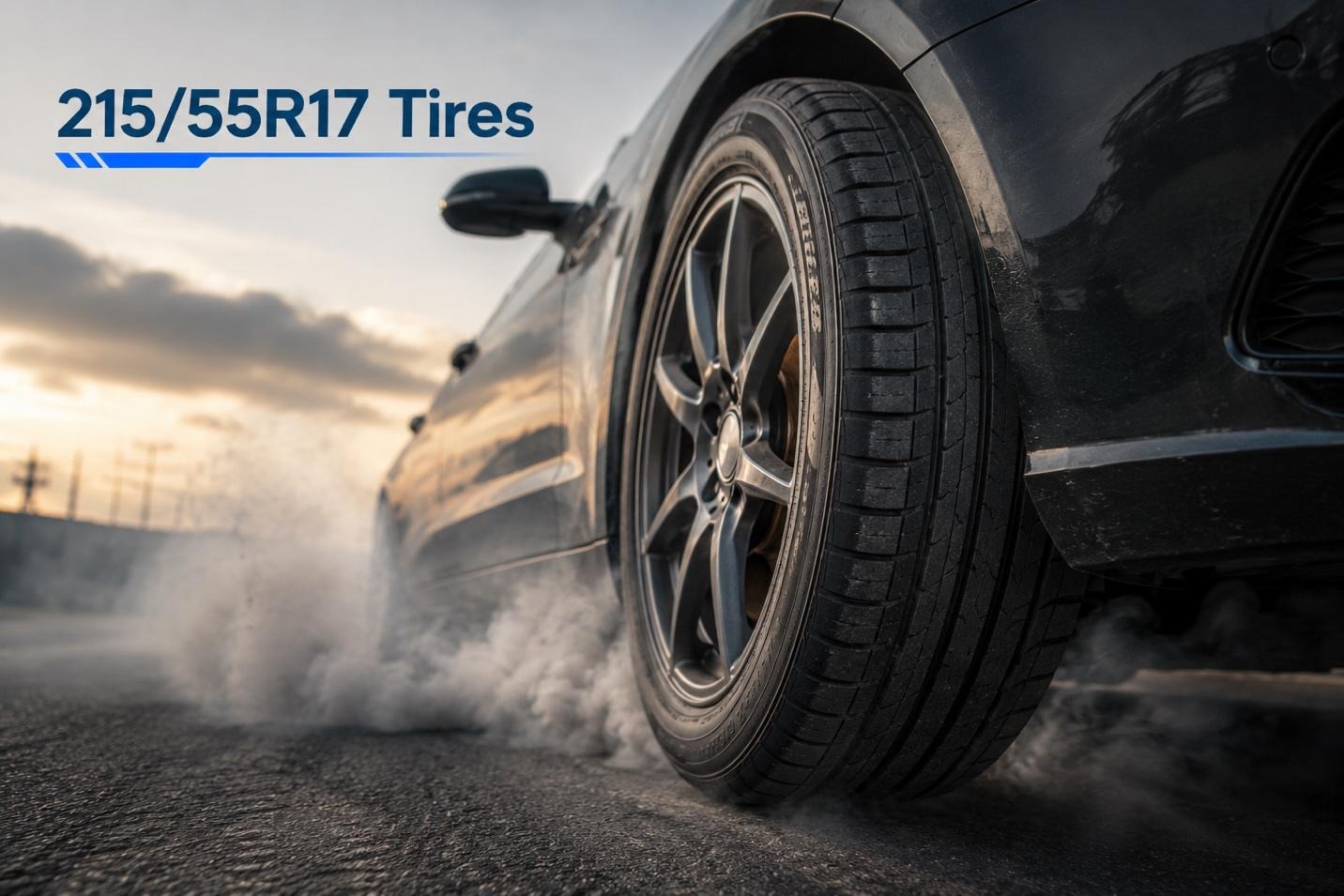
Most drivers only think about their tires when something goes wrong, a blowout, a flat, or an uneven wear pattern that has already cost them hundreds in premature replacement. The damage almost always started weeks or months earlier from habits that are easy to fix once you know what they are.
| Mistake | Damage Caused | Fix |
| Wrong tire pressure | Uneven wear, blowouts, poor handling | Check pressure monthly |
| Ignoring wheel alignment | Rapid one-sided wear | Align every 10,000 miles |
| Overloading the vehicle | Sidewall stress, heat buildup | Stay within load rating |
| Skipping tire rotation | Uneven tread wear across axles | Rotate every 5,000 miles |
| Wrong tire for the application | Accelerated wear, handling failure | Match tire to job |
| Kerb strikes and pothole impact | Internal sidewall damage | Slow down, inspect after impact |
Why Tire Damage Rarely Happens the Way Most People Think
1. The habits that cost more than road hazards ever will
Most drivers blame road conditions for tire wear and damage. The reality is that the majority of premature tire failures trace back to maintenance habits, or the absence of them, rather than what the road throws at the vehicle.
Understanding what causes damage before it shows up in tread depth or handling changes is what separates drivers who get full life from their tires from those who replace them early, repeatedly.
This mindset of proactive care should extend to your visibility and lighting as well; for instance, choosing a high-quality ford ranger replacement headlights kit ensures that you can spot road hazards and debris early enough to avoid the sharp impacts that cause internal sidewall damage.
2. Why tire neglect compounds faster than most drivers realize
Tires don’t degrade in a straight line. A tire running underinflated generates excess heat with every rotation, and heat is the primary cause of structural breakdown in tire compounds. That breakdown accelerates the longer the condition continues.
The same compounding effect applies to misalignment. A vehicle pulling slightly left or right wears the inner or outer shoulder of the tire disproportionately. Left uncorrected, what starts as mild uneven wear becomes a tire that needs replacing at half its expected life.
Catching these issues early costs almost nothing. Ignoring them costs a full set of tires and sometimes more if a structural failure causes handling loss at speed.
1. Running the Wrong Tire Pressure
Why incorrect pressure is the single most damaging tire habit
Underinflation is the most common and most damaging tire mistake across both passenger and working vehicles. A tire running below its specified pressure flexes more with every rotation, generating heat that breaks down the rubber compound and stresses the internal structure.
The damage is invisible from the outside until it is well advanced. By the time uneven wear is visible on the tread, the tire has already lost a significant portion of its usable life.
Overinflation causes different but equally real problems: a tire running hard on its center contact patch wears the center tread faster, reduces grip on uneven surfaces, and increases the risk of impact damage on rough roads.
How to maintain correct pressure across different vehicle and load conditions
Check tire pressure monthly at a minimum and always when the tires are cold, before the vehicle has been driven. A pressure check after driving reflects heat expansion and shows a higher reading than the tire’s actual cold pressure.
For working vehicles that regularly carry varying loads, pressure adjustments for load are worth understanding. A tire rated for a specific load at a specific pressure may need adjustment when the vehicle moves from empty to fully loaded, particularly on trucks and vans operating near their payload rating.
The correct pressure for the vehicle is on the door jamb sticker or in the owner’s manual, not on the tire sidewall, which shows the maximum pressure the tire can safely hold, not the recommended operating pressure.
2. Ignoring Wheel Alignment
What misalignment does to a tire over time
Wheel alignment refers to the angles at which the tires contact the road relative to one another and to the vehicle. When those angles are off, even by a small margin, the tire is effectively being dragged slightly sideways with every forward rotation rather than rolling cleanly.
That sideways scrub removes tread from one side of the tire faster than normal wear removes it from the contact patch. A tire that should last 40,000 miles can be worn out on one shoulder in 15,000 miles if the alignment is consistently off.
How often to check alignment and what the signs of a problem look like
Check alignment every 10,000 miles or after any significant impact, a hard kerb strike that is felt, a pothole that jolts the vehicle, or any suspension work that involves removing and refitting components.
The signs that alignment needs attention are a vehicle that pulls to one side on a flat, straight road; a steering wheel that sits off-center when driving straight; and uneven wear visible when comparing the inner and outer edges of the tire tread.
Alignment checks are inexpensive and take less than an hour. Replacing a set of tires worn out prematurely from uncorrected misalignment is neither.
3. Overloading the Vehicle
What excess load does to tire structure and why it matters on working vehicles
Every tire has a load index, a rating that specifies the maximum weight it is designed to carry at its specified pressure. Exceeding that rating consistently puts the tire under stress it was not engineered to handle, generating excess heat and causing structural fatigue in the sidewall and bead.
For working vehicles, trucks, vans, and equipment, overloading is a regular risk rather than an occasional one. A vehicle loaded beyond its tire rating on a job-site run is not an unusual event; it is a weekly habit on many operations.
The consequences compound over time. Sidewall cracking, premature bead failure, and blowouts under load are significantly more likely on tires that are regularly run beyond their rated capacity.
Matching the tire load rating to the actual demands of the vehicle
The load index on a tire is shown as a number on the sidewall; a rating of 100, for example, corresponds to a maximum load of 800 kg per tire. The combined rating of all four tires needs to exceed the vehicle’s maximum gross weight at full load.
For trucks and working vehicles carrying variable loads, running a tire with a load index above the minimum required provides a meaningful safety margin for the inevitable occasions when the load is at or near maximum.
However, a highly rated tire is only as strong as the rim supporting it; if your current setup isn’t up to the task, you should check DWW to find truck rims for sale that meet the heavy-duty load specifications required for your specific vehicle and payload needs.
4. Skipping tire Rotation
Why rotation matters and what happens when it is skipped
Front and rear tires wear at different rates because they perform different functions. Front tires on a front-wheel-drive vehicle carry the drive, steering, and a greater share of the braking load; they wear faster than the rears.
Skipping rotation means the tires that wear fastest reach the replacement threshold while the others still have significant life remaining. The result is replacing two tires. When a consistent rotation schedule would have allowed all four to reach the end of their lives together.
Rotation every 5,000 to 7,000 miles keeps wear even across all four positions and extends the life of the full set, a direct financial return for a service that takes less than 30 minutes.
Rotation patterns that match the vehicle’s drive configuration
The correct rotation pattern depends on whether the vehicle is front-wheel drive, rear-wheel drive, four-wheel drive, or all-wheel drive, and whether the tires are directional or non-directional. Using the wrong rotation pattern with directional tires fitted on the wrong side cancels out the benefit of rotating and can affect handling.
For working trucks with four-wheel drive, a full cross-rotation that moves front to rear and side to side on a consistent schedule keeps wear even across all positions. Check the owner’s manual for the recommended pattern for the specific drivetrain configuration.
For operations running multiple working vehicles, a rotation schedule tracked alongside other service intervals prevents rotation from being the maintenance task that consistently gets pushed back and forgotten.
5. Running the Wrong Tire for the Application
Why tire type matters as much as tire condition
A tire in perfect condition, when used in the wrong application, will wear faster, perform worse, and cost more than a correctly specified tire. Highway tires on a vehicle regularly driven on unpaved job sites. All-season tires on a truck carrying heavy loads in conditions that demand a load-rated commercial tire.
Skid-steer tires are a specific area where application matching is critical. A skid steer running the wrong tire specification on a site surface it wasn’t designed for wears through rubber at a rate that makes the cost difference between a correctly specified tire and a cheaper alternative irrelevant within a few months.
The same logic applies to your attachments; if you are preparing a seedbed or leveling a site, using the best durable power rake for mini skid steer ensures you get a professional finish without overworking your machine’s hydraulics or wasting fuel on multiple passes.
How to match tire specifications to working demands
Start with the load requirement; the combined tire load rating must exceed the vehicle’s maximum gross weight at full payload. Then consider the terrain. predominantly road use, mixed use, or predominantly off-road, and site conditions each call for a different tread compound and pattern.
For working trucks and equipment that move between job sites and are used on roads, a tire rated for mixed service, rather than highway-only use, handles both conditions better than a tire optimized for one at the expense of the other.
Skid-steer tires are a specific area where application matching is critical. A skid steer running the wrong tire specification on a site surface it wasn’t designed for wears through rubber at a rate that makes the cost difference between a correctly specified tire and a cheaper alternative irrelevant within a few months.
Frequently Asked Questions
1. How often should I check my tire pressure?
Once a month at minimum, and always before a long journey or a heavily loaded run. Check when the tires are cold, before the vehicle has been driven more than a mile or two, for an accurate reading. Temperature changes affect pressure, so seasonal checks at the start of summer and winter are worth adding to the routine.
2. What is the most common cause of premature tire wear?
Incorrect tire pressure and misaligned wheels are the two most common causes across both passenger and working vehicles. Both are easy to check and inexpensive to correct, yet cause significant financial loss when ignored over the full tire life cycle.
3. How do I know if my tires are the wrong type for my vehicle or application?
The clearest signs are faster-than-expected wear, handling that doesn’t match the vehicle’s capability, and poor performance in the conditions the vehicle regularly operates in. Cross-reference the tire’s load index, speed rating, and service description against the vehicle’s requirements and the terrain it operates on.