Drivers often rush to reach destinations without thinking about the dangers. Pressing the gas pedal feels harmless in the moment. The reality of high-velocity travel tells a different story.
Speed limits exist to maintain order and protect lives on public roads. Disregarding these limits can lead to devastating choices. Safe driving demands full attention and respect for velocity limits.
The Human Cost of High Velocity
Fast driving reduces the time a driver has to react to unexpected hazards. An obstacle on the pavement can turn into a major crisis. Staying within posted limits gives operators the space they need to steer clear of trouble.
Speeding crashes frequently cause severe physical trauma to everyone involved. Working with a competent Michigan personal injury attorney or one from another city helps victims protect their legal rights after a major wreck. Legal support can alleviate some of the heavy burdens during recovery.
Impact forces multiply rapidly as velocity increases. This mechanical reality means collisions become far more destructive. Small errors transform into severe catastrophes when drivers accelerate past legal bounds.
Mechanical Limits and Control
High speeds put strain on vehicle components like tires and brakes. Braking distances extend dramatically when a vehicle travels fast. Stopping a rapid vehicle requires far more pavement than drivers anticipate.
Tires lose traction much quicker during high-velocity turns or sudden maneuvers. Vehicles become unstable and difficult to guide along sharp highway curves. Maintaining a steady pace keeps the vehicle firmly planted on the asphalt.
Modern safety features like anti-lock brakes have physical limitations. Computerized systems cannot overcome the raw laws of motion during a fast slide. Safe operation relies on driver choices rather than relying completely on technology.
Single Vehicle Collisions
Many speed-related incidents do not involve another motorist on the road. Drivers frequently lose control and slide off the pavement entirely. These events often lead to collisions with fixed objects like trees or guardrails.
Research published in a National Institutes of Health repository tracks these solo driving patterns. The study indicates that single-vehicle wrecks caused by speeding lead to a disproportionately high count of fatalities and severe trauma compared to other passenger vehicle incidents. These findings highlight how dangerous lone acceleration can be.
Roadway conditions like wet pavement make solo travel even more unpredictable. A patch of hidden ice or water can send a speeding car spinning out of control. Lowering velocity during poor weather helps prevent these tragic solo events.
Environmental Factors on the Road
Roadway design influences how speed impacts driver safety. Dark conditions and narrow paths reduce visibility for even the most alert operators. Speeding through these environments leaves zero room for sudden adjustments.
Particular infrastructure choices change how motorists handle their vehicles. Certain areas require extra caution. Drivers must monitor these distinct road characteristics:
- Sharp curves that reduce tire grip at high velocities
- Narrow lanes with minimal shoulder space for errors
- Areas with frequent pedestrian traffic near the pavement
Navigating complex zones demands lower velocities to avoid sudden braking. Surprises happen quickly when vision is blocked by trees or buildings. Slower movement preserves the time needed to see and avoid obstacles.
Community Design and Safety Trends
Urban planning choices directly affect how fast people choose to drive. Wide roads often encourage motorists to accelerate without realizing the danger. Communities are exploring new layouts to naturally moderate traffic velocities.
An academic study from a University of Michigan publication looked closely at neighborhood intersections. The data shows that roundabouts in low-income areas experience higher total crash rates but lower rates of behavioral crashes like speeding and alcohol involvement. This suggests infrastructure changes can alter dangerous driving choices.
Changing how streets are built can save lives in residential areas. Narrower paths and traffic circles force operators to slow down manually. These physical reminders create safer surroundings for everyone sharing the neighborhood space.
The Economic Impact of Aggressive Driving
Speeding inflicts heavy financial damage on communities and households. Property destruction from high velocity impacts requires expensive repairs and replacements. Medical bills for emergency care accumulate rapidly after a bad collision.
Insurance premiums rise significantly for drivers who get cited for moving violations. Tickets and legal fines add immediate financial strain to a family budget. Staying within legal limits preserves personal finances and keeps clean driving records.
Society bears the broader costs of traffic delays and emergency response resources. Blocked highways disrupt commerce and delay other commuters for hours. Safe habits protect collective economic health alongside individual well-being.
Shifting the Driving Culture
Changing individual habits is the clearest path to reducing speed-related harm. Motorists must prioritize safety over arriving a few minutes early. Planning trips ahead of schedule removes the pressure to rush through traffic.
Passenger advocacy plays a key role in keeping operators accountable behind the wheel. Speaking up against fast driving can influence a friend to slow down. Collective social pressure helps establish safer norms on shared roadways.
Education programs remind drivers about the physical realities of high-velocity travel. Awareness campaigns reinforce why legal limits are set at designated numbers. Making conscious choices to ease off the gas pedal saves countless lives.
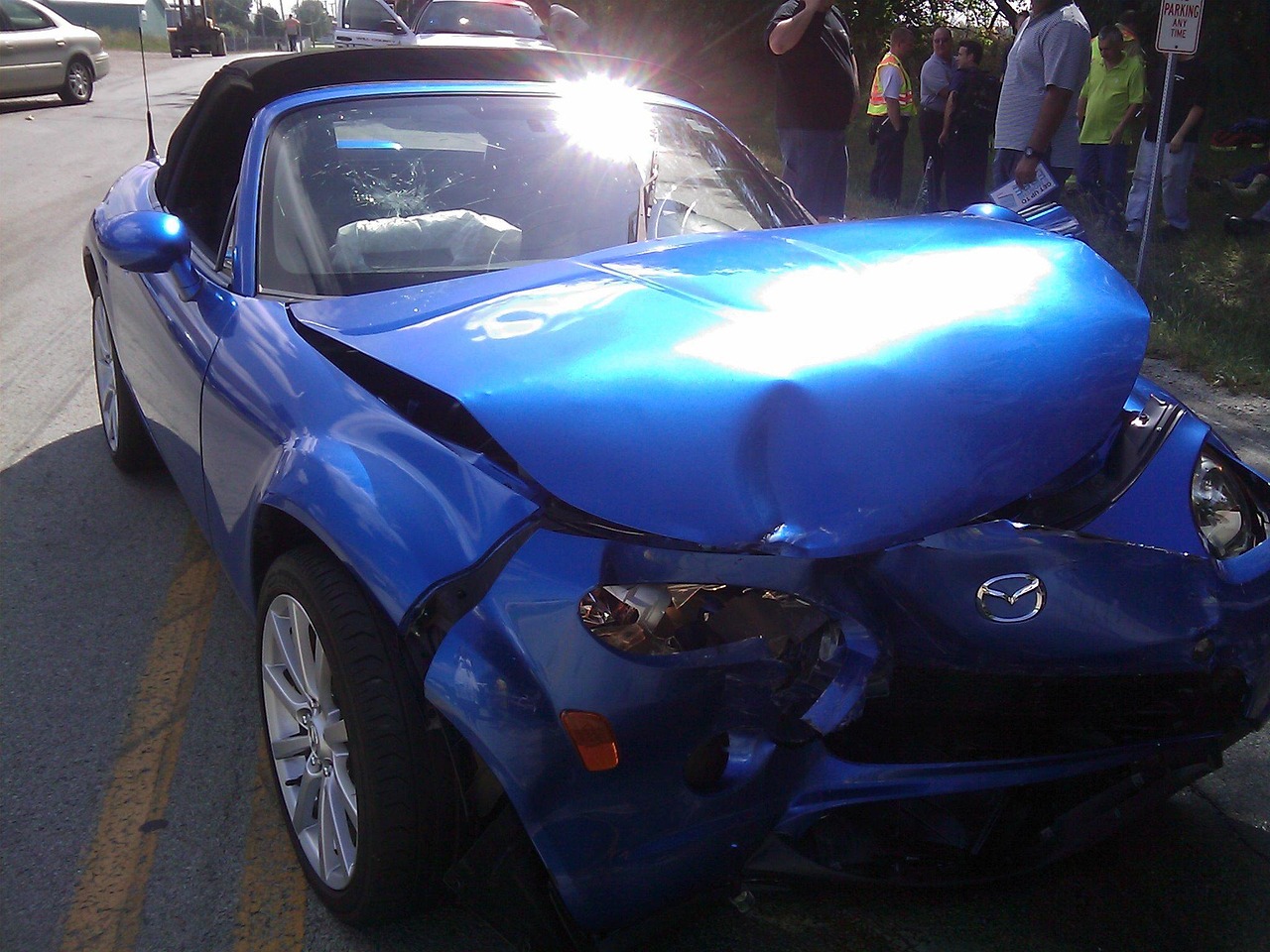
Velocity choices dictate the safety of every trip taken on public streets. Easing off the accelerator pedal preserves control and reduces collision violence. Every motorist holds the power to prevent unnecessary highway tragedies.
Commitment to sensible habits keeps neighborhoods secure for pedestrians and drivers alike. Respecting shared roadways means arriving safely instead of racing against the clock. Responsible choices behind the wheel create a protective shield for everyone.