
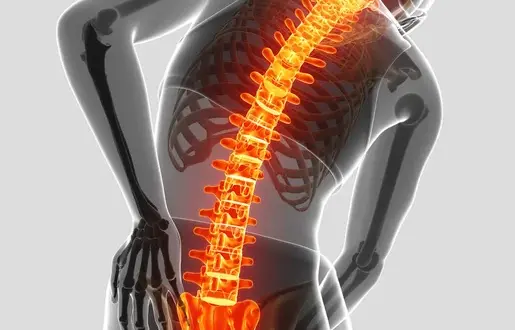
Racing looks like a sport of hands and feet. Ask anyone who has finished a long stint in a stiff race car, though, and they will mention their back first.
Hours of vibration, hard braking, high lateral loads, and a fixed seating position put real stress on the spine. Weekend track-day drivers feel it too, often without the conditioning and support that professional drivers rely on.
Why Racing Is Hard on the Spine
Several forces work against the spine in a race car. Constant vibration from stiff suspension travels through the seat. Curbs and bumps send sharp jolts upward. Cornering loads push the torso sideways for minutes at a time.
Add a seating position that rarely changes, and the muscles supporting the spine can tire quickly. Over time, that strain can contribute to stiffness, pain, and in some cases more lasting problems.
Understanding Back Pain
Back pain is extremely common, in and out of motorsports. The National Institute of Neurological Disorders and Stroke explains that most back pain is mechanical, arising from muscles, ligaments, discs, and joints rather than serious disease.
The same source says most episodes ease with time, rest, and simple treatment. Pain that hangs around or gets worse is a different matter and calls for a proper exam.
Treatment Options Drivers Explore
Drivers with ongoing discomfort often look at a range of non-surgical options. Physical therapy, targeted exercise, chiropractic care, and massage are common starting points.
Some drivers dealing with disc-related pain also look into options such as Roach Family Wellness spinal decompression treatment, which uses controlled traction intended to reduce pressure on spinal discs. As with any treatment, a proper evaluation and realistic expectations matter.
Numbness, weakness, trouble controlling the bladder or bowels, or pain after a crash all need a doctor quickly, not a home remedy.
The Seat Matters More Than People Think
A race seat is not just a safety device. It is also the main point of contact between the driver and the car’s forces.
A seat that fits well distributes loads more evenly and holds the body in a stable position. A poorly fitted seat allows movement that the spine and muscles must constantly resist. Custom foam inserts, adjustable lumbar support, and careful harness geometry all help lock the body into a neutral position.
Speedway Media has covered how to choose the right sport seats, which is a good starting point for drivers thinking about fit, support, and comfort.
Building a Stronger Foundation
Professional drivers train their bodies as carefully as their skills. A strong core and back help the spine handle repeated loads.
Helpful training areas include:
- core stability exercises
- strengthening for the upper back and neck
- hip mobility and flexibility work
- cardiovascular conditioning for endurance
Neck strength matters especially for drivers who experience high cornering forces, since the head and helmet add significant load. Many drivers use simple resistance bands or weighted harness exercises to build that strength between events.
Habits Before and After a Session
Small routines can make a difference:
- warming up before getting in the car
- staying hydrated throughout the day
- stretching between sessions
- getting out of the car and moving during breaks
- cooling down after the final session
Recovery is part of performance. Sleep, nutrition, and rest days help muscles repair after a demanding weekend. Long drives home from the track add their own strain, so a few stops to walk and stretch are worth the extra time.
When to Stop and Get Checked
Pain is information. Drivers sometimes push through discomfort because they do not want to miss track time, but ignoring persistent symptoms can turn a manageable issue into a serious one.
Any real hit, even at modest speed, is worth a trip to the medical center. Damage to the spine can hide at first, since adrenaline dulls pain for hours and the stiffness may not show up until the next morning.
Protecting the Spine for the Long Run
Racing will always be physically demanding. The goal is not to eliminate stress on the spine but to manage it wisely.
Good seat fit, consistent conditioning, smart recovery habits, and timely care help drivers keep doing what they love for many seasons, whether they race professionally or just chase lap times on weekends.
Nothing here replaces a medical exam. A driver whose back pain keeps coming back should see a doctor or physical therapist before the next session.