Key Highlights
- Boat anchors are vital for ensuring safety and stability in varying water depths and seabed conditions.
- Different anchor designs, such as plow and claw anchors, offer tailored holding power for specific uses.
- Understanding water depth, anchor weight, and seabed type is essential for selecting the right anchor.
- Classic designs like Admiralty anchors suit emergencies, while modern shapes are optimised for recreational use.
- Specialised anchors like grapnel and mushroom are ideal for small boats or permanent moorings.
- Proper maintenance, including cleaning and inspection, prolongs anchor life and efficiency.
Introduction
The right anchor is essential for safe boating in varying depths, as anchors come in a variety of shapes. It secures your boat, providing stability and preventing drifting. Different types of anchors are suited for specific conditions and locations. To choose the best one, consider where you’ll be boating, the water depth, and the bottom composition. Let’s explore the world of boat anchors.
Understanding the Importance of Choosing the Right Boat Anchor
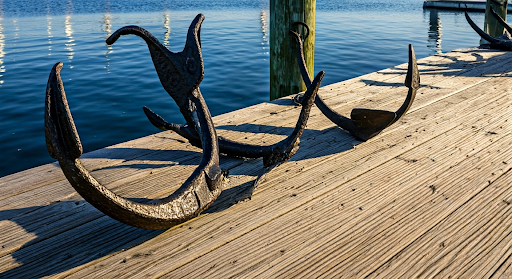
The boat anchor weight also matters a lot for how well your anchor works. The right weight, along with the design, helps your anchor stay put, depending on what the bottom of the water is like. Take time to think about your needs for your anchor and mooring. This helps you get the best results.
Factors Affecting Anchor Selection for Australian Waters
Australian waters vary greatly, featuring shallow bays and deep seas. When selecting an anchor, consider the usual water depth; some anchors perform better in shallow areas, while others are suited for deeper waters.
The seabed type is also crucial—anchors must match the ground conditions, whether sand, rock, or grass.
Anchor weight is important, too. Larger boats or those in strong currents require heavier anchors, while smaller boats can use lighter yet sturdy options. By considering water depth, seabed type, and anchor weight, you can choose the best anchor for Australia’s diverse marine environments.
The Role of Seabed Types in Anchor Performance
The seabed type affects anchor performance. In hard sand, anchors with the right pull angle excel, gripping the tight sand effectively.
In soft mud, suction-based anchors dig in and keep boats stable, especially during strong currents or high tides.
For rocky or grassy seabeds, flukes, claws, and grapnels are ideal as they grip rough terrain or vegetation securely. Choosing the right anchor for each seabed ensures optimal holding power.
Classic Anchor Designs and Their Applications
For a long time, classic anchor designs have shown how useful they are, especially when used with large ships and in hard marine conditions. The Admiralty anchor, which has flukes, is one kind that many people still trust. It works well when you need help in an emergency or must moor for a long time.
These anchors can be used when you need to moor in rocky bottoms or need to keep your ship safe during bad weather. While these nylon anchors are heavy and very strong, people still like them because of how well they work and because you can depend on them. Understanding the foot of chain used with these anchors and knowing about these old designs helps people get ready to learn about new ways anchors are made today.
Admiralty Pattern (Fisherman) Anchors: Strengths and Limitations
Admiralty pattern anchors are favored for their effectiveness in various water types. Their flukes dig deep into soft mud or sand, providing strong holding power at different depths. However, they may struggle in rocky or heavy grass areas where the flukes can’t penetrate.
When selecting an anchor, consider its weight, especially for small boats. Ensure the anchor’s length is appropriate for the water depth to maintain stability. This design remains a reliable choice for both recreational outings and emergency situations.
Stockless Anchors: Versatility for Various Boats
Stockless anchors are used on various boats, including large ships, providing flexibility for anchoring on different seabeds. Their design ensures compatibility with most vessels’ mooring setups. Available in various shapes, they effectively adapt to sand, grass, and rocky areas.
Due to their holding power, compact size, and versatility, stockless anchors are essential for many boats. They are easy to deploy while securely holding the vessel in place.
Modern Anchor Innovations
Modern anchors have changed boating for the better. They use designs like plow and delta anchors. Many are made from stainless steel. The anchors give you both style and good use, so they work well with what people need from boats these days.
The main benefit is more holding power. These anchors can handle many kinds of seabeds. The newest designs are lighter but still strong. This makes it easier for people with small boats and yachts, and even for bigger boats or vessels. When you use modern ideas in anchors, you get more safety, and it is easier to use them when you are out in the water.
Plough and Delta Anchors: Reliable Holding Power
Both plow and delta anchors are known for their strong holding power and are often considered the top choice when used on hard sand beds because the angle of pull helps them dig in well.
The shape of each anchor lets it turn a bit when you put pressure on it. This helps keep your boat steady, which is important when water conditions change. If you are in shallow water or go to deeper spots, they still grab the ground tightly and stop the boat from moving.
These anchors are made with stainless steel. This means they are tough and last a long time. People trust them because they give good performance again and again.
Claw (Bruce) and Scoop Anchors: Advantages for Recreational Boaters
Claw and scoop anchors are a favorite among recreational boaters due to their effectiveness on various seabeds. With flukes that adjust to different pull angles, they provide excellent holding power, especially in loose mud and hard sand, making them a reliable choice when using a rode.
Ideal for smaller boats, these anchors require less chain and anchor line, including a length of chain for added stability, simplifying docking. Additionally, most claw and scoop anchors are made from durable stainless steel, ensuring longevity and reliable performance after extensive use.
Specialised Anchors for Specific Needs
Some anchors are made to be used for special tasks. There are mushrooms and deadweight anchors. These work well for setups that will stay in one place for a long time or need to only move a little. You often need these anchors for mooring or to keep boats stable in deep water.
Also, grapnel anchors are a good choice for kayaks and small boats. They work best when you are on rocky bottoms. Knowing about these different designs helps you get the right anchor for what you plan to do when boating.
Grapnel Anchors: Best for Small Boats and Rocky Bottoms
Grapnel anchors work well for small boats and kayaks, especially when you want to go out to rocky bottoms. They have several prongs that grip the bottom, so your boat stays in place, even in tough spots under the water.
These anchors are light, which makes them good for people who have small boats. Because of the compact design, it is easy to drop the anchor and pull it back in. This is why many people use them for fun and short trips out on the water.
If you are in rocky spots, grapnel anchors give great hold. They keep your boat or kayak steady, so it will not slip or drift away.
Mushroom and Deadweight Anchors: Permanent and Semi-Permanent Solutions
Mushroom and deadweight anchors are made to be used for long-term or semi-permanent solutions. You will find the anchor works best when you need a mooring that stays in place, even in calm water or if the water gets a bit rough.
| Anchor Type | Features | Ideal Use |
| Mushroom | Heavy base, suction grip | Permanent mooring setups |
| Deadweight | Simple weighted design | Semi-permanent stability |
Both kinds are very useful when people set up mooring systems for pontoons or for a buoy. The strong design of each anchor lets them last for a long time and give stable performance.
Conclusion
Choosing the right boat anchor is crucial for your vessel’s safety and stability. Your selection should match the water and seabed conditions. Options range from classic designs like the Admiralty Pattern to modern Plough and Delta anchors. The right anchor enhances your time on the water.
Consider specialized anchors for specific needs: grapnel anchors for rocky bottoms and mushroom anchors for permanent moorings. Understanding these options maximizes your outings and ensures safety.
To find the best anchor for your boat, chat with Savwinch Boat Anchor Winch Specialists today!
Frequently Asked Questions
What size anchor do I need for my boat in Australia?
The size of the anchor you need will depend on how long your boat is and how deep the feet of water depth is. A good idea is to use about 1.5 kg of anchor weight for each foot of boat length. If you have a small boat and you are in shallow water, you may be fine with a lighter anchor.
Which anchor type is best for sandy versus muddy seabeds?
Danforth anchors are best to use if you have a sandy seabed or grassy bottoms. This is because they have sharp flukes that work well in the sand. But if you get muddy conditions, a plow anchor will do better. Plow anchors use suction to help them stay put. So, pick the anchor design that fits the seabed you have to get the best hold.
How do I properly set and retrieve an anchor?
To set the anchor, lower the anchor line. Make sure you use the right ratio of the length of the anchor chain to the depth of the water. Pull the anchor at the right angle so you can get good suction.
When you want to bring up the anchor, let go of the tension slowly. This helps it move smoothly toward the cleat.
Can I use the same anchor for river and ocean boating?
There are different types of anchors, including a ‘lunch hook’, for many situations. In shallow water, river boating often needs a lighter anchor. Ocean boats use anchors that can handle strong water flow, including a combination of rope for added security. It is a good idea to keep an extra anchor nearby for any needs that come up.
How can I maintain and care for my boat anchor?
Cleaning anchors with freshwater helps keep them in good shape. Also, you need to check all stainless steel parts for any signs of rust. Look at your shackles and ropes as well to see if they are worn out or need fixing. Store your anchors in safe anchorages so they will last longer and work well. If you do this regular maintenance, your gear will stay in top condition for a long time.