As energy costs continue to rise and power outages become more frequent, homeowners are increasingly turning to residential solar systems with battery storage for energy independence. But a crucial question remains: Do battery storage solutions truly enhance the performance and value of 4KW solar systems? For residential energy managers and homeowners considering this investment, understanding the interplay between solar panels and battery storage is essential. This comprehensive analysis explores how battery integration affects system performance, long-term cost implications, and optimization potential. We’ll focus specifically on 4KW complete home solar systems with battery storage, examining real-world applications and practical benefits for the average household. Whether you’re looking to achieve greater energy independence, reduce utility bills, or ensure reliable backup power, this guide will help you make an informed decision about incorporating battery storage into your solar system.
Understanding the 4KW Complete Home Solar System with Battery
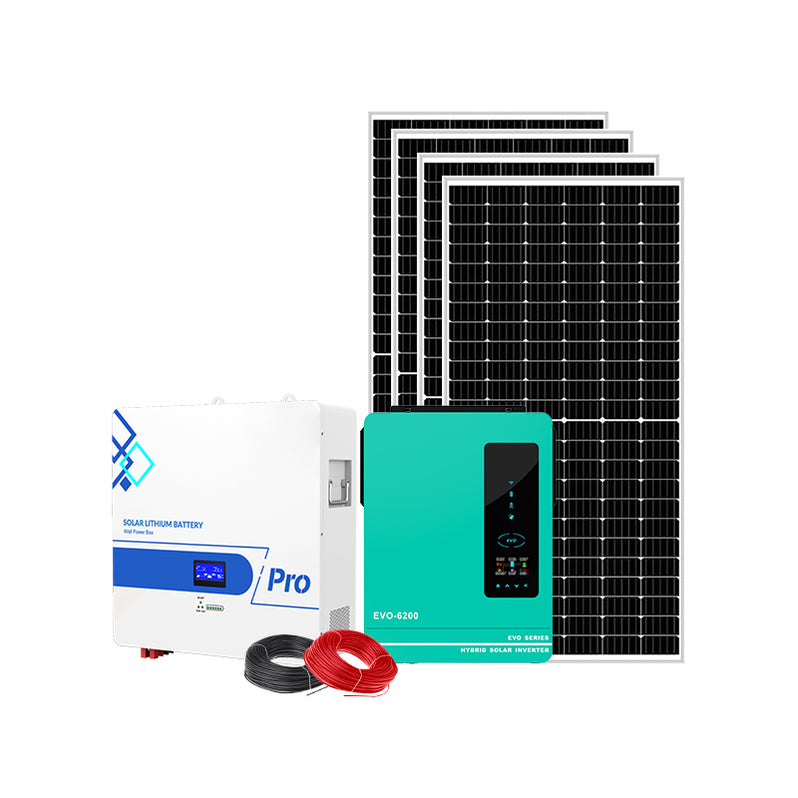
A 4KW complete home solar system with battery storage represents a carefully engineered solution for residential energy independence. At its core, the system consists of photovoltaic panels that convert sunlight into electricity, typically requiring 12-16 high-efficiency panels depending on their individual ratings. The solar inverter serves as the system’s brain, converting DC power from the panels into usable AC power while managing power flow. Modern battery storage systems, like those from Anern, featuring lithium-ion technology, typically provide 10-15 kWh of storage capacity, enough to power essential home functions during outages. The 4 kW sizing is ideal for average households consuming 350-450 kWh monthly, as it generates approximately 16-20 kWh of electricity daily under optimal conditions. Battery integration is enabled by a sophisticated power management system that automatically determines whether to store excess solar energy, power home appliances directly, or export to the grid. This seamless integration enables a continuous power supply even when solar production varies, with smart controllers maintaining optimal battery charge levels while maximizing the self-consumption of solar energy. The system’s modular design allows for future expansion, making it a foundation for growing energy needs.
The transition to a hybrid solar-plus-storage model represents a fundamental shift in how modern households manage their resource consumption. Beyond simple cost savings, these units offer a level of self-sufficiency that traditional grid-tied systems cannot match on their own. Homeowners who choose to explore more here typically gain better oversight of their carbon footprint while ensuring critical appliances stay running during unexpected blackouts. This added security is particularly valuable in regions prone to extreme weather or frequent maintenance-related outages. By stabilizing the flow of electricity, storage solutions safeguard expensive electronics and provide reliable power that adapts to the specific needs of each family throughout the changing seasons.
Energy Storage: Transforming Residential Solar Performance
Quantifying Resilience: Backup Power Scenarios
Battery storage fundamentally transforms how residential solar systems perform, offering unprecedented control over energy consumption patterns. When integrated with a 4KW solar array, modern battery systems enable true grid independence during outages, seamlessly maintaining power to essential circuits. The impact is particularly evident in load-shifting capabilities, where stored solar energy can be strategically deployed during peak-rate periods, typically from 4 PM to 9 PM, resulting in substantial savings on time-of-use utility plans. Advanced battery systems demonstrate remarkable efficiency in peak shaving, automatically drawing from stored power when household demand spikes, effectively reducing demand charges in applicable regions.
Real-world data from residential installations shows that homes with integrated battery storage achieve 80-90% solar self-consumption rates, compared to 30-40% without storage. A typical daily usage pattern reveals how storage bridges the gap between solar production and evening demand: while solar generation peaks around noon, batteries store excess production, releasing it during evening hours when household energy use typically doubles. This intelligent energy management ensures consistent power delivery even when solar production varies, maintaining system reliability at 99.9% for critical loads.
For a 4 kW system paired with a standard 10kWh battery, critical load coverage typically lasts 12-24 hours during outages, depending on usage patterns. The system’s automatic transfer switch activates within milliseconds of grid failure, ensuring uninterrupted power to pre-selected circuits. Recent weather-related outages in California demonstrated that homes with solar-plus-storage maintained essential operations for an average of 3.2 days, powering refrigeration, lighting, and communication devices throughout extended blackouts. This enhanced resilience transforms residential solar from a daytime-only power source into a comprehensive energy solution that supports modern household needs around the clock.
Total Cost of Ownership Analysis for Solar + Storage
Financing Options for Residential Energy Solutions
Understanding the total cost of ownership for a solar-plus-storage system requires careful consideration of multiple financial factors. Initial investment for a 4KW system with battery storage is typically high, but it is offset by cumulative energy savings over time. The system’s long-term value proposition becomes particularly compelling when factoring in rising utility rates, which have historically increased by 2-4% annually. Battery lifecycle costs, while significant, have decreased by approximately 85% over the past decade, making storage solutions increasingly cost-effective. Modern lithium-ion batteries maintain 70-80% of their original capacity after 15 years of regular use, ensuring sustained performance throughout the warranty period.
Current federal incentives through the Investment Tax Credit (ITC) cover 30% of the total system cost, including battery storage, significantly reducing initial expenses. Many states offer additional incentives, such as property tax exemptions and performance-based rebates, further improving the financial equation. When analyzing grid cost projections against solar-plus-storage expenses, most homeowners see complete system payback within 7-10 years, depending on local utility rates and consumption patterns. Maintenance costs remain minimal, typically requiring only annual inspections and potential inverter replacement after 10-12 years.
Regarding financing options, homeowners can choose between traditional solar loans, which often offer 5-20-year terms with interest rates ranging from 2.99% to 7.99%, and lease agreements that require little to no upfront investment. Power Purchase Agreements (PPAs) with storage components provide an alternative financing structure in which homeowners pay for generated power at a predetermined rate, typically 10-30% below utility prices. ROI calculations should consider not only direct energy savings but also potential revenue from grid services and increased property value, which studies show can add $4 per watt of installed solar capacity to home resale value. State-specific incentives vary significantly, with some regions offering additional battery storage rebates ranging from $200 to $500 per kilowatt-hour of capacity installed.
Solar System Optimization Through Strategic Battery Deployment
Strategic battery deployment transforms a standard 4KW solar system into an intelligent energy ecosystem. Modern energy management systems continuously analyze household consumption patterns and automatically adjust charging and discharging cycles to maximize efficiency. These systems learn from daily usage patterns, predicting peak-demand periods and preparing battery reserves accordingly. Weather-forecasting integration enables proactive storage management, ensuring sufficient backup power before storms and maximizing solar harvesting during clear weather. Advanced monitoring protocols track system performance across multiple parameters, including battery health, charging efficiency, and power flow optimization. Real-time data analysis enables automatic switching between power sources, prioritizing self-consumption during peak-rate periods. Software-driven optimization includes features such as selective load shedding during outages, intelligent charge-rate adjustment based on battery temperature, and automated grid export control. The system’s artificial intelligence continuously refines its operation, adapting to seasonal changes in solar production and evolving household energy patterns.
Tailoring Solutions for Specific Energy Needs
Effective system optimization begins with a comprehensive energy audit that examines 12-month consumption patterns and identifies peak usage periods. Load profile analysis reveals opportunities for demand shifting, while backup priority settings ensure critical systems maintain power during outages. EV charging integration requires careful consideration of charging schedules and power requirements, typically programming charging sessions during peak solar production hours. Future-proofing strategies include reserving inverter capacity for additional battery modules and ensuring communication protocols support upcoming smart home technologies. This systematic approach ensures the battery system grows with household needs while maintaining optimal performance.
Maximizing Home Energy Independence with Solar and Battery Integration
Battery storage integration fundamentally enhances 4KW residential solar systems, transforming them from simple power generators into comprehensive energy management solutions. The evidence clearly demonstrates improved resilience, with systems providing reliable backup power for multiple days during outages and enabling up to 90% solar self-consumption. From a financial perspective, despite the initial investment, the combination of federal incentives, declining battery costs, and rising utility rates creates compelling long-term value, with payback typically achieved within 7-10 years. The integration of smart energy management systems and strategic battery deployment optimizes system performance, adapting to household patterns and maximizing savings through automated load shifting and peak shaving. For residential energy managers considering solar installations, battery storage has evolved from an optional add-on to an essential component for maximizing system value and functionality. We recommend conducting a detailed energy audit and consulting with certified installers to develop a tailored storage solution that aligns with specific household needs and future expansion plans. By embracing battery storage technology, homeowners can achieve true energy independence while positioning themselves for continued advances in residential energy management.