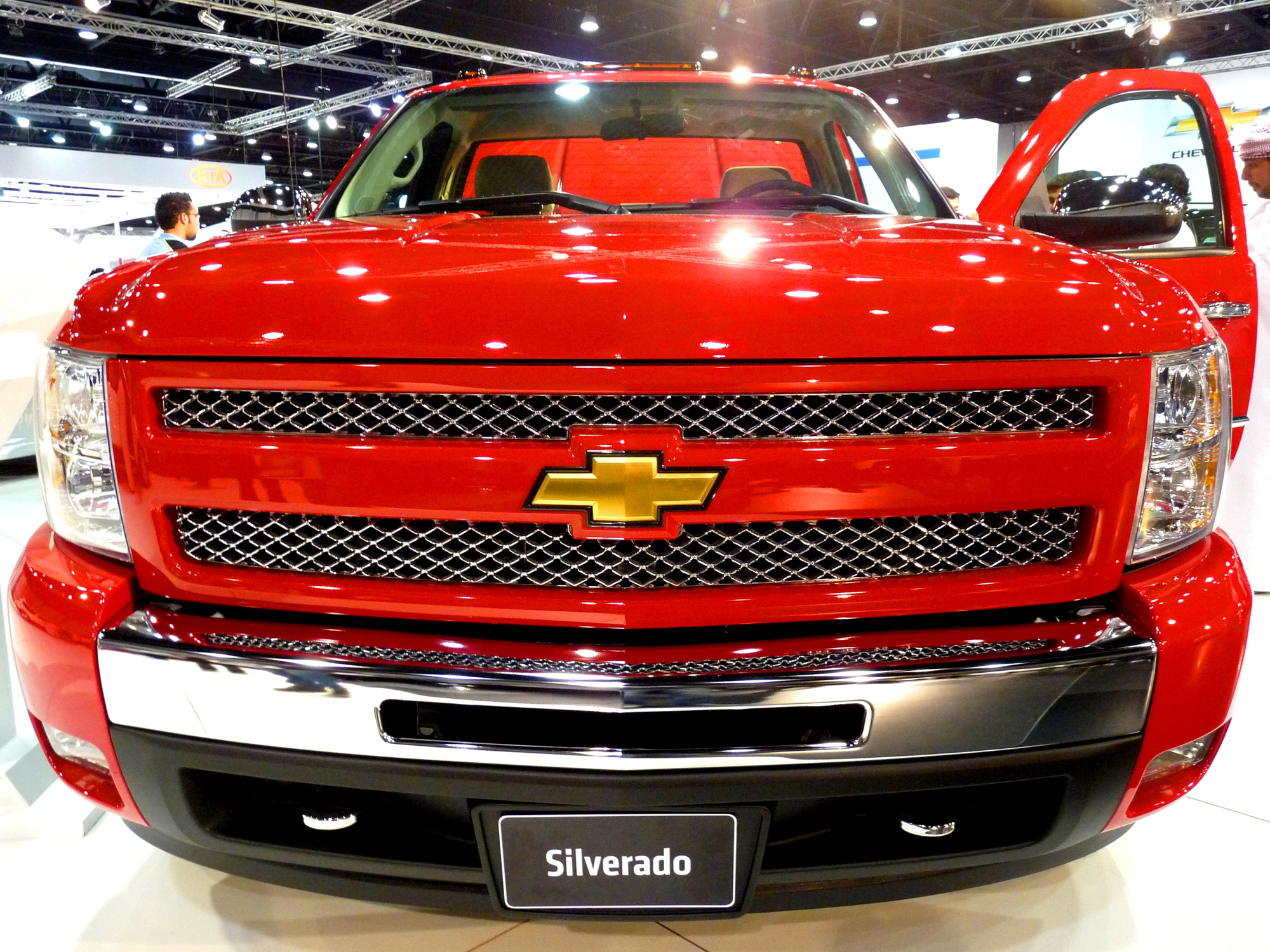
Buying a pre-owned vehicle can be a smart financial decision, but it comes with risks if you don’t carefully inspect the car before finalizing the purchase. Whether you’re browsing online or visiting dealerships, ensuring the car’s condition is crucial to avoid costly repairs later. If you’re searching for used cars for sale near Buffalo NY, having a detailed inspection checklist in hand can help you make an informed choice. This guide walks you through the essential points to check before you sign the dotted line, making sure your purchase is safe, reliable, and worth your investment.
Check the Vehicle History Report
Before even popping the hood, always start by reviewing the car’s history report. Services like Carfax or AutoCheck provide records about past ownership, accident history, title issues, odometer readings, and maintenance logs. This report provides insight into whether the car has been involved in serious accidents, suffered flood damage, or had multiple owners within a short period. A clean history is a green flag, while red flags should make you reconsider.
Exterior Condition Inspection
Walk around the car and carefully examine the exterior. Look for scratches, dents, or mismatched paint that might indicate past accidents. Pay close attention to rust, especially around the wheel wells, under the doors, and on the underside of the vehicle. Uneven panel gaps can also be a sign of poor repair work after a collision. Don’t forget to check that all lights, turn signals, and mirrors are intact and working.
Tires and Wheels
Tires are often overlooked, but they reveal a lot about a vehicle’s condition. Check the tread depth using a penny or gauge and ensure the wear is even across all tires. Uneven wear may indicate misalignment or suspension issues. Also, confirm that all four tires are the same brand and size for consistent performance. Inspect the rims for cracks, dents, or signs of curb damage that could affect safety.
Under the Hood
Lift the hood to inspect the engine bay. Look for leaks, corrosion, or worn belts and hoses. Check the oil level and color — clean oil should be amber or light brown, while dark or gritty oil suggests neglect. The transmission fluid should be pinkish and not have a burnt smell. Brake fluid and coolant levels should also be within normal range. Any unusual smells, such as burnt rubber or strong fuel odors, may indicate hidden problems.
Interior Condition
Step inside the car and assess the interior. Look for signs of water damage, such as musty odors, stains, or rust around the seat bolts. Test the seats, upholstery, and carpets for wear and tear. Check the functionality of power windows, locks, seat adjustments, and the infotainment system. Don’t forget to test the air conditioning and heating system to ensure they’re working properly. A well-maintained interior often reflects how the previous owner took care of the entire vehicle.
Dashboard and Electronics
The dashboard lights should all briefly illuminate when you start the engine and then turn off. Warning lights that remain on can signal engine, transmission, or electrical problems. Test every electronic feature, including the radio, Bluetooth connectivity, navigation system, wipers, and charging outlets. Malfunctioning electronics can be expensive to fix, especially in modern vehicles with advanced technology.
Test Drive the Vehicle
A test drive is one of the most important steps in the inspection process. Start the engine and listen for unusual noises such as knocking or rattling. On the road, pay attention to acceleration, braking, steering responsiveness, and transmission shifts. The car should drive smoothly without vibrations or pulling to one side. Try driving at different speeds and on various road conditions, including highways, to get a full sense of performance.
Suspension and Steering
While driving, note how the suspension handles bumps and potholes. The ride should feel stable and not overly bouncy. Listen for clunking or squeaking sounds, which could indicate worn suspension components. Steering should be tight and responsive, without excessive play. Difficulty turning or vibrations in the steering wheel may point to alignment or power steering issues.
Braking Performance
Brakes are crucial for safety, so test them thoroughly to ensure they are functioning properly. The car should stop smoothly without grinding noises or pulling to one side. Vibrations when braking can indicate warped rotors. Check the parking brake as well to ensure it holds the car securely on an incline. If the brake pedal feels soft or sinks to the floor, that’s a red flag that requires immediate attention.
Exhaust System
While the car is running, look at the exhaust. Excessive smoke or unusual smells may reveal engine problems. Blue smoke indicates oil burning, while white smoke may suggest that coolant is leaking into the engine. Black smoke often indicates that too much fuel is being burned. A healthy car should produce only minimal, light-colored exhaust when first started.
Odometer Reading and Mileage
Compare the odometer reading with the car’s age. On average, vehicles accumulate about 12,000 to 15,000 miles per year. Extremely low mileage may seem attractive, but it can also suggest the car was left unused for long periods, leading to mechanical issues. Extremely high mileage isn’t always bad if the vehicle has a thorough maintenance history. Always balance mileage with condition and service records.
Professional Mechanic Inspection
Even if you feel confident after your own checks, it’s wise to use mobile vehicle inspections brisbane to have the car inspected by a professional mechanic before purchase. A mechanic can put the car on a lift to inspect the undercarriage, brakes, suspension, and exhaust more thoroughly. They can also run diagnostic tests to detect issues not visible during a casual inspection. This small investment can save you thousands in future repairs.
Paperwork and Documentation
Finally, review all paperwork before committing to a purchase. Verify that the Vehicle Identification Number (VIN) on the car matches the title, registration, and history report. Ask for service records to confirm regular maintenance. If buying from a private seller, ensure there are no liens against the vehicle. For dealership purchases, carefully review warranty options, return policies, and financing details.
Negotiating Based on Inspection
If your inspection reveals minor issues, don’t walk away just yet — use them as leverage for negotiation. Cosmetic issues, such as minor scratches or worn tires, can often reduce the asking price. However, if you encounter major issues, such as engine trouble, transmission problems, or flood damage, it may be best to walk away altogether. Always prioritize safety and reliability over price.
Conclusion
Buying a used car doesn’t have to be a gamble if you follow a thorough inspection checklist. From checking the vehicle history report to test-driving, examining the engine, and reviewing paperwork, every step ensures you get a dependable vehicle at a fair price. Keeping this checklist handy will help you identify a car that meets your needs and avoid unexpected expenses down the road. Taking the time to inspect carefully not only saves money but also gives peace of mind that your purchase is truly worth it.