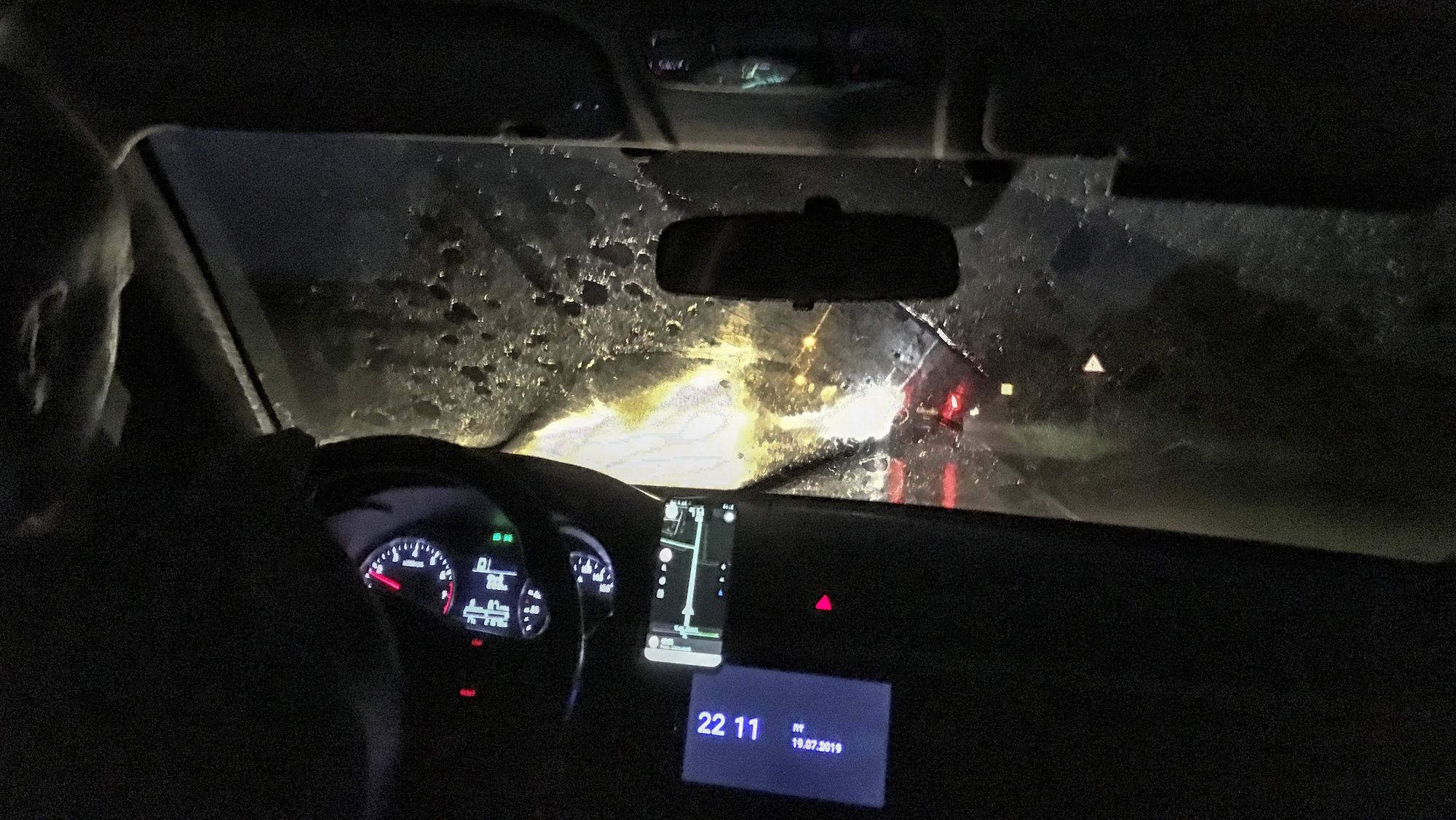
Driving familiar routes can create a sense of comfort that sometimes leads to overlooked dangers. Even roads traveled daily can present sudden obstacles, unexpected traffic, or changes in road conditions that catch drivers off guard. Being aware of surroundings, such as vehicles merging unexpectedly or pedestrians stepping into crosswalks, is essential to reducing risk. Familiarity should not replace vigilance, as accidents can occur even in routine circumstances.
Weather conditions can also amplify hazards on familiar roads. Rain, snow, or ice can change a road’s grip and visibility in ways that drivers may underestimate. Even minor changes in lighting, such as glare from the sun, can affect reaction times. Maintaining attention to these environmental factors ensures that comfort does not become complacency and allows drivers to respond appropriately to sudden changes.
Even small changes in road infrastructure can introduce risks. Construction zones, temporary signage, or new traffic signals can disrupt patterns that drivers take for granted. Familiarity with a route may cause someone to ignore or overlook these subtle changes, increasing the likelihood of a collision. Constantly updating awareness of the road ensures that routine travel does not become a source of preventable danger.
How Car Accidents Occur in Everyday Travel
According to Weston & Pape, car accidents often happen when drivers assume they know what to expect. This can include misjudging speed, following too closely, or failing to notice minor changes in traffic patterns. Even brief lapses in attention can lead to collisions, especially in congested areas or intersections. Recognizing that accidents occur not only on high-speed highways encourages a mindset that prioritizes safety at all times.
Distractions also contribute to accidents on familiar roads. Cell phones, navigation devices, and even daydreaming can reduce reaction time and awareness. Drivers may not anticipate how quickly a situation can escalate into a crash. By maintaining focus and minimizing distractions, the likelihood of an accident decreases, even in routine travel environments.
Even experienced drivers can fall into predictable patterns that reduce reaction time. Repeating the same route daily may create subconscious habits that overlook minor hazards. Awareness of this tendency allows drivers to break these patterns and actively monitor their surroundings. By remaining vigilant and consciously assessing each situation, the risk of accidents diminishes significantly.
The Role of a Criminal Defense Lawyer in Traffic Incidents
While many car accidents involve minor injuries, some can result in serious consequences that carry legal implications. In cases where fault or criminal liability is at issue, a criminal defense lawyer can provide guidance and representation. Their expertise ensures that the legal aspects of an accident are managed effectively, protecting the rights of those involved while navigating complex procedures.
A Criminal Defense Lawyer Brooklyn can assist when accusations of reckless or negligent driving arise, which may lead to penalties or charges. Even in scenarios that seem straightforward, legal support can clarify responsibilities and mitigate risks of long-term consequences. Consulting a lawyer early helps manage both the legal and personal implications of an accident and ensures that all factors are properly considered.
Additionally, a criminal defense lawyer can provide advice on potential criminal charges related to driving offenses. This includes situations where driving conduct may be questioned after an accident or where legal disputes arise concerning liability. Their involvement not only addresses immediate concerns but also safeguards the individual from escalating legal complications that could affect future driving privileges and personal records.
Preparing for Unexpected Road Situations
Preventing accidents on familiar routes requires preparation and proactive measures. Regular vehicle maintenance, adherence to speed limits, and observance of traffic signals are foundational practices. Drivers who plan for unexpected events, such as sudden stops or detours, are better equipped to react calmly and appropriately, minimizing the chances of collision.
Planning also involves anticipating the behavior of other road users. Observing traffic patterns, predicting potential conflicts, and maintaining safe following distances all contribute to safer driving. Being prepared does not guarantee accidents will be avoided, but it greatly reduces the likelihood of severe outcomes, particularly in routine travel where complacency is common.
Additionally, continuous practice of defensive driving techniques improves reaction times. Familiar routes can lull drivers into routine patterns that reduce alertness, but applying defensive strategies helps account for unpredictable behavior from other drivers. This proactive approach ensures that drivers maintain an advantage when sudden hazards appear, reinforcing safety beyond simple awareness.
Managing Consequences After an Accident
Accidents, even minor ones, can result in physical, financial, and emotional repercussions. Individuals may face medical bills, property damage, or temporary limitations on daily activities. Taking prompt and appropriate action following an accident ensures that these consequences are managed effectively and can prevent long-term complications.
Insurance processes, incident documentation, and consultations with professionals such as accident evaluators are key to recovery. Keeping accurate records and acting quickly reduces confusion and strengthens any claims. Awareness and an organized response after an incident help minimize stress and support a smoother path to resolving issues arising from accidents.
Additional considerations include following up on any ongoing medical care, monitoring recovery progress, and seeking support for emotional strain. Understanding the importance of timely communication with relevant parties and maintaining careful records can prevent complications from escalating. By addressing both immediate and lingering concerns, individuals can protect their health, finances, and legal position after an accident.
Protecting Your Future on the Road
Recovering from an accident involves more than immediate repairs or treatments. Awareness of risks, careful driving, and legal guidance where needed contribute to ongoing safety. Evaluating driving habits, addressing underlying causes of incidents, and considering professional advice can prevent future occurrences and protect long-term well-being.
Consulting experts, including legal professionals when criminal or civil implications arise, ensures that rights and responsibilities are preserved. Continuous attention to road conditions, adherence to regulations, and mindfulness during travel create a safer driving environment. By combining preventive measures with informed action, drivers can navigate familiar routes with increased confidence and security.
In addition, establishing regular safety reviews and reflecting on past incidents can foster habits that further reduce risk. Understanding patterns in near-misses, adjusting driving strategies, and staying informed about traffic regulations are crucial. These measures work together to maintain safety, mitigate hazards, and ensure that familiar routes remain predictable and secure over time.