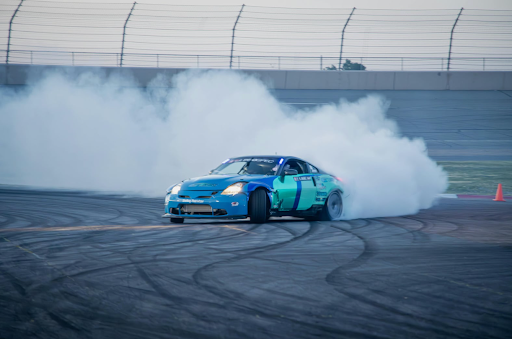
A show car and a race car share one problem. Both take abuse from the world around them. Stone chips, fuel spills, brake dust, and sun exposure work constantly against a clean finish. Race teams found a solution decades ago. Road drivers are catching up fast.
Paint protection film, or PPF, is a thin urethane layer bonded directly to a vehicle’s exterior. Teams use it on leading edges, hoods, mirror caps, and rocker panels. Anywhere debris or air turbulence concentrates impact. The film absorbs damage the paint never sees. When a car rolls off the hauler looking sharp after 500 miles of racing, PPF is often part of the reason.
Drivers in Colorado have access to the same material used on high-value show cars and track builds. Shops offering PPF Loveland Colorado apply professional-grade film that handles road grit, weather exposure, and seasonal wear without dulling a car’s finish over time.
Time to share the real secrets…
Why Race Teams Prioritize Paint From the First Build
Appearance has a job in racing. Sponsor logos, team colors, and livery details represent contracts worth significant money. A car that chips, fades, or peels mid-season sends the wrong signal at the wrong time.
Teams protect paint not because they are precious about aesthetics but because a damaged finish signals neglect. That logic applies to road vehicles, too. A car with clean, protected paint holds value better at resale and signals that the owner maintains what they own.
PPF was first developed for military helicopter blade protection in the 1960s. The film migrated into motorsport applications through high-end road racing programs. Today, it appears on everything from Formula 1 nose cones to daily-driven trucks in high-altitude states.
Where PPF Gets Applied First on a Race-Inspired Build
Race teams are methodical about placement. They track where chips and abrasion actually occur, then protect those zones. Road drivers benefit from the same logic.
- Hood leading edge. Highway driving throws debris forward constantly. The front third of a hood collects more chips than any other panel on most vehicles.
- Front bumper and splitter. Low-profile vehicles and trucks both collect road debris at the lower bumper line. Film here prevents sand blasting the clear coat off within the first season.
- Rocker panels. Gravel thrown from the rear tires exits directly onto the rocker panels. Race cars protect this zone heavily. Road trucks and SUVs benefit from the same coverage.
- Mirror caps and A-pillars. Wind turbulence concentrates at these points. On long drives or mountain routes, stone strikes hit harder at elevation where loose road material is more common.
- Door cup areas. Fingernail scratches and ring contact mark door cups faster than almost any other surface. A small PPF section here prevents cosmetic wear that looks rough after a year of daily use.
Self-Healing Film Changed the Calculation
Earlier versions of PPF required replacement once scratched. Modern film uses a heat-activated clear coat layer that flows back into minor scratches with exposure to sun or warm water.
Race teams adopted self-healing film for transient surface marks. The kind that comes from moving equipment past a car in a cramped paddock. Road drivers get the same benefit from key line contact, shopping cart marks, and soft surface abrasion.
The self-healing property does not cover deep gouges or cuts through the film layer. Those require section replacement. But for daily surface wear, the film handles a category of damage that traditional wax or ceramic coating cannot address at all.
Ceramic coating bonds to the film surface rather than directly to the paint on a PPF-wrapped vehicle. The combination creates two protective barriers. The film absorbs mechanical impact. The ceramic handles chemical bonding, water sheeting, and UV degradation. Teams running both on show cars see the longest clean periods between full details.
How Long PPF Holds Before It Needs Attention
Professional installation with quality film carries a 10-year warranty in most cases. That figure assumes correct preparation, adhesion during installation, and routine maintenance after.
Neglected film fails faster. Lifting edges near trim lines allows moisture behind the film, which causes yellowing and adhesion loss. A proper installation includes edge sealing that prevents moisture entry for the warranty period.
Race teams pull and replace film on high-impact zones like splitters and front bumpers more frequently than on body panels. Road drivers rarely need that level of turnover. Annual inspection of edges and high-chip zones catches problems early without requiring full replacement.
Washing matters too. Pressure washers aimed directly at film edges peel adhesion over time. Teams wash around film edges at lower pressure. Road drivers using automatic car washes with aggressive brush contact on the same zones accelerate edge lifting faster than hand washing does.
Matte and Satin Finishes Need Film More Than Gloss Paint Does
Gloss paint tolerates some surface correction if chipping occurs. Matte and satin finishes cannot be polished without changing the texture. A chip on a matte hood is permanent without panel respray.
Race teams running matte liveries wrap the entire surface in film before the livery goes on. Road vehicles with factory matte or satin finishes follow the same logic. Full-body PPF on a matte vehicle costs more upfront but eliminates the risk of permanent surface damage from a single stone strike.
The cost difference between protecting a matte finish early and respraying a panel later is not close. Film wins on math alone, separate from the aesthetic argument.
What a Pre-Installation Inspection Covers
A quality shop does not apply film to unprepared paint. The surface needs paint correction first. Swirls, existing chips, and water spots trapped beneath film stay visible and continue to hold moisture.
Paint correction before film installation addresses those issues. The process involves machine polishing to remove oxidation and surface marring, then a thorough surface decontamination before the film goes down.
Race teams run paint inspection under controlled lighting before any film application. Road vehicle owners benefit from the same standard. Ask your installer about their pre-installation prep process before committing to a job. A shop that skips prep is skipping the step that determines how long the film performs.
What Race Teams Know That Most Drivers Learn Late
Protecting a finish costs less than restoring one. That principle runs through every decision a race team makes about surface maintenance. Film, ceramic, careful washing, and edge inspection are maintenance costs. Respray, chip repair, and panel replacement are failure costs.
Road drivers who apply that mindset early keep cars looking sharp through long ownership cycles. The investment in film pays back in resale value, reduced maintenance, and a finish that holds through seasons of real use.