Yep, you read that right. A trucking business. Without trucks.
A decade or two ago, that would have sounded ridiculous. After all, trucks are right there in the name. If you wanted to grow a transportation company, the playbook was simple: buy more trucks, hire more drivers, and take on bigger loads.
But the trucking industry doesn’t work quite the same way anymore.
Today, some of the fastest-growing logistics companies own very few assets—or none at all. Instead of pouring millions into equipment, they’re investing that money in technology, partnerships, and systems that enable them to move freight efficiently without ever having to turn a key in an ignition.
CSM Trucks is just one example of a broader trend within the transportation industry. The game is no longer about who has the most trucks. It’s more and more about who can connect shippers, carriers, and customers in the smartest and most efficient way.
And in a market where fuel prices fluctuate, maintenance costs keep rising, and driver shortages remain a challenge, that’s opening the door to a completely different way of scaling.
So how do you build a trucking business when you don’t actually own any trucks?
What Does a Trucking Business Without Trucks Actually Look Like?
It sounds a little counterintuitive at first, but trucking businesses without trucks are more common than many people realize.
Picture freight brokers, who link shippers and carriers, arranging loads but without a single truck to call their own. Or logistics companies that build networks of trusted carriers to handle transportation for clients.
Some companies are focused on dispatch services to help independent truckers find loads and optimize their routes. Others are concerned with shipment tracking, route planning, or supply chain management in general.
In all of these cases, freight is still moving across the country. Trucks are still doing the work. The difference is that the company creating value isn’t necessarily the one that owns the equipment.
It’s a bit like what happened with Airbnb and hotels, or Uber and ride-hailing. They didn’t win by owning the assets—they won by organizing them better. Logistics is heading the same way. The companies gaining ground aren’t the ones with the biggest yards full of trucks, but the ones that know how to match capacity with demand and keep freight moving without friction.
Think Like a Logistics Company, Not a Fleet Owner
One of the biggest mindset shifts is understanding that transportation and logistics aren’t exactly the same thing.
Owning trucks is one way to move freight. Coordinating freight is another.
Many successful companies have discovered that their real value isn’t in the equipment itself. It’s in their ability to connect customers with reliable carriers, solve shipping problems, and keep goods moving from point A to point B.
The Rise of the Freight Brokerage Model
Rather than hauling freight themselves, brokers connect businesses that need products shipped with trucking companies that have available capacity. Think of it as being the matchmaker of the logistics world.
The beauty of this model is scalability.
Buying ten additional trucks can cost hundreds of thousands—or even millions—of dollars. Adding ten new carriers to a brokerage network costs a fraction of that amount.
A diverse network also creates flexibility. One carrier may specialize in refrigerated freight. Another may focus on oversized loads. Others may dominate specific regions or routes.
As brokerage networks expand, understanding IRP registration requirements can also be beneficial when coordinating carriers that operate commercial vehicles across multiple states and jurisdictions.
Put Your Money Into Technology
Traditional trucking companies often pour capital into vehicles.
Modern logistics companies frequently put that money somewhere else.
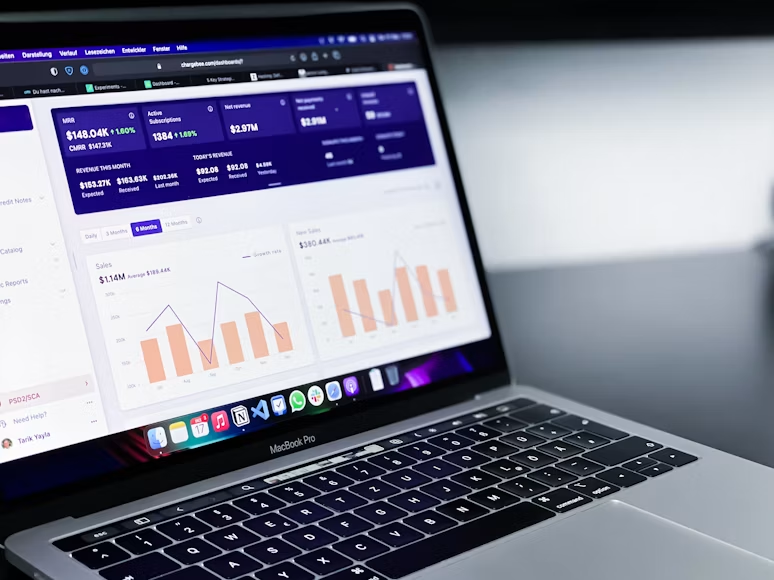
Transportation Management Systems (TMS), automated dispatching tools, load boards, tracking software, and customer portals can dramatically increase efficiency. These platforms allow small teams to manage surprisingly large freight volumes.
For companies looking to streamline these operations further, AI-powered fleet management software can help bring together vehicle tracking, fleet data, maintenance planning, and other day-to-day processes in one system. This can give growing logistics businesses better visibility while reducing the amount of manual work involved in managing a larger operation.
Customers have also come to expect real-time updates. Nobody likes wondering where a shipment is.
Technology makes that visibility possible, improving the customer experience while reducing administrative workload.
In many cases, software scales much more efficiently than physical assets ever could. A new truck can only handle so many loads. The right technology can help manage hundreds or even thousands more.
Find a Niche and Own It
One mistake growing logistics businesses often make is trying to be everything to everyone.
In reality, specialization tends to win.
Some companies only handle refrigerated freight. Others specialize in construction materials, automotive shipping, medical equipment or high-value cargo.
Consumers will pay a premium for a logistics partner that understands the unique challenges of their industry, rather than a generalist that does a little bit of everything.
Growth can be an organic by-product of a company being known for solving a certain logistics problem very well.
Focus on Relationships, Not Transactions
Some of the most successful asset-light businesses prioritize long-term partnerships over one-off shipments. A single recurring customer can generate far more value than constantly chasing new business.
Good communication, reliability, and proactive problem-solving go a long way in this industry.
When customers trust you to handle their logistics, they tend to come back. Better yet, they often recommend your services to others.
Keep Operations Lean
One of the biggest advantages of not owning trucks is flexibility.
No vehicle payments, maintenance expenses, repair costs, insurance obligations, and fleet management responsibilities, allows businesses enough flexibility to grow.
Many companies further improve efficiency by outsourcing functions such as accounting, compliance management, payroll, or marketing.
That lets leadership teams focus on what drives revenue: finding customers, building carrier relationships, and managing freight.
Use Data to Guide Growth
The logistics industry generates enormous amounts of data. And you should leverage it.
What routes are the most profitable? Which customers yield the highest margins? Which are the best-performing carriers over time?
Companies that collect and analyze this data get a big boost. They can make decisions based on real numbers instead of expanding on assumptions.