Key Highlights
- Interstate motorcycle transport in Australia usually starts with a quote, booking, and simple bike preparation.
- A reliable service uses specialist equipment for secure transport and steady loading.
- Professional motorcycle transport often includes depot or home delivery options across major routes.
- Clear pricing depends on distance, vehicle details, and any added storage needs.
- With utmost care, carriers secure the front tire and strap the rear for safer transit.
- Tracking updates can give you peace of mind during the trip.
Introduction
If you are trying to understand motorcycle transport interstate in Australia, the process is usually simpler than many riders expect. Most motorcycle transport services follow a clear path: request a quote, confirm the booking, prepare the bike, track the shipment, and accept delivery at home or a depot. That straightforward system matters when your motorbike is traveling long distances. Knowing how it works gives you more peace of mind and helps you avoid last-minute issues before moving your bike.
Understanding Motorcycle Transport Interstate in Australia
Motorcycle transport interstate means moving a motorbike from one state to another using specialist freight equipment and trained drivers. In Australia, this is a dedicated service, not an afterthought added onto general removalists or standard car transport.
What makes the process work well is professionalism. Carriers with years of experience rely on tested systems, careful handling, and route coverage between cities such as Sydney, Melbourne, Adelaide, Perth, Brisbane, and Darwin. That focus on excellence is what keeps a bike stable during transit.
What Is Interstate Motorcycle Transport and When Is It Needed?
Interstate motorcycle transport moves your bike across state lines using equipment built specifically for motorcycles. This ensures secure transport over long distances, with setups that hold the front tire and strap down the rear to minimize movement.
This service is useful when riding isn’t practical—such as during a relocation, after buying from another city, or sending a bike to a dealership. It’s also ideal for routes that are too long or inconvenient.
For example, if you buy a Honda on the Sunshine Coast and need it delivered to Melbourne, interstate motorcycle transport saves time and keeps your bike safe during transit.
Common Reasons for Moving Motorcycles Between States
People choose bike transport for convenience, distance, and safety. Professional transport is often better for valuable, new, or relocated bikes, especially on routes between the East Coast and Western Australia.
Common reasons include:
- Moving house and sending a motorbike with other vehicles.
- Buying from an out-of-state dealership (e.g., a Honda on the Sunshine Coast).
- Delivering collector, prestige, or race bikes needing extra care.
- Use depot storage when immediate pickup isn’t possible.
Timing is another factor. If your schedule doesn’t allow for a long ride, interstate delivery streamlines the process and eliminates hassle.
Types of Motorcycle Transport Services Available
Not all motorcycle transport services work the same way, even when the route is similar. The main differences usually come down to how the bike is carried and where it is collected or delivered. Those choices affect convenience, protection, and sometimes pricing.
You may be booking between capital cities or sending a bike to regional areas, so it helps to know the service type first. Once you understand the options, it becomes easier to compare secure transport features and ask for clear pricing that matches your trip.
Open vs Enclosed Motorcycle Carriers Explained
Enclosed transport is the safest option for extra protection, shielding your motorcycle from exposure and keeping it in pristine condition. While open carriers are common in wider freight networks, enclosed transport minimizes risk from road debris and external conditions—ideal for high-value bikes.
| Option | What to know |
| Open carrier | Exposed to road debris and outside conditions during transit. |
| Enclosed transport | Offers better protection for your motorcycle during shipment. |
| Fully enclosed truck | Preferred for prestige, collector, or race bikes needing special care. |
Door-to-Door and Depot-to-Depot Delivery Options
Yes, interstate door-to-door motorcycle transport is available in Australia, along with depot-to-depot delivery. Door-to-door brings the bike directly to your home or address, while depot-to-depot requires you to drop off and pick up from a depot.
Each option suits different needs:
- Door-to-door is more convenient and saves time.
- Depot-to-depot is useful if depots are easier to access.
- Depot delivery is helpful for regional locations.
- Some depots offer storage from $50 per day plus GST.
For example, a Sydney buyer who isn’t home on delivery day can use depot-to-depot for added flexibility and short-term storage.
How the Motorcycle Transport Process Works Step-by-Step
Most interstate bookings follow the same core process, which makes planning easier. You request a quote, confirm the transport, prepare the bike using the carrier’s guidelines, track the shipment, and then receive the motorcycle at the selected address or depot.
What matters is how that process is handled. Professionalism shows up in careful loading, the use of specialist supports and straps, and clear communication from booking through delivery. The next two sections break down the quote stage and the pickup-to-drop-off process.
Getting a Personalized Quote and Booking Your Transport
Booking begins with a personalized quote, as pricing depends on the bike, distance, and your specific needs—there’s no fixed per-kilometer rate. Clear pricing upfront is essential.
When requesting a quote, be prepared to confirm:
- Pickup and drop-off locations
- Type of motorcycle
- Need for storage (starting at $50/day plus GST)
Good customer service should make this process easy. After accepting the quote, you confirm your booking and follow the preparation instructions. For example, if you’re moving from Brisbane to Adelaide and require short-term depot storage, that service should be included in your quote before transport starts.
Typical Pick-Up, Transit, and Drop-Off Procedures
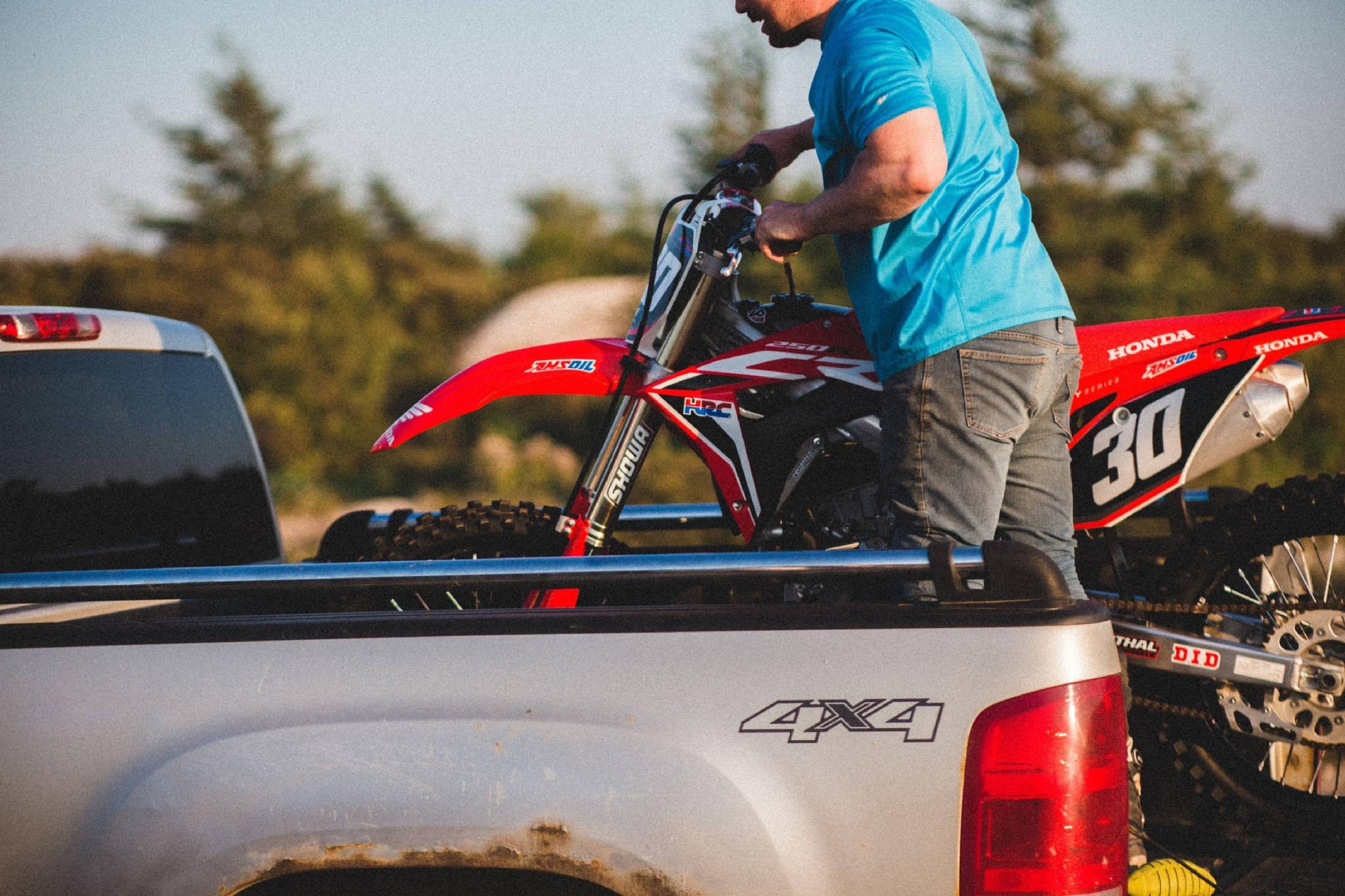
After booking, your bike is prepared and picked up from your address or a depot. During pickup, specialist equipment cradles the front tire and secures the rear with straps, protecting sensitive parts like forks and struts.
You can track your bike’s journey with real-time updates—ideal for long interstate routes like Melbourne to Perth or Darwin to Victoria.
The process typically includes:
- Pickup from home, showroom, or depot
- Careful loading with specialized equipment
- In-transit tracking updates
- Delivery to your chosen address or authorized depot
At delivery, the bike is handled with the same care as at pickup. If you’re not available, depot storage is an option until you’re ready to receive it.
Preparing Your Motorcycle for Long-Distance Transport
Preparation is one of the easiest ways to protect your bike before shipping. Even when a carrier uses specialist equipment, you still want a clear record of the motorcycle’s condition before it leaves. That matters for sports bikes, cruisers, scooters, and custom builds alike.
The basics are simple: check the bike, document its condition, and follow the carrier’s rules on fuel, battery, and accessories. Paying attention to fairings or panniers can also help avoid preventable issues before transit begins.
Cleaning, Inspecting, and Documenting Bike Condition
Start by cleaning the motorcycle so its condition is easy to inspect. Dirt can hide marks, chips, or small scratches, which makes records less useful. Once the bike is clean, walk around it slowly and check visible areas carefully.
Make sure you document:
- Clear photos from multiple angles.
- Any existing marks on fairings, wheels, or bodywork.
- Important details linked to registration or model identification.
This step is especially useful for custom builds and sports bikes, where small cosmetic details matter more. A practical example is photographing both sides, the front, the rear, and close-ups of any pre-existing blemishes. If there is ever a question at drop-off, you have a simple visual record of the bike before transport.
Required Fuel, Battery, and Accessory Preparations
Before handover, follow the preparation guidance provided by the carrier. The compiled information confirms that customers are asked to prepare the vehicle according to set guidelines. That is the best point to confirm fuel level, battery expectations, and any rules around loose accessories.
Pay close attention to:
- Fuel requirements given by the transporter.
- Battery instructions before pickup.
- Removable accessories, such as panniers or add-ons on a cruiser.
This matters because accessories can shift or complicate handling if they are left unsecured. For example, if your cruiser has detachable luggage, confirm whether it should stay fitted or be removed before loading. Small preparation steps like this can make pickup smoother and reduce avoidable delays on transport day.
Conclusion
In conclusion, understanding how motorcycle transport interstate works in Australia is essential for any motorcycle owner considering a move. It’s important to grasp the various services available, from open and enclosed carriers to door-to-door delivery options, ensuring your bike is safeguarded during transit. Preparing your motorcycle adequately will not only facilitate a smoother transport experience but will also help maintain its condition. Remember to document and inspect your bike before transport, as this can be invaluable should you face any issues. If you’re ready to get started, don’t hesitate to reach out for a personalized quote to make your motorcycle transport hassle-free!
Frequently Asked Questions (FAQ)
Curiosity often surrounds the practicalities of motorcycle transport interstate in Australia. To address common inquiries, many riders wonder about the types of motorcycles that can be transported. Most services cater to a wide range of bikes, from cruisers to sports bikes, ensuring secure transport with full insurance coverage. Additionally, riders frequently ask about transit duration; typically, distances between cities like Brisbane and Melbourne may take several days. Ultimately, reliable services, transparent pricing, and commitment to care ensure peace of mind during the entire journey.
How long does it take to transport a motorcycle interstate in Australia?
Transport time depends on the route, distance, and delivery method. Popular routes on the east coast may move differently from long distances, such as Melbourne to Perth,h or shipments involving regional areas. The more kilometres involved, the more important it is to ask for an estimated schedule at the quote stage.
Is my motorcycle insured during interstate transport?
The compiled information does not confirm transit insurance or full insurance coverage details, so you should ask directly before booking. What it does show is a strong focus on utmost care, specialist equipment, and secure transport during the entire journey, which are still important parts of reducing risk.
How do I choose a reliable interstate motorcycle transport company?
Look for a good carrier with years of experience, specialist motorcycle equipment, route coverage, and clear preparation steps. A reliable service should also offer professional motorcycle transport, transparent quoting, and responsive customer service. If tracking and depot options matter to you, confirm those before you book.