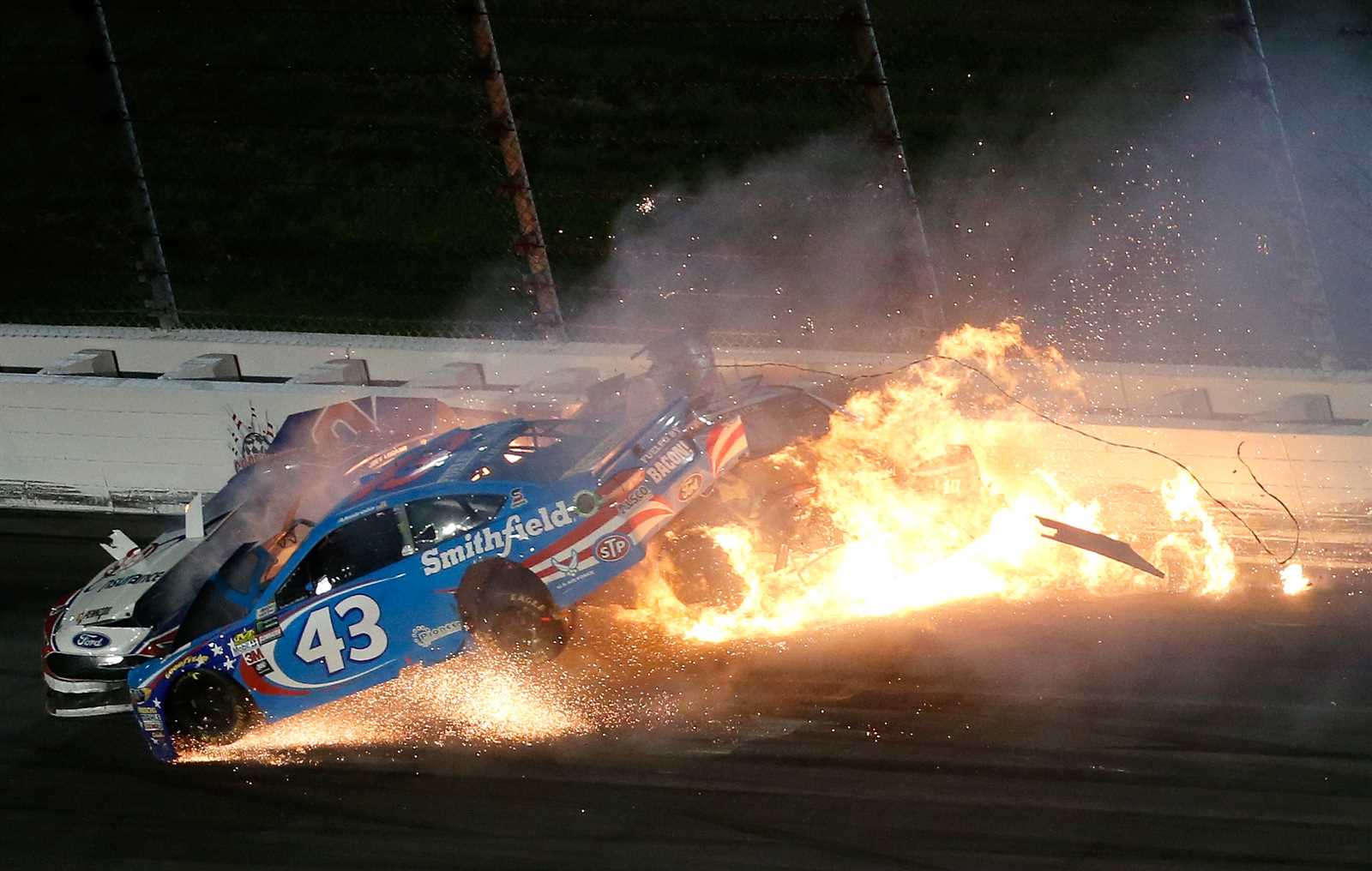
Watch any NASCAR Cup Series race and you’ll see something strange. A car that just ran close to 200 mph on the banking suddenly creeps down pit road like it’s in a school zone.
Nobody in the grandstand finds that odd anymore. It’s just part of the show.
But that slow crawl down pit road is one of the smartest safety rules in motorsports. And it holds a lesson that most people driving on public roads, and most companies running fleets of trucks, buses and vans, still haven’t fully learned.
Why Does Pit Road Have a Speed Limit at All?
Because someone got killed. NASCAR brought in pit road speed limits early in the 1991 season, right after a fatal pit road accident at the 1990 season finale in Atlanta.
Before that, pit road was a free-for-all. Crews worked inches from cars that came in hot and left even hotter. One bad moment changed the rules for good.
For about ten years after the rule came in, officials checked pit road speeds with stopwatches. Today, timing lines are built right into the pavement. They split pit road into short segments and measure each car’s average speed across every one.
Go even a fraction over the limit in any segment and the penalty is automatic. No arguing. No “I was only a little over.”
Even the Best Drivers Need a System
Elite racers don’t trust their right foot alone, and they shouldn’t have to. NASCAR drivers watch a row of dash lights that turn red when they creep toward the limit. Teams study timing line maps. Some even review pit road sector data in practice.
And they still get caught.
The most famous example might be Kevin Harvick at Atlanta in 2017. He led 292 laps that day. Then he clipped a timing line too early on his final stop, picked up a speeding penalty and lost the race.
Think about that for a second. One of the most skilled drivers of his generation, with every tool his team could give him, still couldn’t hold an exact speed by feel when the pressure was on.
Now picture a delivery driver running late in afternoon traffic. Or a tanker driver ten hours into a shift. Or a school bus driver on a road they’ve driven a thousand times.
They don’t have dash lights tuned to a timing line. They don’t have a spotter on the radio. They have a speed limit sign and their own judgment, and judgment fades when people get tired, rushed or bored.
That gap is exactly what fleet safety technology is built to close. Dubai-based Resolute Dynamics, for example, makes speed limiters and GPS tracking systems for commercial vehicles such as taxis, school buses and trucks, with operations across more than ten countries. The idea is simple. Take the “please don’t speed” part out of the driver’s hands and turn it into a hard limit the vehicle itself respects.
What Does a Road Speed Limiter Actually Do?
It caps how fast the vehicle can go, no matter how hard the driver presses the pedal. It’s the road version of a pit road timing line, except it stops the speeding before it happens instead of punishing it afterward.
Most commercial speed limiters work through the vehicle’s electronics. Once the set speed is reached, the system stops sending more power. The driver can still brake, steer and slow down as normal. They just can’t go past the number.
Some setups go a step further:
- Dual or multi-speed limiting lets a vehicle run one cap on the open road and a lower one in a work site, yard or city zone. Racing fans will recognize the logic straight away. It’s the same idea as having one speed for the track and another for pit road.
- GPS tracking records where and how fast each vehicle traveled. That gives managers the same kind of segment-by-segment data that NASCAR officials use on pit road.
- Tamper alerts and logs show when someone has tried to get around the system, which matters a lot once a company is relying on it.
None of this replaces good driving. But it removes the single biggest variable: a tired or hurried human deciding, in the moment, that a little extra speed is fine.
How Big Is the Speeding Problem on Public Roads?
Big enough that it accounts for nearly a third of all traffic deaths in the U.S. According to NHTSA’s latest speeding data, 11,288 people died in speeding-related crashes in 2024. That was 29% of every traffic fatality that year, and another estimated 316,757 people were injured.
There is some good news. NHTSA’s early estimates for 2025 point to roughly an 11% drop, to about 10,035 deaths. That’s real progress, but it’s still more than ten thousand families getting the worst phone call of their lives.
Here’s the part that surprises a lot of people. NHTSA found that 87% of speeding-related deaths in 2024 happened on roads that were not interstates. So it’s not mainly about wild highway runs. It’s local roads, city streets and rural routes, exactly where delivery vans, buses and work trucks spend most of their day.
NHTSA’s own leadership made the racing connection this summer when it launched its “Speeding Catches Up with You” campaign. Their message boiled down to this: speed belongs on the track, not on the street.
Race fans already get that. We cheer for speed on Sunday because it happens in a controlled place, with walls, rules, safety crews and penalties that actually get enforced.
What Can Fleet Managers Borrow from a Pit Crew?
Pretty much the whole playbook. NASCAR didn’t fix pit road by asking drivers to be more careful. It fixed it with clear limits, constant measurement and penalties nobody could talk their way out of.
A fleet can do the same thing:
- Set the number before the race starts. Decide the max speed for each vehicle type and route. Don’t leave it to each driver on each trip.
- Measure, don’t guess. Pit road works because every segment is timed. Fleets need the same steady data from tracking systems, not just complaints or police reports after something goes wrong.
- Use two speeds where it makes sense. A truck that moves between highways and job sites needs a different limit in each place, just like a race car on the track and on pit road.
- Make the rule boring and predictable. The best pit road penalty is the one nobody gets, because everybody knows the limit is real.
- Review the data after every “race.” Teams go over pit stops frame by frame. Fleet managers can go over trip reports the same way and spot problems before they turn into crashes.
Speed Has a Place, and It Isn’t Main Street
I love speed as much as anyone who reads this site. There’s nothing like a green flag restart with forty cars fighting for the same piece of asphalt.
But part of what makes racing great is that it’s honest about risk. The sport learned the hard way that even the best drivers need hard limits in the places where people are working close to the cars.
Public roads are one long pit road. There are kids crossing, workers on the shoulder and drivers who are tired, distracted or new. The tools that keep commercial vehicles under control already exist, and they’re getting easier to install, track and manage every year.
Save the 200 mph laps for Sunday. Everywhere else, the smartest move in motorsports is also the smartest move for every fleet on the road: respect the limit, and build a system that makes sure you do.