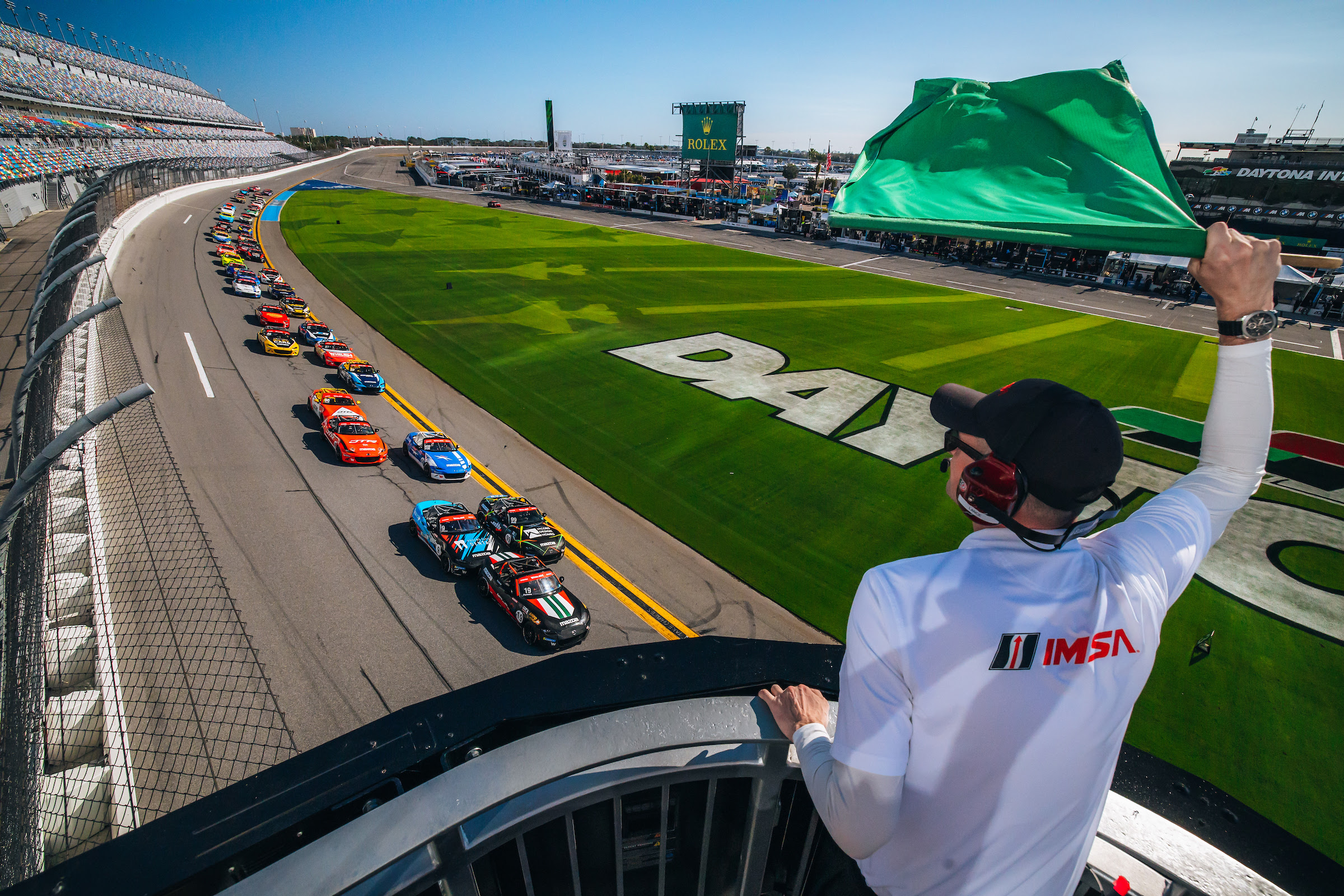
A NASCAR driver can spend hundreds of laps building a winning position, only to lose that advantage in a matter of seconds on pit road. While fans naturally focus on overtaking manoeuvres and dramatic battles on the track, some of the most important moments happen when cars temporarily leave the racing surface.
Modern NASCAR pit stops are carefully choreographed operations involving drivers, tyre changers, tyre carriers, jack operators, and fuel specialists. Every movement has a purpose, and timing is essential when several teams are competing for valuable positions.
A successful stop can put a driver ahead of a rival without completing an overtake on the track. Understanding the mistakes that influence pit road performance reveals why preparation, communication, and precision are just as important as outright speed.
Poor Pit Crew Preparation Before the Race
Successful pit stops begin long before the green flag. NASCAR teams spend considerable time practising coordinated movements, examining equipment, and reviewing strategies for different race situations.
The preparation environment plays an important role in establishing consistent routines. A well-organised workshop gives crew members dedicated areas for equipment maintenance, physical training, and reviewing previous performances.
Team facilities can also reflect the organisation’s identity through thoughtful architectural choices. For instance, businesses developing motorsport-inspired workshops, team offices, or racing hospitality spaces can explore shiplap siding for sale when planning attractive timber finishes. These materials offer opportunities to create distinctive surroundings that celebrate craftsmanship and automotive culture.
For pit crews, however, the essential preparation happens through repetition. Practising tyre changes, refining equipment placement, and developing precise movement patterns help everyone understand their responsibilities.
The strongest teams approach pit stops as athletic performances that require preparation comparable to the driving itself.
Entering Pit Road Too Quickly
One of the most consequential pit road mistakes occurs before the car reaches its assigned stopping position.
NASCAR enforces speed limits on pit road, and drivers must reduce their speed sufficiently before entering the regulated area. Because race cars do not use conventional road-car speedometers, drivers rely on instruments and previously established reference points to maintain the required pace.
The challenge becomes particularly intense during green-flag stops. Drivers approach the entrance at racing speed while simultaneously preparing for braking, steering, and locating their pit stall.
Exceeding the speed limit can result in a penalty that eliminates much of the advantage gained during previous laps.
Experienced drivers practise their pit entry procedures during preparation sessions, identifying braking markers and learning how the car responds under different conditions.
A controlled entry is often more valuable than attempting to gain an extra fraction of a second.
Missing the Correct Stopping Position
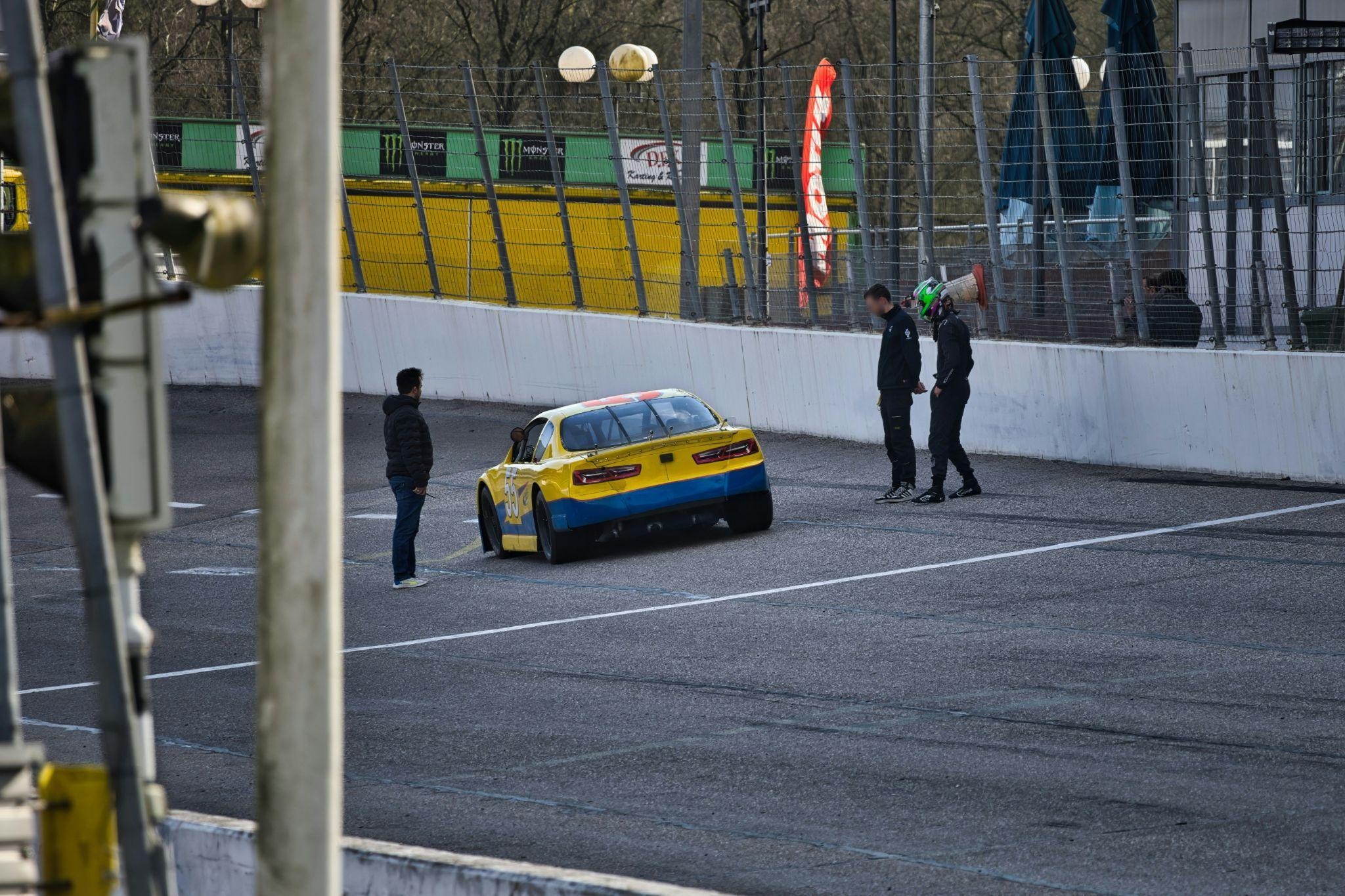
Photo by Wolfgang Vrede on Unsplash
Even when a driver enters pit road at the correct speed, positioning the car accurately remains essential.
Each team operates within an assigned pit box, where crew members anticipate exactly where the vehicle will stop. Arriving too far forward or backward can disrupt the carefully rehearsed sequence.
The tyre changers need predictable access to the wheels, while the jack operator and fuel specialist depend on the car being positioned correctly.
Drivers use visual references and communication with their teams to identify their stopping points. These references become especially valuable when neighbouring pit stalls are occupied.
Stopping outside the designated area can also create regulatory problems, depending on the circumstances.
For spectators, the difference between a perfectly positioned car and one that stops awkwardly might appear minimal. For a crew working against the clock, those inches can significantly affect the entire stop.
Making Mistakes During Tyre Changes
Modern NASCAR Cup Series cars use a single centre-lock wheel nut, allowing highly trained crews to complete tyre changes remarkably quickly.
However, the system still demands exceptional precision. Tyre changers must correctly operate their equipment, secure the wheels, and coordinate their movements with the rest of the crew.
A delay involving one wheel can affect the entire stop, particularly when another team completes its service efficiently.
Tyre management also matters after removal. Crews must maintain control of discarded tyres and follow NASCAR’s rules governing their movement within the pit area.
An uncontrolled tyre can lead to a penalty, making disciplined handling essential even when the replacement wheel has been installed successfully.
Repeated practice helps teams develop reliable routines while maintaining the speed required for competitive racing.
Poor Communication Between Drivers and Crew Members
Communication is particularly important when race conditions change unexpectedly.
A caution period may suddenly bring numerous competitors onto pit road simultaneously, forcing teams to make immediate decisions about tyres, fuel, and positioning.
The crew chief must communicate strategy clearly, while the driver needs accurate instructions about entering the pit stall and rejoining traffic.
Spotters also provide valuable information about surrounding vehicles, helping drivers navigate crowded sections of pit road.
Confusion can lead to delays, missed opportunities, or unnecessary complications during an otherwise routine stop.
Teams prepare for these situations by establishing clear communication procedures and reviewing possible scenarios before the race.
When everyone understands the plan, the crew can concentrate on executing its responsibilities efficiently.
Choosing the Wrong Pit Strategy at a Critical Moment
Not every costly pit road decision involves a mechanical or procedural mistake. Strategy can be equally influential.
Crew chiefs must decide when to stop, whether to change two or four tyres, and how much fuel the car requires to reach the finish.
These decisions depend on tyre wear, remaining laps, track position, anticipated cautions, and the behaviour of rival teams.
Stopping earlier than competitors can sometimes create an advantage through fresher tyres. In other situations, remaining on track provides valuable positioning.
A decision that appears promising initially may change dramatically when an unexpected caution alters the race.
Successful strategy therefore requires careful analysis combined with the flexibility to respond quickly.
Ultimately, NASCAR races are won through the combined efforts of drivers and their teams. A fast car creates opportunities, but disciplined pit stops help turn those opportunities into results. When preparation, communication, execution, and strategy come together, a few seconds on pit road can make the difference between chasing victory and celebrating it.